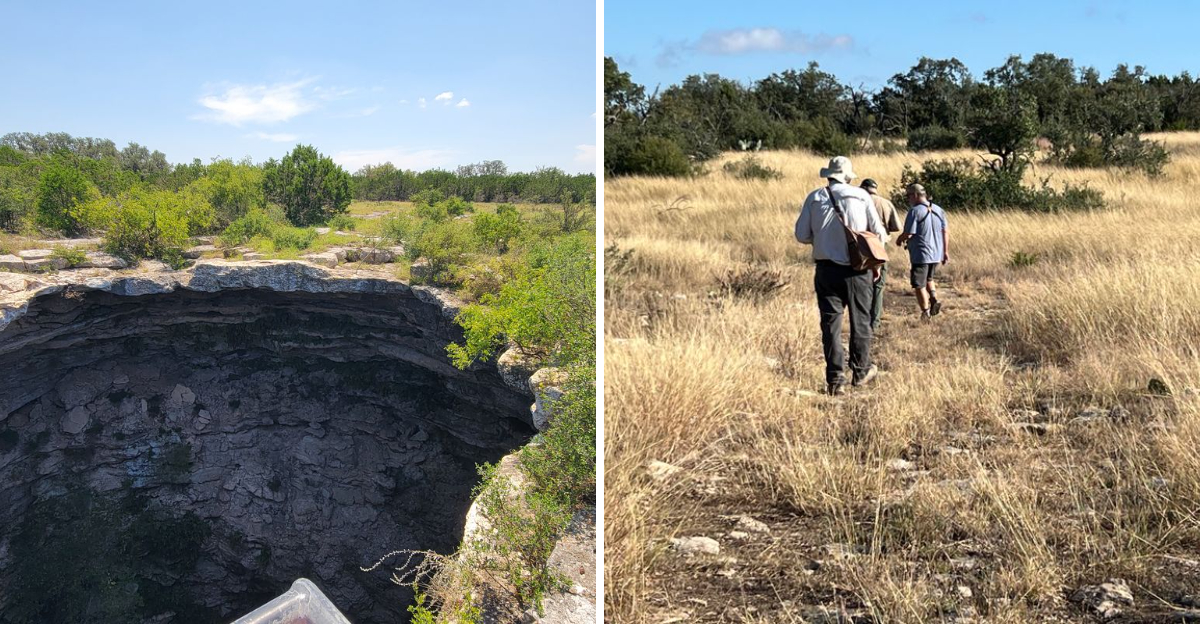
The first time I stood near the Devil’s Sinkhole in the Texas Hill Country, the quiet stopped me in my tracks. Not peaceful quiet, but the kind that feels heavy, like the land itself is holding its breath.
Just outside Rocksprings, this massive vertical cave drops straight down into the earth, deeper than my eyes could follow, opening into a cavern so large it’s hard to wrap your head around.
I came for the bats, millions of them spiraling out into the evening sky, but what stayed with me was the feeling of standing on the edge of something ancient and unexplained.
There are no crowds, no gift shops, no casual photo ops here. You need a reservation, steady nerves, and a willingness to sit with the unknown.
Peering into that dark opening, I couldn’t shake the sense that Texas is hiding far more beneath its surface than most of us ever realize.
A Vertical Cave That Defies Expectations
Most sinkholes gradually slope downward, giving you time to adjust to the descent into darkness. Not this one.
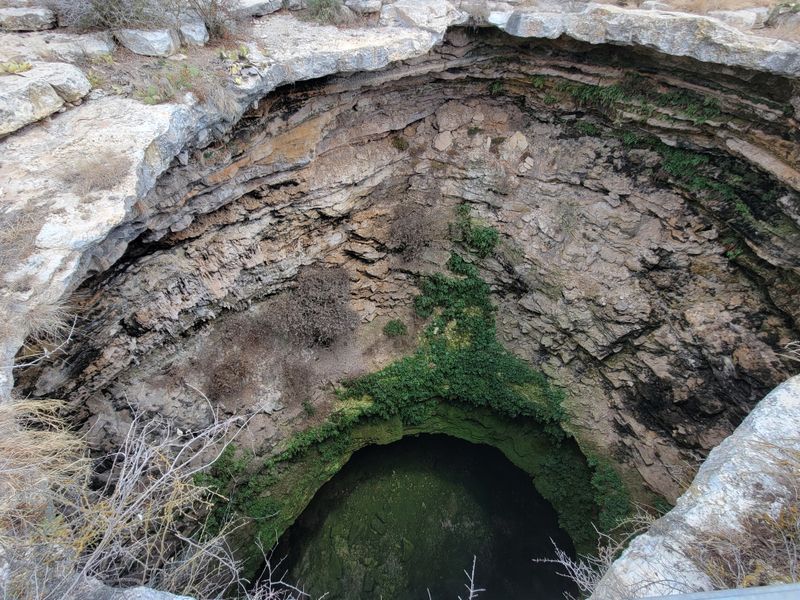
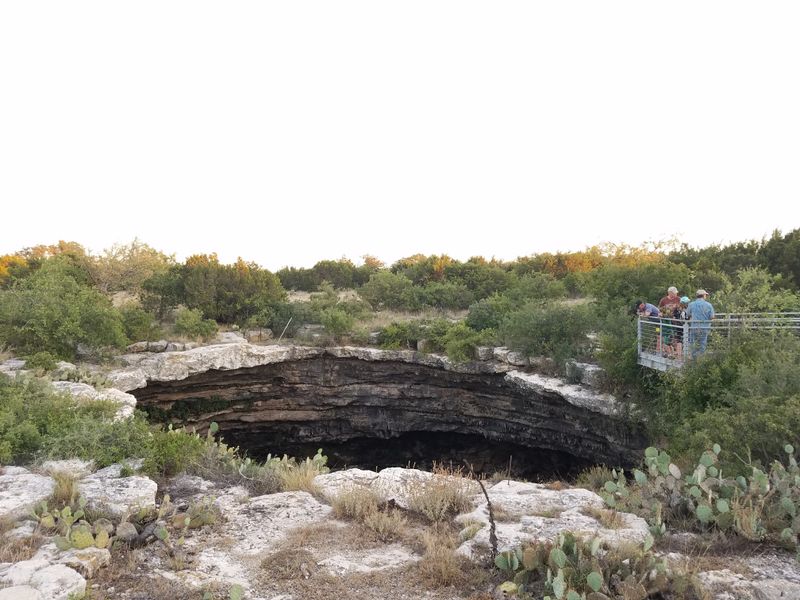
The Devil’s Sinkhole drops like an elevator shaft cut by nature’s hand, a perfectly vertical opening that measures 40 feet across at the surface. Peering over the edge feels like staring into another dimension where gravity pulls harder and light simply gives up.
The opening narrows as it descends, creating a funnel effect that amplifies the eerie silence visitors describe. Sound doesn’t echo here the way it should in a cave.
Instead, noises seem to get absorbed into the void, swallowed by the darkness below.
At 140 feet down, the shaft opens into a massive underground chamber stretching 320 feet at its widest point. The ceiling arches 80 feet high in places, creating a cathedral-like space that has remained largely untouched by human hands.
Geologists believe water carved this limestone wonder over millions of years, dissolving rock grain by grain.
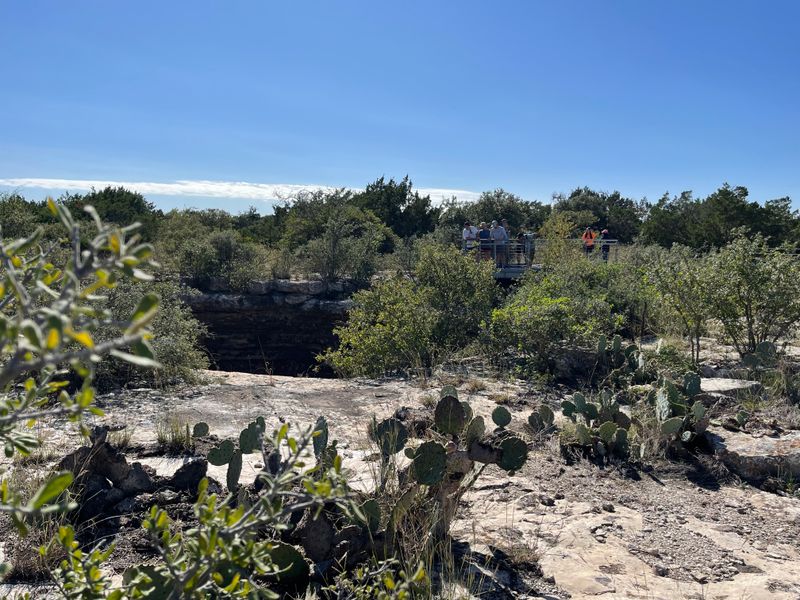
Standing at the viewing platform, you can’t see the bottom without special equipment. The darkness is absolute, complete, the kind that makes you understand why ancient peoples told stories about doorways to the underworld.
This geological formation challenges everything you think you know about Texas landscapes.
The Silence That Shouldn’t Exist
Here’s where things get weird in a way that science struggles to fully explain. Visitors consistently report an unnatural quiet at the sinkhole’s edge, a silence so profound it feels physical.
You’d expect wind rushing through the opening to create whistling sounds, or echoes bouncing off limestone walls. Neither happens reliably.
Acoustics experts have studied the phenomenon without reaching definitive conclusions. The vertical shaft’s shape may create unusual sound-dampening effects, absorbing frequencies in unexpected ways.
Some theorize the constant temperature differential between the cool cave air and warmer surface creates atmospheric conditions that bend sound waves.
Local guides have witnessed seasoned cavers go quiet when approaching the rim, their usual chatter dying mid-sentence. It’s not a conscious choice to whisper.
Something about the space commands silence, makes noise feel inappropriate or impossible.
The quiet intensifies during certain times of day, particularly in the still hours before dawn when even insects seem to avoid the area. Birds that normally fill Texas mornings with song steer clear of the immediate vicinity.
Stand there long enough, and you’ll notice your own breathing sounds too loud, intrusive in a space that demands reverence or maybe just wants to be left alone.
Millions of Bats Call This Home
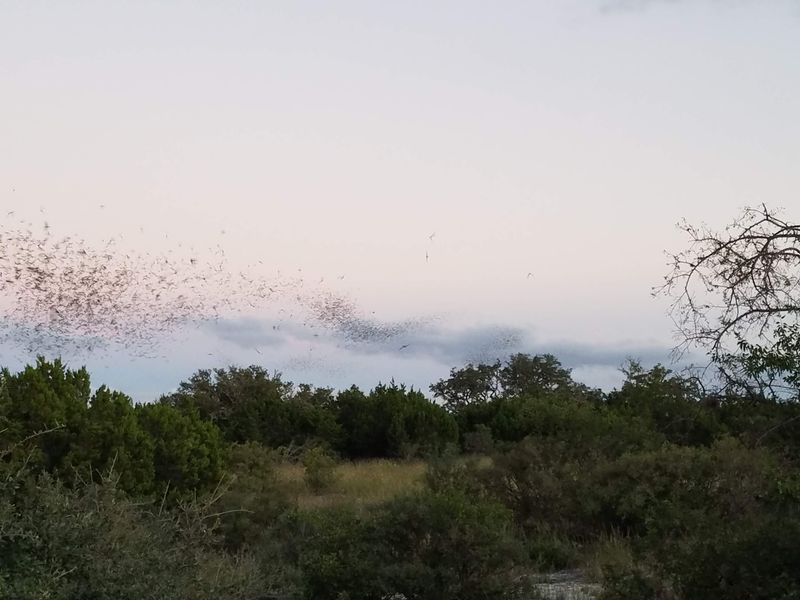
Between March and October, the Devil’s Sinkhole becomes a maternity colony for an estimated 3 to 4 million Mexican free-tailed bats. That’s not a typo.
Millions of these small mammals cling to the cavern walls during daylight hours, nursing their young and resting before the nightly hunt begins.
The evening bat emergence ranks among the most spectacular wildlife displays in North America. Starting around sunset, bats begin their spiraling ascent from the depths, creating a living tornado that pours from the opening.
The exodus can last up to three hours as wave after wave of bats funnel upward into the darkening sky.
What makes this colony extraordinary is its sheer size and the sinkhole’s unique architecture. The vertical shaft acts as a natural chimney, allowing bats to gain altitude quickly and efficiently.
They can consume up to 30,000 pounds of insects each night, making them essential pest controllers for Texas agriculture.
The Devil’s Sinkhole Society carefully manages viewing times to protect the colony. Reservations are required, and visitor numbers stay limited to minimize disturbance.
Watching millions of wings beat in synchronized chaos while that strange silence holds until the moment they emerge creates a contradiction your brain struggles to process.
Access Requires Planning and Patience
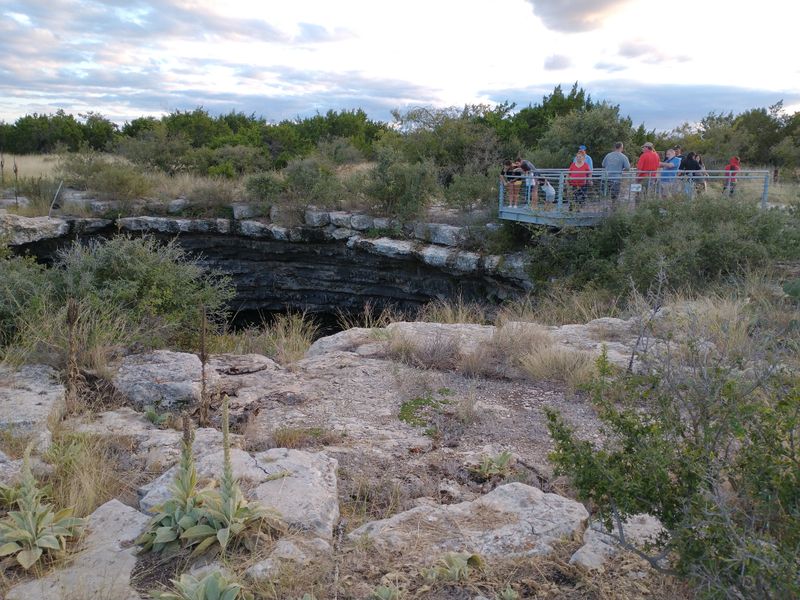
You can’t just roll up to the Devil’s Sinkhole with your cooler and lawn chair. This isn’t that kind of Texas attraction.
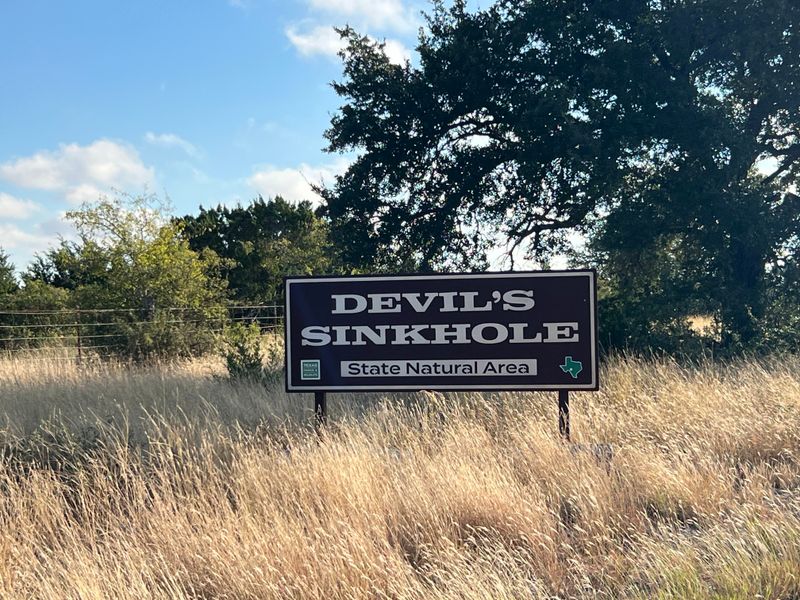
The site sits on private land managed by the Devil’s Sinkhole Society, a dedicated group of volunteers who schedule and lead all visits. Their office at 101 N Sweeten St in Rocksprings serves as the gateway to this underground wonder.
Tours operate Wednesday through Sunday from 10 AM to 3 PM, but you’ll need advance reservations by calling (830) 683-2287. The society offers different experiences including morning bird hikes and evening bat emergence tours.
Each tour is led by knowledgeable volunteers who share the sinkhole’s natural history, geological formation, and conservation importance.
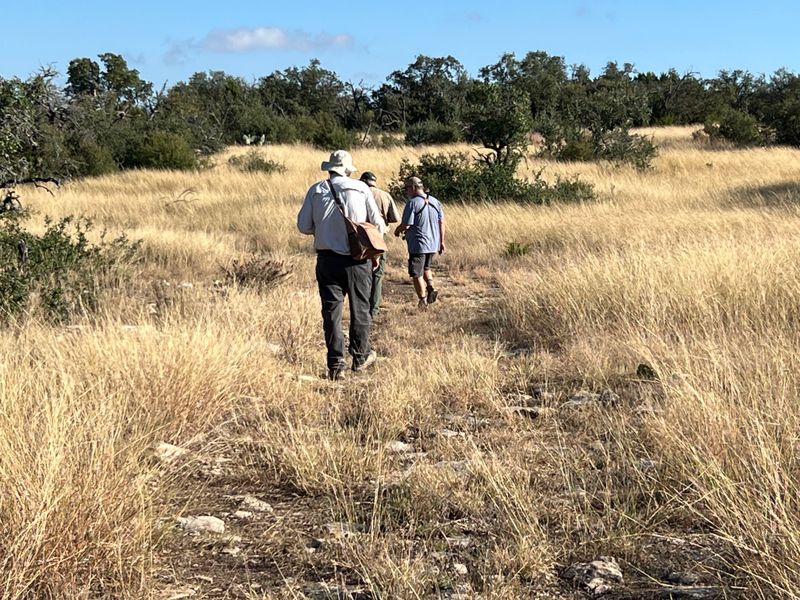
Getting there requires commitment since Rocksprings sits about 120 miles northwest of San Antonio in one of Texas’s most sparsely populated regions. The drive takes you through genuine Hill Country, where ranches stretch for miles and cell service becomes a suggestion rather than a guarantee.
The limited access frustrates some visitors accustomed to instant gratification, but it’s precisely this protection that keeps the Devil’s Sinkhole pristine. The volunteers’ dedication ensures future generations can experience this natural marvel without the commercialization that diminishes so many unique places.
Geological History Written in Limestone
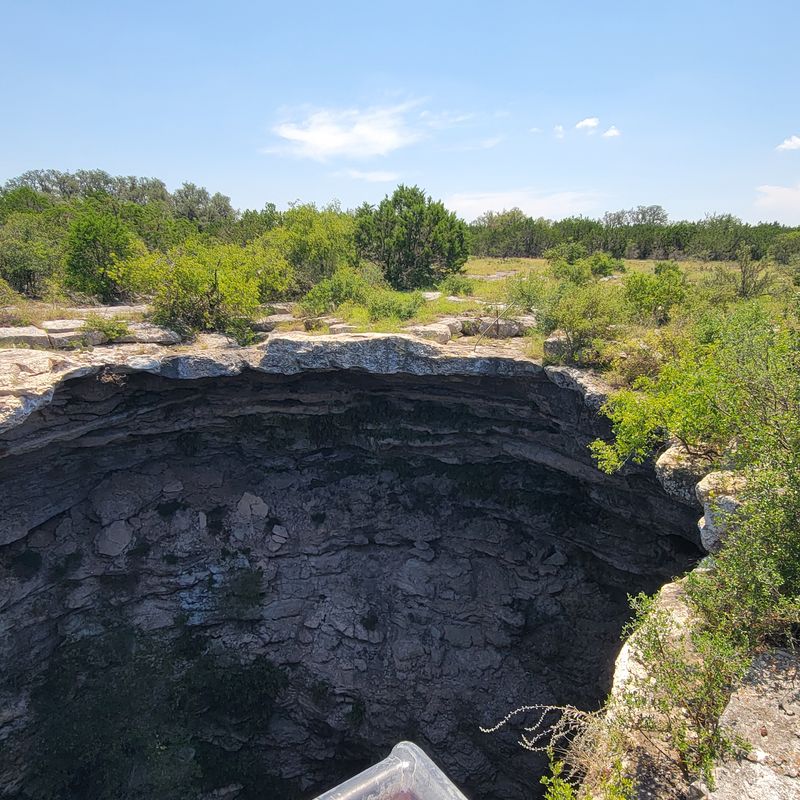
The Devil’s Sinkhole began forming during the Cretaceous Period when this region lay beneath a shallow sea. Marine organisms died and accumulated on the seafloor, their calcium-rich shells compressing into limestone over millions of years.
Fast forward through geological epochs, and you get the Edwards Plateau, a massive limestone formation covering much of central Texas.
Water is the artist that carved this masterpiece. Rainwater absorbing carbon dioxide from soil becomes mildly acidic, slowly dissolving limestone along cracks and weaknesses.
Over perhaps two million years, a small fissure became a vertical shaft, then a massive cavern as the process continued relentlessly.
The sinkhole represents a type of formation called a vertical pit cave or natural shaft. These are relatively rare compared to horizontal cave systems.
The Devil’s Sinkhole’s depth and the size of the chamber below make it particularly significant to geologists studying karst topography and cave formation processes.
Examining the exposed limestone walls reveals layers of sedimentary rock, each stripe representing a different period in Earth’s history. Fossils occasionally appear in the stone, reminders that ancient sea creatures contributed their bodies to create the very structure that now houses millions of bats.
The geological story here spans incomprehensible time scales that make human history feel like a footnote.
Bird Life Thrives in Unexpected Ways
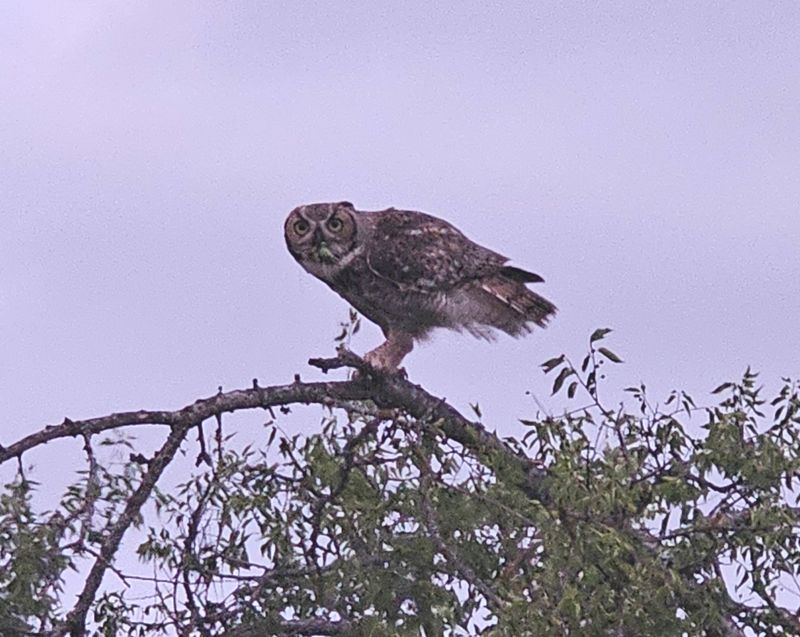
While bats get most of the attention, the Devil’s Sinkhole supports a surprising diversity of bird species that have adapted to this unusual habitat. Cave swallows nest along the upper portions of the shaft, darting in and out with acrobatic precision.
Their mud nests cling to limestone walls just below the surface opening where light still penetrates.
Morning bird hikes offered by the Devil’s Sinkhole Society reveal species you might not expect in this arid region. Golden-cheeked warblers, an endangered species, inhabit the juniper-oak woodlands surrounding the sinkhole.
Their distinctive songs provide the soundtrack to morning visits when that eerie silence temporarily lifts.
Turkey vultures and hawks sometimes circle the opening, riding thermal currents that rise from the temperature differential between the cool cave and warm surface air. They seem to understand the sinkhole’s boundaries, rarely venturing directly over the opening itself as if respecting an invisible line.
The ecosystem surrounding the sinkhole creates a microclimate that supports plant and animal life different from the surrounding rangeland. More moisture lingers here, carried upward by air currents from below.
This creates a slightly lusher environment where birds find insects, seeds, and nesting materials. The interconnection between the underground world and surface habitat demonstrates how ecosystems function as integrated wholes rather than separate parts.
The Temperature Anomaly Below
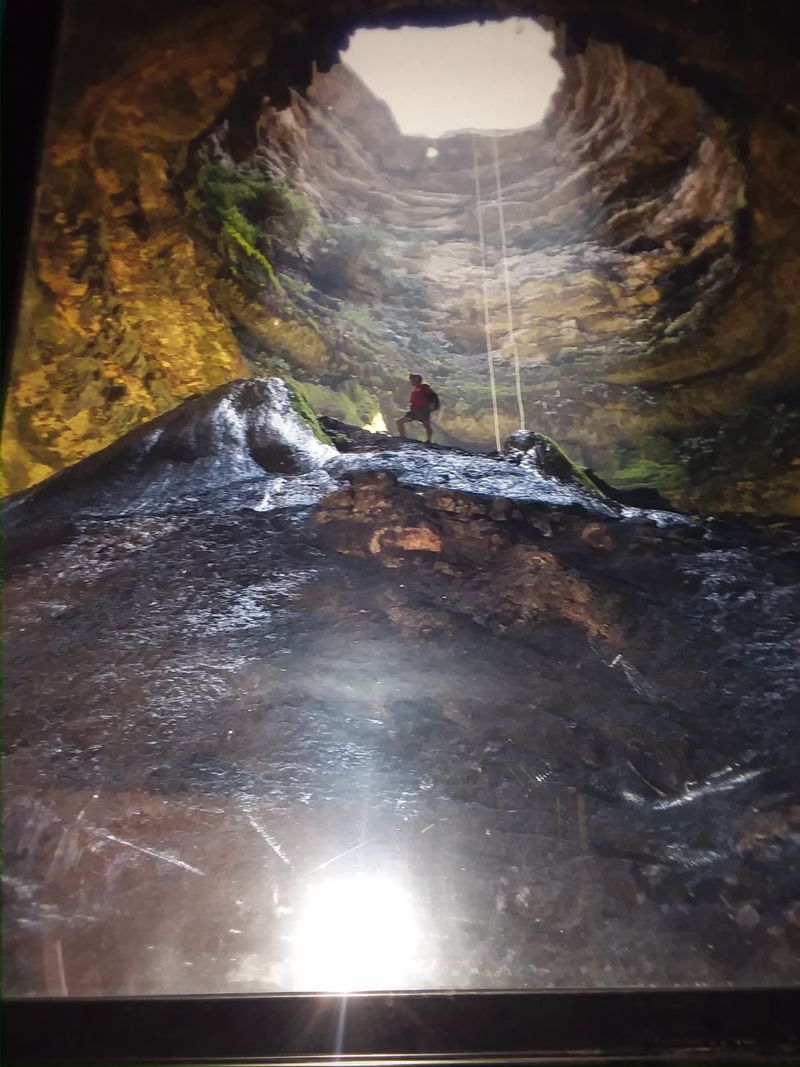
Descend into the Devil’s Sinkhole, and you’ll encounter a dramatic temperature shift that defies the scorching Texas heat above. The cavern maintains a constant temperature around 65-68 degrees Fahrenheit year-round, creating a refrigerator effect in summer and a warm refuge in winter.
This thermal stability is crucial for the bat colony’s survival.
The temperature differential creates interesting atmospheric effects. On hot summer days, cool air flowing from the opening can be felt several feet away from the rim.
In winter, warmer air rises from below, sometimes creating visible condensation or mist that hovers around the entrance.
This consistent underground temperature results from the insulating properties of thick limestone and the cave’s depth. Surface temperature swings simply don’t penetrate far enough to affect the interior climate.
The stable conditions allow bats to regulate their body temperature efficiently, essential for nursing mothers raising pups.
Researchers have documented unique air circulation patterns within the cavern. The vertical shaft acts as a natural ventilation system, drawing fresh air down one side while stale air rises on the other.
This creates a gentle but constant air movement that prevents the buildup of carbon dioxide from millions of breathing bats. The cave essentially breathes, inhaling and exhaling in slow cycles that maintain livable conditions in an otherwise sealed environment.
Conservation Efforts Protect a Fragile System
The Devil’s Sinkhole gained protection in 1985 when the Texas Parks and Wildlife Department recognized its significance as a bat colony and geological feature. The site became a National Natural Landmark, acknowledging its importance to both natural history and scientific research.
This designation came just in time, as development pressures in Texas were increasing.
The Devil’s Sinkhole Society formed to manage public access while protecting the delicate ecosystem. These volunteers receive no payment for their work, driven instead by passion for conservation and education.
They conduct tours, maintain trails, monitor bat populations, and educate visitors about the importance of preserving unique natural features.
Threats to the sinkhole include potential groundwater contamination, climate change affecting bat migration patterns, and diseases like white-nose syndrome that have devastated bat colonies elsewhere. The society works with researchers to monitor these threats and implement protective measures.
Limiting visitor numbers prevents disturbance to nesting bats and reduces wear on surrounding habitat.
Your visit directly supports conservation efforts through tour fees that fund ongoing protection work. The model demonstrates how sustainable tourism can coexist with preservation when managed thoughtfully.
Unlike commercialized attractions that prioritize profit, the Devil’s Sinkhole remains focused on long-term ecological health, proving that some places are worth more unspoiled than developed.
The Science of Sound Absorption
Acoustic researchers have proposed several theories about the Devil’s Sinkhole’s unusual sound-dampening properties. The vertical shaft’s geometry creates what acousticians call a Helmholtz resonator, similar to how blowing across a bottle opening produces a specific tone.
The sinkhole may absorb certain sound frequencies while allowing others to pass, creating the perception of unnatural silence.
Limestone’s porous nature contributes to sound absorption. Microscopic holes in the rock surface trap sound waves, converting acoustic energy into tiny amounts of heat through friction.
This effect multiplies across the vast surface area of the cavern walls, potentially absorbing significant sound energy before echoes can return to the surface.
Temperature layering in the shaft may also bend sound waves in unexpected directions. As sound travels through air masses of different temperatures and densities, it refracts much like light bending through water.
Sounds that should echo straight back might instead curve downward into the abyss or upward into the atmosphere, never returning to your ears.
Some scientists suggest the constant presence of millions of bats and their droppings (guano) creates an additional sound-absorbing layer on cavern surfaces. Organic material tends to dampen sound more effectively than bare rock.
Whatever the combination of factors, the Devil’s Sinkhole creates acoustic conditions that remain not fully understood, adding scientific mystery to the site’s already eerie reputation.
Planning Your Visit for Maximum Impact
Timing your Devil’s Sinkhole visit right makes the difference between a good experience and an unforgettable one. Peak bat season runs from May through September when the colony reaches maximum size with mothers and their pups.
Evening emergence tours during this period offer the most spectacular shows, with millions of bats creating that signature spiral.
Arrive in Rocksprings the day before your scheduled tour to avoid rushing and account for the remote location. Cell service becomes spotty outside town, so download maps and directions beforehand.
Bring water, sunscreen, and sturdy walking shoes since Texas Hill Country terrain can be rocky and uneven.
Morning tours provide a different experience focused on birding and geology without the bat spectacle. The strange silence feels more pronounced in morning stillness before wind picks up.
These quieter visits allow more time to contemplate the sinkhole’s geological significance without crowds competing for viewing positions.
Weather matters more than you might expect. Bats delay emergence during storms or high winds, and tours may be canceled if conditions pose safety risks.
Spring offers mild temperatures and wildflowers blooming across the Hill Country. Fall brings comfortable weather and reduced crowds as summer tourists head home.
Whatever season you choose, book well in advance since tour sizes stay intentionally small. The Devil’s Sinkhole rewards those who plan ahead and approach with patience and respect for this natural wonder.
Dear Reader: This page may contain affiliate links which may earn a commission if you click through and make a purchase. Our independent journalism is not influenced by any advertiser or commercial initiative unless it is clearly marked as sponsored content. As travel products change, please be sure to reconfirm all details and stay up to date with current events to ensure a safe and successful trip.
