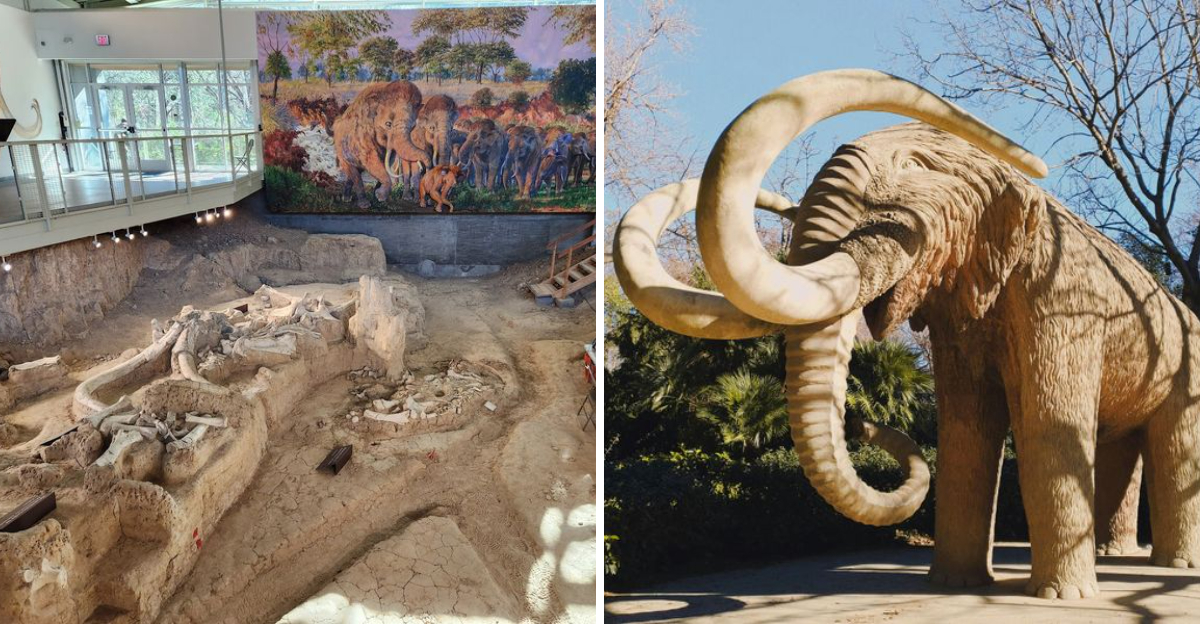
Texas is not just big in size, it is big on history, and this site proves it in a way that is hard to wrap your head around.
At Waco Mammoth National Monument, an entire herd of Columbian mammoths was discovered preserved together, frozen in time for thousands of years. Not scattered bones, but a real snapshot of prehistoric life.
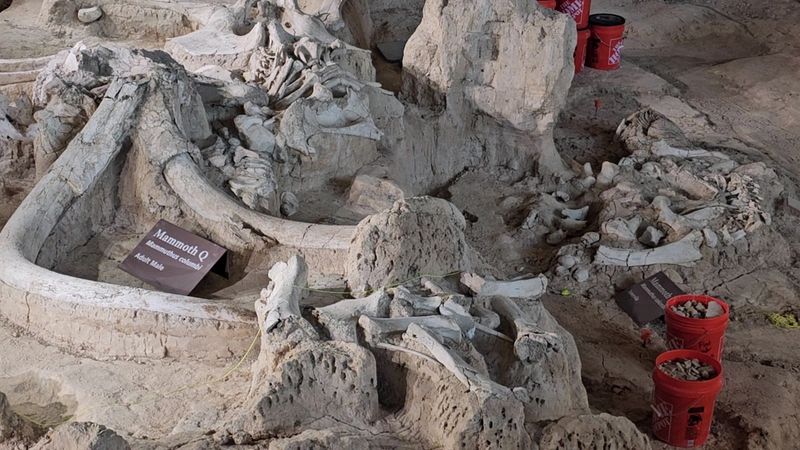
Inside the dig shelter, massive fossils rest exactly where they were found, giving you a rare look at something that feels more like a documentary than real life. It is one of those places that makes you pause for a second and think, this was all here long before anything else.
The Remarkable Discovery That Started It All
Back in 1978, two friends were exploring a ravine near the Bosque River when they spotted something massive sticking out of the earth. It was a giant bone, and neither of them had any idea what they were looking at.
Curious and excited, they brought it straight to Baylor University’s Strecker Museum.
Scientists quickly identified it as part of a Columbian mammoth femur, one of the largest land mammals to ever walk North America. That single discovery triggered years of careful excavations that would eventually uncover something nobody expected.
The site turned out to hold the remains of an entire nursery herd, a group of mammoths that appeared to have died together in a single catastrophic event.
From 1978 to 1997, paleontologists worked patiently through layers of ancient sediment, revealing 24 Columbian mammoths along with a Western camel and a saber-toothed cat. It is the kind of origin story that feels almost too dramatic to be real.
Yet every bit of it happened right here in central Texas, quietly waiting underground for someone to stumble upon it.
What Exactly Is a Columbian Mammoth
Before visiting the monument, I had never really thought about the difference between woolly mammoths and Columbian mammoths. Turns out, they are very different animals.
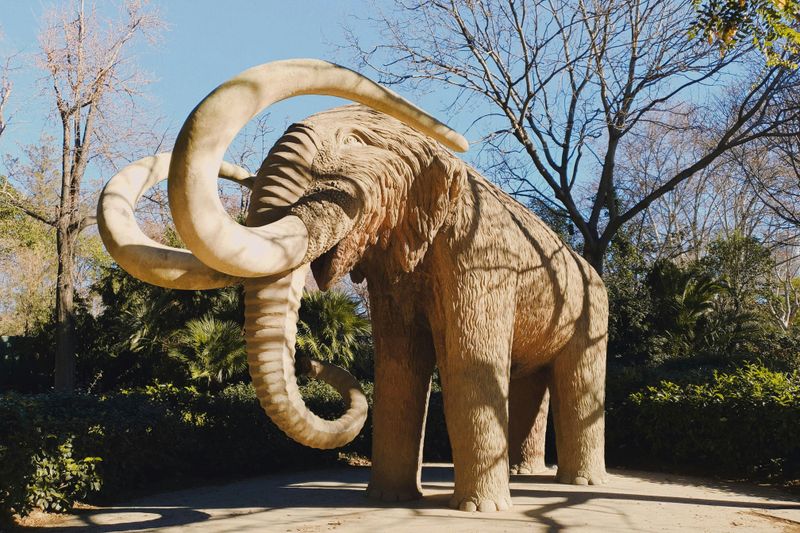
Columbian mammoths were significantly larger, often reaching heights of around 14 feet at the shoulder and weighing up to 22,000 pounds.
Unlike their woolly cousins, Columbian mammoths had much less fur and were better adapted to the warmer grasslands of central North America. Their tusks could grow to an astonishing 16 feet long, curving dramatically outward in a shape that looks almost impossible.
These creatures were herbivores, grazing on grasses, shrubs, and other vegetation that covered the ancient plains of what is now Texas.
They lived during the Pleistocene Epoch, a geological period that stretched from about 2.6 million to 11,700 years ago. Columbian mammoths coexisted with early humans, and evidence suggests that human hunting, combined with climate change, contributed to their extinction.
Seeing their fossilized remains up close makes that extinction feel less like a textbook fact and more like a genuine loss. These were real, breathing giants, and the monument keeps that memory very much alive.
The Nursery Herd That Changed Paleontology
What makes the Waco site unlike any other in the world is the nature of what was found there. The 24 mammoths were not scattered randomly across a wide area.
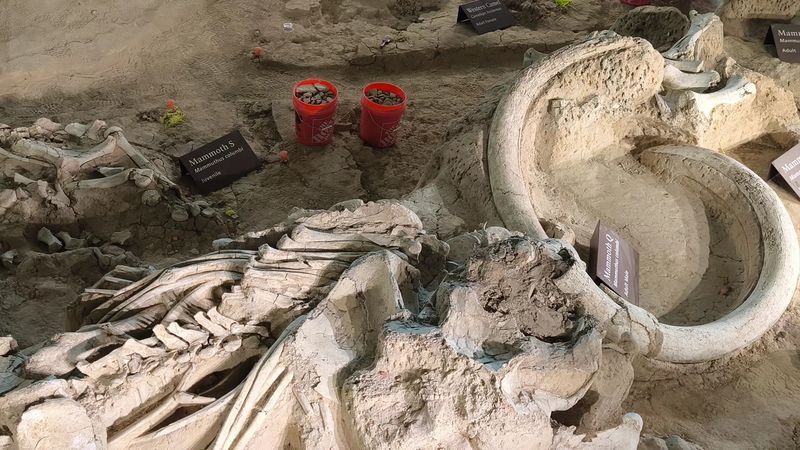
They were clustered together in a pattern consistent with a nursery herd, a group made up mostly of females and young calves traveling together.
This was the first and only recorded discovery of a Columbian mammoth nursery herd anywhere on the planet. That fact alone earned the site its designation as a National Monument.
Scientists believe the entire group was killed by a flash flood event, preserved almost instantly beneath layers of sediment that protected their bones for tens of thousands of years.
The arrangement of the fossils tells a story. Larger adults appear to have surrounded the younger animals, which mirrors the protective behavior seen in modern elephant herds today.
That behavioral parallel is fascinating because it gives us a real window into how these ancient giants may have lived and cared for each other. Paleontologists continue to study the site, and there is a genuine sense that the full story of this herd has not yet been completely told.
How the Site Became a National Monument
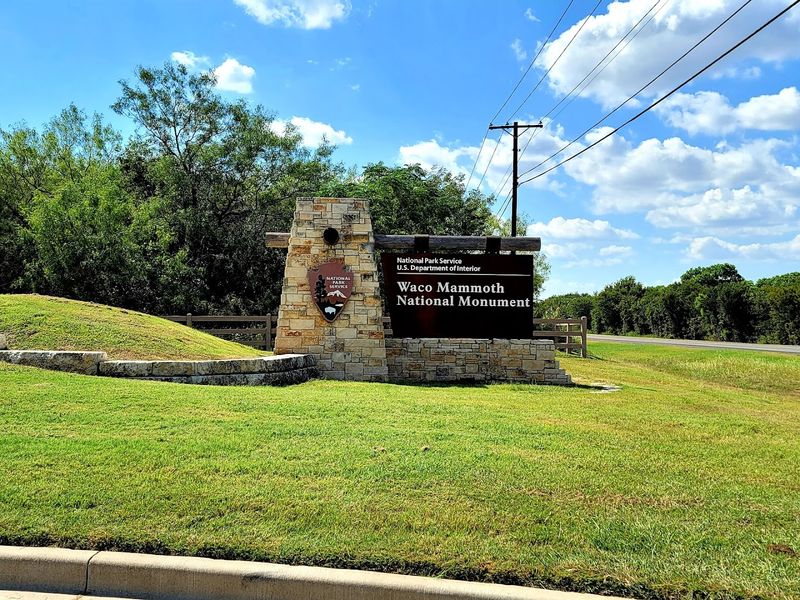
For years after the initial excavations, the site sat largely out of public reach. The fossils were protected, but the broader world did not have easy access to them.
That changed in December 2009, when the site finally opened its gates as a public park managed by the City of Waco.
The real turning point came in 2015, when President Barack Obama designated the Waco Mammoth Site as a National Monument under the Antiquities Act. That designation brought the National Park Service into the picture, creating a partnership between the NPS, the City of Waco, and Baylor University.
The collaboration gave the site significantly more resources and visibility on a national level.
Becoming a National Monument was a big deal for the region. It placed Waco on the map as a destination for history lovers, science enthusiasts, and curious families from across the country.
The monument now sits within a broader green space along the Bosque River, making it a genuinely pleasant outdoor experience as well as an educational one. The path to this recognition took decades, but the result is a site that now receives the care and attention its extraordinary fossils have always deserved.
The Dig Shelter Experience You Cannot Miss
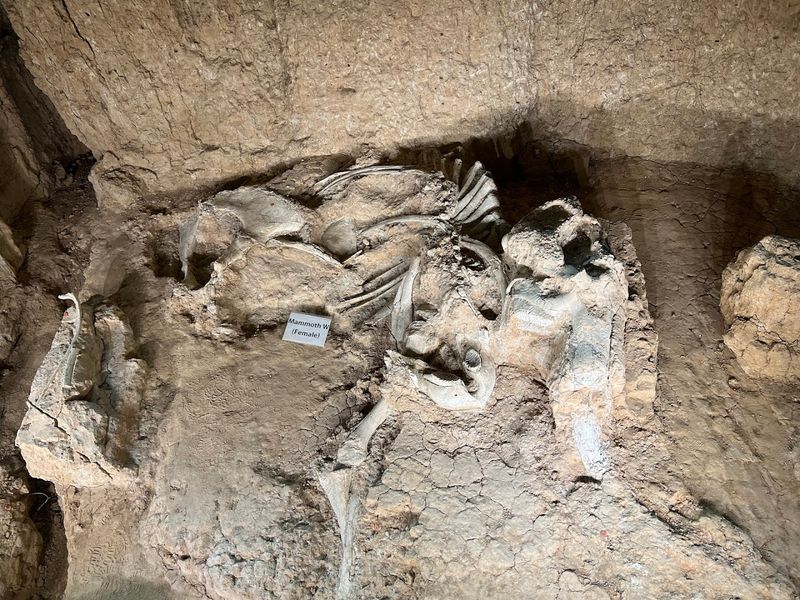
The centerpiece of any visit here is the Dig Shelter, a large climate-controlled building constructed directly over the fossil site to protect the bones from the elements. From the moment you step inside, the atmosphere shifts completely.
It feels cooler, quieter, and somehow older, like the air itself carries a little bit of ancient history.
Access to the Dig Shelter is by guided tour only, which honestly makes the experience much richer. The guides are knowledgeable and genuinely enthusiastic about what they are sharing.
They point out individual mammoths, explain the excavation process, and help visitors understand what the scientific evidence tells us about how these animals died.
Looking down at the fossils from the viewing platform is a surreal moment. These are not replicas or casts.
These are the actual bones, still embedded in the earth exactly where they were found thousands of years ago. The in-situ preservation is incredibly rare in paleontology, and it gives the site an authenticity that no museum exhibit can replicate.
I found myself leaning over the railing longer than I expected, just trying to absorb the reality of what I was looking at. It is a genuinely unforgettable experience.
Other Prehistoric Creatures Found at the Site
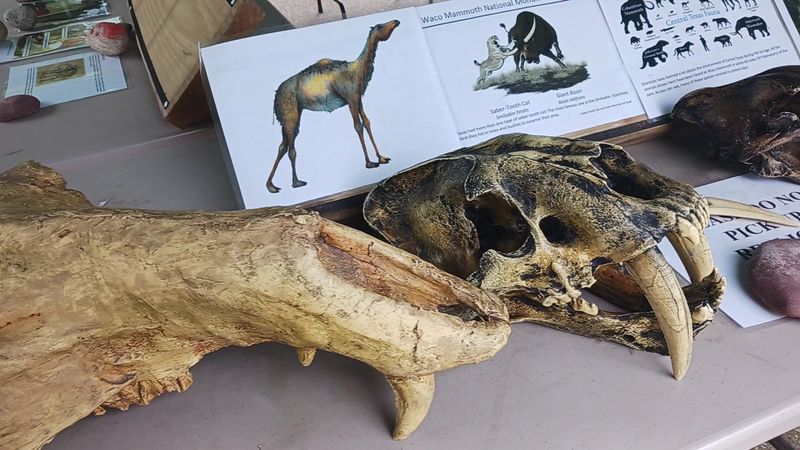
Mammoths get most of the attention here, and rightly so, but the excavations also turned up some other remarkable prehistoric residents. A Western camel and a saber-toothed cat were among the fossils recovered from the same sediment layers as the mammoth herd.
That detail alone adds an entirely new dimension to the story of this site.
The Western camel, known scientifically as Camelops hesternus, was a native North American animal that went extinct around the same time as the mammoths. Most people are surprised to learn that camels actually originated in North America before migrating to other continents.
Finding one here alongside mammoths paints a vivid picture of the diverse megafauna that once populated this part of Texas.
The saber-toothed cat discovery is equally compelling. These iconic predators, with their elongated canine teeth, were powerful hunters capable of taking down large prey.
Whether the one found at the site was a victim of the same flood event or simply died nearby at a different time is still a matter of scientific discussion. Either way, the combination of species found here makes the Waco site one of the most ecologically rich Pleistocene fossil deposits in all of North America.
Planning Your Visit to the Monument
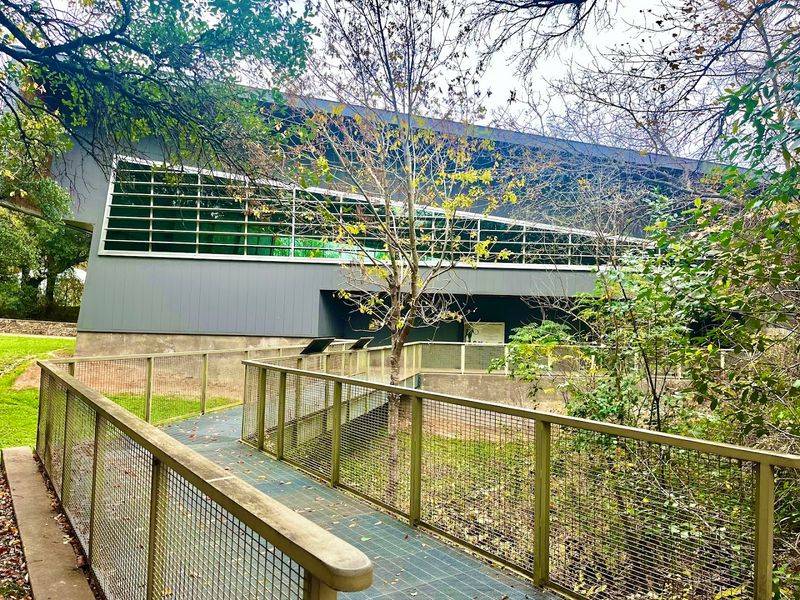
Getting to the monument is straightforward. The grounds are well-maintained, and the surrounding landscape adds a lovely natural backdrop to the whole experience.
The monument is open daily from 9 a.m. to 5 p.m., with closures on Thanksgiving Day, Christmas Day, and New Year’s Day. Guided tours of the Dig Shelter are the main attraction, so it is worth checking the tour schedule ahead of your visit to make sure you can get a spot.
Arriving early on weekends is a smart move since tour groups can fill up faster than you might expect.
Comfortable walking shoes are a good idea since the property includes outdoor trails along with the indoor shelter. The visitor center has exhibits, a gift shop, and friendly staff who are happy to answer questions before your tour begins.
Families with kids tend to have a particularly great time here because the subject matter is genuinely exciting for younger visitors. Seeing real dinosaur-era fossils has a way of sparking curiosity that no textbook ever quite manages to match.
The Science Still Happening Here Today
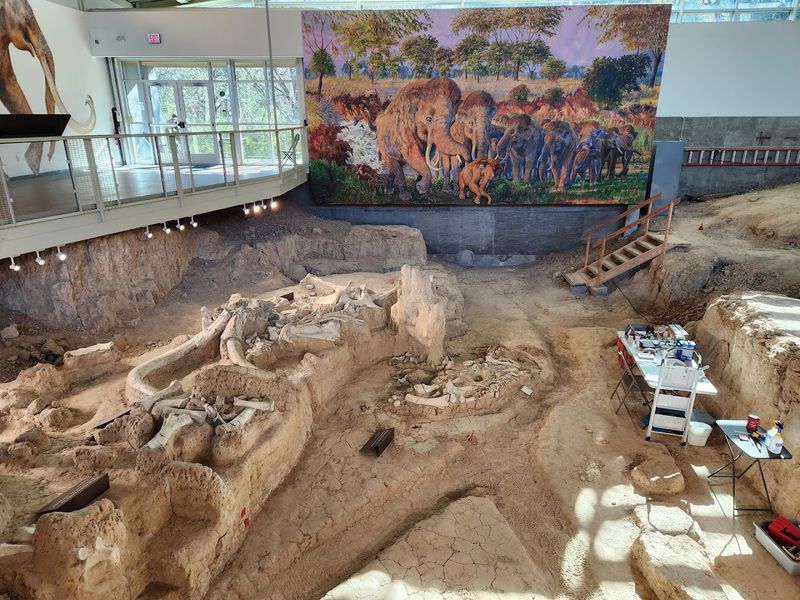
One of the most exciting things about this monument is that the science is not finished. Researchers from Baylor University and other institutions continue to study the site, and there are strong indications that more fossils remain buried beneath the surface.
The excavated area represents only a portion of the total fossil-bearing deposit.
Ongoing research focuses on understanding the exact nature of the event that killed the herd. Scientists analyze everything from sediment composition to bone positioning to piece together the environmental conditions of that fatal moment.
New analytical techniques, including isotope analysis and advanced imaging technology, are helping researchers learn things about these animals that earlier excavations simply could not reveal.
The partnership between the National Park Service, the City of Waco, and Baylor University keeps the academic momentum going while also making the site accessible to the public. That balance between active research and public education is rare and genuinely impressive.
Visiting while science is still actively unfolding gives the whole experience an energy that feels different from a finished exhibit. You are not just looking at history here.
You are watching it being carefully, patiently uncovered in real time, one brushstroke at a time.
Why Waco Deserves a Spot on Your Travel List
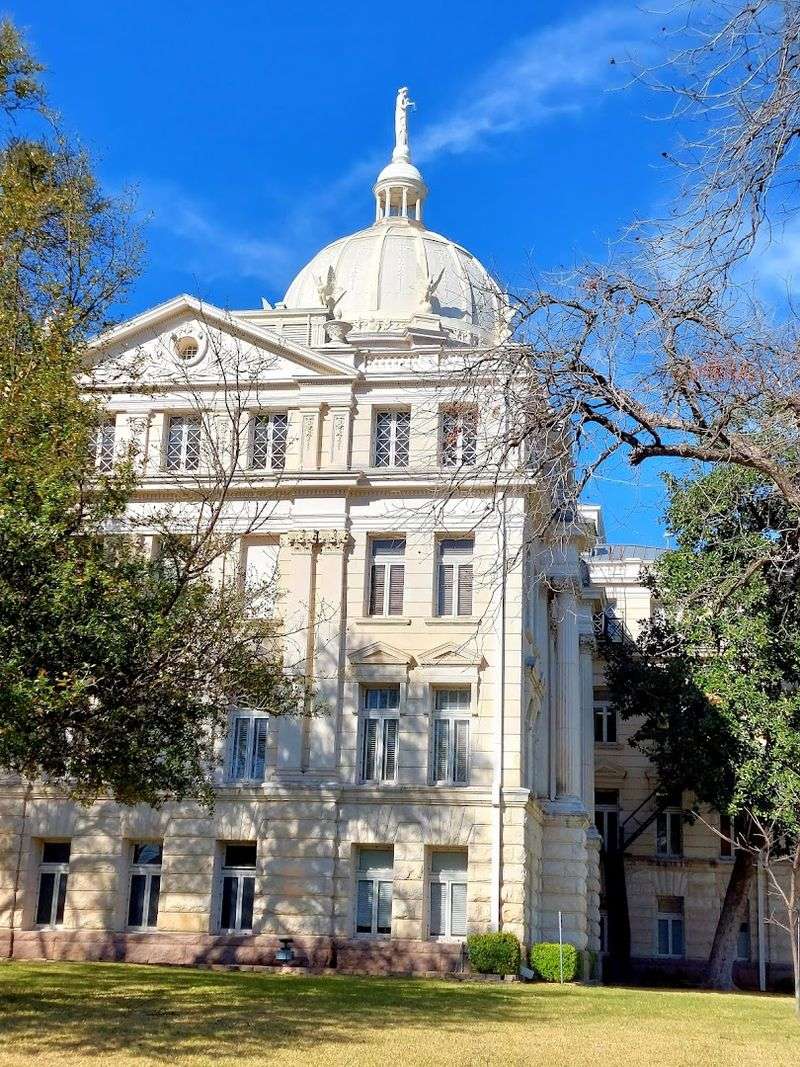
Waco has been quietly building a reputation as one of the most interesting mid-sized cities in Texas, and the Mammoth National Monument is a big part of that story.
The city offers a genuinely eclectic mix of attractions, from the Magnolia Market at the Silos to the Texas Ranger Hall of Fame, and the mammoth site fits right into that diverse lineup.
Spending a morning at the monument and then exploring the rest of Waco makes for a really satisfying day trip from Dallas, Austin, or anywhere in between. The city has a friendly, unhurried pace that makes it easy to move between stops without feeling rushed.
Good food options are plentiful, and the local community clearly takes pride in what the city has to offer.
What I appreciate most about the Waco Mammoth National Monument is how unpretentious it is. There is no over-the-top theming or flashy presentation.
Just real fossils, real science, and real history, presented with care and genuine enthusiasm by the people who work there. That honesty is refreshing.
If you are anywhere near central Texas and you have not made the trip yet, this is absolutely worth your time and then some.
Address: 6220 Steinbeck Bend Dr, Waco, TX 76708
Dear Reader: This page may contain affiliate links which may earn a commission if you click through and make a purchase. Our independent journalism is not influenced by any advertiser or commercial initiative unless it is clearly marked as sponsored content. As travel products change, please be sure to reconfirm all details and stay up to date with current events to ensure a safe and successful trip.
