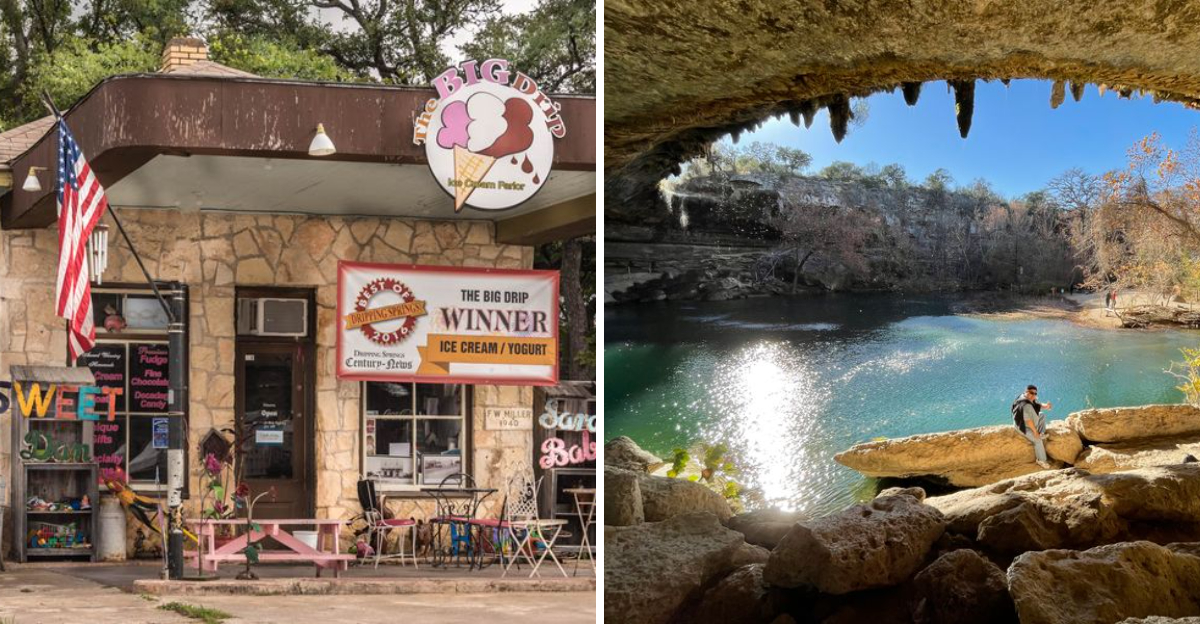
Nestled in the rolling hills west of Austin, Dripping Springs has transformed from a quiet Texas hideaway into one of the most talked-about destinations in the Hill Country.
What was once a sleepy community known mainly to locals has exploded in popularity, drawing crowds from across the state and beyond with its natural springs, outdoor adventures, and charming small-town atmosphere.
While the attention has brought growth and new opportunities, many longtime residents worry their beloved town is losing the peaceful character that made it special in the first place.
The Real Estate Boom: Housing Development Reshaping the Landscape
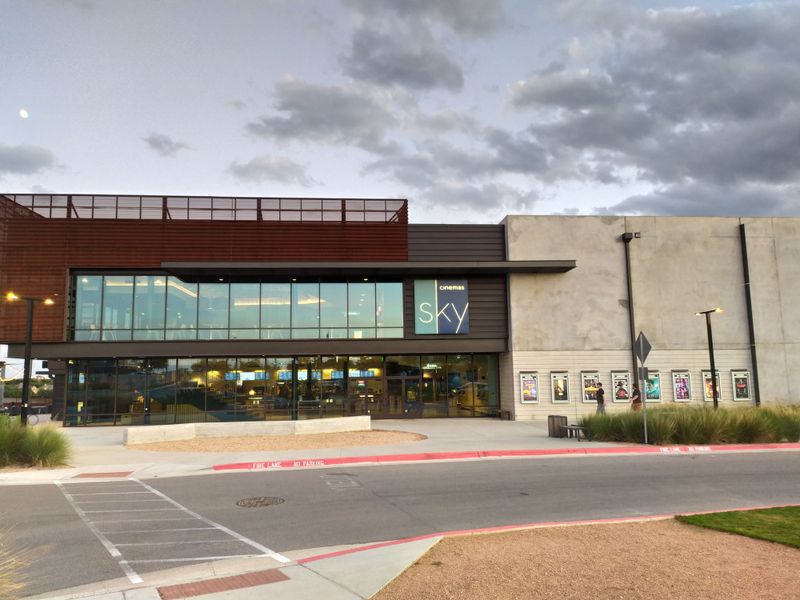
Property values in Dripping Springs have skyrocketed as Austin’s metro area continues its relentless expansion westward. Ranch land that once supported cattle and wildflowers now sprouts subdivisions with names like Canyon Creek and Rolling Hills Estates.
The transformation has been swift and dramatic, fundamentally altering the rural character that defined the area for generations.
Developers have capitalized on the town’s growing reputation, marketing it as an escape from city life while remaining close enough for commuters. New neighborhoods feature modern amenities, community pools, and manicured landscaping that contrasts sharply with the rugged Hill Country terrain.
Original residents watch with mixed emotions as familiar vistas disappear behind construction fences and cookie-cutter homes.
The housing boom has brought infrastructure challenges, with roads struggling to accommodate increased traffic and schools scrambling to expand capacity. Water resources have become a pressing concern, as the aquifer that supplies the region faces unprecedented demand.
Young families who grew up here often find themselves priced out of the market, unable to afford homes in their own hometown as outsiders with deeper pockets compete for limited inventory.
Downtown Transformation: From Quiet Crossroads to Bustling Hub
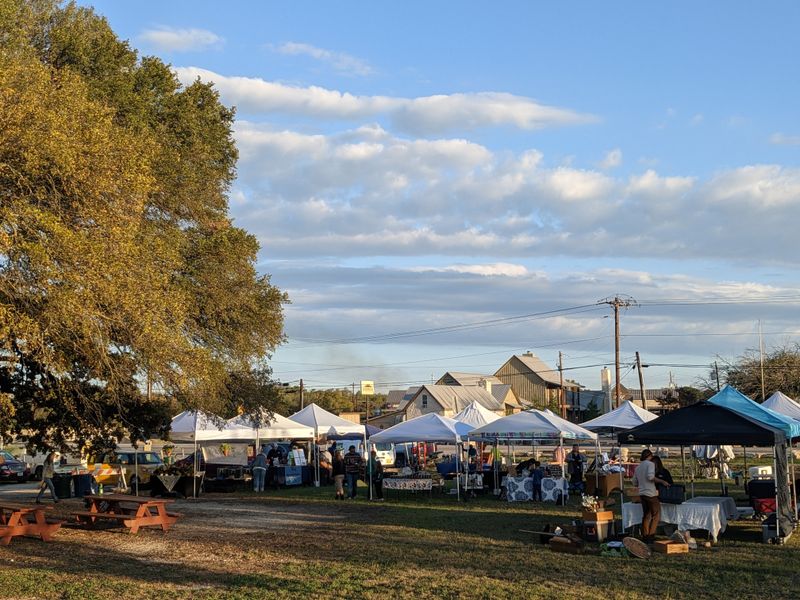
The heart of Dripping Springs has undergone a remarkable metamorphosis over the past decade. What locals remember as a handful of storefronts and a single stoplight has blossomed into a vibrant district packed with boutiques, eateries, and weekend crowds.
Mercer Street, the main thoroughfare, now hums with activity that would have been unimaginable twenty years ago.
New businesses open monthly, catering to the influx of tourists and the growing population of transplants from Austin. The original feed store and hardware shops now share space with upscale gift shops and trendy cafes.
Traffic congestion has become a genuine concern during peak hours, something longtime residents never thought they would experience in their small town.
The Dripping Springs Farmers Market has evolved from a modest gathering to a major attraction, drawing vendors and shoppers from neighboring counties. Food trucks line up along Mercer Street on weekends, serving everything from gourmet tacos to artisan ice cream.
While the economic boost has been substantial, many original residents express nostalgia for the days when they knew every face on the street and could park anywhere without circling the block.
Outdoor Recreation Explosion: Trails and Parks at Capacity
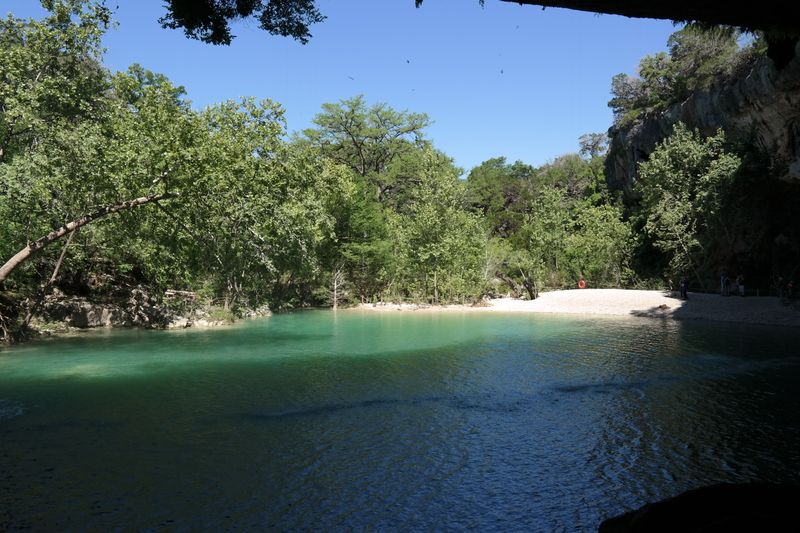
Reimers Ranch Park has become ground zero for the outdoor recreation boom transforming Dripping Springs. Located at 23610 Hamilton Pool Road, this 2,300-acre preserve along the Pedernales River attracts rock climbers, mountain bikers, and hikers in numbers that sometimes overwhelm the facilities.
Weekend mornings see lines of vehicles waiting to enter, with parking lots reaching capacity by mid-morning during pleasant weather.
The limestone cliffs offer some of the best sport climbing in Central Texas, drawing enthusiasts from across the country. Miles of technical mountain bike trails wind through cedar breaks and across rocky ridges, challenging riders of all skill levels.
The river provides relief on scorching summer days, though swimmers must navigate rocky terrain and respect posted warnings about flash floods.
Trail maintenance has become an ongoing battle as increased foot and bike traffic accelerates erosion and damages vegetation. Volunteer groups organize regular work days to repair trails and clear brush, but the sheer volume of visitors makes it difficult to stay ahead of the wear.
Park rangers report increased incidents of littering, off-trail hiking, and visitors unprepared for the rugged conditions, requiring additional staff and resources to manage the crowds safely.
Hamilton Pool Preserve: A Natural Wonder Under Pressure
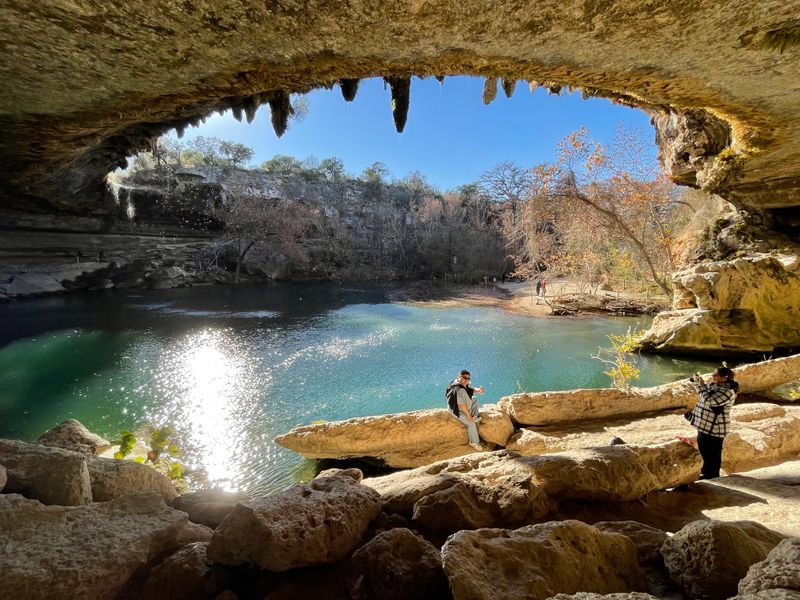
Hamilton Pool Preserve stands as one of the most photographed natural swimming holes in all of Texas, and that fame comes with consequences. The collapsed grotto creates a stunning jade-green pool beneath a 50-foot waterfall, surrounded by limestone cliffs draped in moss and ferns.
Visitors from around the world flock here to experience this geological marvel, but the constant foot traffic has forced park officials to implement strict reservation systems.
Located at 24300 Hamilton Pool Road in Dripping Springs, this preserve requires advance booking during peak seasons, often selling out weeks ahead. The delicate ecosystem struggles under the weight of thousands of annual visitors, prompting conservation efforts and capacity limits.
Rangers work tirelessly to protect the endangered Golden-cheeked Warbler that nests in the surrounding cedar breaks.
The preserve closes periodically when bacteria levels rise or after heavy rains create unsafe conditions. Summer weekends see the parking lot fill before 9 AM, leaving disappointed travelers turned away at the gate.
Despite these challenges, the preserve remains a bucket-list destination, showcasing why Dripping Springs has captured so much attention while simultaneously illustrating the strain that popularity brings to fragile natural spaces.
The Food Scene: From Barbecue Joints to Gourmet Destinations
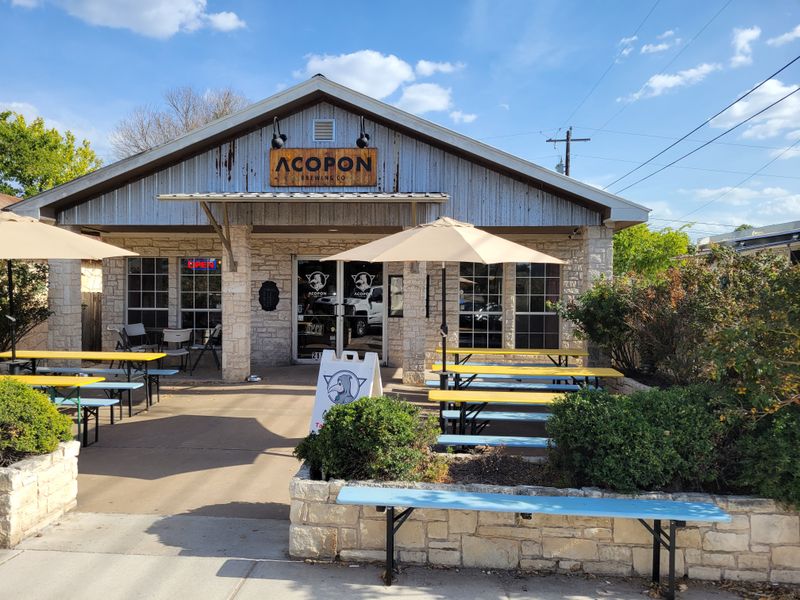
Culinary tourism has emerged as a major draw for Dripping Springs, with the food scene evolving far beyond traditional Texas barbecue. While classic smokehouses still anchor the dining landscape, they now compete with farm-to-table restaurants, artisan bakeries, and specialty food producers that have discovered the area.
The transformation reflects both the changing demographics and the sophisticated tastes of visitors willing to drive from Austin for a memorable meal.
Local establishments struggle with the double-edged sword of popularity, facing hour-long waits on weekends while longtime customers complain about losing their favorite corner booth. Reservation systems have become necessary at once-casual spots, and some restaurants have expanded multiple times to accommodate demand.
The influx of food bloggers and social media influencers has amplified the attention, with certain dishes achieving viral fame that brings even more crowds.
Despite the challenges, the culinary boom has created opportunities for local farmers and ranchers to supply restaurants with fresh, regional ingredients.
Chefs collaborate with nearby producers, showcasing Hill Country lamb, grass-fed beef, and seasonal vegetables on menus that celebrate the area’s agricultural heritage while embracing contemporary techniques and flavors that appeal to adventurous diners.
Wedding Venue Capital: Every Weekend a Celebration
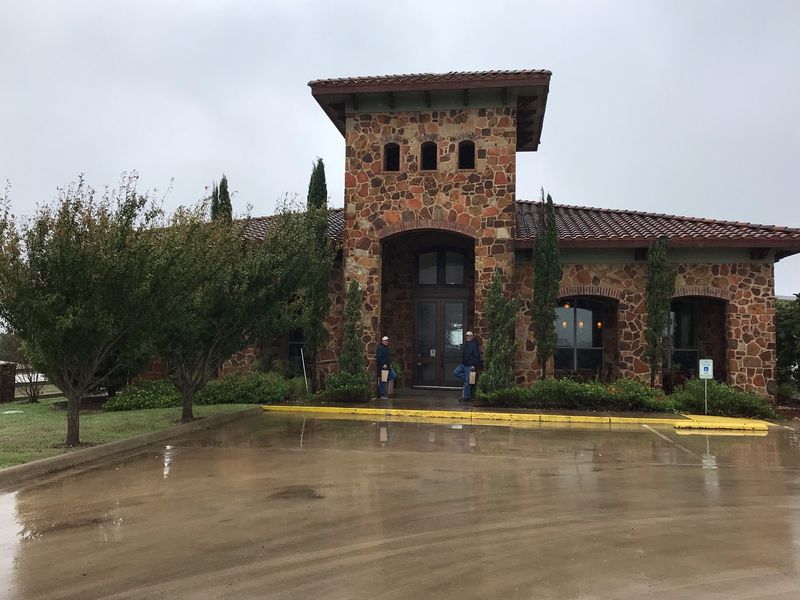
Dripping Springs has earned the unofficial title of Wedding Capital of Texas, with dozens of venues competing for couples seeking Hill Country romance for their big day. Sprawling event spaces with panoramic views, rustic barns converted into elegant reception halls, and intimate garden settings dot the landscape.
Every weekend from March through November, the roads fill with out-of-town guests navigating to ceremonies, creating traffic snarls that frustrate locals trying to run simple errands.
The wedding industry has become a significant economic engine, supporting florists, caterers, photographers, and hospitality services. Hotels and bed-and-breakfasts stay booked solid during wedding season, with some requiring two-night minimums.
The constant stream of celebrations has transformed quiet country roads into event corridors, with directional signs, shuttle vans, and parking attendants becoming regular weekend fixtures.
Residents report noise complaints from late-night receptions echoing across the hills, and some neighborhoods have pushed for stricter regulations on outdoor amplified music.
The tension between economic opportunity and quality of life continues to simmer, with longtime locals feeling their peaceful weekends have been sacrificed to accommodate couples from Dallas, Houston, and beyond seeking that perfect Hill Country backdrop for their wedding photos.
Traffic and Infrastructure Strain: Growing Pains on Display
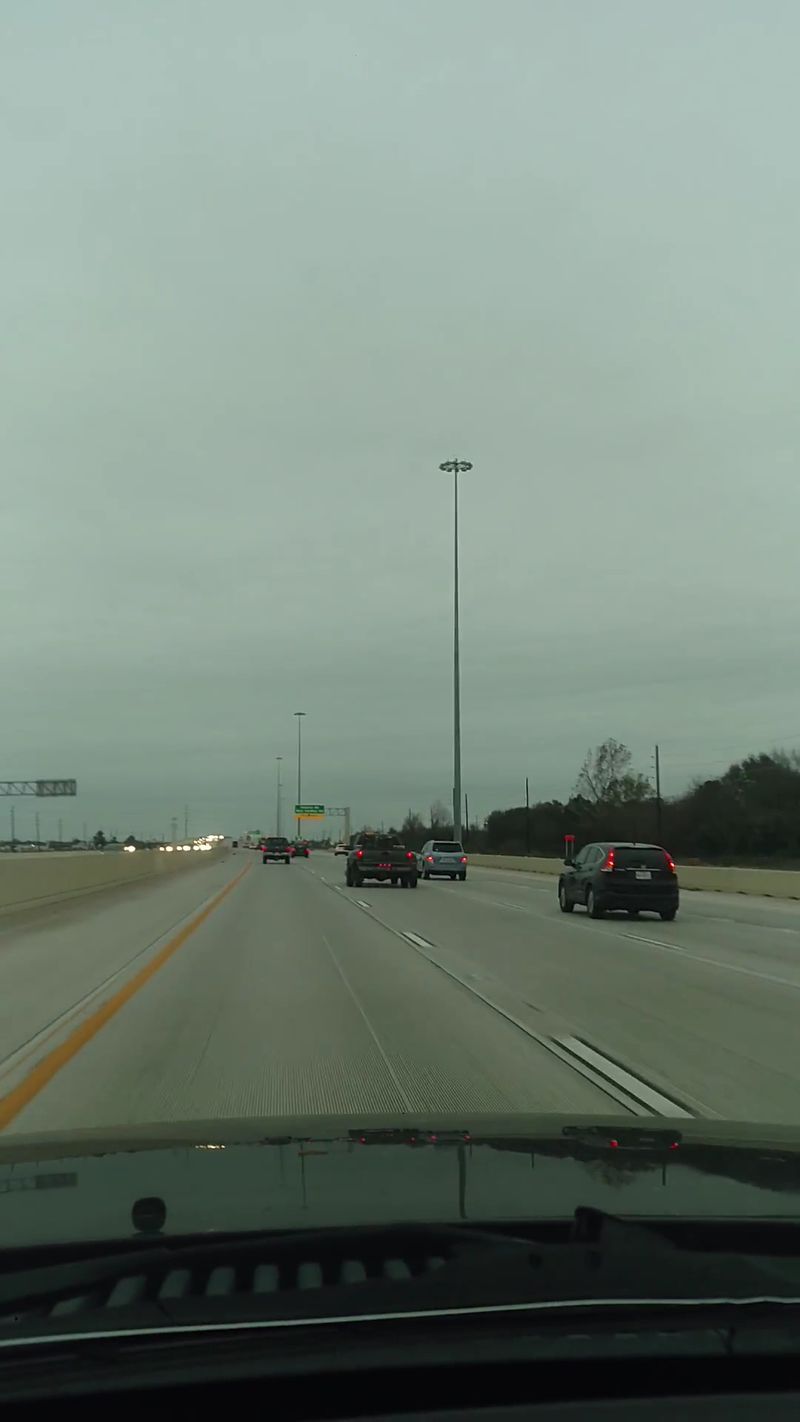
Ranch Road 12 and Highway 290 have become notorious bottlenecks as Dripping Springs struggles to accommodate exponential growth without the infrastructure to support it.
What were once scenic two-lane roads meandering through ranchland now carry bumper-to-bumper traffic during rush hours and weekend getaways.
Commuters heading to Austin can spend an hour or more covering distances that took twenty minutes a decade ago.
The Texas Department of Transportation has proposed various expansion projects, but construction timelines stretch years into the future while the population continues to surge. Intersections that once required only a stop sign now need traffic signals, and turn lanes have been added to accommodate the volume.
School zones become parking lots as parents drop off children at facilities designed for far fewer students.
Local government faces the challenge of funding improvements while maintaining the rural character that attracted people in the first place. Road widening projects require acquiring right-of-way from property owners, many of whom resist losing land that has been in their families for generations.
The debate over infrastructure investment versus preservation of small-town identity plays out at every city council meeting, with passionate voices on both sides and no easy solutions in sight.
Water Worries: Aquifer Stress and Conservation Concerns

The Trinity Aquifer that supplies water to Dripping Springs faces mounting pressure as residential and commercial development accelerates across the region. Wells that once provided abundant water now require drilling deeper, and some properties have experienced declining flow rates during drought periods.
The issue has become a flashpoint in discussions about sustainable growth, with conservationists warning that the aquifer cannot support unlimited development.
Local water districts have implemented conservation measures, including restrictions on outdoor watering and incentives for xeriscaping with native plants. Educational campaigns emphasize the importance of protecting recharge zones where rainfall filters down through limestone to replenish the aquifer.
Despite these efforts, demand continues to climb as new homes, businesses, and visitors strain the finite resource.
The connection between groundwater and the springs that give the town its name adds urgency to conservation efforts. Decreased aquifer levels could reduce or eliminate the flow from natural springs, fundamentally changing the landscape and ecosystem.
Scientists monitor water levels closely, providing data that informs policy decisions, while residents debate whether growth restrictions are necessary to preserve the resource that makes life possible in this beautiful but water-limited region of Texas.
Loss of Community Character: Small-Town Identity in Transition
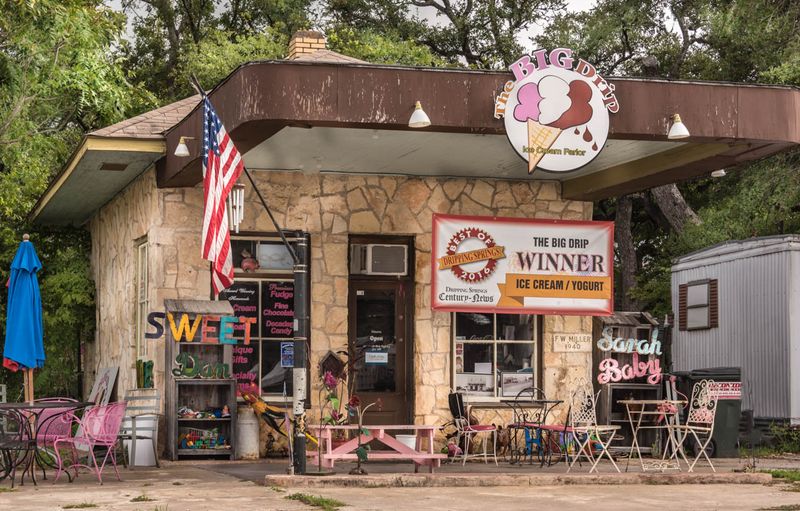
Longtime residents speak wistfully about the Dripping Springs they remember, where everyone knew their neighbors and community events brought the whole town together. That intimate atmosphere has eroded as the population has swelled with newcomers who commute to Austin and lack deep roots in the area.
The annual Fourth of July parade and homecoming football games still draw crowds, but the faces in the crowd are increasingly unfamiliar to those who have lived here for decades.
Local institutions that once anchored community life have either closed or changed beyond recognition. The old-timers who gathered at the hardware store for morning coffee have been replaced by customers rushing in and out without conversation.
Churches that served the same families for generations now welcome congregations of strangers seeking spiritual community in their new hometown.
The generational divide has become apparent in debates about the town’s future, with established residents advocating for slower growth and preservation of rural character while newcomers push for amenities and services they left behind in the city.
Finding common ground has proven difficult, as different visions for Dripping Springs compete in an atmosphere sometimes marked by resentment and misunderstanding rather than the neighborly cooperation that once defined this close-knit community.
Finding Balance: The Future of Dripping Springs
The challenge facing Dripping Springs mirrors that of countless communities across America experiencing rapid growth and change.
Town leaders work to chart a course that honors the past while embracing inevitable evolution, seeking policies that protect natural resources and community character without stifling economic opportunity.
Comprehensive planning efforts attempt to guide development toward sustainable patterns that preserve open space and maintain the Hill Country aesthetic that attracted attention in the first place.
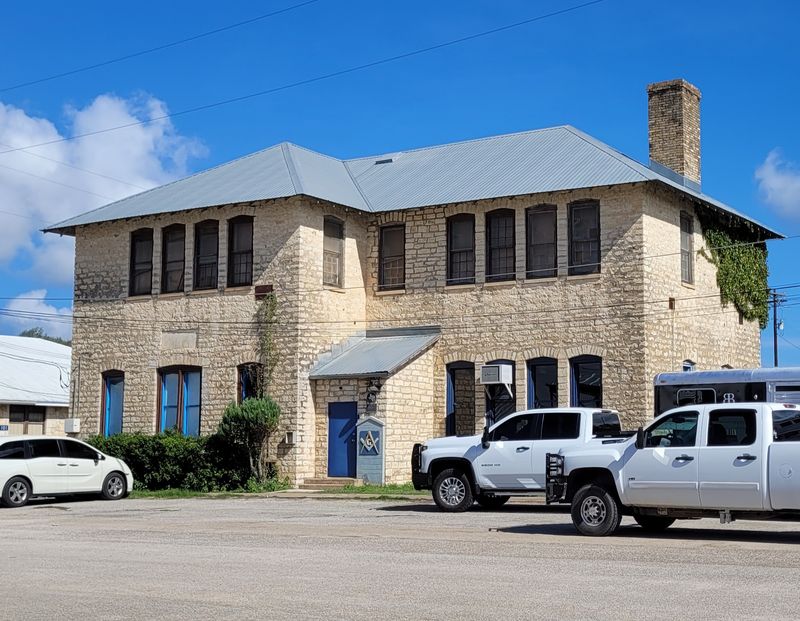
Some initiatives show promise, including land conservation easements that protect working ranches from subdivision, and design guidelines that encourage new construction to blend with existing architectural styles.
Parks and trail systems are being expanded to provide recreation opportunities that relieve pressure on the most popular natural areas.
Educational programs help newcomers understand and appreciate the history and ecology of their adopted home.
Whether these efforts will succeed in maintaining the essential character of Dripping Springs remains uncertain. The forces driving growth show no signs of slowing, and each year brings new challenges and difficult decisions.
What is clear is that the town can never return to what it was, and the question becomes not whether to change, but how to change in ways that preserve what matters most while building a future that serves both longtime residents and new arrivals.
Dear Reader: This page may contain affiliate links which may earn a commission if you click through and make a purchase. Our independent journalism is not influenced by any advertiser or commercial initiative unless it is clearly marked as sponsored content. As travel products change, please be sure to reconfirm all details and stay up to date with current events to ensure a safe and successful trip.
