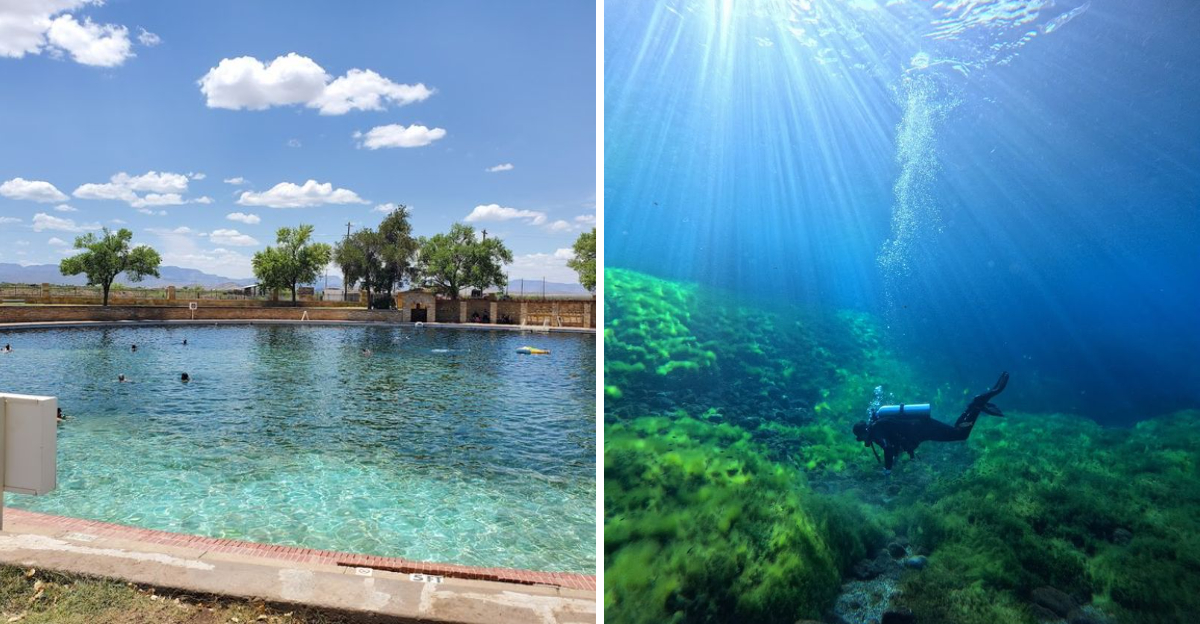
A swimming hole that stays 72 degrees year round is a rare luxury. This Texas spot offers the ideal escape, no matter the season.
The water is crystal clear and inviting, fed by natural springs. A person can swim, snorkel, or just wade in the cool water.
On a hot summer day, it feels like an oasis. On a crisp spring morning, it is a refreshing treat.
The pool is large enough for laps or lazy floating. The surrounding desert landscape adds to the otherworldly feel.
Texas has a lot of natural wonders, but a constant-temperature spring-fed pool is one of the most unique. It draws visitors from all over.
Whether a person is looking for a summer escape or a winter swim, this spot is ready. The water is always the perfect temperature for a dip.
It is a place that feels a little bit magical.
The World’s Largest Spring-Fed Swimming Pool
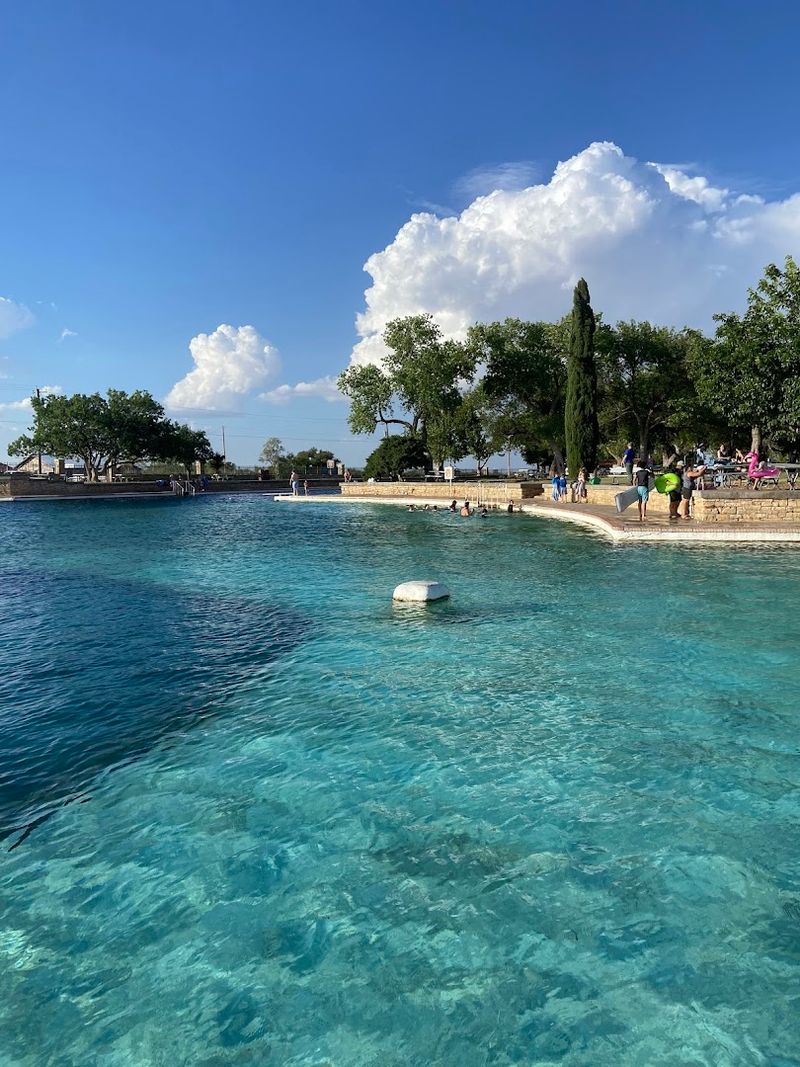
Most swimming pools are measured in feet. This one is measured in acres.
The centerpiece of Balmorhea State Park covers 1.3 acres and holds roughly 3.5 million gallons of water, making it the largest spring-fed pool in the world. That is not a marketing claim.
That is just geography doing something extraordinary.
The water comes from the San Solomon Springs, an artesian spring system that pushes more than 15 million gallons of fresh water into the pool every single day. Because the flow is constant and powerful, the pool never stagnates.
No chemicals are added. The water moves through underground rock formations that keep it naturally cool, landing consistently between 72 and 76 degrees Fahrenheit all year long.
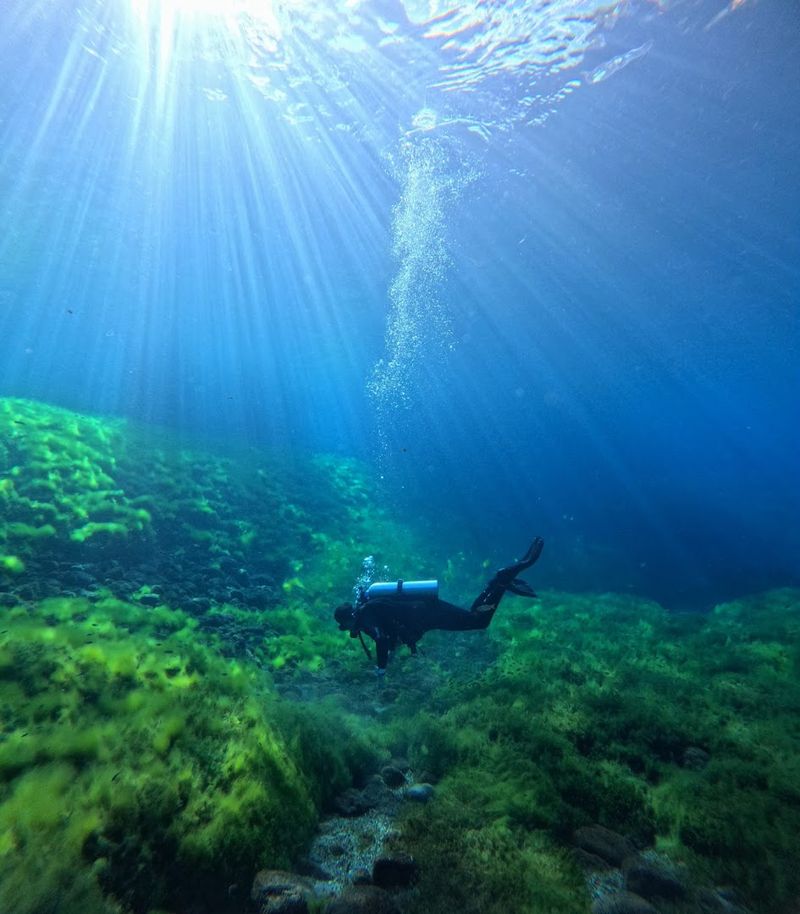
Some sections of the pool reach depths of up to 25 feet, with a natural rock bottom visible through the remarkably clear water. The visibility underwater is often stunning, which is part of why snorkelers and scuba divers show up here regularly.
On a hot August afternoon, slipping into that 72-degree water feels like the desert just handed you the best gift it had.
The scale of the pool is something you really have to see in person to understand. Photos give you a sense of it, but standing at the edge and looking across the surface, you realize this is not just a swimming hole.
It is a living, flowing ecosystem that has been refreshing visitors for nearly a century. The pool is open daily, and reservations are strongly recommended because capacity fills fast.
The San Solomon Springs and Their Ancient History
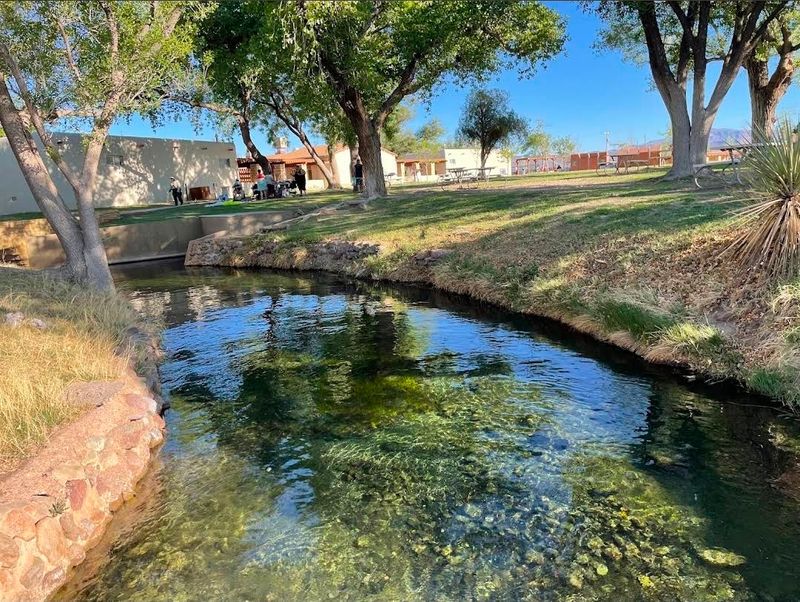
Long before there was a state park, a pool, or even a town nearby, the San Solomon Springs were already doing their thing. Water has been surfacing here for thousands of years, and indigenous communities recognized this spot as something worth returning to.
It became a reliable source in a landscape where water was never guaranteed.
Later, Mexican farmers arrived and dug the first irrigation canals from these springs, using the flow to sustain agriculture in an otherwise unforgiving environment.
The name Balmorhea itself comes from four men, Balcom, Morrow, Joe Rhea, and John Rhea, who formed an irrigation company in the early 1900s and helped shape how the surrounding land was developed.
That kind of layered history gives the park a weight that goes beyond just swimming.
What makes the springs genuinely fascinating is the underground journey the water takes before it surfaces. It travels through rock formations that regulate its temperature with remarkable consistency, arriving at the pool at the same cool range year after year.
No pumps, no technology, just geology doing its slow and patient work.
Sitting near the edge of the pool and knowing that the water beneath you has been flowing through the earth for possibly thousands of years makes the experience feel strangely meditative. It is one of those places where the history is not just written on a plaque.
You can actually feel it, moving past you in the current, cold and clear and completely indifferent to the heat above.
Built by the Civilian Conservation Corps
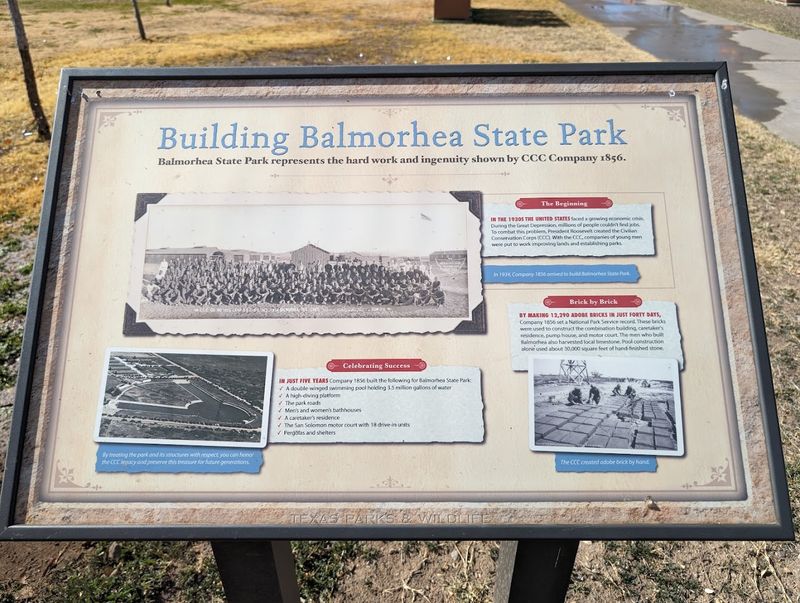
The pool you swim in today was not always here. Between 1934 and 1941, members of the Civilian Conservation Corps, specifically Company 1856, built everything by hand using local limestone and adobe bricks.
These were young men working during the Great Depression, part of President Roosevelt’s New Deal program, and their craftsmanship has lasted nearly a century.
They constructed the pool itself, the bathhouses, concession buildings, and the San Solomon Springs Courts, a row of motel-style lodging units that still stand and still take guests.
There is something quietly moving about the fact that structures built by workers who needed jobs during one of America’s hardest periods are still being used and enjoyed today.
The architectural style has an honest, utilitarian beauty to it. Nothing is overdone.
The limestone blends into the desert surroundings naturally, and the layout of the park still feels thoughtful even by modern standards. The CCC workers clearly paid attention to how the space would flow for visitors.
Spending time at Balmorhea means spending time inside a piece of living history. The pool deck, the shaded areas near the bathhouses, the courts themselves, all of it carries that mid-century character that is increasingly rare.
It is the kind of place where the past does not feel dusty or distant. It feels like it is still happening, just quietly, in the background, while you towel off after a swim and watch the water keep moving.
Snorkeling and Scuba Diving in the Desert
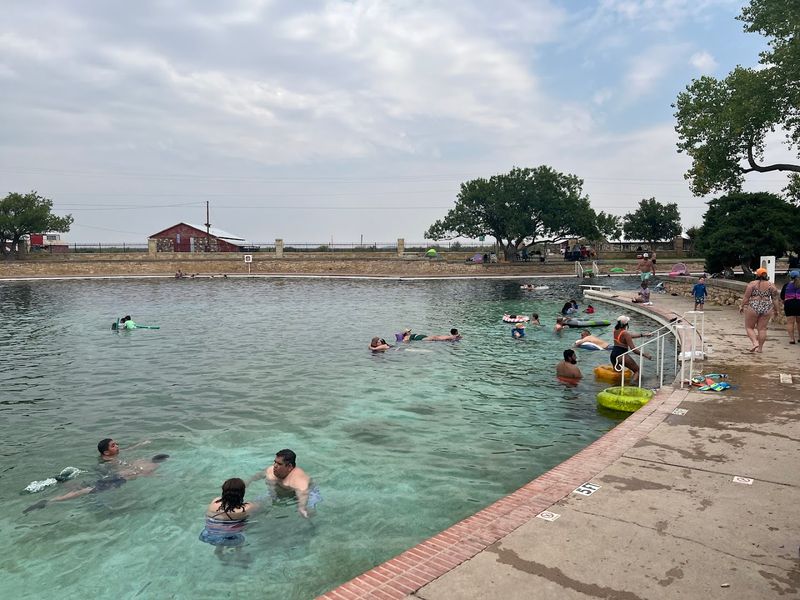
Scuba diving in the middle of a West Texas desert sounds like the setup for a joke, but Balmorhea is completely serious about it. The pool’s depth, reaching up to 25 feet in some areas, combined with exceptional underwater visibility, makes it a legitimate dive site.
The park even serves as a location for scuba certification courses.
The water clarity here is not something you take for granted. Because fresh spring water flows in constantly at a rate of over 15 million gallons per day, there is no buildup of the murk or algae that plagues typical pools or slow-moving bodies of water.
What you get instead is water so clear that you can see the natural rock bottom from the surface on a calm morning.
Snorkeling is accessible to almost anyone, and families with kids tend to love it here. You float along and peer down into a world that most people never expect to find in a desert.
Fish dart around the rocks below, turtles move in slow, deliberate arcs, and the whole scene feels slightly surreal against the knowledge that you are in one of the driest regions of Texas.
Gear rental may be available, but calling ahead or checking the park’s current amenities before your visit is a smart move. The combination of warm desert air above and cool spring water below creates a sensory contrast that is genuinely hard to describe.
You just have to experience it yourself to fully appreciate how strange and wonderful it actually is.
Endangered Fish and Rare Wildlife of the Springs
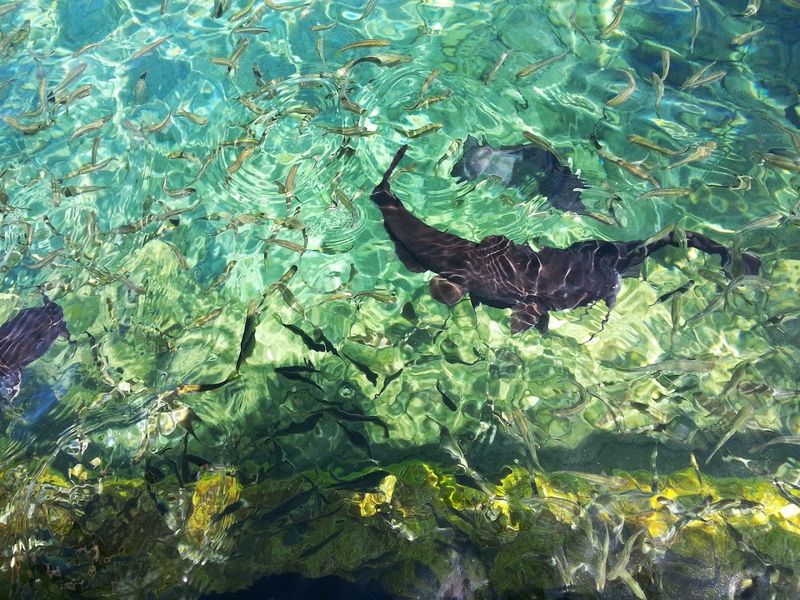
Not every swimming pool comes with endangered species. Balmorhea does.
The waters here are home to the Comanche Springs pupfish and the Pecos gambusia, two fish species found almost nowhere else on Earth. They are small, unassuming creatures, but their presence is a reminder that this spring system is genuinely irreplaceable.
Texas spiny softshell turtles also move through the pool, and a rare species of headwater catfish has been documented in these waters as well. The park maintains two restored cienegas, which are desert wetlands, that serve as protected habitat for these animals and others.
An underwater viewing window near one of the cienegas lets visitors observe the aquatic life without disturbing it.
Above the waterline, the park draws a surprising variety of birds. Both resident and migratory species are attracted by the water and the lush vegetation that grows around it.
White-tailed deer, javelina, ground squirrels, and various reptiles have all been spotted in and around the park grounds. Birdwatching here rewards patience.
The ecological significance of Balmorhea is easy to overlook when you are focused on cooling off, but it is worth pausing to appreciate. This spring system supports life that has adapted to survive in one of the harshest climates in North America.
The fish in that pool are not just interesting to look at through a snorkel mask. They are survivors of a very specific and fragile world, and the park works hard to make sure they stay.
Camping and Lodging at the San Solomon Springs Courts
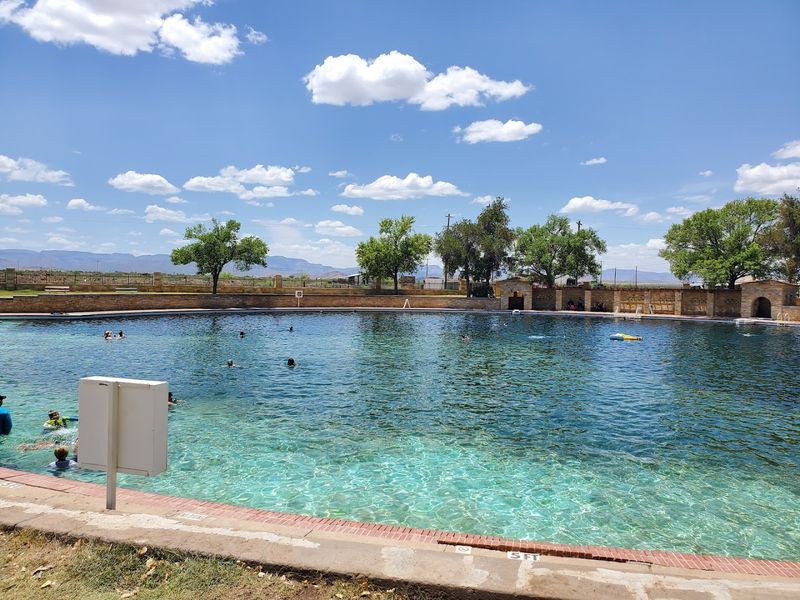
Staying overnight at Balmorhea changes the experience completely. The park offers 34 campsites that accommodate both RVs and tents, with some sites equipped with electricity and cable TV hookups.
Waking up a short walk from the pool, with the desert morning still cool and quiet, is a genuinely different way to start a day.
The San Solomon Springs Courts are the real draw for those who want something a bit more comfortable. These historic motel-style units, built by the CCC in the 1930s, have been maintained and still offer overnight stays.
The rooms have a retro quality that feels intentional rather than neglected, and the location right within the park grounds means you are never far from the water.
Reservations are strongly recommended, especially for weekend visits and holidays. The park operates with a limited daily visitor capacity, and it fills up faster than most people expect.
Booking ahead saves you from the disappointment of driving through the desert only to find the gate closed to new arrivals.
There is something about falling asleep in the desert and knowing that somewhere nearby, millions of gallons of spring water are still flowing through the dark, constant and unhurried. The nights here are genuinely quiet, and the sky fills with stars in a way that does not happen anywhere near a city.
Both the camping and the courts offer that experience, just with different levels of a mattress between you and the ground.
The Steam Fog Phenomenon and Desert Climate
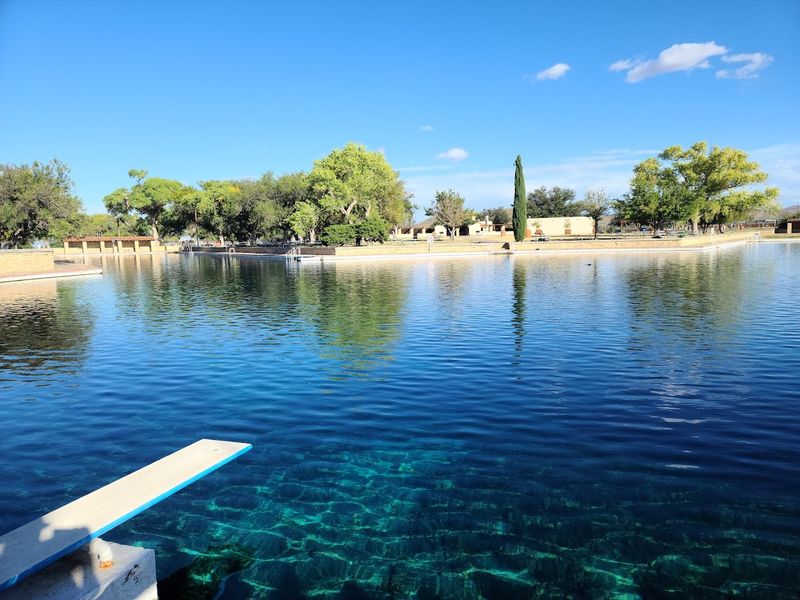
There is a moment that happens at Balmorhea on cooler mornings that nobody quite warns you about. When the air temperature drops below the water temperature, a thin layer of mist begins to rise off the surface of the pool.
It curls upward slowly, catching whatever light is available, and the whole scene looks like something out of a dream.
This is called steam fog, and it occurs because the spring water holds its temperature regardless of what the air is doing. In winter months especially, when desert nights can get genuinely cold, the contrast between the 72-degree water and the chilly morning air creates this soft, floating mist.
Swimming through it feels completely surreal.
The broader climate of the park sits in a high desert zone, which means warm and often dry days from May through September, with low humidity that makes the heat more bearable than it sounds. Nights cool down quickly and dramatically, which is one of the pleasures of camping here.
A day that felt scorching can become genuinely chilly once the sun drops behind the Davis Mountains foothills.
The park is surrounded by that rugged, open West Texas landscape that does not try to impress you. It just sits there, enormous and unhurried, and eventually you start to appreciate its particular kind of beauty.
The steam fog is just one of those small, unexpected gifts that the desert offers when you slow down enough to notice it. It is the kind of thing you remember long after the drive home.
Nearby Attractions and Planning Your Visit
Balmorhea does not sit in isolation. The surrounding region of West Texas has a quiet but real depth to it, and building a longer trip around the park makes a lot of sense.
The Fort Davis National Historic Site is one of the best-preserved frontier military posts in the American Southwest, and it is worth a few hours of your time.
McDonald Observatory, perched in the Davis Mountains, offers some of the darkest skies in the continental United States. Star parties are held regularly for visitors, and the experience of watching the night sky from that elevation with that level of clarity is something that sticks with you.
The Chihuahuan Desert Nature Center is another stop worth adding to the itinerary.
The town of Balmorhea is just four miles from the park and covers basic supply needs. Fort Stockton, about 60 miles west, has more options for food, fuel, and lodging if you need them before or after your visit.
Planning your route through this part of Texas rewards you with long, open drives and views that feel genuinely cinematic.
The park is open daily, generally from 8 AM until sunset, and reservations for both day passes and overnight stays are available through the Texas Parks and Wildlife reservation system. Going on a weekday gives you a noticeably calmer experience than peak weekend visits.
However you time it, arriving at Balmorhea and finding that cool, clear water waiting feels like exactly the kind of reward a long desert drive deserves.
Address: 9207 TX-17, Toyahvale, TX 79786
