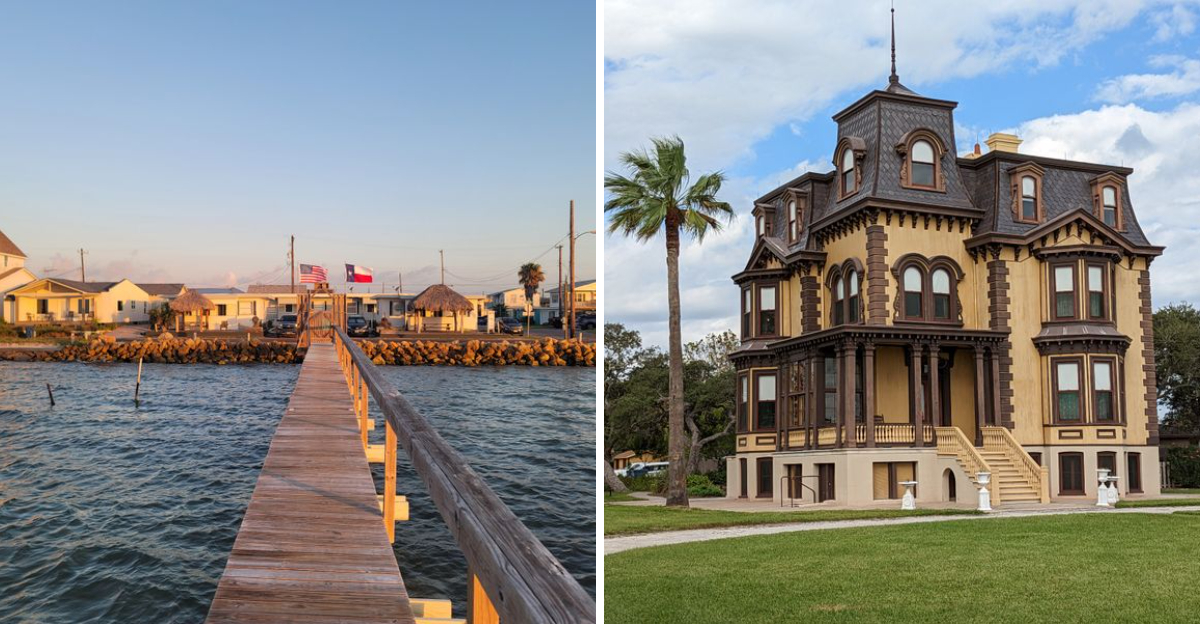
Rockport has always been one of those places that felt easy to love. Before 2017, it had that laid-back coastal rhythm where the days blurred together in the best way.
Salt in the air, shrimp boats along the water, art galleries tucked into worn buildings, and local spots everyone just knew by heart. It felt familiar even if it was your first visit.
Then Hurricane Harvey came through and completely flipped the script. Whole blocks were gone, landmarks disappeared, and the Rockport people remembered suddenly felt like a snapshot from another lifetime.
Going back now feels a little like visiting an old friend who went through something huge and came out different. Rockport looks cleaner, newer, and more polished, with rebuilt piers, modern marinas, and boutique hotels where small motels once stood.
Rockport Beach Got a Major Facelift
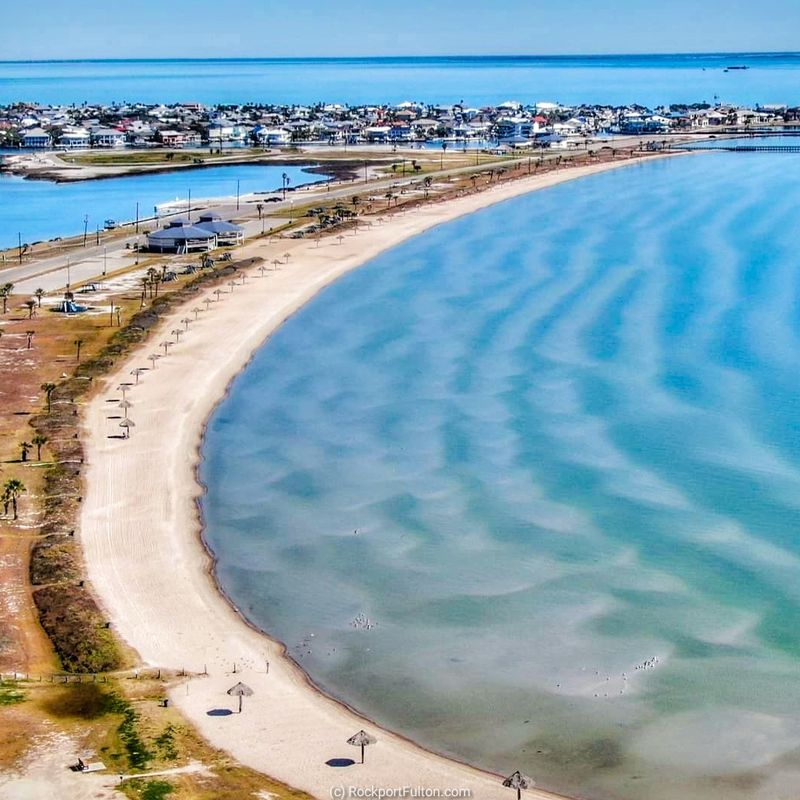
Stretching along the bay with soft sand and calm waves, Rockport Beach used to be a simple strip where families spread out blankets and kids splashed in the shallows. The old pavilion was modest, the playground equipment had seen better days, and the whole area felt charmingly rustic.
Harvey swept through and damaged much of the infrastructure, forcing the city to rebuild from scratch.
What emerged is a beach park that feels almost unrecognizable to longtime visitors. Brand new pavilions offer shaded picnic areas with modern grills and clean restrooms.
The playground equipment is state-of-the-art, featuring colorful climbing structures and swings that kids flock to the moment they arrive. Fresh walking paths wind along the shoreline, perfect for morning jogs or sunset strolls.
Fishing piers extend farther into the water now, giving anglers better access to redfish and speckled trout. Lifeguard stations dot the beach during summer months, adding a layer of safety that wasn’t always present before.
Even the parking lot got an upgrade, with clearly marked spaces and better lighting for evening visits. Long-timers still remember the old wooden benches and hand-painted signs, but they admit the new facilities make beach days more comfortable.
Rockport Beach remains free to enter, a rare gem along the Texas coast, and it’s become a symbol of how the town rebuilt itself stronger and more welcoming than ever.
Downtown Rockport Rose From the Rubble
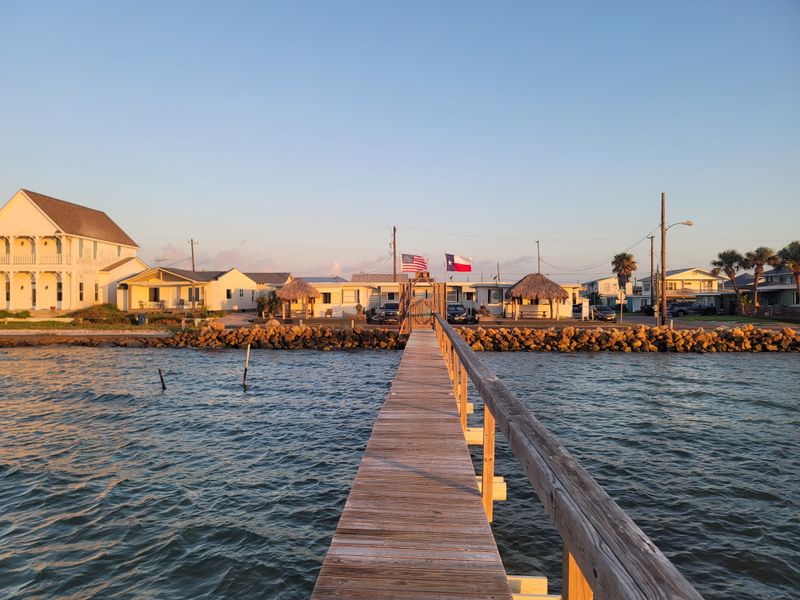
Before the storm, downtown Rockport had a weathered charm with art galleries in century-old buildings, antique shops crammed with treasures, and seafood shacks where shrimp boats unloaded their daily catch right out back. Austin Street was the heart of it all, lined with oak trees and storefronts that hadn’t changed in decades.
Hurricane Harvey tore through like a wrecking ball, collapsing roofs and flooding interiors.
The rebuilding effort brought something completely different. Sleek new construction replaced many of the damaged buildings, with modern facades and energy-efficient designs.
Art galleries reopened with expanded spaces and brighter lighting, showcasing local painters and sculptors in ways the cramped old shops never could. Restaurants that once felt like hidden secrets now occupy prominent corners with outdoor patios and Instagram-worthy murals.
Some longtime business owners chose not to return, selling their properties to newcomers with fresh ideas and bigger budgets. Coffee shops with minimalist decor sit where hardware stores once stood.
Boutique clothing stores offer beachy styles in spaces that used to house bait and tackle. The new downtown feels polished and inviting, attracting tourists who might have passed through before.
Yet older residents sometimes walk these streets and feel a pang of nostalgia for the quirky imperfections that gave Rockport its original character. Progress brought prosperity, but it also erased layers of history that can never be rebuilt.
The Harbor and Marina Got a Complete Overhaul
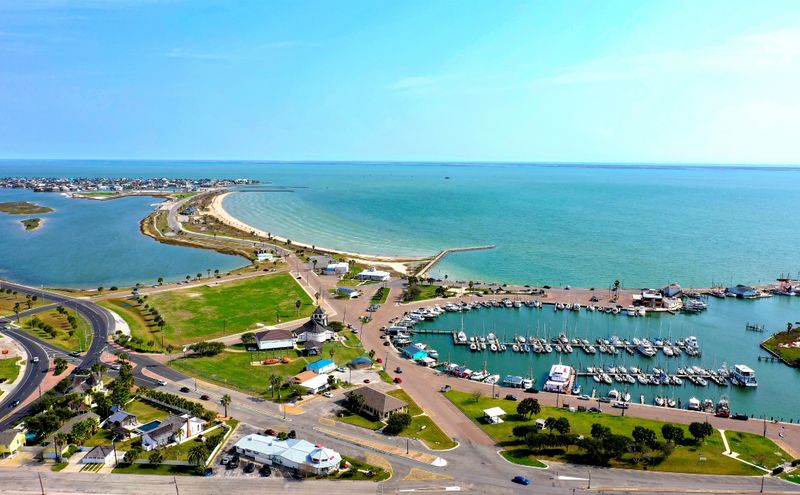
Rockport’s harbor was always the lifeblood of the community, where shrimpers tied up their boats and charter captains took tourists out for fishing trips. Wooden docks creaked underfoot, and the smell of diesel fuel mixed with salt spray created an unmistakable coastal atmosphere.
The marina facilities were functional but basic, with a small office and a few weathered picnic tables.
Post-Harvey reconstruction transformed the harbor into a modern maritime hub. New concrete docks replaced the old wooden ones, designed to withstand future storms with reinforced pilings and better drainage.
The marina office expanded into a full-service facility with a ship store, bait shop, and comfortable lounge area for boaters. Floating docks now accommodate vessels of all sizes, from kayaks to deep-sea fishing yachts.
Lighting upgrades make the harbor safer for nighttime navigation, and security cameras keep watch over the boats. A waterfront boardwalk connects the marina to nearby restaurants, creating an easy stroll for visitors who want to grab lunch after a morning on the water.
Charter captains report that the improved facilities attract more customers, especially those traveling from inland cities who expect modern amenities. Old salts who remember the rough-and-tumble harbor of decades past sometimes shake their heads at the polish and perfection.
But even they admit the upgrades make boating more accessible and the whole waterfront more enjoyable for everyone who visits Rockport’s scenic shores.
New Hotels and Vacation Rentals Changed the Skyline
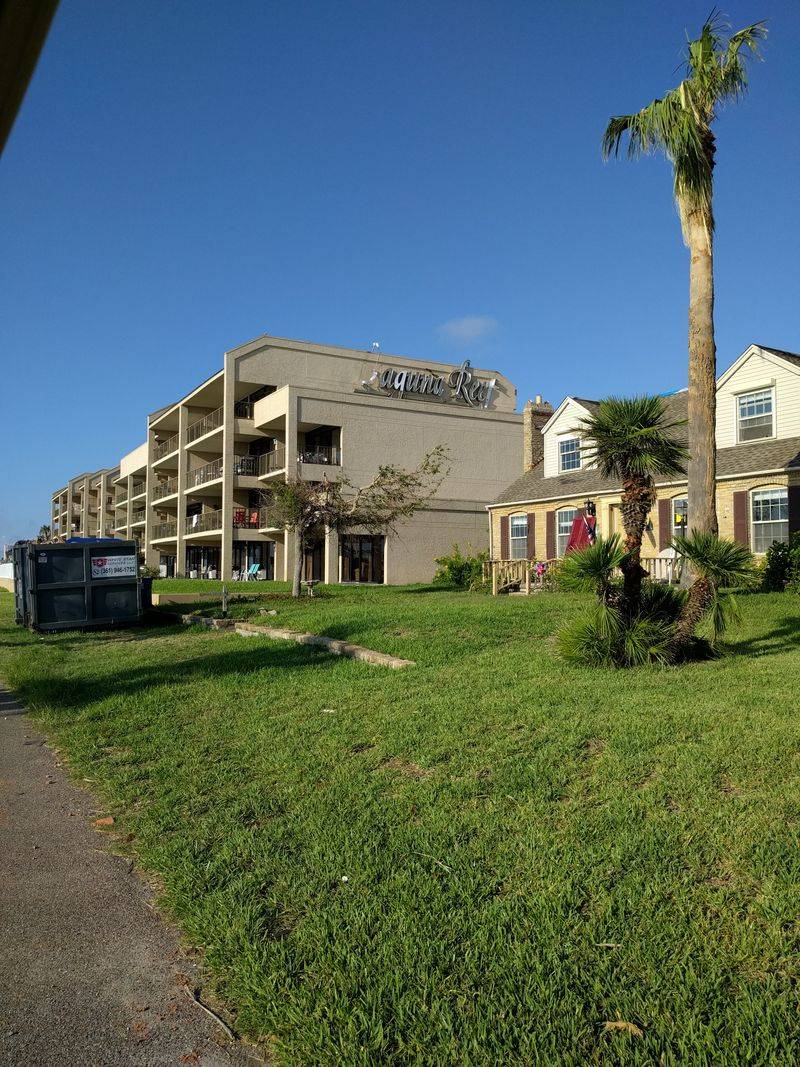
Rockport used to be a place where you stayed in family-owned motels with kitchenettes and views of the bay from second-story balconies. These modest accommodations fit the town’s unpretentious vibe, offering clean rooms at reasonable prices without any frills.
Vacation rentals were mostly older beach houses passed down through generations, rented out to the same families year after year.
The rebuilding boom brought a wave of new construction that completely altered the lodging landscape. Multi-story hotels with resort-style pools and fitness centers now stand where low-slung motels once sat.
Boutique inns with designer interiors and rooftop decks offer luxury experiences that didn’t exist in pre-storm Rockport. Vacation rental companies snapped up damaged properties, tore them down, and built modern beach houses with floor-to-ceiling windows and high-end finishes.
Property values skyrocketed, pushing out some longtime residents who could no longer afford the rising taxes. The new accommodations attract a different type of visitor, one willing to pay premium prices for upscale amenities and stylish surroundings.
Local business owners appreciate the increased tourism revenue, but some worry that Rockport is losing its small-town character. Walking along the waterfront, you’ll see gleaming white buildings that look like they belong in a resort town, not a humble fishing village.
The transformation brought economic growth and jobs, but it also sparked debates about what Rockport should be and who it’s really for now.
The Famous Big Tree Survived But Its Surroundings Didn’t
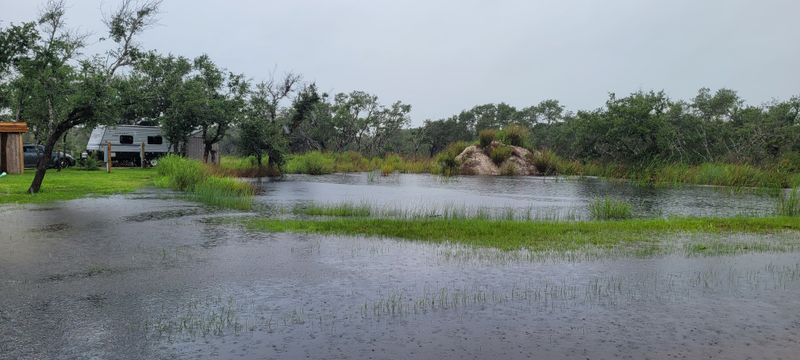
Goose Island State Park is home to the Big Tree, a massive live oak estimated to be over 1,000 years old, with limbs that spread 90 feet across and a trunk circumference of 35 feet. This natural wonder has been a Rockport landmark for generations, drawing nature lovers and photographers who marvel at its gnarled branches and enduring presence.
The park around it offered camping, fishing, and peaceful trails through coastal woodlands.
Hurricane Harvey’s winds battered the Big Tree but miraculously left it standing, though many surrounding trees toppled like matchsticks. The storm surge flooded the park, destroying cabins, damaging facilities, and altering the landscape in dramatic ways.
When the park reopened after extensive repairs, visitors found a changed environment.
New camping areas replaced the old ones, with improved electrical hookups and level pads for RVs. The fishing pier was rebuilt stronger and longer, jutting into Aransas Bay with better railings and lighting.
Trails were rerouted around fallen timber and newly exposed terrain. The Big Tree itself became even more of a focal point, with upgraded pathways and interpretive signs explaining its history and resilience.
Some of the park’s wild, untamed feeling was lost in the cleanup and reconstruction. Underbrush that once provided habitat for birds and small animals was cleared away.
Yet the Big Tree stands as a living symbol of survival, reminding everyone that even in the face of devastation, some things endure and become even more precious.
Fulton Mansion Reopened With Restored Grandeur
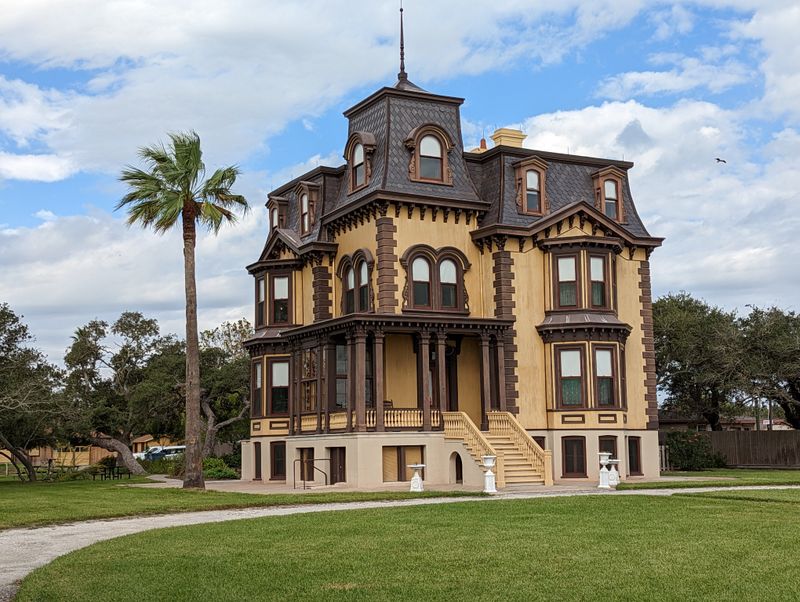
Built in 1877, the Fulton Mansion is a Victorian masterpiece that once showcased cutting-edge technology like gas lights and a central heating system. This three-story home belonged to George Fulton, a rancher and entrepreneur, and it stood as a testament to Gulf Coast prosperity in the late 1800s.
The mansion operated as a museum for decades, offering tours that transported visitors back to a time of elegance and innovation.
Harvey’s storm surge flooded the first floor with several feet of water, damaging historical artifacts, woodwork, and exhibits. The mansion closed for extensive restoration work that took over two years.
When it finally reopened, visitors found a carefully rebuilt interior that honors the original while incorporating modern preservation techniques.
Conservators painstakingly restored water-damaged moldings, repaired plaster walls, and refinished hardwood floors using period-appropriate methods. New climate control systems protect the mansion from future moisture damage without compromising its historical integrity.
The educational center next door was completely rebuilt, offering interactive exhibits about Victorian life and the Fulton family’s contributions to the region. Gardens surrounding the mansion were replanted with native species and heritage plants that would have grown there in the 19th century.
Tour guides now share stories not just of the mansion’s construction, but also of its survival and rebirth. Visiting today feels like stepping into a time capsule that was lovingly pieced back together, offering a glimpse of Rockport’s past even as the town rushes toward its future.
Address: 317 Fulton Beach Rd, Rockport, TX 78382
The Art Scene Exploded With New Galleries and Spaces
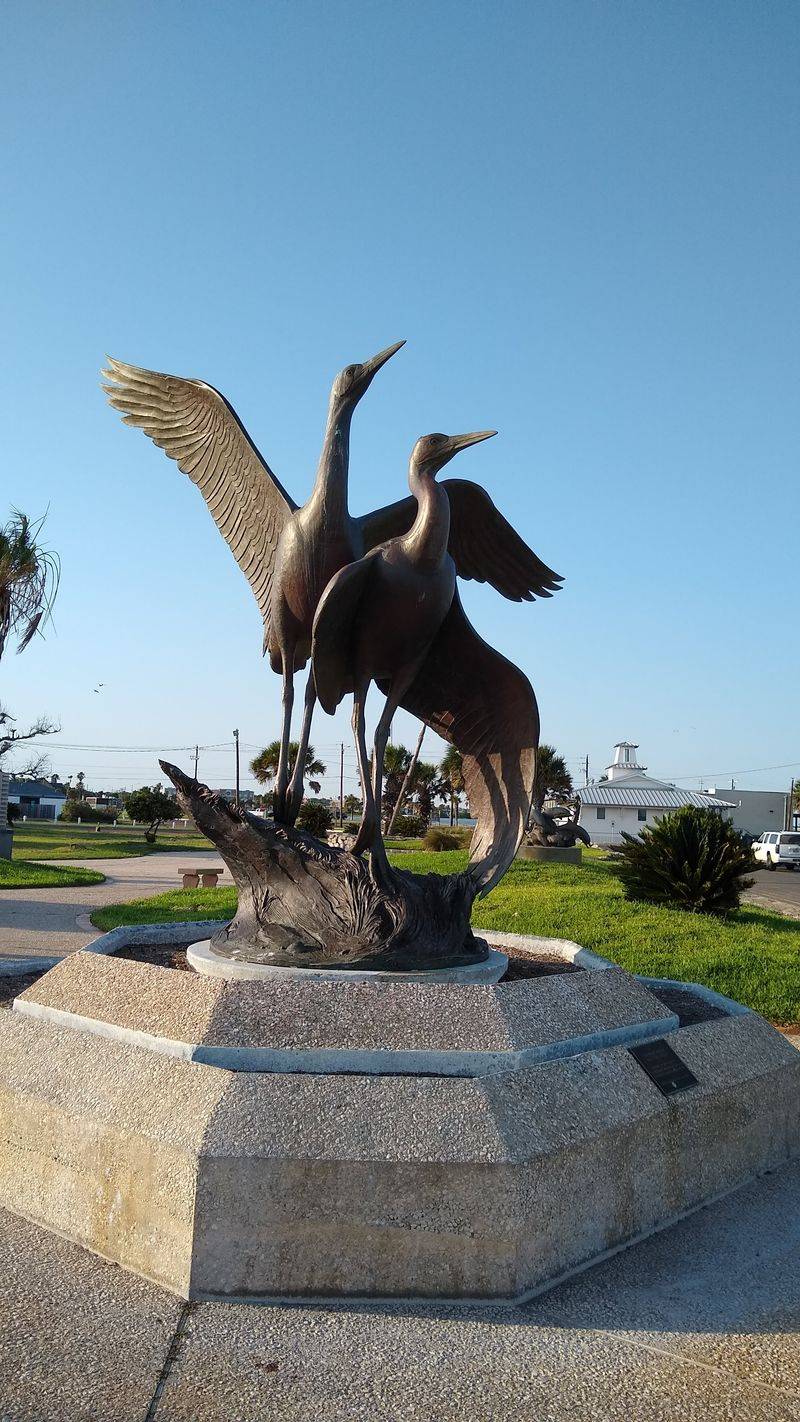
Rockport has always attracted artists drawn to the coastal light, abundant birdlife, and inspiring seascapes. The Rockport Center for the Arts was the anchor of this creative community, hosting classes, exhibitions, and events in a building that felt cozy and accessible.
Smaller galleries dotted the downtown area, often run by the artists themselves out of converted homes or storefronts.
After the storm destroyed or damaged many of these spaces, the art community faced a choice: rebuild what was lost or reimagine what could be. They chose the latter.
The Rockport Center for the Arts underwent major renovations, expanding gallery space and adding state-of-the-art studios for pottery, painting, and sculpture. Outdoor sculpture gardens were redesigned with better pathways and lighting for evening strolls.
New galleries opened in the rebuilt downtown, occupying modern spaces with soaring ceilings and professional lighting systems. Art festivals that used to feel like small-town gatherings now draw crowds from across Texas, with juried shows and sales that attract serious collectors.
The increased visibility brought both opportunities and challenges for local artists. Some embraced the professionalization and the chance to reach wider audiences.
Others missed the intimate, grassroots feel of the old art scene. Walking through the galleries today, you’ll find stunning work displayed in environments that rival big-city museums.
The art is still rooted in Rockport’s natural beauty, but the presentation and scale have changed dramatically, reflecting a town that’s reaching for something bigger than it used to be.
Restaurants Upgraded From Shacks to Showplaces
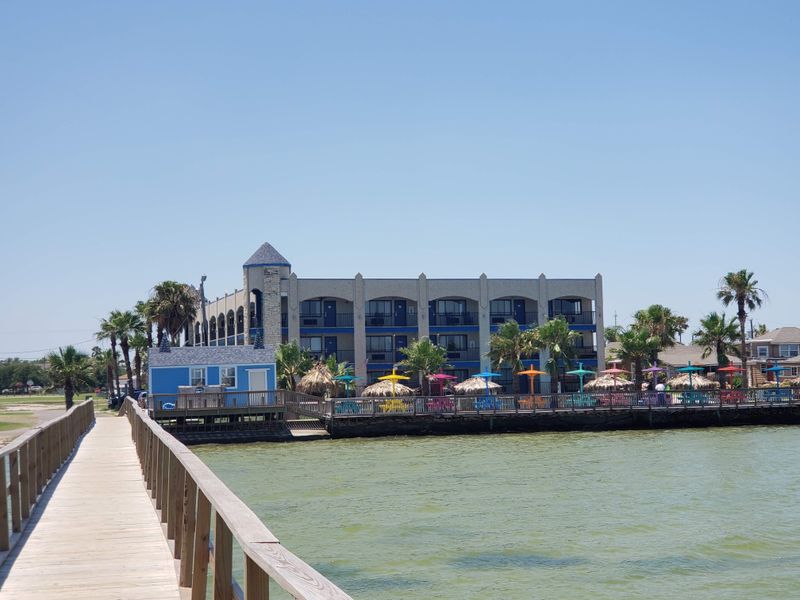
Eating in Rockport used to mean pulling up to weathered seafood shacks where the menu was scrawled on a chalkboard and the catch of the day came straight off the boats. These no-frills spots served fried shrimp, oysters on the half shell, and fish tacos that locals swore by.
Decor was an afterthought, with mismatched chairs and walls covered in fishing nets and faded photos.
Many of these beloved eateries were destroyed or severely damaged by Harvey, and when they rebuilt, the results were dramatically different. New restaurants feature polished interiors with nautical themes executed by professional designers.
Menus expanded beyond fried seafood to include grilled fish with trendy sauces, craft burgers, and fusion dishes that blend Gulf Coast flavors with international influences. Outdoor dining areas with misters and heaters extend the season, while full bars serve specialty cocktails alongside the traditional offerings.
Some old favorites did return, like Charlotte Plummer’s Seafare Restaurant at 202 North Fulton Beach Road, which rebuilt and reopened with updated facilities but kept its commitment to fresh, locally caught seafood. Yet even these stalwarts had to modernize to compete with the wave of new establishments.
Tourists love the upgraded dining scene, snapping photos of beautifully plated dishes and waterfront views. Longtime residents sometimes grumble about higher prices and menus that feel less authentic.
But everyone agrees the food quality has improved across the board, and Rockport’s restaurant scene now rivals destinations that used to overshadow this humble fishing town.
Residential Neighborhoods Look Like Different Towns
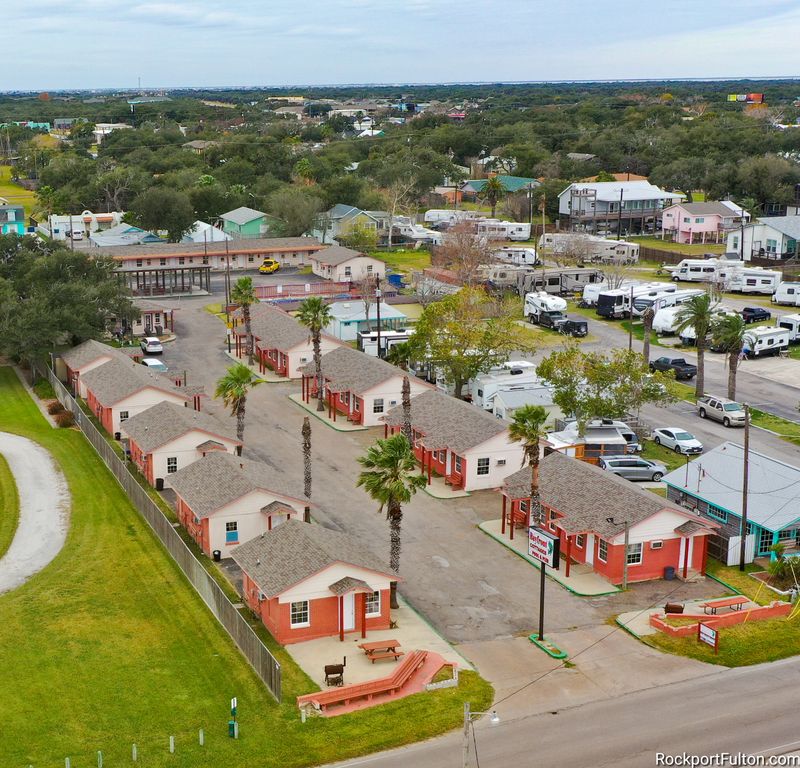
Rockport’s neighborhoods used to be a mix of modest beach cottages, mid-century ranch homes, and the occasional grand house with bay views. Streets were lined with mature trees, and yards had that lived-in look of families who’d been there for decades.
Kids rode bikes to school, neighbors knew each other by name, and the pace of life felt slow and steady.
Harvey’s damage was devastating in many residential areas, with entire blocks of homes destroyed or left uninhabitable. The rebuilding process brought an influx of new construction that transformed the character of these neighborhoods.
Modern homes with contemporary designs replaced the old cottages, built on stilts to meet new flood regulations and featuring sleek lines that contrast sharply with the traditional architecture. Property investors bought up damaged lots, built spec homes, and sold them at prices far above pre-storm values.
Long-time residents who chose to rebuild often found themselves surrounded by newcomers who didn’t share the same history or connection to the community. Streets that once felt like close-knit enclaves now have a more transient feel, with vacation rentals and second homes outnumbering year-round residents in some areas.
The tree canopy that provided shade and character was thinned by the storm, and young replacement trees will take decades to fill in. Some neighborhoods feel almost sterile now, with uniform landscaping and houses that could be anywhere along the coast.
The sense of place that made Rockport special has been diluted, leaving older residents nostalgic for the imperfect but authentic community that existed before nature and economics reshaped their hometown forever.
Dear Reader: This page may contain affiliate links which may earn a commission if you click through and make a purchase. Our independent journalism is not influenced by any advertiser or commercial initiative unless it is clearly marked as sponsored content. As travel products change, please be sure to reconfirm all details and stay up to date with current events to ensure a safe and successful trip.
