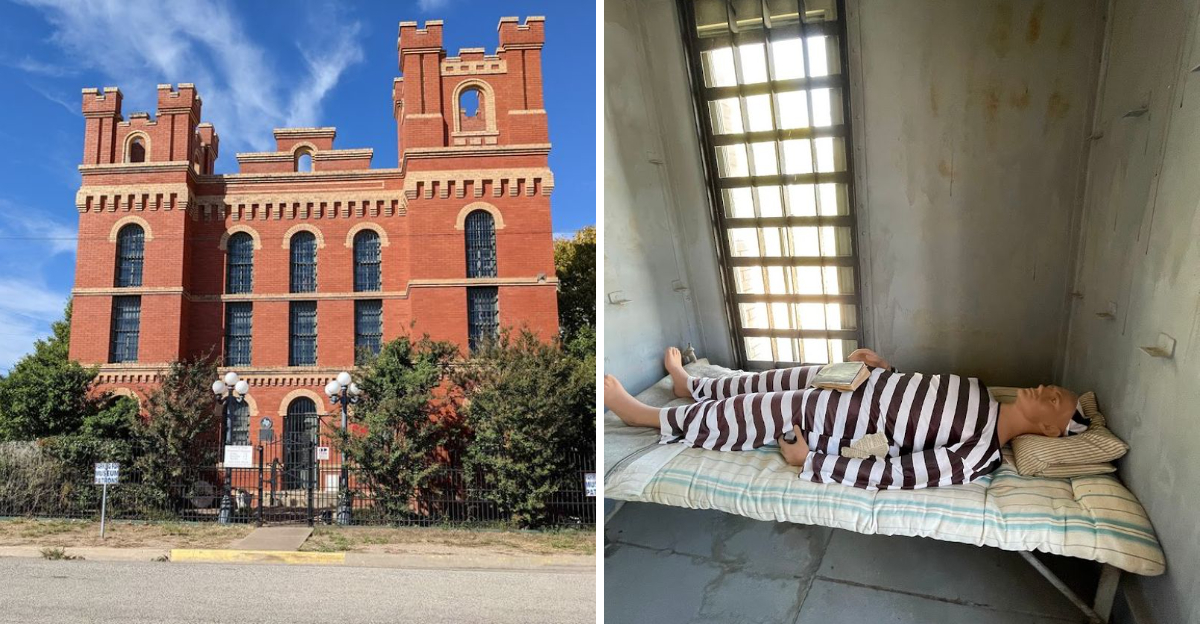
A jail that looks like a castle. That is not a sentence a person hears every day.
But in Brady, Texas, that is exactly what sits on the corner of one street. Built in 1909 from native limestone, the old jail has thick walls, iron bars, and a solid, fortress-like appearance that makes it look more suited for a king than a prisoner.
The building has been preserved and now serves as a museum, offering a glimpse into a time when architecture was practical and beautiful. Visitors can walk through the cells, see the original fixtures, and imagine what life was like behind those walls.
The limestone has aged gracefully, taking on a warm, weathered tone that photographs beautifully. Texas has plenty of historic buildings, but a jail that looks like a castle is a rare sight.
A Building That Looks Like It Belongs in Medieval Europe
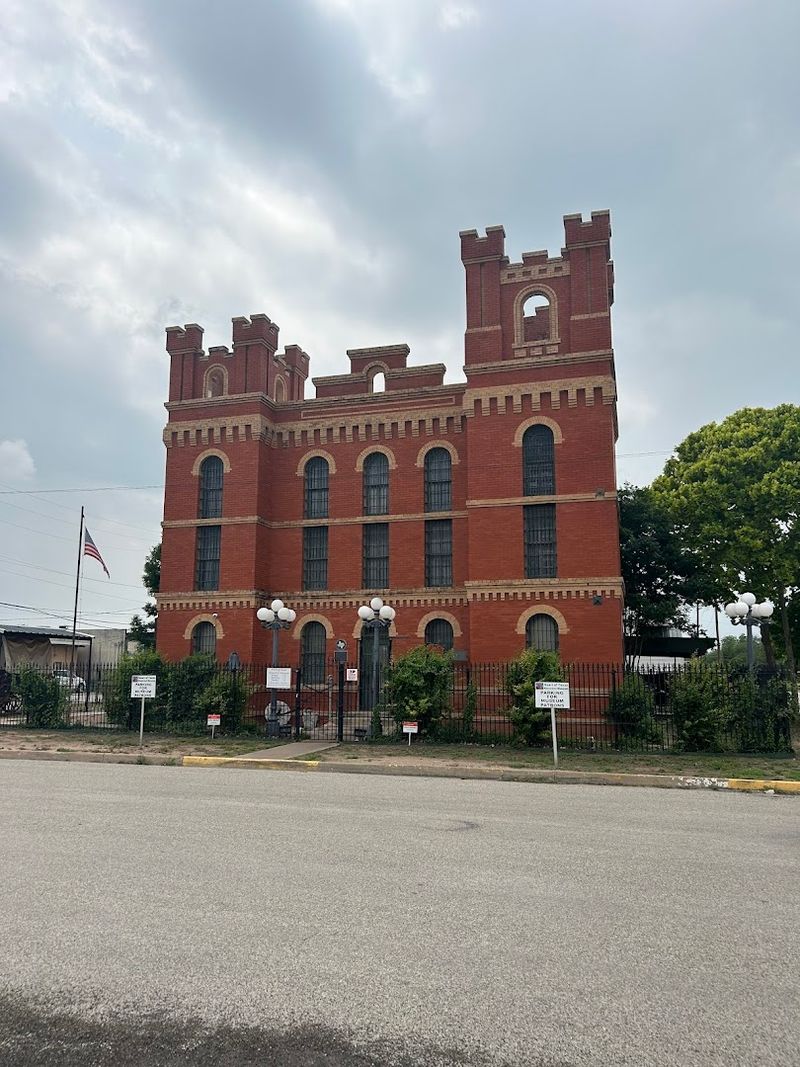
The first thing that hits you about this building is how completely out of place it looks, in the best possible way. Most old Texas county jails are simple, boxy structures.
This one has twin towers flanking its main facade, arched windows, and thick red brick walls that give it the silhouette of a small medieval fortress.
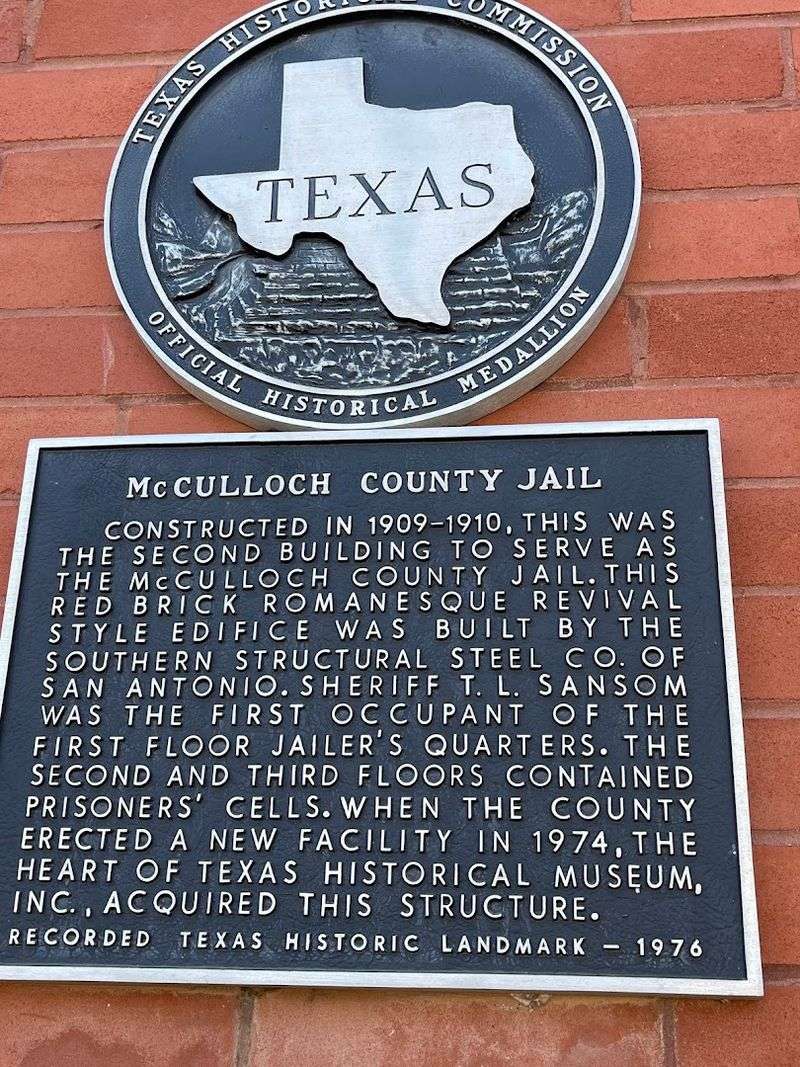
Built between 1909 and 1910, the structure was designed in the Romanesque Revival style, sometimes called Richardsonian Romanesque after the influential American architect Henry Hobson Richardson. That style was intentional.
Communities in the early twentieth century wanted their civic buildings to project power, permanence, and authority.
Brady certainly got what it paid for. The Southern Structural Steel Company of San Antonio constructed the facility, and their craftsmanship has held up remarkably well.
The building is three stories tall, and every angle of it feels deliberate, almost theatrical.
Even the roofline has personality, with its varied heights and tower caps creating a skyline that feels more European than Texan. Locals have always taken pride in this landmark.
It was added to the National Register of Historic Places in 1975, then designated a Recorded Texas Historic Landmark in 1976, cementing its place in the state’s architectural story.
Seeing it in person really does feel different from any photo. The scale surprises you.
The details surprise you. And the fact that it spent over six decades as a functioning jail makes the whole experience even more layered and fascinating.
How the Jail Came to Be Brady’s Most Iconic Structure
Brady needed a new jail by the early 1900s, plain and simple. The first county jail had run its course, and McCulloch County was growing fast enough that local officials knew they needed something more substantial.
What they ended up commissioning, though, was far beyond a utilitarian fix.
The decision to go with the Romanesque Revival style was a statement. Towns across Texas were competing to show the rest of the state they were serious, stable, and here to stay.
A castle-like jail communicated exactly that kind of civic confidence.
Construction wrapped up in 1910, and the building immediately became the most visually striking thing in Brady. The Southern Structural Steel Company brought real expertise to the project, and the result was a structure that felt both imposing and oddly beautiful.
People noticed.
For over six decades, the jail served its original purpose without interruption. Prisoners were held on the second and third floors, while the jailer and his family actually lived on the ground floor.
That arrangement was common for the era, though it still feels a little wild to think about today.
When the jail finally closed in 1974, the community faced a choice that many small towns get wrong. Brady got it right.
Rather than letting the building sit empty or be demolished, local historians and volunteers stepped in almost immediately, transforming it into the Heart of Texas Historical Museum that visitors still enjoy today.
The Jailer Lived Downstairs, Prisoners Lived Upstairs
One of the most genuinely surprising facts about this building is the living arrangement it was designed around. The ground floor was not a cell block.
It was a home, specifically the jailer’s residence, where the county-appointed jailer and his family would have lived full-time.
That setup sounds unusual now, but it was completely standard for the era. Having the jailer on-site around the clock meant better security and faster response to any disturbances.
It also meant that someone’s wife might be cooking dinner just a floor below where prisoners were locked in iron cells.
The second and third floors held the actual cell blocks, designed with the kind of heavy ironwork that the Southern Structural Steel Company specialized in. Prisoners were separated by floor, and the whole upper portion of the building was built to be as escape-proof as the technology of 1910 could manage.
Today, the museum has preserved enough of the original layout that you can genuinely feel the contrast between those two worlds. The lower floor carries a different energy than the upper levels.
There is something almost domestic about the ground floor, even now, which makes the transition upstairs feel more striking by comparison.
Wandering through both spaces gives you a real sense of what daily life looked like for everyone involved in that system, the keepers and the kept, living just a staircase apart. It is one of those details that sticks with you long after you leave.
The Hangman’s Trapdoor That Was Never Used
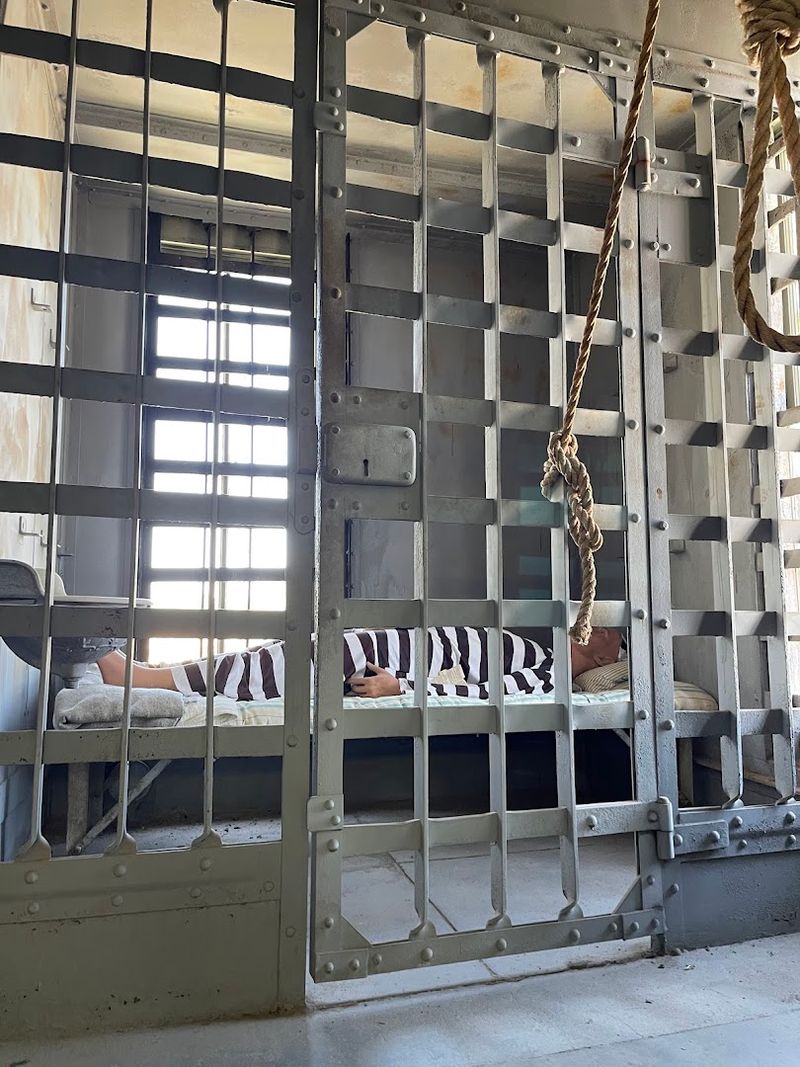
Right there on the second-floor landing, if you know where to look, you will find one of the most sobering details in the entire building. The jail was constructed with a prepared hangman’s trapdoor and an iron ring mounted above it, designed specifically for executions by hanging.
Here is the remarkable part: the noose was never actually used. Not once in the building’s entire history as a functioning jail did an execution take place here.
The apparatus was installed as a matter of standard practice for the time, a grim feature that many county jails of that era included as a matter of course.
Standing near that spot gives you a strange feeling, a mix of relief and unease that is hard to put into words. The hardware is still there, original and intact, which makes the whole thing feel more real than any exhibit label ever could.
It is one of those moments in the museum where history stops being abstract. You are not reading about the past.
You are standing in it, looking at an iron ring that was put there with a specific and terrible purpose in mind, and yet it was never needed.
That tension, between what was built and what actually happened, is part of what makes the Heart of Texas Historical Museum such a compelling place to visit. The building holds its stories quietly, and this one in particular lingers.
It is not morbid so much as deeply, uncomfortably human.
From Active Jail to Living History Museum

The year 1974 marked a turning point for this remarkable building. After more than six decades of housing McCulloch County’s prisoners, the jail closed its doors for the last time as an active correctional facility.
What happened next says a lot about Brady as a community.
Local historians, preservationists, and volunteers mobilized quickly to ensure the building would not sit empty or fall into disrepair. The Heart of Texas Historical Museum opened that same year, giving the structure an entirely new identity while honoring everything it had been before.
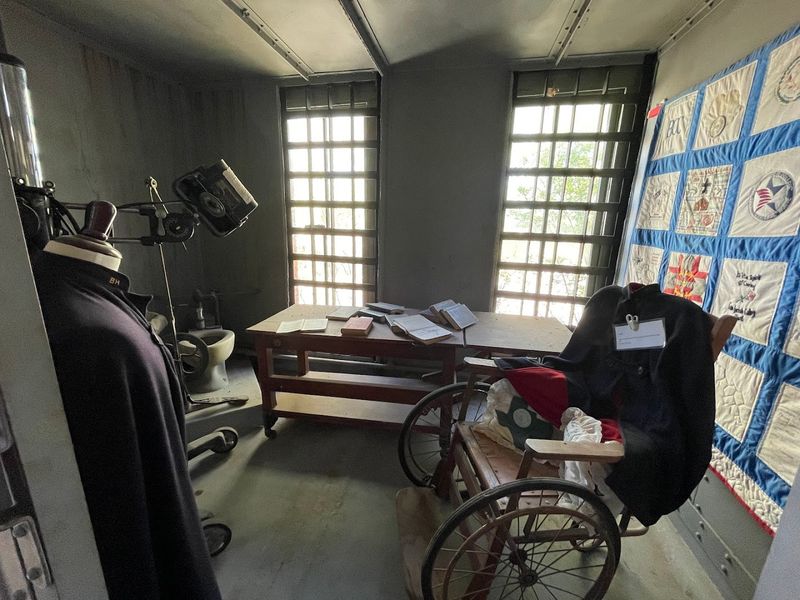
The museum’s collection focuses on the history of McCulloch County and the broader Heart of Texas region. Artifacts, photographs, documents, and personal items from generations of local families fill the space, turning the old cell blocks and corridors into something genuinely educational and moving.
What the museum does especially well is use the building itself as part of the story. The original ironwork, the thick walls, the narrow windows, all of it becomes context for understanding what life looked like in this corner of Texas over the past century.
Nothing feels staged or sterile.
Volunteers still play a major role in keeping the museum running, which gives the whole experience a warmth you do not always find at larger, better-funded institutions. People here genuinely care about what they are preserving.
That comes through in every room, every carefully arranged display, and every conversation you are likely to have during your visit.
The Romanesque Revival Style and What It Meant for Small-Town Texas
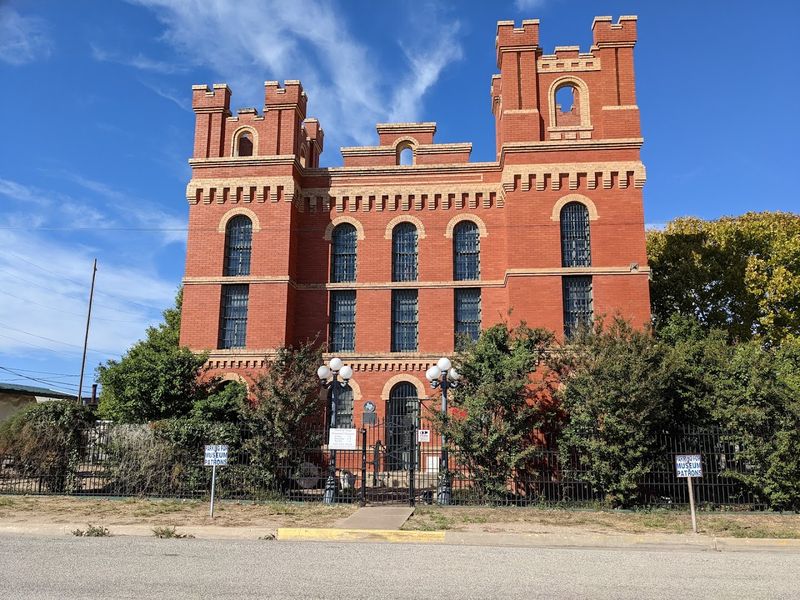
Romanesque Revival architecture had a very specific message baked into every arch and tower. When American communities adopted this style in the late 1800s and early 1900s, they were borrowing the visual language of permanence from medieval European buildings.
It was architectural shorthand for saying: we are not going anywhere.
For a county seat like Brady, that message mattered enormously. The Hill Country was still being settled and organized in the early twentieth century.
Civic buildings were not just functional structures. They were symbols, and the style of the McCulloch County Jail was chosen with that symbolism firmly in mind.
The twin towers on the east facade are the most dramatic expression of that intent. They frame the main entrance in a way that feels almost ceremonial, giving the building a profile that is instantly recognizable from a distance.
That medieval quality is not accidental. It was engineered.
Thick walls, rounded arches, and heavy masonry all contribute to a sense of solidity that lighter architectural styles simply cannot replicate. Even standing next to the building, you feel its weight, not just physically but historically.
It has that quality of something that was built to outlast the people who built it.
Brady’s jail is a particularly fine example of this style in Texas, which is part of why it earned both its National Register listing and its state landmark designation. It is not just old.
It is architecturally significant in a way that rewards close attention and a slow, unhurried look.
Brady, Texas, The Town That Built Something Worth Keeping
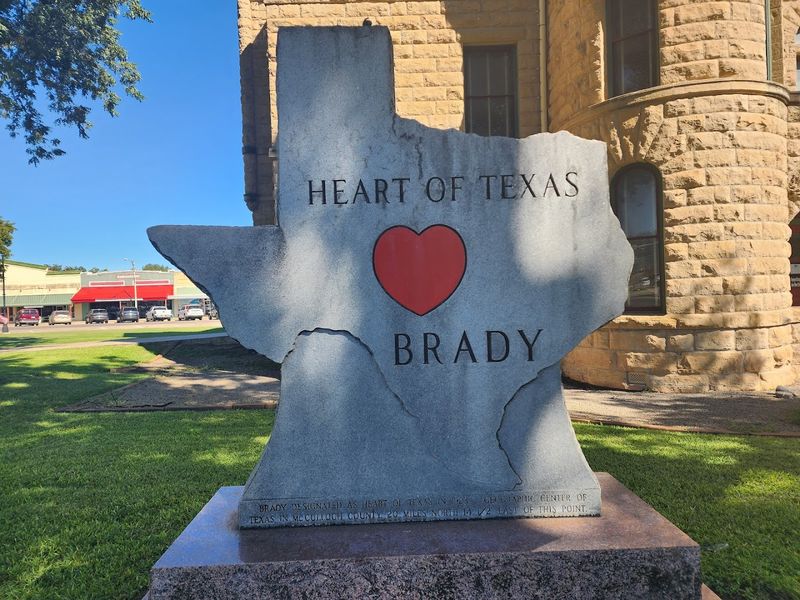
Brady sits at the geographic heart of Texas, a fact locals will happily point out. McCulloch County’s seat is the kind of town that does not shout for attention but rewards anyone who slows down enough to actually look around.
The jail museum is the most dramatic example of that reward.
The town has a comfortable, unhurried quality that fits perfectly with the kind of history the museum preserves. Brady is not trying to be a tourist destination in the polished, commercial sense.
It is just a real Texas town with a genuinely remarkable piece of architecture sitting on one of its main streets.
The surrounding area has its own quiet appeal. The Hill Country landscape around Brady is open and honest, with rolling terrain and big skies that give everything a sense of scale.
Getting here from Austin or San Antonio takes a couple of hours, but the drive itself is worth the time.
Visiting the museum and then spending a bit of time in Brady proper gives you a fuller picture of the place. The town’s character and the museum’s character reinforce each other in a way that feels authentic rather than manufactured.
Small Texas towns with genuine historical depth are rarer than people think. Brady has managed to hold onto something real, and the fact that the community chose to preserve its old jail rather than tear it down says everything about the kind of place it is.
That choice, made back in 1974, is still paying dividends for everyone who visits today.
What You Will Actually See Inside the Museum Today
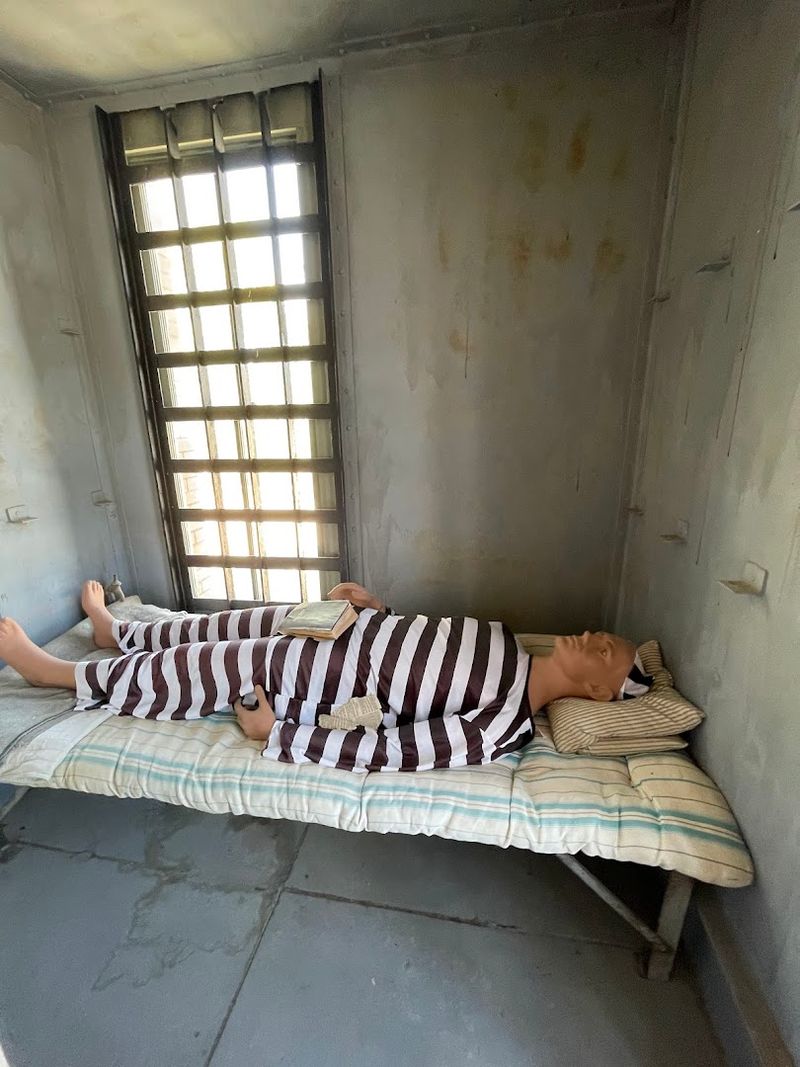
The museum experience at the Heart of Texas Historical Museum is personal and layered in a way that bigger institutions sometimes struggle to achieve. You move through rooms that were never designed to be galleries, and that tension between original purpose and current use makes everything feel more alive.
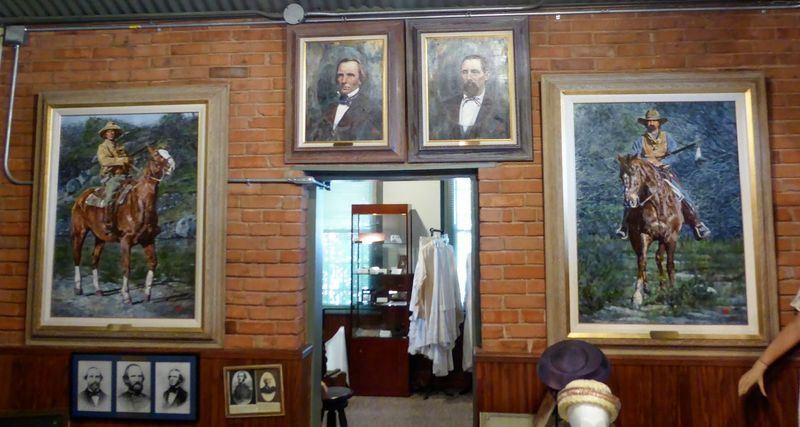
The collection spans a wide range of local history, from pioneer settlement and ranching culture to the development of McCulloch County through the twentieth century. Photographs, tools, clothing, furniture, and documents all make appearances, giving you a genuinely broad view of the region’s past.
The original jail hardware is one of the highlights for most visitors. Seeing the actual iron cells, the heavy doors, and the structural elements that the Southern Structural Steel Company installed over a century ago puts everything else in context.
This is not a recreation. It is the real thing.
The building’s layout encourages you to take your time. Moving between floors means moving between different eras and different stories, and the staff and volunteers are genuinely knowledgeable and happy to share details you might otherwise miss.
That kind of personal engagement is hard to replicate.
Photography is a natural instinct here, and understandably so. Every corner of the building offers something visually interesting, whether it is the architectural details, the artifact displays, or the play of light through those narrow original windows.
Plan to spend at least an hour, maybe more if you are the kind of person who reads every label and asks every question.
Planning Your Visit to the Jail Museum in Brady
Getting to Brady is straightforward whether you are coming from Austin, San Antonio, or Abilene. The town sits at the intersection of US Highway 87 and US Highway 283, making it accessible from multiple directions.
The museum is right in the heart of town at 117 N High Street, easy to spot once you are nearby because the building genuinely stands out.
Before you go, it is worth checking current hours directly with the museum, as seasonal schedules and volunteer availability can affect opening times. The Heart of Texas Historical Museum is a community-run operation, and a quick call or check of their current information will save any frustration on arrival.
Bring comfortable shoes. The building has multiple floors connected by original staircases, and you will want to explore every level without rushing.
The floors are uneven in places, as you would expect from a building that is well over a century old, which adds to the character but requires a bit of attention.
Brady itself has enough to make a half-day or full-day trip worthwhile. Local restaurants and shops around the courthouse square give you a reason to linger after the museum visit.
The town has a genuine, unpretentious quality that is easy to appreciate once you settle into its pace.
This is the kind of stop that travel guides tend to overlook, which honestly makes it better. You are not fighting crowds or navigating a tourist infrastructure.
You are just visiting a remarkable building in a real Texas town, and that simplicity is a big part of the appeal.
