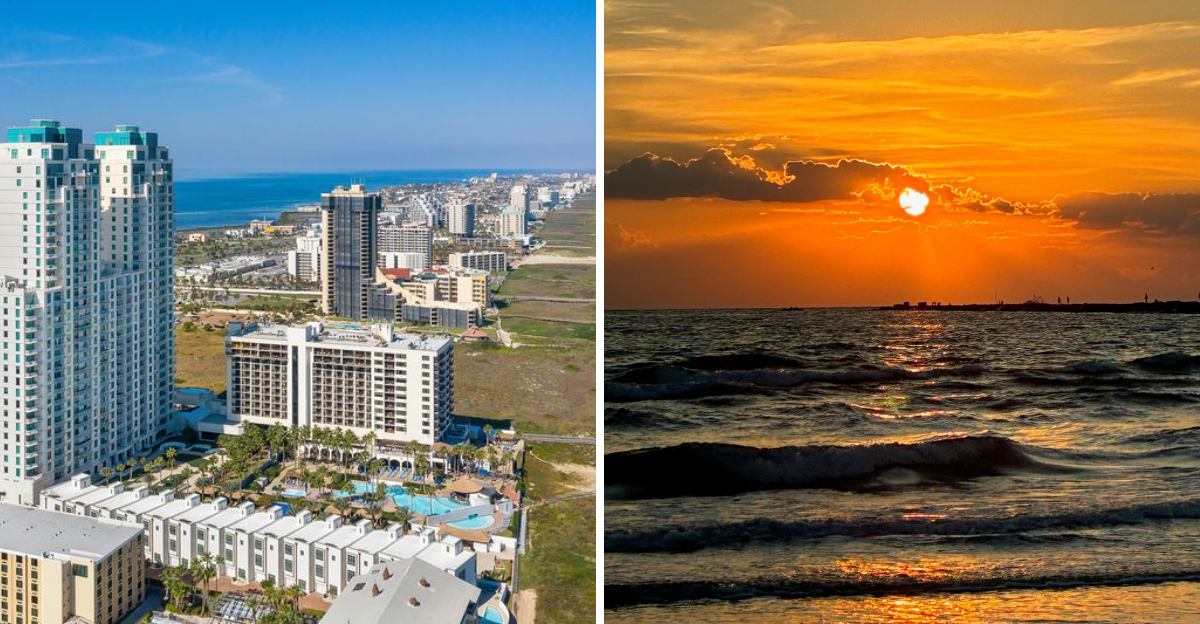
South Padre Island sits at the southernmost tip of Texas, where the Gulf of Mexico meets endless stretches of white sand and calm turquoise waters.
This barrier island has become one of the state’s most popular vacation destinations, drawing thousands of tourists every year who come for the beaches, dolphin tours, and lively atmosphere.
But while travelers flock here for spring break parties, family beach days, and nature adventures, many locals tell a different story. They face traffic jams, overcrowded restaurants, and rising costs that make everyday life challenging.
If you’ve ever wondered what it’s like to live in a place everyone wants to visit, South Padre Island is the perfect example. Spoiler alert: the sunsets are still stunning, but finding parking? That’s a whole different adventure.
Traffic Nightmares on Queen Isabella Causeway
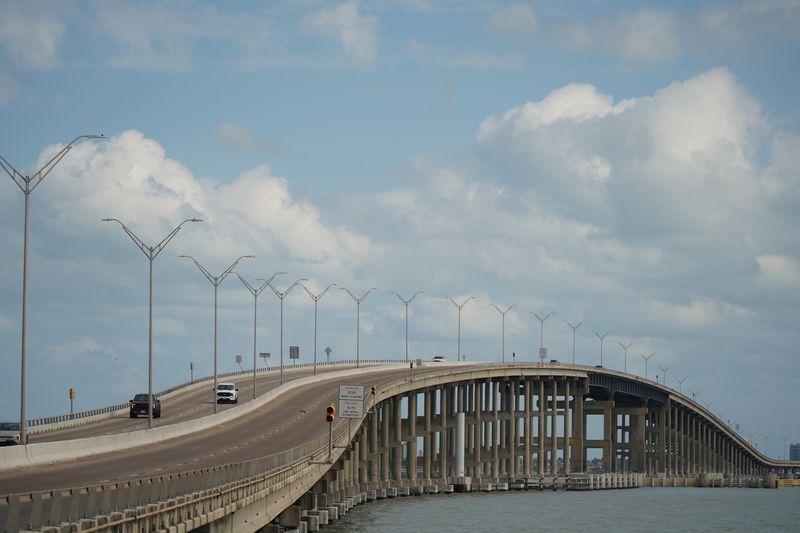
Getting on and off South Padre Island means crossing the Queen Isabella Causeway, a stunning bridge that connects the island to the mainland. For visitors, the drive offers breathtaking views of the Laguna Madre and the chance to spot dolphins playing in the water below.
Tourists snap photos and marvel at the engineering feat that rises high above the bay. But for locals, this bridge is a daily source of frustration and stress.
Traffic backs up for miles during peak tourist seasons, especially on weekends and holidays. What should be a quick ten-minute drive can turn into an hour-long crawl.
Residents who work on the mainland face this commute twice a day, and emergency vehicles sometimes struggle to get through when accidents happen. The causeway becomes a bottleneck that affects everything from getting to work on time to receiving medical care.
Construction projects and bridge maintenance add to the headaches. Lane closures force even more congestion, and there’s no alternate route.
Locals dream of a second bridge or better traffic management, but for now, they’re stuck with a single lifeline that feels more like a parking lot. Visitors might enjoy the scenic drive once, but imagine doing it every single day while tourists stop in the middle of the road to take selfies.
Spring Break Chaos and Noise
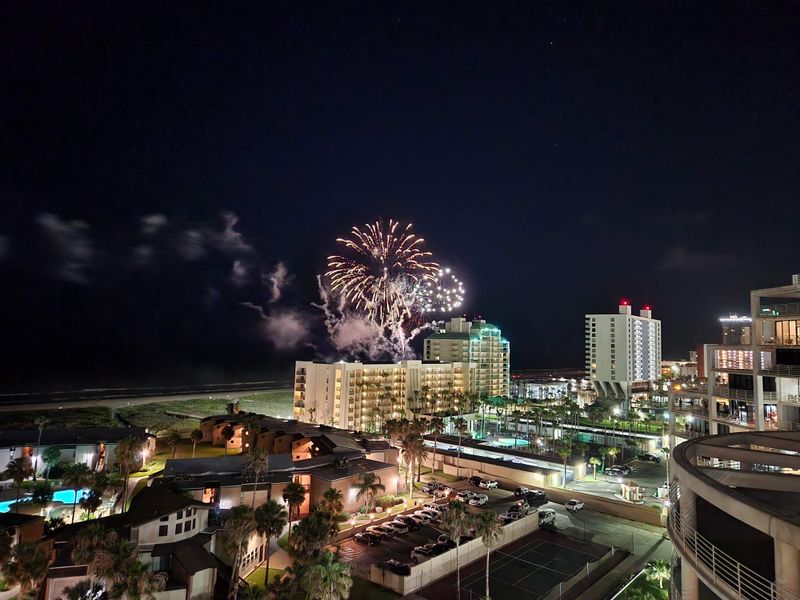
South Padre Island has earned a reputation as one of the top spring break destinations in the United States. Every March, college students pour onto the island by the thousands, ready to party on the beach and enjoy the warm weather.
Hotels and bars welcome the influx of visitors who spend money and fill the streets with energy. For the tourism industry, spring break is a goldmine that keeps businesses thriving.
Locals, however, face a completely different reality during these weeks. The noise levels skyrocket as music blasts from beach parties late into the night.
Trash piles up faster than cleanup crews can manage, and public spaces become crowded and chaotic. Residents who live near the main tourist areas find it nearly impossible to sleep or enjoy any peace.
Some families with young children choose to leave the island entirely during spring break just to avoid the madness.
Law enforcement struggles to keep up with the increased demand for security and crowd control. Reckless behavior, minor accidents, and public disturbances become daily occurrences.
While the event brings economic benefits, many locals wish the island could attract a more balanced mix of visitors throughout the year. They love their home but dread the annual invasion that turns their quiet beach town into a nonstop party zone that feels overwhelming and exhausting.
Skyrocketing Cost of Living
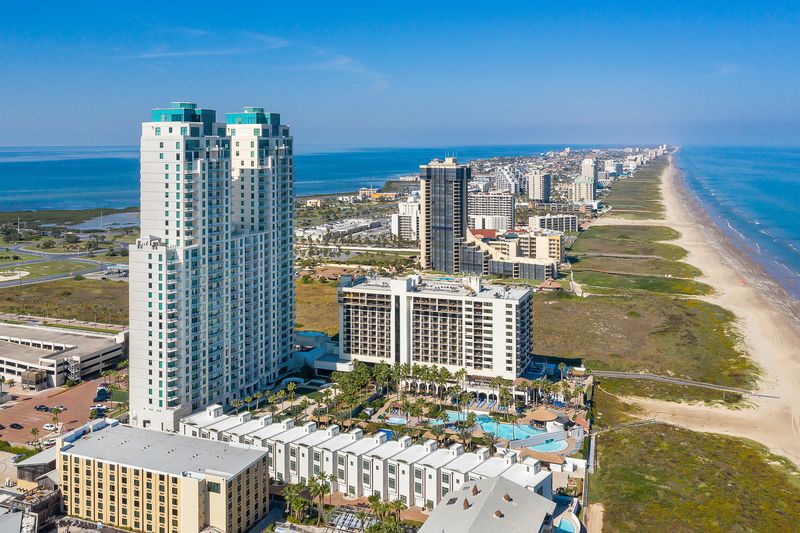
Tourism has transformed South Padre Island’s economy, but it has also driven up the cost of living to levels that many locals find unsustainable. Property values have soared as investors buy up homes to turn them into vacation rentals.
What used to be affordable neighborhoods are now filled with short-term rental properties that sit empty most of the year. Long-term residents struggle to find housing they can afford, and families who have lived on the island for generations are being priced out of their own community.
Rent prices have climbed so high that many workers who staff the hotels, restaurants, and shops can no longer afford to live on the island. They commute from the mainland, adding to the traffic problems and making it harder for businesses to find reliable employees.
Grocery stores and gas stations charge premium prices because they know tourists will pay, but locals bear the burden year-round. Even basic necessities feel like luxury items when you’re competing with vacation budgets.
Property taxes have increased as home values rise, forcing some longtime homeowners to sell and move away. The island’s character is changing as working-class families disappear and wealthy vacation homeowners take their place.
Locals feel like they’re being pushed out of paradise, watching their hometown turn into an exclusive resort where only tourists and the wealthy can afford to stay.
Overcrowded Beaches and Lost Serenity
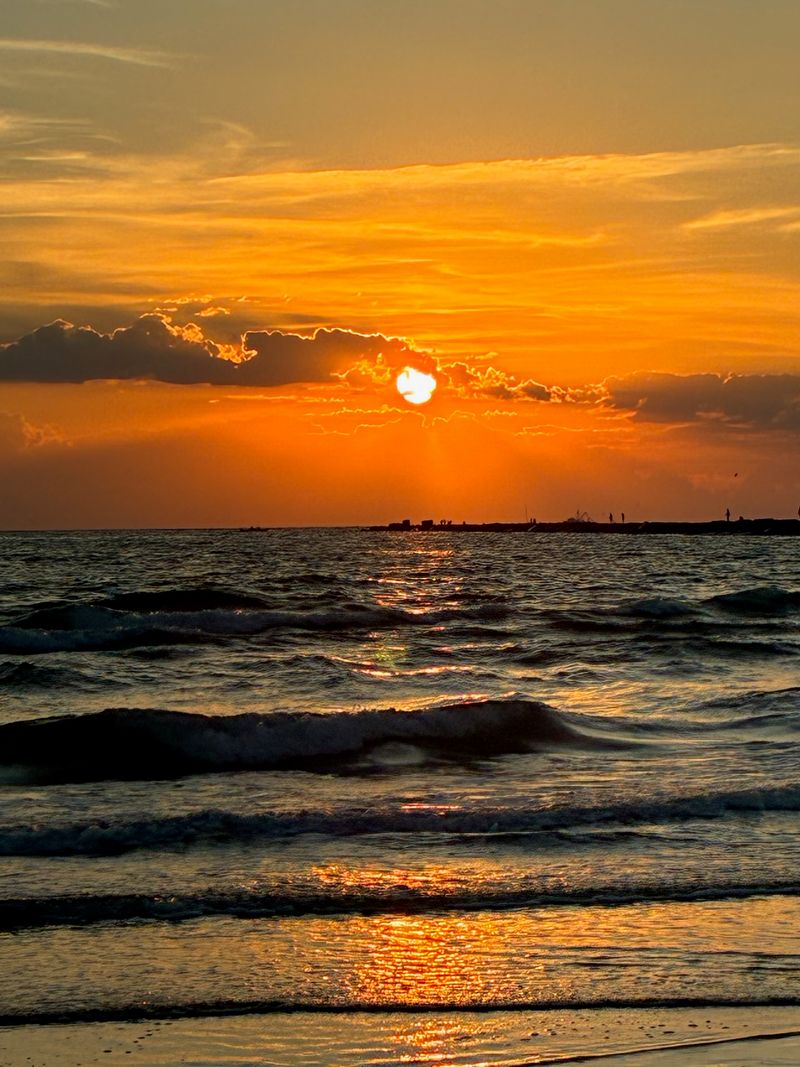
The beaches of South Padre Island stretch for miles, offering soft white sand and gentle waves that attract families, surfers, and sunbathers. Visitors travel from all over the country to experience these pristine shores and enjoy the warm Gulf waters.
During summer months and holiday weekends, the beaches transform into a sea of umbrellas, coolers, and beach towels packed so tightly that finding a spot feels like a competitive sport.
Locals remember when the beaches felt spacious and peaceful, when you could walk for miles and see only a handful of people. Now, popular beach access points are so crowded that parking lots fill up by mid-morning.
Families with small children struggle to find safe spaces away from the crowds, and the constant noise from portable speakers and beach activities disrupts the natural beauty. Trash left behind by careless visitors washes into the ocean or gets buried in the sand, creating environmental concerns.
Beach erosion has become a serious problem, partly due to the sheer number of people using the beaches every day. Natural dunes that protect the island get trampled, and wildlife habitats suffer from constant human activity.
Locals who grew up swimming and fishing in these waters feel like they’ve lost their sanctuary. The beaches still look beautiful in photos, but the reality is far from the peaceful paradise that once defined island life.
Restaurant Waits and Tourist-Focused Menus
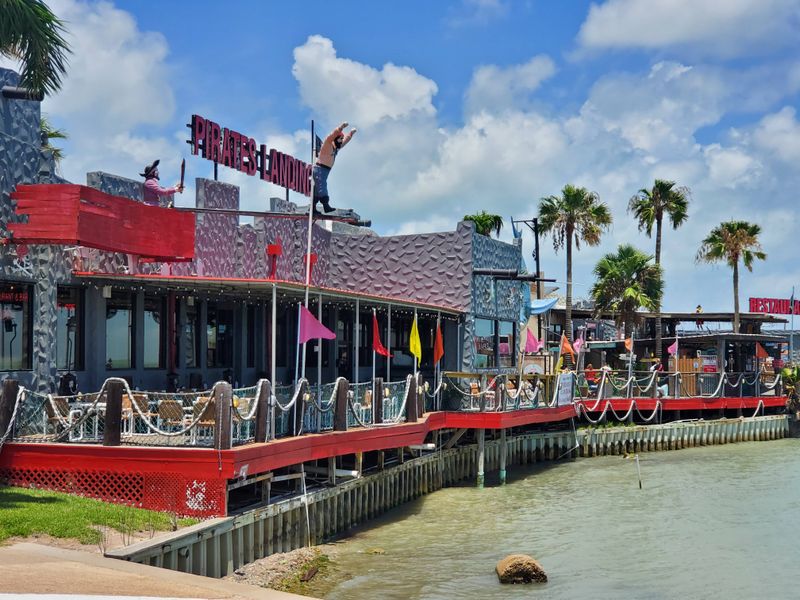
South Padre Island’s restaurant scene has exploded in recent years, with new eateries opening to serve the constant flow of tourists. Seafood restaurants, beachfront cafes, and casual dining spots line the main streets, offering everything from fresh Gulf shrimp to burgers and tacos.
Visitors love the variety and the chance to dine with ocean views. But locals face long wait times and menus that cater more to tourist tastes than to the people who live here year-round.
During peak season, getting a table at a popular restaurant can mean waiting two hours or more. Reservations fill up weeks in advance, and walk-ins are often turned away.
Locals who want a quick meal after work or a family dinner on the weekend find themselves competing with tourists who have all the time in the world. Some restaurants prioritize visitors because they tip better or spend more money, leaving locals feeling like second-class citizens in their own town.
Menu prices have climbed to match tourist budgets, making it expensive for residents to eat out regularly. Many of the affordable local spots that served the community for decades have closed or been replaced by upscale restaurants aimed at vacationers.
The sense of community that once thrived in these gathering places has faded. Locals miss the days when they could grab a bite without planning it like a military operation or spending half their paycheck.
Constant Construction and Development
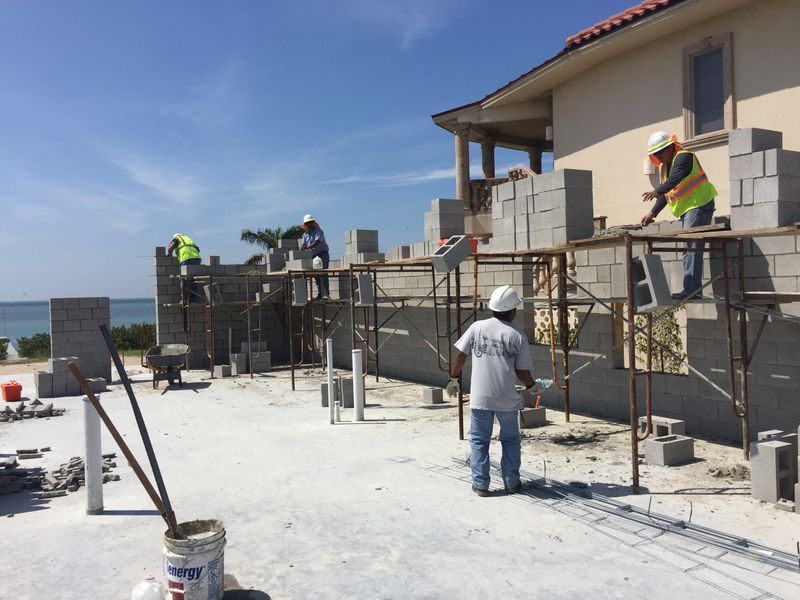
Construction cranes have become a permanent fixture on the South Padre Island skyline. New hotels, condominiums, and commercial developments seem to pop up every few months, transforming the island’s landscape.
Developers see endless opportunity in this growing tourist destination, and investors are eager to cash in on the beach town boom. For visitors staying in brand-new resorts, the construction represents progress and luxury accommodations.
Locals, however, live with the daily reality of construction noise, road closures, and traffic detours. The sound of jackhammers and cement mixers starts early in the morning and continues throughout the day.
Dust fills the air, and heavy trucks rumble through residential neighborhoods. Streets that used to be quiet and walkable now feel like obstacle courses.
Longtime residents watch as familiar landmarks disappear, replaced by high-rise buildings that block ocean views and change the island’s character.
Environmental concerns add another layer of worry. Each new development puts more pressure on the island’s fragile ecosystem, from water resources to wildlife habitats.
The charm of a small beach town is fading as South Padre Island transforms into a dense resort destination. Locals feel like their input is ignored in favor of developer profits.
They wonder when the building will stop and whether the island’s infrastructure can handle the constant growth without collapsing under its own weight.
Parking Problems Everywhere
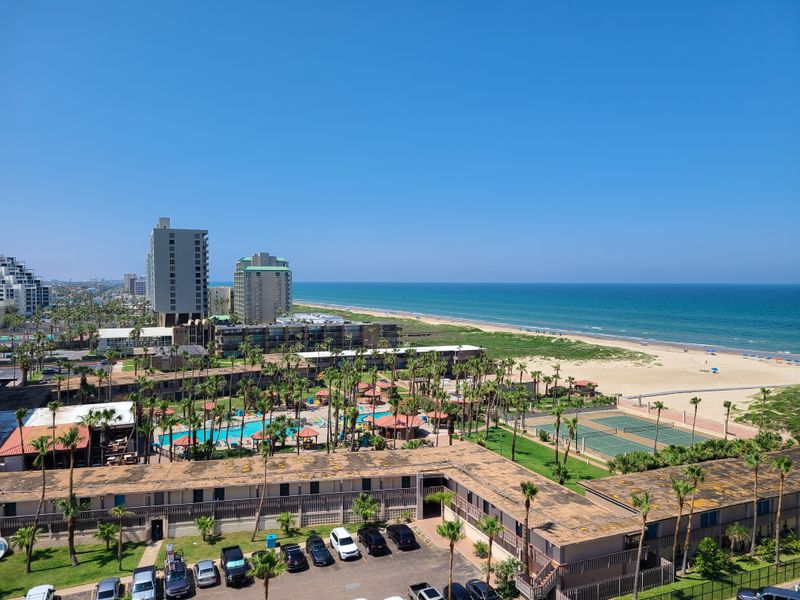
Finding parking on South Padre Island has become one of the most frustrating challenges for both visitors and residents. Beach access points offer limited parking that fills up quickly on busy days.
Tourists circle the lots repeatedly, waiting for spaces to open up, while locals trying to run errands get stuck in the same mess. What should be a simple trip to the grocery store or post office turns into a scavenger hunt for a parking spot.
Residential streets near popular areas have become unofficial overflow parking for beachgoers. Visitors park in front of homes, blocking driveways and taking up spaces that residents depend on.
Some neighborhoods have implemented permit parking, but enforcement is inconsistent. Locals come home from work to find they can’t park near their own houses because tourists have claimed every available spot.
The situation creates tension and resentment between residents and visitors.
Paid parking lots charge high fees that tourists don’t mind paying for a day at the beach, but locals resent having to pay just to access their own town. Public parking garages have been proposed, but construction is slow and the need grows faster than solutions appear.
Golf carts have become a popular alternative for getting around, but they add to the congestion on narrow streets. The parking crisis is just one more way that tourism has made daily life more complicated for the people who call South Padre Island home year-round.
Loss of Local Culture and Community
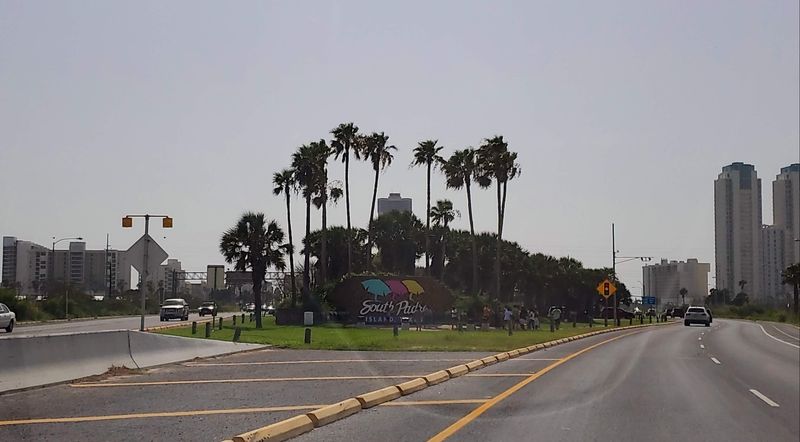
South Padre Island once had a tight-knit community where everyone knew their neighbors and local traditions brought people together. Fishing families, small business owners, and longtime residents created a unique culture rooted in the island’s history and natural beauty.
Community events felt authentic and brought generations together. That sense of belonging and shared identity has been eroding as tourism takes over every aspect of island life.
Local businesses that served the community for decades have closed, unable to compete with chain restaurants and souvenir shops that cater to tourists. The mom-and-pop grocery store where everyone shopped is now a beach gear rental shop.
The community center that hosted local events has been converted into vacation condos. Cultural traditions and celebrations have become tourist attractions rather than genuine community gatherings.
Everything feels commercialized and designed for outsiders rather than residents.
Families who have lived on the island for generations are moving away, taking their stories and traditions with them. Newcomers buy property as investments rather than homes, creating a transient population with no roots in the community.
Schools struggle with enrollment as young families leave for more affordable areas. The social fabric that once made South Padre Island feel like home is unraveling.
Locals grieve the loss of their community while watching their beloved island transform into something they no longer recognize or feel connected to.
Environmental Strain and Wildlife Disruption
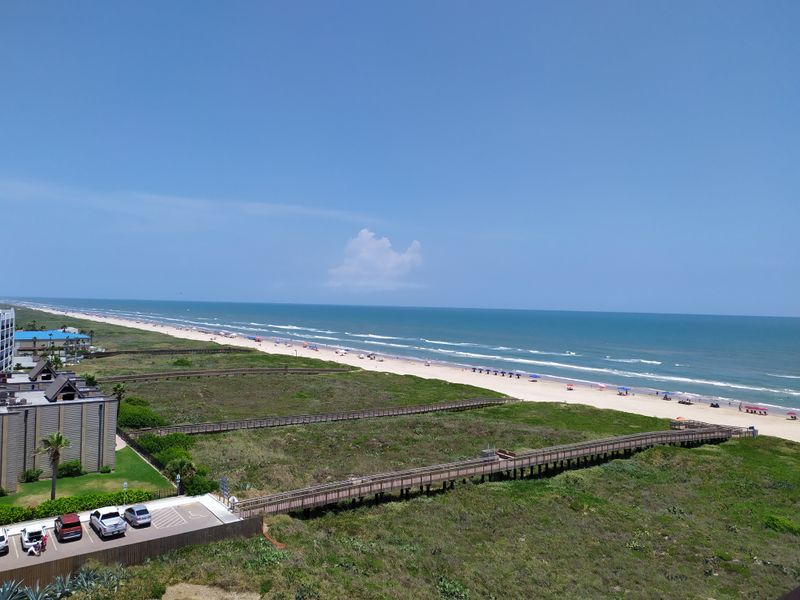
South Padre Island’s natural environment is one of its greatest treasures. The island serves as an important habitat for sea turtles, migratory birds, and diverse marine life.
Conservation organizations like Sea Turtle Inc. work tirelessly to protect endangered species and educate visitors about the fragile ecosystem. The South Padre Island Birding and Nature Center offers a glimpse into the island’s ecological importance.
But the massive influx of tourists puts tremendous pressure on these natural resources.
Beach nesting sites for sea turtles get disturbed by crowds and artificial lighting from beachfront developments. Migratory birds lose habitat as wetlands are filled in for new construction.
Trash left on beaches and in the water threatens wildlife that mistakes plastic for food. Boat traffic increases the risk of collisions with dolphins and sea turtles.
The very attractions that draw nature lovers to the island are being damaged by the sheer number of people visiting.
Locals who care deeply about preserving the island’s natural beauty watch helplessly as development priorities override environmental concerns. Water quality suffers from increased runoff and sewage strain.
Dune restoration projects can’t keep up with erosion caused by foot traffic and storms. The island’s ecosystem is reaching a breaking point, and residents fear that future generations won’t get to experience the natural wonders that once defined South Padre Island.
The balance between tourism and conservation has tipped dangerously in the wrong direction.
Dear Reader: This page may contain affiliate links which may earn a commission if you click through and make a purchase. Our independent journalism is not influenced by any advertiser or commercial initiative unless it is clearly marked as sponsored content. As travel products change, please be sure to reconfirm all details and stay up to date with current events to ensure a safe and successful trip.
