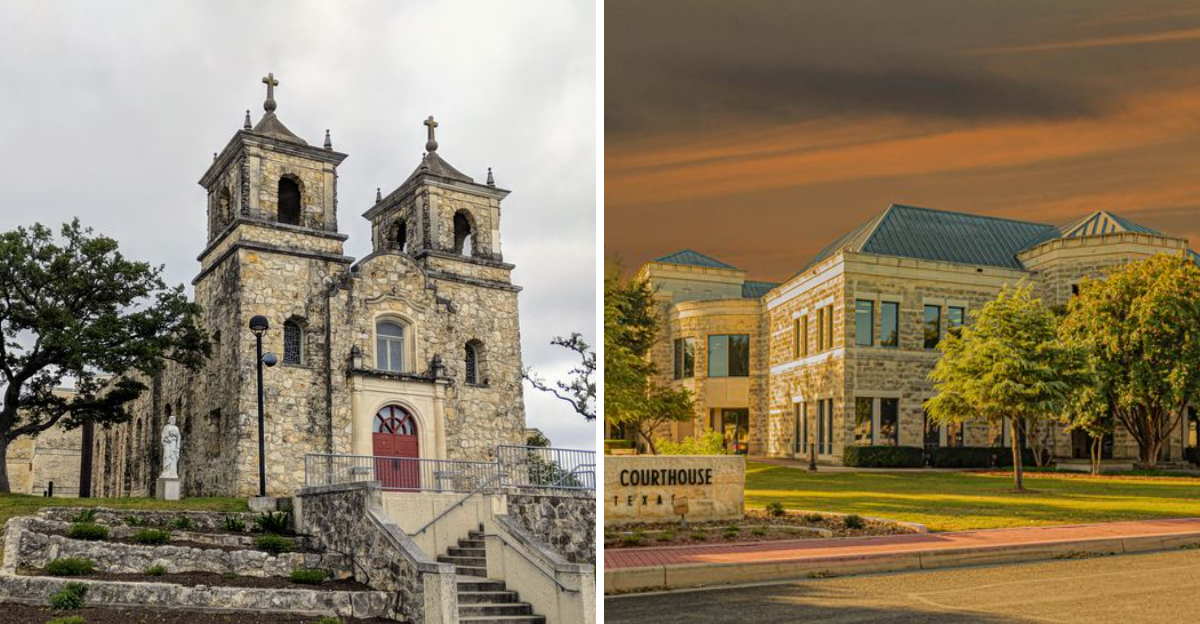
Boerne, Texas sits nestled in the rolling Texas Hill Country, about thirty miles northwest of San Antonio.
This charming town, founded by German settlers in 1849, has kept its small-town character for over 170 years with historic buildings, tree-lined streets, and friendly neighbors.
But something big is happening here that’s changing everything locals once knew about their beloved community.
Newcomers are flooding into Boerne at an unprecedented rate, drawn by its natural beauty, excellent schools, and proximity to San Antonio.
Property values are skyrocketing, rents are climbing, and longtime residents are finding themselves priced out of the very town they helped build.
What was once an affordable place to raise a family has become one of the fastest-growing and most expensive areas in Texas, creating tension between old-timers and new arrivals who are reshaping the landscape of this historic Hill Country gem.
Historic Main Street Transformed by Rising Commercial Rents
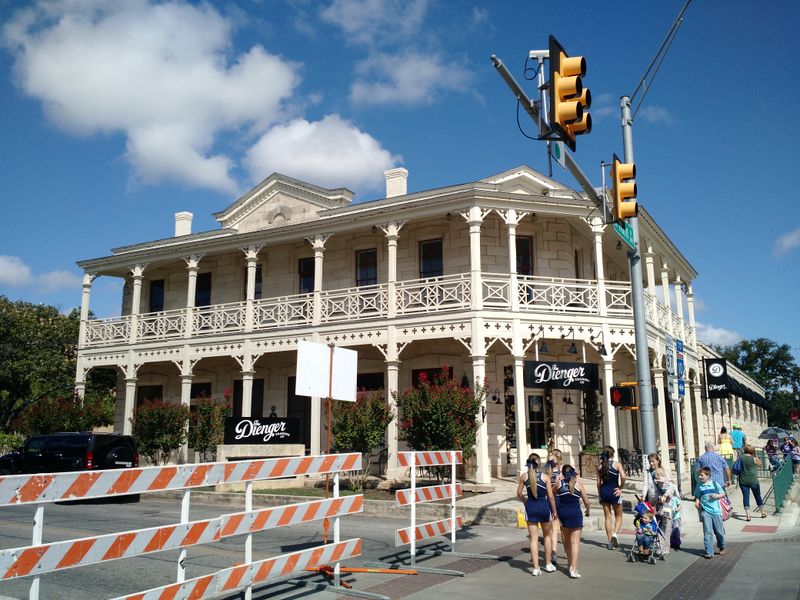
Walking down Main Street in Boerne feels like stepping back in time, with its limestone buildings and vintage storefronts that have stood for generations.
Family-owned shops that served the community for decades are disappearing as landlords raise rents to match what wealthy newcomers are willing to pay.
The old hardware store where locals bought supplies for over fifty years closed last year, replaced by an upscale boutique selling luxury home goods.
Small business owners who grew up in Boerne are finding it impossible to compete with chains and high-end retailers backed by deep pockets.
A local bookstore owner recently shared that her rent tripled in five years, forcing her to consider closing despite strong community support.
The barbershop that gave generations of Boerne boys their first haircuts now sits empty, its owner unable to afford the new lease terms.
This transformation is erasing the character that made Main Street special in the first place.
Longtime residents remember when you could walk into any shop and know the owner by name, where handshake deals still meant something.
Now, corporate storefronts and trendy cafes cater to visitors and new residents with disposable income, while the mom-and-pop establishments that defined Boerne’s identity vanish one by one, taking irreplaceable community history with them.
Skyrocketing Property Values Push Out Longtime Homeowners
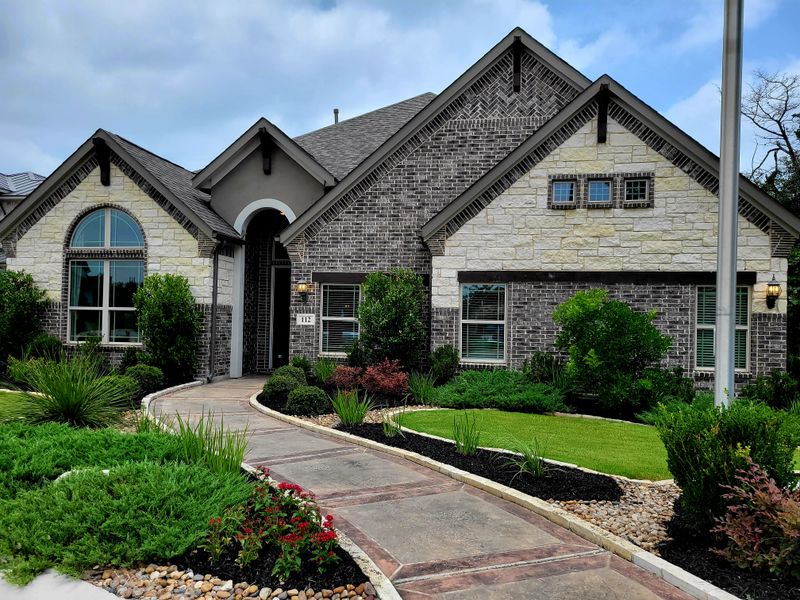
Property taxes in Boerne have become unbearable for many residents who’ve lived here their entire lives.
Homes that were worth $150,000 just ten years ago are now appraised at $500,000 or more, causing tax bills to explode even though homeowners haven’t sold or profited from the increase.
Retirees on fixed incomes are particularly hard hit, watching their life savings drain away to cover taxes on homes they bought decades ago for a fraction of current values.
Real estate investors and wealthy transplants from California and other expensive states see Boerne’s prices as bargains compared to where they came from.
They offer cash deals well above asking price, making it impossible for local families to compete.
Teachers, nurses, and service workers who grew up here can no longer afford to buy homes in their own hometown, forced to commute from cheaper areas farther out.
The emotional toll is devastating for families with deep roots in the community.
Grandparents who hoped to pass family homes down to their children are selling instead, unable to shoulder the financial burden.
Neighbors who watched each other’s kids grow up are scattering across the region, breaking apart the tight-knit community fabric that made Boerne feel like home for so many generations of Texas families.
Rental Market Squeeze Displaces Working Families
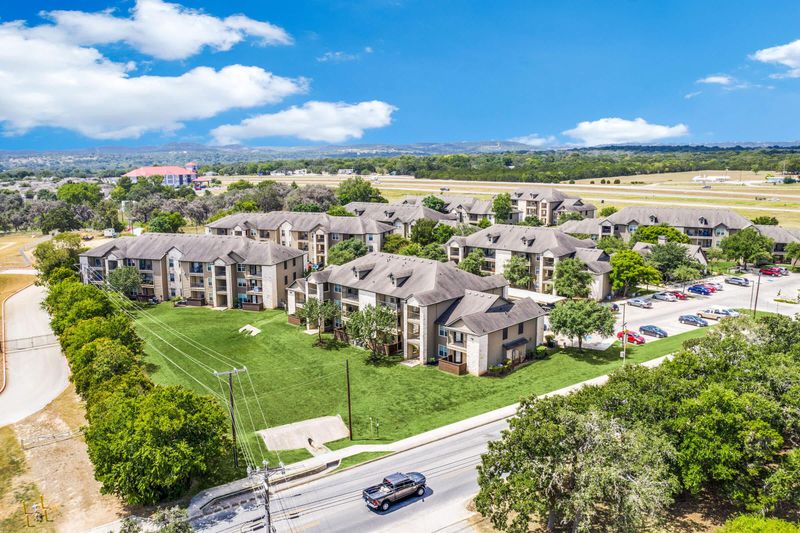
Apartment complexes and rental homes in Boerne have seen rental rates double or even triple in recent years as demand from newcomers outpaces available housing.
A two-bedroom apartment that rented for $800 monthly in 2015 now commands $1,800 or more, pricing out the service workers, teachers, and retail employees who keep the town running.
Landlords know they can charge premium rates and still have a waiting list of applicants willing to pay.
Families who’ve rented in Boerne for years are receiving non-renewal notices as property owners sell to developers or convert rentals to short-term vacation properties.
Single parents working multiple jobs to make ends meet are being forced to choose between staying in Boerne and paying half their income for rent, or moving to less expensive towns and facing long commutes.
The affordable housing that once existed simply isn’t available anymore at any price point working families can manage.
Children are being uprooted from schools mid-year when families can no longer afford rent increases.
Local employers struggle to find workers because potential employees can’t find affordable places to live nearby.
The rental crisis is hollowing out the middle class that formed Boerne’s backbone, creating a town divided between wealthy homeowners and service workers commuting from elsewhere, with little in between to maintain community balance.
New Development Boom Changes Rural Character Forever
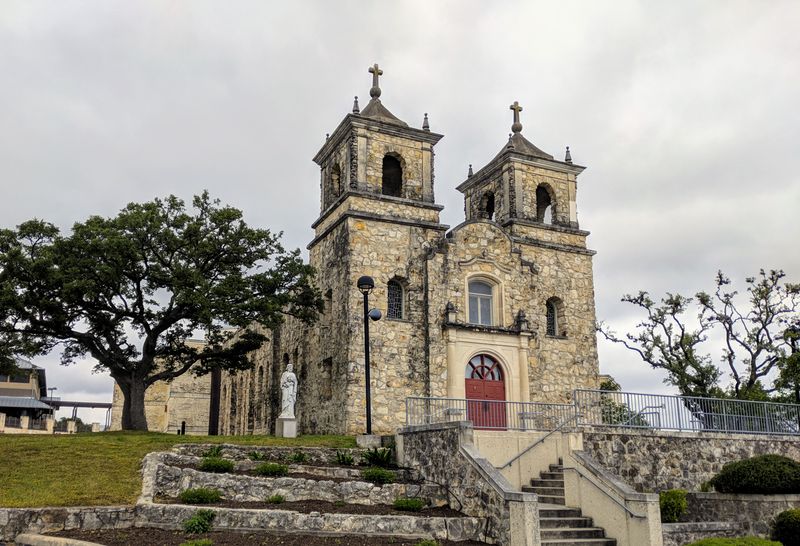
Massive housing developments are sprouting across former ranchland surrounding Boerne, transforming the rural landscape that defined the area for generations.
Where cattle once grazed and wildflowers bloomed, cookie-cutter subdivisions now stretch to the horizon with hundreds of nearly identical homes packed close together.
Developers are buying up family ranches that have been in the same hands for over a century, offering prices too tempting for aging ranchers to refuse despite their love for the land.
These new neighborhoods cater exclusively to upper-income buyers, with homes starting at $400,000 and climbing well into the millions for larger properties.
The developments come with amenities like pools, fitness centers, and golf courses that appeal to transplants but do nothing to address the affordable housing crisis for existing residents.
Traffic has increased dramatically on roads never designed to handle such volume, and the small-town infrastructure is straining under the weight of rapid growth.
Old-timers mourn the loss of open spaces where they hunted, fished, and explored as children.
The night sky that once blazed with stars is now dimmed by light pollution from sprawling developments.
Wildlife that roamed freely is being pushed out or killed trying to cross busy roads cutting through their former habitat.
Boerne is losing the very qualities that made it attractive in the first place, sacrificed to accommodate newcomers seeking an escape from urban crowding.
Local Schools Overwhelmed by Population Surge
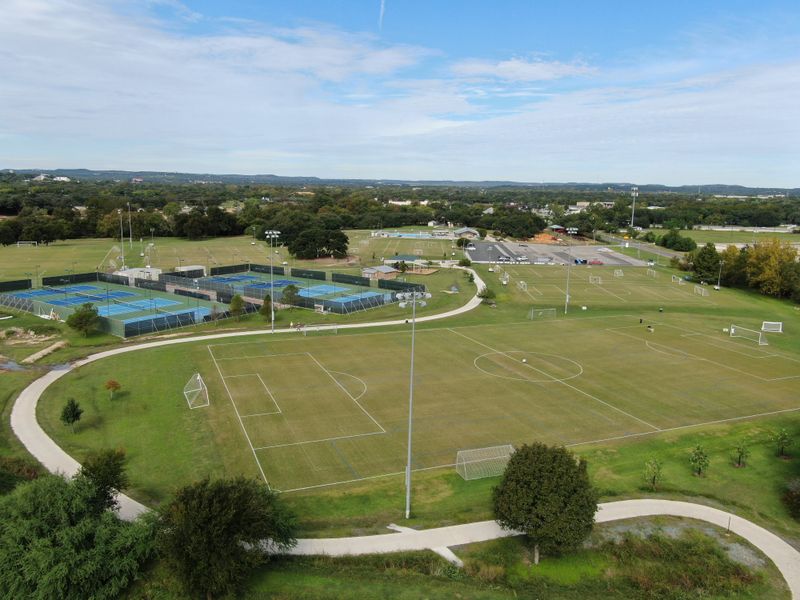
Boerne Independent School District has struggled to keep pace with the influx of new students arriving as families relocate to the area.
Classrooms designed for twenty students now hold thirty or more, and portable buildings dot campuses to handle overflow.
Teachers who once knew every student and their families personally now face overcrowded classes with children they barely have time to connect with individually.
The small-school atmosphere that made Boerne’s education system special is disappearing under the pressure of rapid growth.
Property tax increases to fund school expansion have hit existing residents hard, even as they see the character of their schools changing.
New families often push for different programs and priorities than what served Boerne for generations, creating tension at school board meetings.
Athletic teams that once drew players exclusively from multi-generational Boerne families now include mostly children of transplants, changing the community feel that made Friday night football games such beloved traditions.
Teachers and staff members are being priced out of living in the district where they work, facing long commutes that drain their energy and limit their involvement in after-school activities.
The sense of community that came from educators living among their students is fading.
Meanwhile, new residents complain that schools aren’t meeting their expectations, not understanding that the very growth they’re part of is straining a system that worked beautifully when Boerne was still a small town where everyone knew their neighbors and looked out for each other.
Service Workers Priced Out of Town They Serve
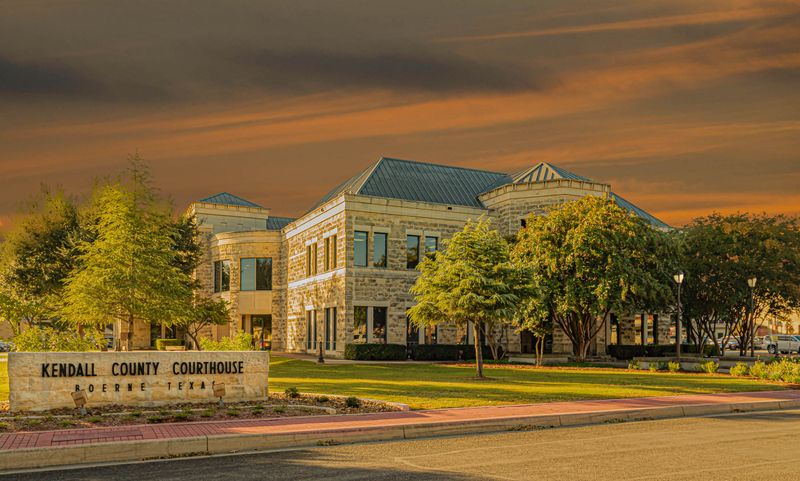
Restaurant servers, retail clerks, landscapers, and other service workers who keep Boerne running smoothly can no longer afford to live in the town they serve.
Many drive thirty, forty, or even fifty miles each way from affordable areas like San Antonio or smaller towns further out in the Hill Country.
This creates staffing challenges for local businesses that struggle to attract and retain employees when the commute is so burdensome and gas prices keep climbing higher every year.
A server at a popular Boerne restaurant recently explained that she spends nearly three hours daily commuting because she was priced out of her rental home when her landlord sold to a developer.
She grew up in Boerne, graduated from Boerne High School, and always imagined raising her own children here.
Instead, she’s living with relatives in a cramped situation miles away, saving money in hopes of someday affording to return to her hometown, though prospects grow dimmer as prices continue their upward climb.
This displacement of working-class residents is creating a service crisis in Boerne.
Restaurants reduce hours because they can’t find enough staff.
Stores close early or operate with skeleton crews.
Local contractors are booked months in advance because skilled tradespeople have moved to areas where their wages can cover rent.
The wealthy newcomers driving up prices are discovering that money can’t buy everything when there’s nobody left who can afford to provide the services that make comfortable living possible in their adopted town.
Cultural Identity Eroding as Newcomers Reshape Community
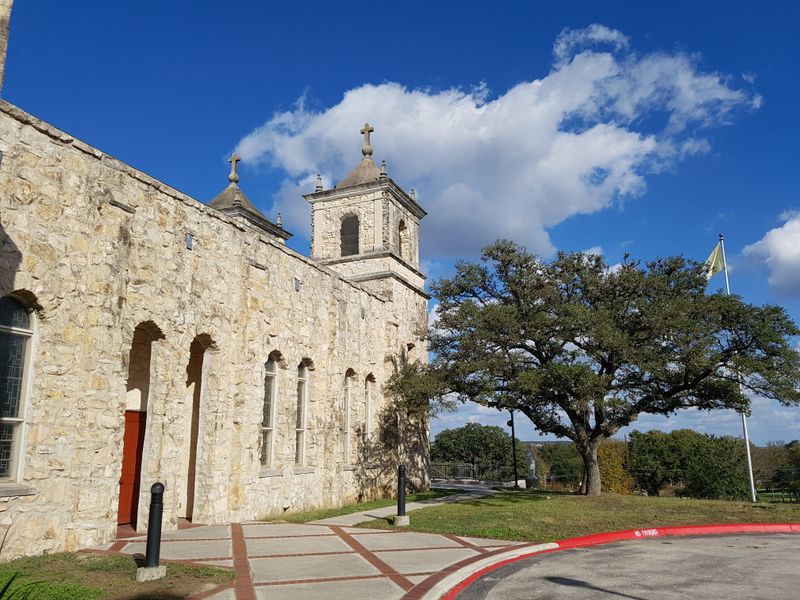
Boerne’s German heritage and Texas Hill Country culture are fading as longtime residents leave and newcomers arrive with different values and expectations.
The annual festivals that celebrated German traditions are becoming tourist attractions rather than community gatherings, with vendors catering to visitors instead of locals.
Churches that anchored the community for generations are seeing their congregations age out without younger families to replace them, as those families have been forced to relocate to affordable areas outside town limits.
New residents often don’t understand or appreciate the customs and informal social contracts that governed life in Boerne for over 150 years.
They complain about roosters crowing at dawn, livestock smells from remaining ranches, and other realities of rural life that existed long before they arrived.
Some push for ordinances restricting agricultural activities that were here first, creating conflict with ranchers and farmers whose families have worked this land since before Texas was even a state.
The sense of shared history and mutual support that defined Boerne is being replaced by a more transient, disconnected population.
Neighbors don’t know each other anymore.
People move to Boerne for its charm but inadvertently destroy that charm by transforming it into just another expensive suburb.
Old-timers feel like strangers in their own hometown, watching helplessly as the community they loved is fundamentally altered by people who have no connection to its past or investment in preserving what made Boerne special for so many generations of families.
Political Tensions Rise Between Old and New Residents
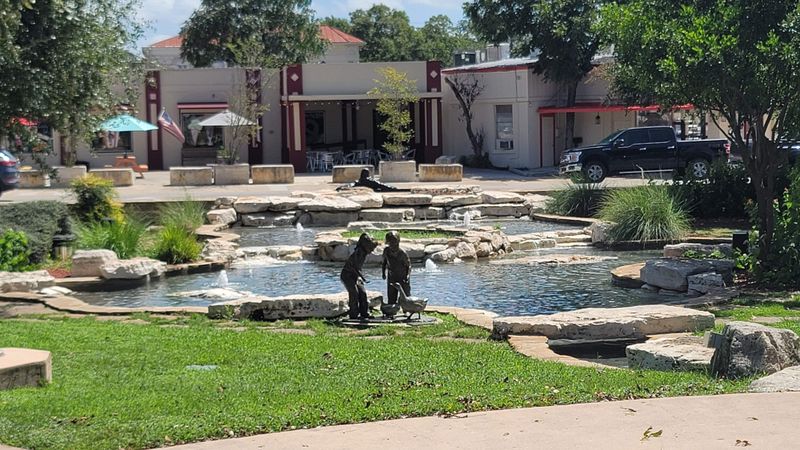
City council meetings in Boerne have become battlegrounds where longtime residents and newcomers clash over the town’s future direction.
Old-timers want to slow growth, preserve the small-town character, and protect affordability for working families who’ve always called Boerne home.
New residents often push for more development, expanded services, and changes that would make Boerne more like the places they left behind, not understanding that many locals moved here specifically because it wasn’t like those places.
Voting patterns are shifting as newcomers outnumber established residents in many precincts.
Candidates backed by longtime locals are losing elections to those supported by recent arrivals with different priorities and visions for Boerne’s future.
Zoning battles pit neighbors against each other, with some wanting to maintain the town’s historic character while others seek to maximize property values through increased density and commercial development.
The civic unity that once characterized Boerne has fractured into competing factions with fundamentally different ideas about what the town should become.
Some longtime residents feel their voices no longer matter in their own community’s decisions.
They’ve watched helplessly as the town they knew disappears, replaced by something they never asked for or wanted.
Meanwhile, newcomers often dismiss concerns about affordability and character preservation as resistance to progress, not recognizing that the very qualities that attracted them to Boerne are being destroyed by the growth they’re part of creating in this once-quiet Texas Hill Country town.
Dear Reader: This page may contain affiliate links which may earn a commission if you click through and make a purchase. Our independent journalism is not influenced by any advertiser or commercial initiative unless it is clearly marked as sponsored content. As travel products change, please be sure to reconfirm all details and stay up to date with current events to ensure a safe and successful trip.
