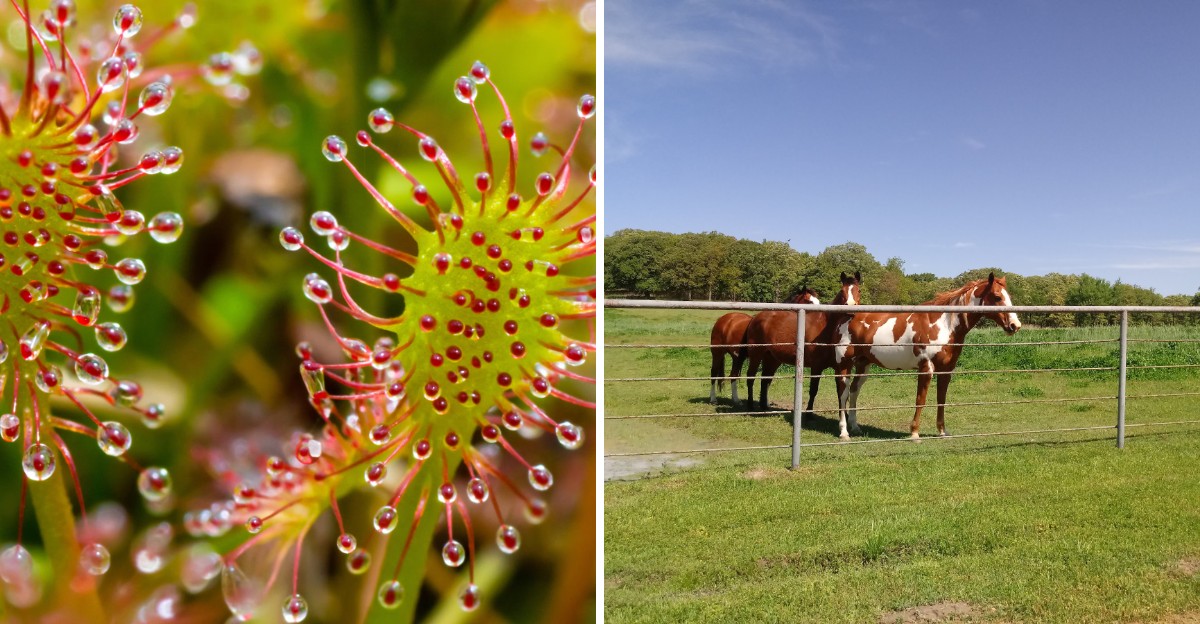
Eleven thousand acres is a lot of land to protect, and this Texas wildlife area uses every bit of it to shelter forests, wetlands, and some of the rarest carnivorous plants found anywhere in the state.
The variety of habitats means the scenery changes constantly, and the wildlife that depends on them is just as diverse, with birds, reptiles, and smaller creatures thriving in a landscape that has been carefully preserved rather than developed.
It is the kind of place where a quiet walk turns into a lesson in how much biodiversity Texas still holds, if you know where to look.
Trails and viewing areas make the space accessible without disturbing what lives there, and visitors often leave surprised by how much they did not know about the state’s natural side.
Whether you are a nature lover or just curious, this Texas spot is worth the trip. Bring binoculars and take your time.
A Wild Corner With a Story Behind the Name
Every great place has a backstory, and this one carries a serious one. The area was first called the Derden Wildlife Management Area.
In the early 1950s it was renamed for Gus A. Engeling, its first biologist, who was shot and killed by a poacher while protecting the land.
That history gives the woods a quiet weight. Knowing someone gave everything for this ground makes each oak and creek feel a little more meaningful.
The land itself was bought between 1950 and 1960 using funds from the Pittman-Robertson Act, a law that ties hunting gear sales to wildlife conservation.
Today the area covers about 11,000 acres in northwest Anderson County. It sits roughly 85 miles southeast of Dallas, which makes it a realistic day trip or weekend escape.
Still, once the trees close in, the city feels a world away.
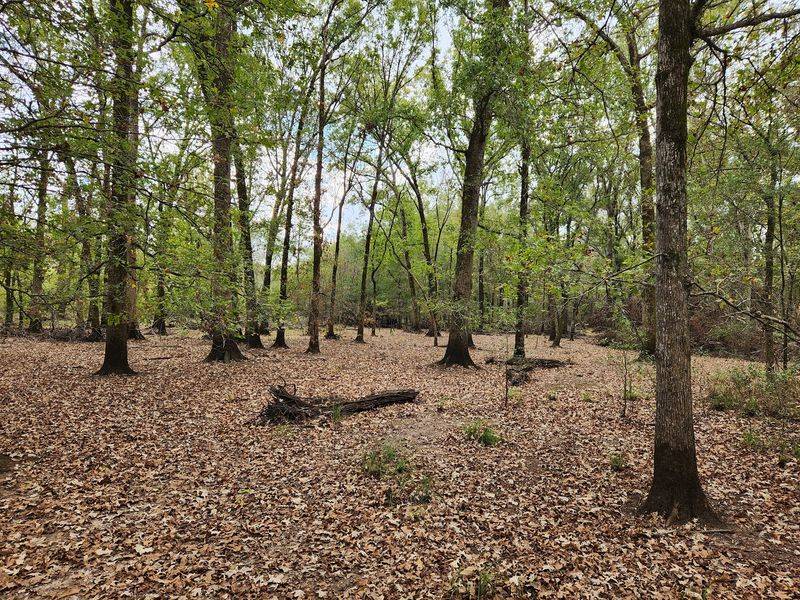
Think of it as a living museum. Much of the Post Oak Savannah that once stretched across millions of acres in Texas was changed by farming, grazing, and logging.
Here, a large piece of that old landscape survives, giving visitors a rare look at how East Texas appeared long ago.
Biologists still work on site, studying wildlife and testing land care methods. Their findings help ranchers and landowners across the region manage their own property better.
So a casual hike here is also a walk through a real research project.
Not bad for a Saturday outing. Bring curiosity, comfortable shoes, and some respect for the man whose name is on the sign.
Hardwood Bottomlands Full of Shade and Birdsong
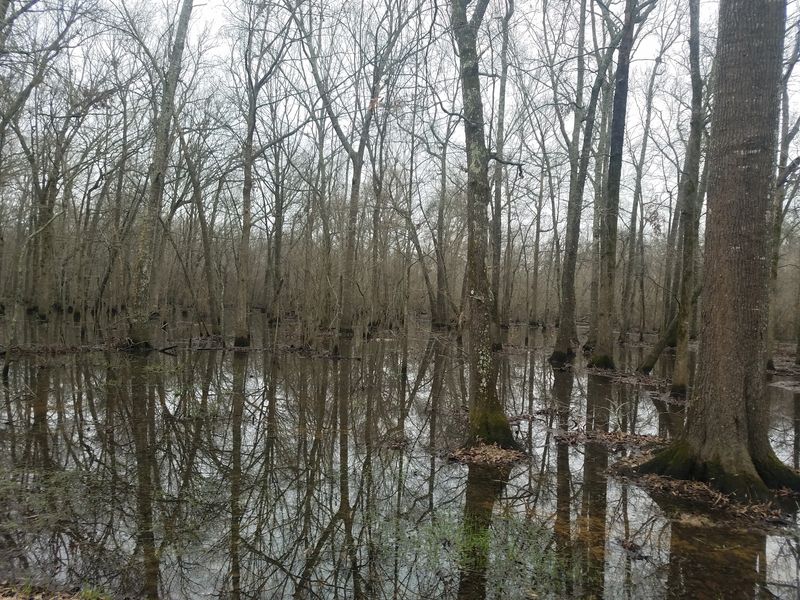
Shade lovers, this is your spot. About 2,000 acres of the area sit in hardwood bottomland, a low floodplain forest packed with oak, hickory, sweetgum, and elm.
On a hot Texas afternoon, the cooler air under these trees is a real gift.
The understory has its own charm. Dogwood blooms brighten spring, while American beautyberry shows off clusters of shiny purple berries later in the year.
Huckleberry and greenbrier fill in the gaps, and greenbrier will happily snag a sleeve, so long pants are a smart choice.
Fall brings a nice show too. Sweetgum leaves turn red, orange, and purple, sometimes all on the same tree.
Hickories glow yellow, and the forest floor gets crunchy underfoot.
Birds make this layer of the land loud in the best way. Listen for the deep, steady drumming of a pileated woodpecker, a crow-sized bird with a bright red crest.
Gray and fox squirrels chatter overhead and seem personally offended by visitors.
A good tip is to slow down. Sit on a log for ten minutes and let the woods forget about the human in the room.
Deer, turkeys, and raccoons often move through once things get quiet.
Morning and late afternoon tend to be the liveliest times. Midday can feel sleepy, with wildlife resting in the heat.
Bring water, bug spray, and binoculars, and give the bottomlands enough time to reveal their small surprises.
Catfish Creek, a Natural National Landmark
Few creeks in Texas carry a federal honor, but Catfish Creek does. The U.S.
Department of the Interior recognized this stretch as a National Natural Landmark, and it is easy to see why. The creek winds for about eight miles through the property before joining the Trinity River system.
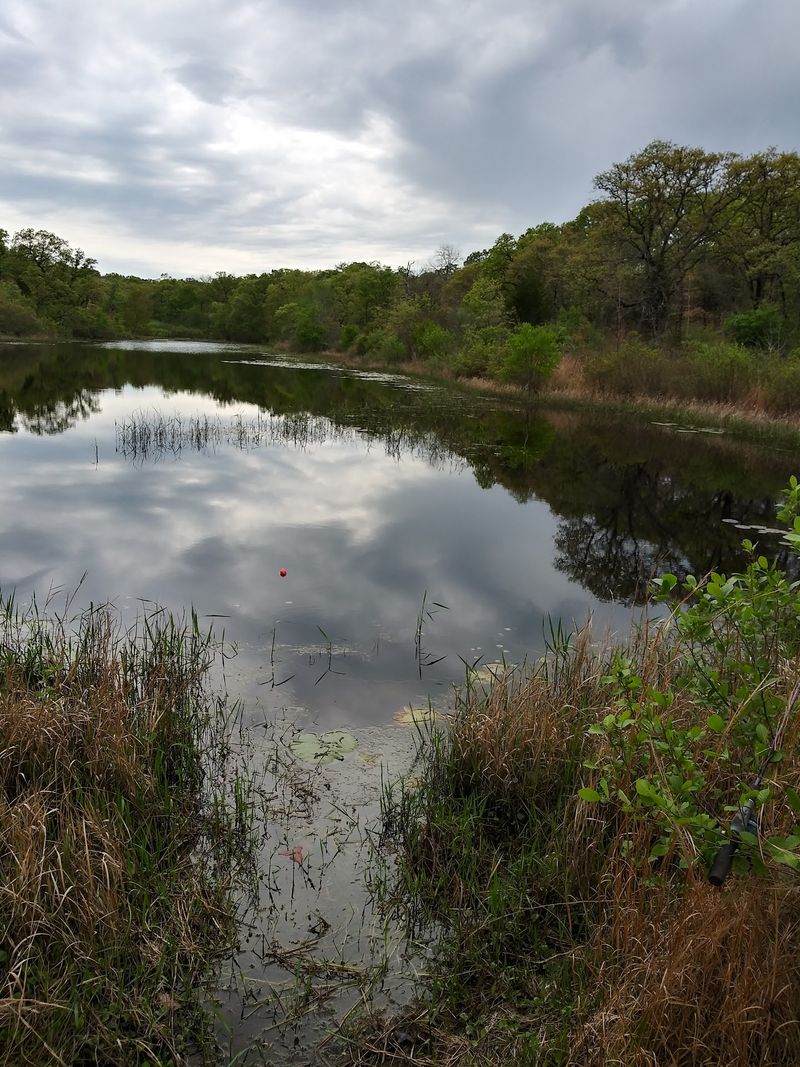
Nothing about it is tidy. Fallen timber, thick plants, and busy beavers have slowed and shifted the water over time.
The result is a maze of sloughs, side channels, and marshes that feel almost secret.
Beavers deserve a little credit here. Their dams back up water and create ponds that other animals depend on.
So the next time a gnawed stump shows up along the trail, consider it the signature of a hardworking local engineer.
Fishing is part of the fun. Catfish Creek and nearby natural springs support plenty of freshwater fish, and researchers have recorded 57 fish species on the land.
Anglers who like quiet water and no crowds tend to love it.
Photographers should keep cameras ready near the water. Mist often hangs low on cool mornings, and still pools reflect the trees like mirrors.
Herons and egrets sometimes stand frozen at the edges, waiting for lunch.
Stay alert near the banks, though. Muddy edges can be slick, and snakes like water as much as people do.
Watch where feet land, move slowly, and enjoy a creek that has been allowed to stay wild.
Sphagnum Bogs Where Plants Eat Bugs
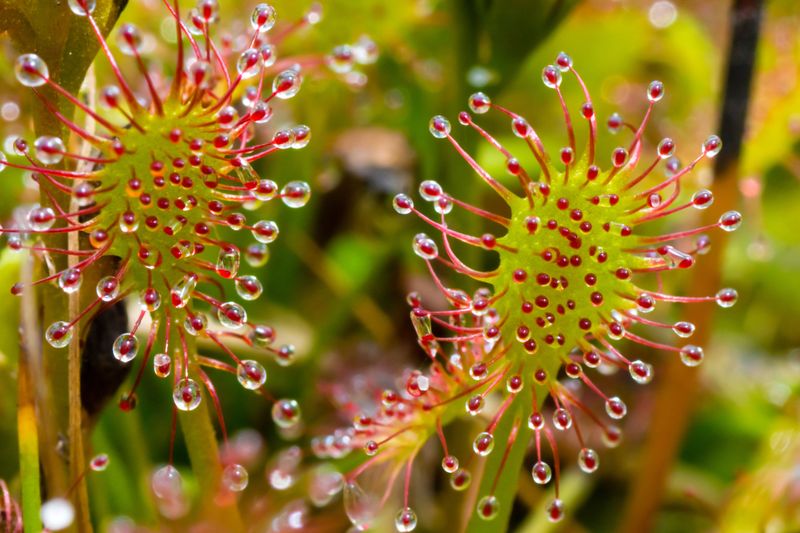
Here is the part that surprises almost everyone. Hidden in about 300 acres of sphagnum moss bogs are carnivorous plants, including pitcher plants and sundews.
They trap insects to get nutrients the soggy, acidic soil cannot give them.
Pitcher plants grow as tall tubes with a slippery inside. Bugs crawl in, lose their grip, and slide down into a pool at the bottom.
It sounds like a horror movie, but for a bug only.
Sundews are tiny and easy to miss. Their leaves are covered in sticky, shiny droplets that look like morning dew.
Insects land, get stuck, and the leaf slowly curls around them.
Finding them takes a bit of effort. Bogs sit in the northern unit, including spots below Lake 1, off a side road near the northern access point of Catfish Creek.
A short hike from the main road leads to these spongy, squishy patches.
Treat the bogs gently. Sphagnum moss is fragile, and footprints can last a long time.
Stay on firm ground when possible, never pick plants, and take photos instead of souvenirs.
Fun fact time. Sphagnum moss can hold many times its own weight in water, which is why the ground feels like a wet sponge.
Wear shoes that can handle mud.
For kids and curious adults, this might be the highlight of the whole trip. Seeing a plant that hunts is a story worth telling at dinner.
Marshes, Ducks, and Plenty of Croaking
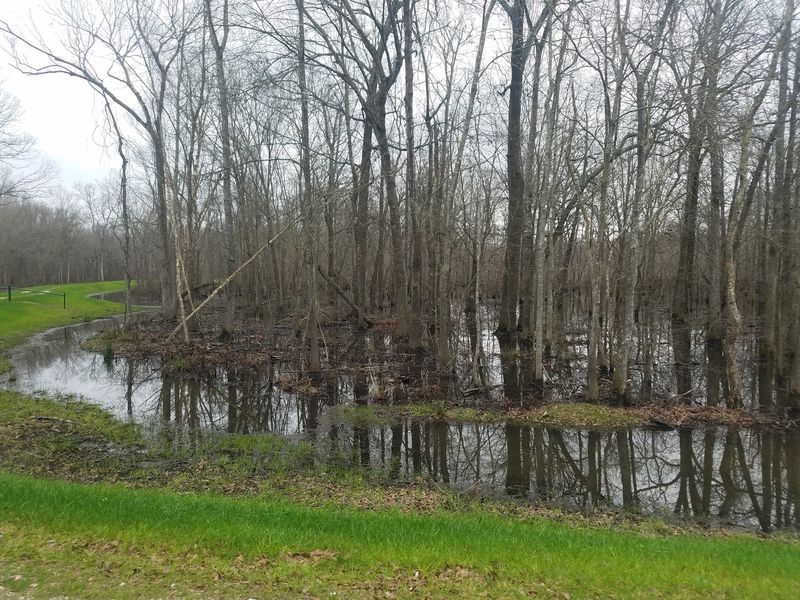
Wetlands might not sound glamorous, but they are where much of the action happens. The area holds about 350 acres of marshes and swamps, plus nearly 500 acres of natural watercourses.
Add restored waterfowl impoundments, and there is water almost everywhere.
Winter is a big season for ducks. Many birds rest and feed here during cold months, finding food and cover in the shallow water.
Wood ducks, with their colorful, almost painted look, are a favorite sight.
Spring and summer belong to the frogs. On warm evenings, the chorus can get loud enough to drown out a conversation.
Some visitors have even spotted alligators sunning near the water, so keep a respectful distance.
Researchers love these wet zones too. The property has recorded 54 kinds of reptiles and amphibians and 156 bird species.
Scientists who study snakes, frogs, and turtles call the diversity here something special.
For the best bird viewing, arrive early and move quietly. Bring binoculars and a field guide or a birding app.
Patience pays off, since many birds hide in reeds until things settle.
A camera with a zoom lens helps a lot. Waterbirds rarely let people walk up close, and that is how it should be.
Watching from afar also keeps feet drier.
Mosquitoes are part of the deal in warm months. Pack repellent and light long sleeves.
A few itchy bites are a small price for an evening of frog songs and gliding ducks.
Rolling Sand Hills and the Old Savanna Look
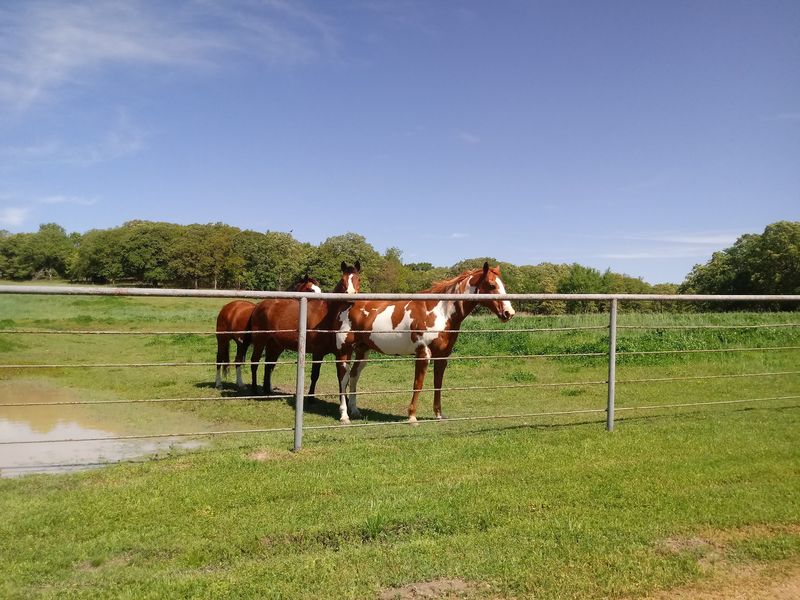
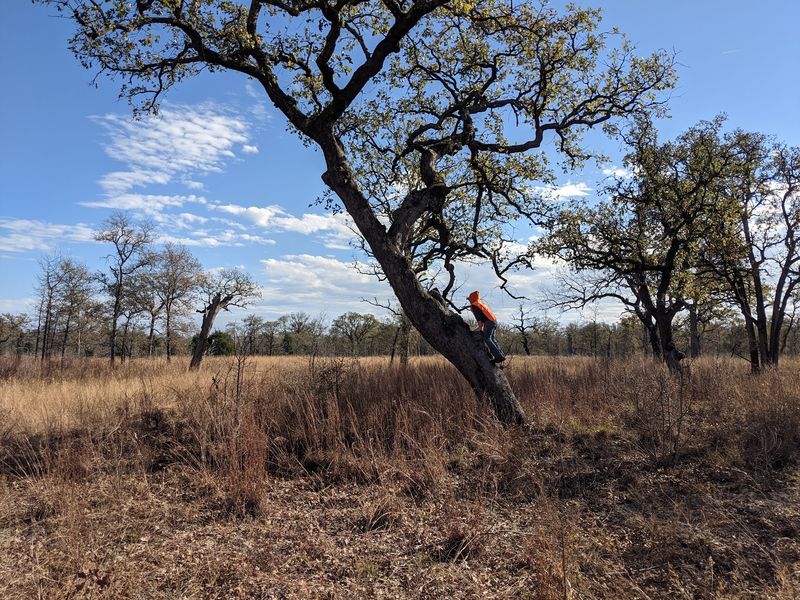
Climb out of the bottomlands and the scenery shifts fast. Rolling sandy hills take over, covered in post oak and dotted with old pine pockets.
The soil here drains so quickly that rain seems to vanish.
Long ago, much of this region looked more open. Scattered trees stood among tall native grasses, a landscape called oak savanna.
Over time, brush grew in and thickened the woods.
Land managers are working to bring the old look back. They use prescribed burns, which are carefully planned fires, along with brush clearing.
The goal is to help tallgrasses and wildflowers return.
Burned areas can look rough at first. Within weeks, though, fresh green growth often pops up, and wildlife moves in to feed.
It is a cool example of how fire can help nature heal.
A self-guided driving tour explains these habitats and the methods used to care for them. It is a great choice for families or anyone who wants to cover more ground.
Designated roads are also open for biking.
Sandy roads can be tricky. Cars with low clearance may struggle in soft spots, and bikes take extra leg power.
Plan routes with that in mind.
Wildflower fans should visit in spring. Open patches burst with color, and butterflies drift from bloom to bloom.
Some visitors even enjoy hunting for interesting rocks along the way, which adds a treasure hunt feel to an easy afternoon.
Camping, Hunting, and Quiet Nights Under the Stars
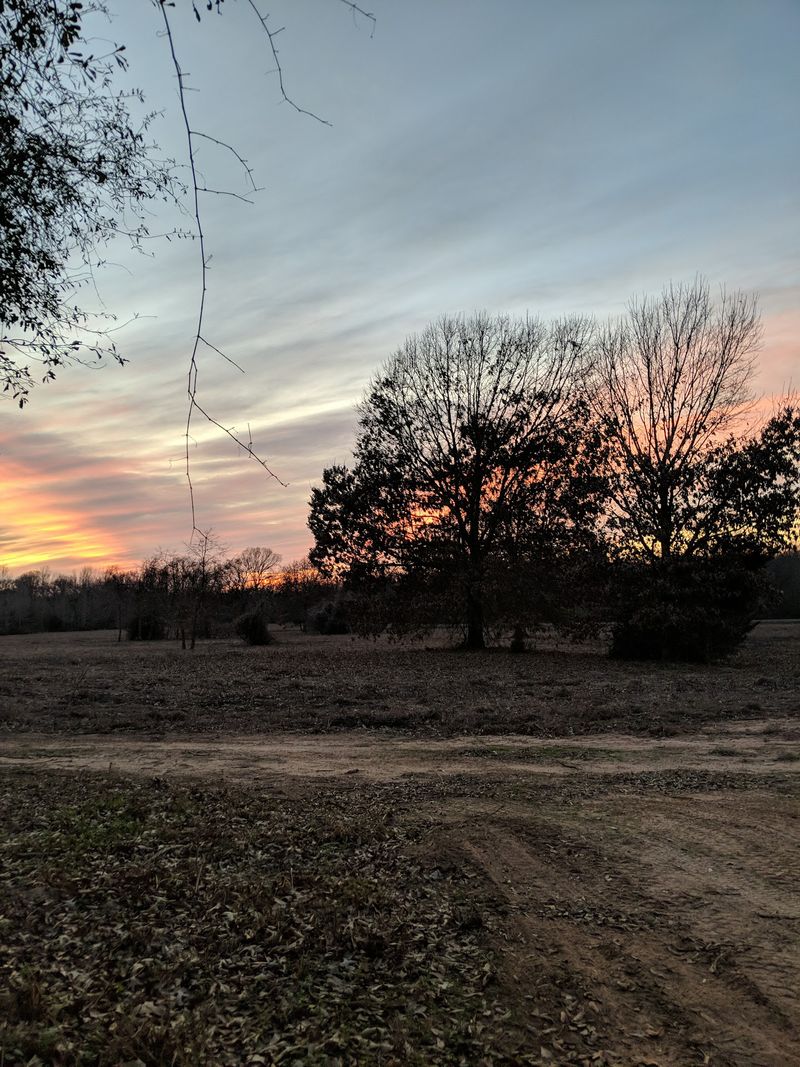
Nights out here are dark in the best way. With no city glow nearby, stars fill the sky, and owls take over the soundtrack.
Camping is allowed, and the hunters camp offers several rustic spots that feel well organized.
Facilities are simple but solid. Restrooms are available, which is a pleasant bonus this far from town.
There is also cold storage and a processing area for game during hunting seasons.
Hunting is a big part of life here. Public hunts cover white-tailed deer, waterfowl, feral hogs, eastern wild turkey, rabbits, and squirrels.
Some hunts are drawn through a lottery system, so luck plays a role.
Hunters often describe the land as challenging. Animals are wary, and success usually takes careful scouting.
For those who enjoy a test, that is part of the appeal.
Squirrel hunting is a family favorite. It is a relaxed way to introduce young hunters to the woods.
Always check rules on what animals can be taken, since site rules may be stricter than general state rules.
Campers should pack plenty of water, especially in summer when heat and humidity build. A good headlamp helps too.
Some visitors mention orb spiders strung across paths that shine in flashlight beams, which is pretty and a little startling.
Keep food stored safely and leave campsites clean. Raccoons are clever, persistent, and not shy about midnight snack raids.
Smart Tips Before Heading to Tennessee Colony
A little planning goes a long way at this site. The area sits at 16419 N US Hwy 287, Tennessee Colony, TX 75861, along a highway that makes it fairly easy to find.
Headquarters handles questions and on-site registration.
Permits matter. Visitors 17 and older need an Annual Public Hunting Permit or a Limited Public Use Permit.
Everyone should complete daily registration on arrival.
Timing is key too. Parts of the area close during fall and winter for drawn hunts.
Check the Texas Parks and Wildlife website before driving out to avoid a disappointing locked gate.
Snakes deserve respect. All four types of venomous snakes found in the region live here.
Watch the trail, avoid reaching into brush, and wear sturdy boots.
Weather can swing a lot. The area gets around 40 inches of rain a year, and summers are hot and sticky.
Spring and early fall often feel the most comfortable.
Pack smart for the day. Bring more water than seems needed, plus sunscreen, bug spray, snacks, and a paper map.
Cell signal can be spotty in the deeper woods.
Staff and biologists are known for being friendly and helpful. Asking where wildlife has been active lately can turn a good visit into a great one.
They know the land well.
Above all, leave things as they were found. This place has been cared for over decades.
Every visitor can help keep it wild.
