February is when the Aransas National Wildlife Refuge truly comes alive, with migratory birds settling in for the winter and resident wildlife moving more freely through the cooler landscape.
The moment I drove through the entrance, I felt like I’d crossed into a different world, one where alligators sunbathe on muddy banks and deer wander so close you can see the texture of their coats.
It’s not a zoo or a theme park, just raw nature doing its thing, and somehow that makes every sighting feel earned and memorable.
Whether you’re scanning the marshes for the rare whooping crane or watching javelinas root through the underbrush, there’s something deeply satisfying about witnessing animals in their own element.
This place has a way of slowing you down and reminding you what it feels like to simply observe.
Whooping Cranes Make Their Winter Home Here
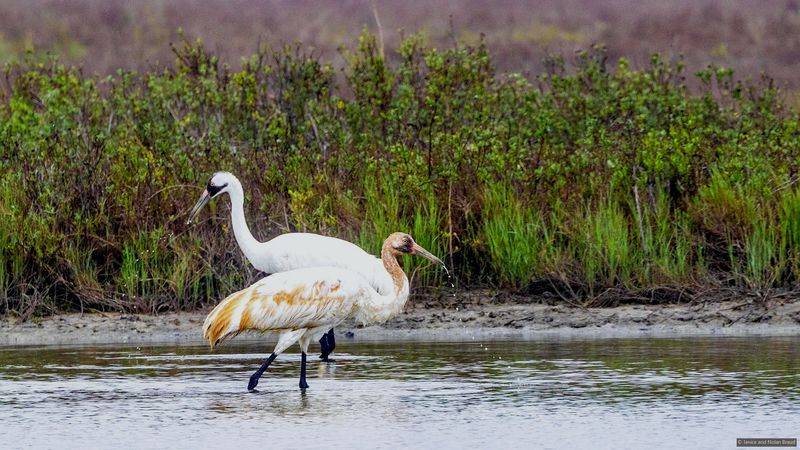
Seeing a whooping crane in person feels like spotting a legend. These towering white birds with crimson crowns are among the rarest in North America, and Aransas is their primary wintering ground.
February sits right in the middle of their stay, so your chances of catching a glimpse are strong if you know where to look.
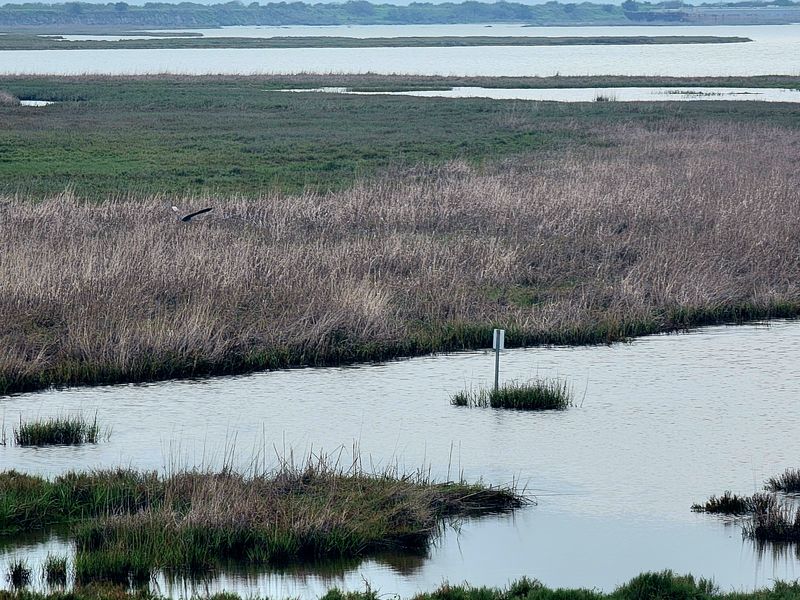
The observation tower near the visitor center offers one of the best vantage points. From up there, you can scan the marshes and tidal flats where the cranes like to forage for blue crabs and other small creatures.
Binoculars are practically essential because these birds are cautious and tend to keep their distance. Even from afar, their size and elegance are unmistakable.
What struck me most was how quiet they are when feeding, almost meditative in their movements. The staff at the visitor center can usually tell you which areas have recent sightings, and they’re generous with tips on timing and weather conditions.
Arriving early in the morning or later in the afternoon tends to yield better results.
Patience pays off here, and when you finally spot one, it’s a moment that stays with you long after you leave the refuge.
Alligators Are Everywhere If You Pay Attention
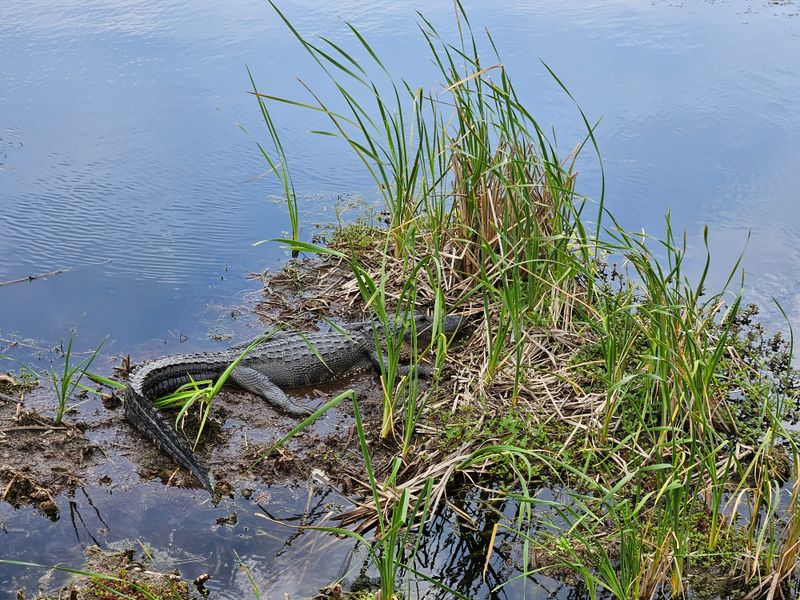
Alligators have a way of blending into their surroundings until you’re almost on top of them. At Aransas, they’re one of the most commonly spotted animals, especially along the trails behind the visitor center and around Jones Lake.
February’s cooler temperatures mean they’re often sunbathing on banks or floating just beneath the water’s surface, looking like moss-covered logs until they move.
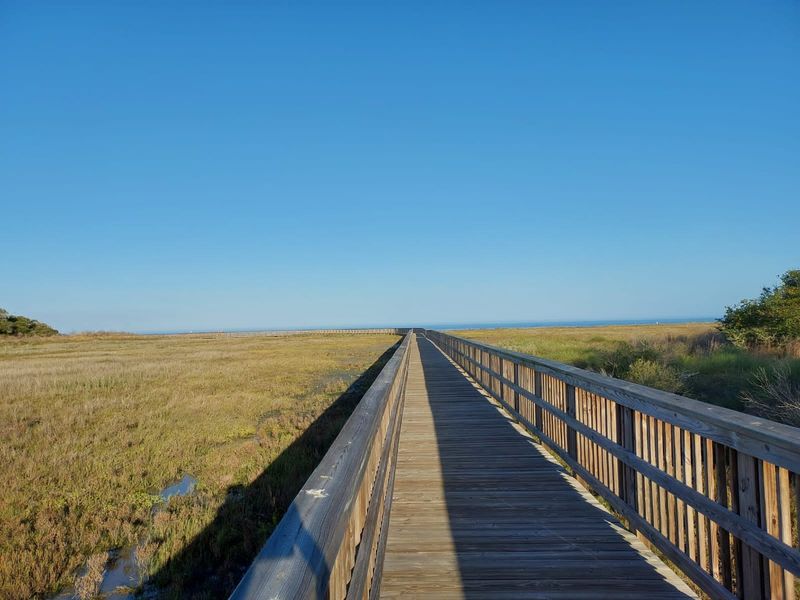
I remember walking the Rail Trail and nearly missing a massive gator lounging right beside the boardwalk. Its eyes tracked me as I passed, but it didn’t budge.
That’s the thing about these reptiles, they’re surprisingly unbothered by human presence as long as you respect their space. The stillness they exude is almost hypnotic.
Jones Lake seems to be a particular favorite for gator sightings. Visitors frequently mention seeing multiple alligators in one trip, sometimes a dozen or more.
Bringing a camera with a decent zoom lens helps capture their prehistoric beauty without getting too close.
The refuge reminds you to keep a safe distance, and honestly, that’s part of the thrill, observing a powerful predator in its element while knowing you’re just a visitor in its home.
The 16-Mile Auto Loop Brings Wildlife to You
Not everyone wants to hike for miles, and that’s where the auto loop becomes a game changer. This 16-mile driving route winds through different habitats within the refuge, from coastal prairie to tidal marshes, with designated pullouts where you can stop, step out, and scan for wildlife.
It’s designed for maximum wildlife exposure with minimal physical effort.
What I appreciated most was how each stop offered something different. One moment you’re watching egrets wade through shallow water, the next you’re spotting a family of deer grazing in an open field.
The loop takes about two hours if you’re moving steadily, but plan for much longer if you’re serious about wildlife watching. Every pullout becomes a potential treasure trove of sightings.
February weather makes this drive especially pleasant. The heat and humidity that plague Texas summers are absent, replaced by mild temperatures that make it comfortable to linger at each stop.
Many visitors mention seeing javelinas, hogs, and various bird species without ever leaving their vehicle. But stepping out is where the magic happens.
The sounds, the smells, the subtle movements in the brush, all of it comes alive when you pause and pay attention to the smaller details around you.
Javelinas Roam in Small Family Groups
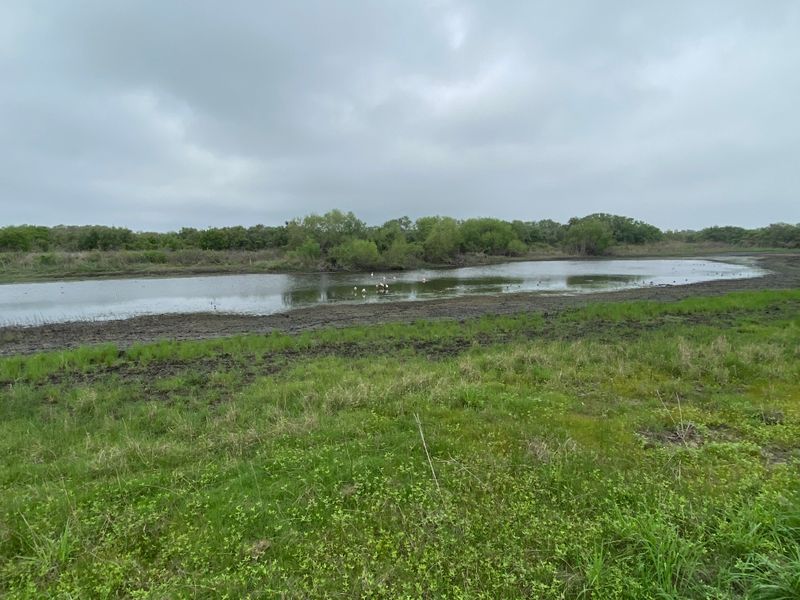
Javelinas look like something between a wild pig and a prehistoric creature, and spotting them feels like a minor victory. These bristly, compact mammals travel in small family groups, rooting through the underbrush for food.
They’re surprisingly common at Aransas, though their shy nature means you need a bit of luck or good timing to see them.
I caught my first javelina sighting near one of the trails off the auto loop. A group of seven emerged from the brush, completely focused on whatever they were sniffing out in the dirt.
They moved with purpose, grunting softly to each other, seemingly unbothered by the handful of us watching from a respectful distance. Their tusks are small but visible, a reminder that despite their somewhat comical appearance, they’re wild animals deserving of space.
February seems to be a good month for javelina activity, possibly because the cooler weather makes them more active during daylight hours. Visitors often report seeing them near Jones Lake or along the quieter sections of the loop.
They’re not aggressive, but they can be unpredictable, so keeping your distance is wise.
Watching them interact with each other offers a glimpse into their social structure, and it’s fascinating how coordinated they are as a unit.
Deer Wander Close Enough to Study Their Features
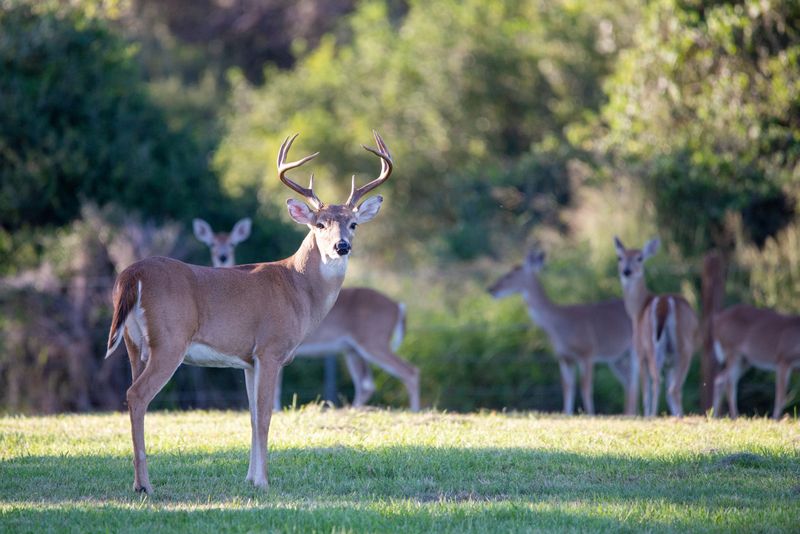
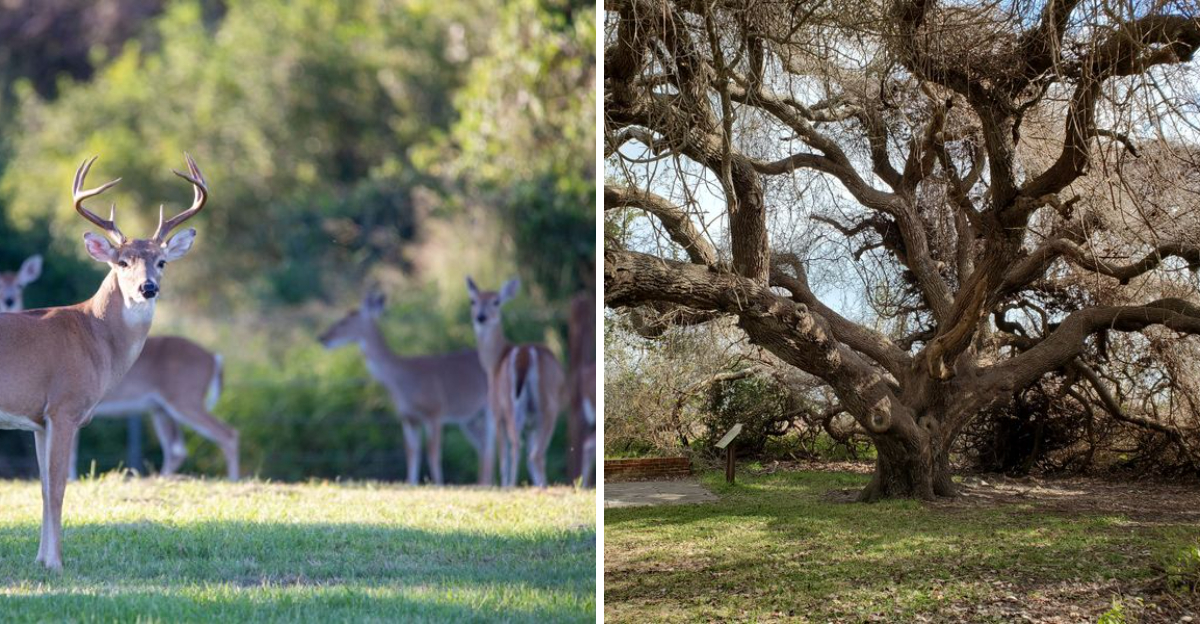
White-tailed deer are so abundant at Aransas that you’d almost have to try hard not to see them. They graze in open fields, cross the roads without much concern, and sometimes stand so close to your vehicle that you can see individual hairs in their coats.
February is a great time to observe them because they’re more active and visible in the cooler weather.
What surprised me was how relaxed they seemed around people. One doe stood just a few feet from my car, chewing grass and occasionally glancing my way before returning to her meal.
Fawns often accompany their mothers, and watching them interact is endearing. The refuge’s policy of minimal human interference means these deer behave naturally, unafraid but not tame.
Bucks are less common sightings, but they do appear, especially in the early morning or late afternoon. One visitor mentioned spotting a buck with six to eight points, a majestic sight against the backdrop of coastal prairie.
The key to great deer sightings is patience and quiet observation. Rolling down your window and simply waiting often yields better results than actively searching.
These animals move through the landscape with an ease that reminds you this is their home, and you’re simply passing through.
The Observation Tower Offers 360-Degree Views
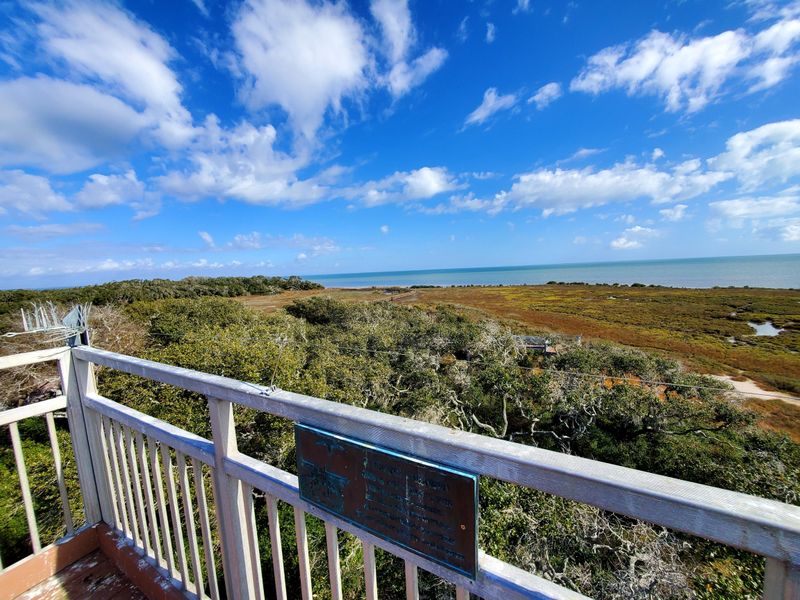
Climbing the observation tower is like gaining a bird’s-eye perspective on the entire refuge. At about 40 feet high, this sturdy structure provides sweeping views of marshes, tidal flats, and distant tree lines where wildlife congregates.
It’s one of those spots where the scope of the refuge truly hits you, thousands of acres of protected habitat stretching out in every direction.
I spent a good 20 minutes up there, scanning the horizon with binoculars and just taking in the sheer scale of it all. The wind was strong at the top, which actually helped keep the mosquitoes away, a bonus I hadn’t anticipated.
From this height, you can spot birds you might miss from ground level, and the patterns of water and land become more apparent. It’s easier to understand why certain species choose specific areas for feeding or nesting.
Several visitors mentioned seeing whooping cranes from the tower, and it’s easy to see why this vantage point is so popular during crane season. Even if you don’t spot the rare birds, the view itself is worth the climb.
Bringing a camera with a good zoom lens helps capture distant wildlife, and the panoramic perspective makes for stunning landscape shots.
It’s a peaceful place to pause and appreciate the refuge’s vastness.
Roseate Spoonbills Add Splashes of Pink
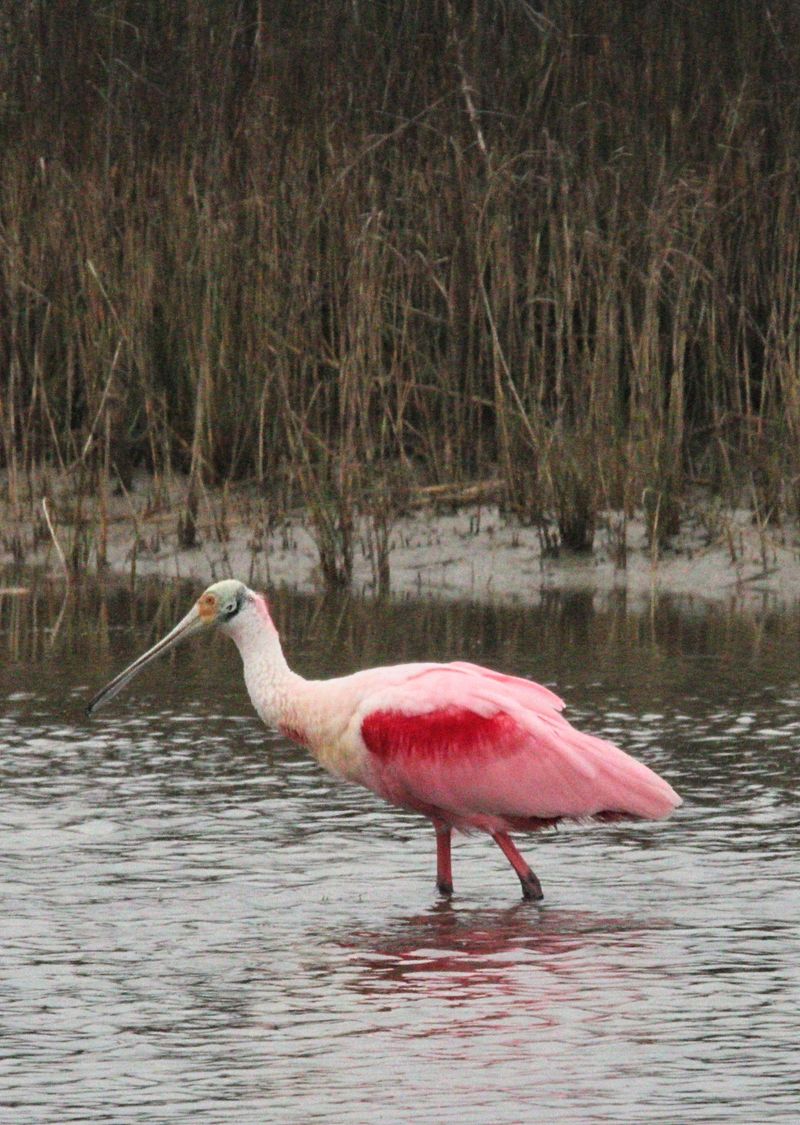
Roseate spoonbills are one of those birds that make you do a double take. Their vibrant pink plumage stands out against the muted greens and browns of the marsh, and their oddly shaped bills make them instantly recognizable.
Aransas hosts a healthy population of these striking birds, and February is a solid time to spot them as they forage in shallow waters.
I saw my first spoonbill near the Rail Trail, sweeping its bill side to side through the water in search of small fish and crustaceans. The motion is almost hypnotic, rhythmic and purposeful.
What’s fascinating is how the pink color comes from their diet, similar to flamingos. The more they eat carotenoid-rich food, the brighter their feathers become.
These birds often gather in small groups, which makes for dramatic photo opportunities when several are feeding together. The contrast between their bright feathers and the natural backdrop is stunning.
Visitors with an interest in bird photography consider spoonbills a highlight of any trip to Aransas. They’re not as rare as whooping cranes, but they’re no less impressive.
Watching them work their way through the shallows, completely focused on their next meal, offers a window into the daily rhythms of refuge life.
Mosquitoes Remind You to Come Prepared
Let’s be honest, mosquitoes are part of the Aransas experience, and February is actually one of the better months to visit because their numbers are lower than in warmer seasons. That said, they’re still present, especially in shaded areas and near water.
Coming prepared with bug spray is non-negotiable if you plan to step out of your vehicle or walk any of the trails.
I made the mistake of thinking February would mean no mosquitoes. Within minutes of starting the Rail Trail, I understood why nearly every review mentions them.
They’re not just a minor annoyance, they can genuinely disrupt your experience if you’re unprepared. The staff at the visitor center often reminds visitors to bring repellent, and some even keep extra bottles on hand for those who forget.
The good news is that mosquitoes are part of the ecosystem here, serving as food for many of the birds, fish, and other creatures you’ve come to see. It’s a reminder that wildlife refuges aren’t manicured parks, they’re functioning ecosystems where every creature plays a role.
Applying repellent before you arrive and reapplying as needed makes the experience far more enjoyable. Wearing long sleeves and pants also helps, though February temperatures usually make that comfortable anyway.
Once you’re protected, you can focus on the wildlife instead of swatting insects.
The Visitor Center Sets the Stage for Your Visit
Starting your visit at the visitor center is more than just a formality, it’s genuinely helpful. The staff here are knowledgeable, friendly, and eager to share recent wildlife sightings and tips on where to focus your time.
They’ll hand you a map of the refuge, point out the best trails for current conditions, and answer questions about everything from whooping crane locations to the best times for photography.
The center itself features educational displays about the refuge’s history, the species that call it home, and ongoing conservation efforts. There’s a small gift shop stocked with field guides, refuge-themed merchandise, and other items that celebrate the area’s wildlife.
I picked up a bird identification guide that proved useful throughout my visit. The building also has clean restrooms and water bottle filling stations, practical amenities that matter when you’re spending hours exploring.
What impressed me most was how genuinely helpful the staff and volunteers were. They didn’t just recite information, they shared their own experiences and favorite spots with enthusiasm.
One volunteer mentioned that Jones Lake had been particularly active that week, which prompted me to prioritize that area.
That kind of local insight makes a real difference in what you see and experience during your visit.
Big Tree Trail Offers Shaded Walking and Surprises
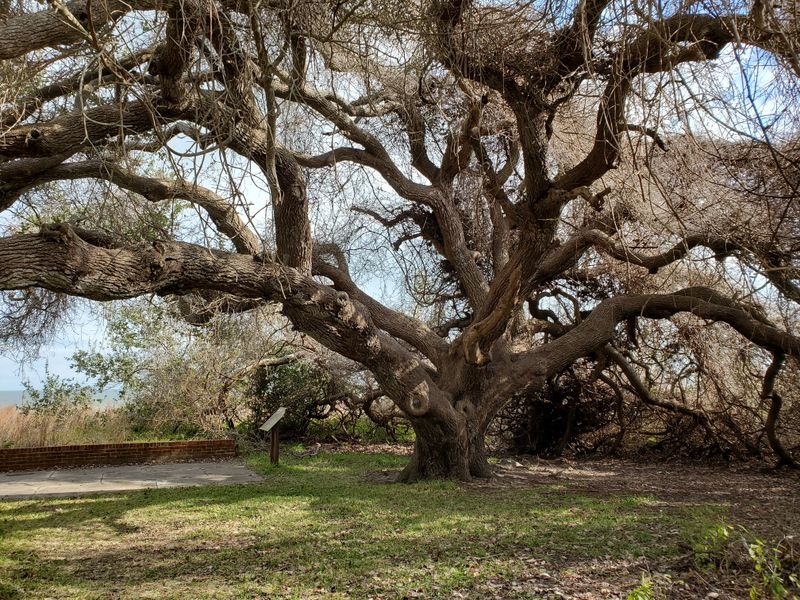
Big Tree Trail provides a different experience from the open landscapes of the auto loop. This trail winds through shaded woodland, offering a respite from the sun and a chance to see wildlife that prefers cover.
The boardwalk sections make it accessible and protect the delicate ecosystem beneath your feet. It’s a relatively easy walk, suitable for most fitness levels.
The namesake tree is a massive live oak estimated to be at least 500 years old. Standing beneath its sprawling branches, you can’t help but feel a sense of history and permanence.
This tree was here long before the refuge existed, long before Texas was even a state. Its gnarled trunk and extensive canopy create a cathedral-like atmosphere that’s both humbling and peaceful.
Wildlife sightings on this trail can be hit or miss compared to the more open areas, but that’s part of the appeal.
I didn’t see as many birds here, but the quieter environment allowed me to notice smaller details, the sound of leaves rustling, the way light filters through the canopy, the subtle movements of insects and lizards.
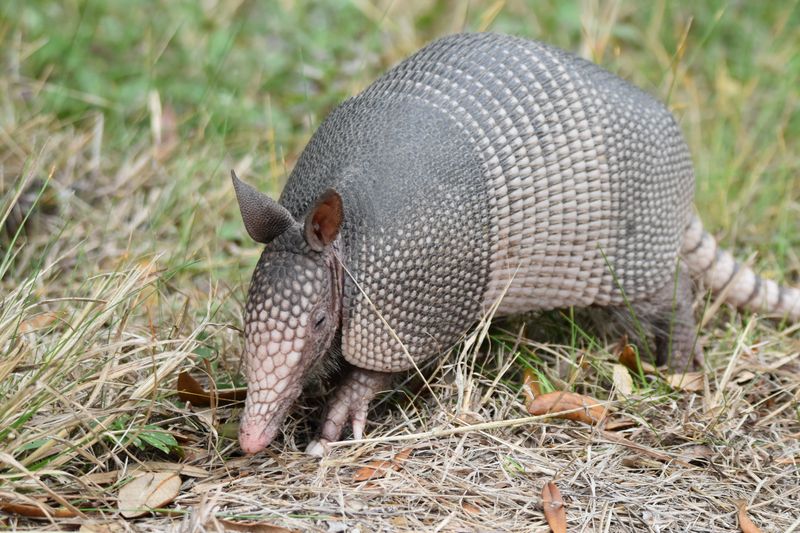
One visitor mentioned seeing an armadillo on the lawn near the trail entrance, a reminder that wildlife can appear anywhere. The trail offers a different pace and perspective, a chance to slow down even further and appreciate the refuge’s diversity.
Address: 1 Wildlife Circle, Austwell, TX 77950
Dear Reader: This page may contain affiliate links which may earn a commission if you click through and make a purchase. Our independent journalism is not influenced by any advertiser or commercial initiative unless it is clearly marked as sponsored content. As travel products change, please be sure to reconfirm all details and stay up to date with current events to ensure a safe and successful trip.
