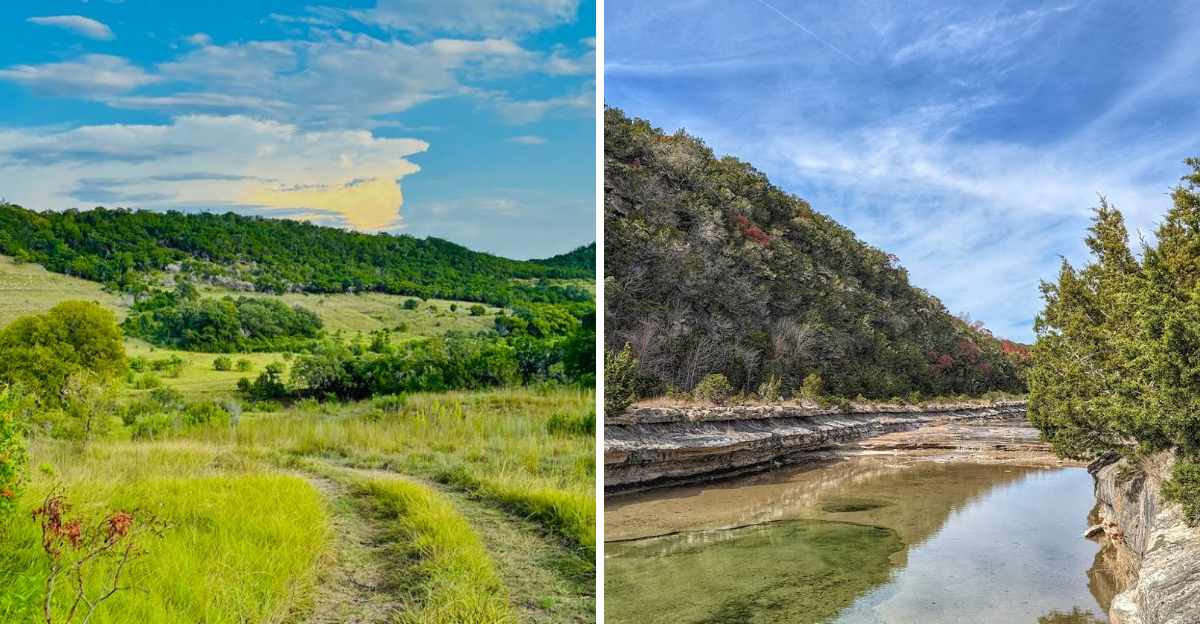
A wildlife refuge that spans thousands of acres is a powerful sight. This Texas refuge is over 33,000 acres of rugged terrain, with canyons, limestone outcrops, and dense woodlands that feel ancient.
The land is home to the endangered golden-cheeked warbler, a bird that nests only in Texas. Visitors can hike the trails, spot wildlife, and experience a landscape that has changed very little over time.
The refuge is not the kind of place a person drives through quickly. It demands a slow pace, a good pair of boots, and a willingness to listen to the wind.
Texas has plenty of parks and natural areas, but this one stands out for its scale and sense of remoteness. A person could walk for miles and see nothing but sky, rock, and trees.
The Sheer Scale of the Refuge Will Catch You Off Guard
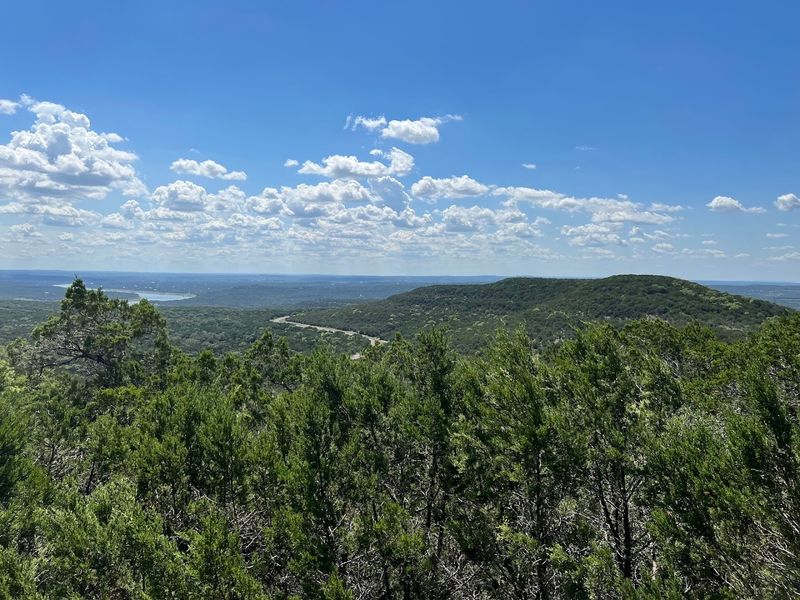
Most people arrive at Balcones Canyonlands expecting a pleasant little nature walk. What they get instead is something that genuinely resets your sense of scale.
The refuge covers more than 33,000 acres of deeply carved Hill Country terrain, and the moment you start hiking, you realize just how much wild land is out here.
The Edwards Plateau, where the refuge sits, is not gentle. It is a landscape shaped by millions of years of erosion, and the result is a patchwork of steep canyon walls, rocky ridgelines, and dense woodland that stretches as far as you can see.
There are no big visitor centers or crowded overlook platforms here. Just land, sky, and the occasional hawk circling overhead.
What surprises most first-time visitors is how quickly the refuge swallows you up. One minute you are in a parking area off a ranch road, and the next you are surrounded by trees with no road noise, no people, and no cell signal.
That kind of quiet is hard to find this close to a major city. The refuge is divided into several tracts scattered across Burnet and Travis counties, meaning the experience changes depending on where you enter.
Some sections feel open and breezy, while others feel dense and sheltered. The variety keeps things interesting no matter how many times you visit.
For a place with no entrance fee and trails open from dawn to dusk, the sheer size and wildness of Balcones Canyonlands is genuinely hard to beat.
Two Endangered Songbirds That Put This Refuge on the Map
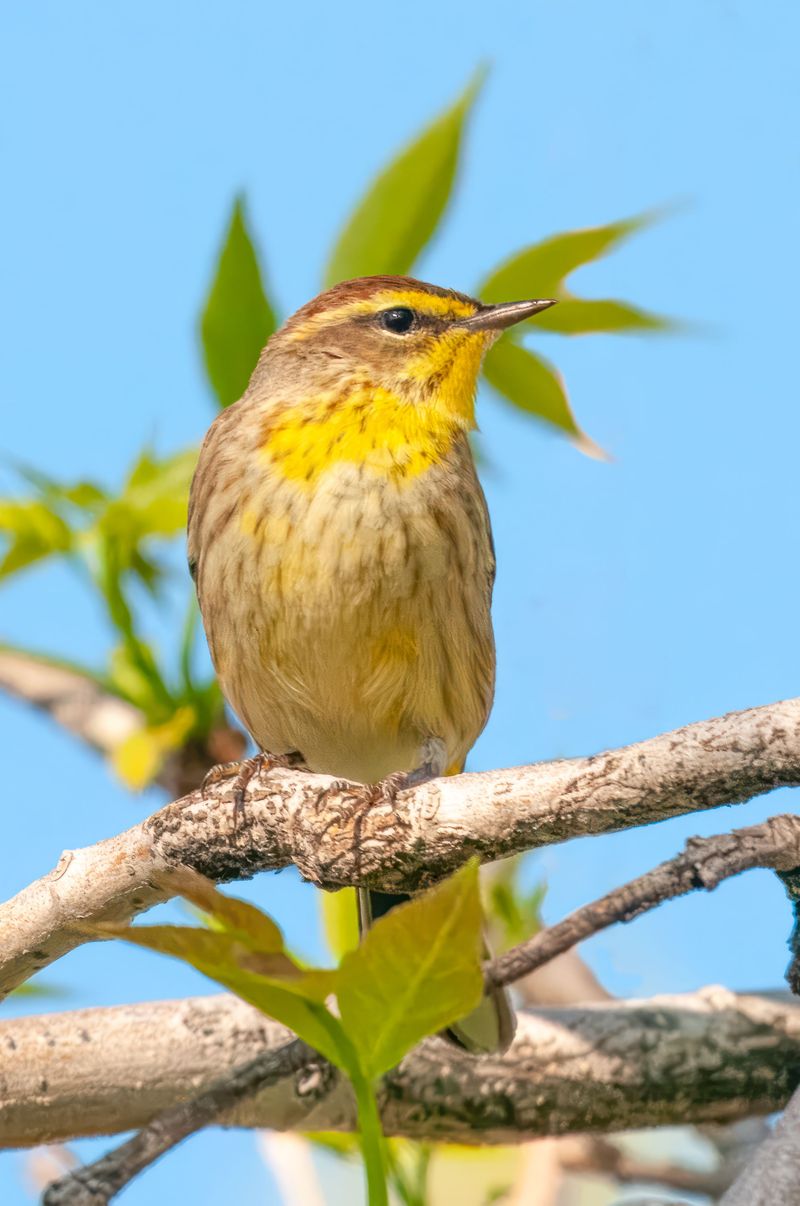
The golden-cheeked warbler is a tiny bird with a very big story. It nests exclusively in Texas, and Balcones Canyonlands was established in 1992 specifically to protect it.
That is a remarkable thing to think about while standing among the Ashe junipers, knowing this patch of Texas is the only place on Earth where this bird raises its young.
The warbler relies on strips of bark from old-growth Ashe juniper to build its nests, which is why the mature woodland here is so critical. Lose the trees, and you lose the bird.
The refuge was designed around that simple but urgent reality. Spring is the best time to spot them, usually from March through July, when males fill the air with a buzzy, descending song that sounds almost electric.
The black-capped vireo also calls this refuge home. This small bird with bold white eyebrows and a striking black cap was once on the federal endangered species list and was removed in 2018, a real conservation win.
Both species require specific habitat conditions that the refuge has worked hard to maintain and restore over the decades. Guided hikes during warbler season are popular and fill up fast, so planning ahead pays off.
Even if you are not a dedicated birder, hearing a golden-cheeked warbler sing from somewhere deep in the juniper canopy is one of those moments that sticks with you. It feels like being let in on a secret that most of Texas does not even know exists.
Rugged Canyon Geology That Makes Every Trail Feel Like an Adventure
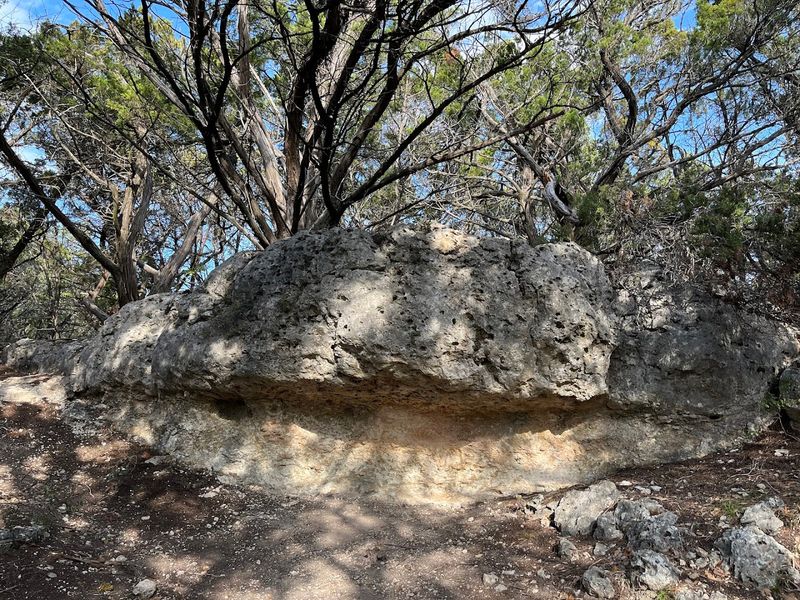
The geology here is what gives Balcones Canyonlands its name, and once you start paying attention to the rock underfoot, it becomes hard to stop.
The refuge sits within a deeply dissected section of the Edwards Plateau, where water has been carving through limestone for an almost incomprehensible amount of time.
The result is a landscape full of sharp drops, hidden hollows, and canyon walls layered like the pages of an old book.
Karst formations are everywhere. Sinkholes, caves, and spring seeps dot the landscape in ways you would never notice from a car window.
The ground has a hollowness to it in places, a reminder that there is an entire underground world beneath your boots. That hidden dimension adds something genuinely eerie and exciting to the experience, especially on quieter trails where you feel like the first person to walk through in a long time.
The trails themselves reflect the terrain honestly. Some stretches are flat and easy, winding through open woodland.
Others climb rocky hillsides with enough elevation change to get your heart going. The Doeskin Ranch area offers some of the most accessible and visually rewarding hiking, with views that open up across rolling juniper-covered hills.
Footing can be tricky on loose limestone, so sturdy shoes matter more than most people expect. The landscape does not try to be dramatic, it just is.
Every bend in the trail seems to reveal another canyon edge or a sudden drop into a shaded ravine that makes you stop and actually look.
A Hidden Underground World Beneath the Surface
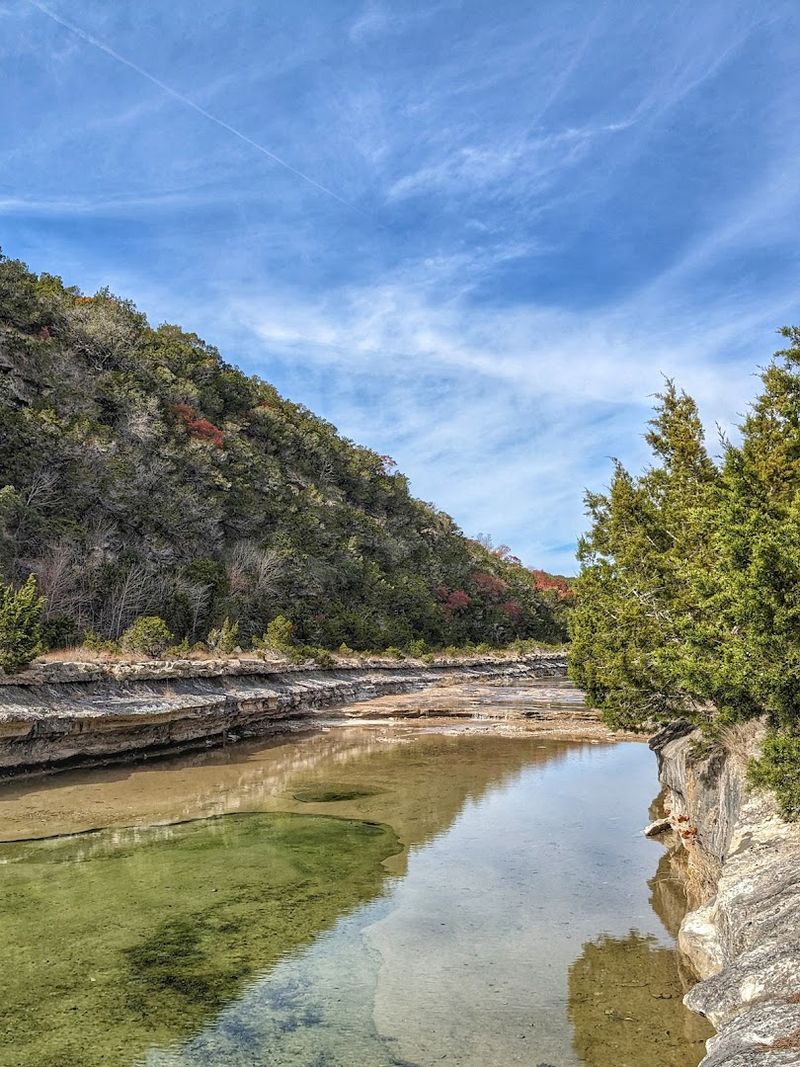
Most visitors walk the trails at Balcones Canyonlands focused on what is in front of them, the birds, the trees, the canyon views. Few stop to think about what is directly beneath their feet.
The Edwards Plateau sits above one of the most complex karst systems in North America, a labyrinth of caves, springs, and underground passages carved out over millions of years by slightly acidic groundwater dissolving through limestone.
That underground world is not just geological scenery. It is alive.
Rare cave-adapted species, including specialized spiders and beetles found nowhere else on Earth, make their homes in the darkness below. These creatures have evolved over thousands of years in complete isolation, developing traits like reduced eyes and pale coloring that make them look almost otherworldly.
The springs that bubble up through this karst system feed the streams and seeps that support life throughout the refuge above ground too.
There is something humbling about standing on a quiet hillside and knowing that just below the surface, an entirely separate ecosystem is going about its business. The sinkholes you occasionally spot along trails are the visible hints of this hidden world, dark openings in the rock that seem to swallow sound.
The refuge takes the protection of these formations seriously, and that care extends to maintaining the water quality that keeps both surface and underground habitats healthy. It is one of those layers of complexity that makes Balcones Canyonlands feel like more than just a pretty hike.
The place has real depth, literally.
Wildlife You Genuinely Did Not Expect to See This Close to Austin
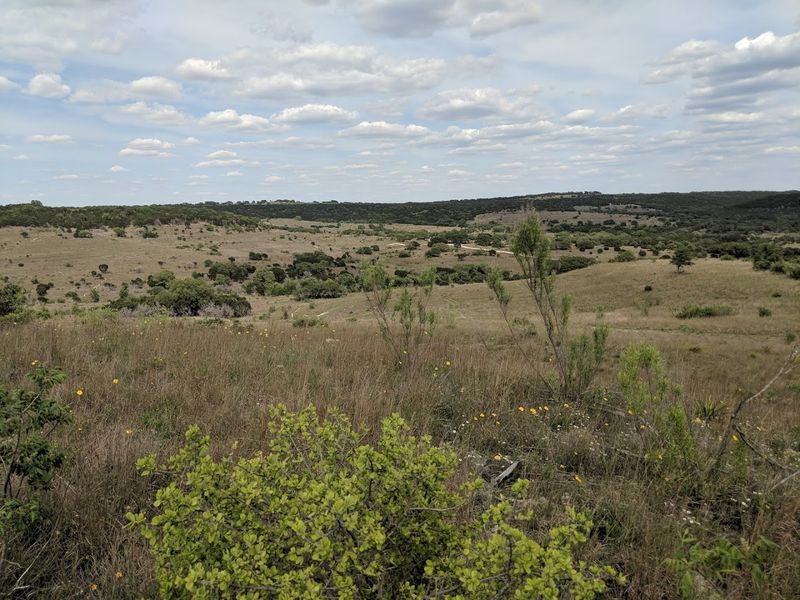
There is a particular thrill that comes from spotting a bobcat crossing a trail twenty yards ahead of you. It happened to me on a quiet Tuesday morning at Balcones Canyonlands, and I stood completely still for a solid minute after it disappeared into the brush.
That kind of encounter is not unusual here, and it is part of what makes the refuge feel genuinely wild rather than just managed green space.
The mammal list for the refuge is impressive. Coyotes, red foxes, white-tailed deer, and beavers are relatively common sightings, especially near water.
Mountain lions also move through the area, though seeing one is rare enough to be considered a serious stroke of luck. The habitat variety, from open grassland edges to dense juniper thickets to stream corridors, supports a wide range of species that need different environments at different times of year.
Bird diversity extends well beyond the two famous songbirds. Painted buntings, roadrunners, great horned owls, and a rotating cast of migratory species pass through or nest here depending on the season.
Reptiles are active on warm days, with Texas spiny lizards darting across rocks and the occasional Texas rat snake stretched out in the sun. The key to seeing wildlife here is patience and quiet movement, neither of which costs anything.
Early morning and late afternoon are the most productive windows. The refuge rewards people who slow down and pay attention, which is honestly a good reminder for life in general.
The Doeskin Ranch Trail System and What Makes It Worth the Drive
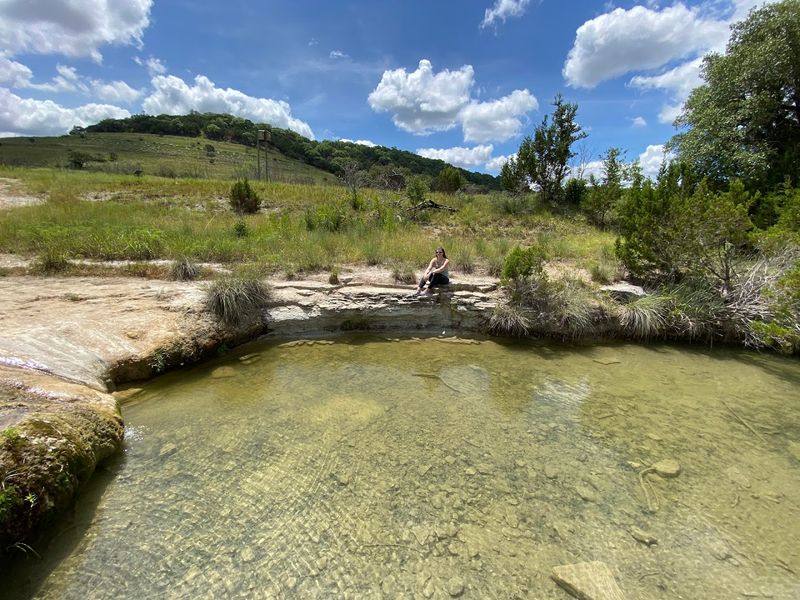
Doeskin Ranch is probably the most visited entry point into Balcones Canyonlands, and there are good reasons for that. The trailhead sits off Lime Creek Road and gives access to a connected loop system that covers some of the most scenic terrain in the publicly accessible portion of the refuge.
It is also one of the easier places to get oriented if this is your first visit.
The main loop climbs steadily through juniper-oak hillsides before opening onto a ridgeline with sweeping views across the canyon country. That climb is not brutal, but it is honest enough to make you earn the view.
At the top, you get a real sense of just how big and unbroken this landscape is. On a clear morning, the light across the limestone and cedar is something worth getting up early for.
Lower sections of the trail follow a seasonal creek corridor where the vegetation gets denser and cooler. Sycamores and elms crowd the stream banks, and the contrast with the open upland habitat above is striking.
Wildflowers come out in force during spring, turning the trail edges into something almost painterly. The total trail distance varies depending on which loops you combine, but most hikers can complete a satisfying route in two to three hours.
There are no food or water facilities on site, so bringing your own supplies is essential. Dogs are not permitted on the trails, which keeps the wildlife disturbance low and the birding surprisingly productive.
It is a place that rewards repeat visits across different seasons.
Guided Hikes Into the Least-Seen Land in Central Texas
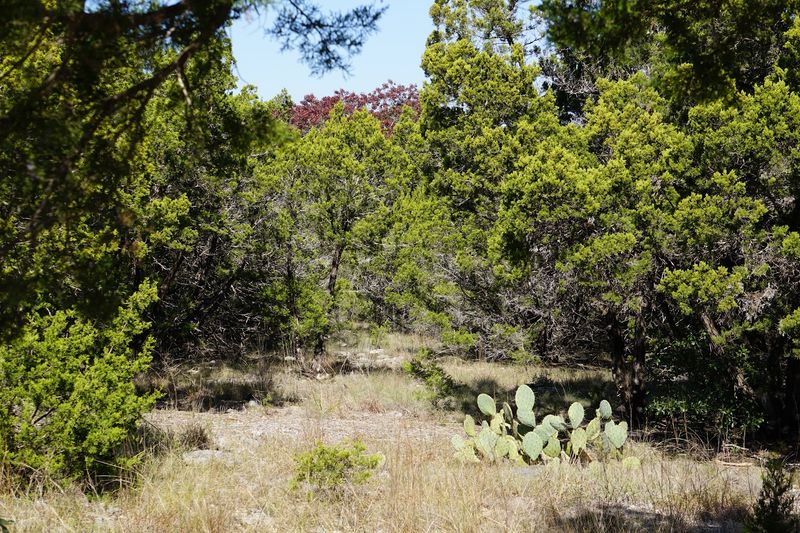
About 3,000 acres of Balcones Canyonlands are open to the public for self-guided hiking, but the refuge is much larger than that. The rest of the land, tens of thousands of acres across multiple tracts, is accessible only through organized guided programs.
Those programs are where things get genuinely interesting for people who want more than a trail map can offer.
Guided hikes take small groups into sections of the refuge that see almost no foot traffic during the rest of the year. These are not polished interpretive tours with paved paths and informational plaques.
They are real walks through dense, undeveloped habitat where the silence is thick and the wildlife encounters feel unscripted. Participants often describe the experience as one of the most unexpectedly moving outdoor experiences they have had in Texas.
The programs are organized through the refuge and partner organizations, and they tend to fill up well in advance, particularly during spring warbler season. Some hikes focus specifically on bird identification, while others cover the broader ecology of the Edwards Plateau.
There are also occasional hikes that highlight the karst geology and underground features of the landscape. Regardless of the focus, the consistent theme is access to places that most Texans have never seen and never will unless they make the effort to sign up.
That exclusivity is not manufactured. It comes from the genuine remoteness of these tracts and the care the refuge takes to protect them.
Booking early is the only real strategy here.
No Entrance Fee and Trails Open Every Day, A Rare Find
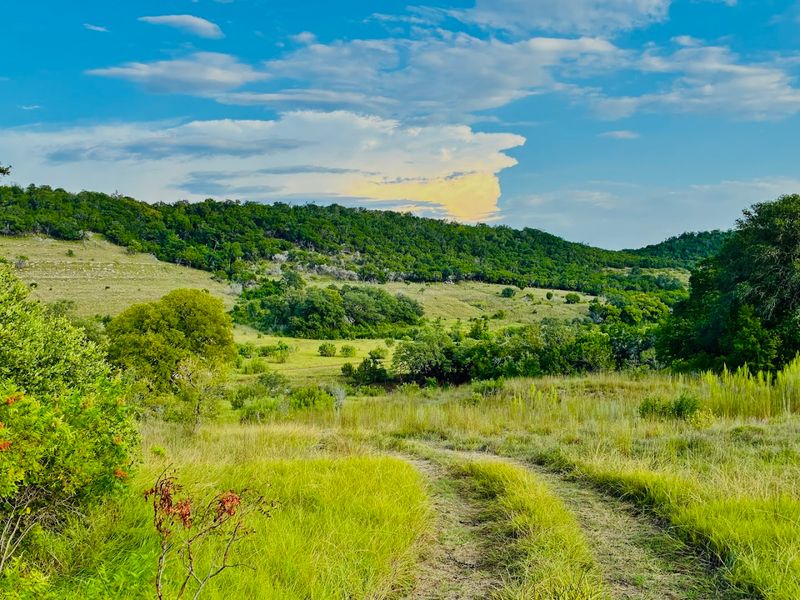
There is something almost disorienting about pulling up to a national wildlife refuge this size and not seeing a fee station. Balcones Canyonlands charges nothing to enter, and the trails are open every day from sunrise to sunset.
In a world where outdoor recreation increasingly comes with a price tag, that feels like a genuine gift.
The lack of a fee does not mean the place is underfunded or poorly maintained. The U.S.
Fish and Wildlife Service manages the refuge with a clear conservation mission, and the trail systems that are publicly accessible are well-marked and regularly maintained.
What the free access does mean is that the refuge stays approachable for families, students, solo hikers, and anyone who just needs a few hours outside without planning a major expedition.
Weekday mornings are especially peaceful. The parking areas are small and the trails rarely feel crowded, which adds to the sense of having the place largely to yourself.
There are no concession stands, no shuttle buses, and no gift shops. You bring what you need and you carry out what you bring in.
That simplicity is part of the appeal. It strips the visit down to the essentials: you, the land, and whatever the day decides to show you.
For Austin residents especially, having a place this wild and this free within an easy drive is something worth protecting and sharing. The refuge genuinely earns the repeat visits it gets from locals who treat it as a regular reset button.
Why the Texas Hill Country Setting Makes Everything Feel Different
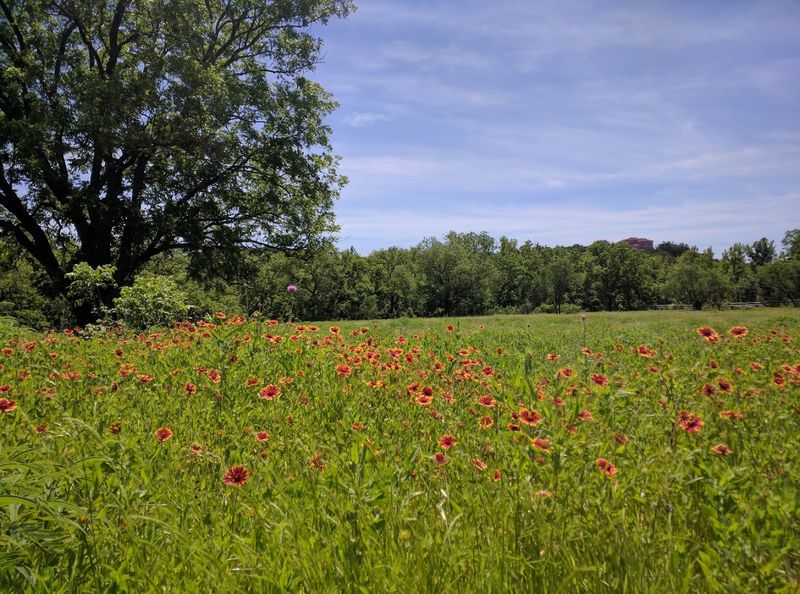
The Hill Country has a way of making people feel things they did not come looking for. There is a particular quality to the light here in the late afternoon, when it turns the limestone hills a warm amber and the shadows in the canyons go deep blue.
Balcones Canyonlands sits right in the middle of that magic, and the setting amplifies everything the refuge has to offer.
The location at the meeting point of the Great Plains and Gulf Coast bioregions means the plant and animal communities here are unusually diverse. Species from the drier west and the more humid east overlap in ways that create ecological combinations found almost nowhere else.
That biological richness is not always obvious at first glance, but it reveals itself the longer you spend time here. The variety of birds alone reflects this convergence in a way that keeps naturalists coming back season after season.
The broader Hill Country landscape also provides context that makes the refuge feel connected to something larger. The same limestone geology, the same ancient juniper woodlands, and the same clear-running creeks extend for miles in every direction.
Balcones Canyonlands is a protected island within that broader landscape, but it does not feel isolated. It feels like the heart of something.
The drive in along Ranch Road 1431 through Marble Falls sets the mood perfectly, winding through cedar-covered hills before the refuge land begins. That approach alone is worth the trip.
Address: 24518 Ranch Rd 1431, Marble Falls, TX 78654.
