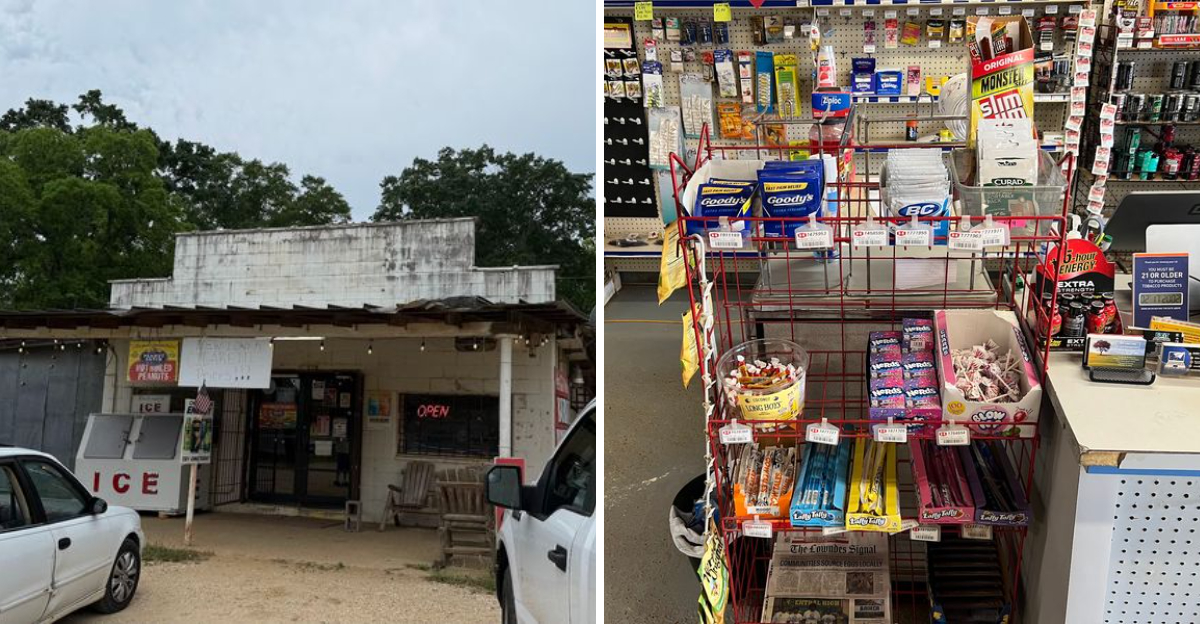
The porch is doing exactly what a porch is supposed to do. Nothing.
It sits out front, wide and inviting, attached to an old country store where the floorboards creak and the shelves still hold everyday goods. There is no rush to move through the building, no elaborate attraction waiting around the corner, and no sense that anyone is trying to make the place look old.
It just is. This Alabama crossroads still carries the character of an early-1900s general store, restored carefully enough to preserve the feeling without turning it into a stage set.
The railroad tracks remain nearby, the road stays quiet, and the whole scene feels oddly untouched by time. For once, doing absolutely nothing is part of the experience.
A Front Porch Built For Doing Absolutely Nothing
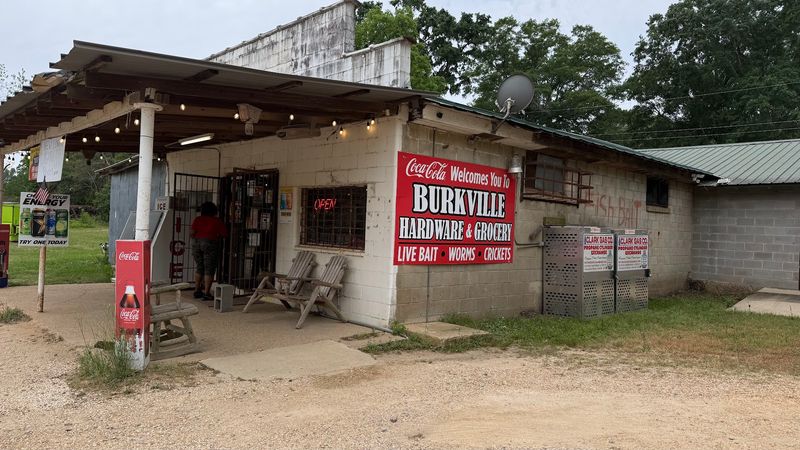
The porch does most of the talking here. Before anyone reaches the door, there is that unmistakable pull to sit down on worn boards and simply watch the road do nothing much at all.
Country store porches once served as the unofficial living rooms of rural Alabama, and this one still carries that role.
Shade stretches across the front in the afternoon, and the only real soundtrack comes from birds, wind moving through nearby trees, and the occasional vehicle passing through the crossroads.
Visitors who arrive expecting a quick stop often end up staying much longer than planned. Something about the setting slows the pace down without asking permission.
Bring water, wear comfortable shoes, and plan the visit for a mild morning or late afternoon when Alabama humidity stays manageable. A hat helps in summer.
The proprietors keep the welcome warm and unfussy, which makes newcomers feel less like tourists and more like neighbors passing through. Conversation tends to start naturally, usually about the weather or the road or the store itself.
Photographers love the porch light, but even those without a camera find value in the pause. Sitting still on an old wooden bench, listening to a rural crossroads breathe, turns out to be one of the more memorable travel moments Lowndes County offers.
Simple pleasures still count for plenty out here, at 1109 Saint Clair Place, Lowndesboro, AL 36752.
Railroad Tracks That Explain Why The Store Exists
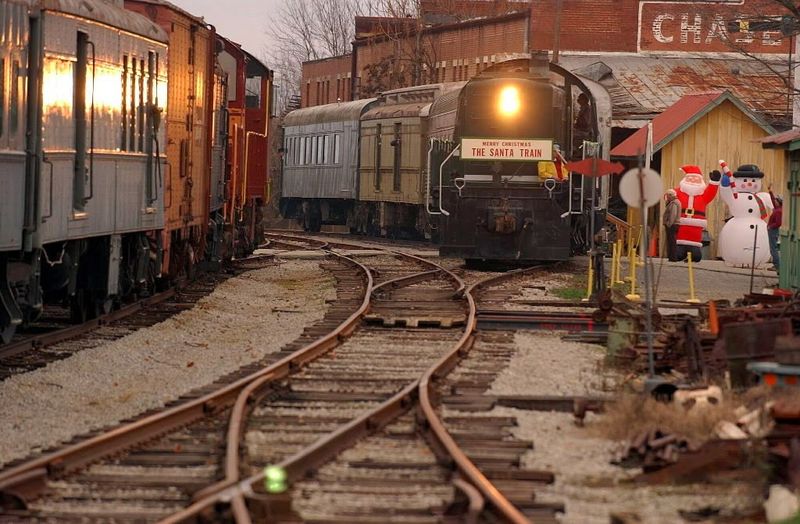
Follow the tracks and the whole story clicks into place. Burkville grew up around a rail crossing, not a town square, and the store sits exactly where commerce needed to happen.
Timber, cotton, and farm goods once moved along these rails, tying small Alabama crossroads into a much larger regional economy. A store near the tracks became the practical answer to a practical need: supplies, mail talk, and daily business all in one spot.
Highways eventually redirected traffic, and rail activity quieted. The geography stayed put, though.
Notice how the houses, the roads, and the store still cluster together in that old pattern. Nothing about the layout is decorative; it was built around function, and function left its fingerprints everywhere.
Standing near the crossing gives useful context before heading inside, because the merchandise and the building both make more sense once the railroad connection is clear. Rural service stops like this one filled gaps that no city ever noticed.
Anyone interested in Alabama history will find this an unusually honest lesson. There are no interpretive panels, no guided tour, no scripted narrative.
Just tracks, a road, and a building that has watched both for well over a century. History here is something a visitor pieces together by looking around, which makes the discovery feel earned rather than handed over.
Wooden Floors That Have Counted A Century Of Footsteps
Creaking floorboards greet every arrival, and honestly, that sound alone is worth the drive. Wide plank wood, darkened and dipped from generations of boots, runs the length of the store.
Preservation here happened through steady use rather than a museum makeover. Shelves stayed where they were built, the counter kept doing its job, and the walls held onto their character without anyone staging it for visitors.
That distinction matters. Restored buildings can look perfect; lived-in buildings look true.
Light filters through older windows and lands on stacked goods in a way modern retail lighting never manages. Corners hold small oddities, hardware bits, and everyday items arranged with practical logic instead of merchandising strategy.
Take time to look up and down, not just straight ahead. Ceiling details, old fixtures, and the seams where decades of repair meet original construction tell plenty about how a rural store survives.
Respect goes a long way inside a working business, so ask before photographing merchandise or the interior, and keep voices at a normal indoor level. The space is small and intimate.
Fun detail worth noting: the building has functioned continuously as a store, which is rarer than many travelers assume. Plenty of similar crossroads shops across the rural South closed decades ago and never reopened, making this survivor genuinely unusual.
Candy Bars, Hardware, And Other Uncomplicated Treasures
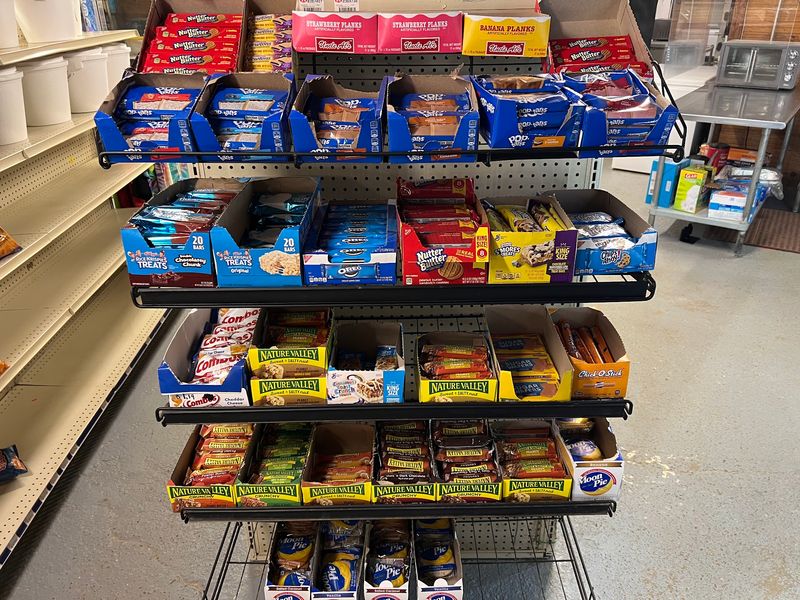
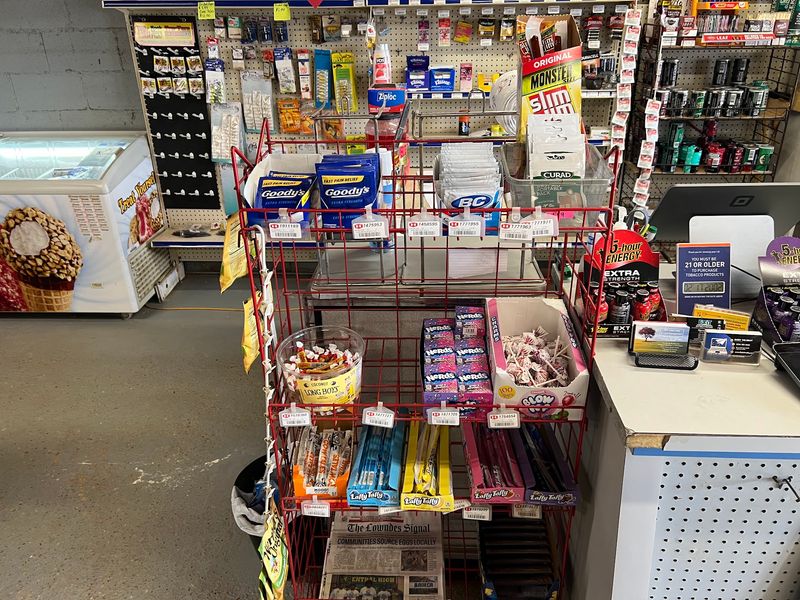
Classic candy bars are the runaway favorite here, and that says something charming about the place. No towering displays, no fifty flavor variations, just familiar wrappers on a wooden shelf.
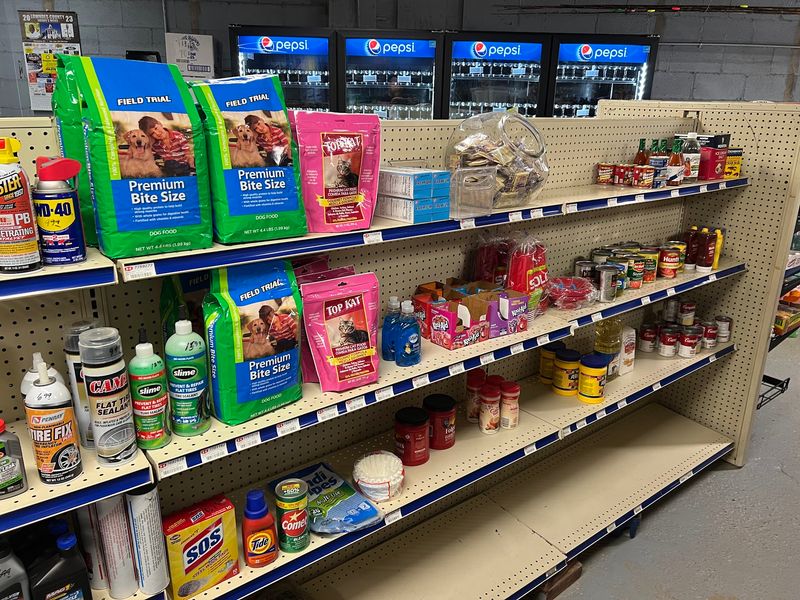
Beyond the sweets sits a mix of general store goods: basic hardware, household necessities, and the sort of provisions rural families have always needed close at hand. Nails, tools, small fix-it items, everyday staples.
Selection stays small on purpose. Small works.
Anyone used to warehouse aisles and endless choice will notice the contrast immediately, and most find it refreshing rather than limiting. Deciding what to buy takes seconds instead of ten frustrating minutes.
Practical tip for visitors: carry some cash. Tiny rural businesses sometimes prefer it, and having a few bills on hand keeps a stop simple.
Buying something, even a single candy bar, matters more than it might seem. Small stores at quiet crossroads survive on steady local support, and a traveler’s purchase adds a modest boost.
Grab a treat, step back outside, and eat it on the porch. That combination of chocolate, shade, and total quiet has a way of resetting a person’s mood.
The lesson tucked into these shelves is easy to miss but worth carrying home. Less inventory does not mean less satisfaction, and sometimes the simplest shopping trip becomes the most memorable one.
Where Neighbors Still Stop To Talk
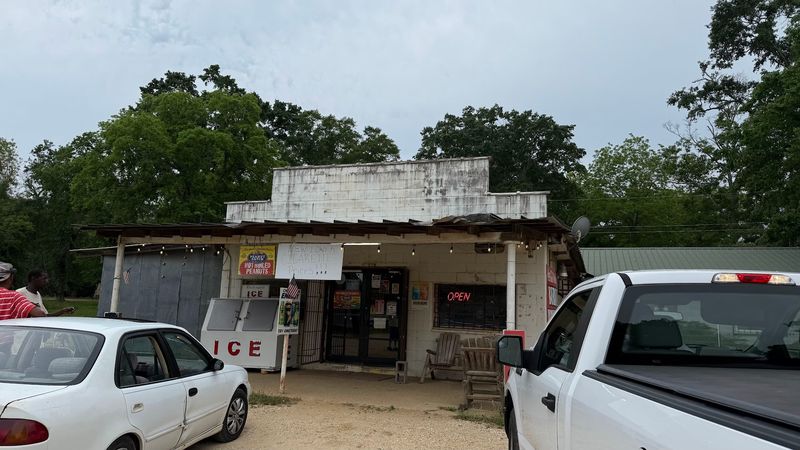
Errands here rarely stay strictly errands. Someone stops for hardware, someone else needs a snack, and within a minute a conversation gets going near the counter.
Country stores functioned as social anchors long before anyone used that phrase, and this one kept the habit. News traveled through spots like this, plans got made, and neighbors checked in on neighbors without scheduling anything.
Lowndes County remains sparsely populated, which makes gathering places especially valuable. Distance makes company sweeter.
Travelers who linger a bit often catch that easy rhythm of familiar faces greeting each other. Nothing performative about it, just ordinary rural community life happening in real time.
Politeness pays dividends during a visit. A simple greeting, patience while locals finish their business, and genuine interest in the store’s history usually open the door to friendly exchange.
Avoid treating the place like a photo backdrop or a curiosity to gawk at. It is somebody’s livelihood and somebody else’s regular stop.
The warmth found here contrasts sharply with the anonymous transactions most people experience daily. Nobody scans a card and rushes out.
For anyone feeling worn down by fast, faceless service, an afternoon at a crossroads store where conversation counts as part of the visit offers a quiet reminder of what shopping used to feel like across small-town Alabama.
An Unhurried Detour Between Montgomery And Selma
Road trip logic makes this stop an easy win. Burkville sits in the stretch of Lowndes County between Montgomery and Selma, close enough to slip into a day of driving without wrecking any schedule.
Nearby Lowndesboro adds another layer, since the town preserves antebellum architecture dating back to the 1830s and rewards a slow drive down its shaded streets. Pairing the two makes for a satisfying half day.
Traffic is light. Cell service can be spotty.
Download directions before leaving a larger town, and keep the fuel tank comfortable, because services thin out considerably along these county roads. A cooler in the back seat never hurts either.
What separates this detour from typical tourist stops is the absence of crowds and commercial noise. No tour buses, no ticket lines, no gift shop funnel at the exit.
Time slows down, which is exactly the point. Visitors get to set their own pace and leave when they feel like leaving.
Spring and fall bring the most comfortable weather for wandering, with milder temperatures and green farmland stretching in every direction. Summer visits work fine with an early start.
Anyone building a Black Belt driving route through central Alabama will find this crossroads a natural, low-key highlight worth marking on the map before heading out.
A Photographer’s Quiet Jackpot
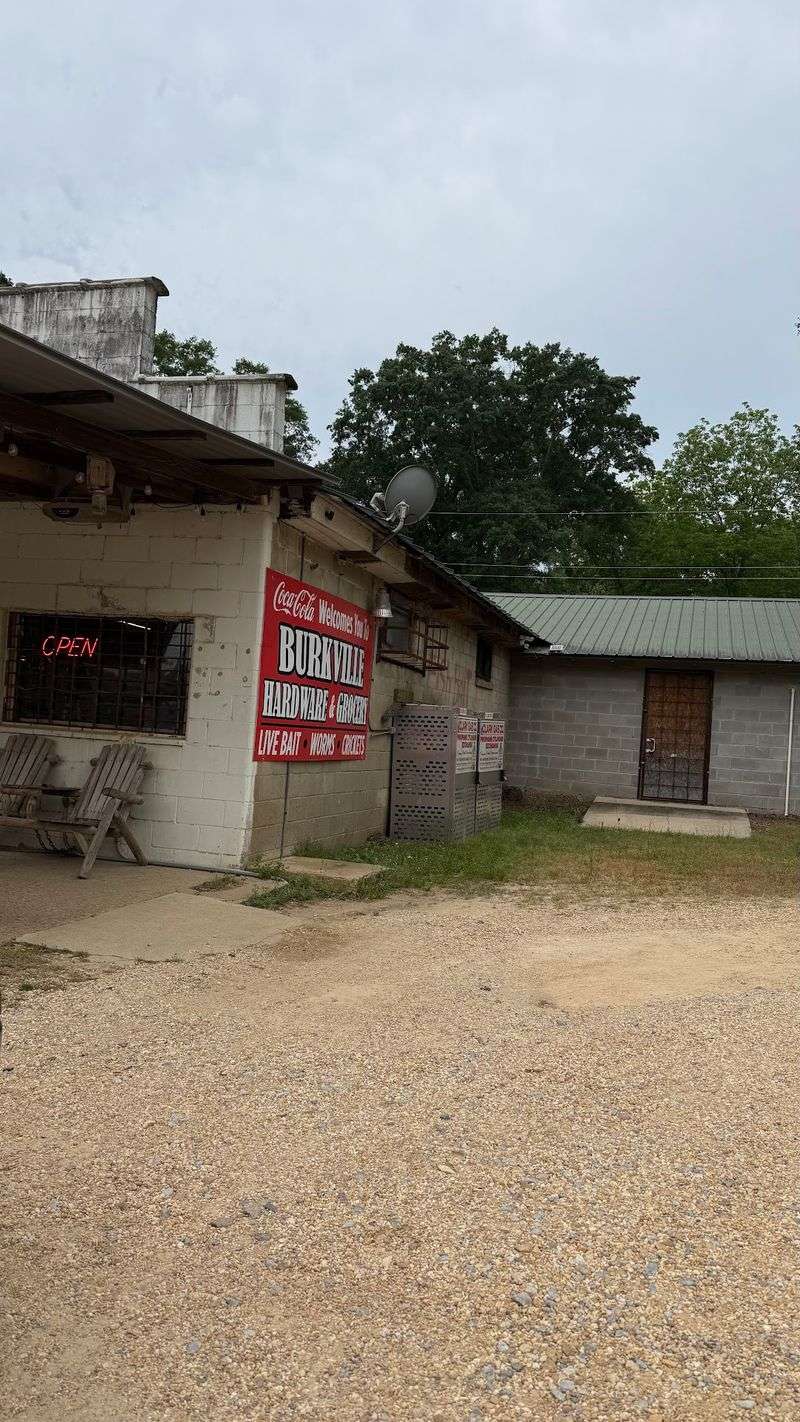
Cameras tend to come out fast at this crossroads. The exterior carries that classic country store look, weathered siding, simple signage, a roofline shaped by decades rather than design trends.
Golden hour treats the building generously, throwing long shadows across the porch and warming the old wood. Early morning works beautifully too, especially with mist hanging over surrounding fields.
Inside, the light gets moodier. Softer, dimmer, more atmospheric.
Natural light through aged windows falls across shelves and merchandise in ways that feel almost cinematic, so a fast lens or steady hands help considerably. Tripods can crowd a small working space, so pack light.
Composition options stack up quickly: the railroad tracks leading toward the store, a wide shot of the full building against open sky, tight details of hardware and hinges. Every angle offers something different.
Courtesy remains the rule. Ask permission before shooting interiors or including people, and skip anything that interferes with customers going about their business.
Film shooters and phone photographers alike walk away with images that look decades older than the date on the file. The place simply photographs that way.
For anyone collecting visual records of vanishing rural Alabama, this small crossroads delivers more usable frames than plenty of far bigger destinations, and it does so without a single staged detail.
