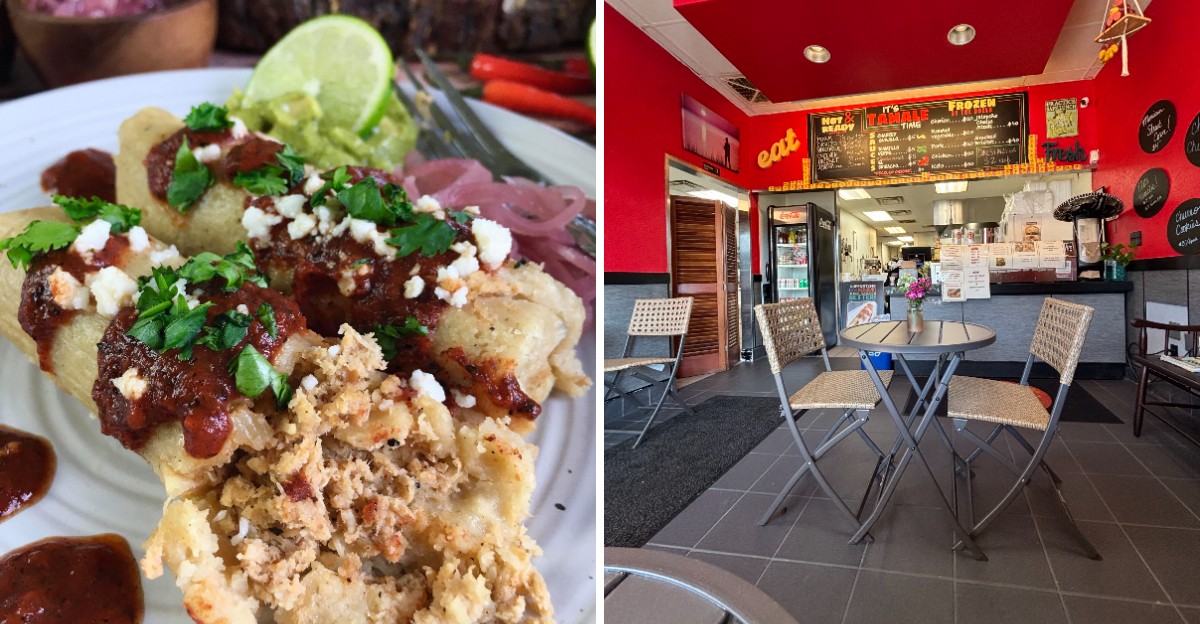
The freezer is where good intentions go. You buy a dozen tamales for tonight.
Then somebody mentions they freeze well. Suddenly there are several dozen involved.
This Alabama tamale shop makes its food by hand using a family recipe that traces back to Port Arthur, Texas. The masa takes four days to prepare properly, and the finished tamales come with four different salsas, each bringing a completely different personality to the table.
The shop itself is tiny. A couple of tables.
A modest storefront. Not much room for lingering.
That is probably fine. Most people seem to have somewhere more important to be.
Like getting those tamales home before they disappear.
A Grandmother’s Recipe Still Runs The Kitchen
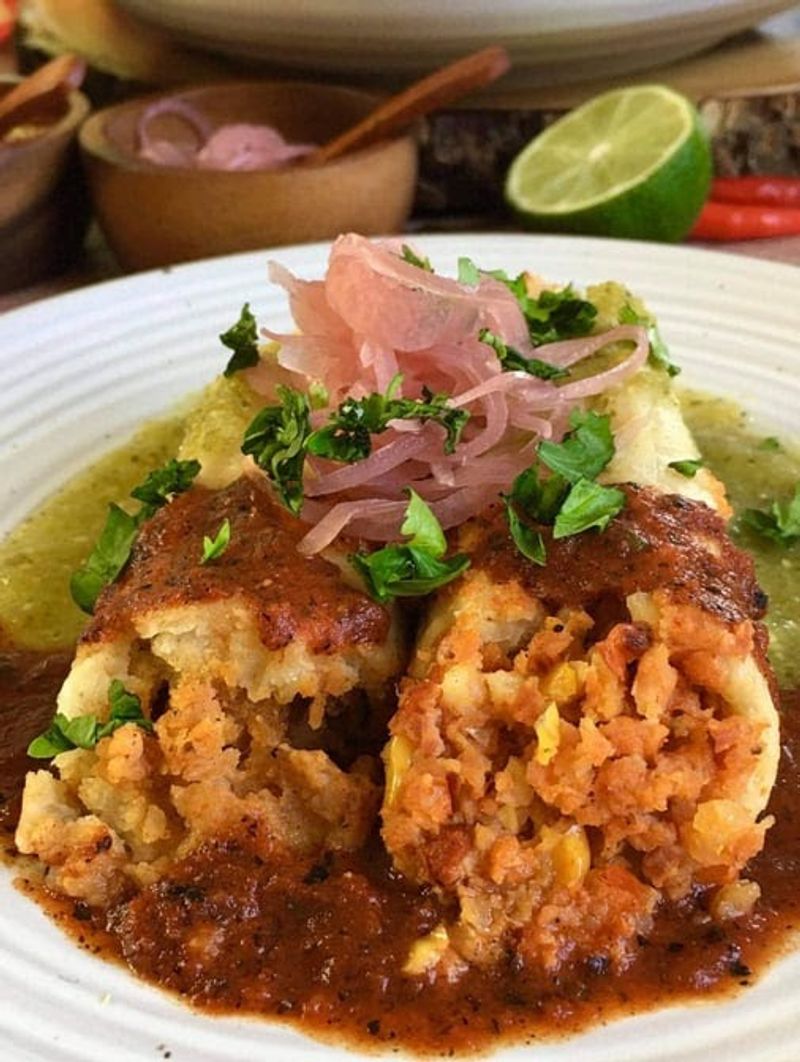
Behind every tamale coming out of this kitchen sits the memory of Ernestine Subia, known to her family as Maw Maw. She grew up in Port Arthur, Texas, and became locally famous among friends and relatives for pork tamales she rolled entirely by hand.
Her grandson, JR McKinny, started the business in 2018 as a tribute to her. The signature pork tamale on the menu today follows her original recipe, not a modernized version of it.
That detail matters more than it might sound. Plenty of restaurants claim family roots, but here the connection is specific and traceable, right down to the salsa fresca, a garlic-forward red sauce created by JR’s grandfather to pair with those pork tamales.
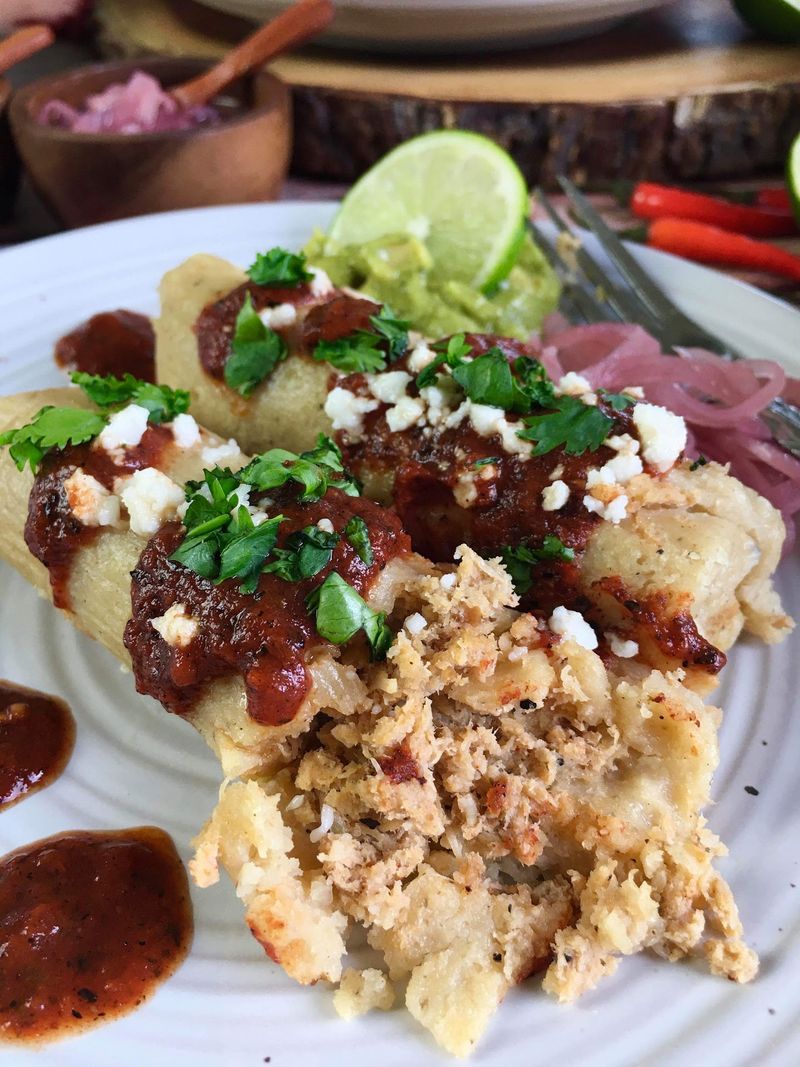
Eating one feels a little like being handed a plate at somebody else’s family gathering. The masa carries a soft corn sweetness, the pork stays juicy, and the whole thing holds together without falling apart in the husk.
Owners JR and his wife Barre run the place together, and that family-first approach shapes how the food is made and served. Nothing about it feels mass produced.
Fun detail worth knowing: the Phenix City storefront officially opened its doors on Cinco de Mayo, which feels almost too perfect for a shop built around handmade tamales and a grandmother’s kitchen wisdom.
Four Days Of Work Go Into Every Batch
Most food comes together in minutes. Tamales here take four days.
The heart of the process is the masa, and it starts with nixtamalization, an old technique where dried corn gets cooked and soaked with an alkaline solution before being ground. That step changes the corn’s texture, deepens its flavor, and makes its nutrients easier for the body to absorb.
Skipping it would be faster. It would also taste completely different, and anyone who has bitten into a dry, crumbly tamale elsewhere knows exactly what gets lost.
What shows up on the plate is masa that stays tender and holds seasoning all the way through instead of tasting like plain filler around a lump of meat. The balance between masa and filling gets talked about a lot here, and for good reason.
Too much masa and the filling disappears. Too little and the tamale falls apart.
Ingredients often come from local farmers markets, which fits a kitchen that clearly cares about where things start.
Knowing the timeline changes how the meal lands. That small box of tamales handed across the counter represents four days of soaking, grinding, mixing, spreading, folding, and steaming.
Worth slowing down for, especially since orders can take a few extra minutes to come out fresh.
Nine Tamale Flavors And Not One Boring Option
Ordering gets genuinely difficult here, and that is a good problem.
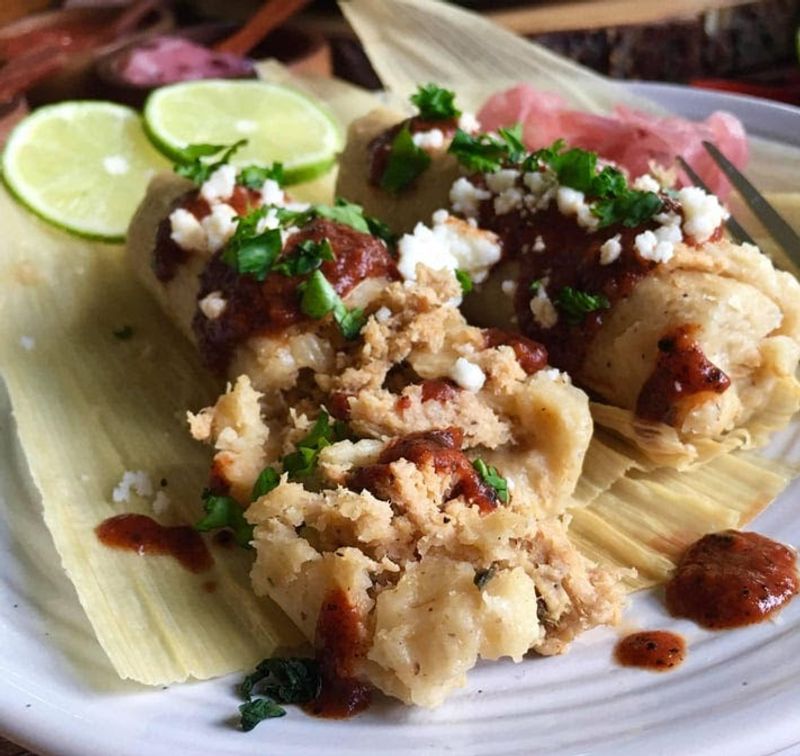
The lineup starts with abuela’s recipe pork, then branches out in directions most tamale shops never attempt. Smoked Brisket uses brisket cooked twelve hours, folded in with sauteed red bell peppers and onions.
Jalapeno Cheesesteak packs roasted brisket, three cheeses, and pickled jalapenos into one husk.
Chorizo and Potato leans hearty and a little spicy. Chicken comes seasoned with cream cheese and green chilis, which sounds unusual until the first bite explains itself.
Roasted Vegetable gets built on vegan masa, so it works for plant-based eaters rather than being an afterthought. A Keto Friendly version swaps traditional masa for cauliflower, mozzarella, eggs, and gluten-free flour, wrapped around pork filling.
Then there are the wild cards. Elote shows up seasonally with cheese, green chilis, and sweet corn masa.
The Mardi Gras tamale loads up Andouille sausage, crawfish, potato, corn, and Old Bay seasoning, a Gulf Coast idea squeezed into a Texas tradition.
Practical tip for first-timers: order a mixed handful instead of committing to one flavor. Comparing the pork against the brisket in the same sitting shows off the range better than anything a menu description can do.
The Street Corn People Keep Ordering Twice
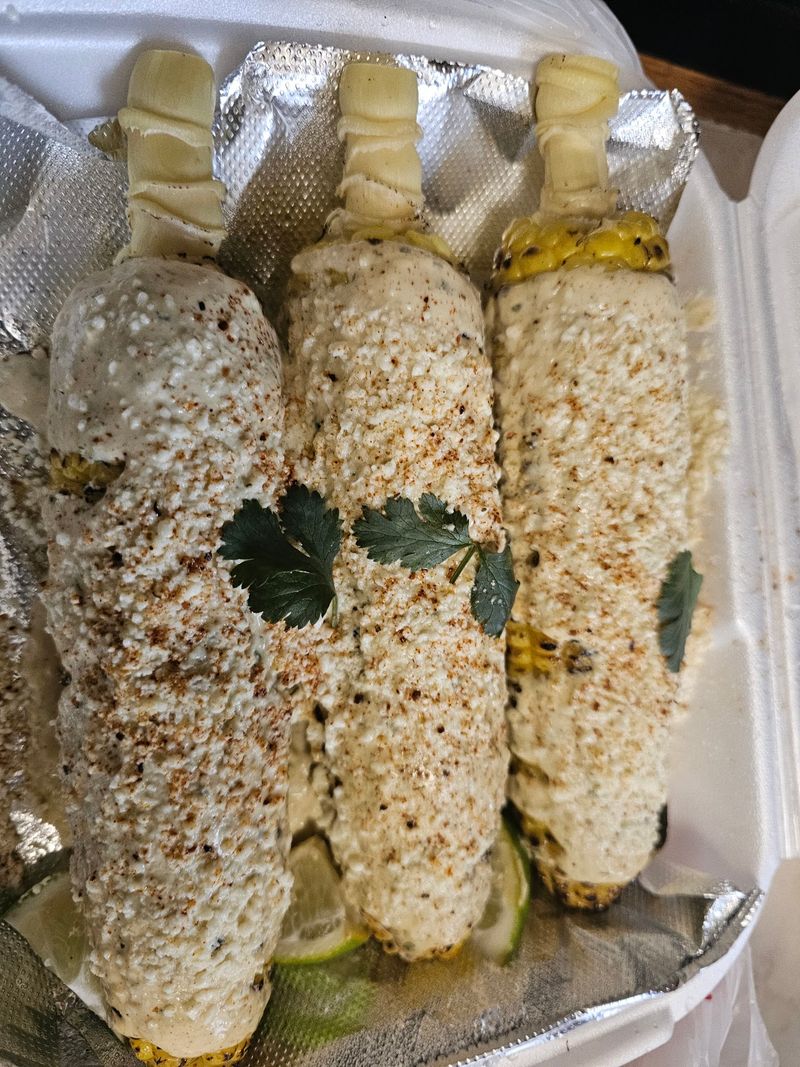
Tamales get top billing, but the street corn quietly steals a lot of attention.
Charred corn on the cob arrives smothered in chili crema, dusted with crumbled cotija cheese, and finished with cilantro. The char brings a smoky edge, the crema cools it down, and the cheese adds a salty snap that keeps the whole thing from tasting one-note.
It also comes off the cob for anyone who would rather use a fork than wear the sauce.
Beyond the corn, the taco menu holds its own. Al Pastor, pork, chicken, brisket, and veggie options all show up, built simply and served fast.
Quesadillas round things out with bean, cheese, pork, chicken, and brisket fillings.
Four sauces sit ready for mixing and matching. Charred Guajillo is the mild red one, smoky and approachable.
Tomatillo Verde brings a crisp, medium-heat green tang. Salsa Fresca, the grandfather’s creation, leans garlicky and medium.
El Sriracho handles anyone chasing real heat.
A smart move is grabbing a couple of tamales plus one street corn, then splitting the corn if sharing. The combination covers smoky, creamy, tangy, and spicy in a single sitting.
Fair warning though. Ordering a second ear of corn happens more often than people expect.
Frozen Dozens Turn Your Freezer Into A Backup Plan
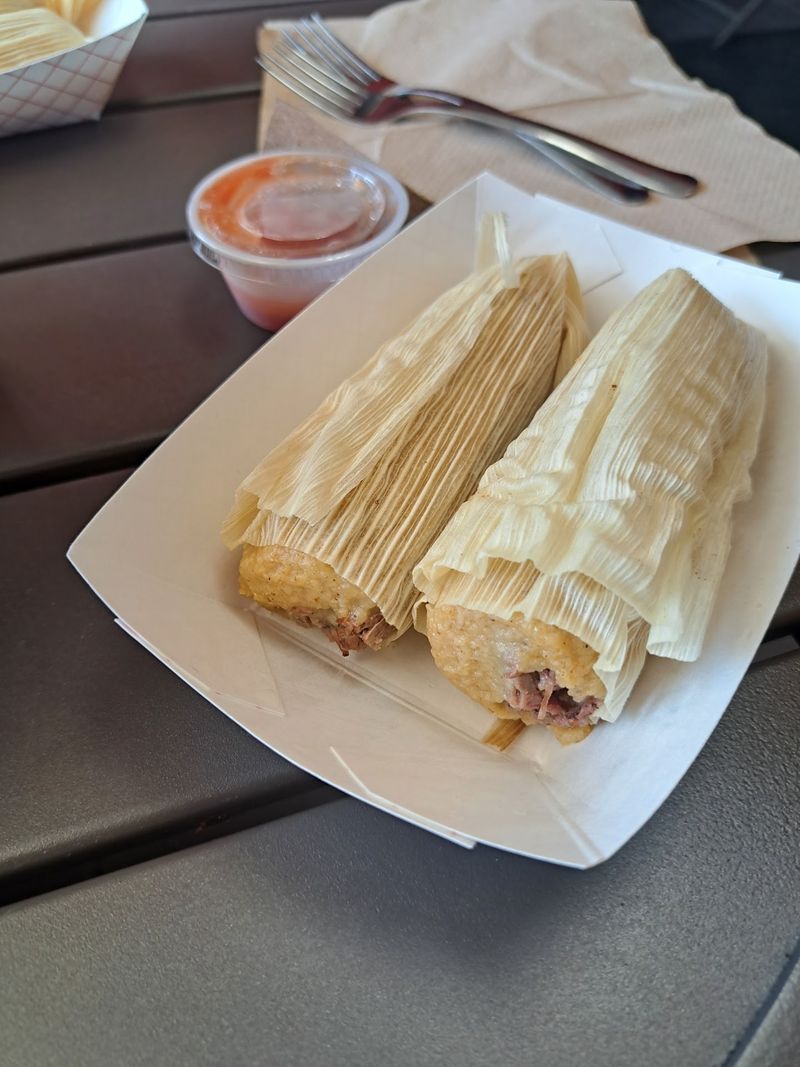
Here is the sneaky-smart part of a visit. Tamales can leave the shop hot and ready to eat, or frozen by the dozen for later.
The frozen ones never get steamed at the shop first, which means the cook at home is their very first steam. Nothing gets reheated twice, so the masa keeps its texture and the filling stays juicy instead of turning rubbery.
Timing from freezer to dinner plate runs around twenty-five minutes. That makes a dozen tamales one of the most useful things a freezer can hold, especially on nights when cooking sounds impossible.
Steaming is straightforward. A pot, a steamer basket, a little water, and patience while the husks warm through and the masa firms up again.
Road trippers passing through Phenix City often load up a cooler, and locals treat the freezer stash as a standing insurance policy against takeout fatigue.
A practical suggestion: buy a mixed dozen rather than all one kind. Pork for the traditionalists, brisket for the meat lovers, roasted vegetable for anyone skipping meat, and the whole box covers a family with different tastes.
Small Room, Big Welcome
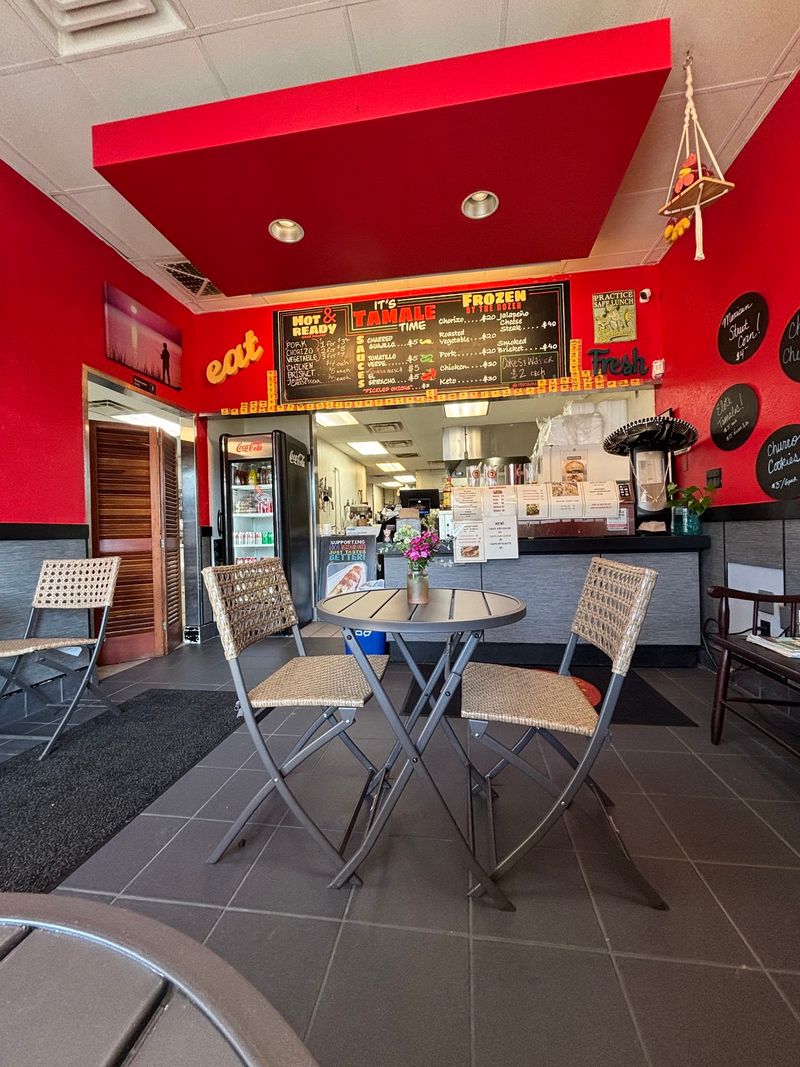
Nobody would call this place fancy, and that is precisely the charm.
The dining room is genuinely tiny, with just a couple of small tables and simple decor. Plenty of visitors order to go because of it, though sitting down has its own reward since the kitchen is right there in view.
Watching food get assembled a few feet away is half the entertainment.
Staff take time explaining the menu, walking newcomers through which tamale pairs with which sauce. JR himself talks tamales with anyone curious, and the enthusiasm is obvious rather than rehearsed.
Service moves quickly for how much care goes into the food. Orders sometimes take a few minutes, though that wait comes with the territory when things are made fresh.
The atmosphere aims for something specific, the easy feeling of a family gathering where everyone crowds around whatever is coming out of the kitchen. No loud music, no elaborate theme, no upselling.
Gluten-free, vegan, and vegetarian eaters get real options here instead of apologies, which makes group visits far less complicated.
For anyone tired of chain restaurants along the Chattahoochee corridor, this counter delivers the opposite experience. Small room, handmade food, and people who clearly enjoy what they do.
A Storm, A Farmers Market Circuit, And How It All Landed Here
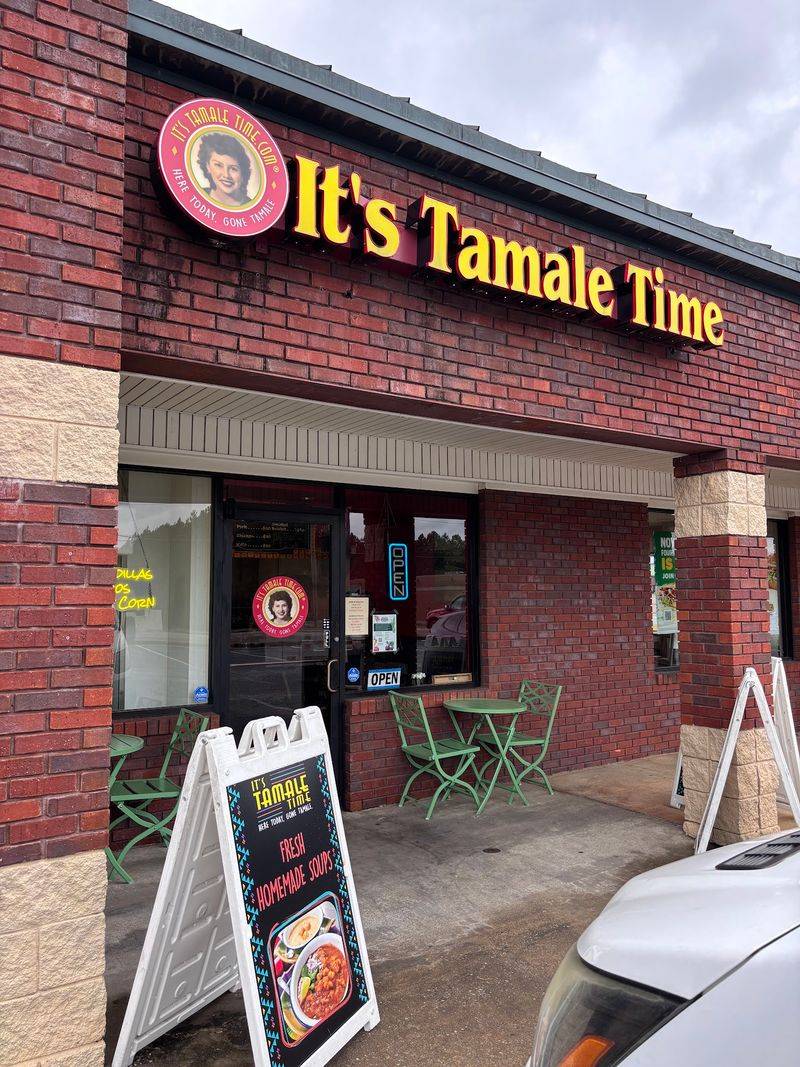
The route this business took to Pierce Road is more interesting than most restaurant origin stories.
Things began at farmers markets, with tamales sold from stalls in Panama City, Pensacola, and Rosemary Beach, Florida. Building a following one market weekend at a time is slow work, and it shaped the direct, talk-to-the-customer style still on display today.
Then Hurricane Michael hit in 2018. The storm pushed the McKinny family toward the Columbus and Phenix City area, and somewhere in the chaos roughly 300 dozen tamales were salvaged.
What could have ended the whole thing instead relocated it. The business grew in its new home, eventually outgrowing a shared kitchen space and moving into the storefront at 2319 Pierce Rd, Phenix City, AL 36867.
Hours run Monday through Friday from 7:00 AM to 9:00 PM, with weekend hours from 11:00 AM to 6:00 PM on Saturday and Sunday. Early birds can genuinely get tamales for breakfast, which is an underrated life choice.
Hands-on tamale-making classes also happen here, drawing people willing to drive a good distance to learn the technique in Alabama firsthand.
