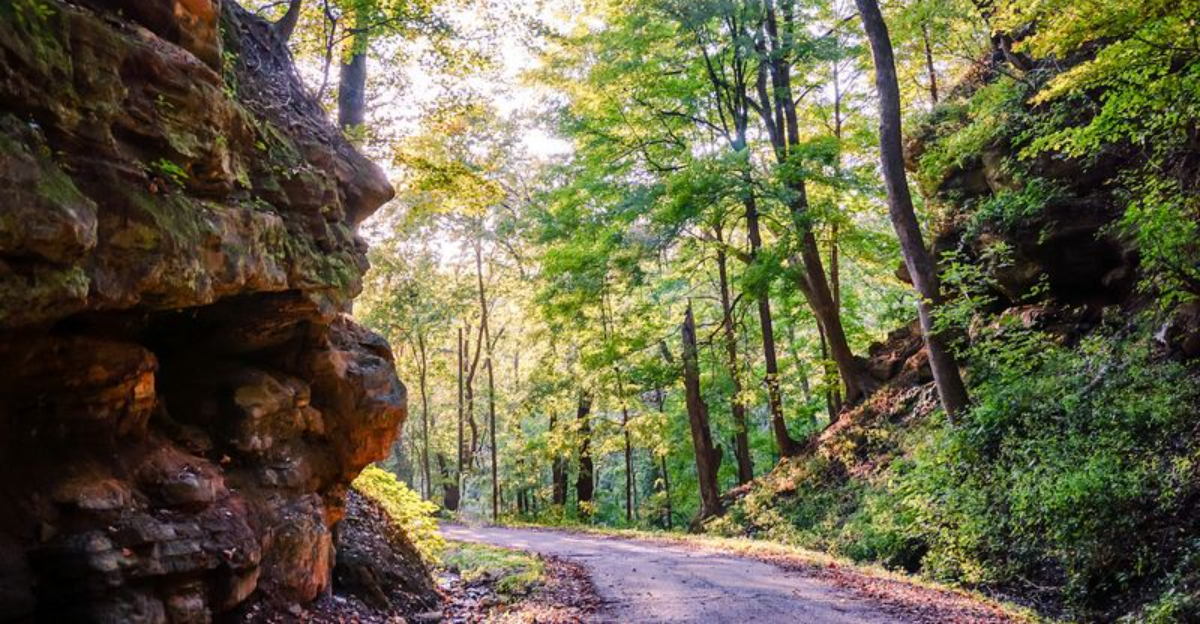
Most people drive right past Merom without a second thought. That would be a mistake.
This small Indiana town of fewer than 300 people carries more history, natural beauty, and quiet charm than places ten times its size.
From a 200-foot bluff with views that stretch into Illinois to a Carnegie library that put this tiny town on the national map, Merom earns its reputation as one of Indiana’s most underrated destinations.
I find it genuinely surprising how much is packed into such a small place. Whether you are looking for a peaceful afternoon outdoors, a lesson in American history, or simply a scenic drive with a payoff worth remembering, Merom delivers without the crowds or the fuss.
Merom Bluff Park and the Most Spectacular Overlook in Indiana
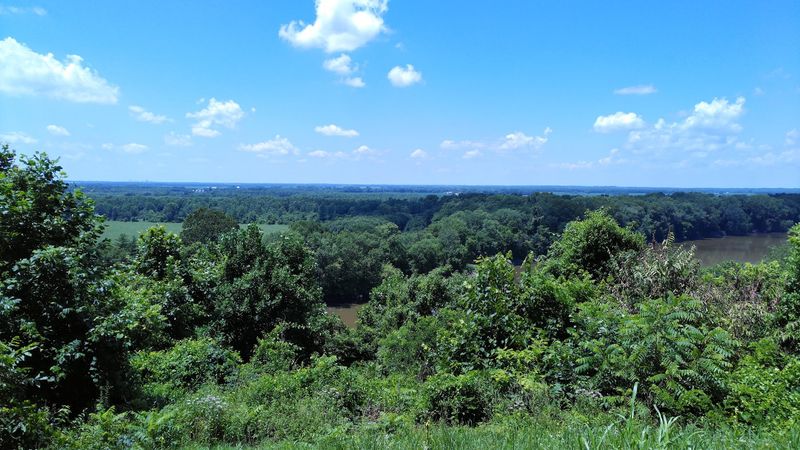
At 200 feet above the Wabash River, Merom Bluff Park offers the highest overlook along the entire length of the river. That is not a small claim.
On a clear day, you can see across the water into Illinois, and the sunsets from this spot are the kind that make people stop mid-sentence.
The bluff has a sandstone wall built in 1934 as part of a Works Progress Administration project. That wall has been standing for nearly a century, and it frames the view in a way that feels almost intentional.
A trail with 211 stair steps winds from the park down to the river’s edge, giving visitors a chance to experience both the high view and the water level up close.
The park itself has more than just the overlook. There is a boardwalk nature trail, picnic shelters, playground equipment, a shelter house, and overnight camping sites.
The community has also been working on a trail expansion project along the river, so the experience keeps growing. Merom Bluff Park is located in Merom, Indiana 47861, and it is free to visit.
Whether you come for the view, the history of the WPA wall, or just a quiet afternoon outside, this bluff rewards everyone who makes the trip. Few places in Indiana offer this kind of payoff for so little effort.
The Historic Carnegie Library That Made Merom Famous Nationwide
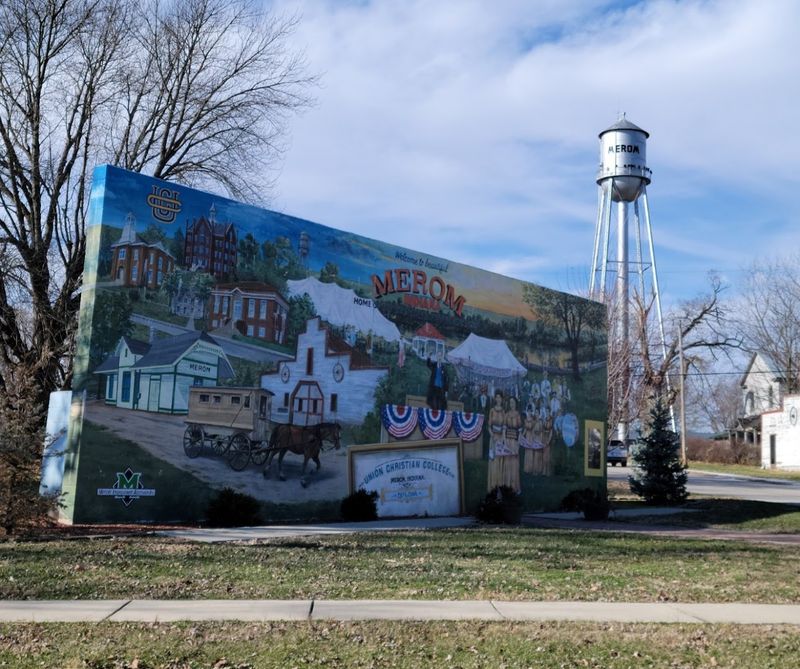
Merom holds a record that most people would never guess. It is the smallest town in the United States to ever receive a Carnegie library.
That distinction alone makes it worth a visit for history lovers and curious travelers alike.
The library was built in 1919 and is listed on the National Register of Historic Places. Andrew Carnegie funded thousands of libraries across the country, but he rarely funded them in towns this small.
The fact that Merom received one says something about the ambition and determination of the people who called this place home more than a century ago.
Walking past this building, you get a real sense of how seriously early residents took education and community. The architecture reflects the classical style typical of Carnegie libraries, modest but purposeful.
It stands as a physical reminder that big ideas have always lived in small towns.
For anyone interested in American architectural history or the story of public libraries in the United States, this stop is genuinely meaningful. It is not a museum with a gift shop or a busy tourist attraction.
It is a quiet, well-preserved piece of national history sitting in a town most people have never heard of. That contrast is exactly what makes it special.
Merom keeps surprising visitors who take the time to look closely at what is here.
Wabash River Access for Fishing, Boating, and Birdwatching
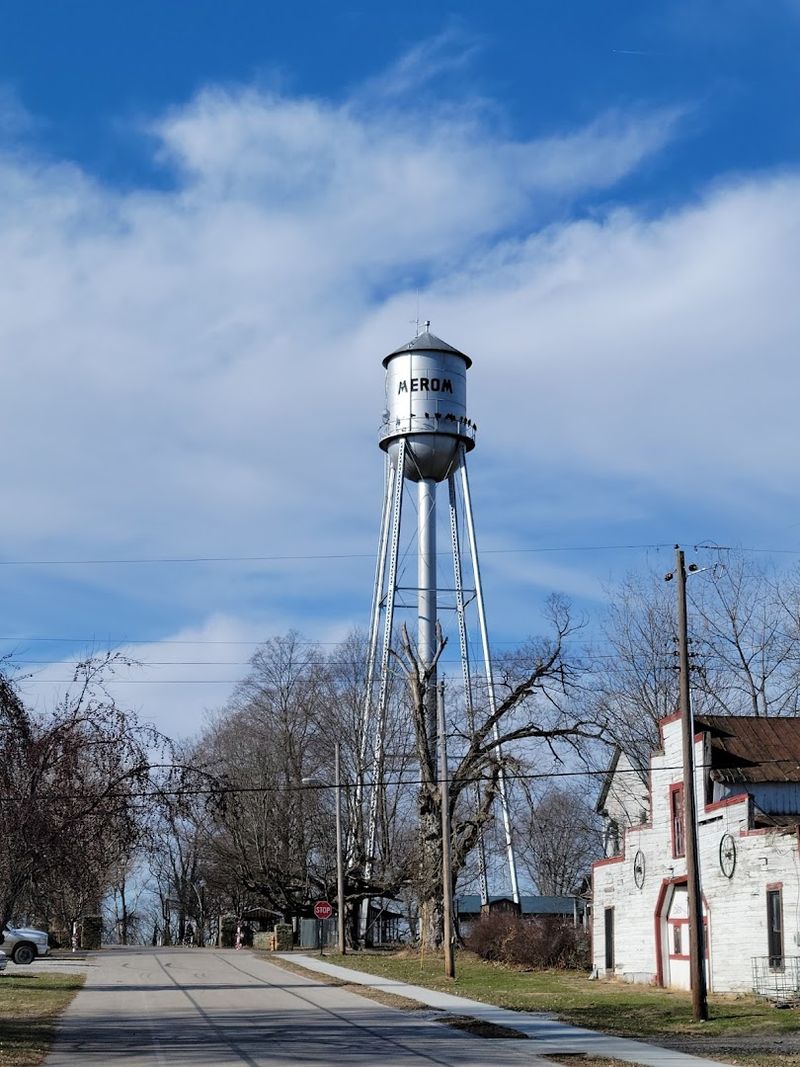
The Wabash River runs right alongside Merom, and the town gives you direct public access to it. There is a concrete boat launch on site, making it easy to get a kayak, canoe, or small motorboat into the water without any complicated logistics.
Fishing on the Wabash near Merom is genuinely productive. Bass, catfish, and crappie are all plentiful in this stretch of the river.
Anglers who know the area come back season after season because the river consistently delivers. You do not need to be an expert to have a good time here.
Even a casual afternoon with a fishing line in the water tends to be relaxing and rewarding.
Birdwatchers also find this section of the river worthwhile. The wooded riverbanks attract a variety of species, and the quietness of the area means you can observe wildlife without the distraction of heavy foot traffic or noise.
Great blue herons are common along this stretch.
The combination of boating, fishing, and birdwatching in one accessible spot makes the Wabash River access point one of the most practical and enjoyable reasons to visit Merom. It is the kind of outdoor experience that feels effortless.
You show up, the river does the rest. For anyone who enjoys time near moving water, this is a stop that genuinely delivers on its promise.
Merom Conference Center and the View From College Hall
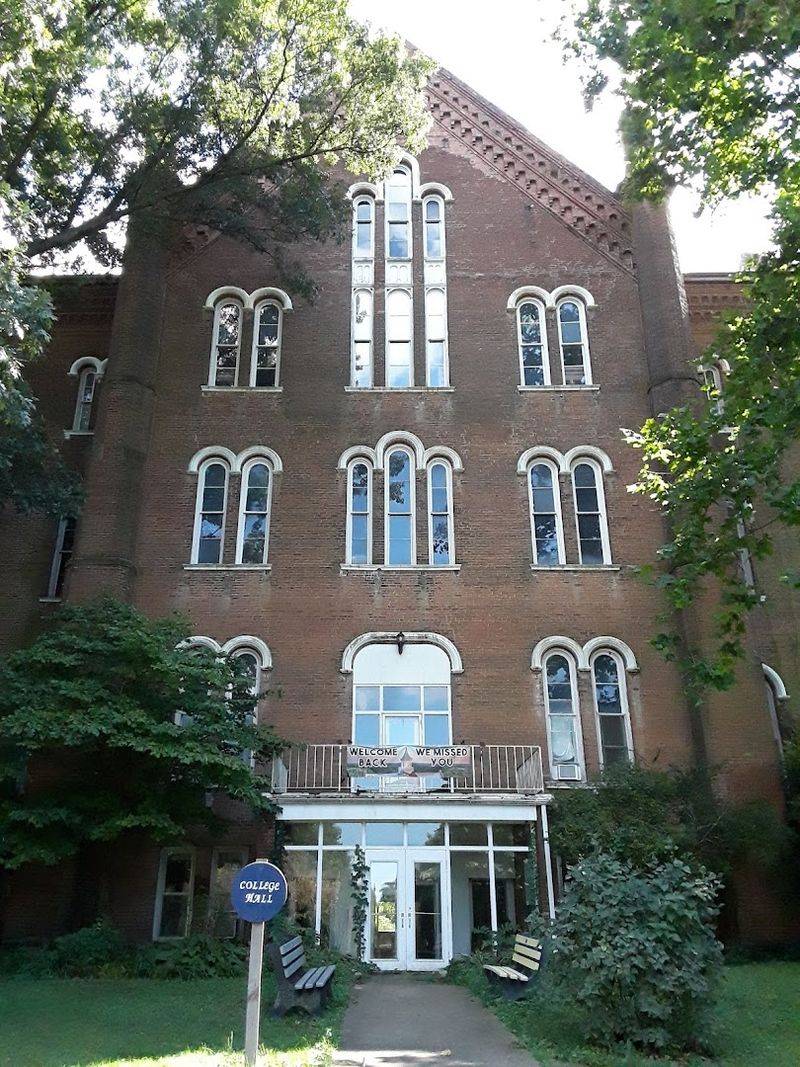
College Hall at the Merom Conference Center is one of those buildings that commands attention before you even walk through the door. It sits with a striking view of the Wabash River and has served the community for generations as a gathering place for camps, conferences, and retreats.
The facility operates year-round, welcoming groups of all kinds. Churches, schools, and community organizations use it regularly.
The setting alone makes it an appealing venue. When you combine the historic architecture with that river view, it becomes the kind of place people talk about long after they leave.
For visitors who are not attending an event, the grounds around College Hall are still worth exploring. The property reflects the long history of organized community life in Merom, which dates back well over a century.
The Chautauqua movement that made Merom famous in the early 1900s was centered on this bluff, and you can feel that legacy in the landscape.
The Conference Center represents the kind of quiet institutional pride that small towns carry without making a big deal about it. It is not flashy.
It does not need to be. The river view and the history speak clearly enough on their own.
If you appreciate places that have genuinely meant something to real communities over a long period of time, College Hall is worth your attention when you visit Merom.
The Chautauqua Legacy and the Annual Merom Bluff Festival
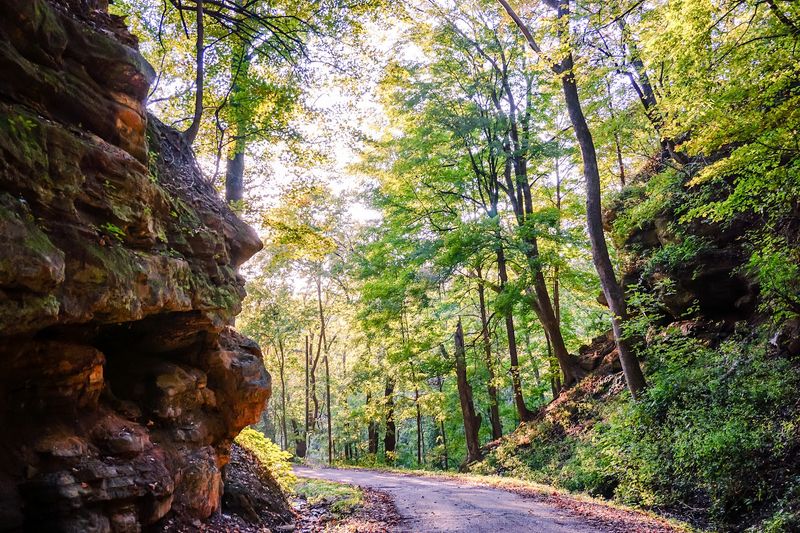
From 1905 to 1936, Merom was one of the most talked-about destinations in the Midwest.
Thousands of people traveled to Merom Bluff every summer for the Chautauqua gatherings, a series of educational and cultural events that featured lectures, debates, concerts, and performances by nationally recognized figures.
William Howard Taft spoke here. So did Carrie Nation.
The Chautauqua movement was a major force in American public life during that era, and Merom was one of its celebrated stops. For a town of fewer than 300 people to host events of that scale is remarkable by any measure.
That tradition did not disappear entirely. A modern version called the Merom Bluff Chautauqua continues today as a long-weekend event held each June.
It brings together music, community, and a shared appreciation for this place that has always drawn people together. The town also hosts a Pawpaw Festival in September, celebrating the native fruit that grows wild along the river bluffs.
These events give visitors a reason to plan a trip around a specific weekend rather than just stopping by on a whim. They also connect the present town to its surprisingly rich past.
Merom has always been a place where people gathered to share ideas and enjoy good company. That spirit is still alive, and attending one of these festivals is one of the best ways to experience it firsthand.
Deep History, the Underground Railroad, and Ancient Earthworks
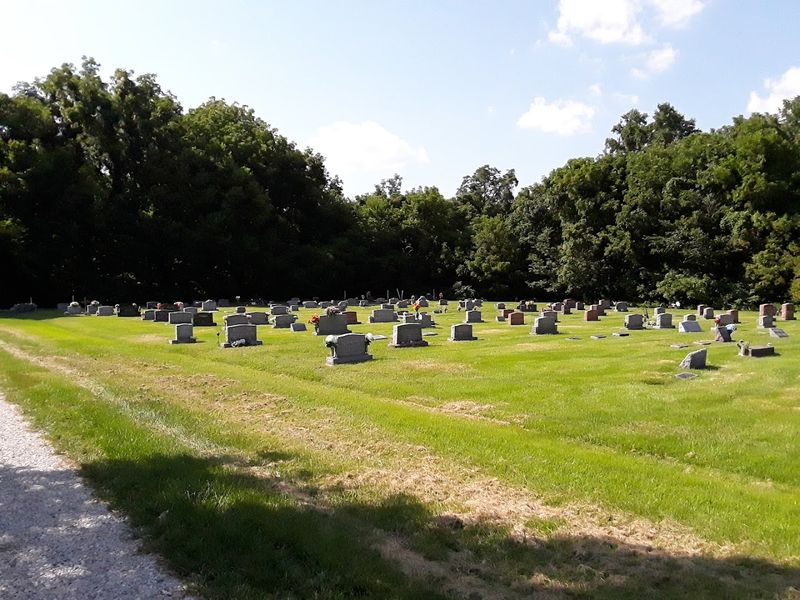
Merom was founded in 1817, just one year after Indiana became a state. That makes it one of the older settlements in the region.
Its name comes from the Old Testament and translates to high place on the river, a description that fits the geography perfectly.
The town’s role in American history goes beyond its founding date. Merom is believed to have been a stop on the Underground Railroad, the network of routes and safe houses that helped enslaved people reach freedom before the Civil War.
That history adds real weight to what might otherwise seem like just another quiet river town.
Nearby, the Merom Site, also known as Fort Azatlan, contains ancient earthworks dating from approximately 1000 to 1500 CE.
These structures were built by Indigenous peoples long before European settlement, and while many original features have been lost to agriculture over the centuries, the site remains significant to archaeologists and historians.
It is a reminder that this land has been meaningful to people for a very long time.
Merom’s layered history gives visitors something to think about that goes beyond the scenery. The bluff, the river, the earthworks, and the stories of freedom seekers all exist within the same small geography.
For anyone drawn to places where the past is still present in a tangible way, Merom offers a kind of depth that is genuinely rare in towns this size.
Meleah’s Cafe and the Small-Town Charm of Everyday Merom
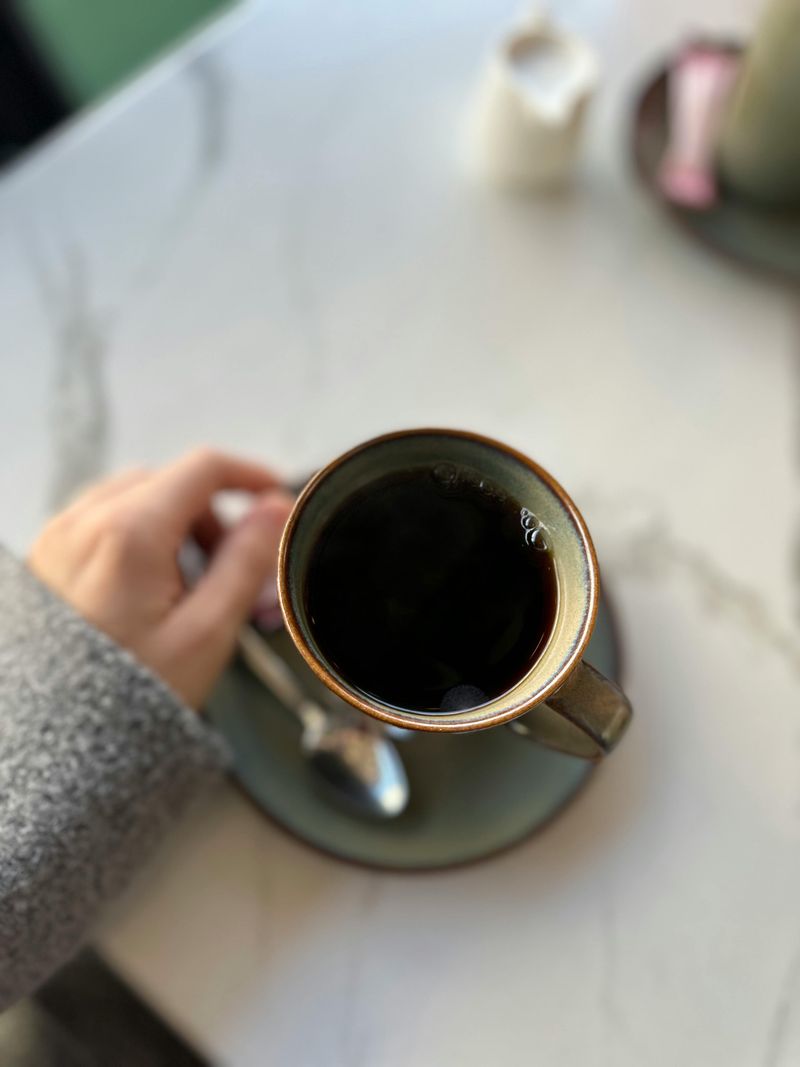
Every small town worth visiting has a place where the locals eat. In Merom, that place is Meleah’s Cafe.
It serves breakfast, lunch, and Friday fish dinners, which tells you something about the rhythm of life here. People plan their week around the fish fry.
That is a good sign.
Meleah’s, located at 2110 S 3rd St, Merom, IN 47861, is the kind of spot where you sit down, order something simple, and leave feeling like you actually experienced the town rather than just passing through it. The food is straightforward and honest.
The atmosphere reflects the community it feeds. There are no pretensions here, just good cooking and familiar faces.
Beyond the cafe, the everyday charm of Merom is worth paying attention to. The post office was established in 1818, making it one of the oldest in the state.
The streets are quiet. The pace is slow in the best possible way.
People wave. Neighbors talk.
For visitors who are used to crowded destinations and long lines, Merom offers something genuinely different. It is a place where you can slow down without feeling like you are missing anything.
In fact, slowing down is exactly how you see what makes it special. The cafe, the old post office, the bluff views, the river access, and the local festivals all come together to create an experience that feels real and unhurried.
Merom is the kind of small town that reminds you why small towns matter.
