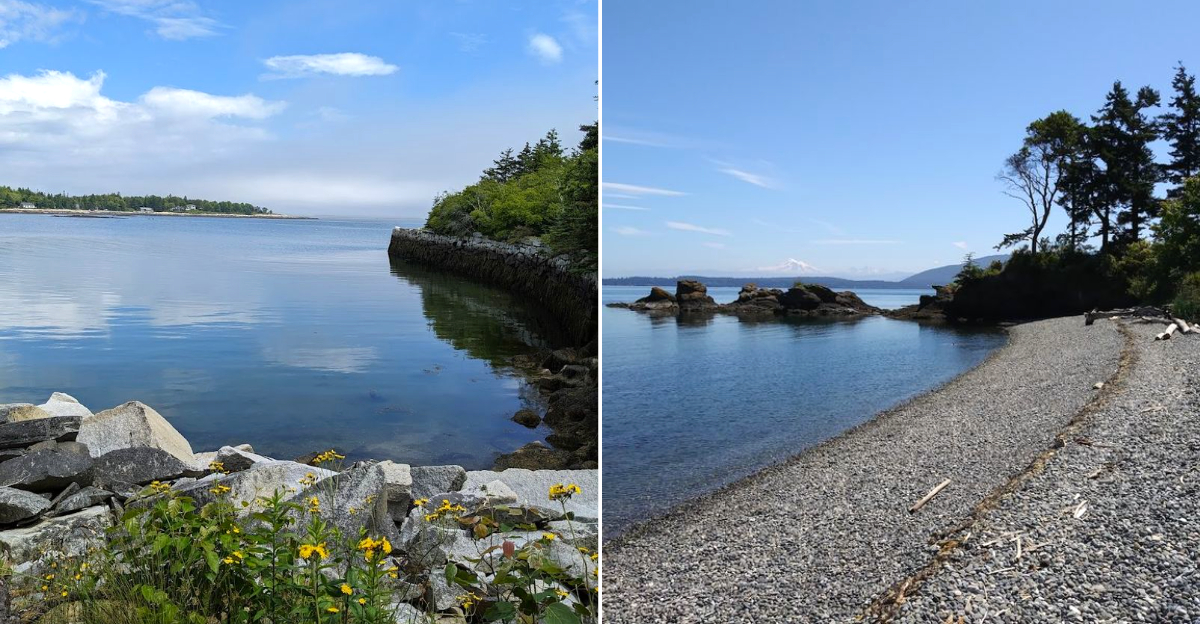
A granite causeway built in 1892 is the only thing connecting this tiny Maine island to the rest of the world. No ferry, no bridge, just a ribbon of stone that lets you walk right onto the shore.
Back in its heyday, the island was a bustling quarrying village with 400 residents, most of them stone cutters. They had a post office, wharves, and a whole granite community that has since vanished, leaving only foundations behind.
Today, the island feels worlds away. Over a hundred species of migratory birds have been recorded here, and the state has designated it a significant habitat for waterfowl and wading birds.
In 2020, a land trust purchased most of the island to keep it open for hiking, birdwatching, and quiet recreation. You can explore 1.8 miles of shoreline trails, granite?framed beaches, and abandoned quarries, all without stepping on a boat.
So pack a lunch and a sense of solitude. The causeway is waiting, and the only crowd you will find is the seabirds.
The Granite Causeway Built In Eighteen Ninety Two
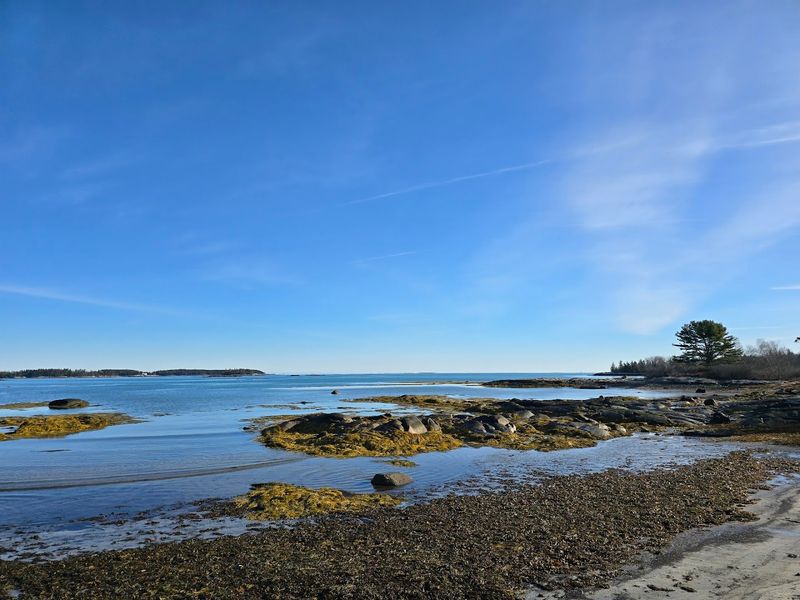
You step onto the granite and it feels solid in a way that goes straight to your bones, like the island is reaching out a sturdy hand and saying, come on, you are fine. The stones fit together with that quiet, purposeful neatness you only get from patient work, and the tide whispers against both sides while you find a rhythm that matches your breathing.
Nothing about it is fancy, but the crossing still feels ceremonial, as if the moment you leave the mainland your thoughts decide to unclench.
Look out and you will catch gulls angling with the wind, eelgrass bending under clear water, and a streak of horizon that keeps winking like it knows a secret you will get soon. The causeway narrows your focus just enough to make each step matter, and somehow that turns the distance into its own little story.
Maine has this talent for honesty in the landscape, and the stone underfoot tells it without raising its voice.
By the time you reach the island, your shoulders loosen and your steps land lighter, like the path ironed out the noise you carried across. Salt rides the air with that clean, bright smell, and the spruce line ahead looks welcoming rather than stern.
Turn around for a second and the mainland already seems farther than it should, which is exactly the point, because the walk back will feel different in the best possible way.
The Former Quarry Village With A Post Office
You know how places hold on to their stories even after the buildings are gone? That is the feeling along the old village stretch, where foundations linger in the grass and the layout of lives quietly maps itself under your feet.
You can almost picture mail being sorted and delivered, boots clacking on thresholds, and voices carrying across the cove while the tide pushed in and out without caring.
I like standing where a doorway might have been and imagining a porch view made of working water, granite dust, and small routines that knitted people together. The outlines are modest, but the sense of community comes through anyway, tucked into the spacing between stones and the footpaths that still make sense.
Maine history often shows up like this, not shouting, just resting in the landscape until you pay enough attention to hear it.
Take a slow loop and you will pick up the rhythm of errands that once crossed this ground, the steady back and forth of tools, letters, and neighborly hellos. The meadows have softened the edges, yet the purpose remains traceable, like pencil lines that never fully erased.
It is strangely comforting, realizing that the island kept the frame and let the rest turn gentle, so you can stand there and feel connected without needing any sign to tell you what to think.
The Abandoned Quarry Now A Swimming Hole
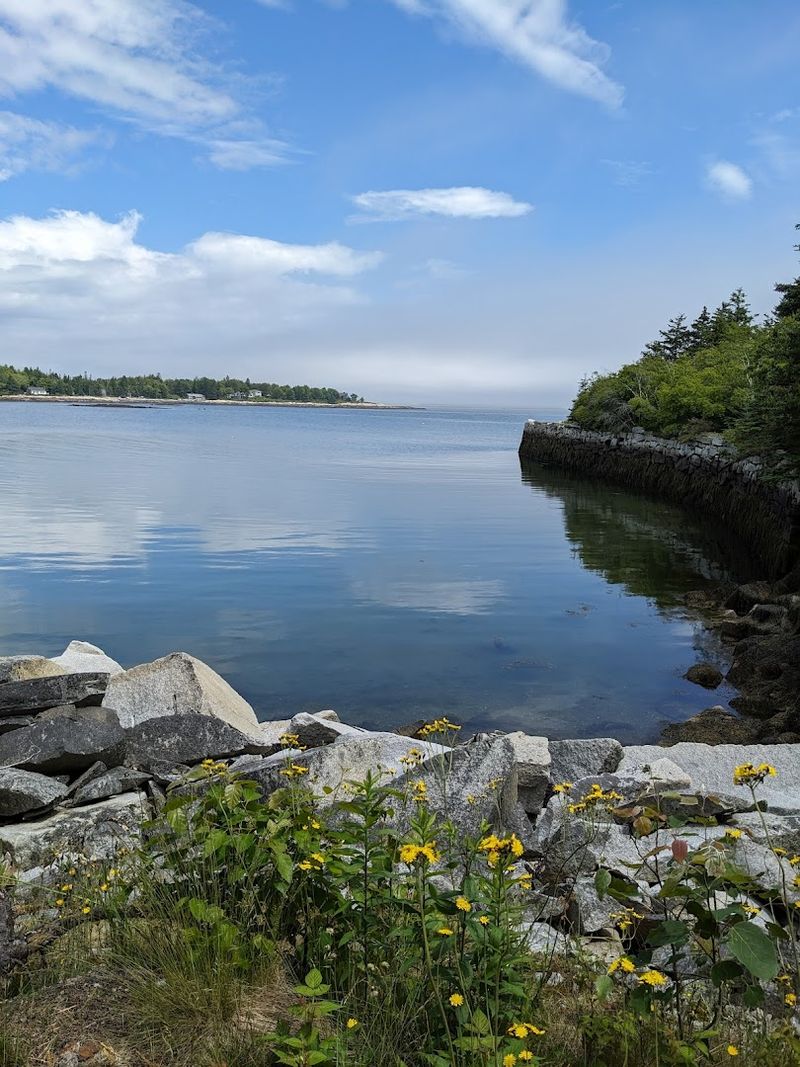
Round the bend and the ground drops into a bowl of water so still it looks like held breath, with rock walls that reflect back the sky in broken, beautiful pieces. You can see where the cuts once bit into the ledge, all order and effort, now softened by lichen, sun, and patient weather.
The pool has that come sit a while energy, the kind that slows your voice and asks what hurry you are in anyway.
People slip in when it is warm enough, and the water feels silkier than the ocean because the walls block the wind and keep the surface calm. You hear echoes carry across the stone, gulls tipping past, and the faint clink of pebbles shifting under your sandals.
Maine does not dress things up, and this old work site turned quiet swimming spot proves it with every clear, steady ripple.
Find a flat ledge, tuck your shoes nearby, and watch sunlight throw coins across the bottom while dragonflies stitch lazy patterns overhead. The edges are honest and the drop looks deeper than it first appears, so you mind your footing and move with care.
When you finally stand to leave, the path feels warmer, as if the place lent you a little steadiness to take back to the trail.
The Granite Wharf Where Schooners Once Docked
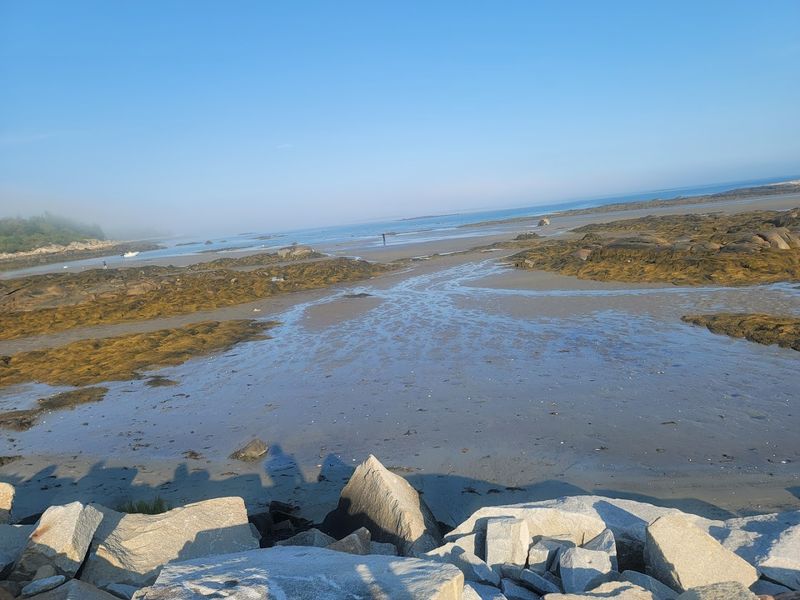
Down by the shore, the granite wharf squares off against the tide like a patient old foreman, still holding its line even though the busy days are long gone. Stand there and you can feel motion without chaos, a steady rhythm of loading and leaving written into the stone edges.
The water works the seams with a gentle hush, and you get that sense of arrival and departure braided together.
I like to trace the clean corners with my eyes and imagine decks sliding alongside, ropes slung across, and voices trading directions with the wind. The blocks are impressive without trying to impress, which is very Maine, practical and handsome in the same breath.
Gulls land, nod at nothing in particular, and lift off again like they kept the schedule after everyone else went home.
Walk the perimeter and the view opens wide, with working water out front and treeline backdrop behind, and the echo of craft threading the channel. The wharf gives you a front row seat to history and tide, and it does it quietly, without turning itself into a stage.
When you step away, you carry a little of that square shouldered calm, the kind that helps you keep your own balance when the day gets sloshy.
The 124 Acre Preserve With Miles Of Trails
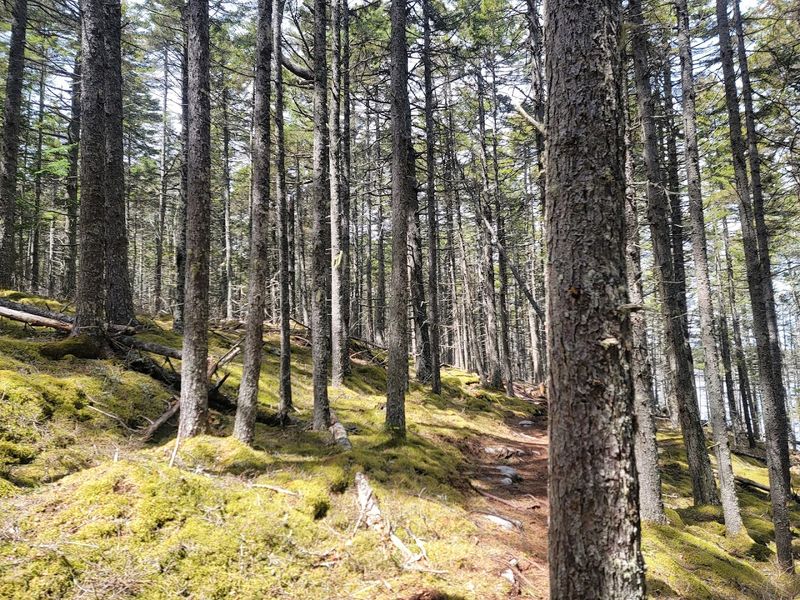
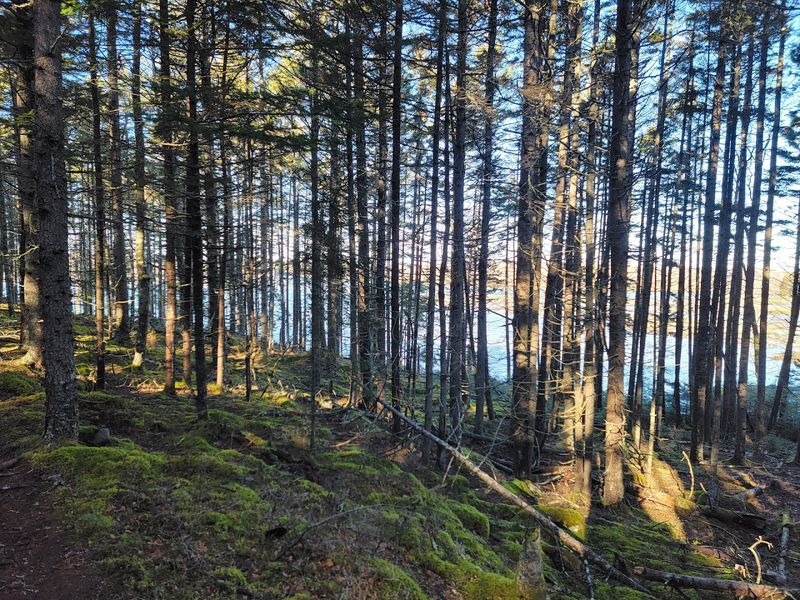
The trails knit through spruce, meadow, and shoreline like someone stitched a sampler of coastal Maine and let you wander the whole thing at your own pace. One moment you are in dappled shade with balsam on the air, the next you pop into open light and catch a wink of ocean through the trees.
The footing is friendly, roots and rock here and there, and the route choices feel simple without being boring.
I like how the preserve lets you forget the clock and follow curiosity, maybe cutting toward the water when a breeze hints at salt, or swinging inland when birdsong thickens. Wayfinding feels natural, as if the island has been walking people this way for ages and is happy to keep doing it.
Stop at an opening and you might spot an eagle high above or a heron sliding over the marsh edge like a silver thought.
The miles add up without drama, which is my favorite kind of day, and by the time you loop back you have a pocketful of small scenes instead of one big headline. Every bend brings a new texture underfoot and a new scent on the air, from sun warmed pine to kelp curling at the wrack line.
It is the kind of place that sends you home steadier than you arrived, and that is worth returning for whenever life gets noisy.
The Only Way Across Is On Foot
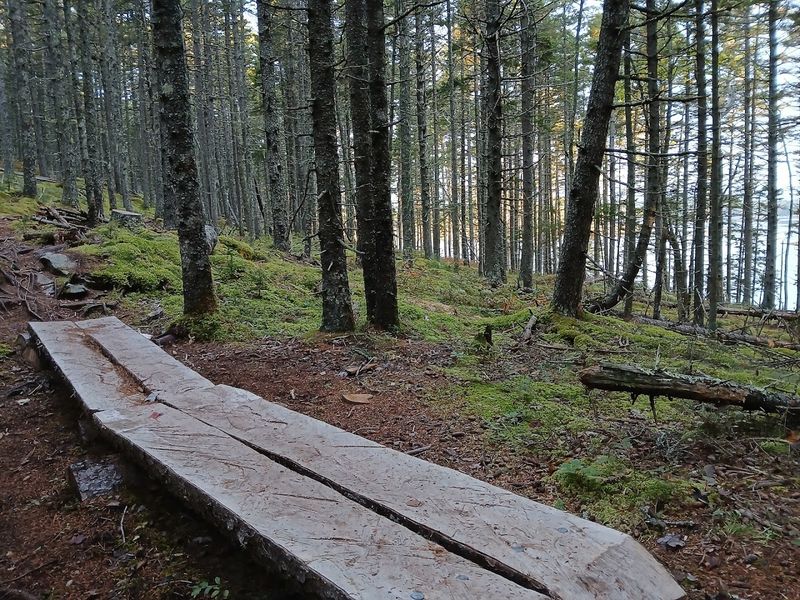
There is something refreshing about a place that asks you to arrive under your own power, no engine, no hurry, just the steady clip of your steps across stone. The causeway suits that request perfectly, giving you enough time to shed whatever you were thinking about and swap it for sea air.
By the midpoint, you are already tuned to island speed, which is friendly to wandering thoughts and observant eyes.
Walking in means walking out, and that promise shapes the day in a nice way, because you pace yourself and notice more. You read the tide as a companion rather than a clock, listen to the gulls like neighbors, and find small treasures in the seaweed that you would blow past from a car.
Maine rewards that kind of attention, and this crossing doubles down on it with every clean, sure step.
On the return, the mainland looks familiar but a little kinder, the way a house looks when the lights are warm and a window is open. You glance back at the island and it stays composed, like a good friend who is easy to visit and never demanding.
It feels healthy, honestly, to go somewhere that insists you move at the speed of your own feet and lets the day unfold accordingly.
The Rusty Spikes From Tugboats Long Gone
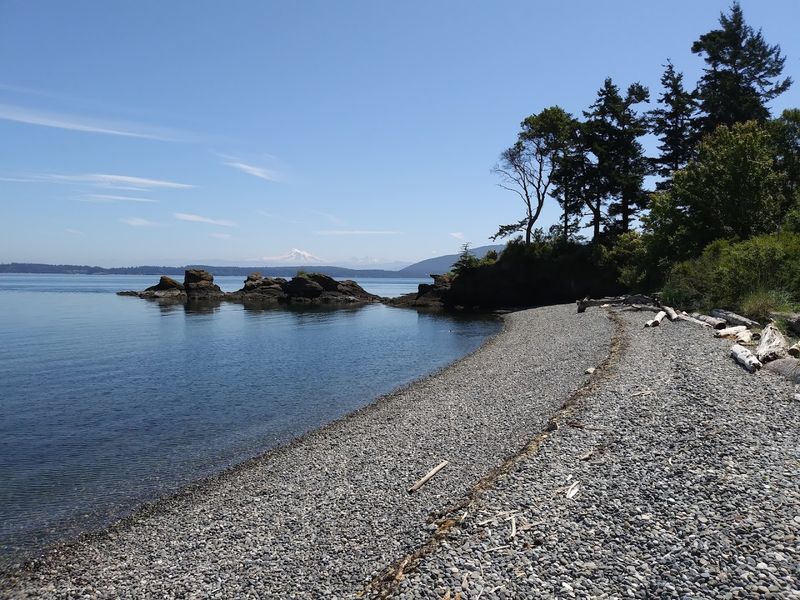
Down along certain ledges, you can spot old iron spikes crouched in the rock, orange with rust and stubborn as anything, like punctuation marks left by heavy work. They catch the light at low water and point back toward a time of hauling, towing, and steady hands on lines.
You stand there and the years fold in a quiet accordion, bringing the old sounds near without drowning the present.
I find them oddly beautiful, those weathered bits of metal holding fast long after the tugging stopped, because they show how the coast keeps everything in the open. Nothing is hidden, nothing polished up, just the truth of material and task, resting in tide and sun.
Maine teaches through objects like that, short lessons about endurance and the decent pride of tools that did what they were made to do.
Follow the shore and you start noticing more details, little runs of drill marks, squared edges softened by lichen, and seaweed braiding itself around the metal like a slow, green ribbon. It is easy to linger, letting your mind fill in a workday you never lived while your feet stay planted in now.
When you finally move on, you take the lesson with you, a small reminder that effort leaves a shape behind, and the shape can still be quietly handsome.
The Atlantic Ocean Glittering On Both Sides
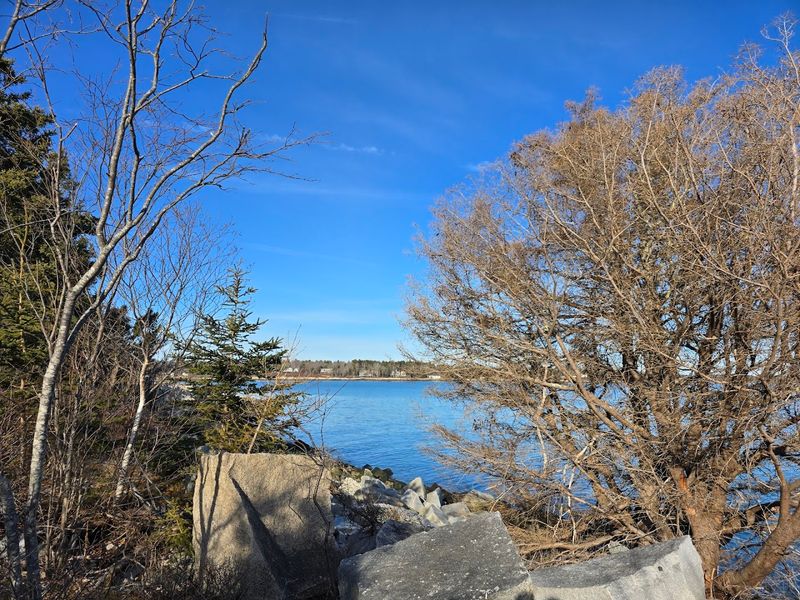
There is a moment on the crossing when the Atlantic flares into view on both sides and everything feels bigger, brighter, and somehow calmer at the same time. Sunlight lays quicksilver across the water, and the ripples catch it like a thousand tiny mirrors.
You look left, you look right, and the island holds its line straight ahead while the horizon pretends to slide.
I always slow down there, partly to watch the light show and partly because the air tastes clean and lively, like salt and pine teamed up. Boats drift far off, birds throw easy shapes in the blue, and your steps sound confident against the stone.
It is the kind of scene that resets your sense of scale without asking permission, which is a kindness on a noisy day.
On the way back, the same view works in reverse and still surprises you, because the glitter never repeats itself exactly. The causeway becomes a balcony over moving silver, and you get to be the person who noticed and did not rush past.
That is the gift of this little slice of Maine, a place where the walk itself earns applause from the water, and you get to take a bow just by breathing.
