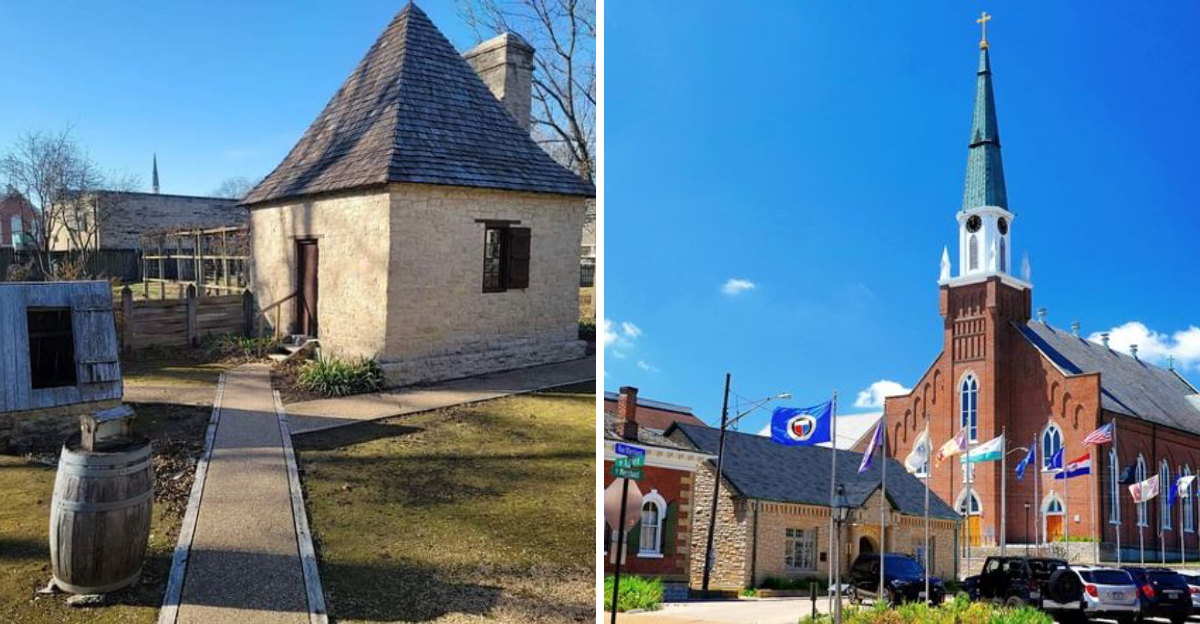
Missouri has a secret. It sits quietly in a tiny riverside town, not far from the Mississippi. Most people drive right past on their way to somewhere else. That is their loss.
The state park here does not announce itself. No flashy signs. No billboards for miles. Just rolling hills, dramatic limestone bluffs, and a view that makes you pull over before you even reach the parking lot.
You will wish you found this place sooner. That is almost guaranteed.
The landscape drops away beneath your feet. The horizon stretches farther than seems fair for one small park. Trails wind through forests and open up to panoramas that belong on postcards.
Locals visit on quiet weekdays. They bring picnic baskets and cameras and nothing else. No agenda. No rush. Just the simple pleasure of standing somewhere beautiful with good company or none at all.
This tiny Missouri town stays humble about its crown jewel. But the secret is slipping. Go now while you can still have those views mostly to yourself. The Midwest’s most jaw dropping park is waiting.
You just have to stop driving past it.
The Story Behind Missouri’s Oldest Permanent European Settlement
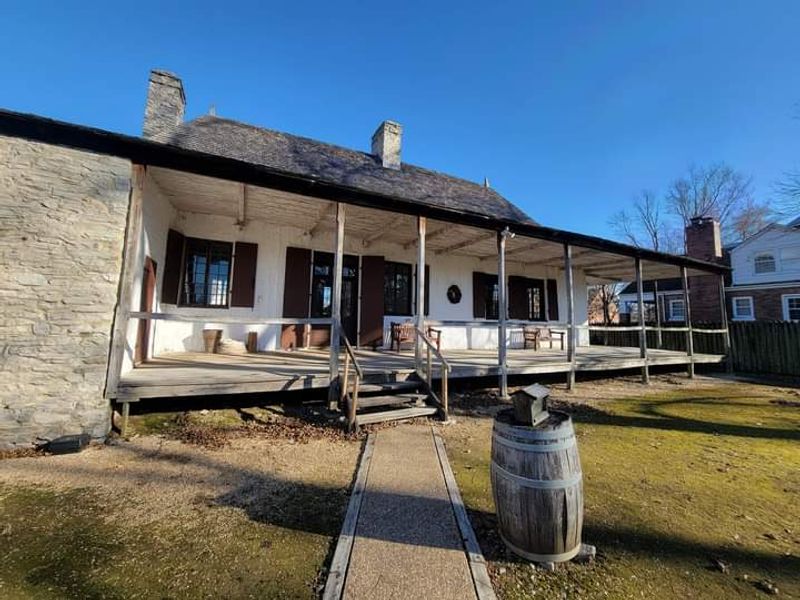
Long before Missouri was even a state, French settlers were already building homes along the Mississippi River in what would become Ste. Genevieve.
Founded around 1735, it holds the title of Missouri’s oldest permanent European settlement, and that history is not just written in books here.
You can feel it in the streets. The town’s original layout follows old French land grant patterns, meaning the roads and property lines have a rhythm that feels nothing like a modern American grid.
Walking through downtown, I kept stopping to look at buildings that have stood for over two centuries. The French Creole style of construction used here is genuinely rare in North America.
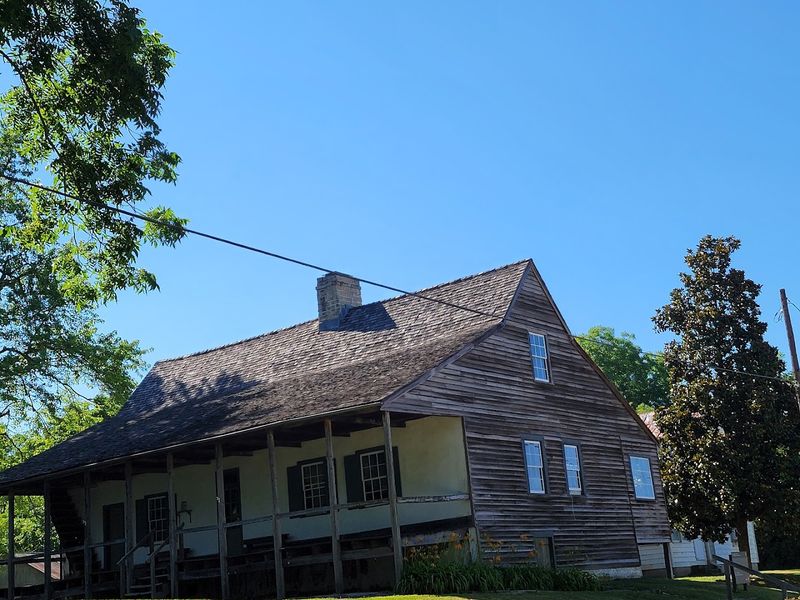
Vertical log construction, wide porches, and steep hipped roofs give these structures a silhouette unlike anything I had seen before. Several of the oldest homes are still standing in their original locations, which is remarkable.
Missouri takes its history seriously, and Ste. Genevieve is proof of that.
This is not a reconstructed village built for tourists. It is a living town where real history breathes through every block.
Felix Valle State Historic Site and Its Remarkable Preservation
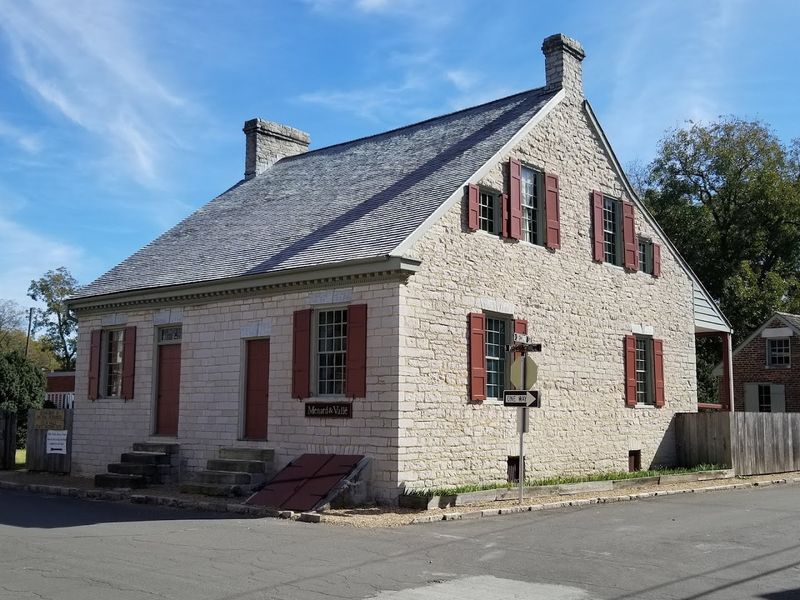
Right in the heart of town stands the Felix Valle State Historic Site, a beautifully preserved stone building that once served as a home and trading post in the early 1800s. The structure itself is striking, built with thick limestone walls that seem to absorb the Missouri heat and keep everything inside cool and calm.
The site is operated by Missouri State Parks and gives a detailed look into the fur trade era and the daily lives of early settlers. Period furniture, original artifacts, and thoughtfully arranged rooms make the whole experience feel grounded and real.
What impressed me most was how the preservation work here respects the original materials. Nothing feels over-restored or artificially polished.
The roughness of the walls and the wear on the floors tell their own story.
The Felix Valle site is also part of a broader network of historic properties in town, so it pairs well with a full day of exploring on foot. Missouri has done an impressive job maintaining these spaces without turning them into theme park attractions.
It is a quiet, thoughtful kind of history that rewards slow, curious visitors.
Mississippi River Views Worth Every Step
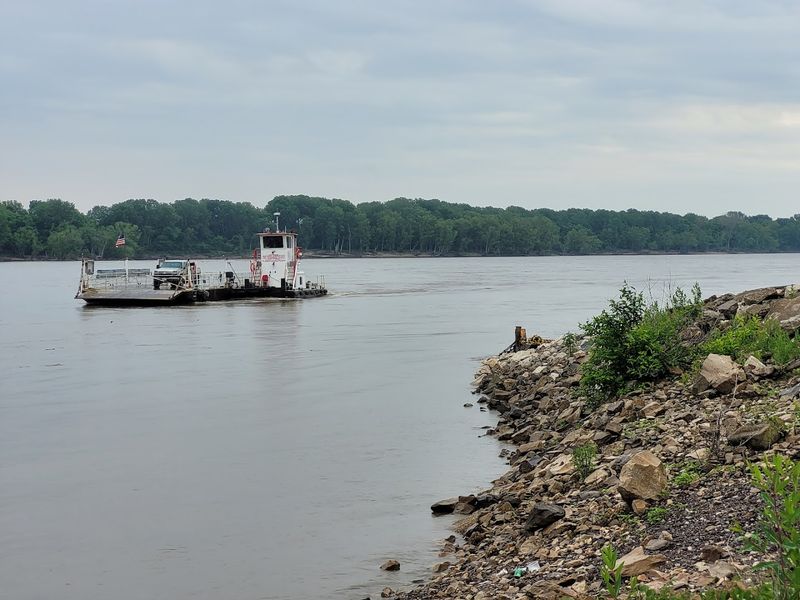
The Mississippi River runs along the eastern edge of Ste. Genevieve, and its presence shapes everything about this town.
Standing at the riverbank, the sheer width of the water is genuinely humbling. It moves with a slow, powerful confidence that makes you feel very small in the best possible way.
The river has always been central to life here. Early settlers depended on it for trade, transportation, and food.
Today, it provides some of the most scenic views in all of Missouri.
Morning light on the water is something else entirely. The mist that rises off the Mississippi in the early hours gives the whole scene a soft, dreamlike quality that no photograph fully captures.
There are accessible spots along the riverbank where you can sit, watch barges drift past, and just breathe for a while. It is the kind of pause that travel rarely offers anymore.
If you visit in autumn, the foliage on both sides of the river turns spectacular shades of orange and red, framing the water like a painting. The Mississippi here is not just a boundary.
It is the beating heart of the town.
Trail of Tears State Park Is Closer Than You Think
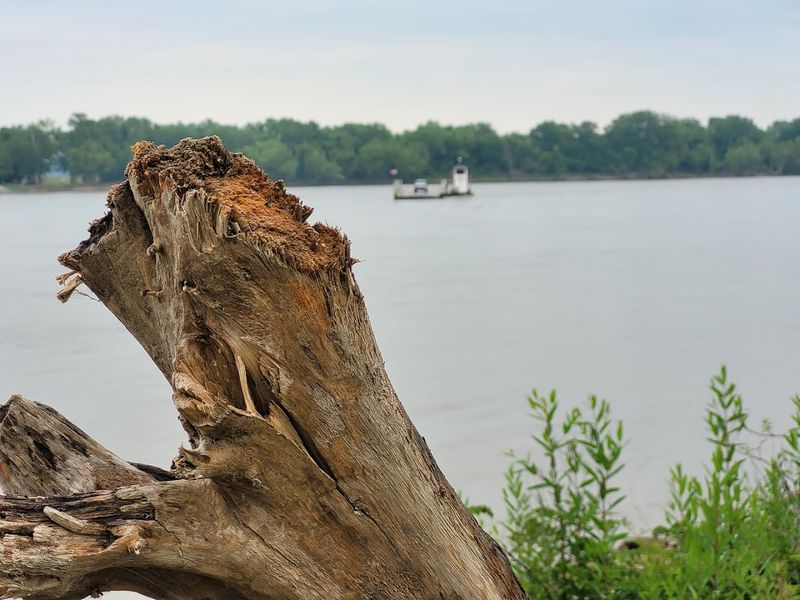
Just a short drive from Ste. Genevieve, Trail of Tears State Park sits near Cape Girardeau and stands as one of the most visually dramatic parks in the entire Midwest.
The park overlooks the Mississippi River from towering limestone bluffs, and the views from the top are the kind that make you audibly gasp.
The park takes its name from the forced relocation of Native American nations in the 1830s, and that history is honored throughout the grounds with informative markers and a respectful tone.
Hiking here is genuinely rewarding. Trails wind through dense hardwood forest, along ridgelines, and down toward the river’s edge.
The terrain changes enough to keep every mile interesting.
Missouri’s natural landscape reaches a peak here in terms of sheer drama. The contrast between the high bluffs and the wide river below is something I kept returning to mentally for days after my visit.
Wildlife sightings are common, from deer moving through the understory to hawks riding thermals above the bluffs. The park is not crowded, which means you often get these moments entirely to yourself.
That kind of solitude is rare and worth protecting.
Hawn State Park Deserves Its Own Spotlight
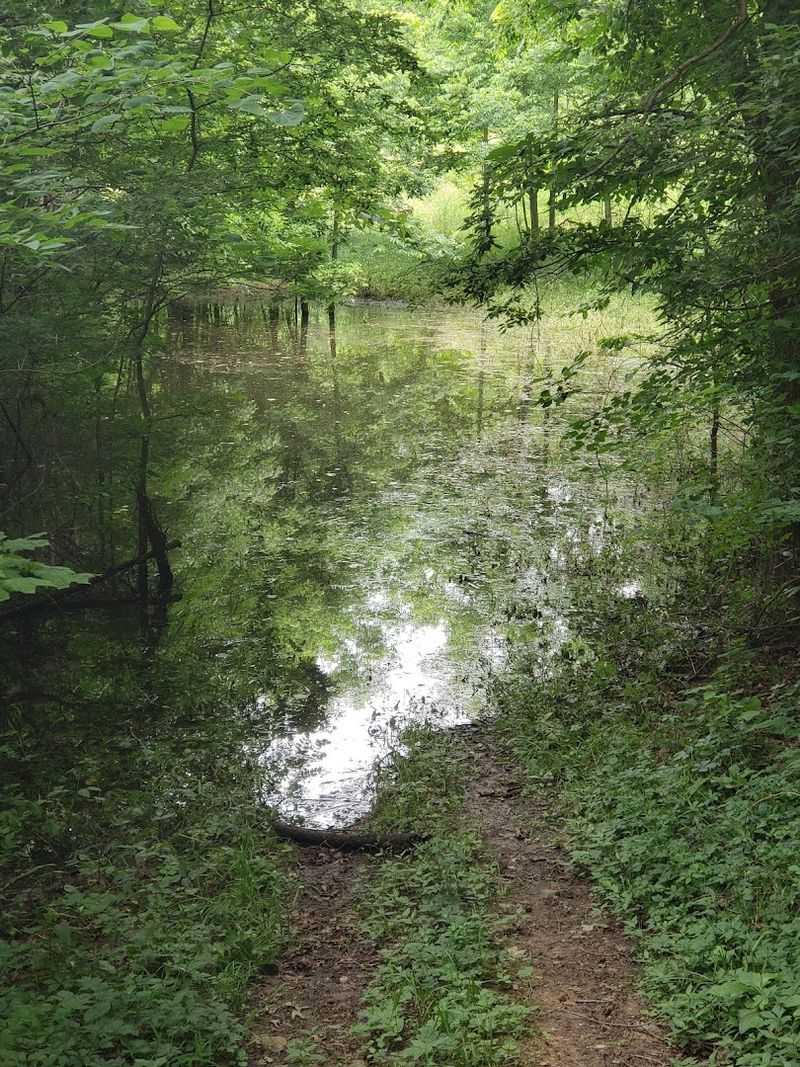
Hawn State Park is the jaw-dropping state park that puts Ste. Genevieve on the map for outdoor enthusiasts, and it is located just about 30 miles southwest of town.
The park covers over 5,000 acres of ozark landscape, pine and oak forest, sandstone glades, and clear flowing streams that look like they belong in a nature documentary.
The Pickle Creek Trail is a favorite for good reason. It winds along a spring-fed creek through a canyon of layered sandstone, with water so clear you can see every pebble on the bottom.
The color of the rock shifts from pale cream to deep rust depending on the light.
Longer routes like the Whispering Pine Trail take you deeper into the backcountry, where the forest grows dense and quiet and the only sounds are wind and water. Missouri wilderness does not get much better than this.
The park also has a campground, so spending a night under the stars here is very much an option. Waking up inside Hawn feels like a reset for the entire nervous system.
It is the kind of place that makes you wonder why you ever spent money on a plane ticket when this was always within driving distance.
French Creole Architecture Found Nowhere Else in America
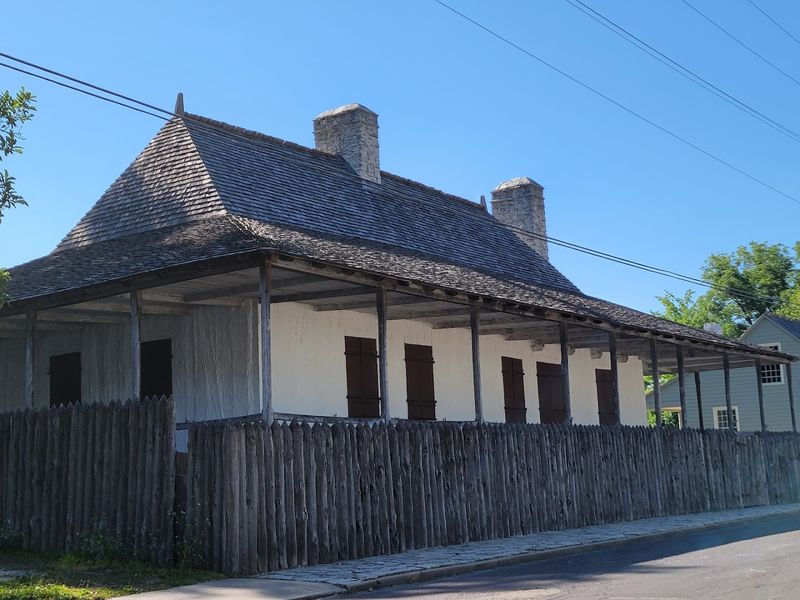
Architecture enthusiasts have a field day in Ste. Genevieve, and honestly, even people who do not think they care about buildings end up stopping to stare.
The French Creole style found here is almost completely unique in the United States, and several examples survive in genuinely impressive condition.
The construction technique called poteaux-en-terre involves setting vertical logs directly into the ground, a method brought over from French colonial building traditions.
It creates walls with a texture and rhythm that look nothing like the horizontal log cabins most people associate with early American history.
The Bolduc House, one of the oldest and best-preserved examples, sits right in the historic district and is open for tours. Its massive hipped roof and surrounding palisade fence give it a fortress-like presence despite its modest size.
Missouri has worked hard to protect these structures, and the effort shows. Walking the historic district feels like moving through a living architectural museum, except there are no velvet ropes and no admission booths at every corner.
The buildings are part of the town’s fabric, not separate from it. That integration is what makes Ste.
Genevieve feel so authentically historic rather than performatively so.
The Ste. Genevieve National Historical Park Experience
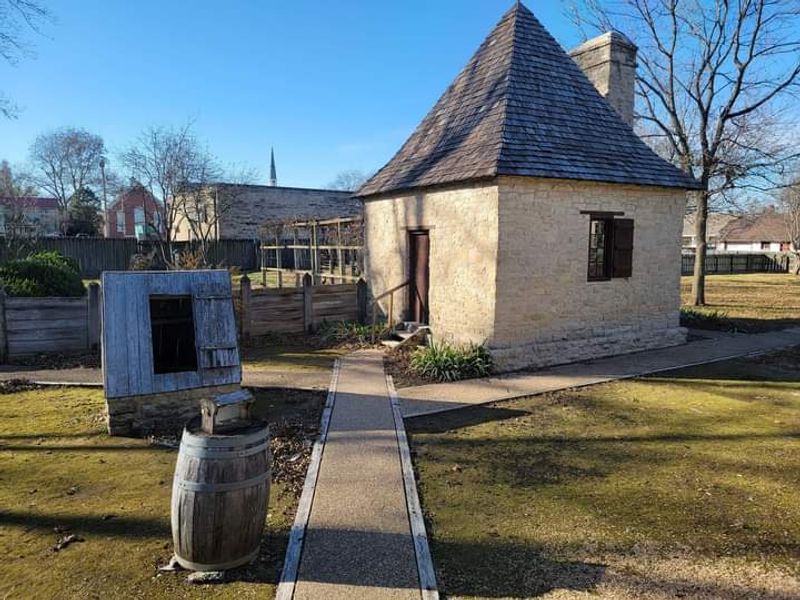
In 2018, Ste. Genevieve was designated a National Historical Park by the National Park Service, which was a long-overdue recognition of just how significant this place is.
The park encompasses multiple historic structures spread throughout the town, making the entire downtown feel like one continuous historic experience.
The visitor center is a great starting point. Rangers are knowledgeable and genuinely enthusiastic about sharing the town’s layered history, from its French colonial origins through the American period and beyond.
The interpretive exhibits are well-designed and easy to follow.
What makes this national park different from most is its setting within an active, lived-in community. You are not walking through a roped-off museum.
You are walking through someone’s neighborhood, past homes and businesses that happen to be centuries old.
Missouri earning a National Historical Park designation here was a big deal for the state, and the town wears that recognition with quiet pride rather than loud commercialism.
Guided tours are available and worth the time, especially if you want to understand the connections between the various sites. The stories that link these buildings together are far more interesting than any single structure on its own.
Local Food Culture Rooted in Real Tradition
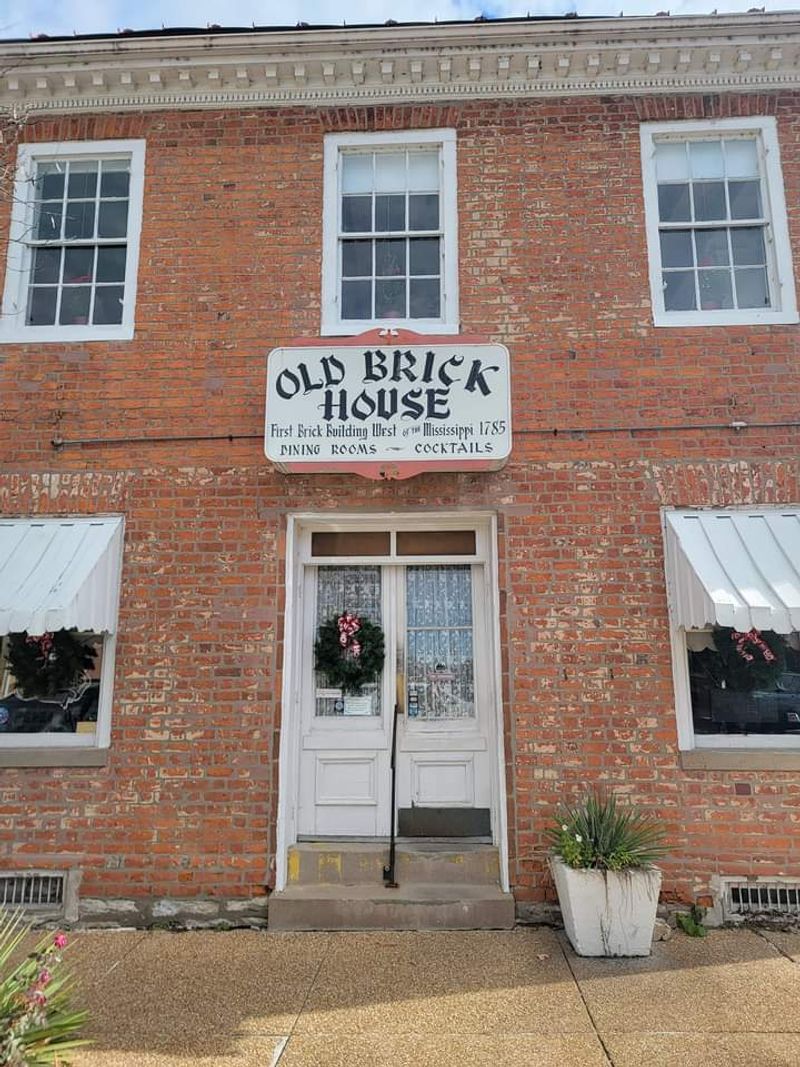
Eating in Ste. Genevieve is a genuinely pleasant experience, and the food scene here is rooted in Midwestern comfort rather than trendy reinvention.
The restaurants in town lean into hearty, satisfying meals that feel appropriate after a long day of hiking or exploring historic sites.
Local spots serve up classics like catfish, pork tenderloin sandwiches, and slow-cooked barbecue that reflect the region’s agricultural roots. The portions are generous, and the atmosphere in most places is relaxed and welcoming.
There is something refreshing about eating in a town where the focus is on feeding people well rather than impressing them with presentation. The food here has character because it comes from somewhere real.
Some of the older establishments in town have been serving the same recipes for generations, and you can taste that continuity. It is not nostalgia for its own sake.
It is just good cooking that has stood the test of time.
Missouri’s river towns have always had a strong food culture tied to the land and water around them, and Ste. Genevieve carries that tradition forward with unpretentious confidence.
A meal here feels like part of the place, not just fuel for the next activity.
Annual Jour de Fete Celebration and Community Spirit
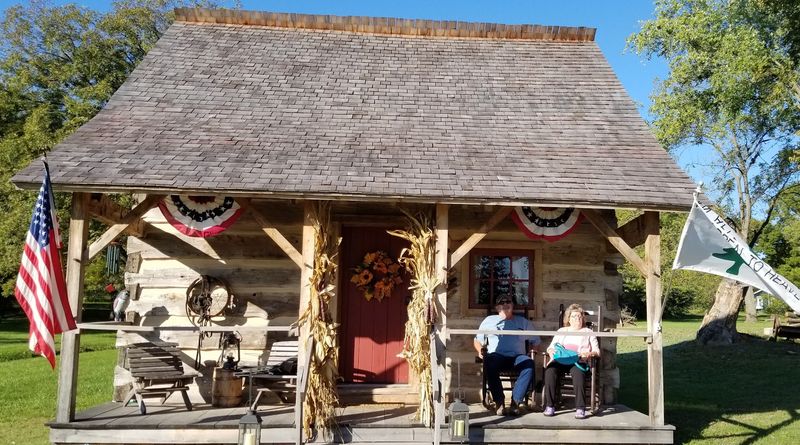
Every August, Ste. Genevieve hosts Jour de Fete, one of Missouri’s longest-running and most beloved street festivals.
The name translates roughly to “Day of Celebration” in French, which gives you a sense of the town’s ongoing connection to its French colonial roots.
The festival fills the historic downtown with artisan vendors, live music, food booths, and a general atmosphere of community pride that is genuinely infectious. People come from across Missouri and neighboring states to be part of it.
What sets Jour de Fete apart from generic summer fairs is its sense of place. Everything about the event feels tied to the town’s specific identity rather than being a generic weekend market dropped into any location.
The historic buildings serve as a backdrop that no other festival in the region can replicate. Walking between vendor tents with 18th-century architecture on both sides creates a visual experience that is hard to describe and easy to appreciate.
Even outside of festival season, the community spirit in Ste. Genevieve is palpable.
The town has a pride in its heritage that shows up in how well the historic district is maintained and how warmly the place welcomes curious visitors year-round.
Sainte Genevieve Catholic Church and Its Enduring Presence
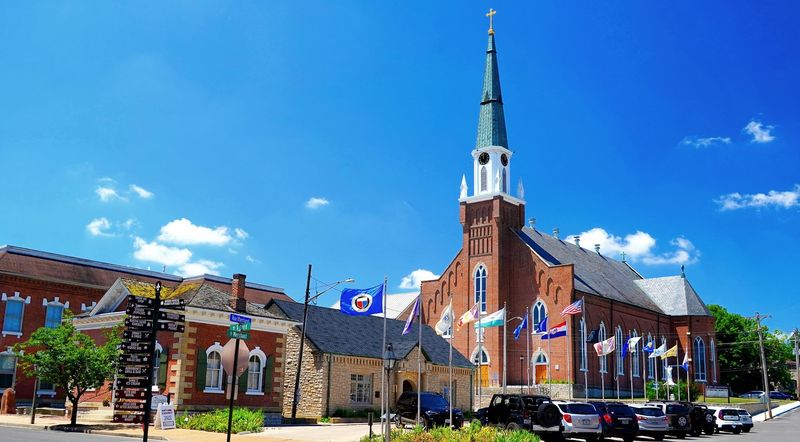
Faith has always been central to life in Ste. Genevieve, and the Sainte Genevieve Catholic Church stands as one of the most visible reminders of that.
The current church building dates to the 19th century, but a Catholic parish has been present in this town since its earliest French colonial days.
The architecture is striking from the outside, with a clean white facade and a steeple that anchors the town’s skyline. Inside, the space is quiet and ornate, with stained glass and woodwork that speak to generations of craftsmanship and care.
The church is still an active parish, which means it is a living institution rather than just a historic artifact. That ongoing vitality gives it a different energy than a preserved building that exists only for tourists.
Missouri has many beautiful old churches, but few with the depth of continuous history found here. The parish records stretch back centuries and represent one of the most complete archives of early American Catholic life in the country.
Standing in front of it on a quiet morning, the town feels like it has always known exactly what it is. That kind of rootedness is increasingly rare, and it is one of the things that makes Ste.
Genevieve so compelling to visit.
Best Times to Visit and Practical Tips for Planning
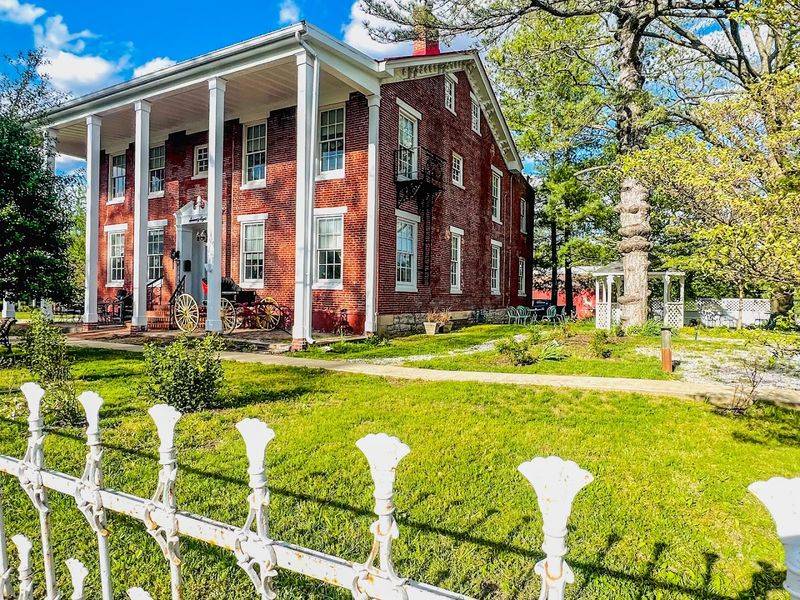
Spring and autumn are the sweet spots for visiting Ste. Genevieve, Missouri.
In spring, the surrounding countryside turns green almost overnight, and the temperatures are comfortable enough for long days of hiking and walking without the heavy humidity of summer.
Autumn is arguably the best season of all. The hardwood forests around Hawn State Park and Trail of Tears State Park put on a color display that rivals anything you will find in New England, and the smaller crowds make the experience feel personal rather than performative.
Summer brings the Jour de Fete festival and longer daylight hours, but the Missouri heat and humidity can be intense in July and August. Arriving early in the morning helps a lot, especially for outdoor activities.
The town is compact and very walkable. Parking near the historic district is easy to find, and most of the major sites are within a few blocks of each other.
A comfortable pair of shoes will take you a long way here.
Plan at least a full day for the town itself and another full day for the state parks nearby. Two days feels right, but three days lets you slow down and actually absorb what makes this corner of Missouri so quietly extraordinary.
Why Ste. Genevieve Stays With You Long After You Leave
Some places are impressive in the moment and fade quickly from memory. Ste.
Genevieve is not one of those places. The town has a way of settling into your thoughts and staying there, surfacing at odd moments when you least expect it.
Part of that staying power comes from the layered quality of the experience. History, nature, architecture, food, and community all exist here in proportion, without any single element overwhelming the others.
That balance is hard to manufacture and impossible to fake.
Missouri has a lot of places worth visiting, but Ste. Genevieve operates on a different frequency.
It is not trying to compete with bigger destinations. It is simply being itself, and that confidence is magnetic.
The combination of Hawn State Park’s raw natural beauty and the town’s centuries-deep cultural heritage creates a travel experience that feels genuinely complete. You leave having used your eyes, your legs, your curiosity, and your appetite.
If you have been looking for a destination that rewards slow travel and genuine curiosity, this small town along the Mississippi River is ready for you. The Midwest has been keeping this one close to its chest for a long time, and it is well worth the discovery.
