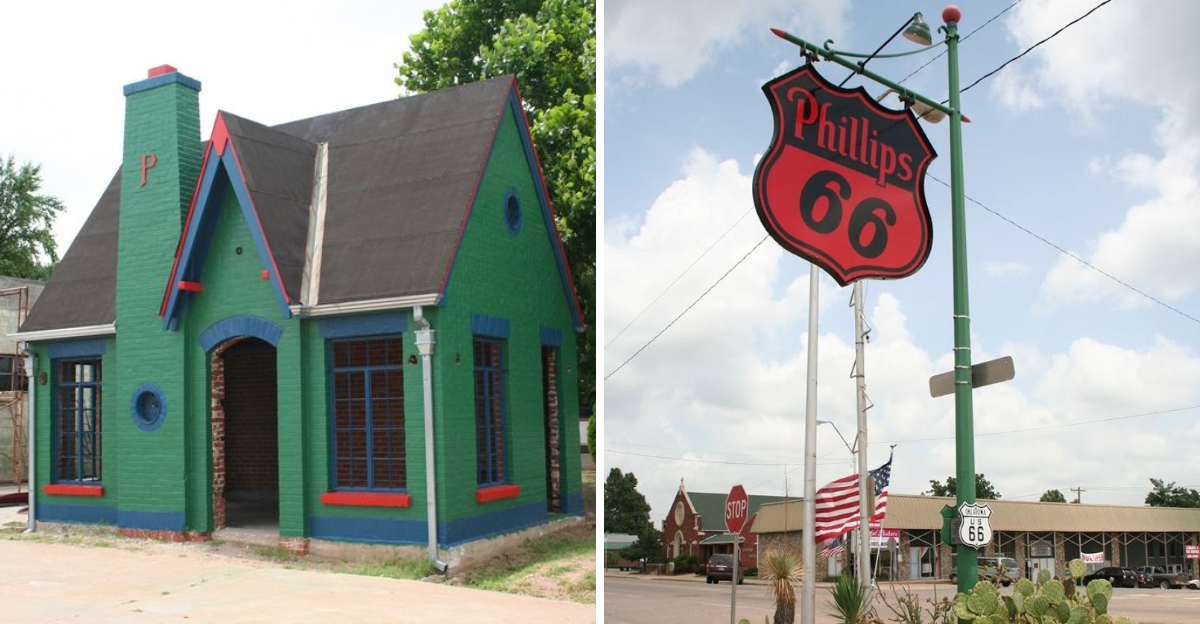
I’ve driven through plenty of small towns that blur together after a while. Chandler didn’t.
The moment I rolled into town along U.S. Route 66, something about it made me slow down.
Not because it was flashy, but because it felt authentic. With fewer than 3,000 people, Chandler carries its history right out in the open.
Brick storefronts, old signs, wide streets that seem built for a different era of travel. I could almost picture classic cars cruising through during the golden age of the Mother Road, travelers pulling over for pie and a tank of gas before heading west.
It’s not a recreated version of the past. It’s the real thing, still standing, still welcoming anyone willing to take the exit and look around.
The Route 66 Vibe That Hits You the Moment You Arrive
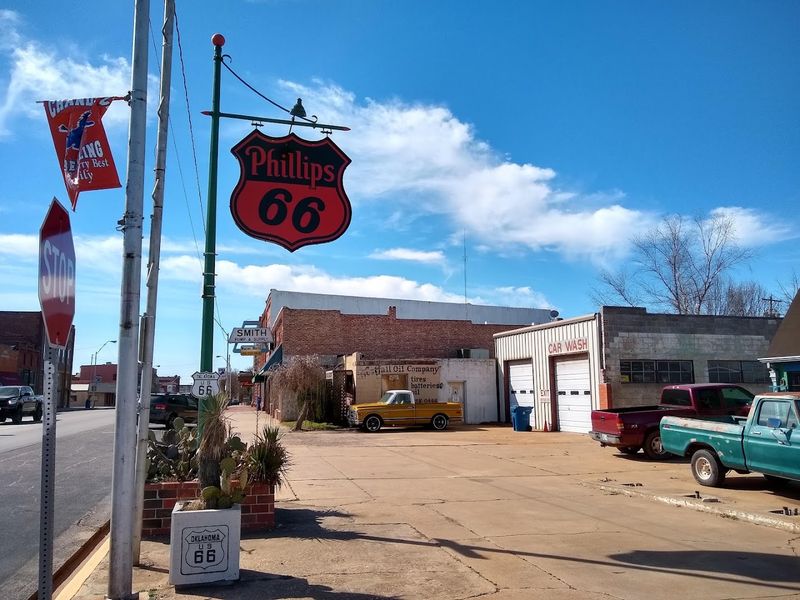
Nobody warns you about the feeling you get when you first roll into Chandler on old Route 66. It’s not dramatic in the way big cities are dramatic.
It’s quieter than that, and somehow more powerful.
The original alignment of Route 66 runs right through the heart of town, and you can feel it in the way the road bends, the way the buildings lean in close to the street, and the way everything seems to slow down just a little.
This stretch of highway was once the main artery connecting Chicago to Los Angeles, and Chandler was one of the towns that kept travelers fed, fueled, and rested along the way.
Walking or driving through that stretch today, you can almost hear the ghost of a 1950s radio playing through a rolled-down car window. The architecture still carries the bones of that era.
Brick storefronts, wide sidewalks, and signs that look like they haven’t changed in decades all add up to something that feels less like a tourist attraction and more like a genuine time capsule.
Chandler doesn’t perform its history for you. It just lives it, quietly and without apology.
That’s what makes arriving here feel so unexpectedly moving.
The Phillips 66 Station That Became a Legend
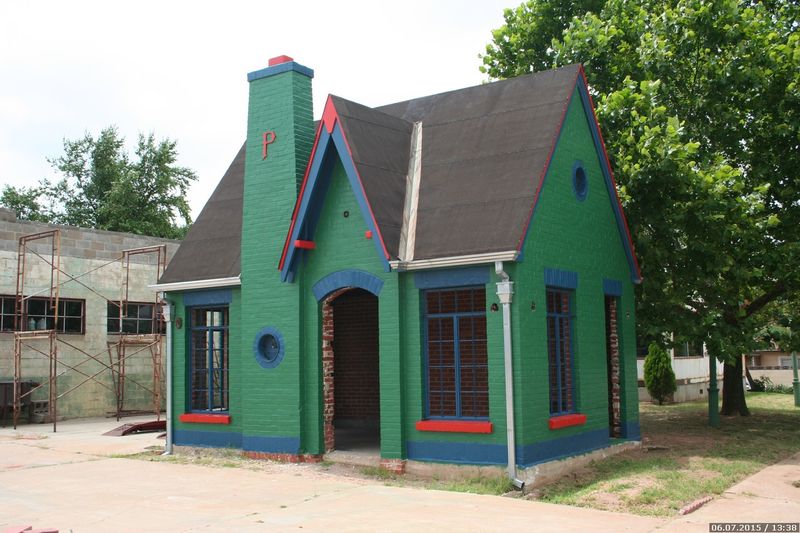
If there is one building in Chandler that makes people stop their cars and grab their cameras, it’s the restored Phillips 66 station on Route 66. Built in 1929, this little structure is one of the best-preserved examples of the cottage-style gas stations that once dotted the Mother Road from one end to the other.
The design is charmingly modest. A small peaked roof, brick walls, and a layout that looks more like a tiny house than a service station.
That was actually the point back in the day. Station designers wanted the buildings to blend into residential neighborhoods rather than stick out like industrial eyesores.
This particular station has been lovingly restored and is considered one of the most photographed spots along the entire Oklahoma stretch of Route 66. Standing in front of it, you get this strange and wonderful feeling that you’ve accidentally walked onto a film set, except everything around you is completely real.
It represents exactly the kind of small, easy-to-miss gem that makes road tripping Route 66 so rewarding. You could blink and drive past it.
But if you stop, even for five minutes, you’ll find yourself standing there much longer than you planned.
Downtown Chandler’s Brick Streets and Slow Pace
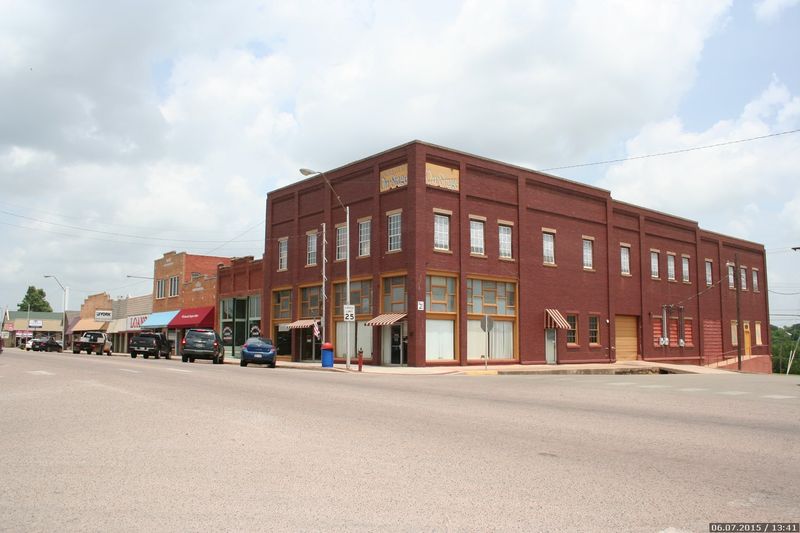
Downtown Chandler moves at its own pace, and honestly, that’s one of the best things about it. There’s no honking, no rushing crowds, no sense that you’re falling behind.
Just wide sidewalks, old brick buildings, and the kind of quiet that actually makes you breathe deeper.
The downtown area sits along the original Route 66 alignment, which means the commercial strip has a built-in character that newer towns simply can’t manufacture.
Many of the buildings date back to the early 1900s, and their facades still carry that sturdy, no-nonsense Prairie architecture that was popular throughout Oklahoma at the time.
Small local businesses fill the storefronts, giving the whole area a lived-in feeling rather than a preserved-for-tourists one. You’ll find the kind of places where someone behind the counter actually knows their neighbors and talks to you like a person instead of a transaction.
Strolling through downtown on a weekday morning is a surprisingly meditative experience. The light hits the old brick in a way that makes everything look slightly golden, and the silence between passing cars is long enough to feel intentional.
It’s the kind of downtown that reminds you what American small towns used to feel like before everything got homogenized and chain-store smooth.
The Lincoln County Courthouse That Anchors the Town
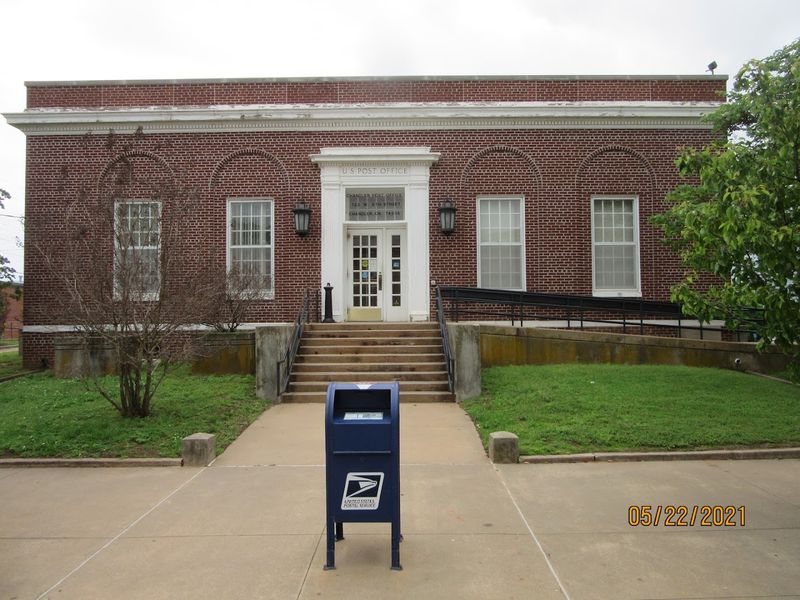
Right in the center of Chandler stands the Lincoln County Courthouse, and it commands attention in the best possible way. Built in 1930, the structure has that solid, authoritative look that public buildings from that era pulled off so effortlessly.
Stone facade, symmetrical windows, and a presence that says this place means business.
As the county seat of Lincoln County, Chandler has always been the administrative heart of the region, and the courthouse is the physical expression of that role. It’s been part of the town’s skyline for nearly a century, watching the street life change around it while remaining completely itself.
What’s interesting is that this building isn’t cordoned off behind velvet ropes or turned into a museum piece. It’s a functioning courthouse, which means the daily life of the community still flows through its doors.
That gives it an energy that purely decorative historical buildings often lack.
Standing on the lawn in front of it and looking back toward the Route 66 corridor, you get a clear sense of Chandler’s layout and its sense of civic identity. This is a town that takes its role seriously, even when everything around it is moving at a comfortable small-town crawl.
The courthouse is its anchor, and it wears that responsibility well.
Quirky Roadside Finds That Make You Pull Over
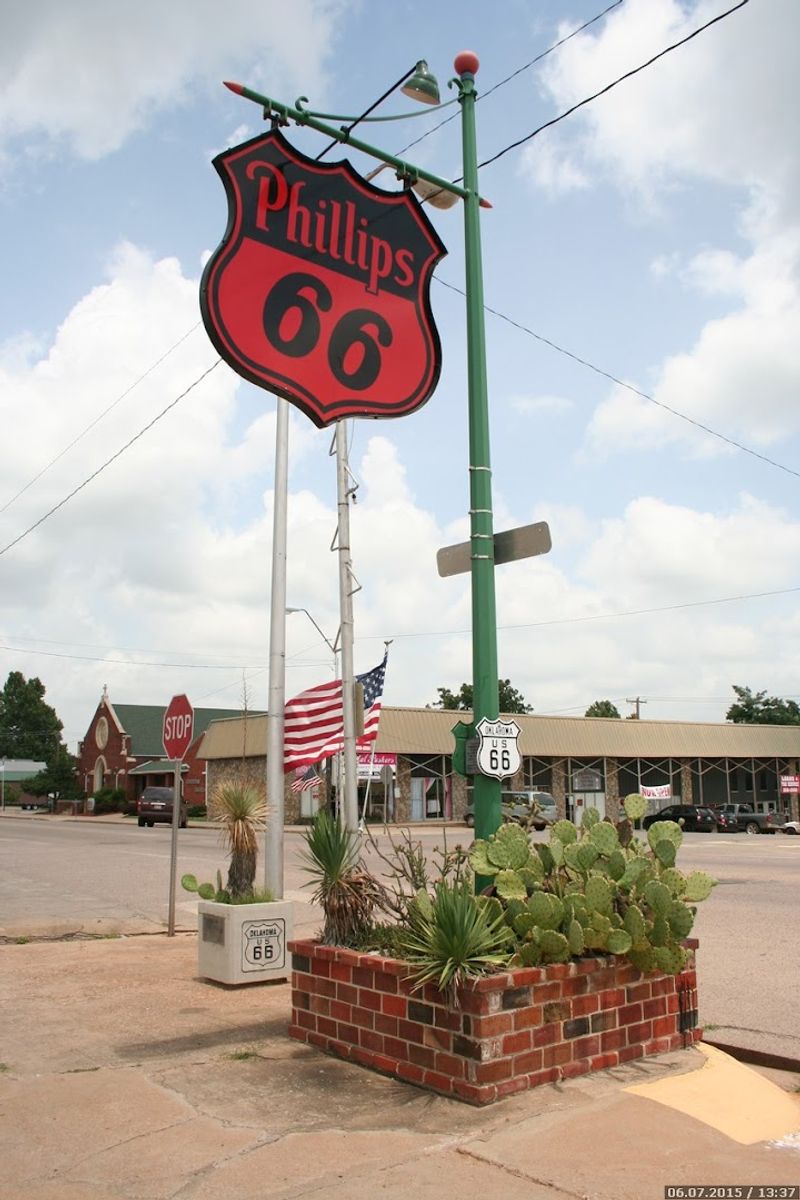
Route 66 has always been the spiritual home of the American roadside attraction, and Chandler contributes its fair share of the weird and wonderful to that tradition. This is a town where you learn pretty quickly to keep your eyes open and your foot near the brake.
Part of the fun of driving through Chandler is that you genuinely don’t know what you’re going to spot next. Old painted murals on brick walls, vintage signage that somehow survived decades of Oklahoma weather, and small installations that seem to exist purely to delight passing strangers.
Nobody put them there for a marketing campaign. They’re just there because someone thought they should be.
That spirit of playful, unpolished creativity is deeply woven into Route 66 culture, and Chandler carries it naturally. The town doesn’t take itself too seriously, which is a quality that’s far rarer and more valuable than it sounds.
Road trippers who stop here often end up spending twice as long as they planned because every block seems to offer something slightly unexpected. A painted window here, an old neon sign there, a hand-lettered message on a storefront that makes you laugh out loud.
Chandler rewards the slow traveler, the one who isn’t rushing to the next destination and is actually paying attention to the one they’re already in.
The Deeper Story of Route 66 and the Dust Bowl Era
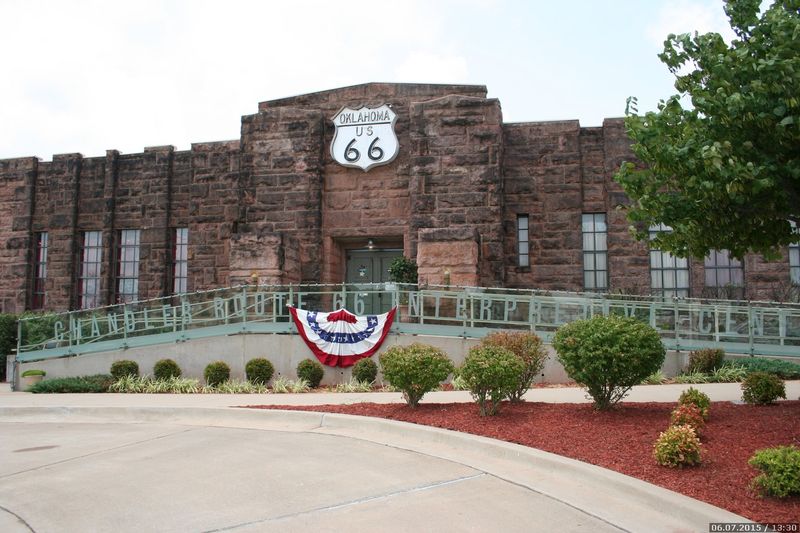
Chandler sits in a part of Oklahoma that lived through one of the most dramatic chapters in American history. During the 1930s Dust Bowl, Route 66 became the road of last resort for thousands of Oklahoma families heading west to California in search of a better life.
Chandler was right there in the middle of that migration.
Standing on the same stretch of asphalt today, knowing what it witnessed, gives the road a weight that a simple highway shouldn’t logically carry. But it does.
The history here isn’t decorative. It’s structural.
It’s in the bones of the town.
Local historical markers and the broader Route 66 museum network throughout Oklahoma help tell this story, and Chandler’s position on the route means visitors passing through are always within reach of context and meaning. The Mother Road wasn’t just about freedom and fun.
For many people, it was the road between desperation and hope.
Understanding that history changes how you see Chandler. The old buildings aren’t just charming relics.
They’re survivors of a period when this corridor was one of the most important stretches of road in the entire country. That’s a lot of history for a small town to carry, and Chandler carries it with quiet dignity.
Local Food That Tastes Like It Means It
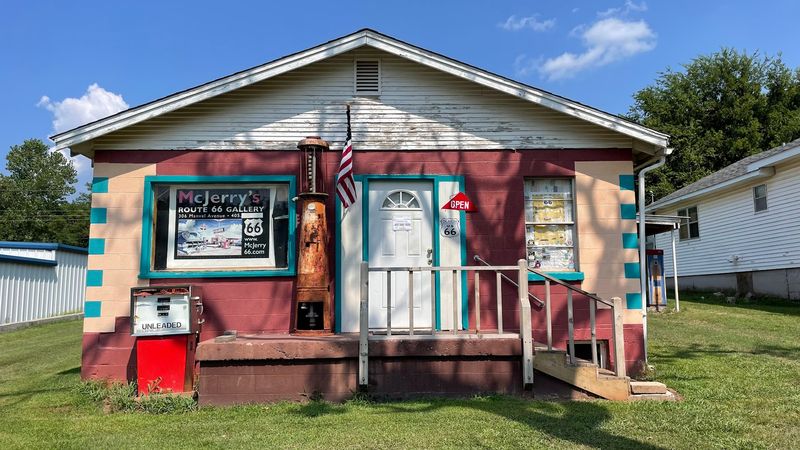
Small towns along Route 66 have a long tradition of feeding hungry travelers well, and Chandler keeps that tradition alive in the most unpretentious way possible. The food here isn’t trying to impress anyone.
It’s just good, honest cooking that fills you up and sends you back on the road feeling like a human being again.
Local diners and eateries in the area serve the kind of comfort food that Oklahoma does better than almost anywhere else. Think hearty portions, familiar flavors, and the kind of service where your coffee cup never seems to empty.
The atmosphere in these places is casual and warm, with the easy chatter of locals mixing with the occasional road tripper who wandered in and immediately felt at home.
Eating in Chandler is less about the food itself and more about the whole experience of sitting in a small room full of people who actually live there, overhearing conversations about local life, and realizing that the world is still full of places where things haven’t been optimized into blandness.
If you’re driving Route 66 and you skip the local spots in favor of a chain restaurant on the interstate, you’re genuinely missing the point of the whole trip. Chandler’s food scene is small, but it’s real, and real always wins.
The Surrounding Landscape That Sneaks Up on You
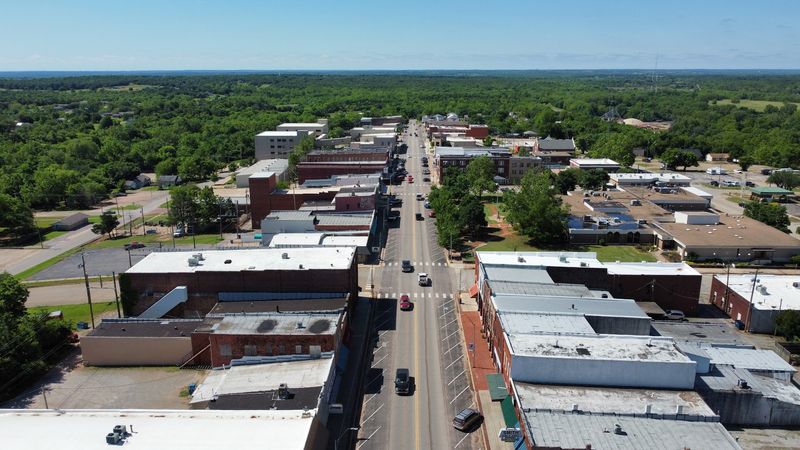
People don’t usually come to central Oklahoma for the scenery, and that’s exactly why it catches you off guard. The land around Chandler has a particular kind of beauty that takes a few minutes to register.
It’s not showy. It doesn’t announce itself.
But once your eyes adjust to its scale, you start to see it differently.
The rolling plains east of Oklahoma City have this quality of bigness that feels almost philosophical. The sky here is enormous.
On a clear day, you can see weather systems building on the horizon from what feels like a hundred miles away. Driving through this landscape with the windows down and nothing but open country around you is one of those experiences that quietly resets something inside you.
The area around Chandler also sits in a transitional zone between the drier western plains and the greener eastern woodlands of Oklahoma, which means the terrain has more variety than you might expect.
Patches of oak and cedar break up the grassland, and small creeks cut through the rolling hills in ways that surprise you when you come around a bend.
Route 66 was routed through this country for practical reasons, but the side effect is that driving it gives you a genuine feel for the land itself. Chandler is a good base for just pulling off the road and looking around.
The Community Spirit That Keeps Chandler Alive
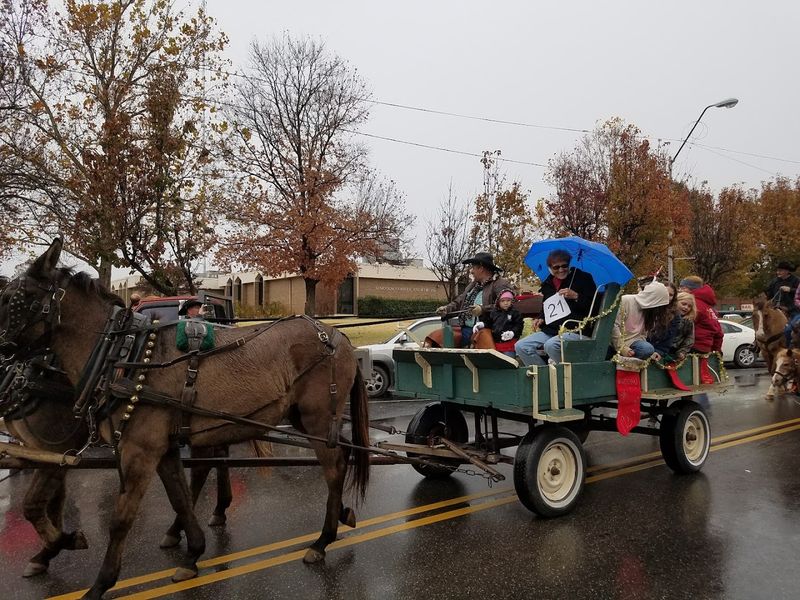
There’s a version of small-town America that exists mostly in nostalgia, and then there’s the real thing. Chandler is the real thing, with all the warmth and occasional quirkiness that comes with it.
The people here have a straightforward, unpretentious friendliness that doesn’t feel performed or coached.
You notice it in small ways. The way someone holds a door open longer than they need to.
The way locals at a diner counter will casually pull you into a conversation about nothing important and somehow make it feel like the best conversation you’ve had in weeks. The way a gas station attendant gives you genuinely useful directions instead of just pointing at their phone.
Chandler has the kind of community identity that comes from people actually knowing each other over long periods of time. Families here go back generations, and that shared history creates a social fabric that’s hard to describe but easy to feel when you’re in it.
The town hosts local events and celebrations throughout the year that draw the community together in ways that feel organic rather than manufactured. Being in Chandler during one of these moments, even as a passing stranger, gives you a small window into what it means to belong somewhere.
That’s not nothing. In fact, for a lot of travelers, it’s the whole point.
Why Chandler Belongs on Your Route 66 Road Trip List
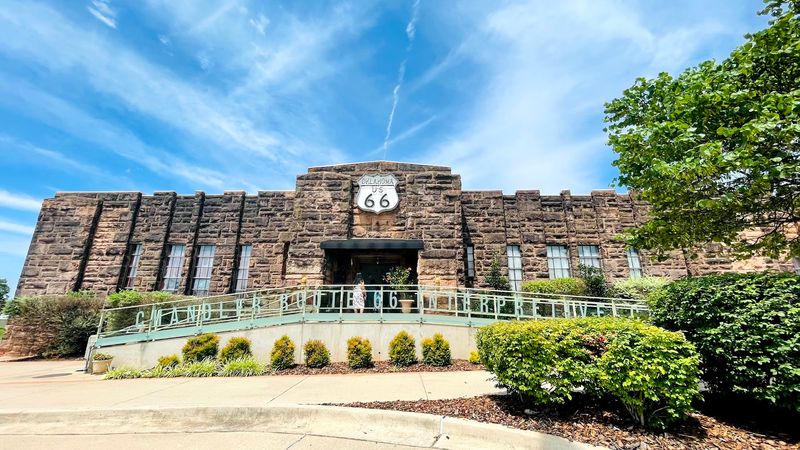
Road trips along Route 66 have a way of producing unexpected favorites, and Chandler is exactly the kind of place that ends up surprising people the most. It doesn’t have a massive museum or a world-famous landmark.
What it has is something harder to manufacture: genuine character.
The combination of preserved Route 66 architecture, a real working downtown, authentic local food, and a community that hasn’t lost its identity to tourism or development makes Chandler feel like a find rather than a destination. You don’t book a trip specifically to Chandler.
You stop there on the way somewhere else and then realize, somewhere between the old Phillips 66 station and your second cup of diner coffee, that this was actually the highlight.
For anyone driving the Oklahoma stretch of Route 66, skipping Chandler would be a quiet mistake. It’s not the loudest stop on the route, but it might be one of the most honest.
And honesty, on a road that has been mythologized as heavily as Route 66, is genuinely hard to come by.
Chandler, Oklahoma sits along historic Route 66 in Lincoln County, northeast of Oklahoma City. It’s the kind of place that proves you don’t need to be famous to be worth finding.
Dear Reader: This page may contain affiliate links which may earn a commission if you click through and make a purchase. Our independent journalism is not influenced by any advertiser or commercial initiative unless it is clearly marked as sponsored content. As travel products change, please be sure to reconfirm all details and stay up to date with current events to ensure a safe and successful trip.
