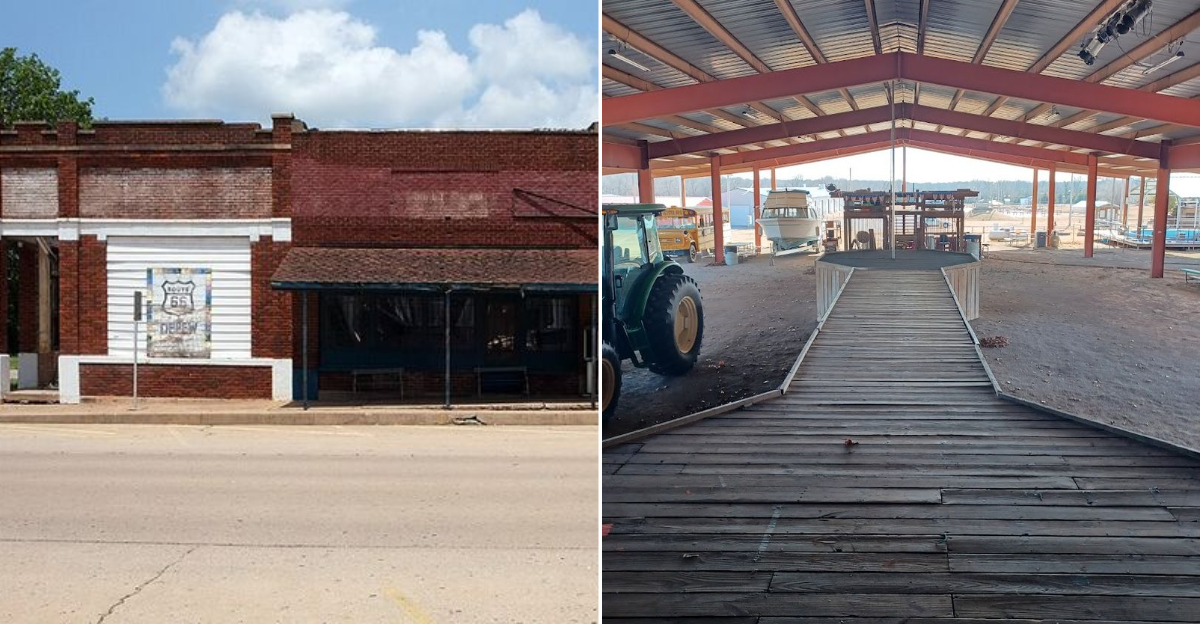
What happens when a highway decides to take a shortcut and leave a town behind? You get a place that time almost forgot.
A tiny community in Oklahoma became the first town on the Mother Road to be completely bypassed, just two years after the highway was even established.
The road used to swing right through downtown in a horseshoe shape, but in 1928, officials straightened it out, cutting out four sharp turns and two railroad crossings.
Traffic vanished. Businesses closed. The town clerk later said it “about destroyed the town”. Today, the old road still sits there, and you can walk the same pavement that travelers used to roll across.
The original gas station still stands, a quiet reminder of what was. It is a place where the past sits out in the open, and the story of a road that moved on is still waiting to be told.
The journey is part of the history, and the destination is a piece of the past that is still very much alive.
The Original Road Through Depew
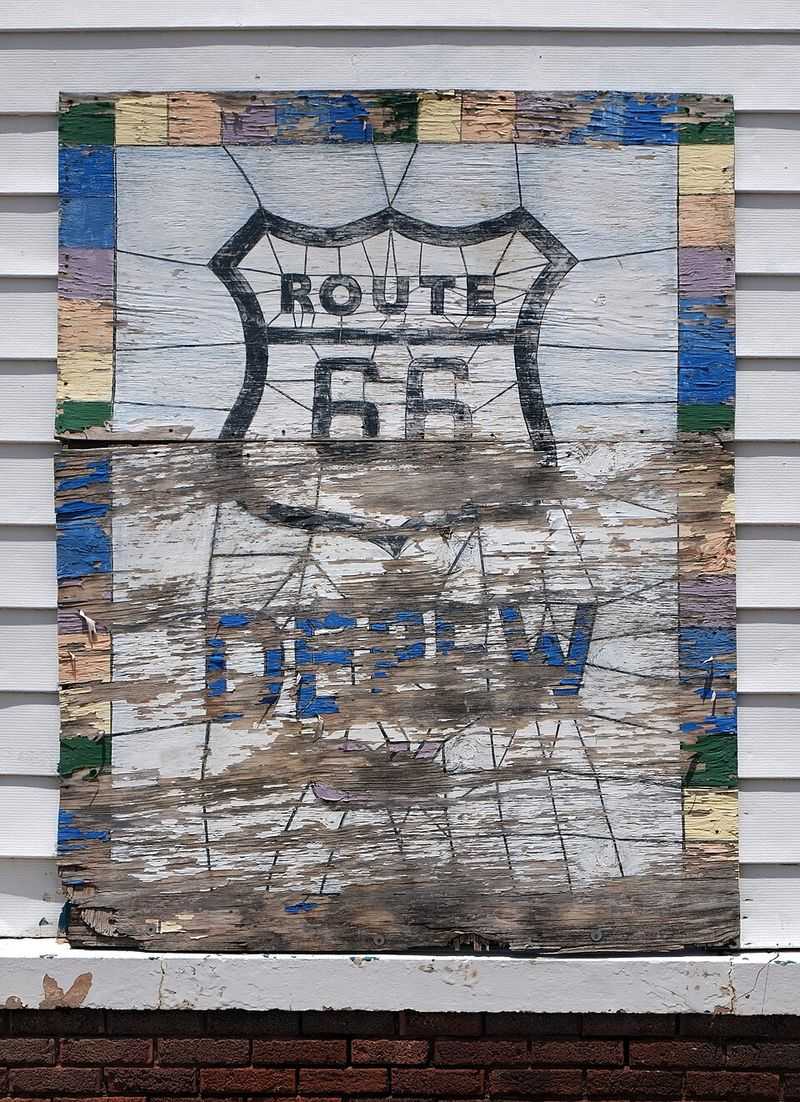
The first thing that got me in Depew was the road itself, because you are not just looking at an old street here, you are standing in the place where the Mother Road first slipped away from a town that had every reason to think it mattered. That story hits differently when the pavement is right under your feet and the blocks around you feel so calm.
You can almost sense how strange that change must have felt when the flow of travelers stopped running straight through town.
What I like about following the old alignment in Depew is that it does not feel staged for visitors, and that makes the experience land harder. The concrete and the curve of the street carry the memory quietly, which somehow feels more honest than a flashy museum display ever could.
If you are driving through Oklahoma and want to understand how a highway could reshape everyday life, this is where the lesson becomes real.
Walk it slowly, or roll through with the windows down, and let the place speak at its own pace. There is no big performance waiting for you, which is honestly part of the point.
Depew shows you that being left behind is still a story, and sometimes it tells the truth more clearly than all the places that stayed busy.
Main Street Storefronts
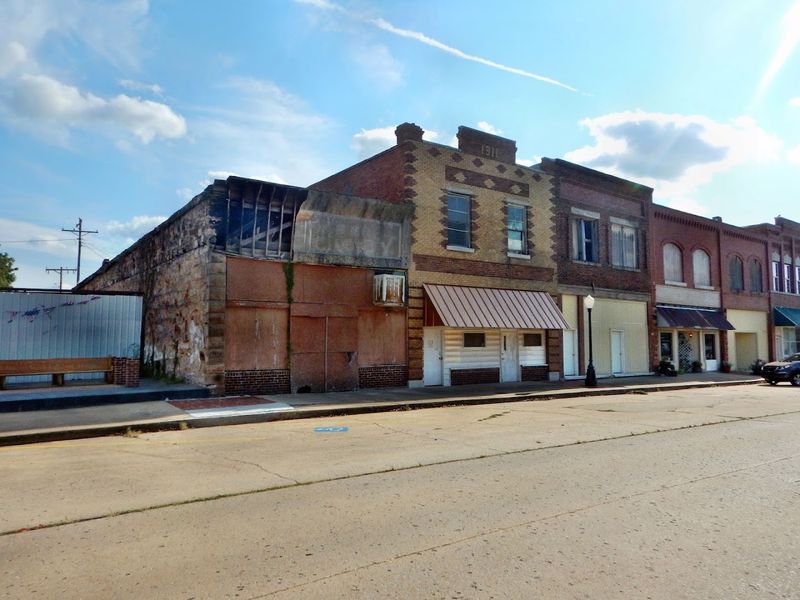
Main Street in Depew has that look that makes you stop talking for a second, because the buildings still carry themselves like they remember when the street was full and the doors kept swinging open all day. Nothing here feels polished up for effect, and I mean that in the best possible way.
The worn brick, the old facades, and the quiet stretch of sidewalk do more than enough on their own.
When you walk along this part of town, it feels less like checking off a sight and more like listening in on a conversation that never quite ended. I kept imagining travelers stepping out to stretch their legs, locals calling to each other, and the daily rhythm that used to hold the whole block together.
Oklahoma has plenty of places where history is explained to you, but here it mostly just stands there and lets you notice it.
That is what makes Depew stick with me, because Main Street does not try to charm you with forced nostalgia. It simply shows you what remains when a town keeps its posture after the traffic moves on.
If you like places that feel real before they feel interesting, this street will probably get under your skin a little, and I mean that kindly.
D’s Creations Gift Shop
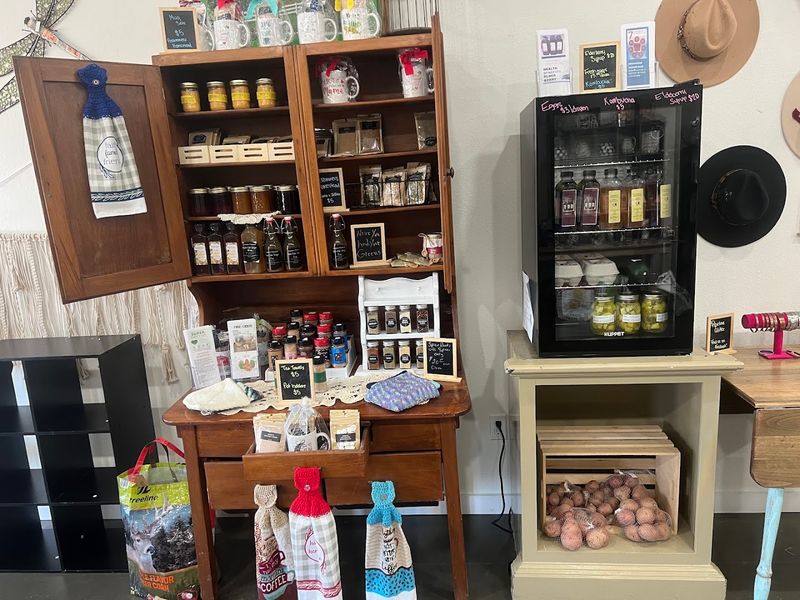
D’s Creations gives Depew a little spark of present-day life that fits the town better than some big reinvention ever could. I always like finding a place that feels local in a real way, and this shop does that without forcing anything.
It connects the old highway story to the people still here now, which honestly matters just as much as the nostalgia.
Inside a shop like this, you get a different kind of history lesson, because handmade things and local souvenirs usually tell you what a community wants to keep saying about itself. The Route 66 thread is there, of course, but so is Oklahoma pride and that small-town instinct to welcome visitors without making a fuss.
It feels warm, personal, and refreshingly unpolished in exactly the right way.
If you are driving through Depew and wondering where the town’s spirit shows up most clearly in the present tense, I would point you here without hesitation. It is not just about taking something home, even though you probably will want to.
It is about seeing that the story did not freeze when the highway moved, because places survive by adapting, and this shop is part of how Depew keeps talking back to the road.
Veterans Memorial On Main Street
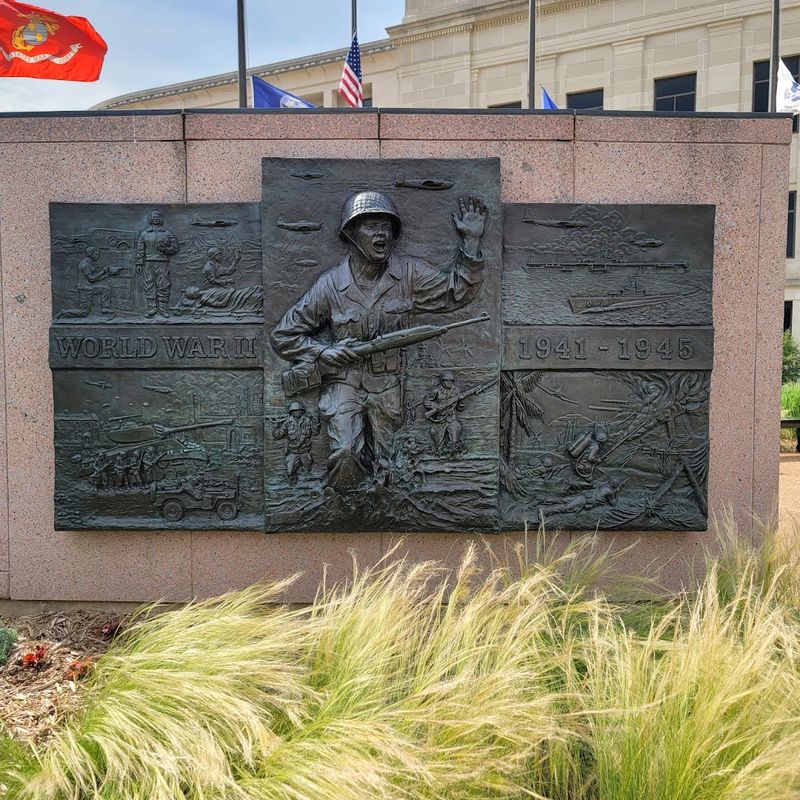
The Veterans Memorial on Main Street brings the whole mood of Depew into sharper focus, because it reminds you that this is not just a highway town with an interesting detour in its past. It is a community with memory, pride, and names that mean something to the people who live here.
That kind of place always feels more grounded to me than somewhere built only around a travel story.
I spent a quiet moment there, and it changed the pace of my visit in a good way. When you have been thinking about old roads, storefronts, and passing traffic, a memorial like this gently brings you back to the people who made the town what it is beyond the pavement.
In Oklahoma, these public spaces often carry a plainspoken dignity that says more than a long speech ever could.
What stays with me is how naturally the memorial fits Main Street, as if remembrance and daily life have always belonged side by side here. It does not interrupt the Route 66 story at all.
It deepens it, because every town along that road was never just a stop for outsiders, and Depew makes that truth especially easy to feel if you give this corner your full attention.
The Railroad Edge Of Town
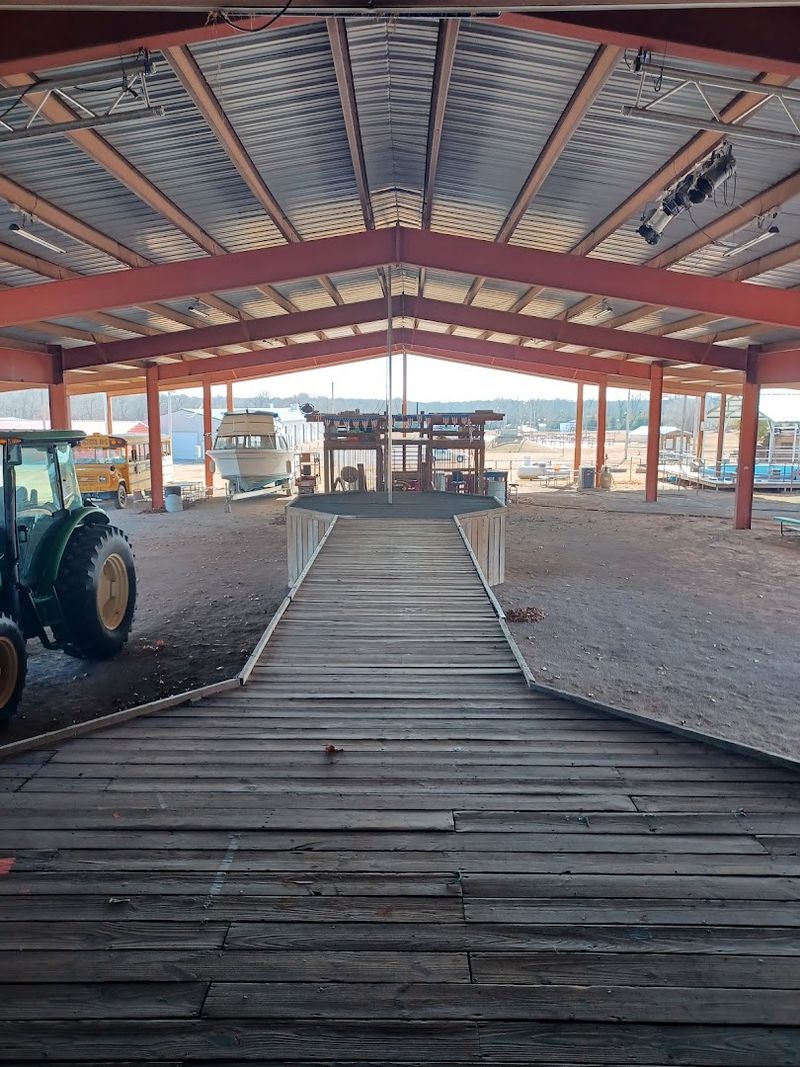
One of the most interesting parts of Depew sits out near the railroad, because the tracks help explain why the town existed as more than just a roadside pause. Before cars dominated everything, rail lines shaped where towns grew, where business clustered, and how people imagined their future.
You can feel that older layer still hanging around the edges of town if you pay attention.
I like standing near tracks in places like this because they widen the story beyond the Mother Road without pulling you away from it. Depew was never only about passing motorists, and the railroad makes that obvious in a hurry.
It connects the town to a broader Oklahoma history of movement, trade, waiting, and change, which gives the whole visit a little more depth than you might expect at first glance.
There is also something about the visual rhythm of rails, open land, and low buildings that fits Depew perfectly. Nothing about it feels dramatic, yet it all feels meaningful once you let the setting settle in.
If you are trying to understand how a tiny place could rise, shift, and hold onto itself after the highway moved, the railroad side of town quietly fills in a lot of that picture.
Old Oil Boom Buildings
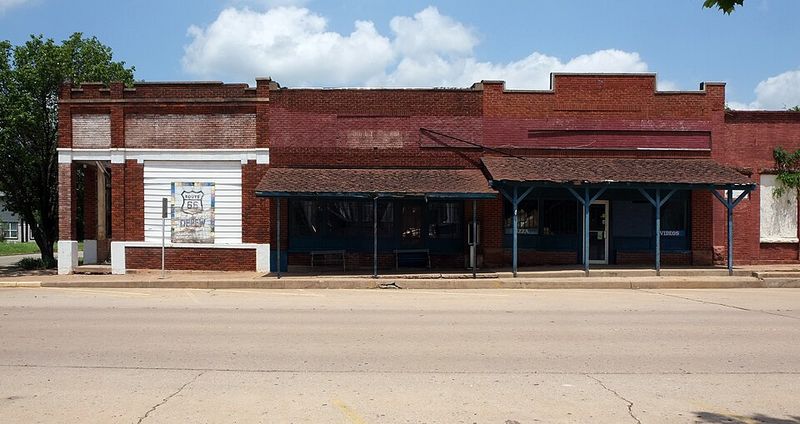
It is easy to visit Depew and think only about the famous road, but the town’s roots run deeper than that, and you can see it in the older buildings tied to its oil boom past. That earlier burst of growth gave the place a sturdier frame before the highway ever became the headline.
Once you know that, the streets start feeling layered instead of merely nostalgic.
I always appreciate when a town refuses to be reduced to a single chapter, and Depew definitely has more than one. The older commercial buildings hint at a time when opportunity arrived from beneath the ground as much as from the road out front.
In Oklahoma, that mix of oil history and highway history shows up in ways that can feel complicated, but here it comes across as deeply human and easy to read in the architecture.
As you look from one building to the next, you start noticing that the town’s resilience did not begin when traffic left. It was already there in the way people built, worked, and imagined a future for this small place.
That makes Depew more interesting to me, because it stops being a simple bypass story and starts feeling like a community that has been adjusting to change for a very long time.
Quiet Blocks Beyond Main Street
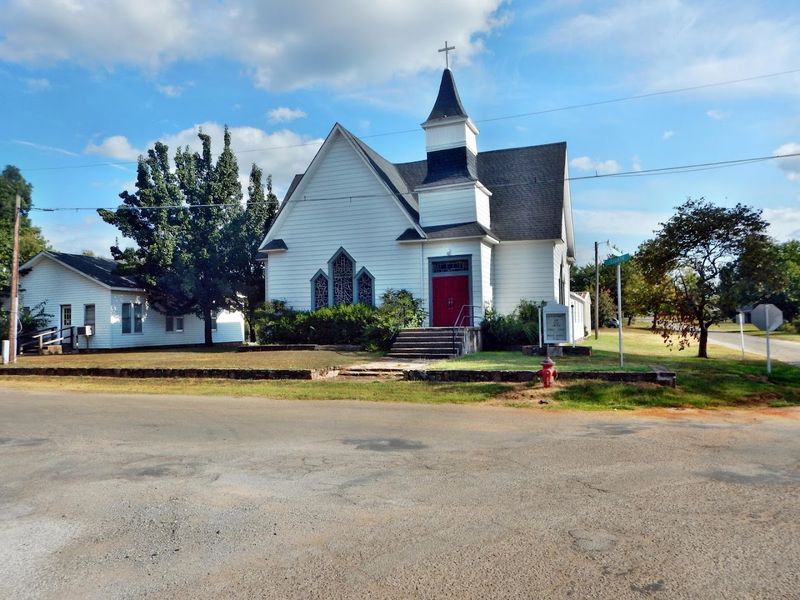
Honestly, some of my favorite moments in Depew happened after I drifted away from Main Street and wandered the quieter blocks nearby. That is where the town stops feeling like a history lesson and starts feeling like a lived-in place with its own pace, habits, and long memory.
The side streets, modest homes, and open sky give everything room to breathe.
There is a kind of stillness here that does not feel empty to me, and that is an important difference. You notice how the town sits in the landscape, how the streets open toward the plains, and how everyday life continues even with the old highway story hanging in the background.
If you have spent much time in small-town Oklahoma, you will probably recognize that mix of endurance and understatement right away.
Ending a visit on these quieter blocks just feels right, because Depew is not only about what was lost when the road shifted. It is also about what remained, what adapted, and what still feels rooted even after the spotlight moved elsewhere.
That is why this town stays with you, because the real takeaway is not grand or dramatic at all, and somehow that makes it hit even harder.
