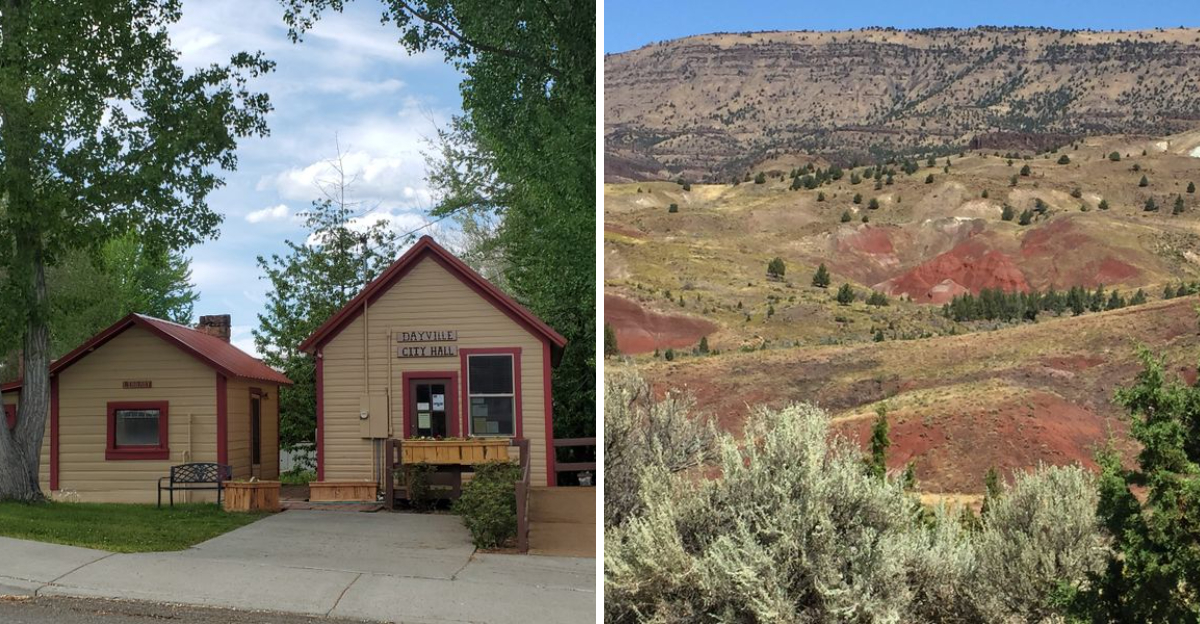
Dayville sits along U.S. Route 26 in Grant County, a speck on the map with fewer than 150 residents and a pace that feels borrowed from another century.
This eastern Oregon outpost isn’t trying to compete with bustling cities or tourist hotspots. Instead, it offers something increasingly rare: genuine quiet, wide-open landscapes, and the kind of small-town hospitality that makes strangers feel like neighbors within minutes.
What draws visitors to this remote corner of the state? Ancient fossils waiting to be discovered, starry skies unmarred by light pollution, and proximity to some of Oregon’s most stunning natural wonders.
I found myself charmed by the simplicity of it all during my visit, the way time seemed to stretch and breathe in ways it never does back home.
Whether you’re a rockhound hunting for prehistoric treasures or simply craving a break from screens and schedules, Dayville delivers an experience that feels refreshingly unhurried and wonderfully authentic.
Ancient Landscapes Preserved in Stone
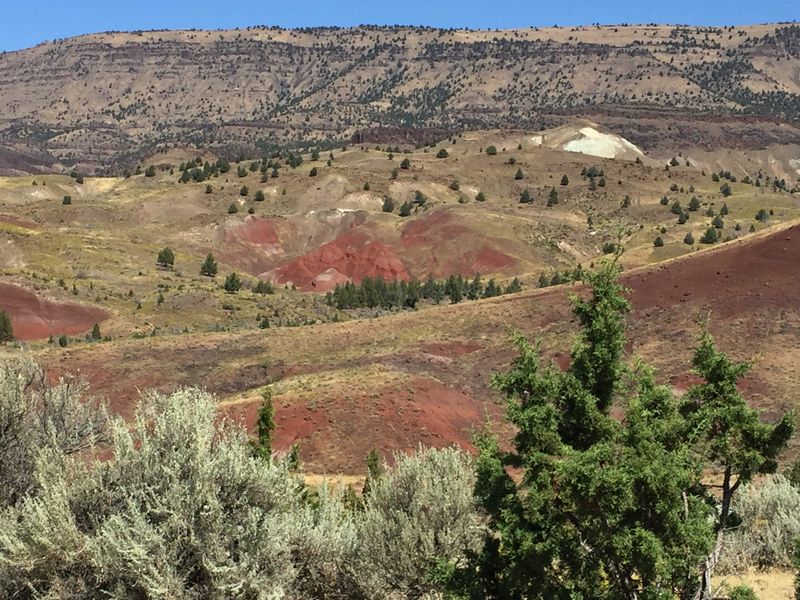
Millions of years of geological history lie exposed across the landscapes surrounding Dayville, making this region one of North America’s premier destinations for paleontology enthusiasts. The John Day Fossil Beds stretch across this part of Oregon, preserving an extraordinary record of plant and animal life spanning over 40 million years.
Walking these trails feels like stepping into a natural history museum without walls. I spent hours examining the colorful layers of ash and sediment, each stripe representing a different epoch in Earth’s story.
The fossils found here include ancient horses, saber-toothed cats, and plants that thrived when this desert was a lush forest.
What makes this area special is the accessibility of the science. Rangers and interpretive signs help visitors understand what they’re seeing, transforming a hike into an educational adventure.
The preservation quality is remarkable, with some fossils retaining incredible detail after eons buried beneath volcanic ash.
For anyone fascinated by deep time and the evolution of life on our planet, these ancient landscapes offer tangible connections to worlds long vanished. The experience changed how I think about the ground beneath my feet everywhere I go.
Hands-On Fossil Discovery Adventures
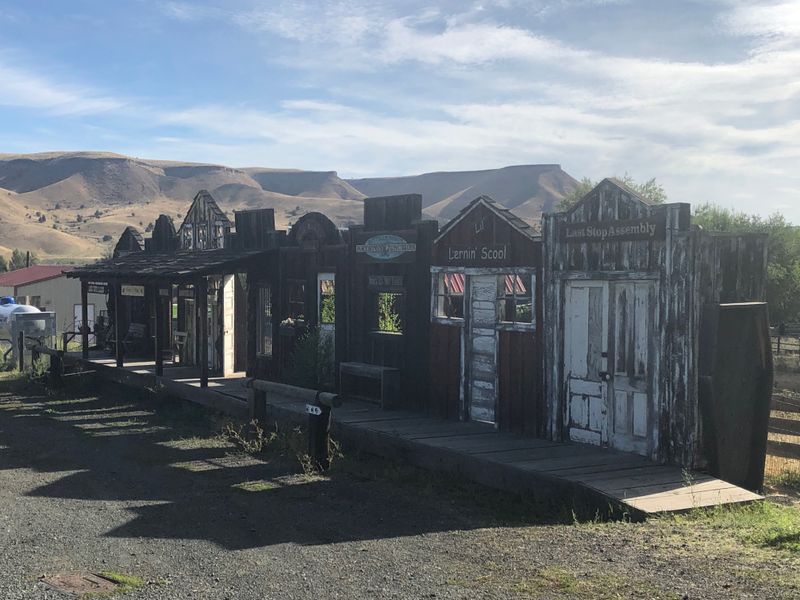
Few places let you legally dig for and keep actual fossils, but the public fossil beds near Wheeler High School in nearby Fossil, Oregon offer exactly that opportunity. I grabbed a small shovel and bucket, feeling like a kid on a treasure hunt, and within an hour had collected several leaf impressions millions of years old.
The fossil beds are free to access and require no special permits for casual collecting. You’ll find mostly plant fossils, including beautifully preserved leaves, seeds, and wood from species that no longer exist.
The thrill of splitting open a rock and being the first person to see that ancient leaf after 30 million years creates an unforgettable connection to the past.
Local volunteers often staff the site during busy seasons, offering tips on where to dig and how to identify your finds. They share stories about rare discoveries and help visitors understand the significance of what they’re uncovering.
Bring water, sun protection, and sturdy shoes, as the high desert environment can be harsh.
This hands-on experience makes paleontology accessible and exciting for all ages, transforming abstract geological concepts into tangible souvenirs you can take home and treasure.
Gateway to Oregon’s Painted Wonders
Just a short drive from Dayville, the Painted Hills rise from the high desert like something from another planet. These hills display bands of red, gold, black, and tan, their colors shifting with the light and weather conditions.
I visited at sunset and watched the landscape transform, the reds deepening to crimson while the gold bands seemed to glow from within.
These stunning formations represent different periods of volcanic activity and climate change over millions of years. Each color tells a story: red layers formed in warm, humid conditions, while black bands indicate ancient swamps rich in organic matter.
The geological artistry is so striking that the Painted Hills are recognized as one of Oregon’s Seven Wonders.
Several short trails let you explore up close without damaging the fragile landscape. The boardwalk trail at the overlook offers spectacular views and interpretive signs explaining the science behind the beauty.
Early morning and late afternoon provide the most dramatic lighting for photography.
Using Dayville as your base camp means you can visit multiple times during your stay, catching the hills in different moods and lighting conditions. Each visit reveals new details and perspectives on these ancient, painted landscapes.
Genuine Small-Town Hospitality
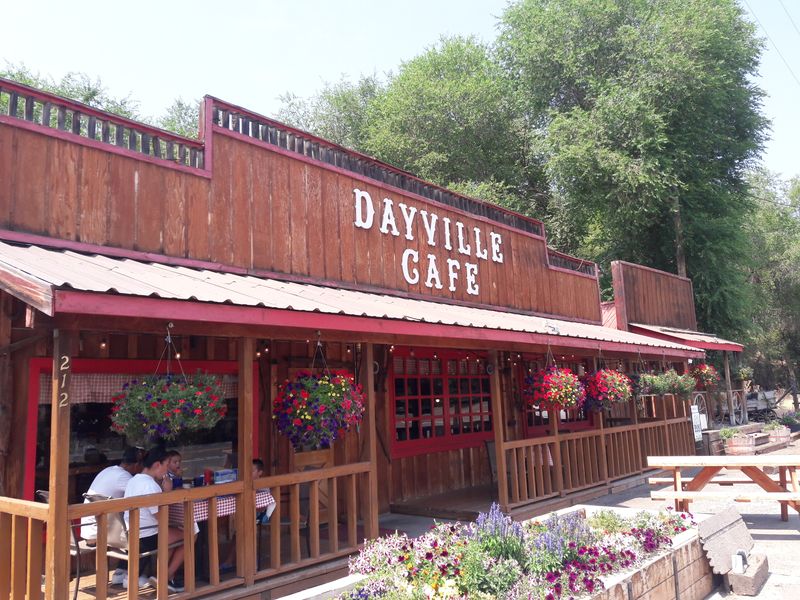
Population 149 means everyone knows everyone in Dayville, and visitors quickly discover what true community feels like. During my stay, I was greeted by name after just one day, invited to hear local stories, and offered recommendations that you’d never find in any guidebook.
The pace here moves according to conversations rather than clocks. People take time to chat, ask where you’re from, and genuinely care about the answer.
I found this refreshing after months of rushed interactions and digital communication back home. There’s something healing about being recognized as a person rather than a transaction.
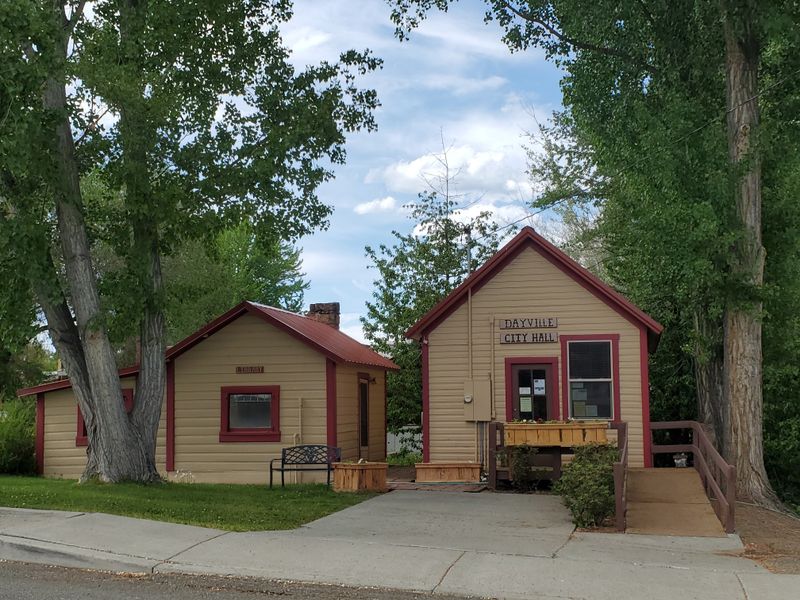
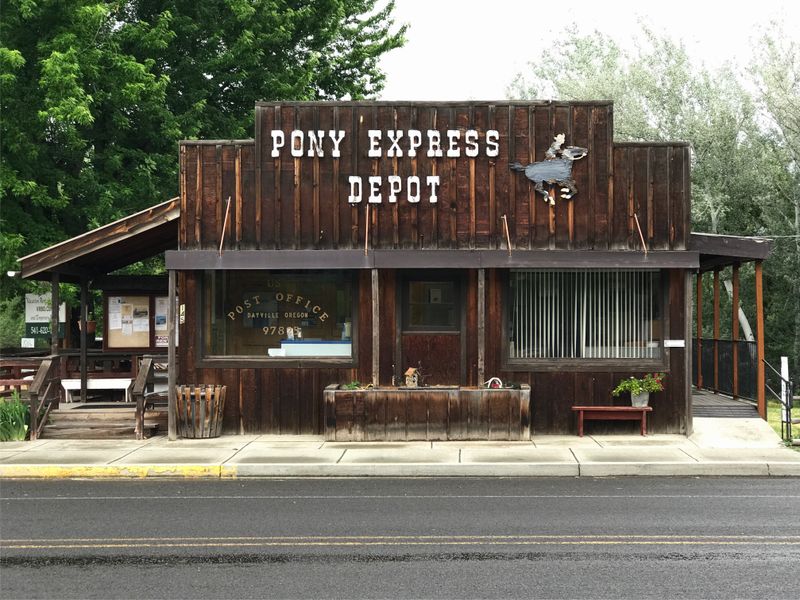
Local businesses operate on trust and handshakes. The few services available, from the post office to the small cafe, function as community gathering spots where information flows and relationships deepen.
I learned more about the region’s history and hidden gems from casual conversations than from any tourist material.
This warmth isn’t manufactured for visitors; it’s simply how life works in places where neighbors depend on each other. The welcome feels authentic because it is.
You leave feeling less like a tourist and more like a temporary member of an extended family that happens to live in beautiful, remote Oregon.
High Desert Wilderness Exploration
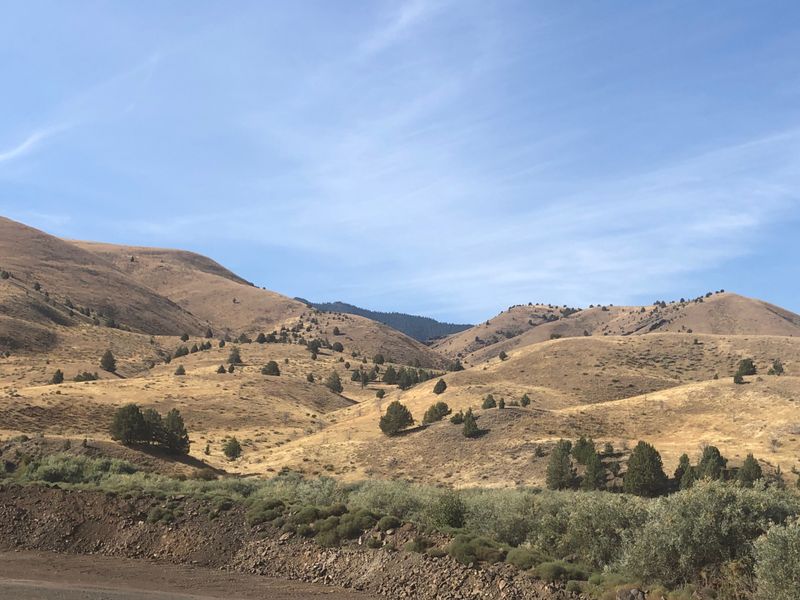
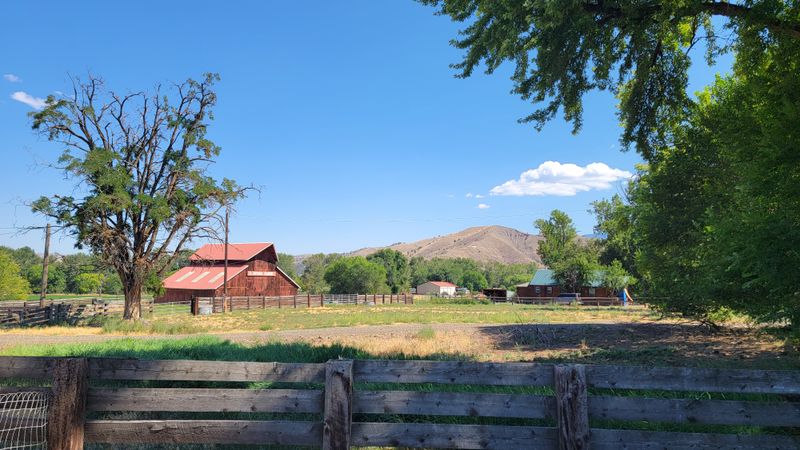
Vast expanses of high desert surround Dayville, offering endless opportunities for exploration beyond the fossil beds. I spent mornings hiking through landscapes painted in sage greens and dusty golds, where the only sounds came from wind through juniper trees and the occasional hawk’s cry overhead.
The terrain here challenges preconceptions about deserts. Rather than barren wasteland, you’ll discover surprising biodiversity adapted to harsh conditions.
Wildflowers explode across hillsides in spring, while mule deer and pronghorn antelope graze in valleys. The elevation, around 2,000 feet, means cooler temperatures than lower deserts, making summer exploration more comfortable.
Trails range from easy walks along creek bottoms to challenging climbs up ridgelines offering panoramic views. I particularly enjoyed the solitude, hiking for hours without encountering another person.
This remoteness requires preparation: bring plenty of water, tell someone your plans, and respect the environment’s unforgiving nature.
The wilderness here feels genuinely wild, a quality increasingly rare in our developed world. Cell service disappears, forcing you to navigate by landmarks and maps.
This disconnection from technology becomes a gift, allowing full immersion in landscapes that have remained largely unchanged for centuries.
Understanding Deep Time at the Paleo Center
The Oregon Paleo Lands Center in nearby Fossil serves as the interpretive hub for understanding this region’s extraordinary geological heritage. I spent a fascinating morning exploring exhibits that bring 40 million years of history into focus through fossils, videos, and hands-on displays.
What impressed me most was how the center makes complex science accessible without dumbing it down. Interactive displays let you compare ancient and modern species, while detailed timelines help visualize the incomprehensible spans of geological time.
The fossil collection includes spectacular specimens found locally, from tiny insects preserved in ash to massive mammal bones.
Knowledgeable staff and volunteers answer questions and share stories about significant discoveries in the region. They helped me understand how paleontologists determine the age of fossils and reconstruct ancient environments from fragmentary evidence.
The center also coordinates field trips and educational programs for those wanting deeper engagement with the science.
Before exploring the fossil beds and trails, visiting this center provides crucial context that enriches everything you’ll see outdoors. I wished I’d started here on my first day, as the knowledge gained transformed how I looked at the landscape.
The center bridges the gap between casual interest and genuine understanding of this remarkable place.
Hunting Grounds in Wilderness Areas
Surrounding wilderness areas and national forest lands provide extensive hunting opportunities for those seeking game in remote, challenging terrain. The region supports populations of mule deer, elk, pronghorn antelope, and various upland birds, attracting hunters willing to work hard for their harvests.
Success here demands physical fitness and wilderness skills, as much of the best hunting happens far from roads in rugged country. I spoke with hunters who backpacked miles into remote canyons, camping for days while pursuing elk through steep terrain.
The effort required keeps hunting pressure relatively light compared to more accessible areas.
Local outfitters offer guided hunts for those unfamiliar with the region, providing knowledge of animal patterns and access to private lands. However, vast stretches of public land mean self-guided hunters can find solitude and opportunity if they’re willing to do the research and legwork.
Regulations vary by unit and season, requiring careful attention to Oregon Department of Fish and Wildlife guidelines.
The hunting culture here feels traditional and respectful, focused on fair chase and utilizing harvested animals fully. Conversations at the local cafe during hunting season revolve around tracking skills and wilderness ethics rather than trophy sizes.
This approach to hunting emphasizes the experience and connection to wild places as much as the harvest itself.
Escape from Digital Overload
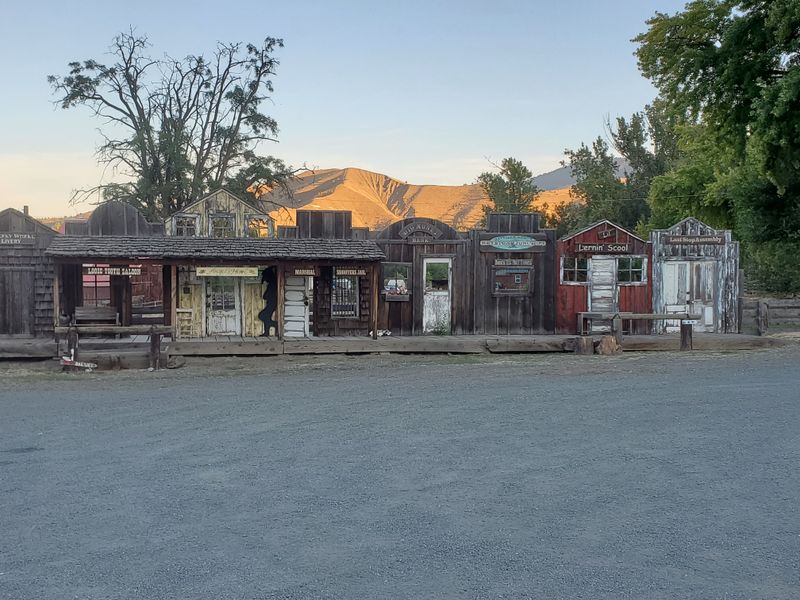
Cell service fades to nothing as you approach Dayville, forcing a disconnection that initially feels uncomfortable but quickly becomes liberating. I found myself checking my phone out of habit before remembering it was just an expensive paperweight out here in remote Oregon.
Without constant notifications and the ability to instantly look up information, I experienced the world more directly. Conversations happened without digital interruptions.
Questions got answered through observation and asking locals rather than quick searches. Time moved differently, measured by daylight and activities rather than calendar alerts and messages.
This forced digital detox revealed how much mental energy goes toward managing technology rather than experiencing life. I slept better without screens before bed, noticed details I’d normally miss while scrolling, and felt genuinely present in each moment.
The simplicity became addictive in the best possible way.
Modern life’s constant connectivity brings real benefits, but places like Dayville offer necessary counterbalance. Taking a break from digital demands doesn’t mean rejecting technology entirely; it means remembering what life feels like without it dominating every moment.
I left feeling refreshed in ways a typical vacation never achieves, grateful for this pocket of Oregon where silence and slowness still prevail over speed and noise.
Dear Reader: This page may contain affiliate links which may earn a commission if you click through and make a purchase. Our independent journalism is not influenced by any advertiser or commercial initiative unless it is clearly marked as sponsored content. As travel products change, please be sure to reconfirm all details and stay up to date with current events to ensure a safe and successful trip.
