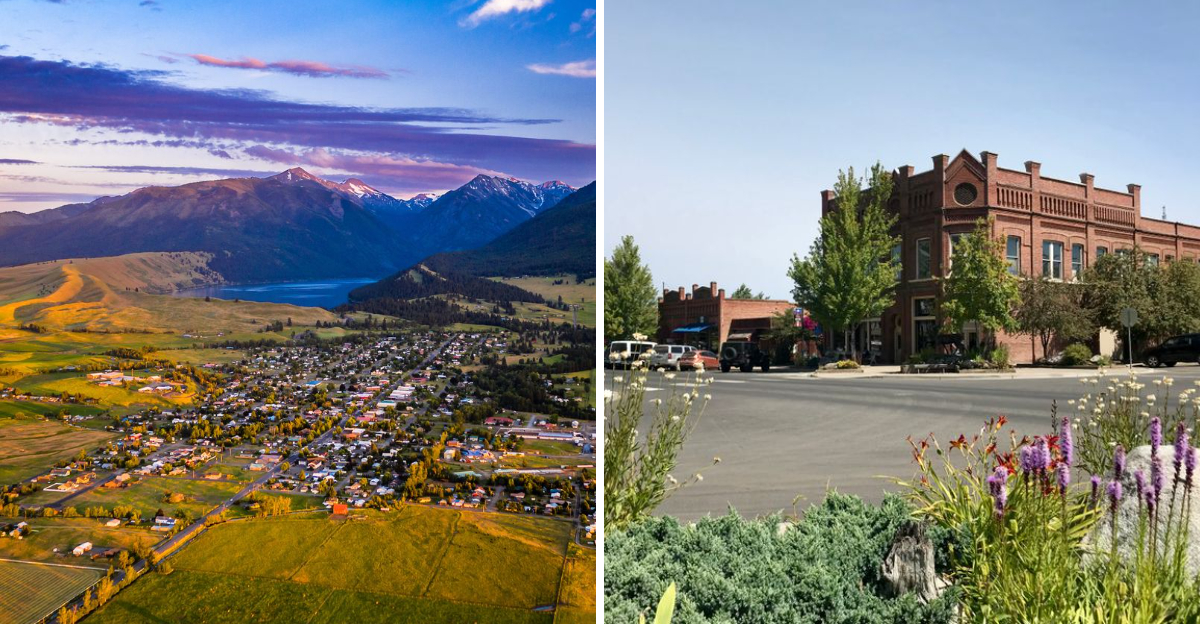
Joseph, Oregon sits at the edge of something spectacular. This tiny mountain town, home to just over a thousand residents, transforms into a winter wonderland every February when snow blankets the Wallowa Mountains towering behind it.
Most travelers race past eastern Oregon on their way to more famous destinations.
That’s their loss, because Joseph offers something increasingly rare: authentic mountain adventure without the crowds or inflated prices of resort towns.
I discovered this place almost by accident during a February road trip, and it completely changed how I think about winter travel. The combination of world-class outdoor recreation, genuine Western culture, and stunning alpine scenery makes Joseph feel like a secret that’s too good to keep.
Snow-Draped Mountains That Rival the Alps
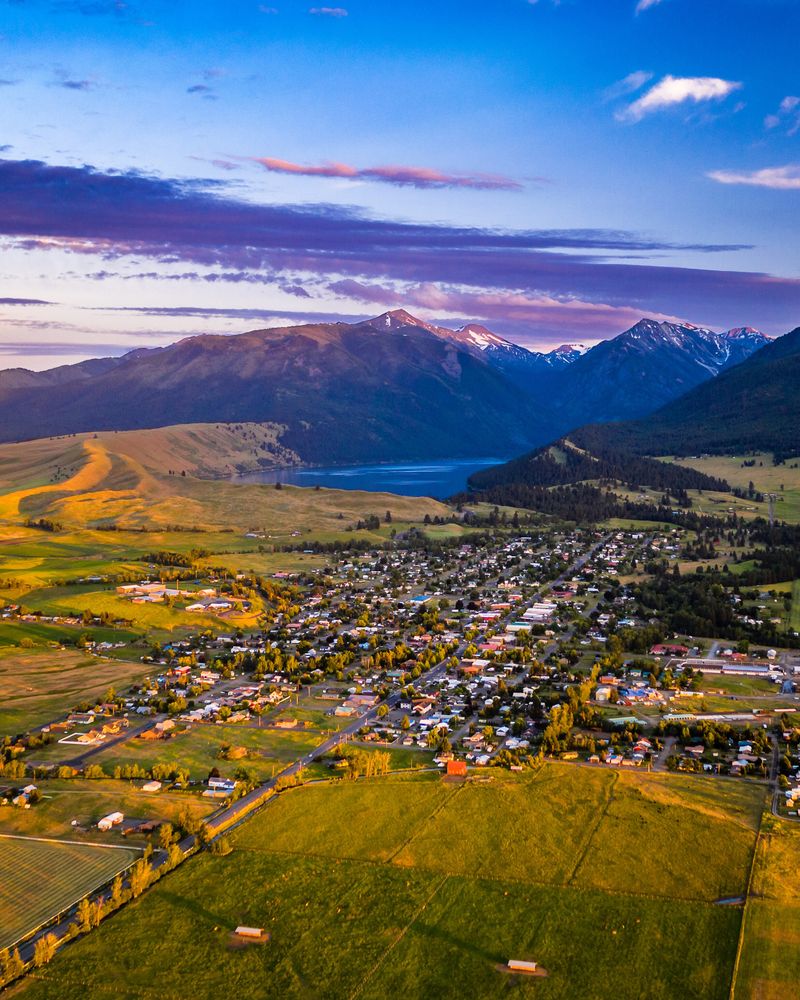
When locals call Joseph the “Little Switzerland of America,” they’re not exaggerating. The Wallowa Mountains rise straight up from the valley floor with the kind of dramatic verticality that makes your jaw drop.
I drove into town on a crisp February morning when fresh snow had just dusted the peaks. The sunlight hit those mountains in a way that made them glow pink and gold against the deep blue sky.
It’s the kind of view that stops you mid-sentence.
These aren’t gentle rolling hills. The Wallowas shoot up over 9,000 feet, creating a jagged skyline that dominates every view in town.
February brings them to their most photogenic state, when the snowpack is deep and the peaks are razor-sharp against winter skies.
What makes this scenery special is the accessibility. You don’t need to hike for hours to see it.
Just walk down Main Street, and there it is, framing every photo and reminding you why you came. The mountains feel close enough to touch, yet wild enough to respect.
Wallowa Lake’s Frozen Majesty
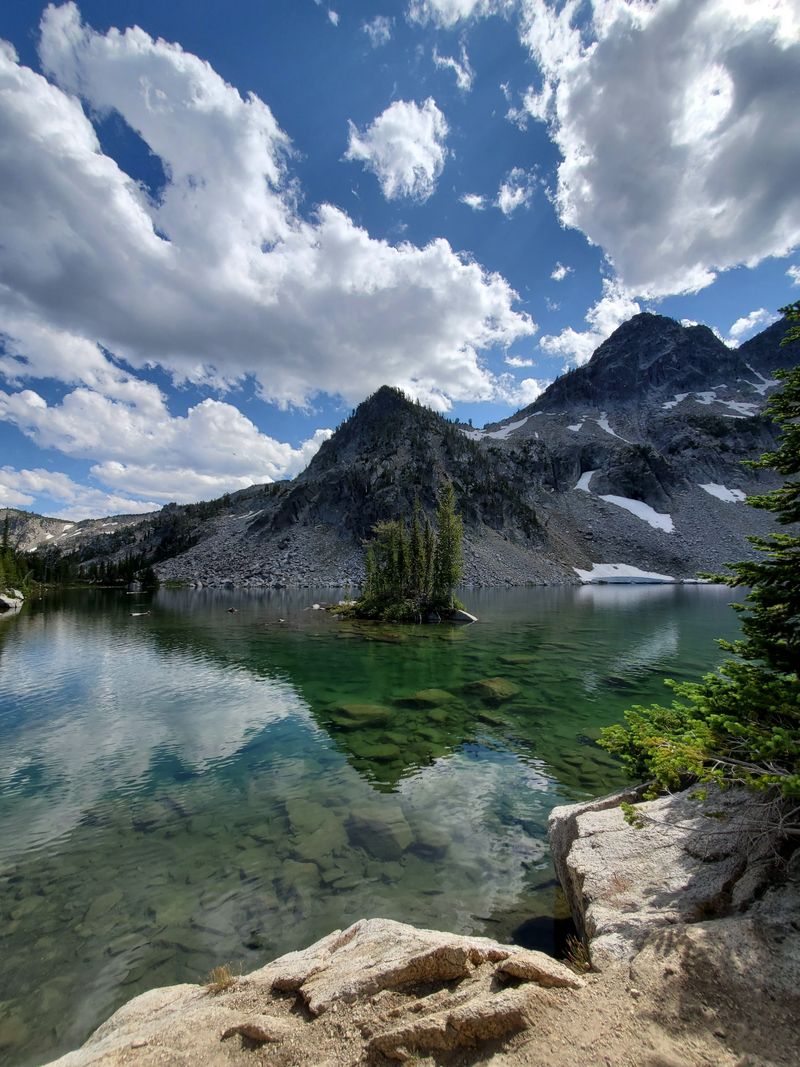
Just six miles south of Joseph, Wallowa Lake becomes something magical in February. The glacier-carved lake stretches for miles beneath towering peaks, and winter transforms it into a study in blues and whites.
I walked along the shore on a windless afternoon when ice had formed intricate patterns along the edges. The lake wasn’t completely frozen, but sheets of ice created abstract sculptures where water met land.
The silence was profound, broken only by the occasional crack of ice shifting.
The lake sits at 4,400 feet elevation, surrounded by mountains that rise another 5,000 feet straight up. That geography creates a natural amphitheater of stunning proportions.
On clear days, the peaks reflect perfectly in the still water, doubling the visual impact.
February visitors have the place mostly to themselves. The summer crowds are long gone, and the few people you encounter are serious about experiencing winter beauty.
The resort area at the lake’s south end stays partially open, offering basic services without the tourist chaos of warmer months.
Backcountry Access to Eagle Cap Wilderness
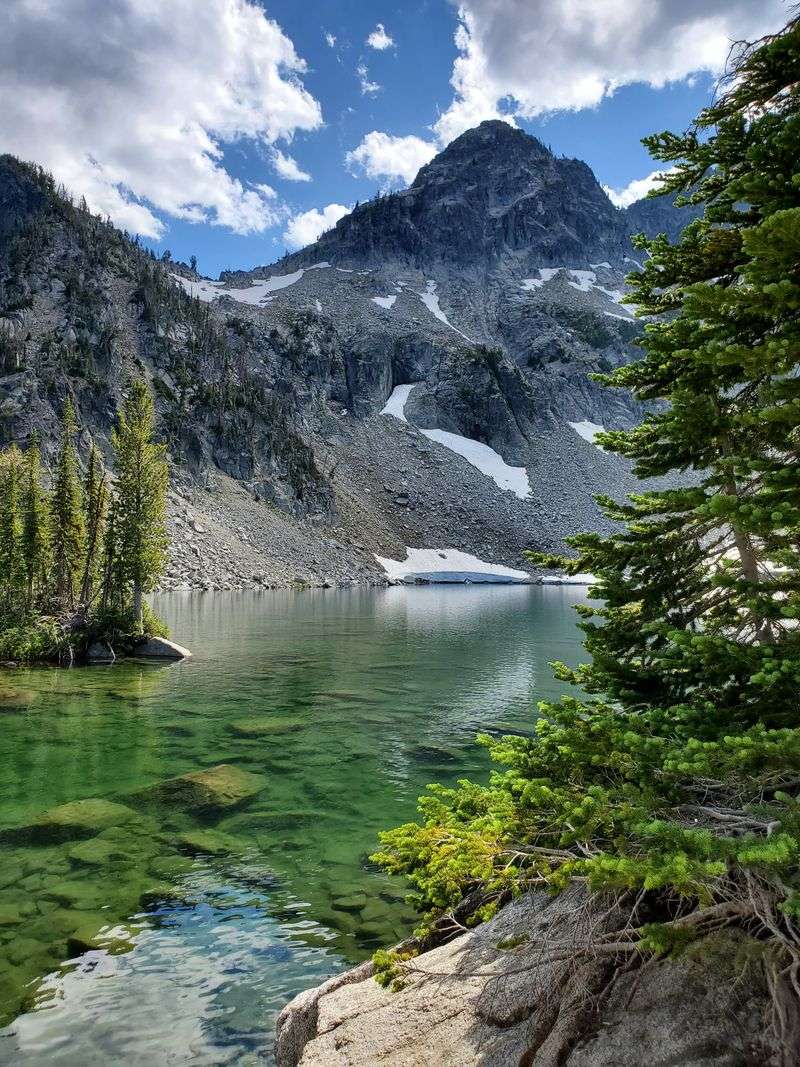
Oregon’s largest wilderness area spreads out from Joseph’s doorstep like an invitation to adventure. Eagle Cap Wilderness covers over 360,000 acres of pristine mountain terrain, and February opens up experiences impossible during summer.
I met a local guide who explained that winter transforms the wilderness completely. Lakes that swarm with backpackers in August become frozen mirrors accessible only to those willing to strap on snowshoes or skis.
The crowds vanish, replaced by solitude and animal tracks in fresh snow.
The wilderness contains over 50 alpine lakes, dozens of peaks above 9,000 feet, and hundreds of miles of trails. In February, you need winter skills and proper gear, but the rewards are extraordinary.
Imagine breaking trail through powder snow with no other human footprints for miles.
Several trailheads remain accessible all winter from the Joseph area. The Wallowa Lake Trailhead serves as the main jumping-off point for winter expeditions.
Even short snowshoe trips deliver incredible scenery and the kind of quiet that reminds you why wilderness matters.
Bronze Sculptures That Tell Western Stories
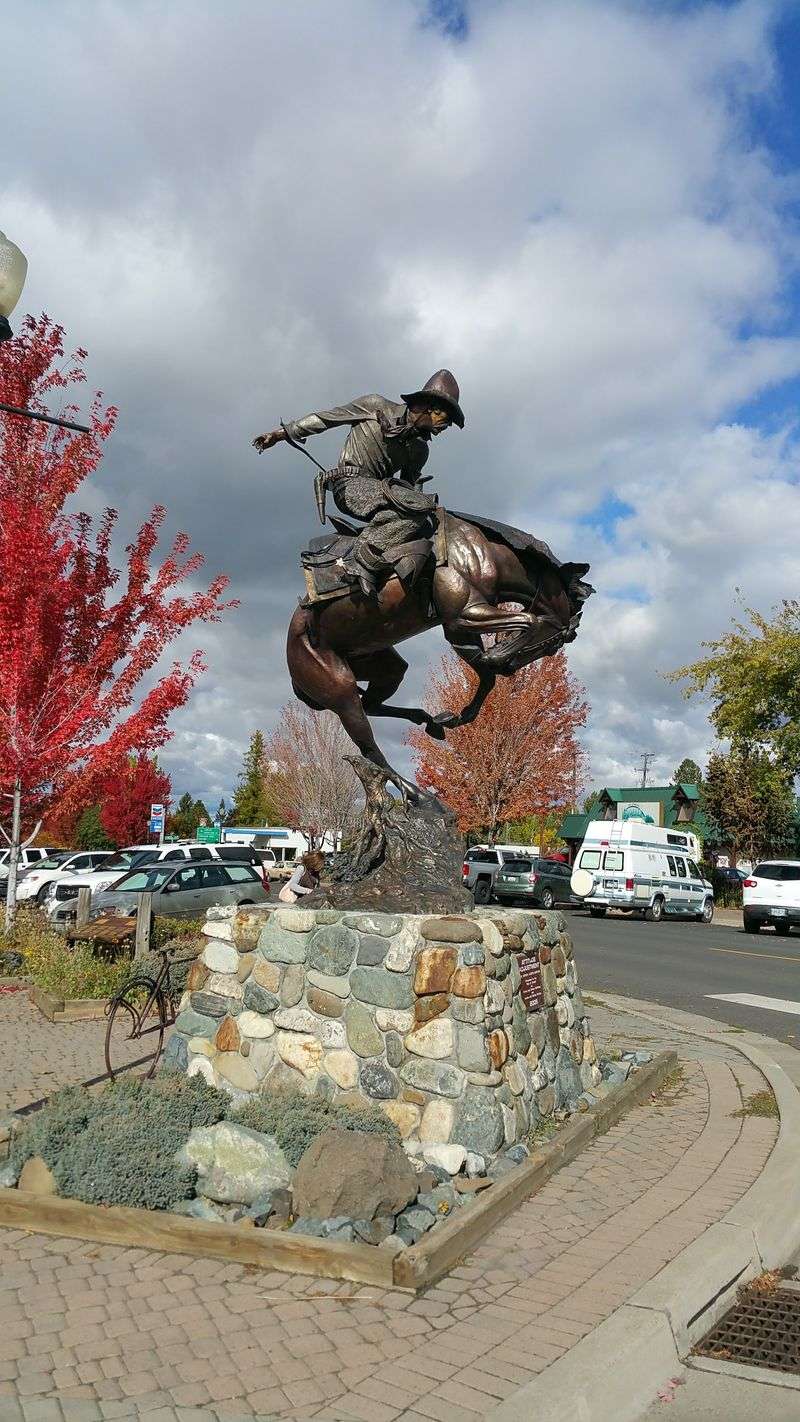
Walking down Main Street feels like stepping into an outdoor art gallery. Over a dozen life-size bronze sculptures populate the sidewalks, each one capturing a moment from the region’s Western and Native American heritage.
The detail in these pieces stopped me repeatedly during my first walk through town. One sculpture shows a cowboy adjusting his saddle with such realistic texture you want to touch the leather.
Another depicts a Native American elder with a face that tells a thousand stories.
Joseph has become an unlikely center for bronze art, home to several foundries that create pieces for collectors worldwide. Valley Bronze of Oregon, one of the largest art foundries in the country, offers tours where you can watch the ancient lost-wax casting process in action.
February is actually an ideal time to appreciate the sculpture walk. The winter light creates dramatic shadows, and you can take your time without dodging summer crowds.
Snow often dusts the sculptures, adding another layer of beauty to already stunning artwork. The combination of world-class art and small-town charm creates something genuinely unique.
Winter Recreation in Wallowa-Whitman National Forest
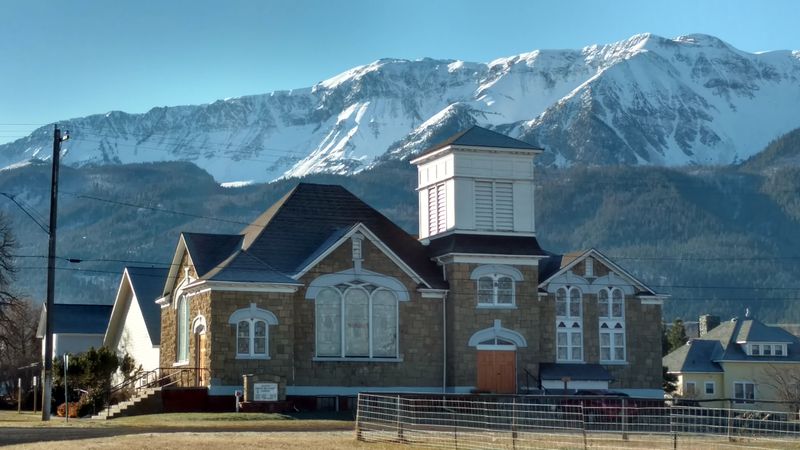
The national forest surrounding Joseph becomes a massive winter playground in February. Wallowa-Whitman National Forest covers over 2.3 million acres, and the areas near Joseph offer some of the best snow conditions in Oregon.
I spent a day exploring the Salt Creek Summit area, where locals had broken trail through deep powder. The skiing was phenomenal, with that perfect dry snow that squeaks under your skis.
Every turn through the trees felt like discovering a secret stash.
Unlike developed ski resorts, this is backcountry recreation. You make your own tracks, choose your own routes, and experience winter on its own terms.
The forest service maintains some parking areas and marks certain trails, but the adventure is largely self-directed.
February typically brings the deepest snowpack of the season. Average snow depths can exceed six feet in higher elevations, creating ideal conditions for snowshoeing, cross-country skiing, and backcountry ski touring.
The terrain varies from gentle meadows perfect for beginners to steep couloirs that challenge expert skiers.
Nez Perce Heritage and Sacred Landscapes
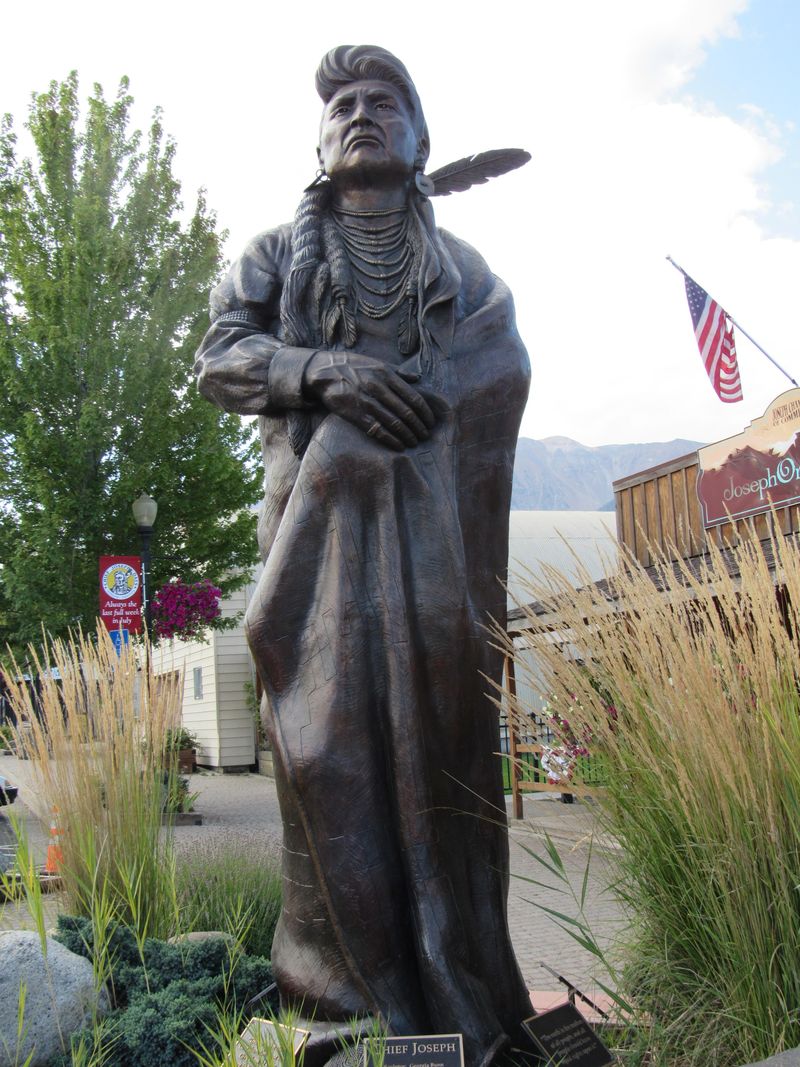
The Wallowa Valley holds profound significance as the ancestral homeland of the Nez Perce people. Understanding this history adds depth to every mountain view and valley walk around Joseph.
Old Chief Joseph’s gravesite sits just north of town, marked by a simple monument overlooking the land his people called home for thousands of years. I visited on a quiet February afternoon when snow covered the ground and the mountains stood clear against the sky.
The peaceful setting belies the tragic history of forced removal that followed.
The Iwetemlaykin Heritage Site preserves part of this sacred landscape, offering trails and interpretive information about Nez Perce culture and history. February visits require winter gear, but the solitude enhances the contemplative nature of the place.
Learning this history changed how I saw Joseph. The mountains aren’t just scenery; they’re part of a cultural landscape with deep human connections.
The town has made efforts to honor this heritage through public art, place names, and educational programs that acknowledge whose land this originally was.
Small-Town Charm With Genuine Character
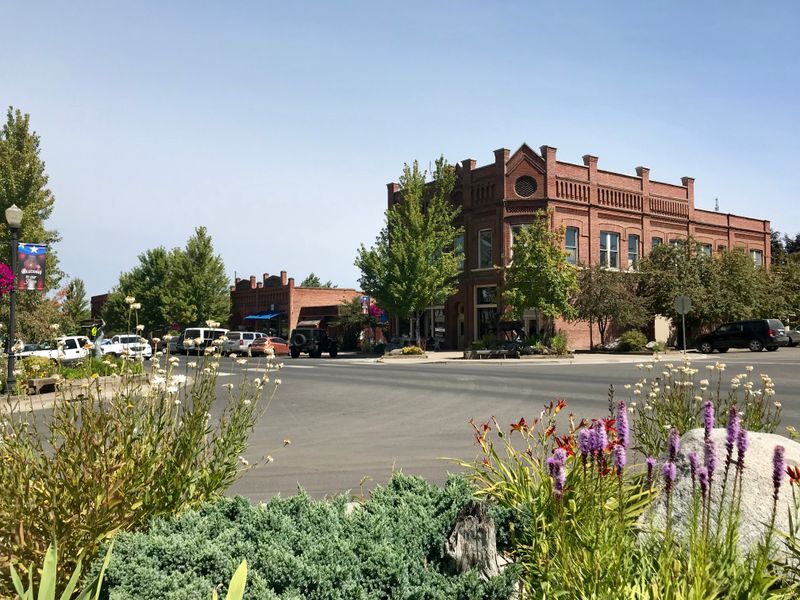
Joseph’s population hovers around 1,100 people, and that small size creates the kind of authentic atmosphere that’s increasingly rare. This isn’t a town trying to be cute for tourists.
It’s a real community that happens to welcome visitors.
I spent a February morning wandering Main Street, popping into galleries and shops. The woman at the bookstore knew everyone who came through the door.
The coffee shop barista asked where I was from and actually seemed interested in the answer. These small interactions added up to something valuable.
The town’s economy balances ranching, tourism, and art in an unusual mix. You’ll see working cowboys grabbing coffee next to visiting photographers and local artists.
That diversity keeps Joseph from feeling like a theme park version of a Western town.
February brings out the town’s quiet side. Many businesses maintain limited winter hours, but the core remains open and welcoming.
Without summer crowds, you can actually have conversations with shopkeepers, get local recommendations, and experience the pace of small-town life that makes Joseph special year-round.
Local Artisan Culture and Working Foundries
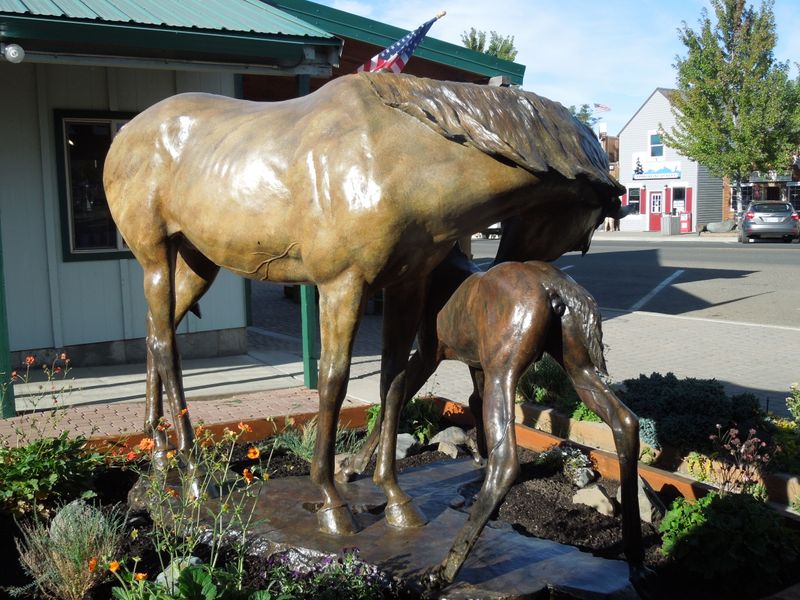
Joseph punches way above its weight in the art world. For a town of 1,100 people, the concentration of artists, galleries, and bronze foundries is remarkable.
Valley Bronze of Oregon anchors this creative community. The foundry produces large-scale bronze sculptures for artists and collectors worldwide, using traditional lost-wax casting methods that date back thousands of years.
Tours let you watch molten bronze being poured into molds, a dramatic process that’s both ancient craft and modern art.
Several galleries along Main Street showcase local and regional artists working in various mediums. The quality is impressive, ranging from realistic Western bronzes to contemporary paintings and photography.
February’s quieter pace means gallery owners have time to discuss the work and the artists behind it.
This artistic culture emerged organically over decades as artists discovered Joseph’s dramatic scenery and affordable space. The community has embraced this identity without losing its ranching roots, creating an unusual cultural blend.
You can visit a world-class foundry in the morning and watch cattle being fed that afternoon, both integral parts of what makes Joseph unique.
Wallowa Lake Tramway and Summit Views
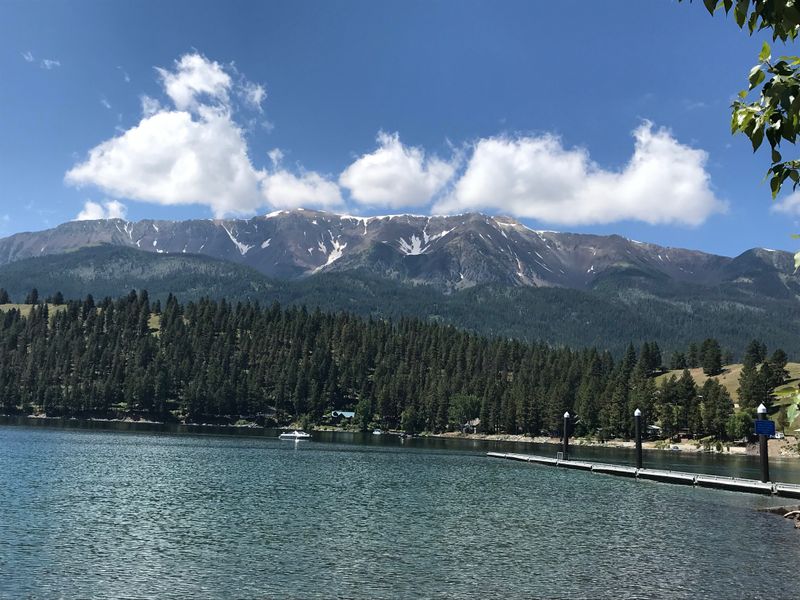
North America’s steepest tramway climbs 3,700 vertical feet from Wallowa Lake to the summit of Mount Howard. The ride delivers one of Oregon’s most spectacular viewpoints, and winter visits offer a completely different perspective than summer.
The tramway’s winter schedule varies, often running on weekends and holidays during February. I lucked into a clear day and rode up through clouds that parted to reveal endless mountain ranges stretching into Idaho.
The summit sits at 8,150 feet, high enough to see the curvature of the earth.
At the top, several miles of trails let you explore the summit area. In February, these become snowshoe routes through alpine terrain that would require serious hiking to reach otherwise.
The views extend across the Wallowa Valley, with Joseph visible as a tiny cluster of buildings far below.
The experience combines effortless access with genuine alpine exposure. You’re standing on a mountain summit in February, surrounded by winter wilderness, but you got there in a comfortable gondola.
It’s the perfect introduction to the region’s dramatic topography.
Authentic Western Hospitality and Local Flavors
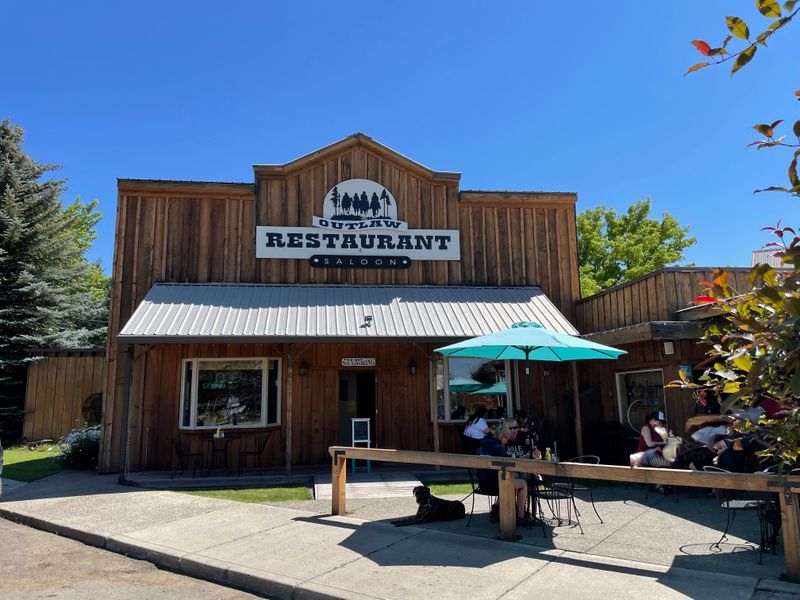
Joseph’s food scene won’t win awards for innovation, but it delivers something better: honest food served by people who care. The restaurants and cafes reflect the town’s character, straightforward and genuine.
I found myself returning repeatedly to Arrowhead Chocolates, a tiny shop making handcrafted chocolates that rival anything from fancy city chocolatiers. The owner explained each piece with obvious pride, and the quality backed up her enthusiasm.
Their hot chocolate became my daily February ritual.
Several cafes along Main Street serve excellent coffee and homemade pastries, crucial fuel for winter adventures. The portions are generous, the prices fair, and the atmosphere welcoming.
You’ll likely sit next to locals discussing ranch business or planning backcountry ski trips.
For heartier meals, local spots serve steaks, burgers, and comfort food that hits the spot after a day in the snow. Nothing fancy, just good ingredients prepared well.
The nearby town of Enterprise adds more options, including breweries that capture the region’s independent spirit without the pretension that sometimes accompanies craft culture.
Dear Reader: This page may contain affiliate links which may earn a commission if you click through and make a purchase. Our independent journalism is not influenced by any advertiser or commercial initiative unless it is clearly marked as sponsored content. As travel products change, please be sure to reconfirm all details and stay up to date with current events to ensure a safe and successful trip.
