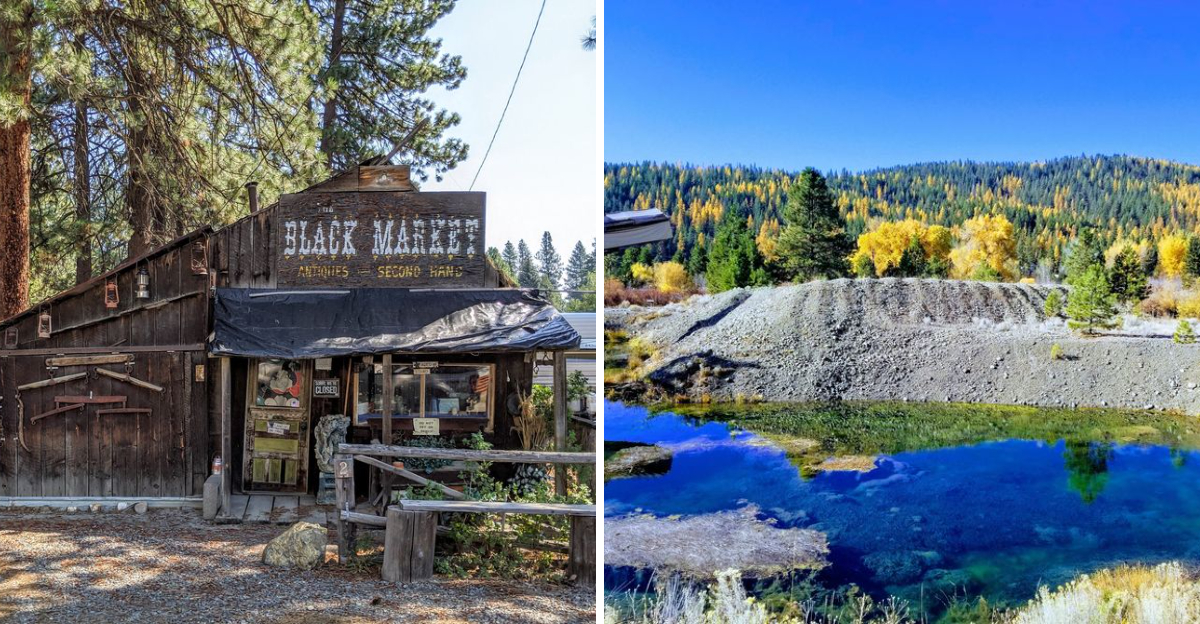
At first glance, nothing happens here. Storefronts sit quiet, streets stay empty, and you might wonder why anyone bothers stopping at all. Then you see the line forming around back, and everything changes.
Turns out this sleepy little Oregon town holds a secret that draws people from hours away. Weekends bring crowds nobody expects from a place this small, all chasing the same thing hiding just past Main Street.
Oregon has bigger towns with louder reputations, but this one doesn’t need the noise. It survives on word of mouth alone, passed between friends who don’t want it changing anytime soon. Ask a local why they keep coming back and they’ll just smile instead of answering.
Some places earn their reputation slowly. This one clearly did, one visitor at a time.
The Colossal Gold Dredge That Ate the Valley
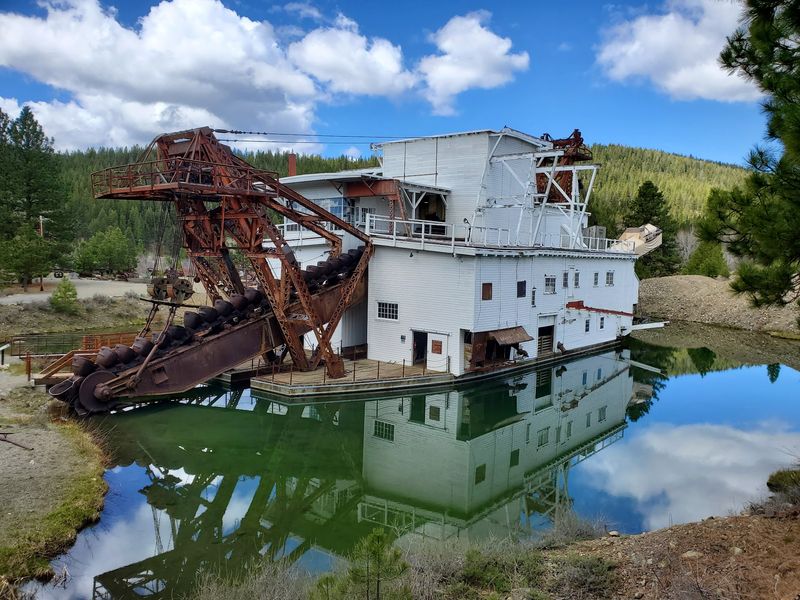
Nothing prepares a first-time visitor for the sheer size of the Sumpter Valley Gold Dredge. It sits in a pond of its own making, a wooden giant with a chain of steel buckets that once chewed through the valley floor looking for gold.
The current dredge was built in 1935 and worked until 1954, scooping up gravel and dumping it out the back in long ridges that still snake for miles along the creek.
Visitors can walk right inside on a self-guided tour, which is where the scale really lands. The stacking belt, the huge gears, and the worn wooden floors make it easy to picture the racket this machine made day and night.
Interpretive signs explain how the whole operation floated on water while it dug, which sounds impossible until it is seen up close.
Sumpter Valley Dredge State Heritage Area sits at 211 Austin Street, and the surrounding park has picnic tables, shade, and easy paths for anyone traveling with kids or grandparents.
The gravel piles that stretch along the road are more than just scenery, they are a lasting record of decades of mining work. A short stroll around the grounds offers a quiet way to take in both the machine and the landscape it helped shape.
Riding Behind Real Steam on the Sumpter Valley Railway
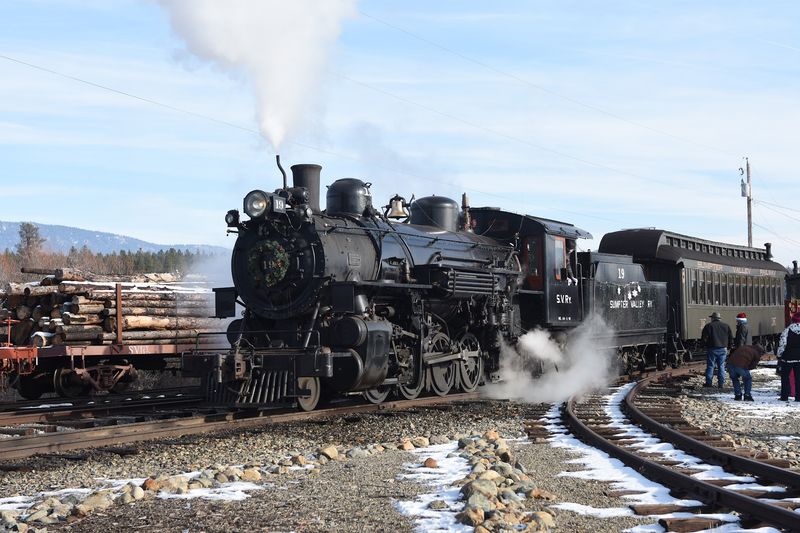
Steam engines have a smell, and once it is experienced it never really leaves the memory. Hot oil, coal smoke, and warm metal drift down the platform at the Sumpter depot while the crew fusses over the locomotive.
The Sumpter Valley Railway is a narrow-gauge line rebuilt by volunteers along part of the original route that once hauled timber, ore, and passengers through this valley. Decades of dedicated restoration work went into bringing the line back to life, and that effort shows in every polished rivet and repainted railcar.
Trains run on a seasonal schedule, generally on weekends during the warmer months, traveling between Sumpter and the McEwen station a few miles away.
The ride follows the creek and the dredge tailings, so the scenery doubles as a history lesson. Elk and deer sometimes show up in the wetlands beside the tracks. The rhythmic clatter of the wheels and the occasional whistle blast only add to the sense of stepping back in time.
Open-air cars are the best pick on a clear day, though a light jacket helps because mountain air stays cool even in July. Check the schedule before driving out, since departure times shift with the season and holiday events.
Flea Market Weekends That Triple the Population
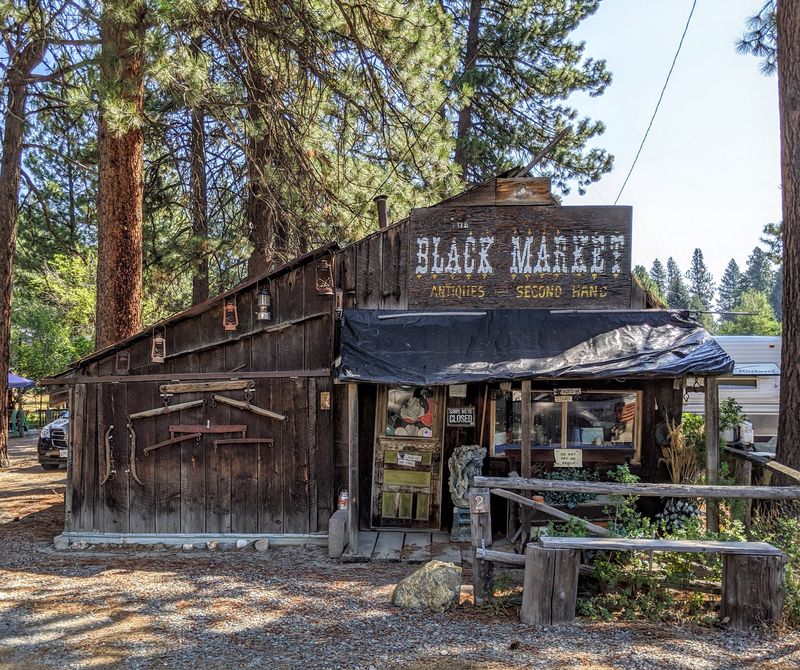
Three times a year, this quiet valley turns into something completely different. The Sumpter Valley Country Fair, better known simply as the flea market, fills the town with vendor tents, food trailers, and shoppers hunting for treasure.
Events land over Memorial Day, the Fourth of July, and Labor Day weekends, and the crowds are genuinely startling for a town this size.
Tables hold rusty mining tools, hand-cut lumber signs, quilts, old license plates, huckleberry jam, and plenty of items that defy description. Vendors come from well outside the valley, and regulars often plan their whole weekend around finding a particular seller again.
Parking fills up early, so arriving in the morning saves a long walk. Cash is handy, and so is a tote bag.
What makes the whole thing enjoyable is the atmosphere rather than the shopping. Neighbors catch up, kids run between booths, and the steam train whistle punctuates the day. Live music sometimes drifts from a corner stage, adding one more layer to the noise and energy.
Anyone hoping for a peaceful visit should pick a different weekend, because during these three the sleepy version of Sumpter disappears entirely.
Boardwalks, Brick Ruins, and Stories in the Street
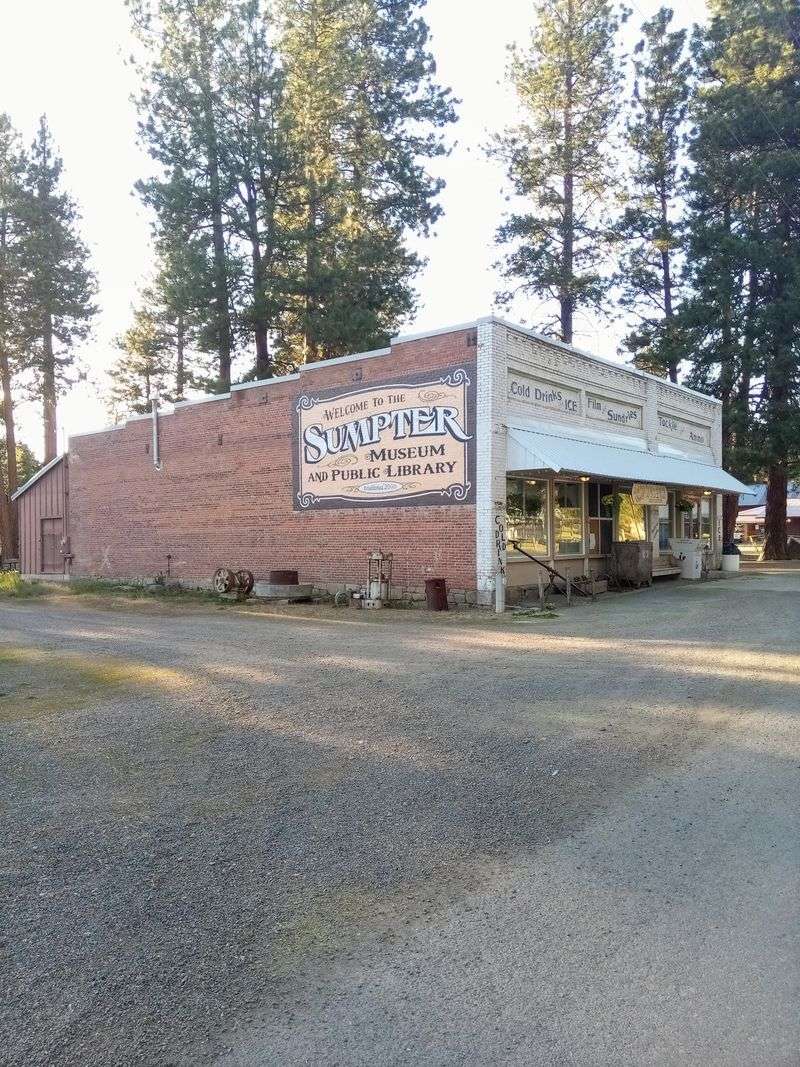
Sumpter once had thousands of residents, a bustling business district, and dreams of becoming a major city. A fire in 1917 wiped out much of the downtown, and the town never rebuilt to that scale.
Traces remain everywhere. Brick foundations, stone walls, and empty lots sit beside occupied buildings, and interpretive markers help connect the dots.
Wooden boardwalks run along parts of the main street, which gives an unhurried rhythm to a short stroll. Twenty minutes covers most of it, though photographers usually take longer.
The name itself has a curious backstory. Founders named the settlement after Fort Sumter, reportedly inspired by a smooth round rock that reminded a resident of a cannonball. Over time the spelling shifted slightly, and the new name stuck for good.
Local shops and small cafes open on a seasonal basis, so hours vary depending on the month.
Reading the plaques is worth the effort. They mention hotels, newspapers, and rail connections that once made this remote valley feel like the center of something big. It is easy to forget, standing on the quiet street today, just how much ambition once filled this place.
Elkhorn Drive and the Mountain Scenery All Around
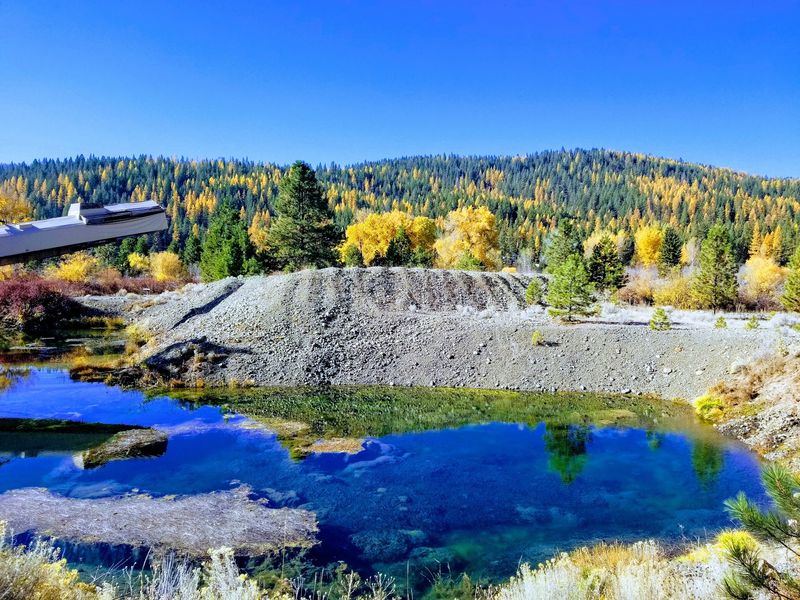
Sumpter sits along the Elkhorn Drive National Scenic Byway, a 106-mile loop that circles the Elkhorn Mountains through forest, old mining country, and high open ridges.
Driving even part of it changes how the town feels. The valley suddenly reads as one stop on a much bigger route rather than the end of the road.
Granite, Whitney, and other faded settlements dot the loop, along with reservoirs, campgrounds, and trailheads leading into the Wallowa-Whitman National Forest. Each stop carries its own fragment of mining history, adding depth to what might otherwise be just a scenic drive.
Wildflowers peak in early summer, and autumn brings gold tamaracks that light up whole hillsides. Snow closes some higher sections in winter, so checking road conditions matters.
Cell service comes and goes, which is honestly part of the appeal. Downloading maps ahead of time prevents guesswork.
Pull-offs appear frequently, and most reward a quick stop with a view worth the pause. Bring water, snacks, and a full tank, because services between towns are limited. Giving the full loop a full day, rather than rushing it, makes the drive far more enjoyable.
Wildlife Watching Where the Dredge Left Its Mark
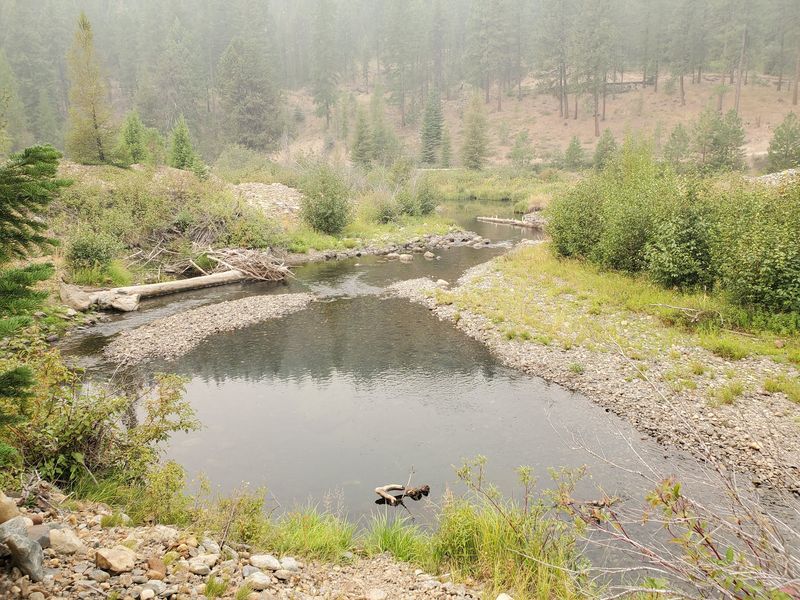
Here is an odd twist of history. The ponds left behind by decades of dredging turned into wetlands, and those wetlands now draw an impressive amount of wildlife.
The Sumpter Valley Wildlife Area covers land along the Powder River, where willows, water, and gravel ridges create habitat that did not exist before mining.
Elk gather in the meadows during cooler months, and beaver, muskrat, and river otter work the channels. Sandhill cranes, herons, and a long list of waterfowl show up seasonally. Songbirds also fill the willow thickets, adding a steady chorus to any visit.
Early morning and the hour before sunset bring the most activity. Binoculars make a real difference, and so does patience. Quiet observation from the road or designated pull-offs keeps animals comfortable and keeps the experience better for everyone.
Mosquitoes can be enthusiastic near the water in midsummer, so repellent belongs in the bag alongside the camera. Few places show damage and recovery sitting side by side quite this clearly. What was once an industrial scar has settled into one of the valley’s richest pockets of life.
Winter Quiet, Snowmobiles, and a Whole Different Town
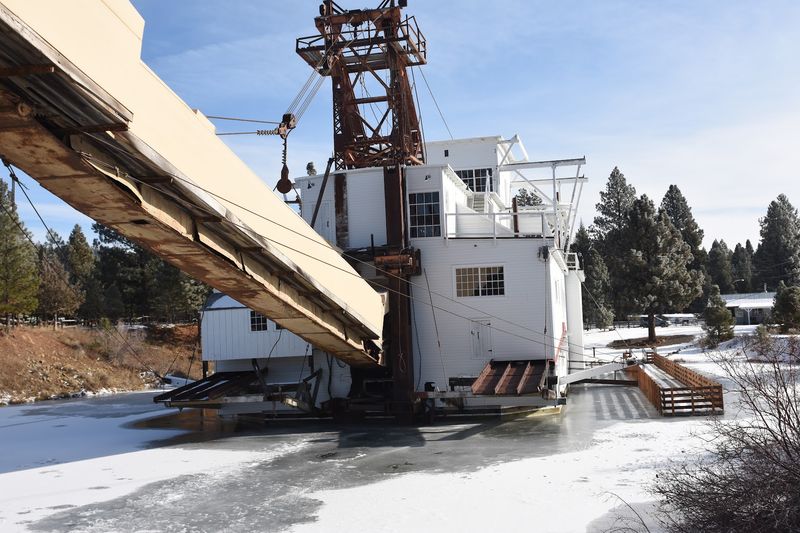
Snow changes the personality of this place completely. Streets go quiet, the dredge wears a white cap, and the valley settles into a hush that summer visitors never experience.
Sumpter becomes a base for snowmobiling, with groomed trails heading into the surrounding national forest and up toward higher country.
Cross-country skiing and snowshoeing work well on forest roads, and the crisp air makes even short outings feel worthwhile. Tracks left by deer and other wildlife often cross the trail, a small reminder that the valley stays busy even in the cold.
Services shrink in the off-season, so calling ahead about lodging and food is smart. Some businesses close for months at a time.
Winter driving here requires respect. Chains or proper tires, a full tank, and extra layers in the vehicle are basic sense at this elevation. Cell service can be unreliable in the surrounding forest, so it helps to let someone know the planned route.
The reward is a version of the town almost nobody photographs, with wood smoke in the air and mountain silence pressing in from every direction.
