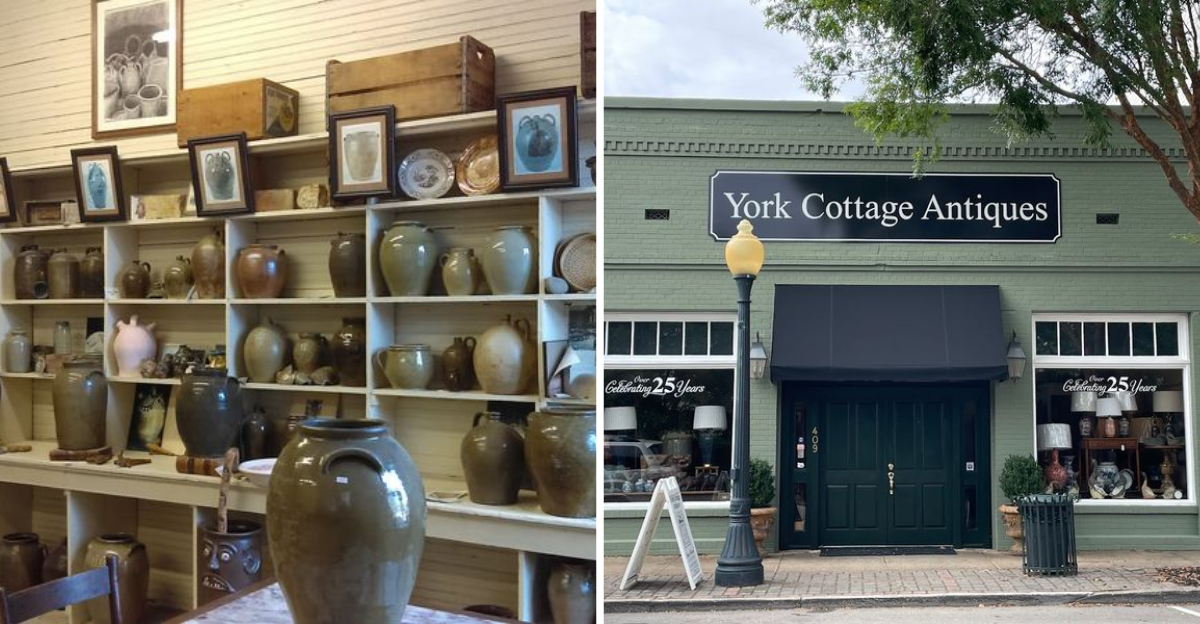
You could spend a whole weekend in this small South Carolina town and still not see every antique shop. They are everywhere.
Housed in old brick buildings that have been standing for over a century. Tucked into former gas stations and repurposed homes.
Each one packed with furniture, glassware, vintage clothing, and things you did not know you needed until you saw them. I wandered into a shop run by an elderly woman who knew the story behind every item on her shelves. Three doors down, a man who restores old cast iron tools talked my ear off about a stove he found in a barn. The prices are fair.
The owners are friendly. And the finds are endless.
South Carolina antique lovers already know about this town. Now you do too.
The Historic Downtown District and Laurens Street
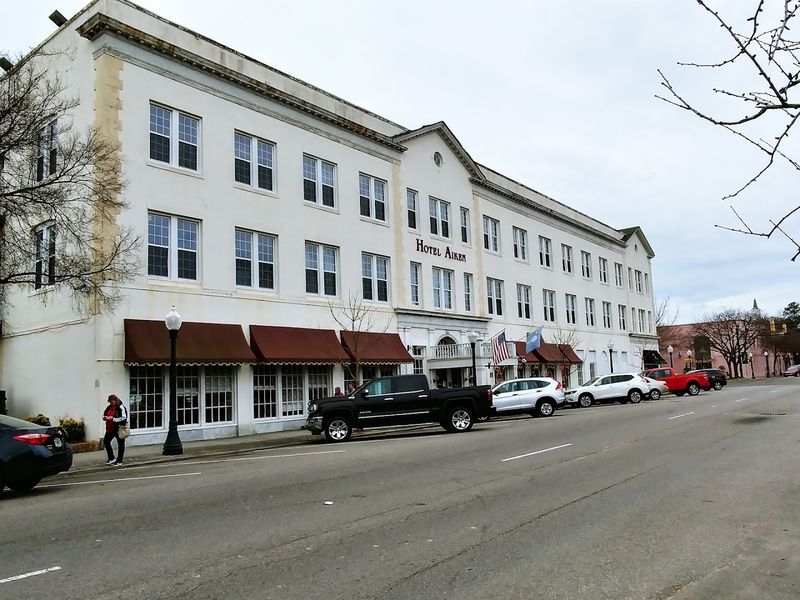
My first real impression of Aiken came from simply walking down Laurens Street on a quiet weekday morning. The street is unusually wide, originally designed to let horse-drawn carriages turn around without trouble, and that generous space gives the whole downtown a relaxed, unhurried feeling that suits antique shopping perfectly.
The buildings along Laurens Street are a mix of well-preserved storefronts and brick facades that have been around for over a century. Peering into each window feels like flipping through a history book, except here, you can actually touch the pages.
Some shops lean toward carefully curated collections, while others are gloriously packed floor to ceiling with all kinds of finds.
What makes this district special is not just the merchandise, but the atmosphere around it. Locals stop to chat on sidewalks, shop owners know their regulars by name, and the whole street hums with a friendly, small-town energy that big antique fairs simply cannot replicate.
You get the sense that people here genuinely love what they do.
Spring is a particularly good time to visit, since estate sales in the surrounding historic neighborhoods tend to bring fresh inventory into the shops. Seasonal turnover means the selection changes regularly, which gives collectors a solid reason to return more than once a year.
If you are the kind of person who believes every old object has a story worth finding, Laurens Street is exactly the kind of place that rewards your curiosity and patience in equal measure.
Aiken Antique Mall and Multi-Dealer Spaces
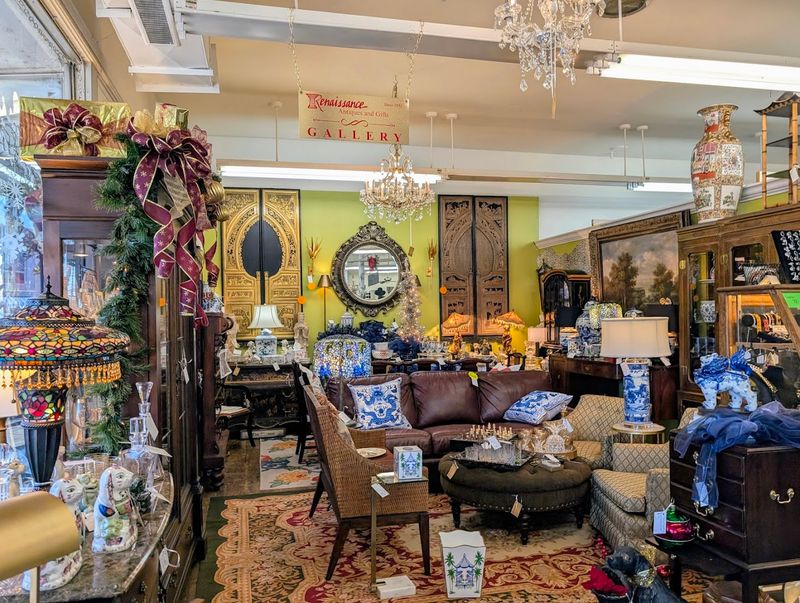
Some antique stores feel like galleries, hushed and carefully arranged. The Aiken Antique Mall is a completely different experience, and honestly, the more exciting kind.
It is the sort of place where you round a corner and find a vintage lamp sitting next to a hand-painted ceramic pitcher next to a stack of old illustrated books, and somehow it all makes sense.
Multi-dealer spaces like this one are a collector’s best friend because every booth reflects a different person’s taste and specialty. One dealer might focus on mid-century furniture, while the next is all about sterling silver flatware or Depression-era colored glassware.
The variety is genuinely impressive, and you never quite know what you will turn up.
Prices at multi-dealer malls in Aiken tend to be competitive, which is part of the appeal. Dealers know their customers are knowledgeable, so the tagging is usually fair and reflects real market value rather than wishful thinking.
That said, there is still room to find something underpriced if you know what you are looking for.
Another bonus worth mentioning is that many of these spaces are dog-friendly, so you can bring your four-legged shopping companion along for the adventure. The staff at the Aiken Antique Mall are generally happy to answer questions or point you toward a specific type of item.
It is the kind of place that rewards a slow, unhurried browse rather than a quick pass-through, so give yourself more time than you think you will need.
Edgefield Pottery and the Legacy of Dave the Potter
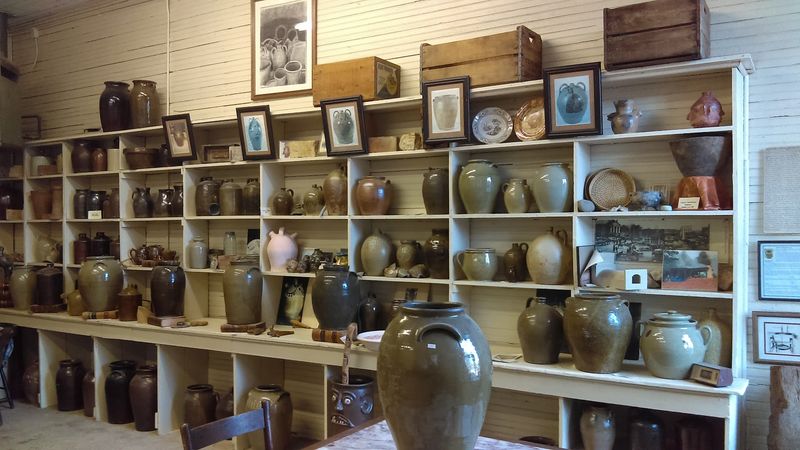
Not many antique finds come loaded with as much cultural weight as a piece of Edgefield pottery. The nearby Edgefield District, just a short drive from Aiken, produced some of the most historically significant ceramics in American history, and collectors have been seeking out these pieces for decades.
The pottery from this region is characterized by its distinctive alkaline glaze, a technique that gives finished pieces a glassy, flowing surface that ranges from olive green to deep brown. These are not just pretty objects.
They are artifacts tied directly to the history of the South, to the enslaved craftspeople who shaped them, and to a tradition of ceramic artistry that predates the Civil War by generations.
One name that stands above all others in this tradition is Dave the Potter, an enslaved man who worked in the Edgefield District during the 1800s. He created large-scale stoneware vessels and, remarkably, inscribed them with original poetry at a time when teaching enslaved people to read or write was illegal.
His work is now held in major museum collections, but smaller unsigned pieces from the same period and region still surface at estate sales and specialty shops in and around Aiken.
Finding a genuine piece of Edgefield stoneware takes patience and a good eye. Reputable dealers in Aiken, South Carolina can help you understand what to look for, and even if you never find a signed Dave piece, owning any authenticated Edgefield pottery means owning a fragment of something genuinely irreplaceable.
That is a powerful thing to bring home.
Equestrian Antiques and the Winter Colony Heritage
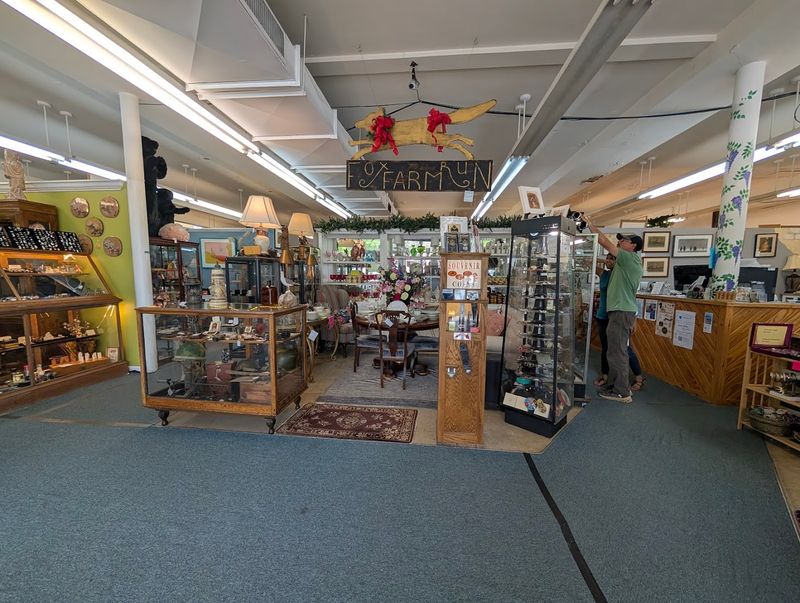
Aiken has a horse culture that runs so deep it practically shows up in the soil. For well over a century, wealthy Northern families spent their winters here, bringing thoroughbreds, polo ponies, and a lifestyle that left behind some of the most distinctive antiques you will find anywhere in the American South.
This “Winter Colony” legacy means that Aiken’s antique shops occasionally turn up items you simply would not expect in a small town. Vintage polo mallets with worn leather grips, hand-stitched saddles that still carry the smell of old leather, antique horse brasses polished to a warm glow, and framed equestrian prints from the early twentieth century are all part of the local collecting landscape.
These are not reproductions or decorative knockoffs. Many of them are the real thing, sourced from the estates of families who actually used them.
The equestrian antique market in Aiken attracts a specific kind of collector, one who appreciates craftsmanship, history, and the particular beauty of objects made for working animals and the people who cared for them. Even if horses are not your passion, there is something undeniably compelling about holding a piece of tack that is over a hundred years old.
Estate sales in Aiken’s older neighborhoods are the best hunting ground for these items. They surface unpredictably, which adds an element of genuine surprise to the search.
If equestrian heritage interests you even slightly, keep your eyes open because Aiken has a way of delivering exactly that kind of unexpected discovery at the most ordinary moments.
Estate Sales and Hidden Heirloom Treasures
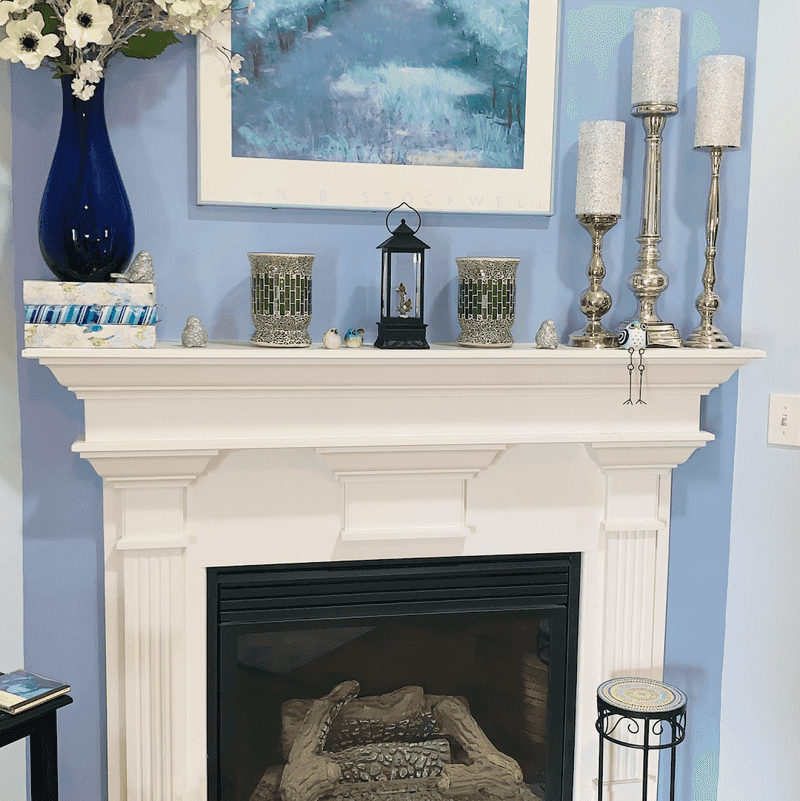
Estate sales in South Carolina operate on a different level than what you might find in a typical suburb. The town’s history of wealthy winter residents and long-established local families means that the contents of these homes are often extraordinary.
Heirloom furniture, sterling silver sets, original oil paintings, and imported European antiques all show up with surprising regularity.
The spring season tends to bring the most activity. As longtime winter residents prepare to head back north, estates get settled, homes get cleared, and a fresh wave of inventory flows into the market.
For serious collectors, timing a visit to Aiken around this seasonal rhythm can make a real difference in what you find.
Going to an estate sale here feels less like a transaction and more like being invited into someone’s history. You move through rooms that still hold the shape of a life lived, and the objects around you carry that weight.
A set of monogrammed silver spoons, a hand-knotted rug from somewhere far away, a stack of leather-bound books with someone’s name written inside the cover. Each thing tells part of a story.
It helps to arrive early, since the best pieces go quickly and the people who know Aiken’s estate sale circuit are both knowledgeable and fast. Local antique dealers often attend these sales too, so the competition is real.
Still, even a late arrival can yield something worth finding. Aiken’s estates are deep enough that the last hour of a sale can still surprise you in the best possible way.
Boutique Shops Like York Cottage Antiques and A Fox’s Tale
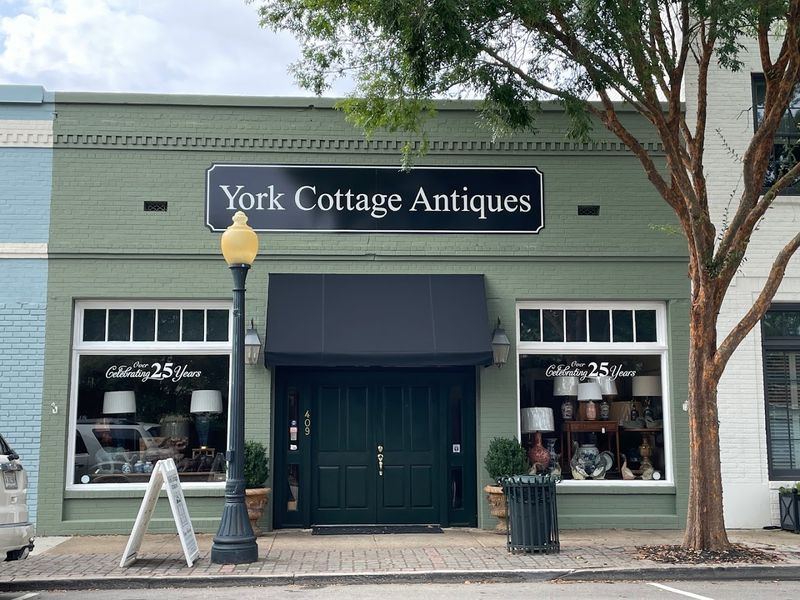
Not every great antique experience happens in a sprawling mall. Sometimes the best finds come from the kind of small, personally curated shop where the owner clearly has a point of view and is not afraid to show it.
York Cottage Antiques and A Fox’s Tale are two of Aiken’s more intimate options, and both carry that unmistakable quality of a space put together by someone who genuinely loves old things.
Boutique antique shops tend to be more selective by nature. The inventory is smaller, but the quality is often higher, and the curation reflects real taste rather than just volume.
Browsing through a well-edited shop like these feels closer to visiting a private collection than shopping in a commercial space, and that distinction matters to collectors who care about context and quality.
Owners of smaller shops are also usually more knowledgeable about individual pieces. They can tell you where something came from, what era it belongs to, and why it matters.
That kind of conversation is genuinely valuable, especially if you are still building your eye for a particular category of antiques. I have learned more from five minutes talking with a passionate shop owner than from hours of reading.
Aiken’s boutique shops also tend to carry items that reflect the town’s specific personality, pieces tied to Southern domestic life, equestrian culture, and the particular aesthetic of a community that has always valued beauty and craftsmanship. If you only have time for one or two stops, these smaller shops are absolutely worth putting at the top of your list.
