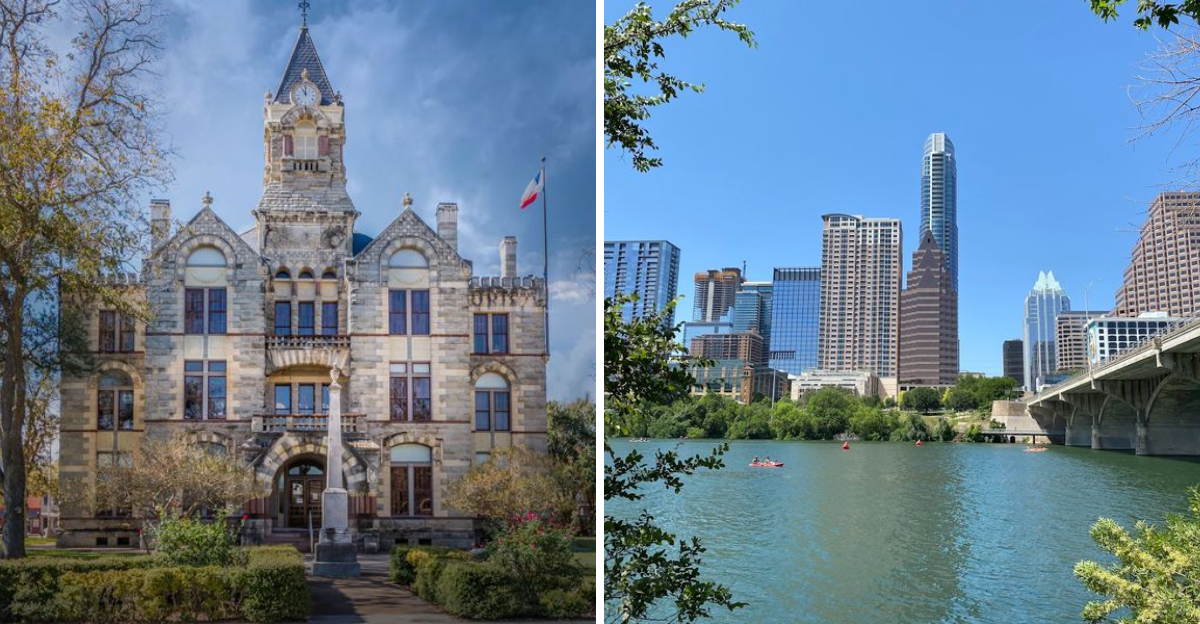
Somewhere between Houston and Austin, tucked along the banks of the Colorado River, La Grange sits quietly like a secret the rest of Texas has been keeping. I stumbled into this small Fayette County town on a whim, and within an hour, I was completely hooked.
The streets carry that unhurried, lived-in feeling that bigger cities spend millions trying to fake. La Grange has a personality that is genuinely its own, shaped by Czech and German immigrants who settled here generations ago and left behind food, music, and traditions that still pulse through the town today.
With a population of just over 4,000 people, this place punches well above its weight in charm, culture, and stories worth telling.
The Monument Hill and Kreische Brewery State Historic Sites
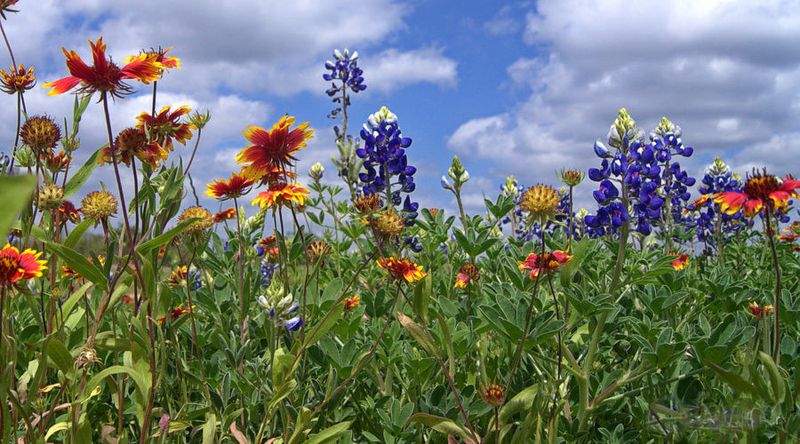
Standing at the top of Monument Hill, the view over the Colorado River valley stops you mid-sentence. The site honors the Texans who died in the Mier Expedition and the Dawson Massacre, two painful chapters from the days of the Republic of Texas.
History here does not feel dusty or distant. It feels personal.
Just below the monument, the ruins of Heinrich Ludwig Kreische’s brewery cling to the hillside like a quiet ghost. Kreische was a German stonemason who built his home and brewery into the limestone bluff in the 1800s, and the craftsmanship is still visible in every carved stone.
Walking through the ruins, you get a real sense of how determined these early settlers were to build something lasting.
The park is maintained by Texas Parks and Wildlife and sits at 414 State Loop 92 in La Grange. The trails wind through cedar and oak, and the whole site feels like a place where time slowed down on purpose.
Bring comfortable shoes, because the hill is steeper than it looks from the parking area.
Polka Music and Czech Heritage Running Deep
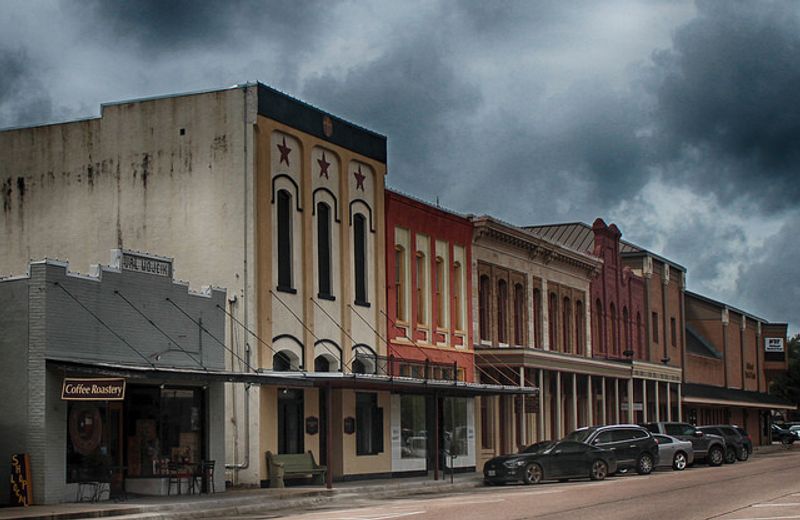
Not many American towns can say polka music is part of their cultural DNA, but La Grange absolutely can. The Czech and German settlers who arrived here in the mid-1800s brought their music with them, and it never really left.
You can still catch polka performances at local events, church festivals, and community gatherings throughout the year.
The Fayette County area is considered one of the heartbeats of Texas Czech culture. Local dance halls, some of which have been standing for well over a century, still host live music nights where families of all ages show up together.
Watching an older couple spin across a worn wooden dance floor to the bounce of an accordion is one of those moments that genuinely moves you.
This is not a performance staged for tourists. It is simply how people here celebrate life, mark seasons, and stay connected to their roots.
The music carries a joyfulness that crosses every language barrier. Even if you have never heard a polka in your life, you will find yourself tapping your foot within the first few notes.
That is the magic of it.
The Fayette County Courthouse on the Square
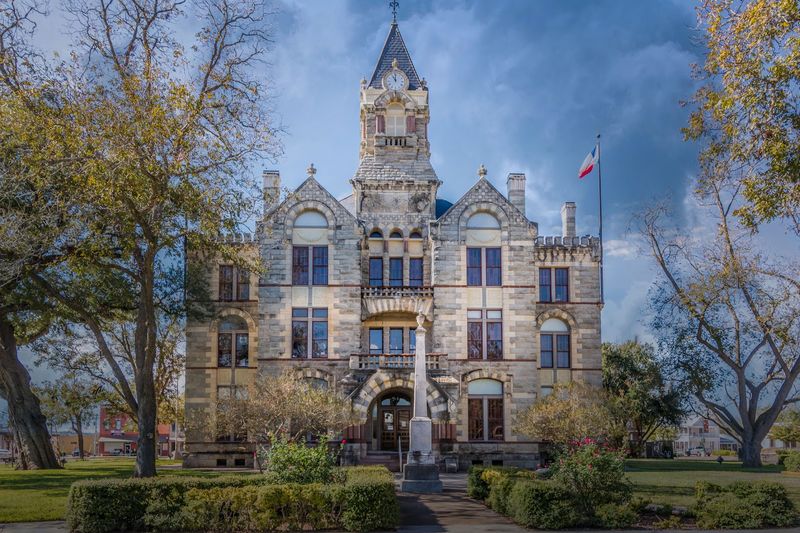
The Fayette County Courthouse (151 N Washington St) anchors the center of La Grange like it has always known it belonged there. Built in 1891 and designed in the Romanesque Revival style, it is one of the most photographed courthouses in the state of Texas.
The limestone facade, the arched windows, and the tall clock tower make it look like something out of a European village, which makes perfect sense given the town’s heritage.
Surrounding the courthouse is a classic Texas town square lined with locally owned shops, a hardware store that has been around for decades, and a few spots to grab a bite. The square moves at a relaxed pace.
People wave to each other from across the street. Nobody seems to be in a particular hurry, and that energy is genuinely contagious.
On weekends, the square sometimes fills with local vendors, live music, or seasonal events that bring the whole community out. Even on a quiet Tuesday afternoon, the courthouse square rewards a slow walk around its perimeter.
The details carved into the stone, the old iron benches, and the massive oak trees make it one of those spots you keep circling back to.
The N.W. Faison Home and Texas Heroes Museum
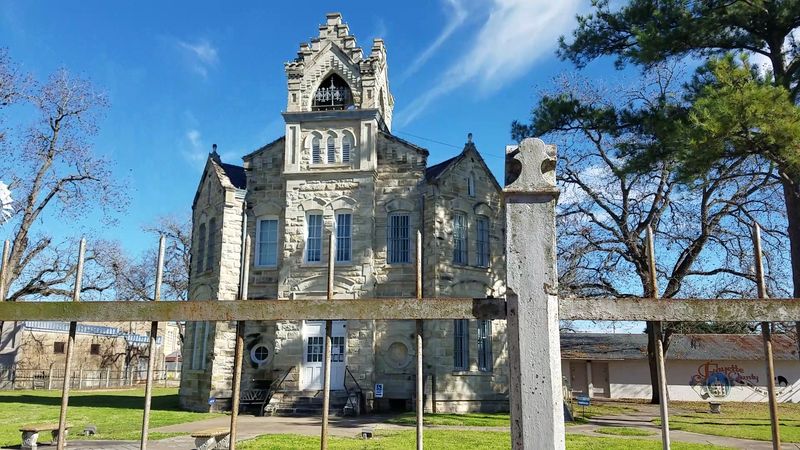
History in La Grange is not behind glass cases. The N.W. Faison Home (822 S Jefferson St), one of the oldest surviving structures in the area, connects visitors directly to the town’s earliest days.
Norborne Wells Faison was one of La Grange’s founding figures, and his home has been carefully preserved as a living reminder of what life looked like here in the 1800s.
The Texas Heroes Museum (171 S Main St), associated with the site, focuses on the men who gave their lives during the Republic of Texas era. The Mier Expedition survivors, the Black Bean Incident, the battles that defined early Texas identity, all of it is laid out in a way that is genuinely gripping.
It reads more like a thriller than a history lesson.
Visiting this site gives you a fuller picture of why La Grange carries such a strong sense of pride in its past. These were real people who faced extraordinary circumstances, and the town has not forgotten them.
Local volunteers often guide tours with an enthusiasm that makes the stories feel fresh and urgent. It is the kind of history that sticks with you long after you have driven home.
Old World Kolaches and Czech Bakery Traditions
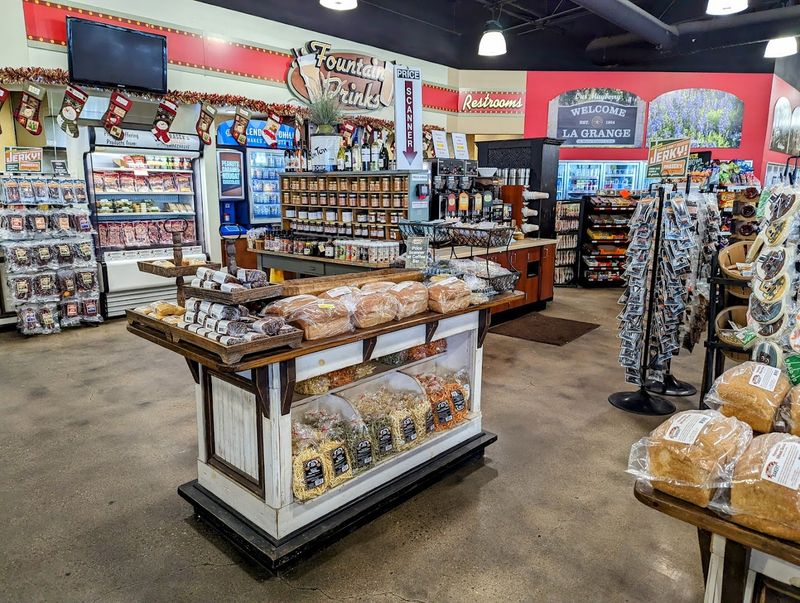
Few things in life are as simple and satisfying as biting into a fresh kolache, and in La Grange, this Czech pastry is taken seriously.
The tradition of making kolaches was brought over by Czech settlers who refused to leave behind their favorite recipes, and the results have been delighting locals and visitors for generations.
A proper kolache is soft, slightly sweet, and filled with fruit, cheese, or savory toppings.
Local bakeries in the area keep these traditions alive with recipes passed down through families. The smell alone, warm dough and fruit filling drifting out from an open bakery door on a cool morning, is enough to stop anyone in their tracks.
Breakfast in La Grange is an event worth planning around.
Beyond kolaches, Czech culinary influence shows up across the town in sausage-making traditions, hearty home cooking, and community meals tied to festivals and church events. Food here is never just fuel.
It is a form of storytelling, a way of honoring the people who came before. Eating your way through La Grange is one of the most genuine cultural experiences central Texas has to offer.
Exploring the Colorado River Corridor
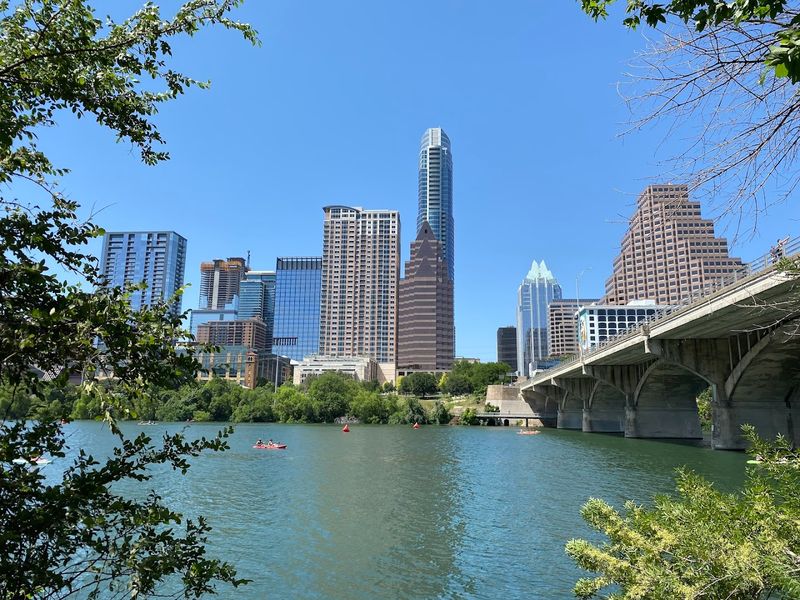
The Colorado River wraps around La Grange like a quiet companion, offering some of the most relaxed outdoor moments you can find in central Texas. The river corridor here is wide, green, and genuinely beautiful in a way that does not demand your attention so much as earn it slowly.
Morning light on the water is something worth waking up early for.
Fishing is popular along the banks, and locals know the good spots by heart. Kayaking and canoeing are also options for those who want to feel the current and take in the cypress trees from the water level.
The landscape along the river changes with the seasons, going from vivid green in spring to warm amber in fall.
Even just walking near the river, finding a shaded spot and sitting still for a while, delivers a kind of reset that is hard to find in busier places. There is a reason the earliest settlers chose this bend in the Colorado to build their community.
The river gives the town a natural rhythm and a sense of groundedness that you feel even if you cannot quite name it. It is simply good for the soul.
The Fayette Heritage Museum and Archives
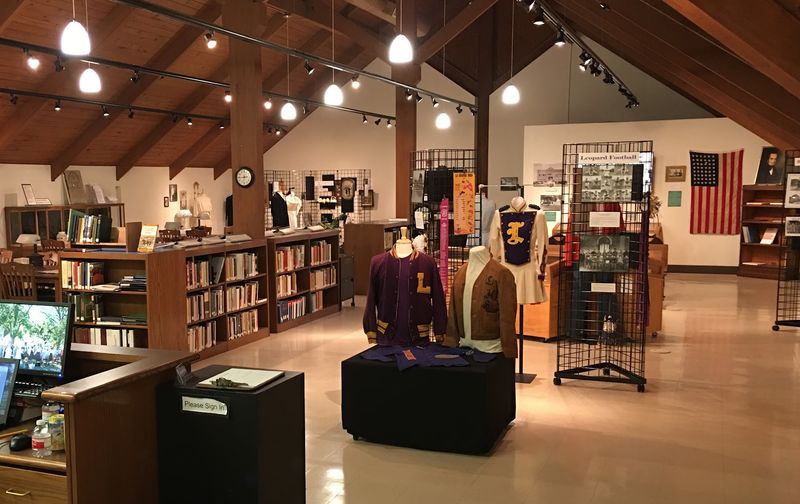
For anyone who genuinely enjoys understanding a place rather than just passing through it, the Fayette Heritage Museum (855 S Jefferson St) and Archives is a treasure.
The museum houses an impressive collection of photographs, documents, artifacts, and genealogical records that trace the full arc of Fayette County’s history.
It is the kind of place where an hour turns into three without warning.
The archives are especially valuable for people researching Czech, German, and other immigrant family histories in the region. Researchers and casual visitors alike find something meaningful here.
The exhibits move through Native American history, early settlement, the Civil War era, and into the twentieth century with care and detail.
What makes this museum stand out is the obvious love that has gone into curating it. Nothing feels generic or copy-pasted from some larger institution’s playbook.
Every display feels chosen by people who actually care about this specific community and its specific stories. That local investment shows in every corner of the building.
Visiting here before exploring the rest of La Grange gives you a much richer lens through which to see everything else the town has to offer.
Historic Dance Halls of Fayette County
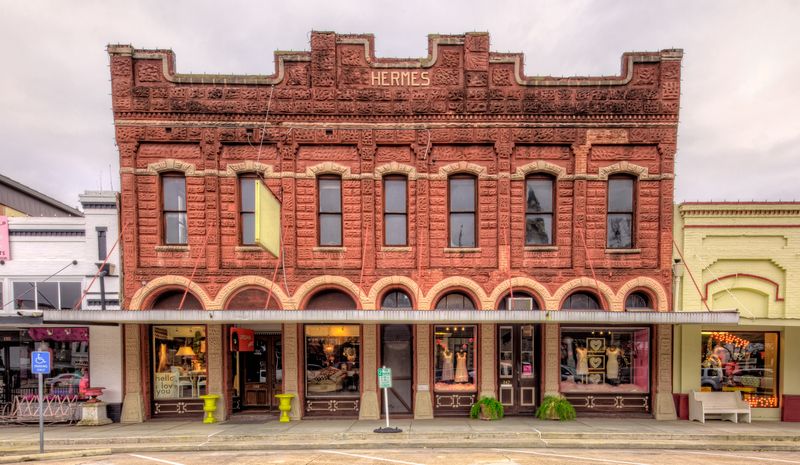
Texas dance halls are a cultural institution, and Fayette County has some of the finest examples still standing. These structures, many built by Czech and German immigrant communities in the late 1800s and early 1900s, were designed as gathering places where the whole community could come together.
They hosted weddings, political rallies, dances, and celebrations of every kind.
Several historic dance halls within a short drive of La Grange are still operational, which is remarkable given how many have been lost over the decades.
Walking into one of these old halls, with their high ceilings, sprung wooden floors, and hand-built stages, feels like stepping into a living piece of Texas history.
The acoustics are surprisingly good, and the atmosphere is unlike anything a modern venue can replicate.
Live music nights at these halls draw multigenerational crowds. Grandparents dance alongside grandchildren.
Strangers strike up easy conversations. There is an openness to these spaces that is rare and worth seeking out.
The dance hall tradition of central Texas is listed among the state’s most important cultural heritage elements, and experiencing it firsthand in Fayette County is the best possible argument for why it deserves to be protected and celebrated.
St. James Episcopal Church and La Grange’s Architectural Legacy
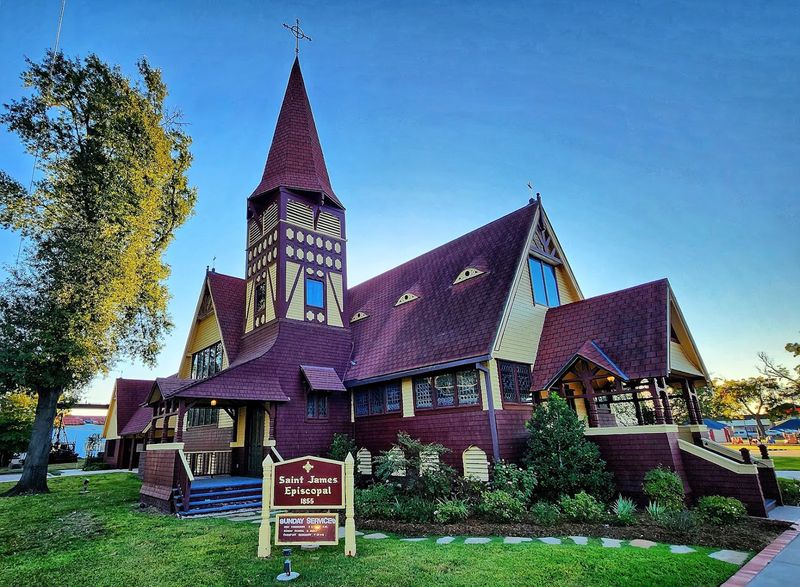
La Grange’s architectural landscape is quietly stunning, and St. James Episcopal Church (156 N Monroe St) is one of its most beloved landmarks. Established in the mid-1800s, the church is one of the oldest Episcopal congregations in Texas.
The building itself is modest but deeply dignified, constructed from local limestone in a style that reflects both the faith and the resourcefulness of its founders.
Walking through the older parts of La Grange reveals an impressive variety of 19th and early 20th century architecture. Victorian homes with wide front porches sit beside limestone commercial buildings that have been standing for over a hundred years.
Many of these structures are in excellent condition, a testament to the community’s commitment to preservation.
The town’s architectural character gives it a visual coherence that is increasingly rare. Nothing feels slapped together or out of place.
Even newer additions tend to respect the scale and materials of the older buildings around them. For architecture enthusiasts, history buffs, or anyone who simply appreciates a town that looks like it has been loved for a long time, La Grange delivers something genuinely satisfying at every turn.
Bring a camera and plan for more stops than you originally intended.
Community Festivals and the Living Pulse of La Grange

La Grange knows how to throw a festival, and the town’s calendar reflects a community that genuinely enjoys celebrating together. Events like the Fayette County Fair, one of the oldest county fairs in Texas, draw visitors from across the state while remaining rooted in local tradition.
The fairgrounds come alive with livestock competitions, live music, carnival rides, and the kind of food that requires no apology whatsoever.
Seasonal events tied to Czech and German heritage also dot the calendar throughout the year. These gatherings are not staged performances for outsiders.
They are organic expressions of community identity, organized by locals who have been participating in them their entire lives. That authenticity is palpable and makes attendance feel like a privilege rather than a transaction.
Smaller events, street markets, historical commemorations, and church festivals, fill in the gaps between the bigger celebrations. On almost any given weekend, something worth attending is happening somewhere in or around La Grange.
The town’s event culture is a direct reflection of how its residents relate to each other, with warmth, humor, and a genuine desire to share what they have built here.
Dear Reader: This page may contain affiliate links which may earn a commission if you click through and make a purchase. Our independent journalism is not influenced by any advertiser or commercial initiative unless it is clearly marked as sponsored content. As travel products change, please be sure to reconfirm all details and stay up to date with current events to ensure a safe and successful trip.
