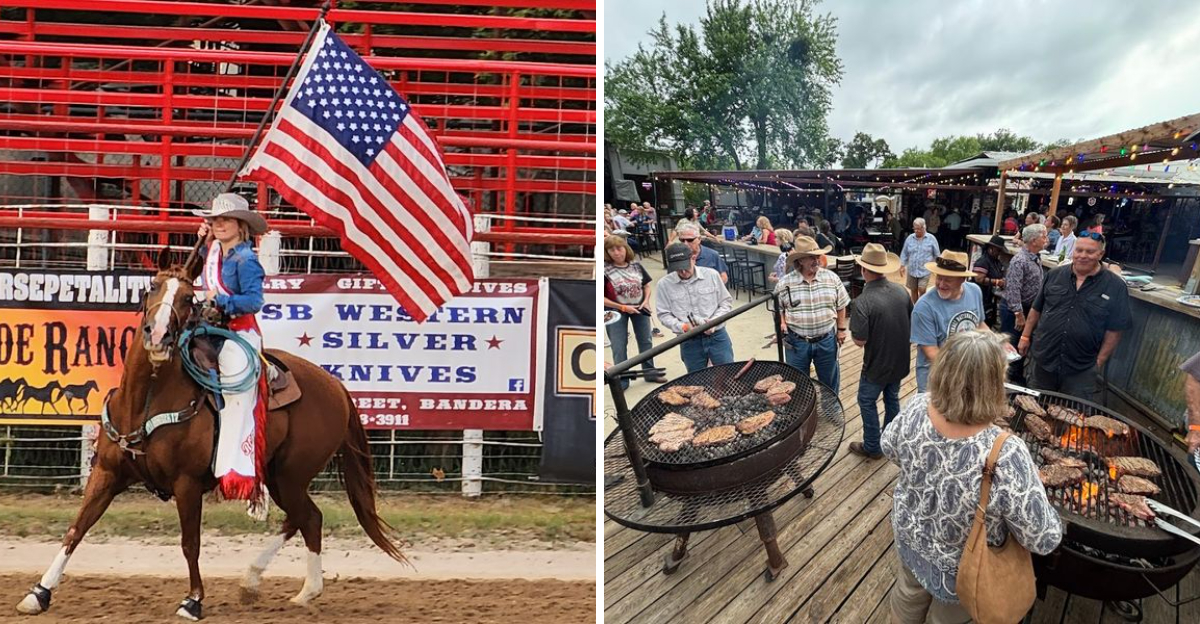
Dusty streets, rodeo culture, and quiet mornings make this Texas town feel like it belongs to another time. The pace is slower, the atmosphere is calm, and the western roots are impossible to miss.
It feels like a place where everyday life has stayed simple. Walking through town, the character shows up in every detail.
Historic buildings line the streets, small local shops add charm, and the strong rodeo presence gives the town its identity. People greet each other, conversations linger, and the whole place carries a sense of familiarity.
Visitors often arrive expecting a short stop and end up staying longer. The mix of history, tradition, and a slower rhythm makes it easy to settle in and enjoy a side of life that feels increasingly rare.
The Cowboy Capital of the World Title
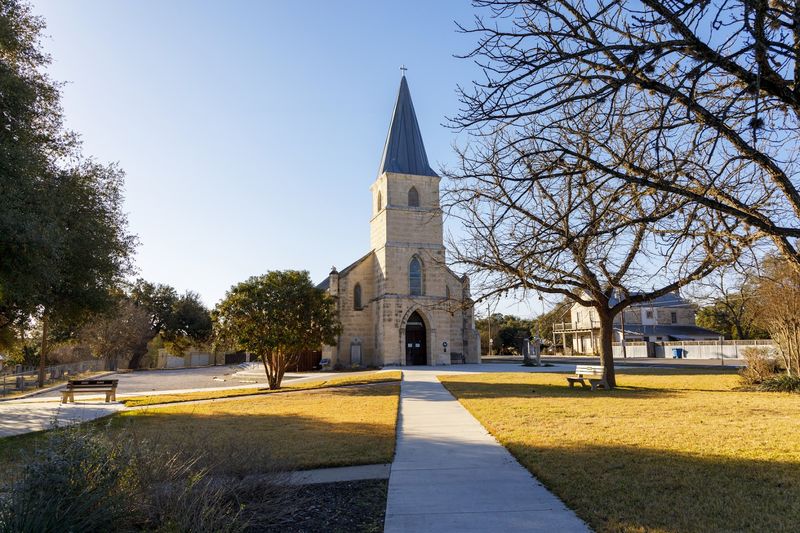
Few small towns carry a title as bold as the Cowboy Capital of the World, but Bandera actually earned it. Between 1874 and 1894, this Hill Country town served as a key hub along the Great Western Cattle Trail.
Roughly 30,000 cowboys drove somewhere between seven and ten million longhorns through Bandera during those two decades.
That number is hard to wrap your head around when you are standing on a quiet Main Street today. The history did not fade though.
It soaked into the soil, the buildings, and the identity of every person who grew up here.
Bandera did not brand itself as the Cowboy Capital for marketing purposes. The title came from a genuine legacy of cattle drives, working ranches, and cowboy culture that predates any tourism campaign by over a hundred years.
Locals carry that pride without making it feel like a show. You feel the authenticity in the way people dress, talk, and carry themselves around town.
The cowboy roots here are not a costume. They are a living, breathing part of everyday life that has never really stopped.
The Great Western Cattle Trail Legacy
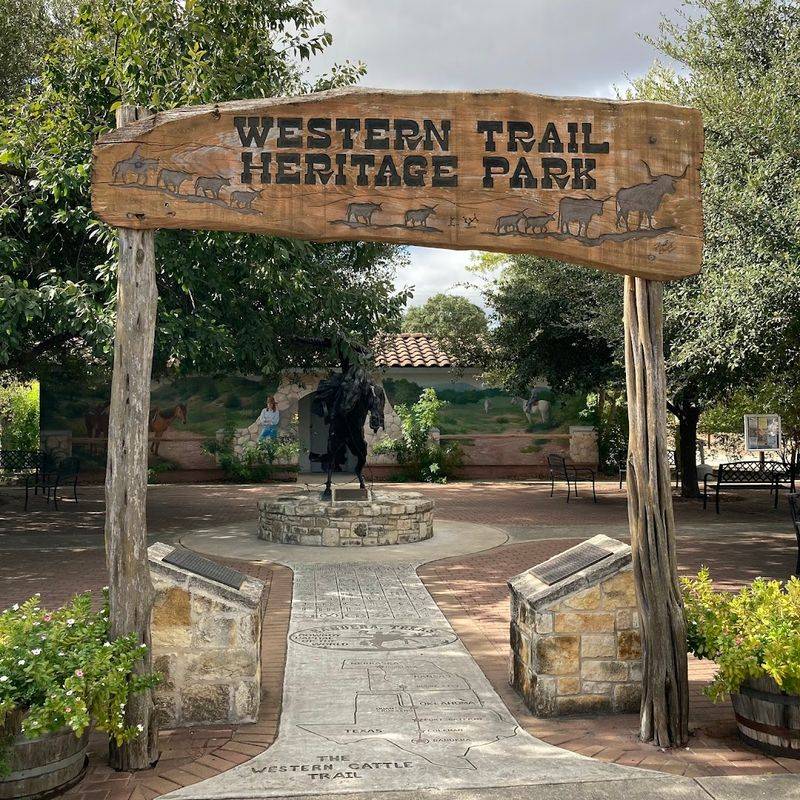
History has a funny way of hiding in plain sight, and in Bandera, you can practically feel the cattle trail under your boots. The Great Western Cattle Trail passed directly through this area, making Bandera one of the most important staging grounds for one of the largest livestock movements in American history.
Millions of animals, thousands of cowboys, and years of relentless trail life all converged right here.
Historical markers around town help tell the story for those willing to slow down and read them. The trail ran north from Texas toward markets in Kansas and beyond, and Bandera sat at a critical crossing point that made it indispensable to the entire operation.
What is remarkable is how this history is preserved not just in museums but in the town’s actual culture. Ranching families in Bandera can trace their roots back to those trail-driving days.
The landscape has not changed as dramatically as most places, so it is easier here to imagine what those long, dusty drives actually looked like. That connection between past and present is something genuinely rare in modern America, and Bandera holds onto it carefully.
Bandera’s Annual Rodeo Events
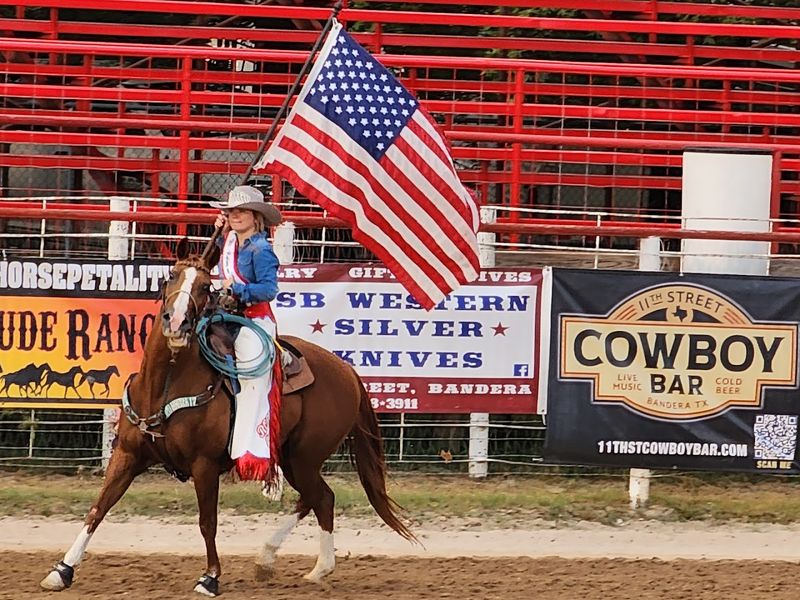
Rodeo in Bandera is not a novelty. It is a tradition that goes back to the 1920s, with the first advertised rodeo held at Mansfield Park in 1924.
That kind of longevity says everything about how seriously this town takes its cowboy heritage.
Every year, Bandera hosts several major rodeo events that pull visitors from across the state and beyond. The Memorial Day weekend PRCA Rodeo and the Labor Day weekend Ranch Rodeo are two of the most anticipated events on the local calendar.
These are not casual shows. They feature skilled competitors who have spent lifetimes mastering roping, riding, and all the disciplines that define the sport.
Attending a rodeo here feels entirely different from watching one in a big arena in a major city. The crowd is close, the energy is personal, and the competitors often come from nearby ranches.
There is a real community feel that you cannot manufacture. Families spread out on bleachers, kids press against the rails, and the smell of arena dirt mixes with the summer heat.
For anyone curious about what rodeo culture actually looks and feels like at its roots, Bandera is the right place to find out.
Main Street and Its Historic Buildings
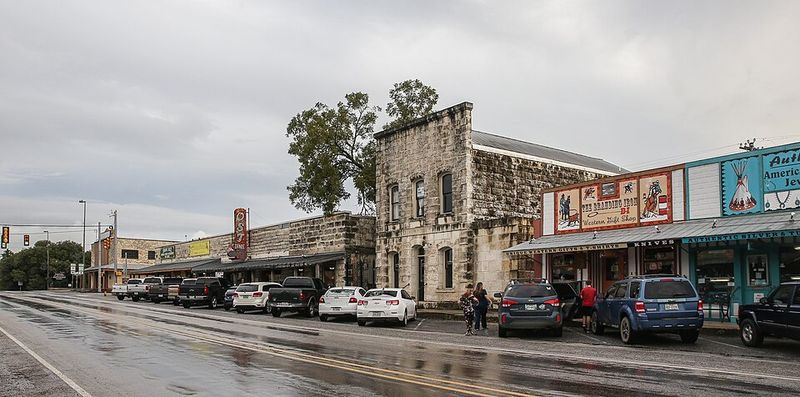
Main Street in Bandera looks like someone pressed pause on it sometime around 1950 and just never pressed play again. That is not a complaint.
It is one of the best things about the place. The buildings are old, the signage is weathered, and the whole stretch has a warmth that newer commercial strips simply cannot replicate.
The Bandera County Courthouse, built in 1890, anchors the street with its solid limestone presence. It is the kind of structure that makes you realize how seriously early Texans took civic architecture, even in small frontier towns.
Walking past it feels like passing through a timeline.
Several other buildings along Main Street have been in continuous use for over a century. Some have changed purposes, shifting from general stores to cafes to gift shops, but the bones remain.
The details matter here: original wood floors, pressed tin ceilings, hand-painted window lettering that looks like it belongs in a different era. Bandera has resisted the urge to modernize everything for the sake of convenience, and the result is a streetscape that feels genuinely historic rather than artificially restored.
That restraint is rare and worth appreciating when you see it.
The Bandera General Store
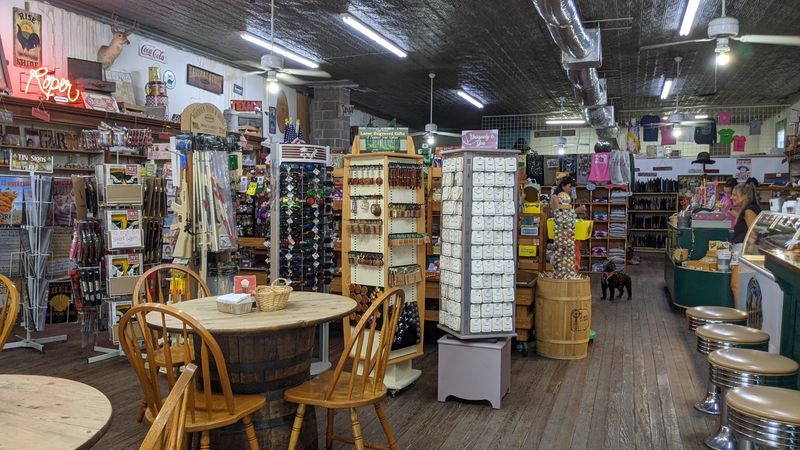
The Bandera General Store has been around since 1907, and it shows in the best possible way. The original wood floors creak underfoot, the tin ceiling catches the light just right, and the whole place smells faintly of old timber and history.
It is one of those spots where you walk in for a quick look and end up staying far longer than planned.
Over its long life, the building has served as a saddle shop, a movie theater, and various other community staples. Today it features a 1950s soda fountain that feels completely at home alongside the rest of the vintage interior.
Ordering something at that counter is a small but genuinely enjoyable experience.
What makes this store special is not just the age of it but the way it has adapted without losing its soul. The address is 306 Main Street, Bandera, Texas.
Each reinvention has respected what came before, layering history rather than erasing it. For visitors who appreciate places with real character and a deep sense of continuity, this stop is non-negotiable.
It is not a museum piece either. The store is active and alive, which makes the history feel current rather than preserved behind glass.
The Bandera County Courthouse
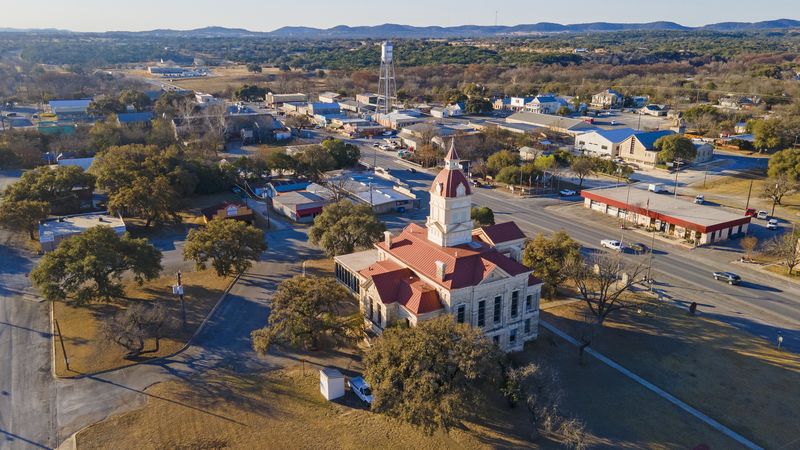
There is something about a 19th-century courthouse that communicates permanence in a way nothing else quite does. The Bandera County Courthouse, constructed in 1890, is built from local limestone and sits at the center of town with the kind of quiet authority that comes from over a hundred years of community life happening around it.
The architecture is straightforward and solid, which feels appropriate for a town that has always valued substance over flash. It is not ornate or showy.
It is honest, which somehow makes it more impressive.
Courthouses like this one served as the civic heart of Texas frontier towns, handling everything from land disputes to criminal cases in communities that were still figuring out how to build civilization in a wild landscape. Bandera was no different.
The courthouse has witnessed more than a century of local history, and that weight is visible in the stone itself. Visitors often stop to photograph it, but it deserves more than a quick snapshot.
Spend a moment just looking at it, considering what it took to build something this substantial in a remote Hill Country town in 1890. The effort alone tells you something important about the people who made Bandera what it is.
Address: 500 Main St, Bandera, TX 78003
The Jureczki House and Polish Heritage
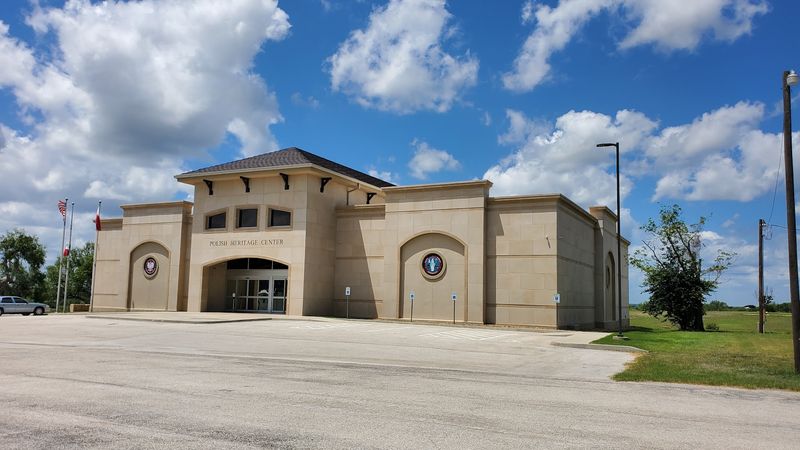
Not everyone knows that Bandera has deep Polish roots, but the Jureczki House makes that history impossible to ignore. Built in 1876, it is one of the largest Polish pioneer houses in central Texas and is listed on the National Register of Historic Places.
That combination of scale and historical significance makes it a genuinely important landmark.
Polish immigrants began settling in the Bandera area in the 1850s, making it one of the earliest Polish settlements in the United States. That community brought with it its own traditions, architecture, and sense of identity that quietly shaped the town alongside its more widely known cowboy culture.
The Jureczki House stands as a physical reminder that Bandera’s story is more layered than a single narrative about cattle drives and rodeos. Real communities are always more complex than their most famous exports.
Seeing this house and understanding what it represents adds real depth to a visit here. It prompts you to ask questions about who else built this place, who worked this land, and whose contributions often go unmentioned in the broader history.
Bandera rewards that kind of curiosity with answers that are just as interesting as anything you will find at the rodeo.
The Medina River and Outdoor Recreation
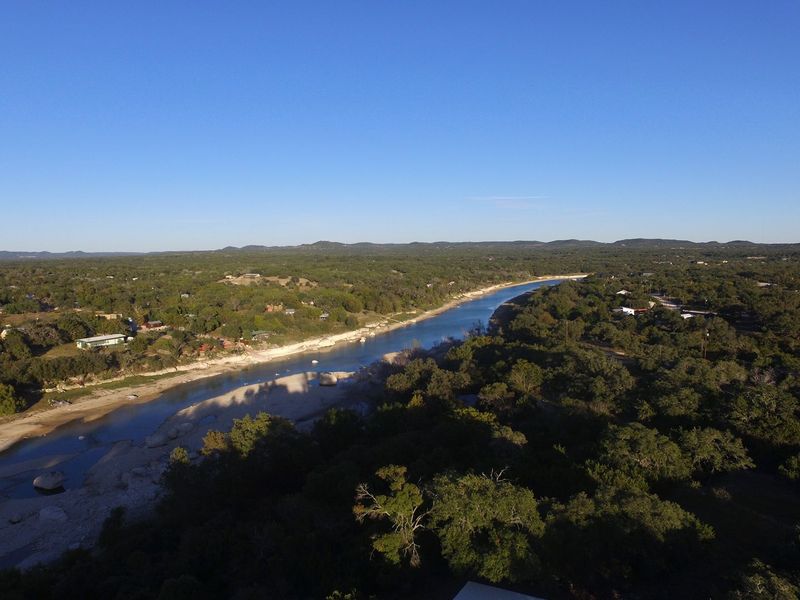
The Medina River runs through Bandera like a gift the Hill Country decided to leave behind. The water is clear and cool, lined with cypress trees that dip their roots into the current, and the whole scene has a kind of effortless beauty that does not require any effort to appreciate.
You just show up and it does the work for you.
Swimming in the Medina is a summertime ritual for locals and a welcome discovery for visitors who did not expect a river this lovely in a town this small. The water moves gently in most spots, making it accessible and relaxed rather than adventurous in a stressful way.
Beyond swimming, the river corridor opens up access to horseback riding trails, hiking paths, and the kind of open landscape that reminds you why people fell in love with the Texas Hill Country in the first place.
Nearby ranches offer guided trail rides that take you through cedar-covered hills and along the river’s edge.
The combination of water, trees, and rolling terrain is genuinely restorative. Spending even half a day outdoors around Bandera has a way of resetting whatever tension you carried in from the highway.
That is not a small thing in a world that rarely slows down.
Horseback Riding and Guest Ranch Culture
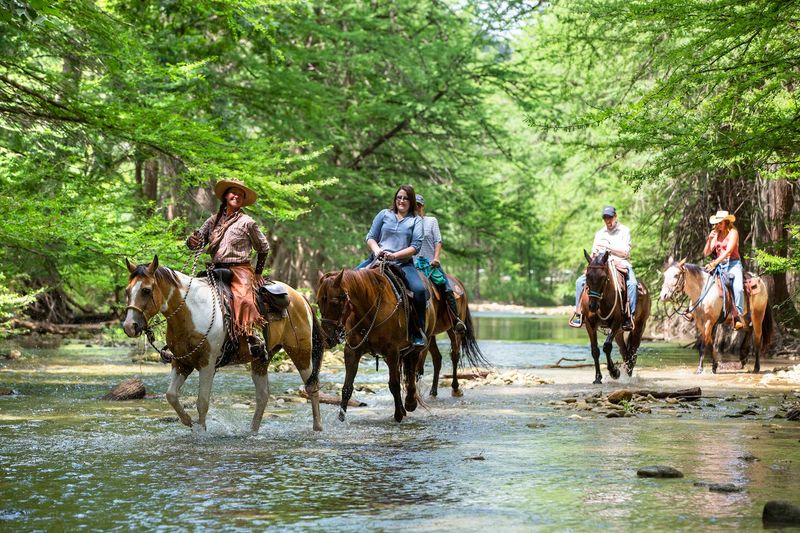
Bandera is one of the few places left in America where horseback riding is not a novelty activity. It is simply how a lot of people prefer to spend their time.
The town and surrounding area are home to numerous guest ranches that offer trail rides, overnight stays, and a full taste of ranch life for visitors who want more than a drive-through experience.
Guest ranches around Bandera range from rustic to comfortable, but the common thread is authenticity. These are working properties with real animals and real routines.
You are not watching ranch life from a distance. You are participating in it, which makes the whole experience feel meaningful rather than theatrical.
Trail rides through the Hill Country here cover terrain that is genuinely beautiful. Cedar breaks open into grassy meadows, limestone outcroppings jut from hillsides, and the views stretch far enough to make you feel small in a good way.
For families with kids, first-time riders, or anyone who has always been curious about what it actually feels like to move through open land on horseback, Bandera delivers that experience with zero pretense. The horses know these trails well, and that confidence is contagious.
Live Music and Western Entertainment
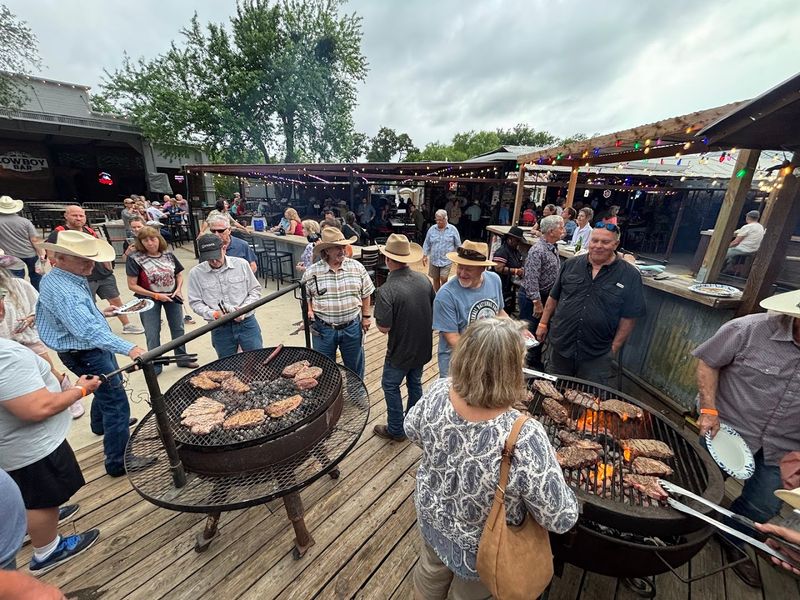
Bandera takes its live music seriously, and the venues here have personalities as distinct as the performers who play them.
Arkey Blue’s Silver Dollar Saloon is one of the most storied spots in town, a place where the walls have absorbed decades of country music and the kind of nights that become stories people retell for years.
The 11th Street Cowboy Bar is another local staple, with outdoor space that fills up on weekends and a crowd that ranges from longtime regulars to curious visitors who wandered in from the highway.
Both places offer a version of Western entertainment that feels rooted in something real rather than staged for consumption. Live music in Bandera is not background noise. It is the main event.
The performers who play these stages tend to know their audience, and the audience tends to know the songs, which creates a shared energy that is hard to find in bigger, more polished venues. You do not need to be a country music devotee to enjoy it either.
The atmosphere is welcoming and unpretentious, and the music has enough soul to connect with anyone who gives it a fair chance. Some of the best evenings in the Hill Country happen right here.
The Slower Pace of Life in Bandera
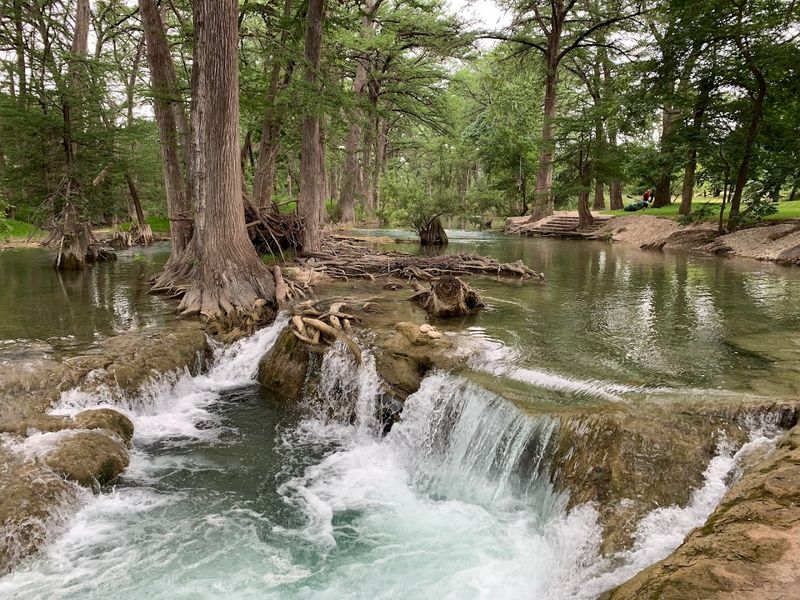
Bandera does not try to be fast. That is one of the most refreshing things about it.
The pace here is genuinely unhurried in a way that feels like a deliberate choice made by an entire community, not just a tourist pitch designed to attract weekend visitors looking for a break.
People here take time to talk. A quick stop at a local shop can turn into a twenty-minute conversation about the town’s history, a recommended trail, or the best time of year to visit the river.
That kind of human exchange has become surprisingly rare, which makes it feel like a small luxury when you encounter it.
The Hill Country setting reinforces the slow rhythm naturally. There is no traffic to fight, no skyline competing for attention, and no sense that you are missing something happening elsewhere.
The cedar hills, the open sky, and the sound of the Medina moving through town all conspire to make hurrying feel unnecessary. Visitors who arrive expecting to check Bandera off a list often find themselves extending their stay by a day or two without much deliberation.
The town has a quiet gravity that is difficult to explain but very easy to feel once you are inside it.
Dear Reader: This page may contain affiliate links which may earn a commission if you click through and make a purchase. Our independent journalism is not influenced by any advertiser or commercial initiative unless it is clearly marked as sponsored content. As travel products change, please be sure to reconfirm all details and stay up to date with current events to ensure a safe and successful trip.
