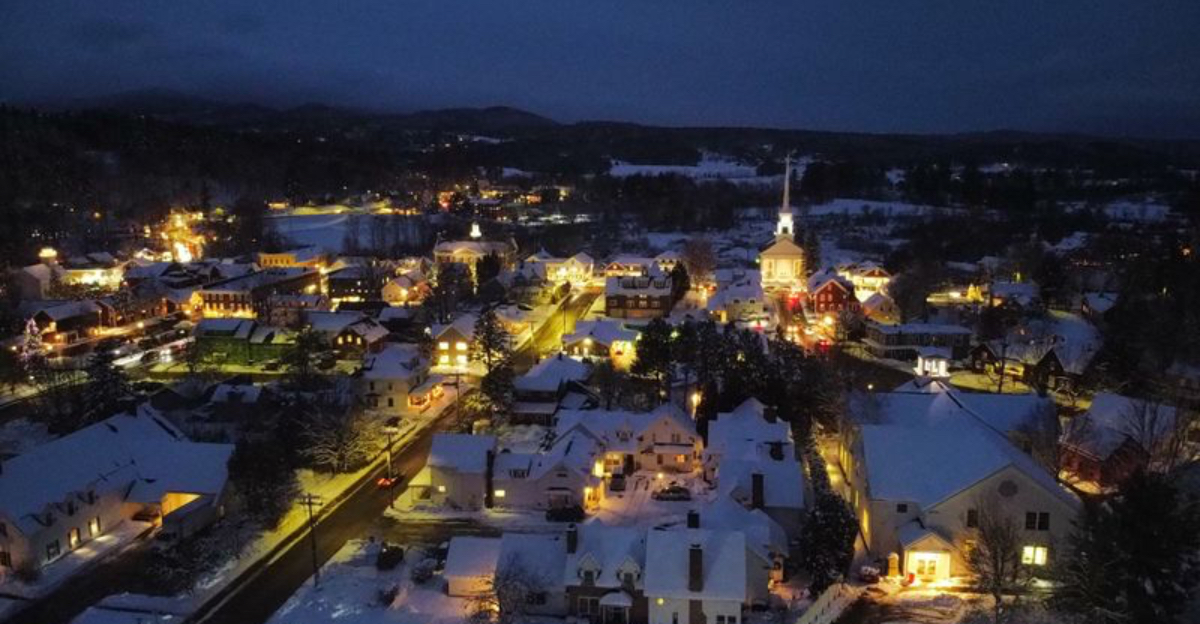
Tucked beneath the towering presence of Mount Mansfield, Stowe has quietly transformed from a modest northern Vermont settlement into one of the most celebrated winter destinations in New England.
Snow blankets the village streets each year with a consistency that feels almost magical, turning the landscape into a postcard scene that draws visitors from across the globe.
What began as a farming community has evolved into a place where alpine tradition meets modern mountain culture, all while maintaining the charm of a small town that refuses to lose its soul.
The slopes that once challenged only the most adventurous skiers now welcome families, thrill-seekers, and first-timers alike, offering a winter experience that feels both exhilarating and deeply welcoming.
Beyond the ski runs and snowboard parks, Stowe reveals itself as a place where history lingers in old barns and covered bridges, where trails wind through silent forests, and where the spirit of Vermont remains wonderfully intact.
This is not a town that shouts for attention, but one that earns it through authenticity, natural beauty, and a winter season that seems to stretch on in the best possible way.
Mount Mansfield Reigns Over the Landscape
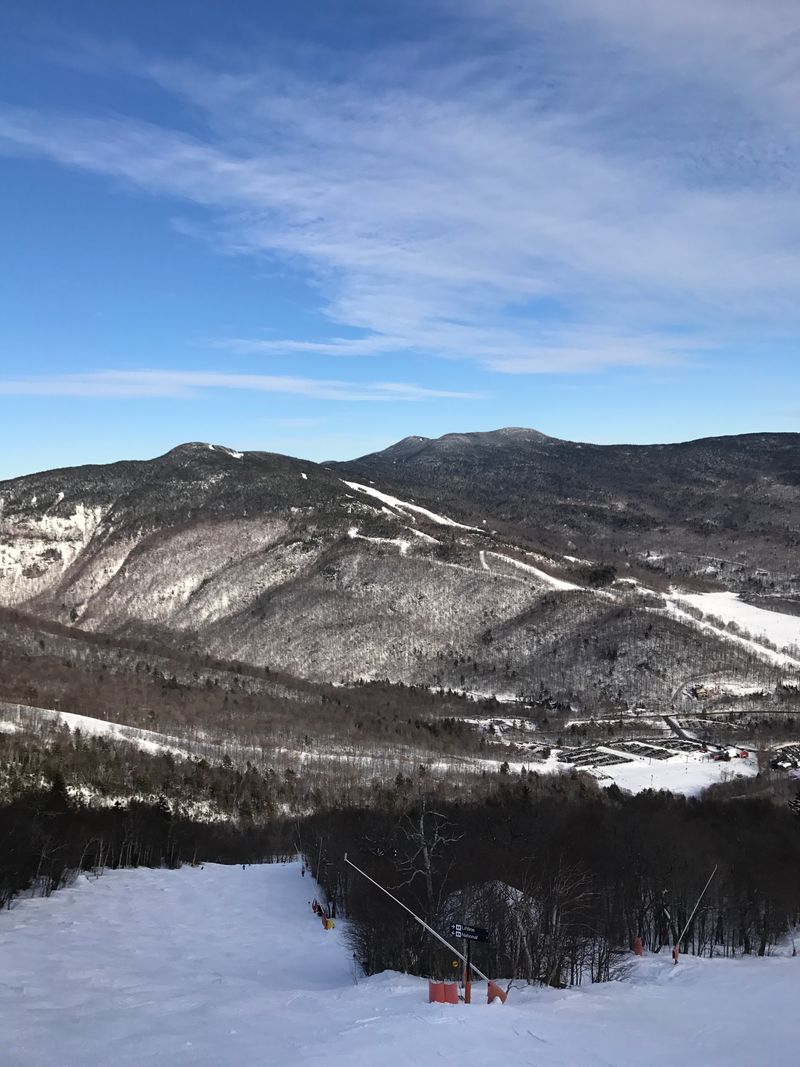
Mount Mansfield stands as Vermont’s highest peak, reaching skyward with a ridgeline that resembles a human profile when viewed from the east.
The mountain has shaped Stowe’s identity for generations, offering both a dramatic backdrop and a playground for outdoor enthusiasts year-round.
During winter, the slopes become a canvas of white, dotted with skiers carving through fresh powder and snowboarders catching air off natural features.
The Auto Toll Road, built decades ago, provides access to the summit ridge for those who prefer to experience the mountain without strapping on skis.
Even on the coldest days, the views from the top reveal a Vermont landscape that stretches endlessly, with rolling hills and distant peaks fading into the horizon.
Trails crisscross the mountain in every direction, some challenging enough to test seasoned athletes, others gentle enough for families exploring together.
The presence of Mount Mansfield gives Stowe a sense of permanence and grandeur that smaller ski towns lack.
Local culture revolves around the mountain, with shops, restaurants, and lodges all oriented toward those who come to experience its slopes.
Snowfall here is abundant, with the mountain often receiving more accumulation than surrounding areas due to its elevation and position.
Skiing history runs deep on these slopes, with stories of early adventurers who carved trails by hand and built the foundation for what exists today.
The mountain never feels overcrowded, even during peak season, thanks to its vast terrain and numerous routes.
Wildlife thrives in the surrounding forests, with moose, deer, and foxes occasionally spotted by those venturing into quieter zones.
Mount Mansfield remains the heart of Stowe, a constant presence that defines the town’s character and draws visitors back year after year.
Smugglers’ Notch Offers Rugged Beauty
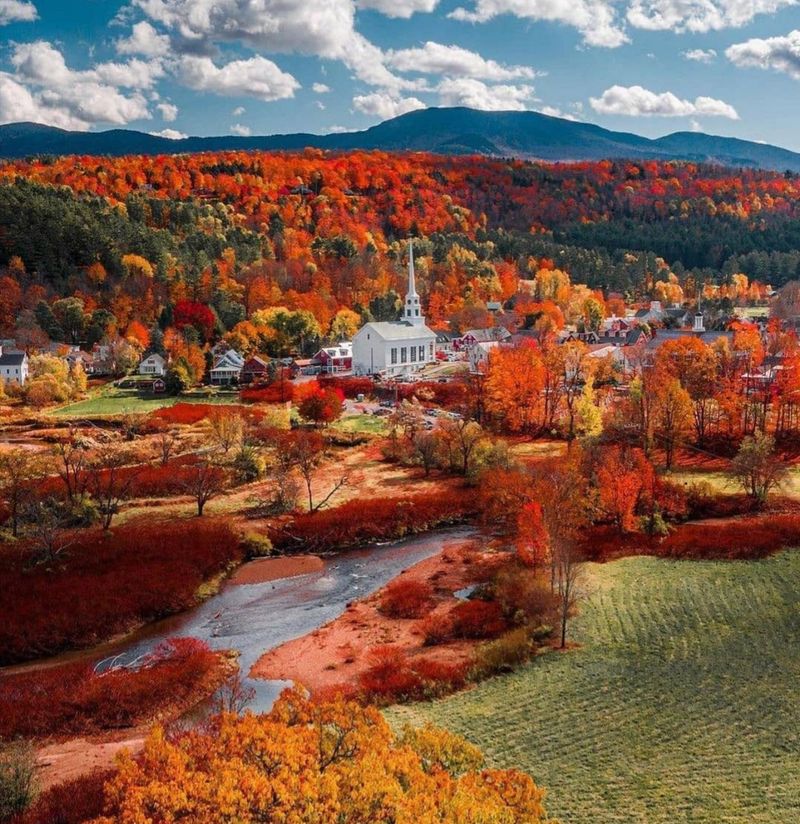
Smugglers’ Notch State Park sits just beyond the base of Mount Mansfield, a dramatic mountain pass carved by ancient glaciers and named for its colorful history.
The narrow passage once served as a route for smugglers moving goods across the Canadian border during times of trade restrictions.
Today, the Notch attracts adventurers who appreciate raw, untouched landscapes where nature dominates and human presence feels secondary.
Towering cliffs rise on either side of the pass, creating a sense of enclosure that feels both protective and awe-inspiring.
During winter, the road through the Notch closes completely, transforming the area into a quiet sanctuary accessible only by snowshoe or cross-country ski.
Dense forests surround the pass, with evergreens so thick they seem to swallow sound, leaving only the crunch of snow underfoot.
Ice formations cling to the rock faces, creating natural sculptures that glisten in the pale winter light.
The park offers trails that range from easy walks to challenging scrambles, each revealing different perspectives of the rugged terrain.
Wildlife tracks often appear in the snow, evidence of the animals that call this remote area home.
The sense of isolation here contrasts sharply with the bustling ski slopes just a few miles away, offering a different kind of winter experience.
Visitors who venture into Smugglers’ Notch discover a side of Vermont that feels wilder and more mysterious than the groomed trails and resort villages.
The park remains relatively undeveloped, preserving its natural character and allowing visitors to experience the landscape much as it has existed for centuries.
For those seeking solitude and a connection to Vermont’s rugged beauty, Smugglers’ Notch delivers an experience that feels authentic and unspoiled.
The Stowe Recreation Path Winds Through Town
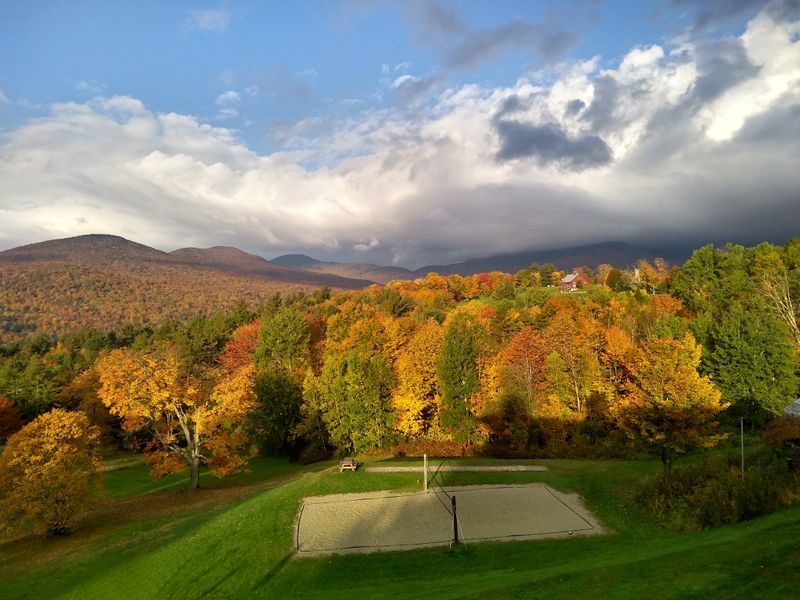
The Stowe Recreation Path stretches for miles, following the West Branch of the Little River as it meanders through the heart of town.
Originally created as a community project, the path has become one of Stowe’s most beloved features, used by locals and visitors throughout the year.
In winter, the paved surface transforms into a corridor for cross-country skiers, snowshoers, and those brave enough to walk despite the cold.
Mountain views appear around every bend, with Mount Mansfield dominating the skyline and smaller peaks framing the horizon.
The path connects various parts of Stowe, passing through meadows, alongside farms, and near charming inns that seem pulled from a storybook.
Bridges cross the river at intervals, offering spots to pause and watch the water flow beneath sheets of ice.
The gentle terrain makes the path accessible to people of all fitness levels, from families with young children to older couples seeking a peaceful outing.
Local businesses line portions of the route, providing opportunities to stop for hot chocolate or browse handmade crafts.
The path feels uniquely Vermont, with its blend of natural beauty and small-town accessibility, never overly polished but always welcoming.
During heavy snowfall, the path becomes a quiet tunnel through a white landscape, with snow-laden branches forming natural archways overhead.
Wildlife occasionally appears along the route, with birds flitting between trees and occasional glimpses of deer in the surrounding fields.
The path serves as a social hub during peak season, with visitors exchanging greetings and sharing recommendations as they pass.
For those who want to experience Stowe’s winter beauty without the intensity of downhill skiing, the Recreation Path offers a perfect alternative.
Vermont Ski and Snowboard Museum Preserves History
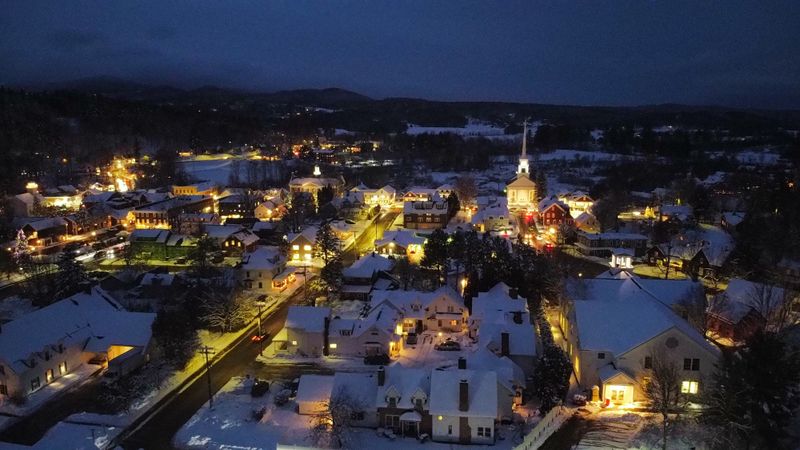
The Vermont Ski and Snowboard Museum occupies a modest space but holds an impressive collection that chronicles the evolution of winter sports in the region.
Vintage skis line the walls, their wooden construction and leather bindings a stark contrast to modern equipment.
Photographs capture moments from decades past, showing skiers in wool sweaters and baggy pants navigating slopes that now feature high-speed lifts and groomed trails.
The museum tells the story of how Vermont became a skiing destination, highlighting the pioneers who saw potential in the mountains and built the infrastructure that exists today.
Artifacts include everything from early ski boots to lift tickets from long-closed resorts, each item representing a piece of the larger narrative.
Interactive exhibits allow visitors to understand how skiing techniques and equipment have changed, making the sport more accessible and safer over time.
The museum feels personal rather than institutional, with displays organized by enthusiasts who clearly love the subject matter.
Stories of Olympic athletes who trained in Vermont add another layer of interest, connecting local slopes to international competition.
The museum also acknowledges the cultural impact of skiing on Vermont communities, showing how winter sports transformed the state’s economy and identity.
For visitors new to Stowe, the museum provides context that enhances appreciation of the surrounding ski areas.
Even those who don’t ski find the exhibits engaging, as they reveal a slice of American recreational history that extends beyond Vermont.
The museum operates year-round, making it a valuable resource during both ski season and quieter summer months.
By preserving this history, the museum ensures that future generations understand the roots of Vermont’s winter sports culture.
Village Charm Anchors the Experience
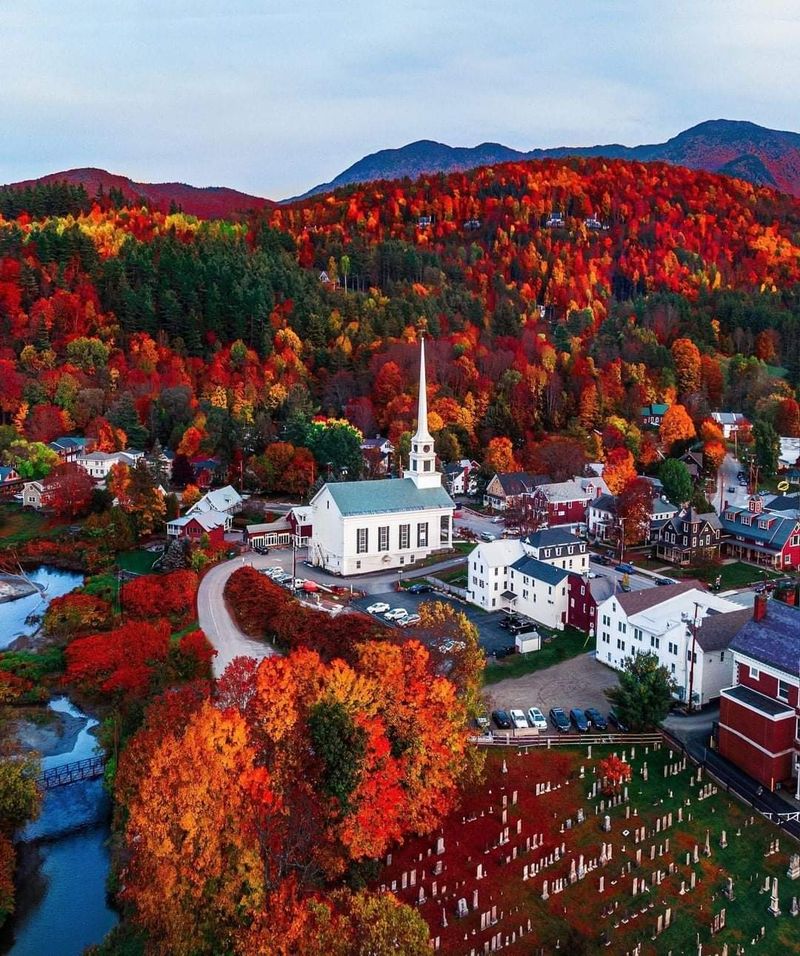
Stowe’s village center retains the character of a classic New England town, with white-steepled churches and historic buildings lining the main street.
Unlike some ski towns that feel like purpose-built resorts, Stowe grew organically over centuries, and that history remains visible in its architecture and layout.
Local businesses occupy storefronts that have served the community for generations, selling everything from handmade goods to outdoor gear.
The scale of the village feels human, with nothing towering or overwhelming, just well-proportioned buildings that fit naturally into the landscape.
During winter, lights strung between lampposts create a festive atmosphere without crossing into excessive decoration.
Snow accumulates on rooftops and sidewalks, adding to the picturesque quality that makes Stowe a favorite subject for photographers and artists.
The village serves as a gathering place where visitors and locals mix, sharing space in coffee shops, bakeries, and small restaurants.
Unlike larger resort towns, Stowe has avoided the chain stores and generic development that can strip away local character.
Walking through the village feels like stepping into a different era, where pace slows and community matters more than commerce.
Seasonal events bring the town together, from winter festivals to farmers markets, reinforcing the sense of place that defines Stowe.
The village sits at a comfortable distance from the ski slopes, close enough for convenience but far enough to maintain its own identity.
Historic inns and bed-and-breakfasts offer lodging that feels more personal than standard hotel accommodations.
This balance between tourism and authenticity makes Stowe special, a place where visitors feel welcomed into a real community rather than just passing through a vacation destination.
Snowshoeing Opens Remote Territory
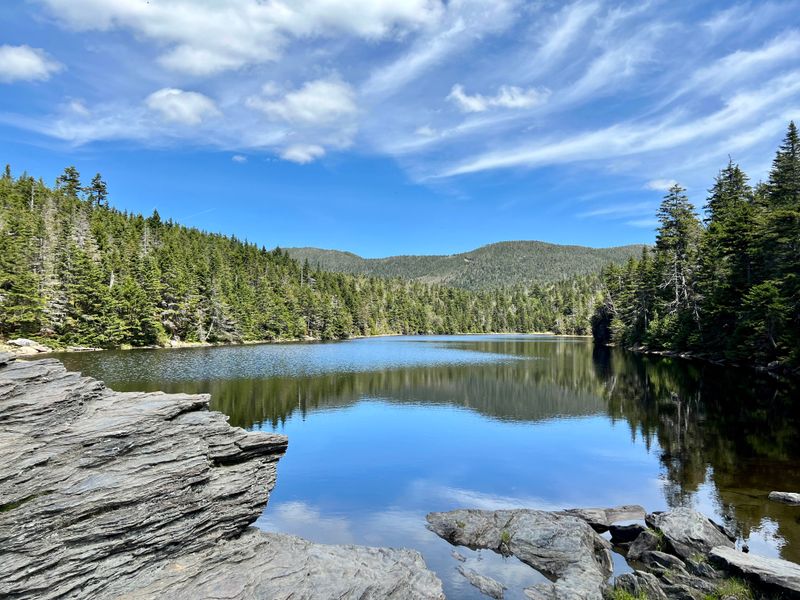
Snowshoeing has experienced a resurgence in recent years, and Stowe provides ideal terrain for this accessible winter activity.
Unlike skiing, which requires specific skills and equipment, snowshoeing allows anyone who can walk to explore winter landscapes that would otherwise be impassable.
Trails designated for snowshoeing lead into areas where snow accumulates deeply, creating a soft, silent world that feels untouched by modern life.
The rhythm of snowshoeing differs from other winter activities, slower and more deliberate, encouraging observation and contemplation.
Wildlife viewing opportunities increase when moving quietly through the forest, with tracks and occasional sightings revealing the animals that thrive in winter conditions.
Snowshoers can access areas that remain closed to skiers, including steep terrain and dense forest where narrow trails wind between trees.
The physical effort required provides excellent exercise without the technical challenges of skiing, making it appealing to a broad range of fitness levels.
Guided snowshoe tours operate throughout the season, led by naturalists who share knowledge about winter ecology and local history.
The equipment itself has evolved significantly, with modern snowshoes lighter and more efficient than the traditional wooden frames many people picture.
Rental shops throughout Stowe stock various sizes and styles, ensuring proper fit for different snow conditions and terrain.
Night snowshoeing has become particularly popular, with full moon excursions offering a magical perspective on familiar landscapes.
The activity appeals to those who want to experience winter’s beauty without the crowds and expense associated with resort skiing.
Snowshoeing in Stowe connects participants directly to the Vermont wilderness, fostering appreciation for the resilience of nature during the coldest months.
Historic Architecture Tells Stories
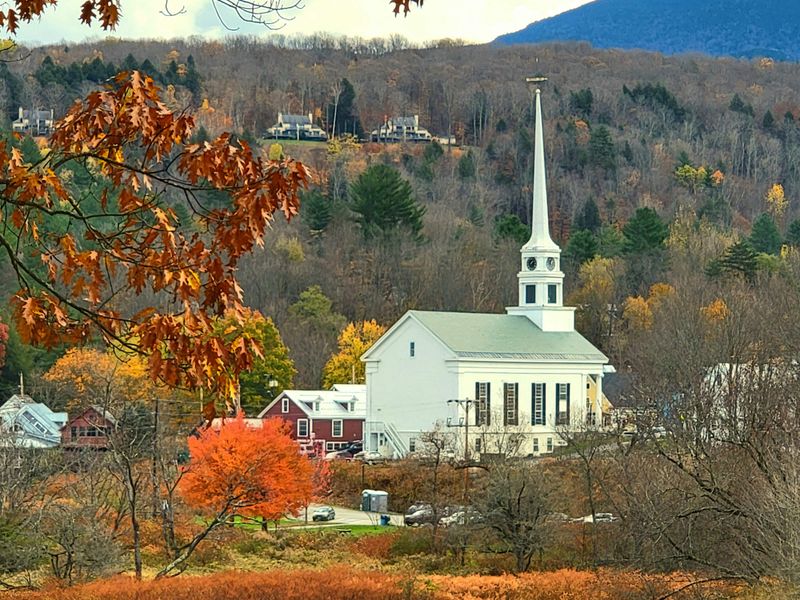
Stowe’s architectural heritage reflects its long history as a Vermont community, with buildings dating back to the early settlement period.
White clapboard churches with soaring steeples anchor the village, their simple elegance embodying New England’s colonial aesthetic.
Many structures have been continuously occupied and maintained for over two centuries, creating a living connection to the past.
Barns dot the surrounding countryside, some still functioning as agricultural buildings, others converted to homes or shops while retaining their original character.
The town’s commitment to historic preservation has prevented the kind of unchecked development that has altered other popular destinations.
Walking through Stowe reveals layers of architectural history, from Federal-style homes to Victorian additions to more recent structures built in sympathetic styles.
Covered bridges, though not numerous in Stowe proper, appear in nearby areas, representing Vermont’s most iconic architectural contribution.
The scale and proportion of historic buildings feel appropriate to the landscape, neither dominating nor disappearing into the surroundings.
Local stone and timber feature prominently in older construction, materials sourced from the immediate area and reflecting regional building traditions.
Preservation efforts extend beyond individual buildings to include the overall streetscape, maintaining sight lines and preventing intrusive modern elements.
Some of the oldest structures now house museums or cultural organizations, allowing visitors to experience historic interiors firsthand.
The architecture serves as a reminder that Stowe existed long before it became a skiing destination, with roots in farming and small-scale industry.
This architectural continuity gives the town depth and authenticity, qualities that distinguish it from newer resort communities built primarily for tourism.
Mountain Dining Ranges from Rustic to Refined
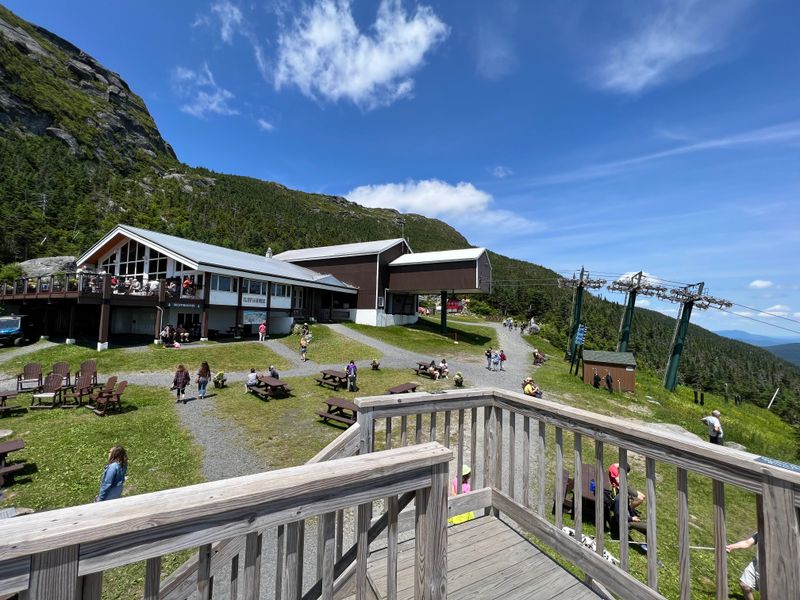
Stowe’s restaurant scene has evolved considerably over the decades, growing from basic taverns into a diverse culinary landscape that rivals much larger destinations.
Options range from casual spots serving hearty comfort food to refined establishments where chefs showcase Vermont ingredients in creative preparations.
The emphasis on local sourcing runs strong, with many restaurants featuring produce, dairy, and meat from nearby farms.
During winter, menus lean toward warming dishes that satisfy appetites built up by hours on the slopes or trails.
Fireplaces and wood-paneled interiors create cozy atmospheres that feel appropriate to the mountain setting.
Some restaurants occupy historic buildings, adding architectural interest to the dining experience.
The culinary community in Stowe takes pride in quality rather than pretension, with even upscale establishments maintaining a welcoming, unpretentious atmosphere.
Breakfast spots draw crowds of skiers fueling up for the day, serving everything from classic pancakes to more adventurous fare.
Bakeries turn out fresh bread and pastries that fill shops with enticing aromas, tempting passersby throughout the day.
Craft beverages feature prominently, with locally produced options available in most establishments.
The dining scene reflects Vermont’s broader food culture, which values sustainability, craftsmanship, and connection between producers and consumers.
Visitors can eat differently every night during an extended stay, exploring various cuisines and price points without exhausting the options.
The restaurants serve both tourists and locals, creating a mix that keeps establishments grounded and prevents them from becoming overly touristy.
Food in Stowe enhances the overall experience, providing another way to connect with Vermont’s culture and character beyond outdoor activities.
Dear Reader: This page may contain affiliate links which may earn a commission if you click through and make a purchase. Our independent journalism is not influenced by any advertiser or commercial initiative unless it is clearly marked as sponsored content. As travel products change, please be sure to reconfirm all details and stay up to date with current events to ensure a safe and successful trip.
