You have probably used chapstick hundreds of times without thinking about where it came from. The answer is a small Virginia town that most people drive right past.
In the late 1800s, a pharmacist named Dr. Charles Browne Fleet invented the stuff, mixing up a lip balm in his lab and selling it to anyone with chapped lips. The product took off, and a humble Virginia town became the unexpected birthplace of a product that now sits in pockets and purses all over the world.
I stood there thinking about how strange it is that something so small, so everyday, has such a specific origin. Innovation does not always happen in big cities.
The Accidental Inventor Who Started It All
Not every great invention comes from a lab coat and a fancy research facility. Dr. Charles Browne Fleet was a Lynchburg pharmacist with an inventive mind and a genuine desire to help his customers.
He ran a small, family-operated pharmacy in Virginia that he opened back in the 1800s, and his shop quickly became a neighborhood staple.
Fleet noticed that chapped lips were a real, everyday problem for people. So he got to work developing a soothing formula that could bring some relief.
The result was a small, wickless-candle-shaped product wrapped in tin foil, essentially the world’s first lip balm.
The product didn’t exactly fly off shelves at first. Fleet’s original version was handmade and modest in appearance, and it struggled to find a wide audience.
Undeterred by the slow start, Fleet kept refining his craft. His pharmacological curiosity and genuine care for his community planted the seed for what would become a global household name.
Lynchburg, Virginia, owes a quirky piece of its identity to this underappreciated inventor whose name most ChapStick fans have never even heard.
A Five-Dollar Deal That Changed Lip Care Forever
Picture this: one of the most profitable product deals in American history was sealed for just five dollars. Dr. Fleet, not entirely convinced his lip balm formula had real commercial legs, sold the rights to his friend John Morton, a fellow Lynchburg resident, for that almost laughably tiny sum.
Morton saw something Fleet didn’t. He recognized that the formula just needed better packaging and smarter marketing to win people over.
So he brought the project home, literally, and started working on it right in his kitchen.
Together with his wife, Morton began experimenting with ways to make the product more appealing and practical. That kitchen in Lynchburg, Virginia, became the unlikely headquarters of what would soon become a multi-million-dollar industry.
The original five-dollar price tag on the formula is now one of the most jaw-dropping footnotes in American business history. It’s a reminder that great ideas don’t always come with a hefty price tag attached.
Sometimes the most valuable things start out looking like a long shot, and that’s exactly what happened right here in this unassuming Virginia city.
Mrs. Morton and the Brilliant Brass Tube Idea
Behind every great product launch, there’s often someone who sees the obvious solution everyone else missed. Mrs. Morton was that someone.
While her husband was focused on the formula, she turned her attention to the packaging, and that’s where the magic really happened.
She came up with the idea of pouring the melted lip balm mixture into small brass tubes and shaping it into a solid stick that could be pushed upward as it was used. Simple, clever, and wildly practical.
The design was so intuitive it’s barely changed in over a century.
That kitchen experiment in Lynchburg launched the Morton Manufacturing Company, a proper business built on one woman’s packaging insight. Mrs. Morton’s contribution is often overshadowed by the story of the formula itself, but her innovation is arguably what made ChapStick a product people could actually use on the go.
Virginia has produced plenty of notable inventors and thinkers over the years, and Mrs. Morton absolutely belongs on that list. Her brass tube concept turned a quirky little lip remedy into a portable, pocket-friendly product the whole world would eventually love.
The Logo That Lasted Over a Century
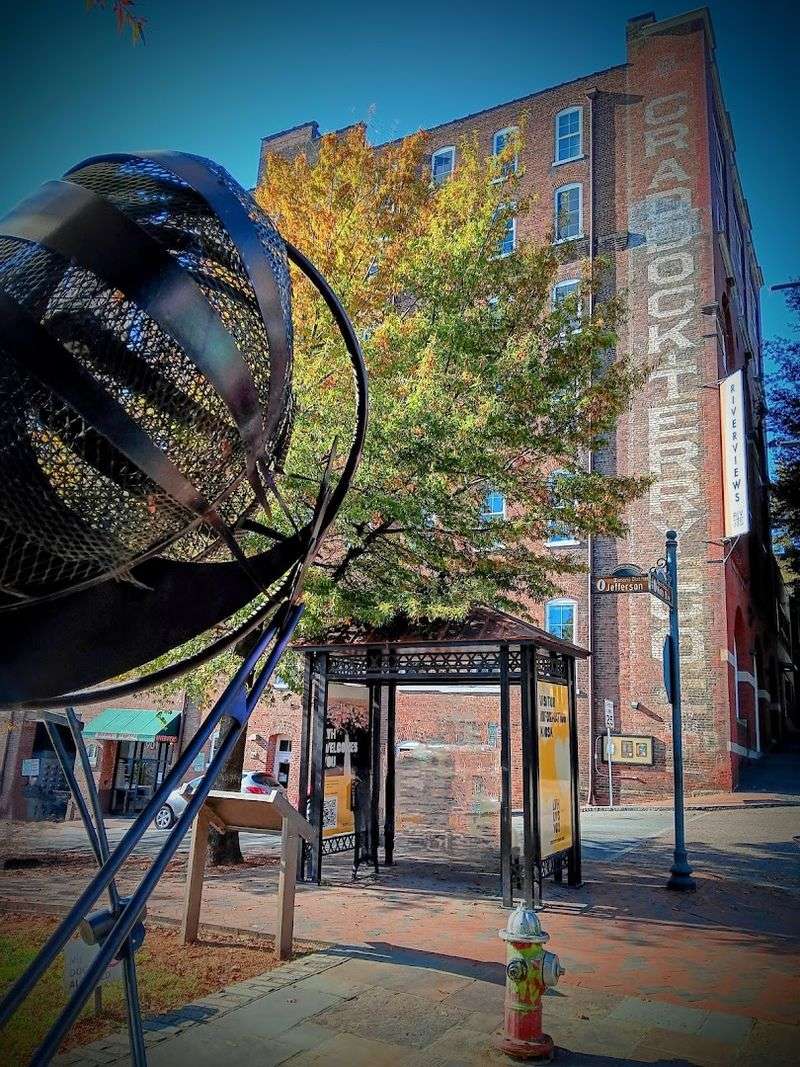
Good design has a funny way of outlasting just about everything else. In the 1930s, John Morton hired a local Lynchburg commercial artist named Frank Wright Jr. to create a logo for ChapStick.
Wright was paid a one-time fee of fifteen dollars for the job, which, even by the standards of the era, was modest compensation for work that would endure for generations.
The logo Wright designed is still in use today. Think about that for a second.
A piece of artwork created right here in Virginia, commissioned by a small local company, has been printed on billions of tubes sold across the globe. That’s the kind of staying power most designers can only dream about.
Wright’s clean, straightforward design captured something timeless about the product. It didn’t try too hard or follow a flashy trend.
It simply communicated what ChapStick was: reliable, simple, and trustworthy. The fact that no major redesign has been necessary speaks volumes about how well that original vision landed.
Lynchburg quietly gave the world a logo that became as recognizable as the product itself, and Frank Wright Jr. deserves far more credit than history has typically given him.
Lynchburg’s Historic Downtown Worth Every Step
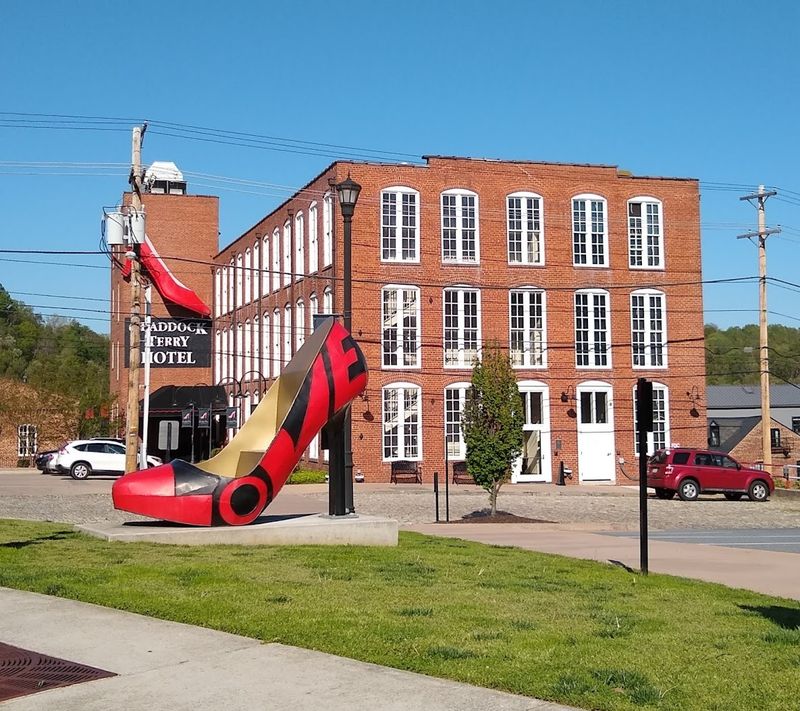
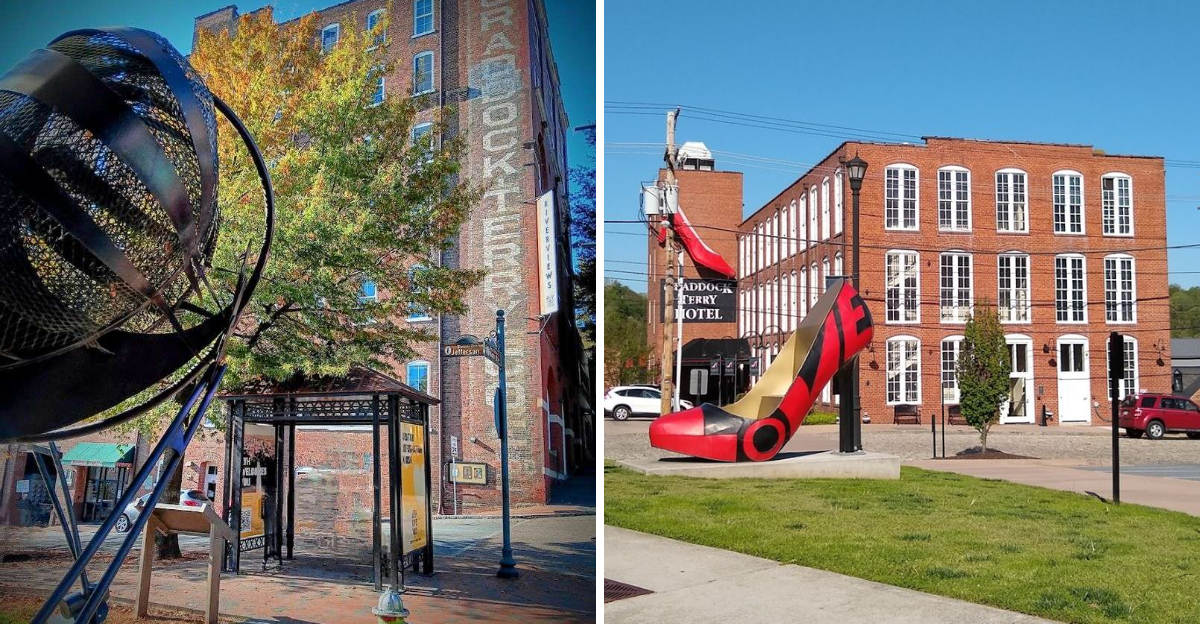
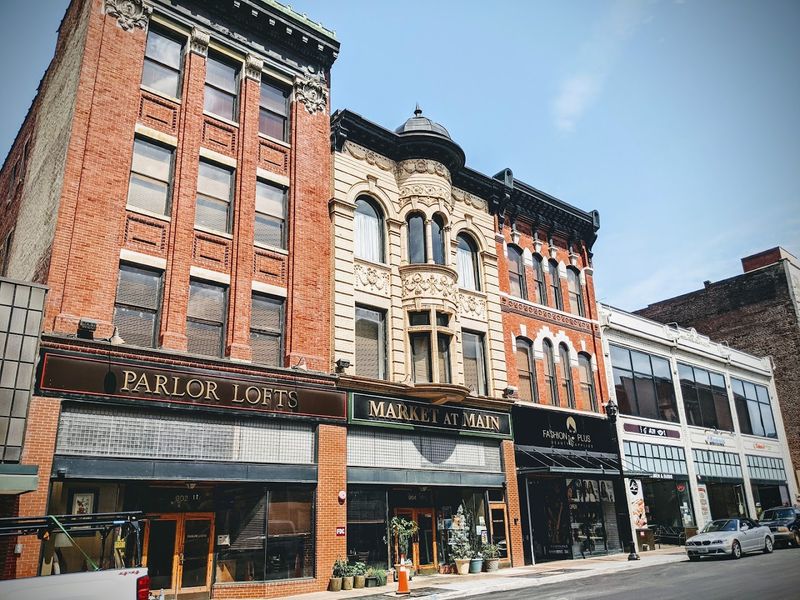
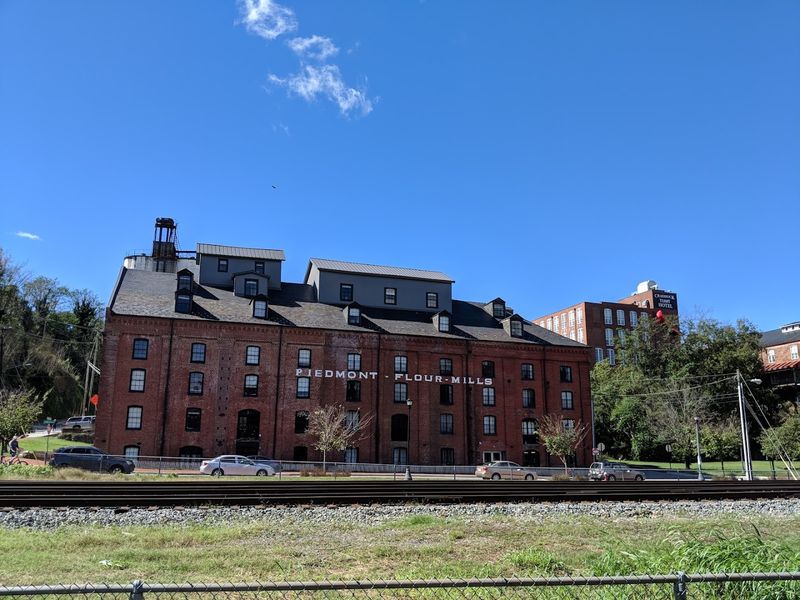
Beyond its surprising ChapStick legacy, Lynchburg has a downtown that absolutely rewards a slow, unhurried walk. The streets are lined with well-preserved red brick architecture that tells the story of a city that takes its history seriously without being stuffy about it.
Local shops, galleries, and eateries fill the ground floors of buildings that have stood for well over a century. The energy here is relaxed but lively, the kind of downtown where you can pop into a bookshop and end up chatting for an hour before you even realize it.
The James River runs nearby, adding a scenic backdrop to the whole experience. Lynchburg sits at a genuinely beautiful spot in Virginia, where the rolling hills and the river create a setting that feels both dramatic and deeply livable.
Downtown is the beating heart of the city, and spending a few hours wandering through it gives you a real sense of what makes Lynchburg tick. It’s the kind of place that doesn’t need to shout to impress you.
It just quietly reveals itself the more time you spend exploring its well-worn, character-filled streets.
Point of Honor and the Federal-Style Elegance of the Past
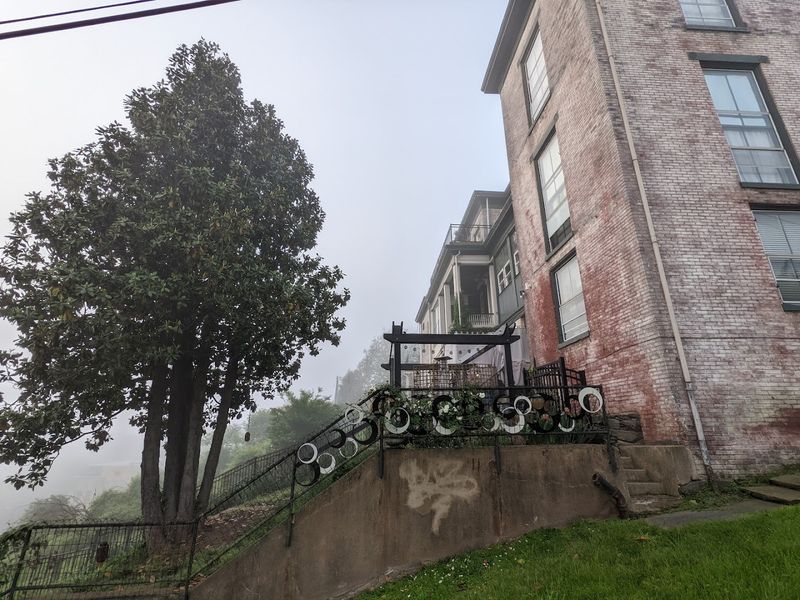
Point of Honor is one of those places that stops you in your tracks the moment you see it. The Federal-style home sits on a bluff overlooking the James River, and its architectural elegance feels completely at odds with how casually it exists within the city.
It’s just there, magnificent and composed, as if it never needed to prove anything to anyone.
Inside, the home is filled with period furnishings that paint a vivid picture of early American domestic life. The craftsmanship in every room reflects an era when homes were built to last and beauty was considered a practical necessity.
Point of Honor is one of Lynchburg’s most beloved landmarks, and rightly so. The grounds are peaceful, the views of the river are lovely, and the whole experience feels like stepping into a living history lesson that actually holds your attention.
Virginia has no shortage of historic homes, but Point of Honor earns its place among the most impressive. It’s a tangible connection to the Federal period, maintained with obvious care and genuine respect for what it represents in the broader story of Lynchburg and the state.
Old City Cemetery, Where History Grows Quietly
Some cemeteries are somber and heavy. Old City Cemetery in Lynchburg is something else entirely.
Established in the early 1800s, it’s one of the oldest municipal cemeteries in Virginia and has evolved into a surprisingly beautiful green space that functions as both a historical archive and a living arboretum.
The antique rose collection here is genuinely extraordinary. Varieties that are no longer found in commercial nurseries bloom throughout the grounds, their fragrance mixing with the scent of old trees and cool grass.
It’s the kind of place that makes you slow down without even trying.
History is layered into every corner of Old City Cemetery. The graves of Civil War soldiers, prominent local figures, and ordinary Lynchburg residents sit side by side, each marker a small window into a life lived in this part of Virginia.
The arboretum aspect adds an unexpected richness to the experience, making it feel less like a cemetery visit and more like a contemplative garden stroll through centuries of local memory. It’s peaceful, beautiful, and far more moving than you’d expect from a place most tourists overlook entirely.
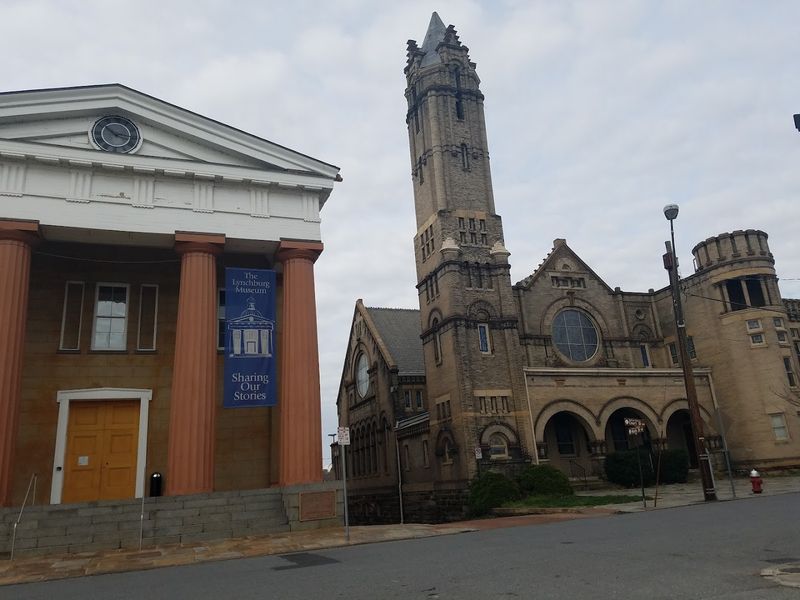
Legacy Museum of African American History
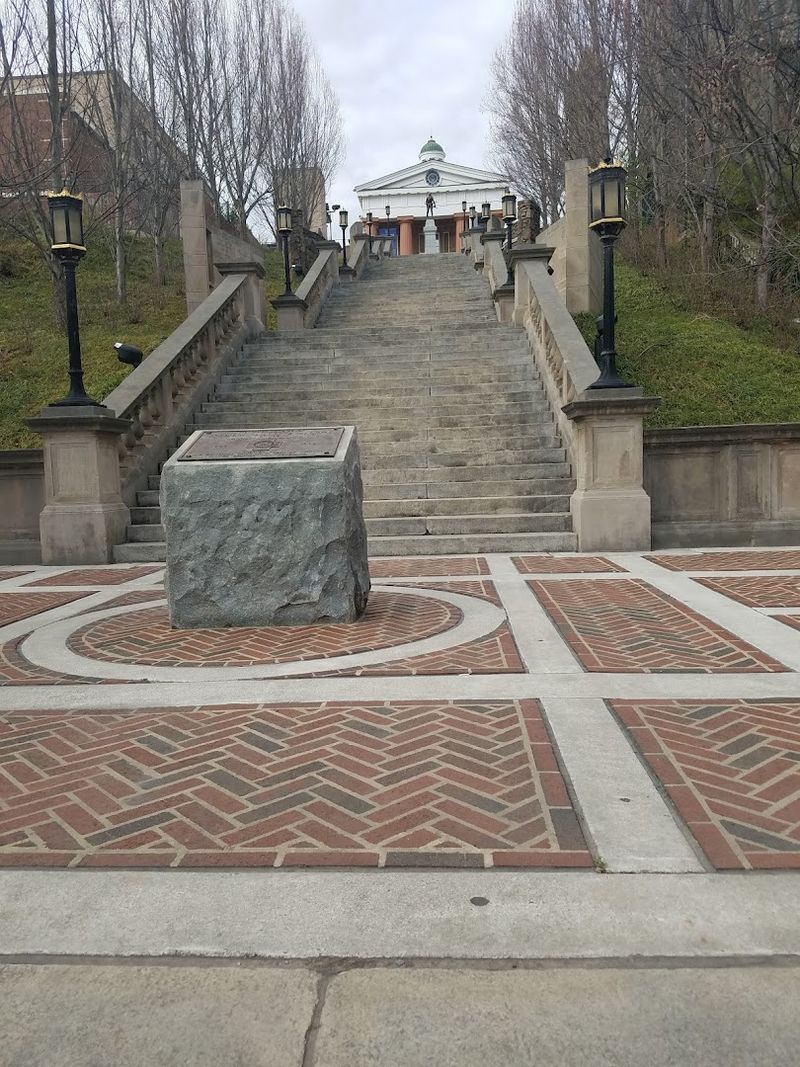
Lynchburg’s Legacy Museum is one of the most important cultural institutions in Virginia, and it doesn’t take long inside to understand why. The museum is dedicated to preserving and sharing the stories of African American life, struggle, resilience, and achievement in the region, and it does so with depth and genuine emotional power.
The exhibits are thoughtfully curated, moving through different eras of history with care and specificity. Local stories are front and center, which gives the museum an intimacy that broader national history museums sometimes lack.
You’re not just learning about history in the abstract. You’re learning about real people who lived, worked, and shaped this specific corner of Virginia.
The Legacy Museum sits within a community that has wrestled seriously with its past, and the institution reflects that seriousness. Visiting here adds meaningful context to everything else you experience in Lynchburg.
It’s not a detour from the main event. It’s one of the most essential stops in the city.
The museum reminds you that a place’s full story is always richer, more complicated, and more worth knowing than any single headline or famous product origin story could ever capture.
Amazement Square, Pure Fun by the James River
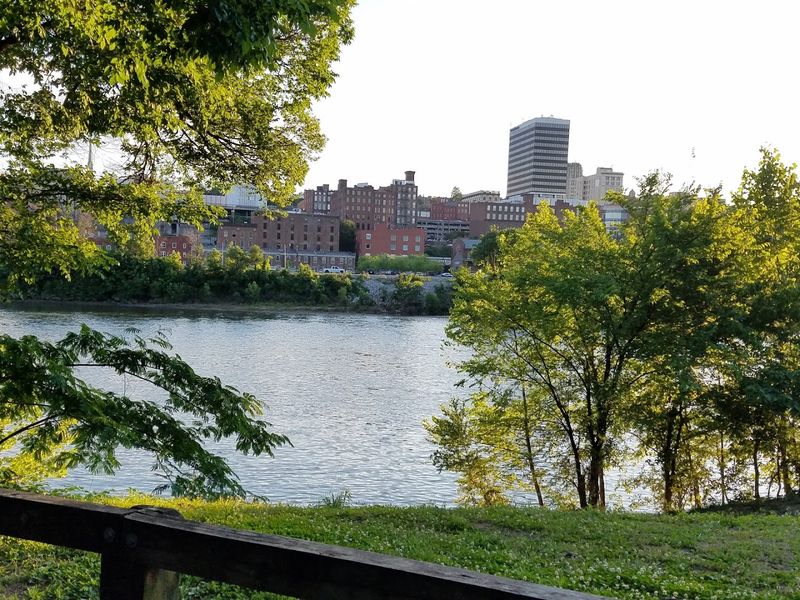
Right on the banks of the James River, Amazement Square is the kind of place that makes kids sprint ahead of their parents the moment it comes into view. The interactive children’s museum is packed with hands-on exhibits that encourage creativity, curiosity, and a healthy amount of joyful chaos.
The climbing tower is a particular crowd-pleaser, visible from outside and irresistible to anyone under twelve. Inside, the exhibits rotate and evolve, keeping things fresh for Lynchburg families who return again and again.
The museum manages to be genuinely educational without ever feeling like school.
The location by the James River is a bonus that elevates the whole outing. After an energetic session inside Amazement Square, the riverfront offers space to breathe, run, and take in one of Virginia’s most scenic waterways.
Lynchburg does a good job of mixing its rich history with genuinely family-friendly attractions, and Amazement Square is one of the strongest examples of that balance. It’s lively, thoughtfully designed, and exactly the kind of place that makes a city feel alive and invested in the joy of its youngest residents.
A visit here is pure, uncomplicated fun.
Poplar Forest, Thomas Jefferson’s Secret Getaway

Thomas Jefferson is most famously associated with Monticello, but just southwest of Lynchburg sits a property that reveals a different, more private side of the third president. Poplar Forest was Jefferson’s personal retreat, the place he designed for himself when he needed to escape the endless stream of visitors at his more famous home.
The architecture here is fascinating. Jefferson designed the house as an octagon, a shape he was deeply interested in for its mathematical elegance and spatial efficiency.
The result is a building that feels both intellectual and intimate, a rare combination. Restoration work has brought the property back to something close to its original appearance, and the craftsmanship is genuinely impressive.
Visiting Poplar Forest adds a layer to your understanding of Jefferson that most people never get. The man was complex, brilliant, deeply contradictory, and endlessly creative.
This property captures that creativity in a quieter, more personal way than Monticello does. Virginia has no shortage of presidential connections, but Poplar Forest stands apart for its architectural ambition and its sense of being a true personal sanctuary.
It’s located in the community of Forest, just a short drive from Lynchburg, at 1542 Bateman Bridge Rd, Forest, VA.
