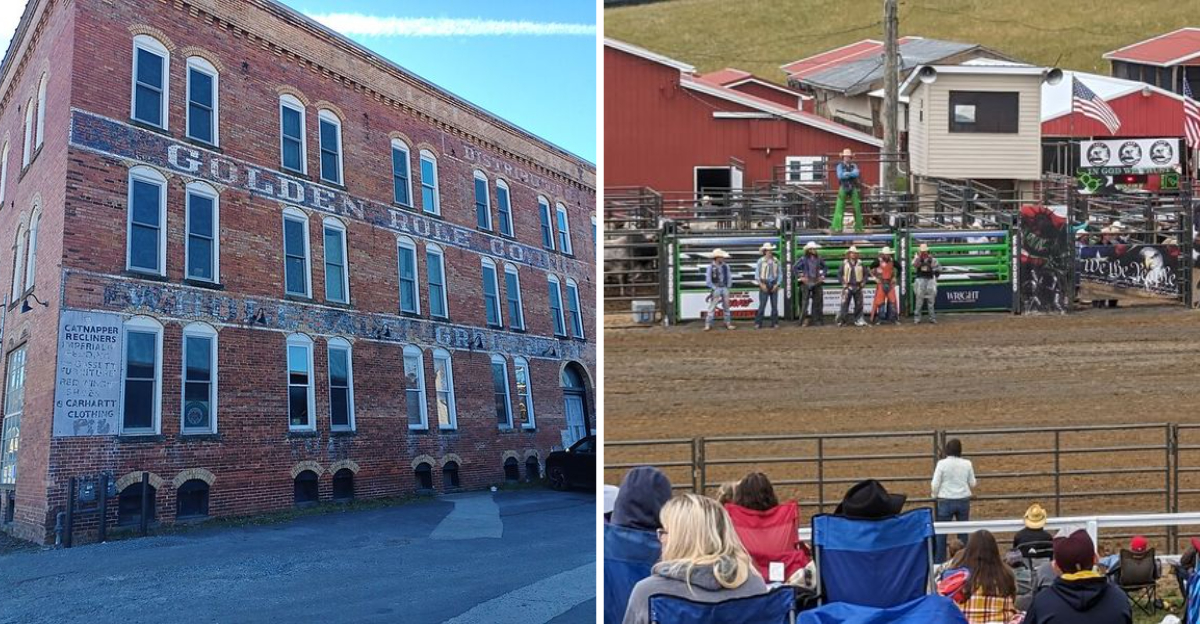
You know those towns that feel like a secret handshake? This one is hiding in the hills of West Virginia.
It does not shout for attention. It just sits there, pretty and patient, with mountain views that make you want to pull over and just stare.
The main street looks like something from another era, old brick buildings, a hardware store that has been there forever, and people who wave first.
Strangers become neighbors over a slice of pie at the local diner.
The air smells like pine and something baking. This is not a tourist trap. It is a handshake and a welcome mat.
Come for the views. Stay for the pie. Leave with a new understanding of the word hospitality.
Belington’s Breathtaking Natural Setting
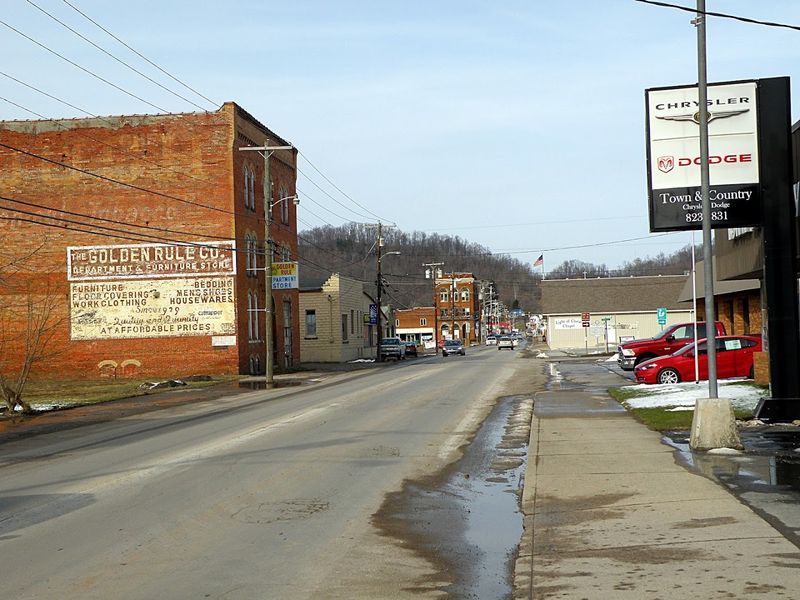
Standing at the edge of town and looking out at those rolling green ridges, it becomes pretty clear why people who grow up here rarely want to leave.
Belington sits on the western slopes of Laurel Mountain, the westernmost ridge of the Allegheny Mountains.
The landscape wraps around the town like a warm blanket.
The Tygart Valley River flows right through, adding a peaceful, almost musical quality to the whole scene. On a clear morning, the mist rises off the water and drifts through the valley in a way that feels almost cinematic.
It is the kind of view that makes you stop mid-bite of whatever you are eating and just stare.
The surrounding forests are dense and deeply green in summer, then absolutely on fire with color in autumn. Every direction you look, there is something worth photographing.
For anyone craving mountain scenery without the crowds of more famous destinations, Belington delivers something genuinely special and completely unhurried.
Laurel Mountain and the Western Allegheny Ridgeline Views
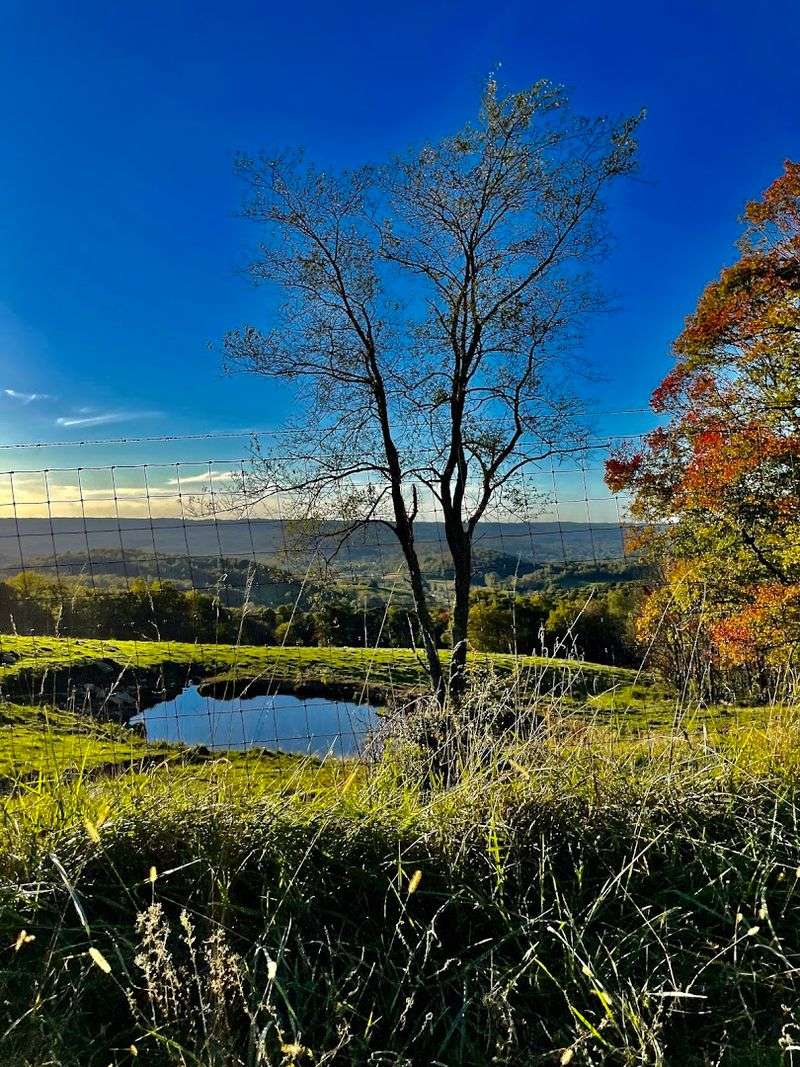
There is something quietly thrilling about standing near a mountain ridge and knowing the land beneath your feet has been shaping human history for centuries.
Laurel Mountain, which forms the dramatic backdrop behind Belington, is considered the westernmost ridge of the Allegheny Mountains.
That geological distinction gives the whole area an almost storybook quality.
From higher vantage points near town, you can see the valley spread out below in layers of green and grey. The ridgeline catches the light differently at every hour of the day.
Mornings bring a cool blue haze, while afternoons glow with warm golden tones across the treetops.
Hikers and cyclists who explore the Mountaineer Gravel routes in this region often describe the experience as one of the most rewarding in the entire state. The terrain is challenging but fair, and the payoff at every crest is a view that earns its reputation.
Belington makes an ideal base camp for anyone eager to explore this ridge country properly.
Where the Forest Meets the River
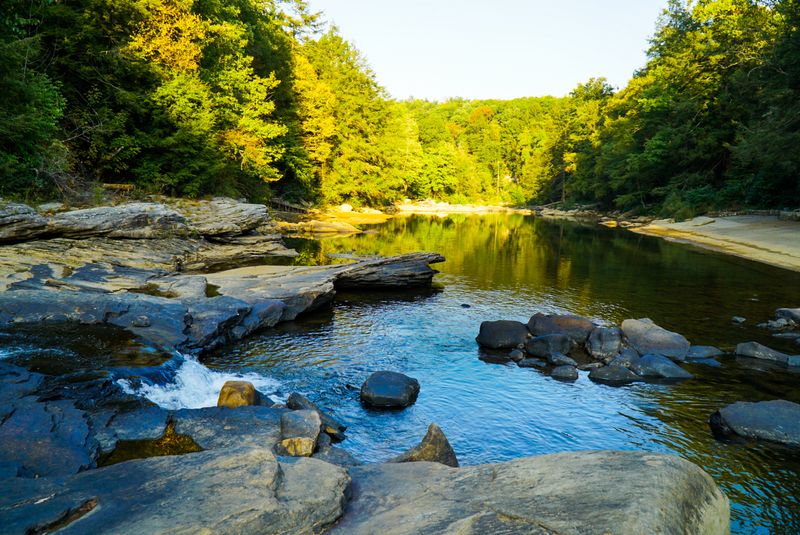
Just a short drive from downtown Belington, Audra State Park feels like a secret that locals have been quietly keeping for years. The park sits along the Middle Fork River and features some of the most pristine natural swimming holes and hiking trails in the entire state.
Families, solo hikers, and picnic enthusiasts all find something to love here.
The forest inside the park is genuinely ancient-feeling, with massive hemlocks and hardwoods shading the trail paths. The river runs clear and cold even in the height of summer.
Wading in feels like a reward you actually earned just by making the trip.
The trails are well-maintained and vary in difficulty, making the park accessible to most fitness levels. Birdwatching along the riverbanks is surprisingly excellent, with species that are rarely seen in more developed areas.
After a morning of hiking and exploring, heading back into Belington for a warm meal feels like the perfect way to close out an adventure in the hills.
Calm Waters and Mountain Reflections
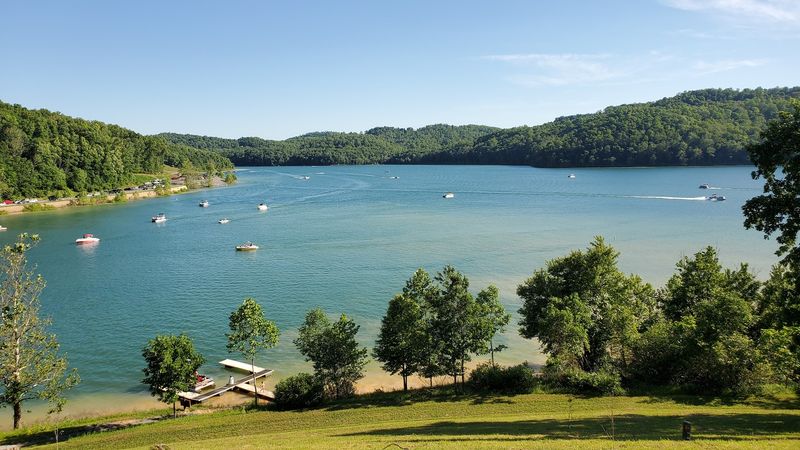
Water has a way of making everything feel slower and more deliberate, and Tygart Lake State Park delivers that feeling in abundance.
Located within easy reach of Belington, this park centers around the beautiful Tygart Lake, a reservoir created by the Army Corps of Engineers and now one of the most beloved recreational spots in north-central West Virginia.
Boating, fishing, and swimming are all popular here, and the surrounding hills reflect perfectly off the glassy surface on calm days. The visual effect is almost surreal.
It looks less like a state park and more like a painting someone decided to make into a real place.
The park also features comfortable cabin accommodations and a golf course, making it a legitimate destination rather than just a day-trip stop.
Spending a morning on the water and then driving back into Belington for lunch is a routine that quickly starts to feel like the best kind of habit.
The lake and the town complement each other in a way that feels genuinely intentional.
A Community Landmark With Deep Roots
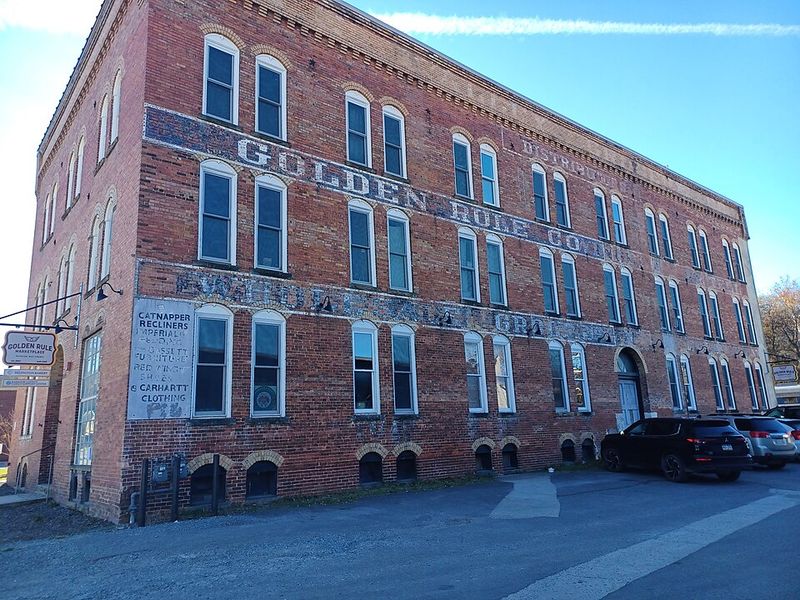
Built in 1902 and still standing with remarkable presence, the Golden Rule Building is one of those rare places where history and daily life overlap in genuinely meaningful ways.
The Italianate-style mercantile building originally served as a grocery and later a department store, anchoring the commercial life of Belington for generations.
What makes this building especially compelling is its human story. During the Great Depression, the original owner extended credit to struggling families and created jobs when few existed.
That kind of generosity became part of the building’s identity, something the community clearly has not forgotten.
Today, the building houses the Belington Bakery, apartments, the Barbour County Family Support Center, and a community space. It has been recognized as eligible for individual listing on the National Register of Historic Places.
Stopping into the bakery inside this historic structure feels like participating in a tradition that stretches back more than a century. The croissants are excellent, and the ceiling is magnificent.
Both facts deserve equal appreciation.
Fresh Flavors in a Historic Setting
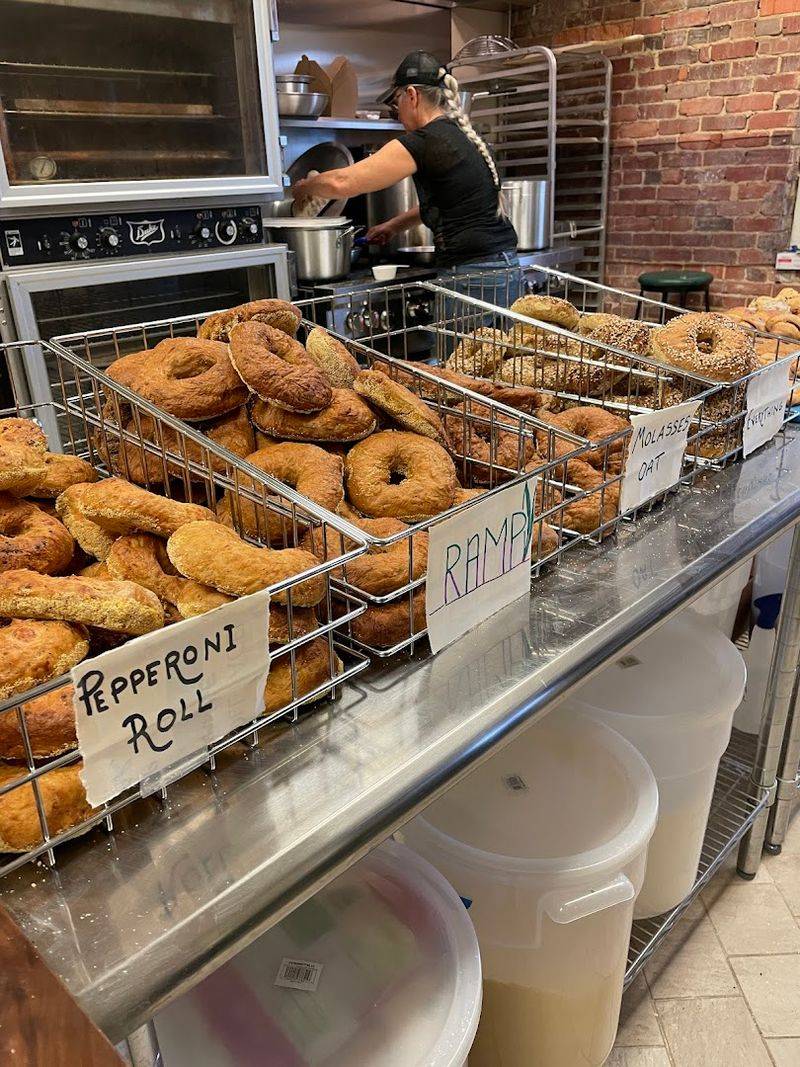
Finding a genuinely good bakery inside a building listed on the National Register of Historic Places is not something that happens every day, and yet Belington pulls it off with complete nonchalance.
The Belington Bakery occupies space inside the Golden Rule Building and offers fresh-baked goods that smell like they were made with actual care rather than industrial efficiency.
The atmosphere inside is warm and unpretentious. The combination of old brick walls, creaking wooden floors, and the scent of fresh bread creates an environment that is almost impossible to leave quickly.
You sit down for a coffee and a pastry and suddenly half the morning is gone.
Local bakeries like this one are the heartbeat of small Appalachian towns. They are where people gather, where conversations happen, and where the rhythm of daily life becomes visible to visitors willing to slow down and pay attention.
Belington Bakery earns its place not just as a food stop but as a genuine community anchor. Come hungry.
Leave happy. Return the next morning.
The Warmth That Defines Belington
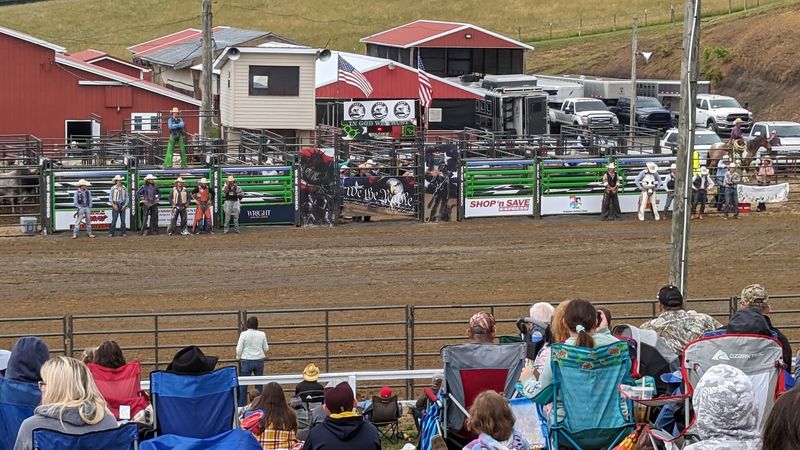
There is a version of small-town hospitality that feels performed, rehearsed for tourists and posted on Instagram. Then there is the kind you find in Belington, which is completely unrehearsed and entirely genuine.
People wave from porches. Shopkeepers remember your name after one visit.
The whole town operates at a frequency that urban life has mostly forgotten.
Belington has a population of just under 1,804 people, according to the 2020 census. Small enough that everyone knows each other, but lively enough that something is always happening somewhere on the calendar.
Community events are taken seriously here, from the annual BBQ Cookoff Contest to public block parties and car shows.
The Belington Ramp Festival is a particular highlight, celebrating the wild ramps that grow throughout Appalachian forests each spring. Ramps are a pungent, flavorful relative of the onion, and they hold enormous cultural significance across the region.
Attending the festival means eating well, laughing easily, and leaving with a much deeper appreciation for what Appalachian food culture actually means.
The Belington Ramp Festival

Ramps might be the most misunderstood vegetable in American food culture. Outside of Appalachia, most people have never heard of them.
Inside Appalachia, they are practically a religion, and Belington celebrates them with the kind of enthusiasm that only a deeply food-rooted community can sustain.
Wild ramps are harvested each spring from the forest floors of the surrounding hills. They taste like a bold cross between garlic and onion, with a sharpness that softens beautifully when cooked.
Appalachian cooks have been incorporating ramps into their kitchens for generations, and the Belington Ramp Festival honors that tradition with food, music, and community pride.
Attending the festival means eating ramp-seasoned dishes prepared by people who genuinely know what they are doing with the ingredient. It means standing in a field surrounded by mountains, sharing food with strangers who quickly stop feeling like strangers.
Food festivals in places like Belington are not curated experiences. They are real celebrations, and the difference is something you feel immediately upon arrival.
Bernard E. Wilmoth House and the Legacy of Belington’s Past
Belington’s history did not begin with the railroad, though the railroad certainly amplified it.
The town traces its roots back to Barker’s Settlement, established between 1766 and 1770, making it one of the older communities in this part of West Virginia.
It was renamed in 1855 after John Bealin, a Jewish merchant who established a store there and became an important figure in the town’s early commercial life.
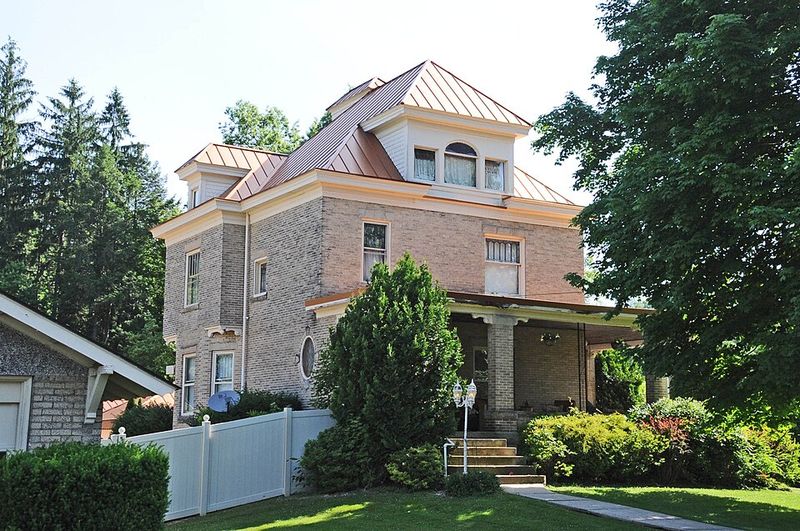
The Bernard E. Wilmoth House is one of the town’s most significant historic properties, listed on the National Register of Historic Places.
Its presence on a residential street is a quiet reminder that Belington has been home to people of substance and character for a very long time. The architecture speaks to a period of genuine prosperity.
Exploring these historic homes and landmarks on foot is one of the most rewarding ways to spend time in Belington. The streets are walkable, the scale is human, and every building has something worth looking at.
History here is not behind glass. It is right in front of you, still in use, still part of a living town.
Address: West Virginia 26250
