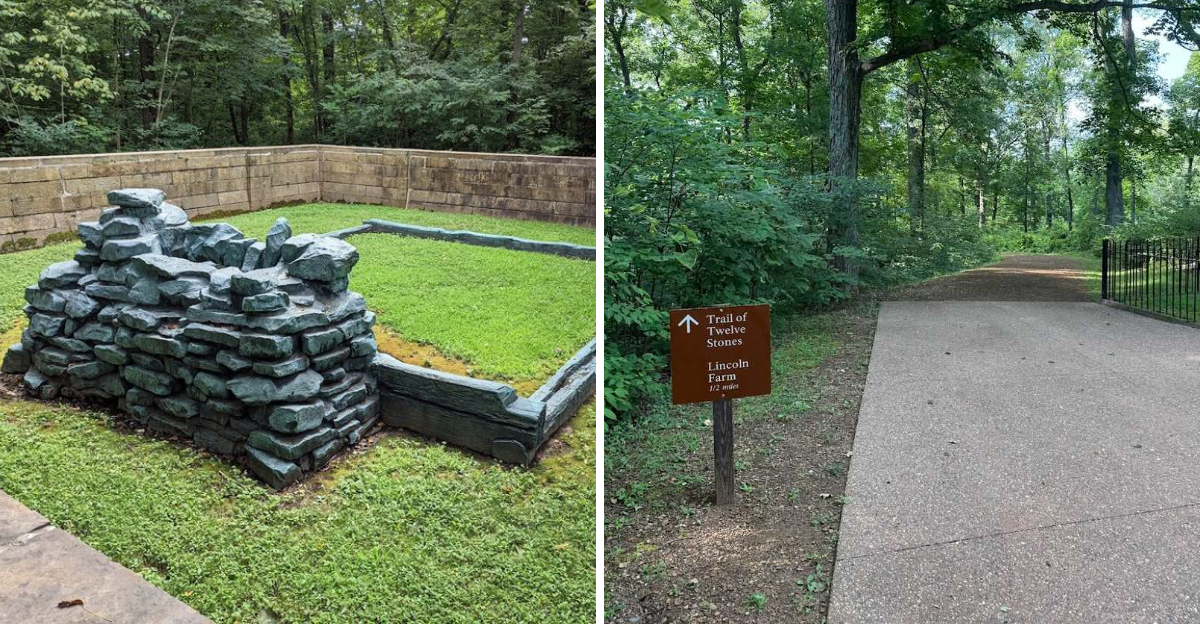
There are places that quietly hold some of the most powerful stories in American history, and one trail stands out as a perfect example. This half-mile walking path connects visitors to twelve physical stones gathered from the most significant locations in Abraham Lincoln’s life.
Each stone carries real history, touching everything from his birthplace to the White House where he led a nation divided by conflict. Walking along this trail, you can feel a tangible connection to the events and places that shaped him, and it’s genuinely moving to realize that in about thirty minutes, you can come away with a deeper understanding of the man behind the legend.
For anyone curious about Lincoln, Indiana history, or the broader story of American heritage, this trail is an experience that deserves a place on your list and offers a quiet but powerful glimpse into the life of one of history’s most influential figures.
A Living Timeline You Can Actually Touch
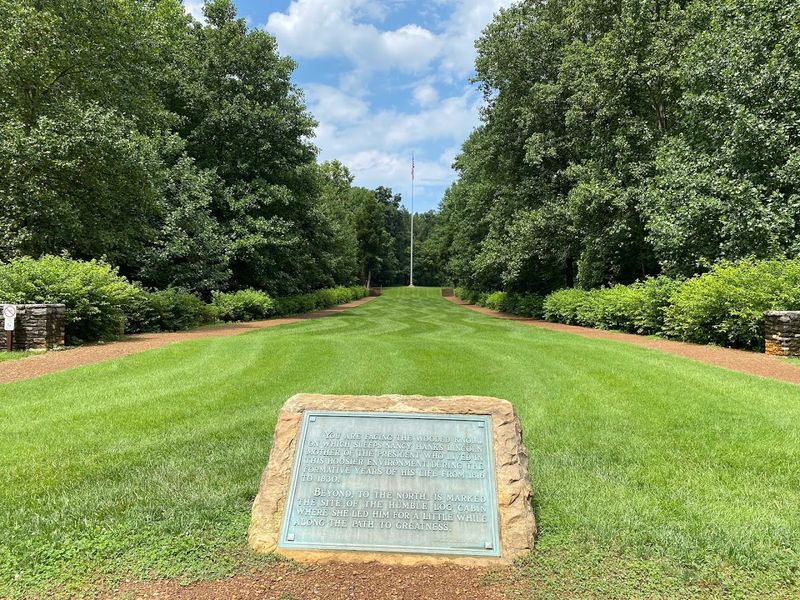
Most history lessons happen behind glass, but the Trail of Twelve Stones puts real history right under your feet. Each of the twelve stones along this half-mile path was physically collected from a place that shaped Abraham Lincoln’s life, making this one of the most tangible history experiences in the entire Midwest.
You are not looking at a replica or a painting.
The stones range from Lincoln’s birthplace at Sinking Spring Farm in Hodgenville, Kentucky, all the way to the Lincoln Tomb in Springfield, Illinois. Each stone sits alongside a bronze plaque that explains exactly where it came from and why that place mattered.
It creates a kind of outdoor museum that feels both intimate and epic at the same time.
Walking the trail feels like flipping through the pages of Lincoln’s biography, except the pages are made of granite and limestone. The chronological layout of the stones helps visitors understand how Lincoln’s life unfolded from a humble log cabin to the presidency.
There is something deeply satisfying about seeing history arranged not as a list of dates, but as a physical journey across real ground. Whether you are a lifelong history enthusiast or someone who just wants a meaningful walk outdoors, this trail offers a rare kind of connection to the past that you simply cannot get anywhere else in Indiana.
Free to Visit and Easy to Explore
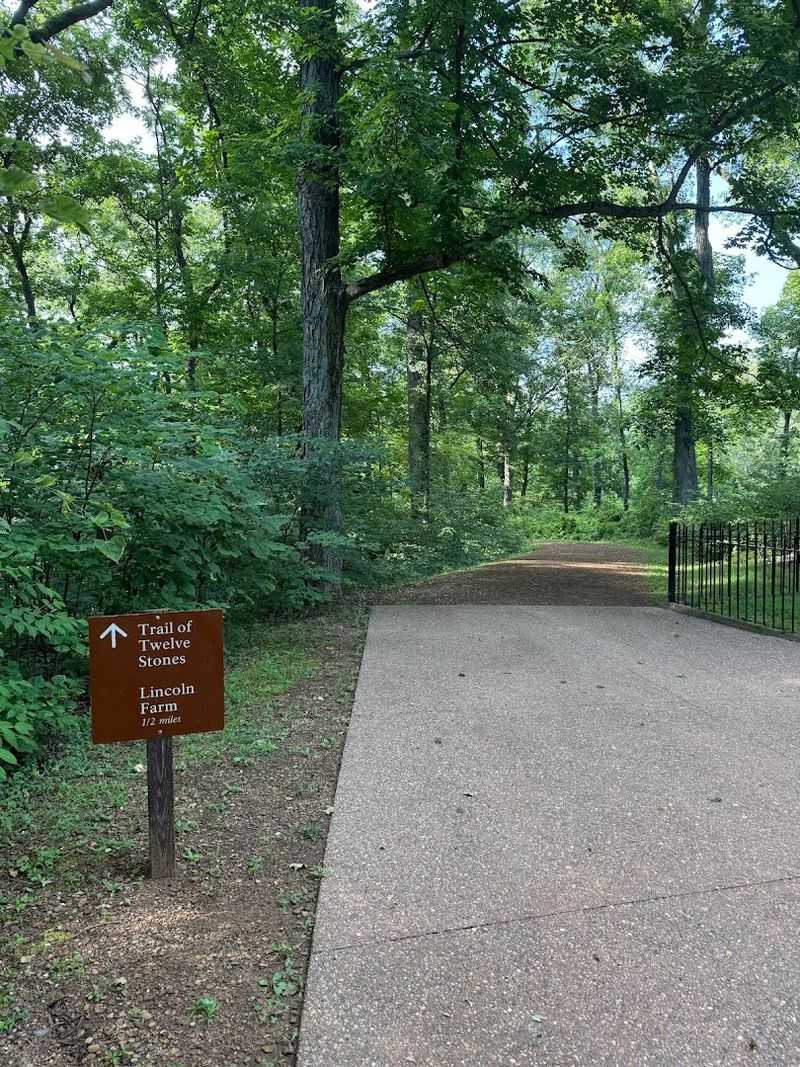
One of the best things about the Trail of Twelve Stones is that it costs nothing to walk. The trail itself is free to access, making it an ideal outing for families, school groups, retirees, or anyone who wants a meaningful afternoon without spending a lot of money.
Access to the Lincoln Boyhood National Memorial visitor center does involve a small entrance fee, but the trail rewards every penny and then some.
The path is well-maintained and designed for easy walking, taking most visitors around thirty minutes to complete at a comfortable pace. Stone benches are placed along the route so you can sit, read the plaques, and take your time absorbing the history without feeling rushed.
The trail is relatively flat, which makes it accessible for a wide range of visitors, including older adults and children.
Indiana families looking for an educational day trip will find this trail genuinely engaging for kids who are learning about Lincoln in school. Seeing a real stone from the White House or from the Gettysburg battlefield hits differently than reading about those places in a textbook.
The trail manages to make history feel personal and immediate rather than distant and dusty. Nearby, the Lincoln Living Historical Farm at 3027 E South Street, Lincoln City, IN 47552, offers a complementary experience that rounds out the visit beautifully for anyone who wants to spend a full day exploring.
Stones That Span the Full Arc of Lincoln’s Story
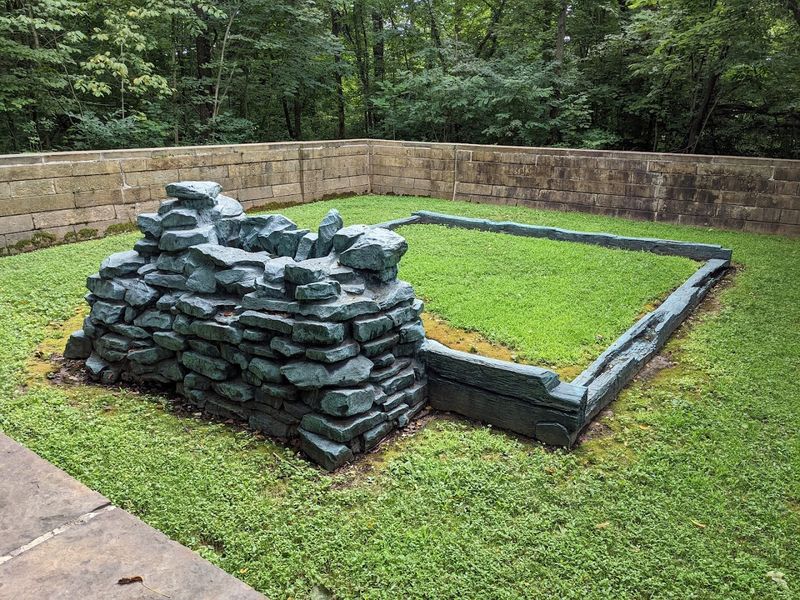
What makes this trail genuinely special is the careful selection of stones that cover Lincoln’s entire life, not just the famous parts. The collection begins with a stone from Sinking Spring Farm in Hodgenville, Kentucky, where Lincoln was born on February 12, 1809.
From there, the trail moves through his Indiana years, his early career in Illinois, his marriage, his presidency, and finally his death.
A stone from the Anderson Cottage at the National Soldiers Home in Washington, D.C., marks the place where Lincoln drafted the Emancipation Proclamation in 1862. A boulder from the Gettysburg battlefield connects visitors to one of the most famous speeches in American history.
Bricks from Mary Todd Lincoln’s childhood home in Lexington, Kentucky, add a personal and human dimension to the story that goes beyond politics and war.
The Peterson House porch pillar stone is particularly sobering. It comes from the Washington, D.C., boarding house where Lincoln died after being shot at Ford’s Theatre in 1865.
Standing before that stone, you feel the weight of that moment in a way that no photograph or documentary can fully replicate. The trail does not shy away from the harder chapters of Lincoln’s life, and that honesty is what makes it so powerful and worth the trip from anywhere in Indiana or beyond.
Indiana’s Deep Connection to Lincoln’s Formative Years
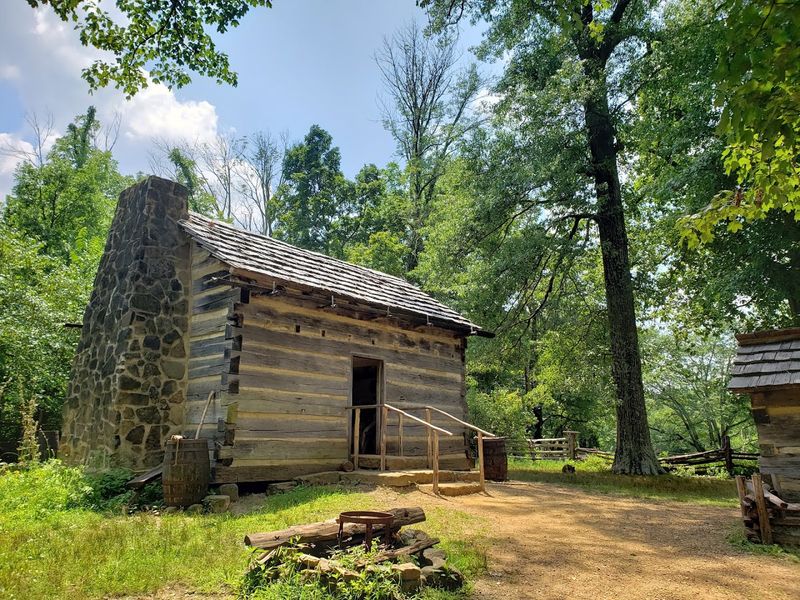
Many people know Lincoln as a Kentucky native or an Illinois politician, but Indiana often gets overlooked in his story. The truth is that Lincoln spent fourteen of his most formative years right here in Spencer County, Indiana, arriving as a seven-year-old boy and leaving as a young man of twenty-one.
Those years shaped his character, his values, and his understanding of hard work and loss.
The trail honors that Indiana chapter with a stone from the Indiana Cabin Site Marker, recognizing the land where the Lincoln family built their home and carved out a life in the wilderness. It was in Indiana that Lincoln lost his mother, Nancy Hanks Lincoln, to milk sickness when he was just nine years old.
That loss is said to have deepened his capacity for empathy and his fierce belief in human dignity.
Another stone from the William Jones Store foundation commemorates the place where teenage Lincoln worked as a clerk, gaining the social skills and love of conversation that would define his political career. Visiting this trail as an Indiana resident carries a special kind of pride.
Lincoln is not just a national figure here; he is genuinely ours. The Lincoln Boyhood National Memorial itself, located at 3027 E South Street in Lincoln City, IN 47552, stands as one of the most underrated historical sites in the entire state.
A Peaceful Setting That Encourages Reflection
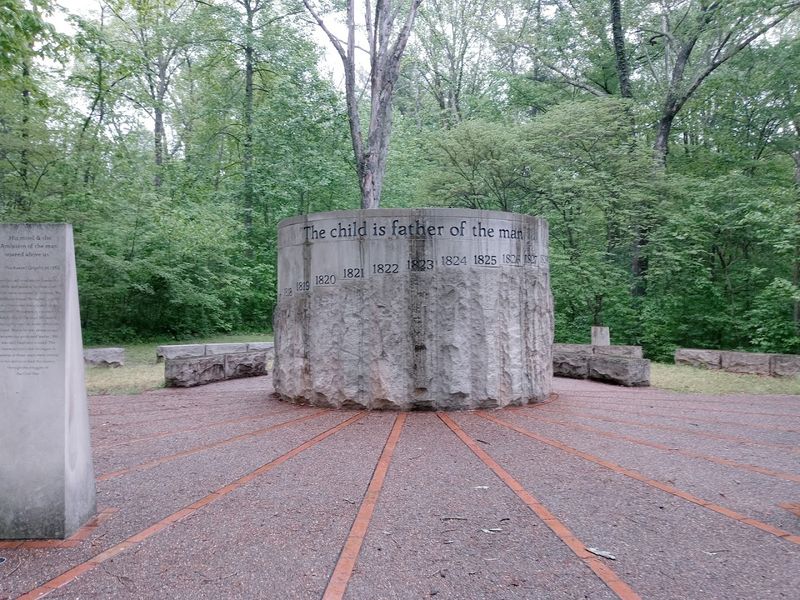
Beyond the history, the Trail of Twelve Stones offers something that is harder to quantify but just as valuable: genuine peace and quiet. The trail winds through the beautiful wooded grounds of the Lincoln Boyhood National Memorial, where towering trees, open meadows, and soft Indiana light create an atmosphere that naturally slows you down.
It is the kind of place where you find yourself breathing a little deeper.
Stone benches placed thoughtfully along the route invite visitors to pause, read, and simply sit with their thoughts. There is no loud background music, no crowds pushing past, and no digital screens competing for your attention.
Just the rustling of leaves, the occasional birdsong, and the quiet company of history.
I think that reflective quality is what separates this trail from a typical tourist attraction. It asks something of you, a moment of stillness, a willingness to think about a life that changed the course of a nation.
Families often find that children respond to this environment with a kind of natural curiosity that is hard to manufacture in a classroom. The grounds are beautifully maintained by the National Park Service, and the seasonal changes across spring, summer, and fall make each visit feel slightly different.
Coming in late October when the leaves are turning is a particularly memorable time to walk the trail and feel the full atmosphere of southern Indiana.
Nearby Attractions Make It a Full Day Out
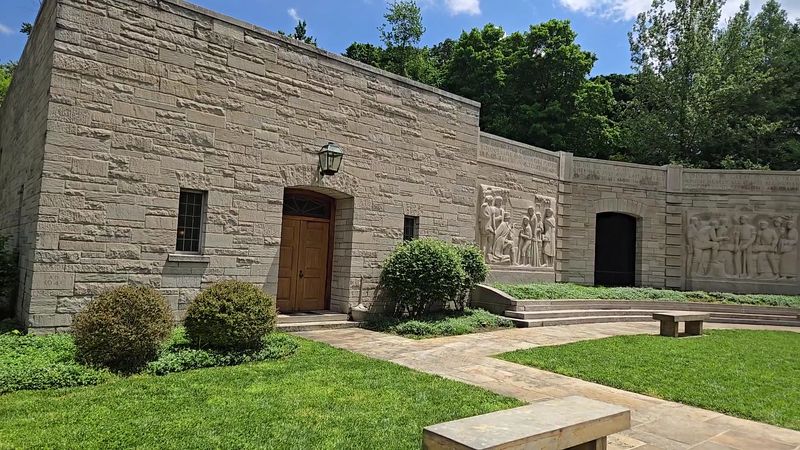
The Trail of Twelve Stones is worth a trip on its own, but the surrounding area in Spencer County gives you plenty of reasons to make a whole day of it. Lincoln State Park, located at 15476 County Road 300 E in Lincoln City, IN 47552, sits right next to the memorial and offers hiking trails, a lake for swimming and fishing, and a campground for those who want to extend their stay into the evening.
The Colonel William Jones State Historic Site is another nearby gem, preserving the historic farm and store where young Lincoln once worked as a clerk. That connection to the trail makes visiting both sites feel like a single continuous story told across two locations.
History enthusiasts will appreciate how the sites complement each other without feeling repetitive.
For a meal after your walk, the small town of Dale, Indiana, about ten miles north, has local dining options worth exploring. Troy’s Family Restaurant at 1209 N Washington St in Dale, IN 47523, is a well-known local spot for hearty Midwestern cooking that locals have relied on for years.
Rounding out the day with a meal that feels genuinely rooted in the region adds to the overall experience. Southern Indiana has a way of making visitors feel welcome without trying too hard, and the area around Lincoln City is a perfect example of that unpretentious Hoosier hospitality.
An Ideal Educational Experience for All Ages
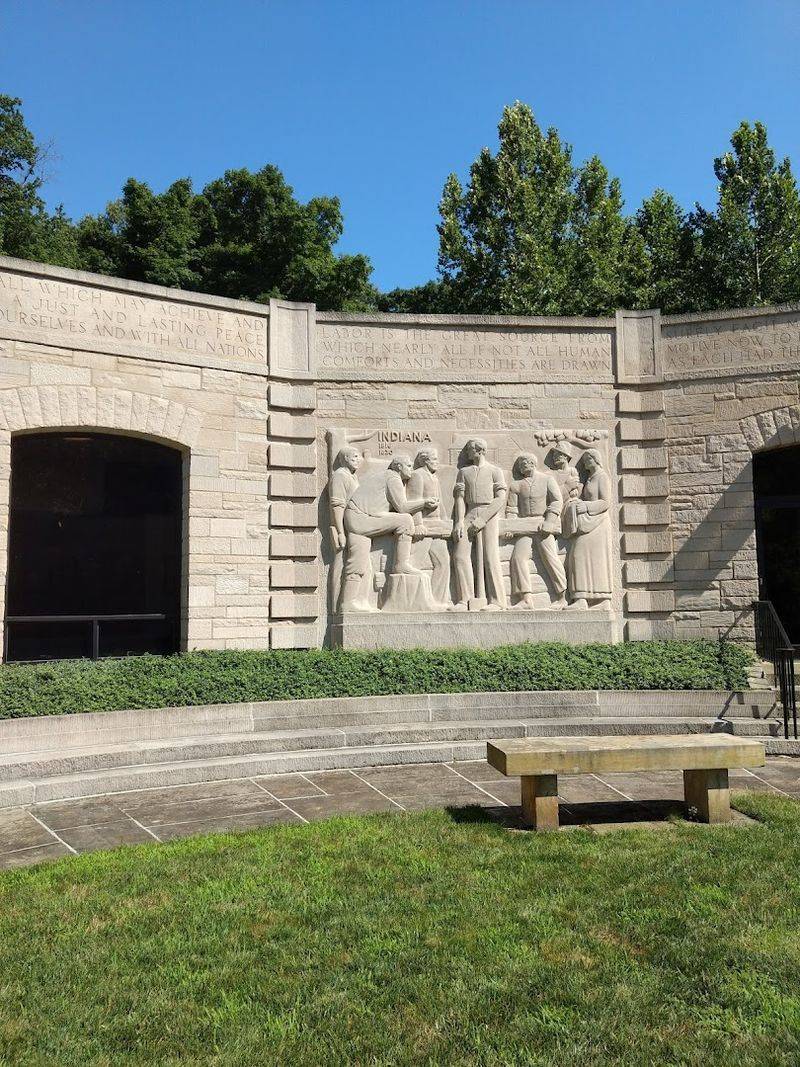
Few outdoor experiences combine history, nature, and accessibility as effectively as the Trail of Twelve Stones. Teachers and parents across Indiana have long recognized this trail as one of the most effective real-world history lessons available to students.
Reading about Lincoln in a textbook is one thing, but standing next to a stone pulled from the actual Gettysburg battlefield is something students remember for the rest of their lives.
The trail is structured in a way that naturally supports learning. The bronze plaques beside each stone use clear, readable language that works well for middle school readers and adults alike.
The chronological flow of the stones creates a narrative arc that even younger children can follow with a little guidance from a parent or teacher. Group visits are common, and the National Park Service staff at the memorial are knowledgeable and welcoming.
What I find most compelling about this trail is that it does not require any prior knowledge to be meaningful. You do not need to be a Lincoln scholar to feel the significance of standing next to a piece of the White House or a brick from Mary Todd Lincoln’s childhood home.
The trail meets you where you are and invites you to learn more. For Indiana families planning summer or fall outings, this is one of those rare destinations that leaves everyone in the car ride home talking about what they just experienced, which is the best possible sign of a great trip.
Dear Reader: This page may contain affiliate links which may earn a commission if you click through and make a purchase. Our independent journalism is not influenced by any advertiser or commercial initiative unless it is clearly marked as sponsored content. As travel products change, please be sure to reconfirm all details and stay up to date with current events to ensure a safe and successful trip.
