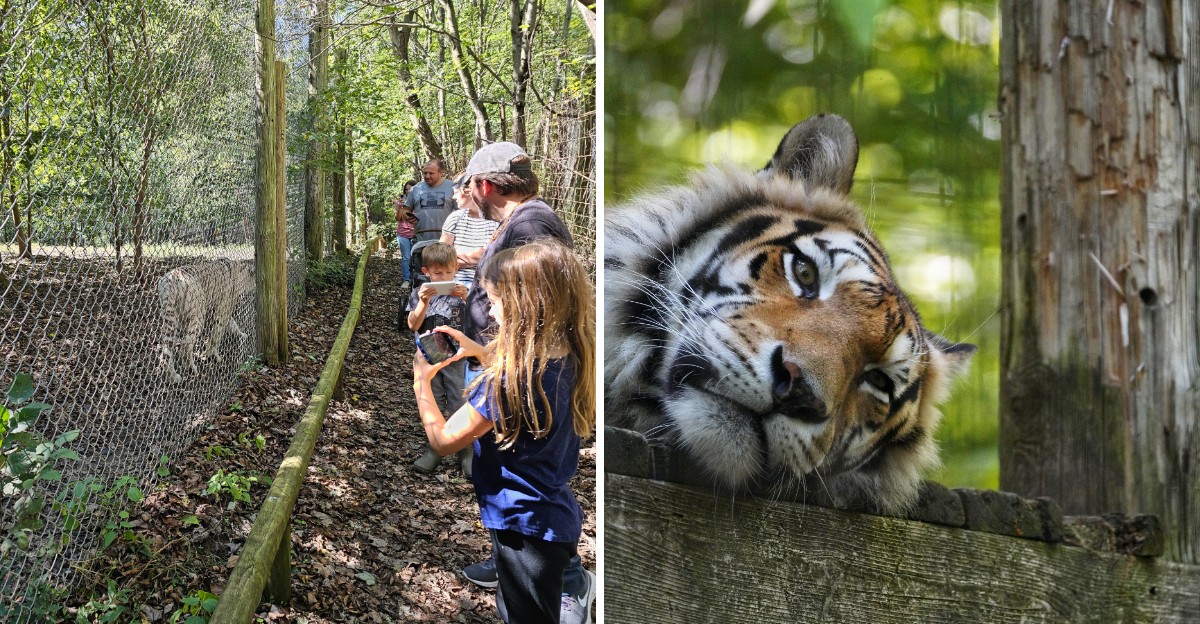
Nearly 200 rescued lions, tigers, and other wild cats live on a quiet stretch of rural Indiana farmland. You can walk past them on a guided tour, often just a fence away.
The whole operation started with only three cats. Today the residents include leopards, cougars, bobcats, servals, and tiny wild cats most people have never heard of.
Many arrived from circuses, roadside zoos, and private owners who were in way over their heads.
I like how this place refuses to buy, sell, or breed animals. Every cat simply gets a safe home for the rest of its life.
I can’t imagine a better retirement plan for a former circus tiger.
So who built a big cat haven out in the country, and how do you visit? The answers are wilder than you’d guess.
The Guest List Goes Way Beyond Lions And Tigers
Lions get the headlines, but the roster here reads like a wild cat encyclopedia. More than a dozen species call this sanctuary home.
Tigers and lions are the obvious showstoppers. Leopards and pumas, also called cougars or mountain lions, bring their own sleek drama.
Then come the smaller cats, and they might steal your heart. Bobcats, servals, Canada lynxes, and ocelots all live on the grounds.
Ever heard of a Geoffroy’s cat? It’s a small wild cat from South America, and the Asian leopard cat is another petite resident worth spotting.
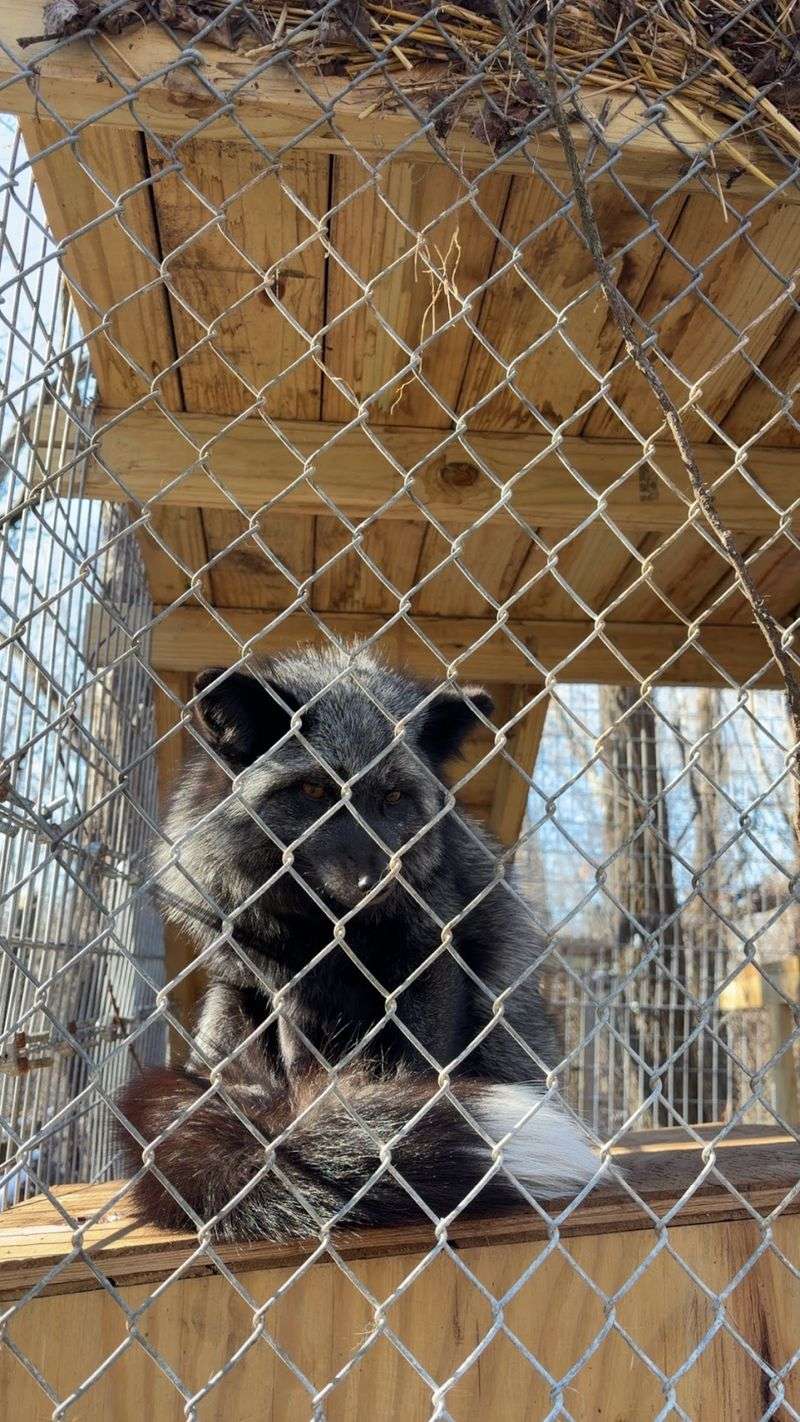
Foxes live here too, proving the welcome mat isn’t strictly feline. The center cares for other animals that needed a place to land.
Seeing so many species in one walk is a real treat. You get to compare the size of a lion with a cat barely bigger than a pet tabby.
Kids especially tend to love that side-by-side lesson. It turns a simple tour into a living science class with whiskers.
Bring a list and check off each species as you go. Just don’t be shocked if the little guys end up as your favorites.
Each animal also has a personal story worth hearing. Those stories stick with you long after the drive home.
Three Cats And One Big Idea Started Everything Back In 1991
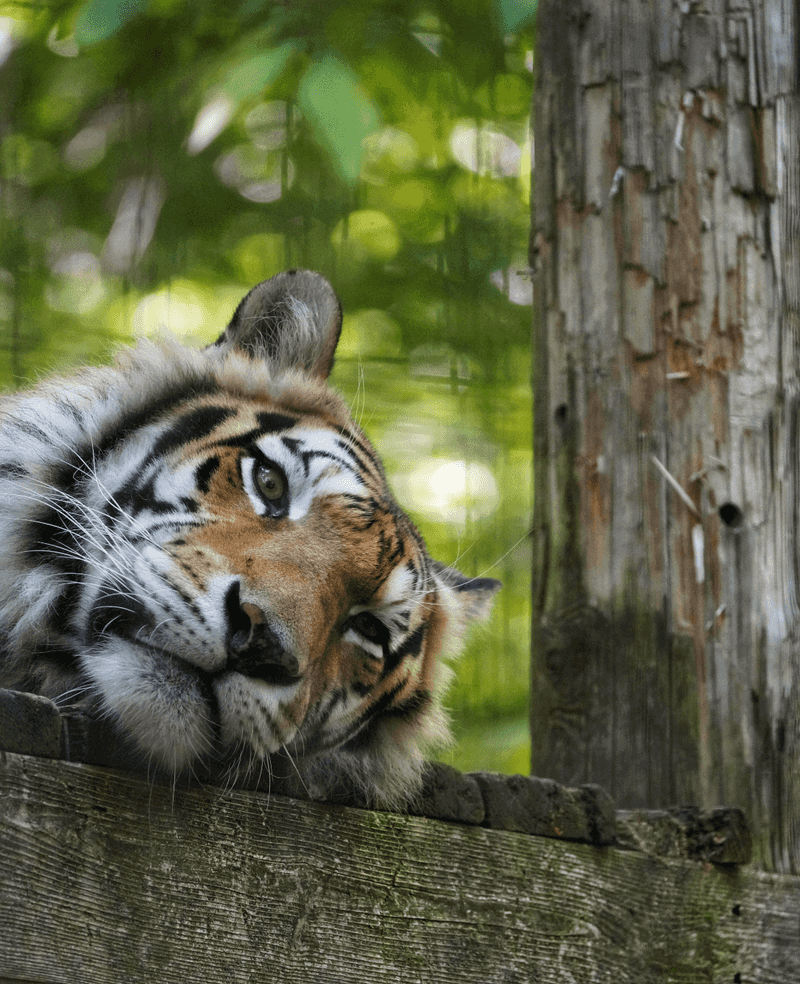
Back in 1991, a man named Joe Taft took in three cats on 15 rural acres. That small start grew into the Exotic Feline Rescue Center, now one of the largest big cat rescues in the United States.
The land kept growing right along with the cat count. Today the property stretches across hundreds of acres in west-central Indiana.
That growth wasn’t about bragging rights. Big cats need space, and every new rescue meant more room had to come from somewhere.
The residents have arrived from all over the country. Cats have come from roughly two dozen states, each with its own complicated past.
Some lived in circuses or roadside zoos before landing here. Others were kept as private pets by owners who quickly learned a tiger is not a house cat.
I love that the story starts so small. Three cats would fill a farmhouse porch, but nearly 200 need a serious plan and a whole lot of fencing.
Knowing this history makes the tour hit differently. You aren’t just seeing animals, you’re seeing more than three decades of steady rescue work.
The center operates as a nonprofit, so public support keeps the whole thing running. Every visitor becomes a tiny part of that long story.
Your Guide Knows Every Cat’s Backstory By Heart
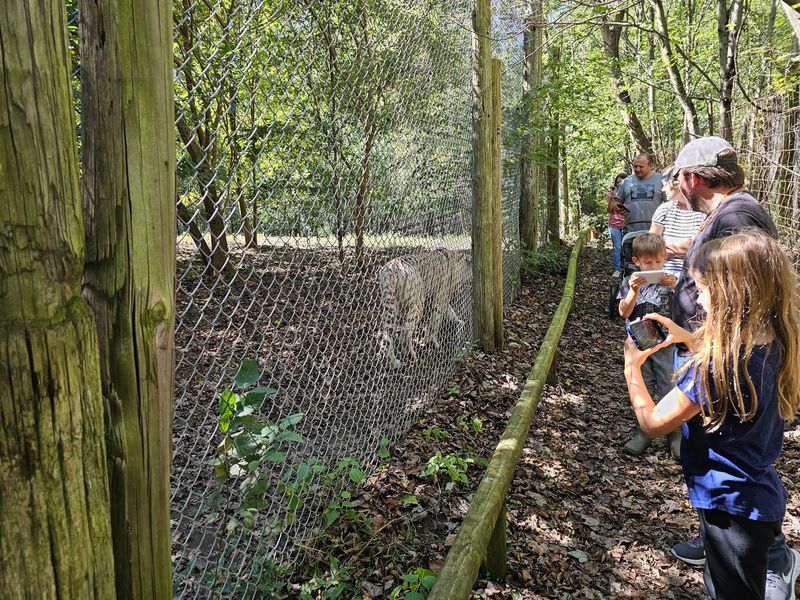
Wandering solo isn’t an option here, and that’s a good thing. Every visit happens on a guided tour led by staff or volunteers.
Tours run daily at 10:00 AM, 11:30 AM, 1:00 PM, 2:30 PM, and 3:30 PM. Each one lasts about an hour, which feels just right for most families.
Small groups usually don’t need a reservation. Larger groups and school trips should reach out ahead of time to plan.
The real magic comes from the stories. Guides share where each animal came from and how it ended up in Indiana.
Those backstories can be tough to hear sometimes. Still, they make the happy ending of a safe sanctuary feel even sweeter.
Want to know how much a tiger eats? Ask away, because curious minds fit right in.
Seasonal events can change the usual schedule. Check ahead before a holiday weekend so you don’t arrive between tours.
Plan to arrive a little early for your chosen time. That gives you a cushion to park, use the restroom, and get ready.
The hour flies by faster than you’d think. Don’t be surprised if you start planning a return trip before reaching the car.
Pack Sneakers, Not Sandals, For This Gravel Adventure
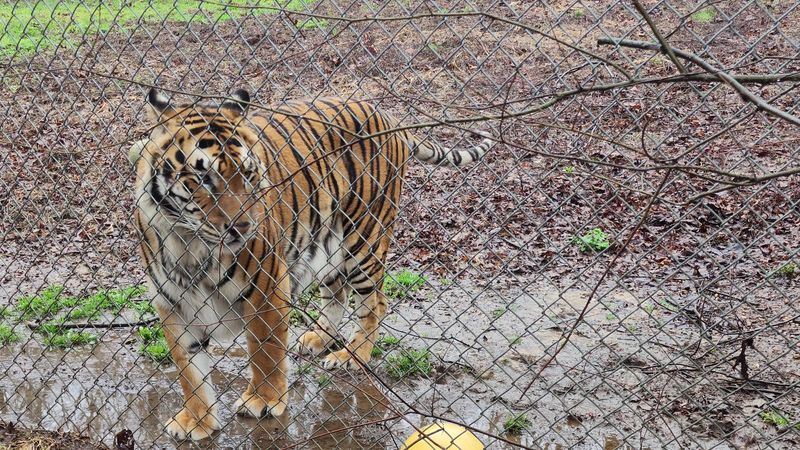
Flip-flops and big cat country don’t mix. Tours take place outdoors on gravel paths, so comfy closed-toe shoes are your best friend.
Dress for the weather, whatever Indiana throws at you that day. Sunny, chilly, or drizzly, the tour still happens outside.
Bringing little ones along? A stroller or wagon is a smart call for tiny legs that tire out halfway through.
Guests who need help getting around can ask about a cart. It’s available on a first-come, first-served basis, so arriving early helps.
The rules here are clear and firm. No one walks the grounds without a guide, and nobody touches the animals.
That might sound strict, but it protects everyone. These are wild animals, not pets, no matter how fluffy a lynx looks.
Remember that this is a working rescue, not a theme park. You might see crews cleaning enclosures, building new spaces, or feeding the cats.
Honestly, that’s part of the fun. Seeing real care happen in real time beats any polished show.
A water bottle and a camera round out the perfect packing list. Leave the snacks for later, since refreshments are sold on site.
Sunscreen and a hat help on bright summer days too. You’ll be outside the whole hour, after all.
No Buying, No Breeding, Just Forever Homes
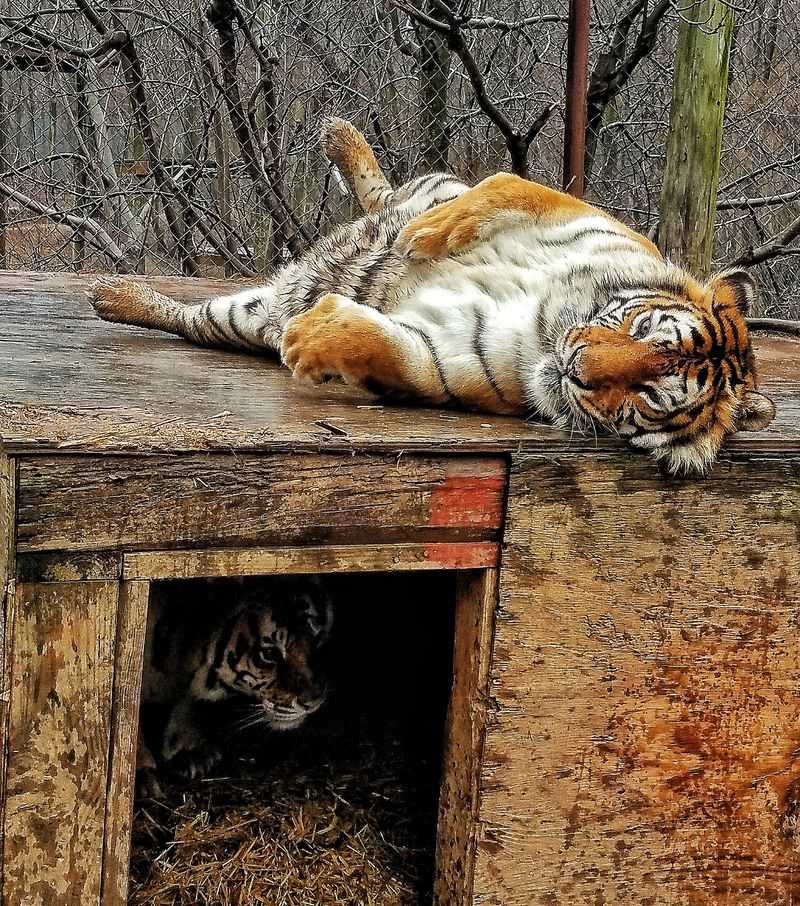
Here’s a rule that sets this place apart from many animal attractions: nothing is for sale. The center does not buy, sell, or breed animals.
That single policy says a lot. The goal is to give cats a permanent home, not to make more cats.
Every resident arrived because it was abused, abandoned, or had nowhere else to go. Once a cat arrives, this becomes its forever home.
Many of these animals could never survive in the wild. Life in captivity left them without the skills they’d need on their own.
The sanctuary is a 501(c)(3) nonprofit. It is also licensed and inspected by the USDA, which adds peace of mind.
Education is a huge piece of the mission too. Guides talk openly about the problems with private big cat ownership.
That message lands hard when a former pet tiger is pacing nearby. It’s tough to argue for keeping a full-grown tiger in the garage after that.
I believe that honesty is what makes a visit here feel meaningful. You leave entertained, but you also leave a little wiser.
Supporting a place like this feels good. Your ticket helps feed animals instead of funding the trade that hurt them.
Behind The Fences, The Care Never Takes A Day Off
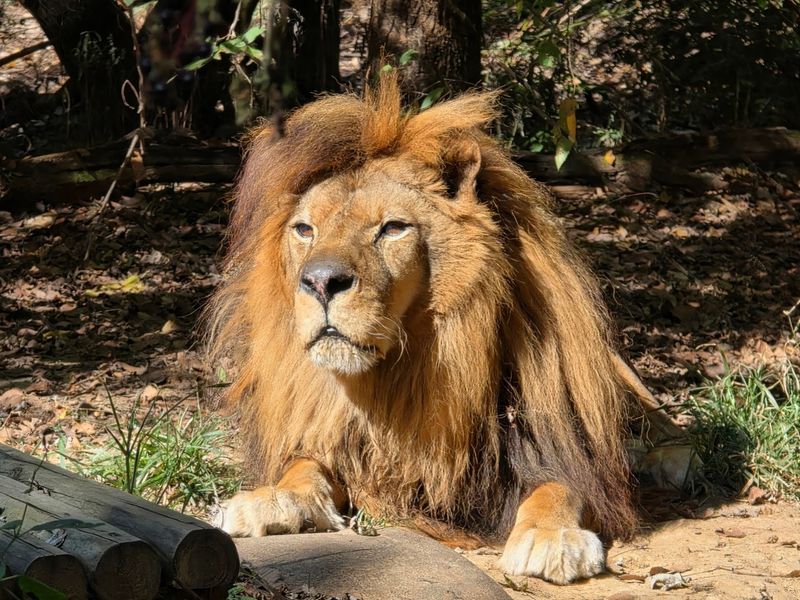
Feeding nearly 200 big and small cats is no small chore. The daily routine centers on proper nutrition suited to each animal’s needs.
Care goes well beyond dinner time. Residents receive preventative medicines and quick veterinary attention whenever something seems off.
An on-site clinic makes that possible. Having medical care right on the property means a sick tiger doesn’t need a road trip.
Social interaction matters too. Cats get attention that suits their personalities, because a bored big cat is an unhappy one.
Enclosures give the animals room to roam, rest, and explore. Some cats will be lounging, while others may stroll right along the fence line.
Keep your expectations flexible about activity levels. Cats love naps, and big cats are basically professional nappers.
A cooler morning tour might catch more movement than a hot afternoon. Either way, every sighting is a peek into a well-tended life.
All of this care costs money, and lots of it. Medicine, food, fencing, and staff time add up fast for a nonprofit.
That’s why donations matter so much here. Even small gifts help keep bellies full and the clinic stocked.
Guides know each animal’s history in detail. Ask about one that catches your eye.
Young Rescuers Get Their Moment At Camp Roar
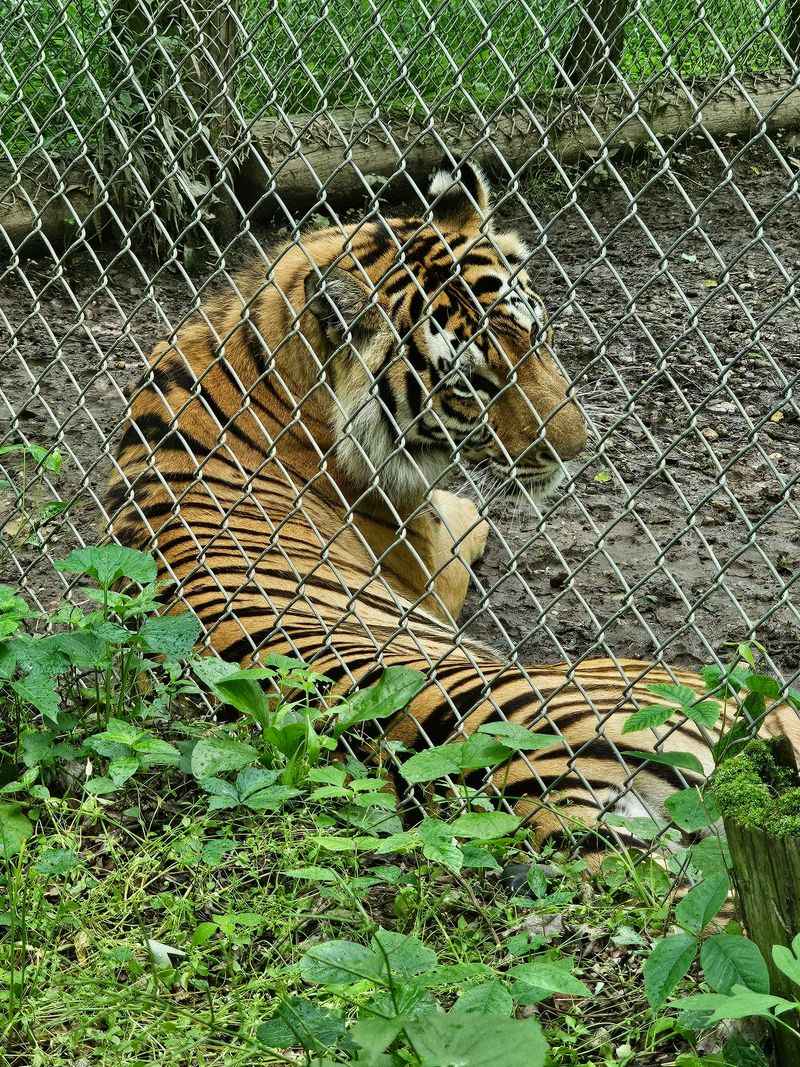
Got a young animal lover who dreams of saving tigers? Camp Roar might be their favorite week of the year.
The camp welcomes kids ages 8 to 15. Campers learn about the animals and even take part in simulated rescues.
That hands-on angle is what makes it special. Kids get a taste of the planning and teamwork real rescues require.
School groups can visit too through educational tours. Teachers get a field trip packed with science, ethics, and plenty of wow moments.
Lessons cover big cat biology and conservation. They also tackle why wild animals don’t belong in backyards or basements.
Those talks can spark big questions on the ride home. Expect your kids to ask why anyone would keep a lion as a pet.
Honestly, that’s a conversation worth having. It helps kids see animals as wild beings that deserve respect.
Camp details and dates can change from year to year. Check with the center well ahead of summer so you don’t miss signup.
Even without camp, the regular tour works wonders for curious kids. An hour among real tigers beats any textbook picture.
Who knows where that spark could lead? Today’s camper might be tomorrow’s wildlife vet.
Mark Your Calendar For Fall Fest And Grown-Up Evening Roar
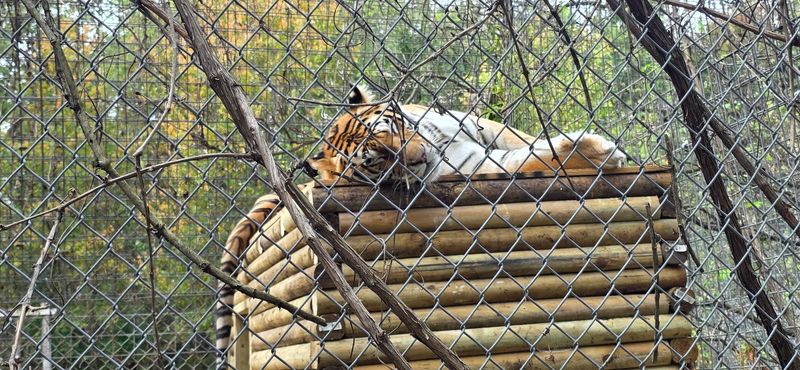
Seasonal fundraisers bring an extra dose of fun to the calendar. Spring Fling, Summer Safari, and Fall Fest each give the year a festive rhythm.
These special days help raise money for the animals. They can also come with different tour schedules, so plan around that.
Fall Fest sounds especially tempting in Indiana. Autumn colors surrounding tigers and lions make for a pretty memorable scene.
Grown-ups get their own after-dark treat called Evening Roar. These events are for guests 21 and older.
Evening Roar features exclusive after-hours tours. Guests also get behind-the-scenes access you won’t find on a regular daytime visit.
A sanctuary after dark is a whole different mood. Big cats tend to perk up as the day cools down.
Date night idea, anyone? It sure beats another round of dinner and a movie.
Event dates shift each year, so keep an eye on the center’s announcements. Popular nights may fill quickly, so early planning is smart.
Families can pick the spring or summer events for a lively day out. Then save Evening Roar for a night when the babysitter is free.
Every event ticket supports food, medicine, and shelter for the residents. Fun for you, dinner for them.
Grab Some Popcorn, Hit The Gift Shop, And Help The Cats
Popcorn and a tiger tour make a surprisingly great pairing. Refreshments on site include popcorn, water, candy, and soda.
Nothing fancy, but it hits the spot after an hour outdoors. A cold drink feels earned after all that gravel walking.
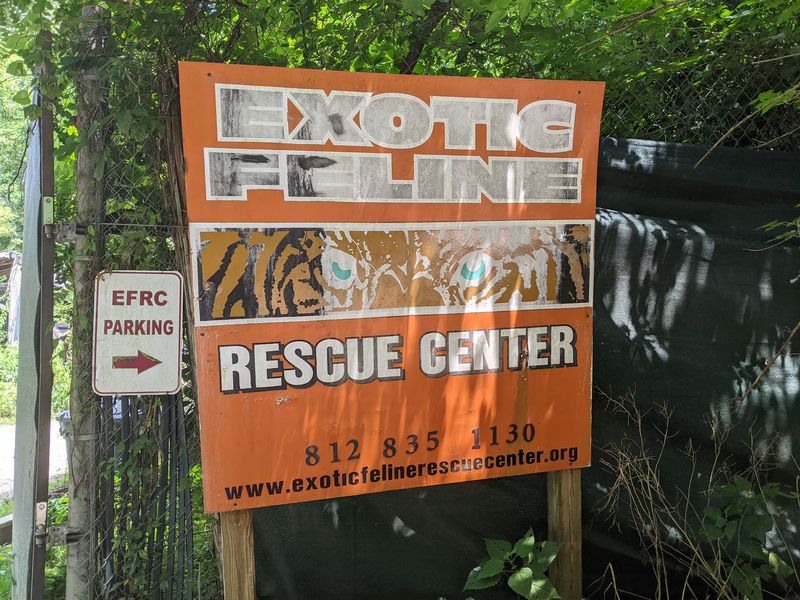
The gift shop is worth a stop before you leave. Every purchase helps support the Exotic Feline Rescue Center and its residents.
Finding the place is part of the adventure. Head to 2221 E Ashboro Rd, Center Point, IN 47840, out in the rural countryside of Indiana.
The sanctuary sits within easy reach of Terre Haute. That makes it a simple day trip or a fun break on a longer road trip.
Hours run 10 AM to 4 PM every day of the week. That daily schedule makes spontaneous visits refreshingly easy.
Parking is simple but a bit rustic. You may need to park along the road and walk a short way to the entrance.
I can’t think of a better way to spend an hour in the Hoosier State. Big cats, big hearts, and a big reason to come back.
Bring curiosity, comfortable shoes, and a little extra to donate. The cats will handle the rest.
