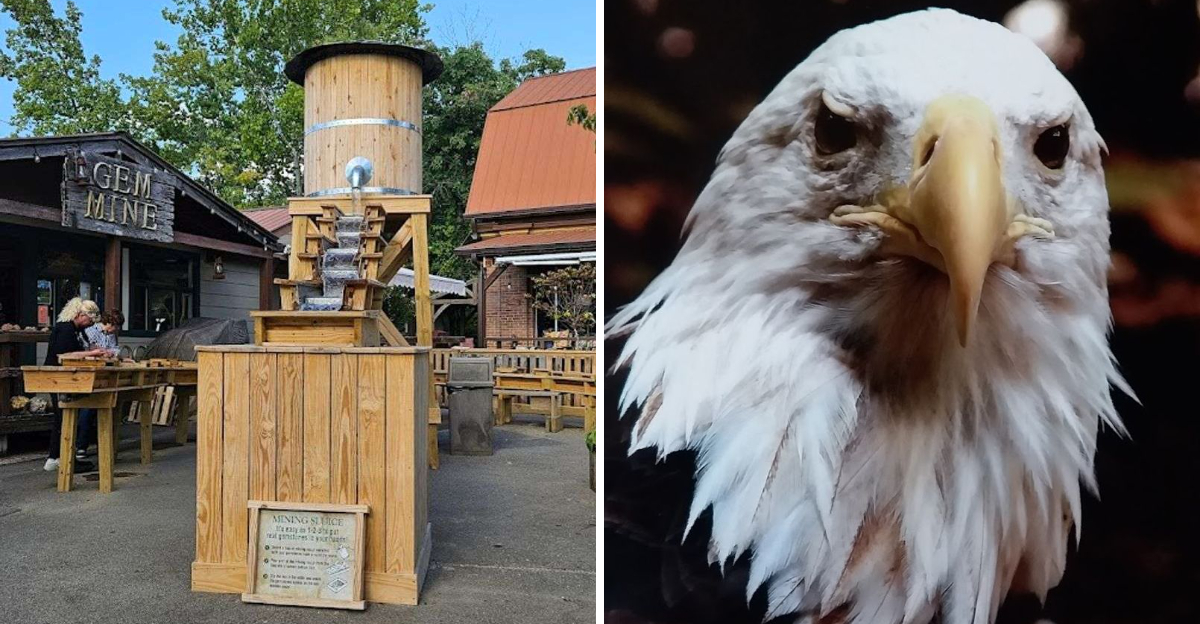
There is something quietly powerful about standing near a bird of prey that has been given a second chance at life. This raptor rehabilitation center, tucked into the rolling hills of southern Indiana, is one of those places that stays with you long after you leave.
I found myself drawn into the stories behind each bird, each one carrying a history of survival that feels both humbling and inspiring. Walking through the grounds, you begin to realize how much care and dedication goes into rescuing, rehabilitating, and protecting these incredible creatures.
Some birds are recovering with the hope of returning to the wild, while others remain as ambassadors, helping visitors understand the challenges raptors face in the modern world.
A Volunteer-Powered Mission That Runs on Pure Dedication
What keeps the Indiana Raptor Center running is not a large paid staff or a corporate budget. Every single person who shows up to feed, rehabilitate, and care for these birds is a volunteer.
That fact alone changes how you see the place the moment you learn it.
The center operates entirely on donations and grants, meaning every dollar given goes directly toward the birds and their care. No one collects a paycheck.
The people here show up because they genuinely love these animals and believe in protecting them. That kind of selfless commitment is rare and worth recognizing.
Visitors often leave surprised by how much the volunteers know. These are not casual hobbyists.
Many have spent years learning raptor biology, rehabilitation techniques, and conservation practices. Their knowledge runs deep, and they share it freely with anyone who asks.
Supporting the center through a donation or a visit helps sustain that mission. The center accepts injured raptors brought in by the public, and knowing that trained volunteers are ready to respond makes a real difference for Indiana wildlife.
If you have ever found an injured bird and felt helpless, this organization is the answer to that feeling. The Indiana Raptor Center proves that when passionate people come together around a shared purpose, extraordinary things happen quietly in the woods of Brown County.
Rescued Birds With Stories That Will Stay With You
Every bird at the Indiana Raptor Center, located at 1376 Jackson Branch Ridge Rd, Nashville, IN 47448, arrived there because something went wrong in the wild. Some were hit by cars.
Others were injured by power lines or found grounded and unable to fly. A few were orphaned as chicks and raised just enough to survive but not enough to return to the wild on their own.
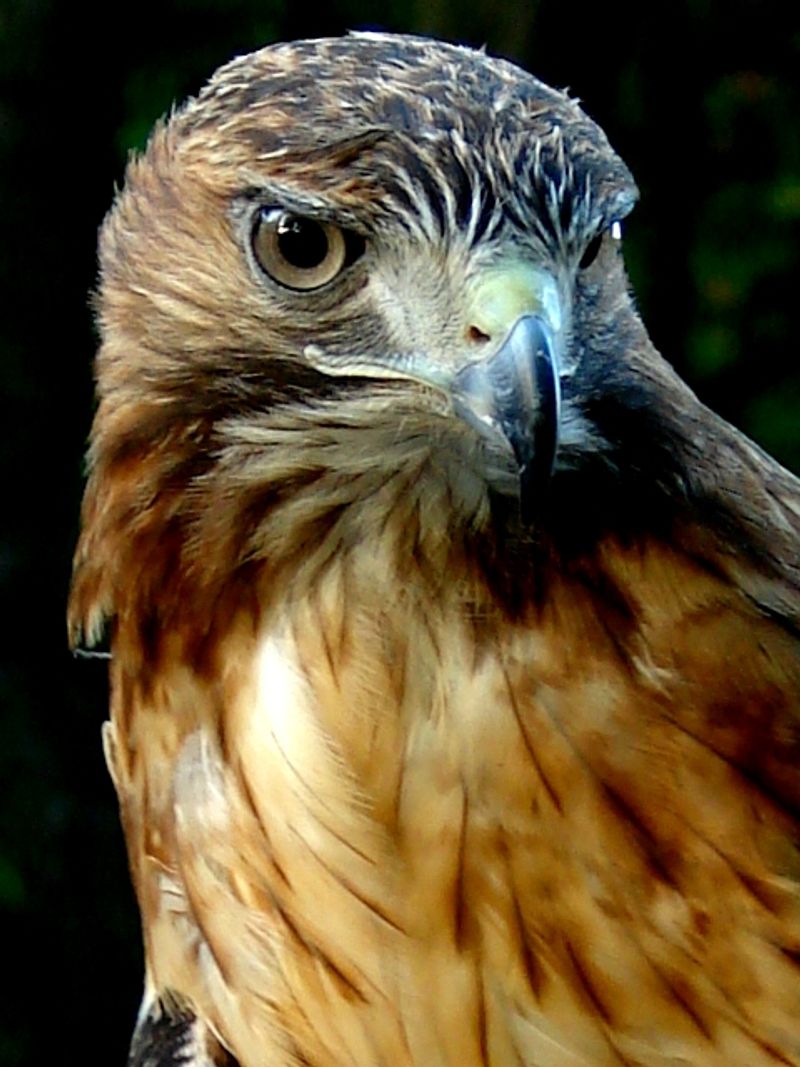
What makes these stories hit differently is that they are not abstract. When you see a red-tailed hawk up close and learn it lost the use of one wing after a vehicle collision, the bird stops being just a bird.
It becomes a survivor with a face and a history.
The center houses birds that cannot be released because their injuries are too significant for survival in the wild. These permanent residents serve as education ambassadors, helping people understand raptors in a way that a photograph never could.
Getting close to a live eagle or falcon rewires something in your brain about what wild really means.
For families visiting with children, these stories become powerful teaching moments about empathy, responsibility, and the impact humans have on wildlife. Kids who visit the Indiana Raptor Center often leave asking thoughtful questions about conservation, habitat loss, and what they can personally do to help.
That ripple effect is exactly what the center hopes to create with every single visit.
Educational Programs That Make Conservation Click for Kids
Learning about pesticide accumulation in the food chain sounds complicated until you are sitting near a live bald eagle and someone explains exactly how toxins travel from a field mouse to the top of the food web. The Indiana Raptor Center has a gift for making environmental science feel immediate and personal.
Because the center is a specialized medical facility, these programs are designed for visitors ages 6 and up, ensuring a calm and safe environment for the recovering birds. This age-specific approach allows for a deeper level of engagement and focus that benefits both the students and the avian residents.
The center offers educational programs designed for school groups, scout troops, and community organizations. These sessions go beyond basic bird facts.
Educators explain real ecological threats like rodenticide poisoning, habitat destruction, and the challenges raptors face in increasingly developed landscapes. What sets these programs apart is the hands-on proximity.
Children do not just look at pictures on a screen. They sit near living birds, ask questions, and process information in a way that sticks.
That kind of experiential learning creates environmental awareness that lasts well beyond the classroom. For Indiana families looking for meaningful outdoor education, this is one of the most authentic options Brown County has to offer.
Nashville, Indiana Makes the Perfect Home Base for Your Visit
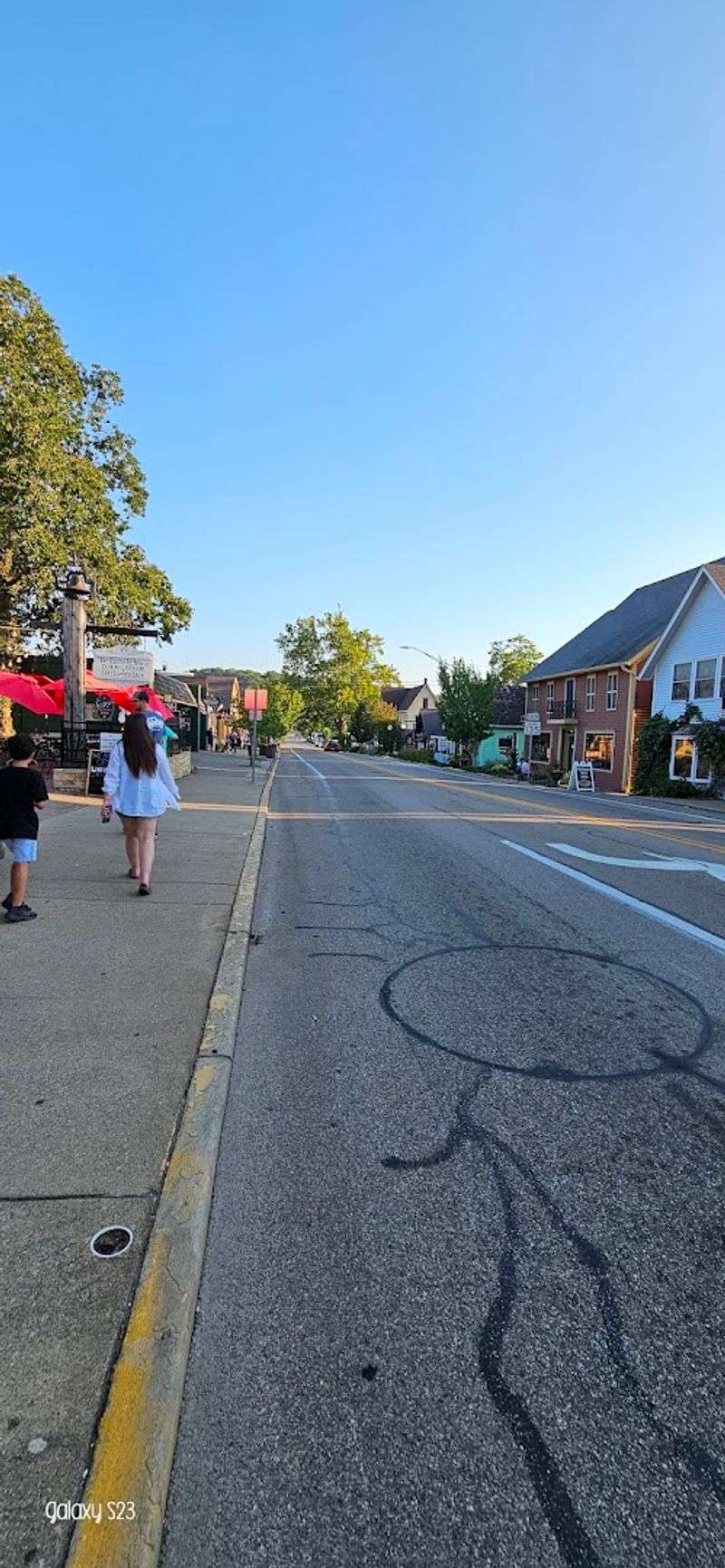
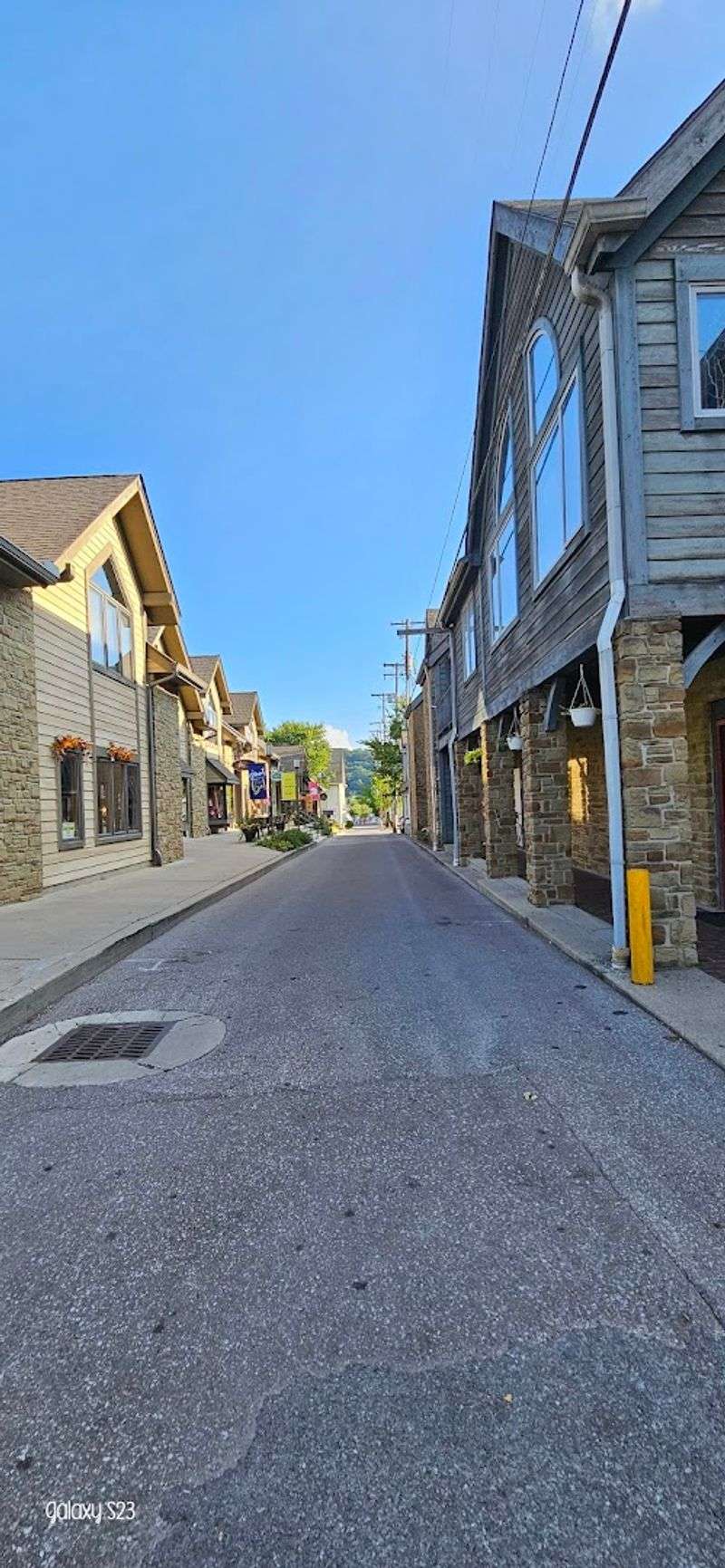
Nashville, Indiana is the kind of town that feels like it was designed for a slow Saturday. The streets are lined with artisan galleries, handmade craft shops, and locally owned restaurants that have been feeding visitors for decades.
Pairing a trip to the Indiana Raptor Center with a full day in Nashville makes for one of the best low-key getaways in the state.
After your visit with the birds, consider stopping by the Brown County Art Gallery at 1 Artist Drive, Nashville, IN 47448, one of the oldest art associations in Indiana. The gallery showcases regional artists and gives you a real sense of the creative spirit that has defined this area for generations.
For a meal, The Hobnob Corner Restaurant at 210 N Van Buren St offers hearty, locally inspired dishes in a warm, high-ceilinged setting that feels right for a day spent outdoors. Housed in one of the oldest buildings in town, it’s famous for its homemade sourdough and pot roast that’s as grounding and satisfying as it gets.
Brown County State Park, located at 1405 State Road 46 W, Nashville, IN 47448, is just minutes away and offers hiking trails through some of the most beautiful hardwood forest in the Midwest. The combination of raptor rescue, local art, good food, and trail hiking makes Nashville one of Indiana’s most complete day-trip destinations.
Getting Up Close With Eagles, Owls, and Falcons in Real Life
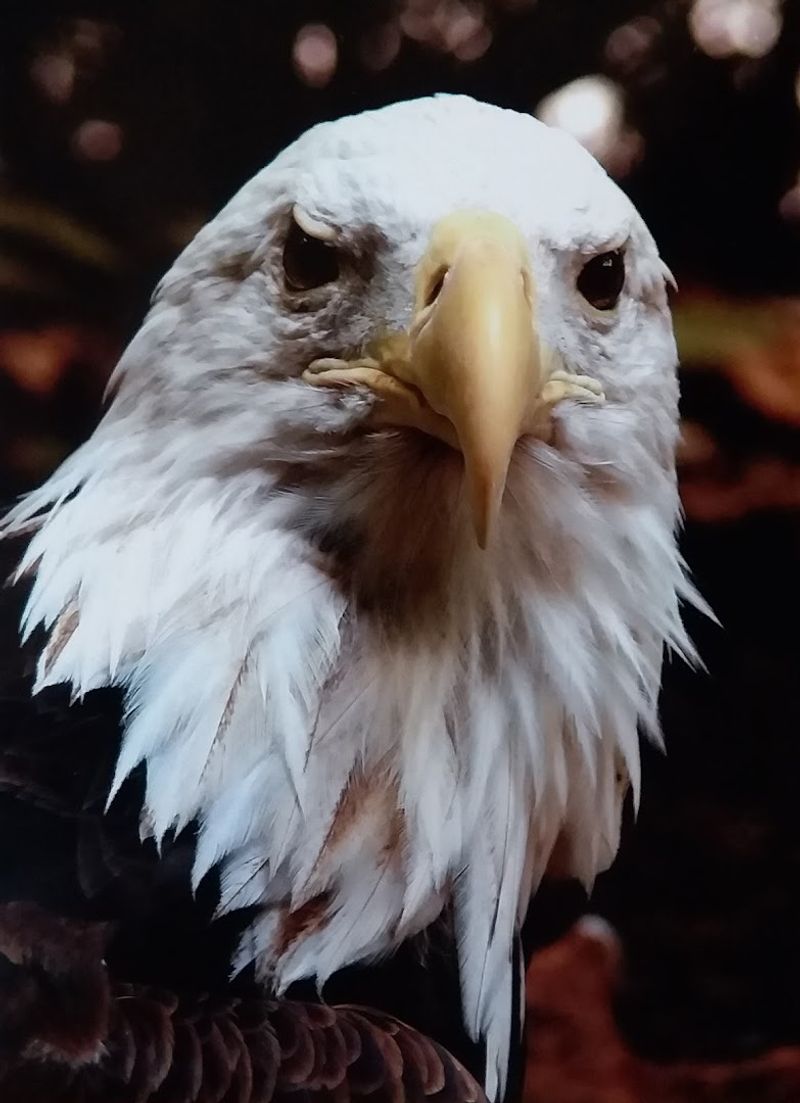
There is a big difference between seeing a raptor in a zoo enclosure behind glass and being near one at a place like the Indiana Raptor Center. Because the center is an active avian hospital, tours are available strictly by appointment.
This ensures that the birds aren’t overwhelmed and that you get a personalized, quiet experience with the handlers. The experience here feels immediate.
The birds are real, the handlers are knowledgeable, and the setting in the hills of Brown County adds a natural atmosphere that no urban zoo can replicate. The center houses several species including great horned owls, barred owls, red-tailed hawks, and bald eagles.
Each bird has a distinct personality that becomes obvious when you spend a few minutes observing them up close. Seeing a bald eagle in person for the first time is a moment many visitors describe as unexpectedly emotional.
The scale, the presence, the quiet intensity of the bird up close carries a weight that photographs simply cannot capture. For anyone who grew up in Indiana and has only seen eagles in textbooks or on television, this is the real thing.
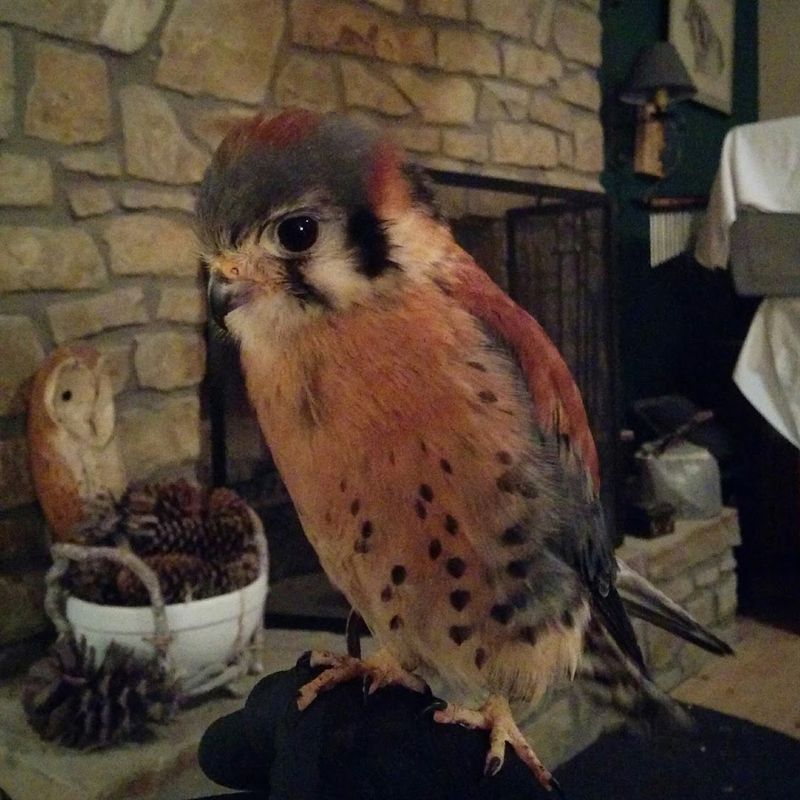
Falcons are another highlight. Their sharp, alert eyes and compact power give them an energy that feels electric even when they are sitting still.
How the Center Responds When Wild Birds Need Emergency Help
One of the most valuable things the Indiana Raptor Center does happens before a visitor ever arrives. When someone in Indiana finds an injured or orphaned raptor, the center is one of the first places they can call.
The response is fast, caring, and often makes the difference between life and death for the bird.
A recent example shared through reviews tells the story of someone who found a young owlet and was able to get it into the center’s care the same day. That kind of rapid response requires a network of trained volunteers who are ready to act, and the Indiana Raptor Center has built exactly that over the years.
Knowing this resource exists changes how Indiana residents interact with wildlife. Instead of feeling helpless when a hawk is found grounded in a backyard or a young owl is discovered alone on the ground, people now have a clear and trusted place to turn.
That community connection is part of what makes the center so important beyond its visible educational work. Reaching out quickly gives the bird the best chance at recovery and eventual release.
The center’s willingness to respond on short notice reflects the deep commitment of the people involved, and it is one of the most compelling reasons to support their mission financially and through awareness.
Why Brown County Is One of Indiana’s Best Kept Natural Secrets
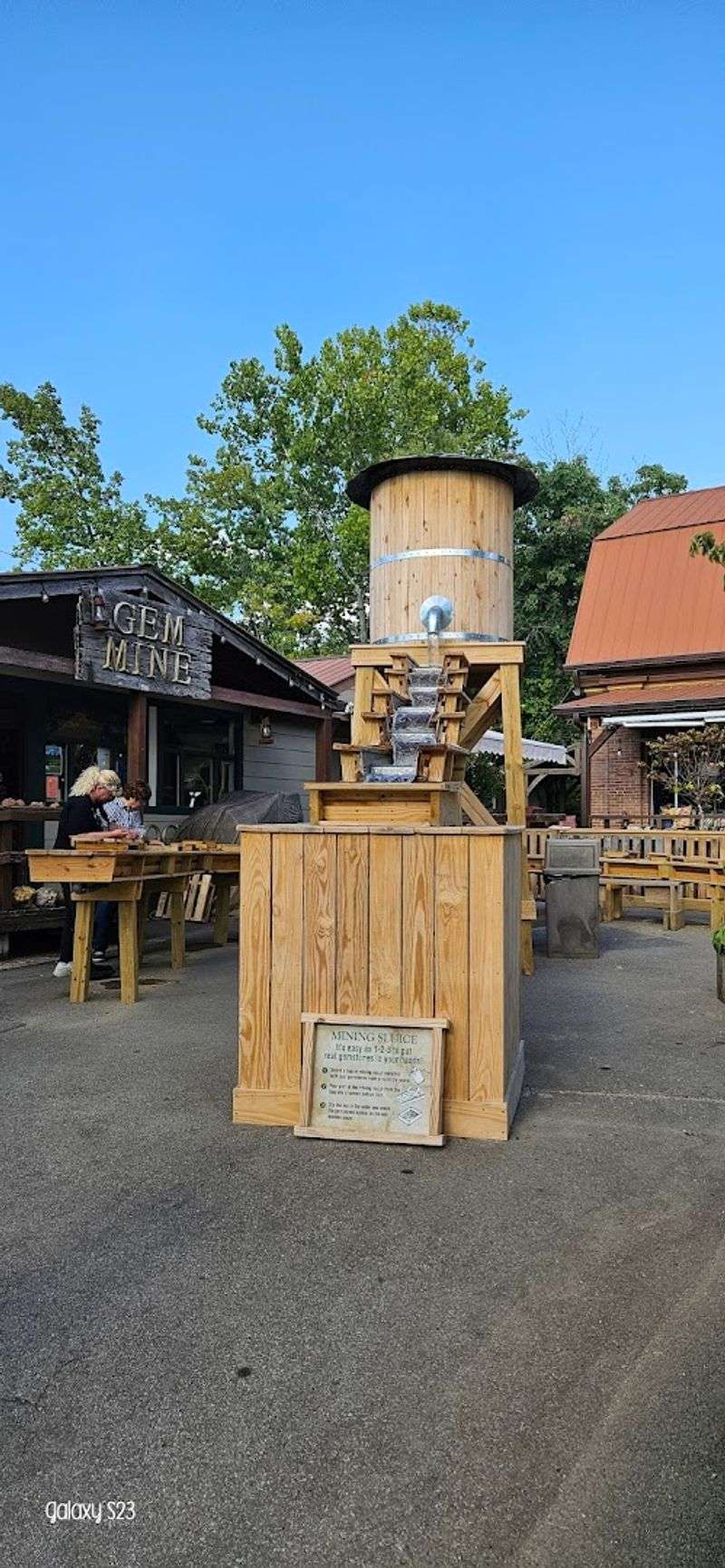
Brown County does not always get the credit it deserves as a nature destination. Most people know it for the fall foliage, and that reputation is earned.
But the area offers so much more throughout the year, and the Indiana Raptor Center is one of the most compelling reasons to visit outside of October.
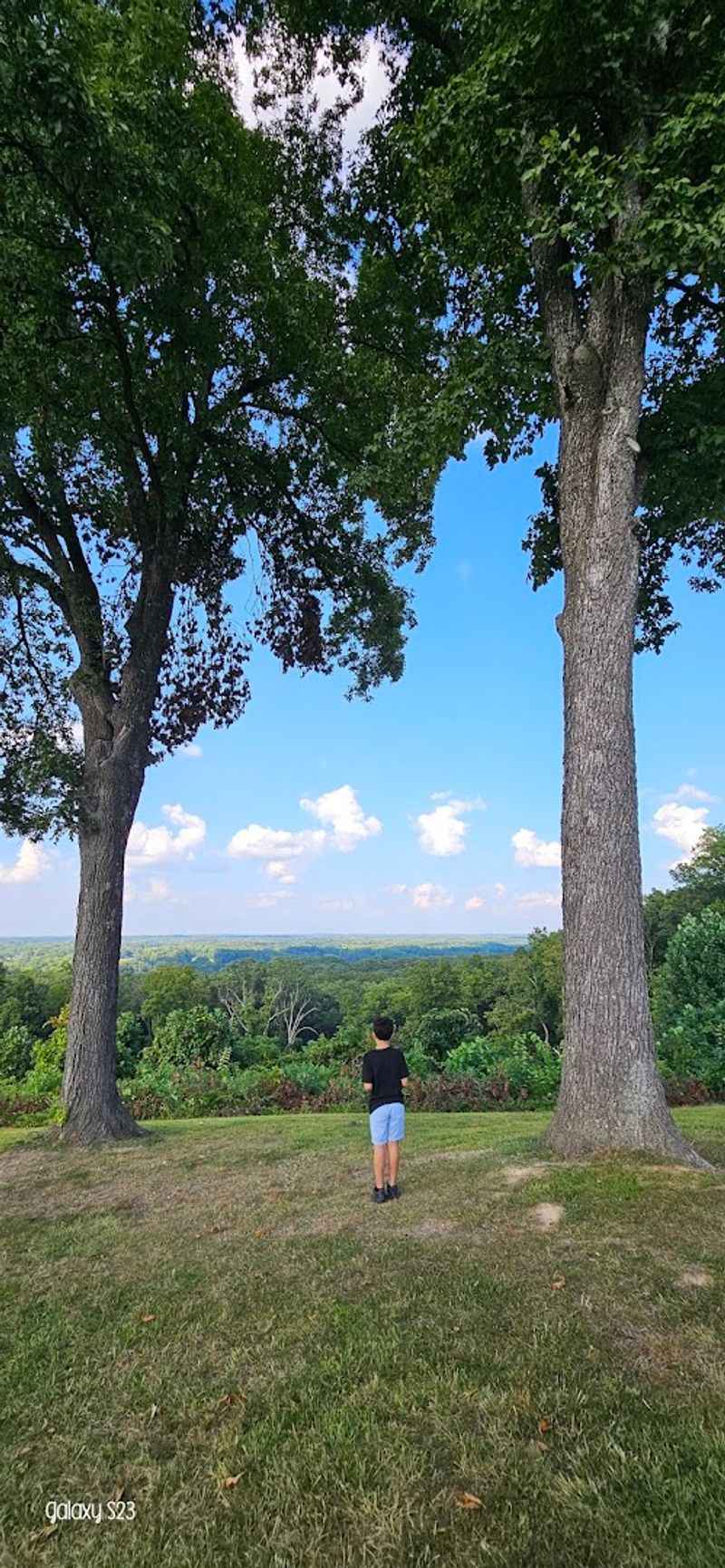
The forests here are thick with oak, maple, and tulip poplar, creating the kind of dense canopy that supports a rich ecosystem. Raptors thrive in this landscape because the habitat is intact enough to support healthy prey populations.
Being at the raptor center and then walking into Brown County State Park feels like a complete immersion into what Indiana’s natural world actually looks like.
Ogle Lake inside the state park offers fishing and quiet reflection, while the park’s trail system takes hikers through creek valleys and ridge tops that feel genuinely wild. The T.C.
Steele State Historic Site at 4220 T.C. Steele Rd, Nashville, IN 47448 is another nearby gem, offering a look at the artist who helped put Brown County on the cultural map over a century ago.
Combining a visit to the Indiana Raptor Center with time in Brown County’s parks and historic sites creates a day that covers nature, art, and conservation in a way that feels balanced and deeply satisfying. This is Indiana at its quietest and most beautiful, and the raptor center belongs at the center of that story.
Dear Reader: This page may contain affiliate links which may earn a commission if you click through and make a purchase. Our independent journalism is not influenced by any advertiser or commercial initiative unless it is clearly marked as sponsored content. As travel products change, please be sure to reconfirm all details and stay up to date with current events to ensure a safe and successful trip.
