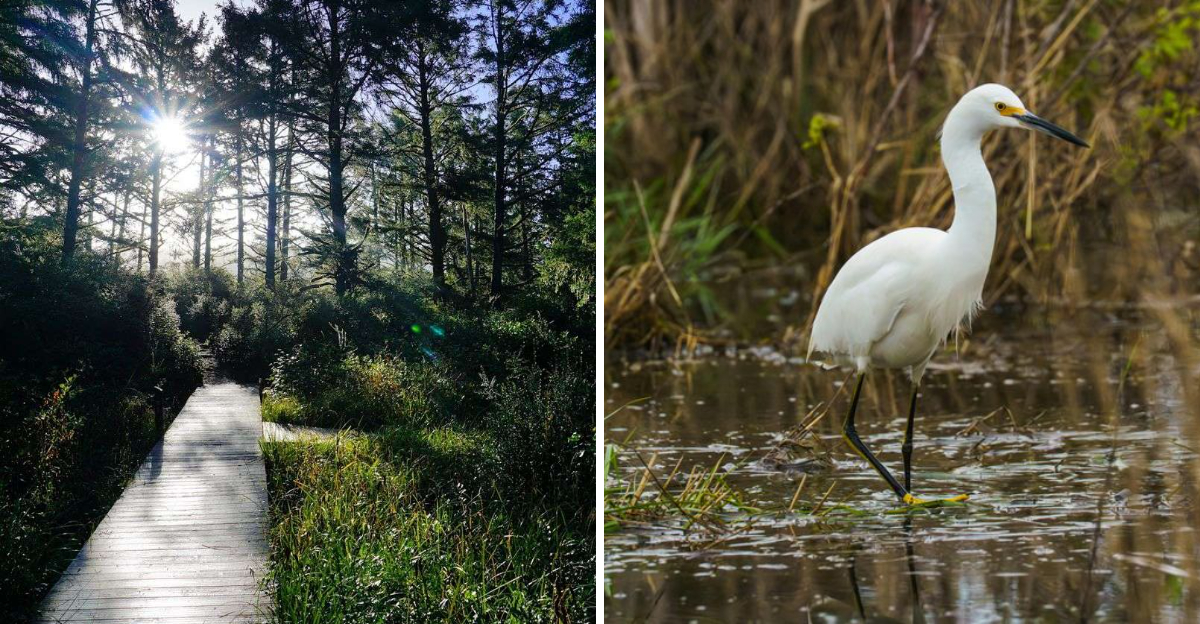
You have driven past this spot a hundred times without a second glance. That is exactly what makes it so special.
The trail is flat, easy, and just two miles long. Perfect for a lazy afternoon or a quick escape from your to do list. Wooden planks keep your feet dry while you wander through marshlands you never knew existed. Then the birds show up.
Herons, egrets, ducks, and about a dozen species you cannot name. They do not seem to care that you are there.
You will find yourself stopping every few minutes just to listen. The best part is that you will have the whole place almost to yourself. Their loss, really.
The Surprise That Waits Behind a Simple Sign
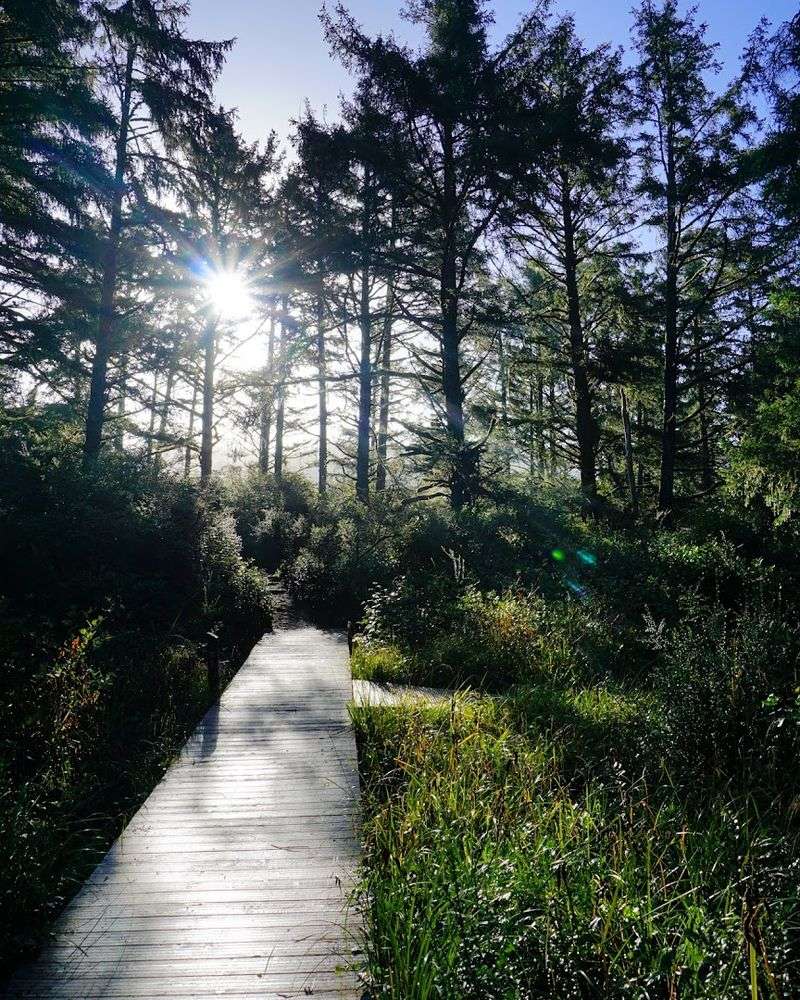
Nothing about the roadside sign hints at what is inside. It looks like a rest stop, honestly.
But the moment you pass through the entrance and reach the trailhead, the whole scene shifts completely.
A large map board greets you with trail options clearly laid out. Posts along the trail also carry maps with a you-are-here marker, which makes navigation easy.
You are not going to get lost here, though it did happen to some early visitors before the signs improved.
The parking lot is small and fills up on summer weekends. Arriving early is smart.
There are clean vault toilets and a water spout near the trailhead, so you can top off your bottle before heading out. Picnic tables sit close to the parking area, perfect for a snack before or after your walk.
The park is free to enter, which makes it even easier to justify a spontaneous stop. Sitka Sedge is proof that the best discoveries often wear the quietest labels.
A Former Farm Turned Wild Sanctuary
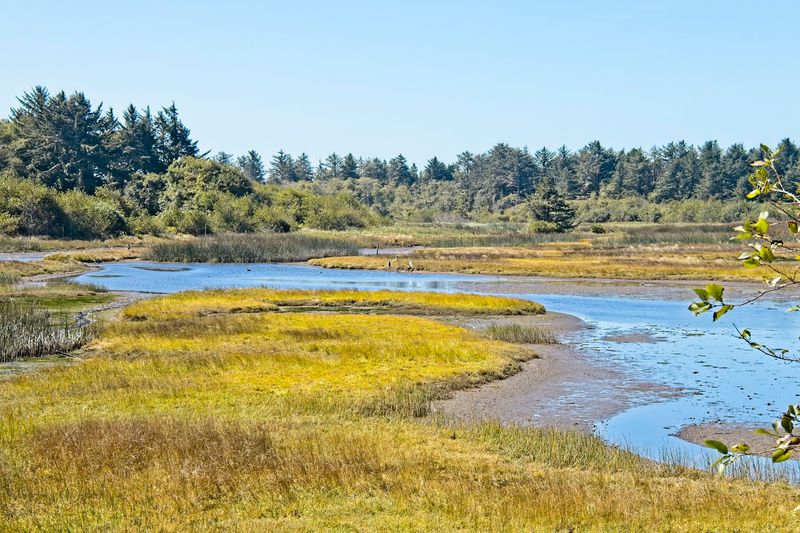
This land was not always a nature preserve. For years it operated as a cattle farm on a coastal estuary, and you can still see the old dike that once managed water flow across the property.
Walking across that dike today feels like stepping through layers of history.
On one side of the dike, fresh stream water flows quietly. On the other side, a salt marsh stretches wide and still.
That contrast alone is worth pausing for. The old infrastructure now serves the wildlife far better than it ever served farming.
Oregon State Parks acquired this property after multiple proposals tried to turn it into a golf course or resort. The state held firm, and the result is something genuinely special.
Park hosts maintain the area with obvious care, keeping trails clean and the environment protected. Sitka Sedge once belonged to a family called the Bastich family, who owned it before the state took over stewardship.
Their legacy lives on in every careful step the park takes to preserve this fragile coastal ecosystem.
Two Loops, One Big Adventure
The trail system at Sitka Sedge offers two main loops, each roughly a mile long and heading in opposite directions. They feel completely different from each other, which is part of what makes the full circuit so satisfying.
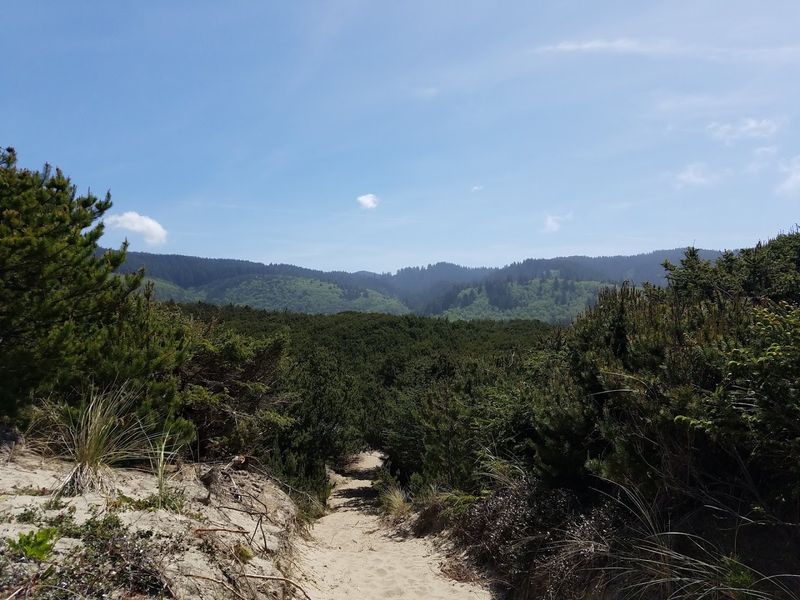
The east loop winds through wetland edges and forested stretches with good shade. The west loop swings closer to the coast, moving through open dunes and sandy terrain.
Combining both gives you around two to three miles total, depending on which shortcuts you take through the middle of the reserve.
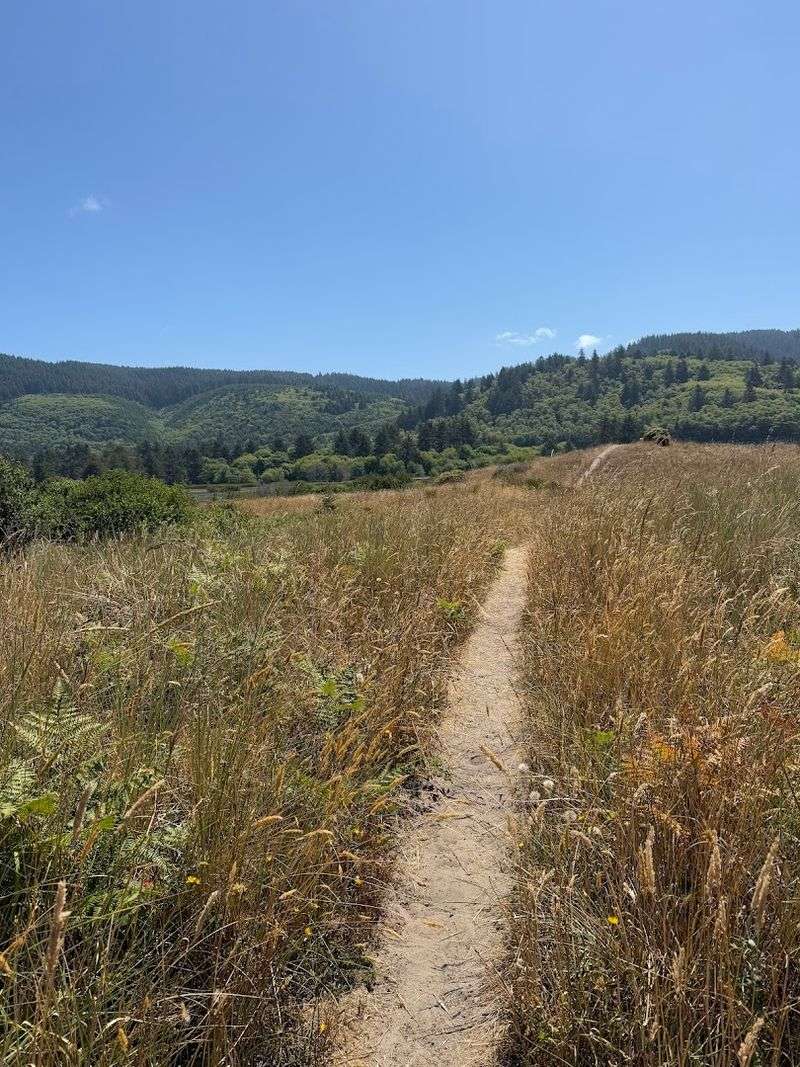
Trails are mostly flat with no serious elevation. The only real workout comes near the beach access, where the path gets steep and the sand goes deep.
Kids handle it fine. So do older visitors who want a low-effort but genuinely rewarding outdoor experience.
There are a few spots where small tree roots poke above the ground, but they are easy to step around. The variety packed into such a compact trail system is honestly impressive for a park this size.
Birds Everywhere You Look
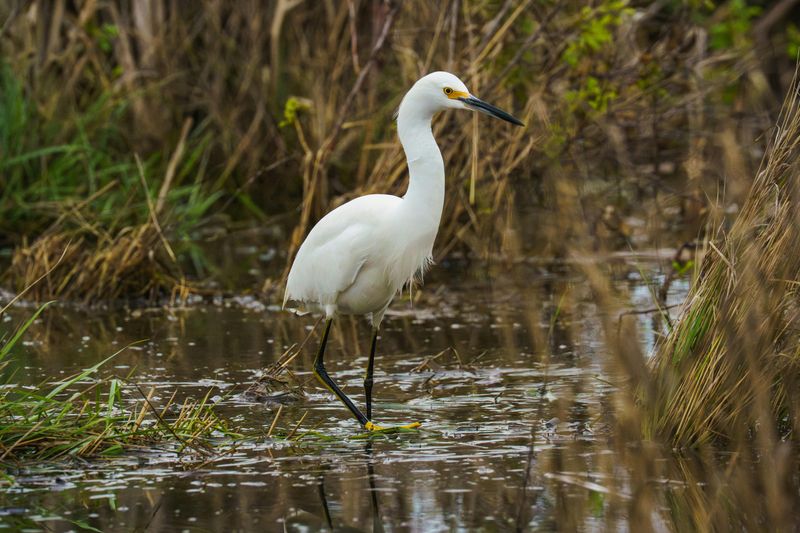
Birders call this place a paradise, and that description is not an exaggeration. Eagles circle overhead with casual authority.
Kingfishers dart low over the water in flashes of electric blue. Gulls, terns, and turkey vultures share the sky above the estuary without much drama.
Snowy plovers nest seasonally along the beach, which is why restrictions run from March 15 through September 15 each year. During that window, certain beach areas are off-limits to protect the nesting birds.
The information board at the parking lot explains exactly where humans, dogs, and horses are allowed during restricted periods.
Watching the birds here feels unhurried. There are benches along the trail where you can sit quietly and just observe.
The salt marsh draws wading birds that pick through the shallows with focused patience. Bring binoculars if you have them.
Even without them, many birds come close enough to identify easily. The whole reserve hums with feathered life in a way that feels genuinely rare on the Oregon coast.
The Quiet Magic of the Salt Marsh
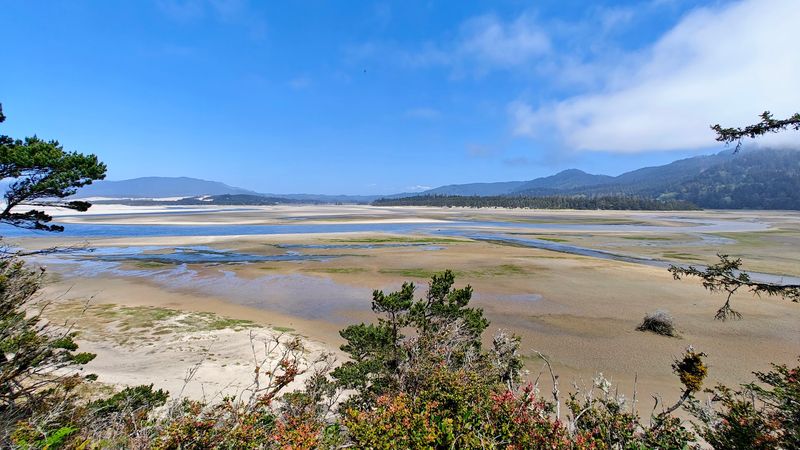
Standing at the edge of the salt marsh, you notice how still everything feels. The water barely moves.
Grasses bend slowly in the coastal breeze. It is the kind of quiet that does not feel empty but full, like the landscape is listening.
The marsh sits on the right side of the old dike as you walk toward the beach. Salt water reaches in from the coast, mixing with freshwater streams that feed in from the hills above.
That mix creates a rich habitat where a wide range of species thrive year-round.
Black bears have been spotted in this area, with fresh scat occasionally found near the trail edges. Elk are common too, especially in the early morning hours.
The marsh supports an entire food chain quietly operating just off the trail. You do not need to go searching for wildlife here.
Most of the time, if you slow down and stay quiet, something interesting finds you. The marsh rewards patience more than speed, and that lesson feels worth carrying home.
Walking Through a Forest That Feels Forgotten
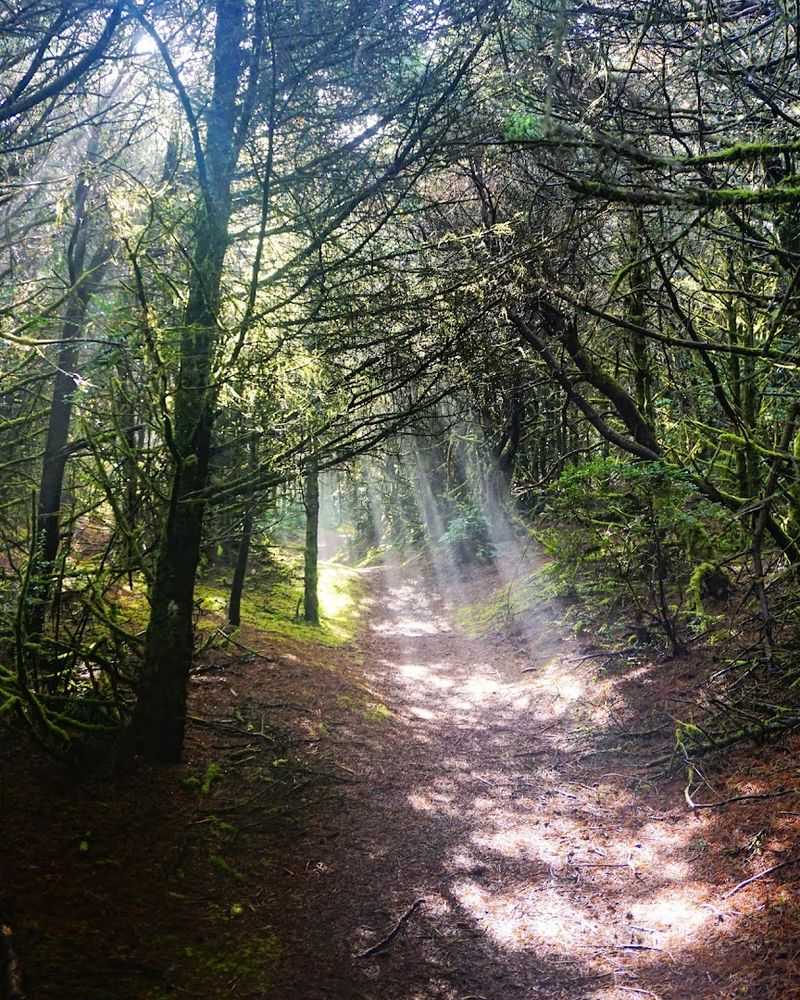
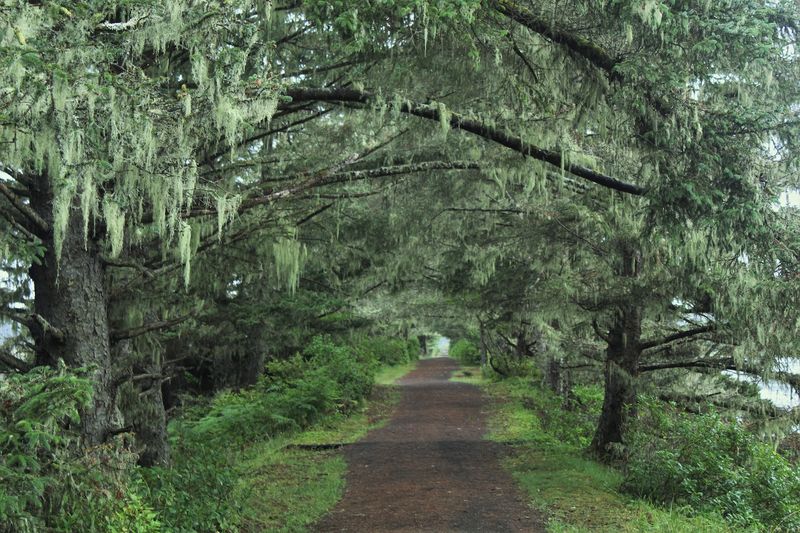
Tucked inside the trail loops is a forested stretch that feels completely removed from the coast just a few hundred feet away. The canopy closes overhead.
Light comes through in soft patches. Your footsteps go quiet on the compressed dirt path.
This section offers welcome shade on warm summer days. The trees are draped in moss, and ferns crowd the understory in thick green waves.
Mushrooms pop up along fallen logs after rain, making this forest a favorite spot for foragers who know the area well.
The variety of plant life edging the trail is remarkable for such a short walk. Visitors have noted dozens of distinct species within a single loop.
Some plants are labeled along interpretive sections near the trailhead. Others you simply encounter and wonder about, which is its own kind of pleasure.
The forested section connects smoothly back to open wetland views, so the contrast keeps the walk feeling dynamic. No single stretch overstays its welcome, and the forest feels like the trail’s quiet heartbeat.
The Beach at the End of the Trail
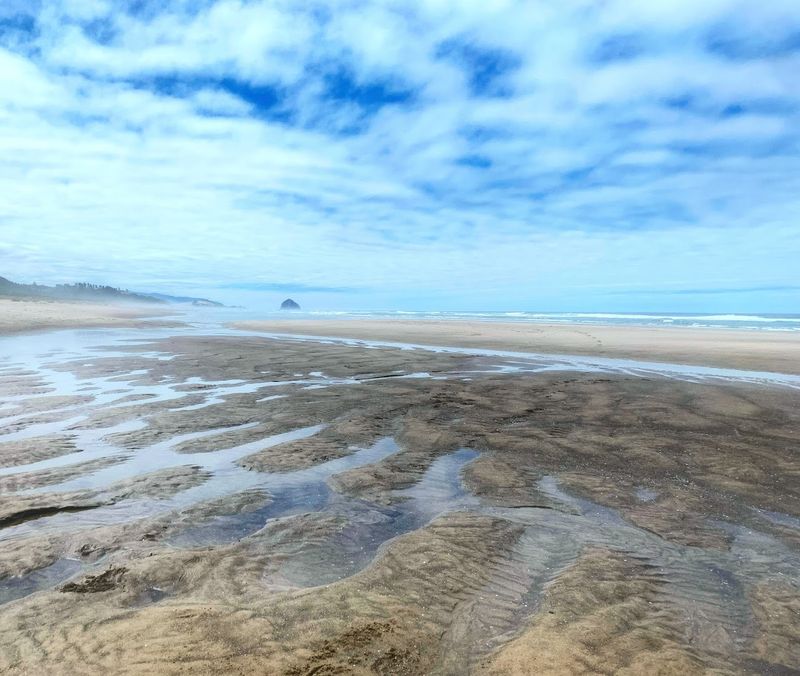
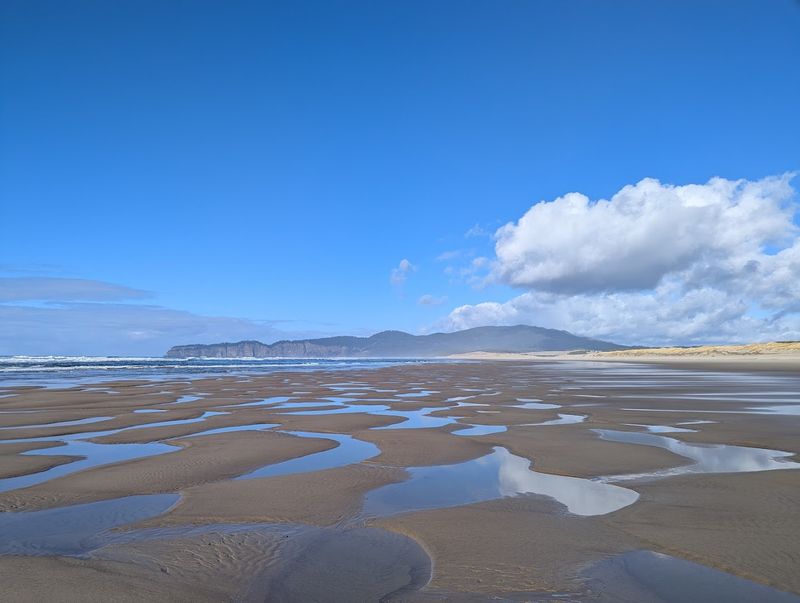
Reaching the beach after walking through wetlands and forest feels like a small reward. The trail opens suddenly, and there it is: a wide, quiet stretch of sand with very few people on it, even on summer weekends.
The beach faces Sandlake and offers distant views of Whalen Island across the river channel. On clear days, you can spot Haystack Rock far down the coast.
The sand is soft and deep near the shoreline, which makes walking barefoot genuinely satisfying after a trail hike in boots.
Dogs are allowed off-leash in certain beach sections outside the plover nesting season. The rules are posted clearly, so there is no guesswork.
Visitors have spread out blankets here and stayed for hours, watching the waves and eating packed lunches in the salt air. The beach access path is about a quarter mile from the main trail junction.
What to Bring and How to Prepare
Bug spray is not optional here. The combination of shade, water, and warm temperatures creates ideal conditions for mosquitoes, especially in summer.
Multiple visitors have mentioned getting bitten after skipping the spray, so pack it without question.
Comfortable walking shoes handle the trail well for most of the route. The sandy sections near the beach are easier in closed-toe shoes rather than sandals.
Layers are smart on the coast, where morning fog can linger even on warm days. A light jacket takes up almost no space and earns its place in the bag.
Bring your own water and snacks. There are no food vendors or shops inside the park.
The water spout at the trailhead is available, but carrying your own supply is more reliable. A camera or binoculars add a lot to the experience, especially near the marsh and forest sections.
The park follows a pack-in, pack-out rule, so there are no trash bins on site. Whatever you carry in, you carry out.
It keeps the place clean, and it clearly works.
Visiting With Kids, Dogs, and Everyone Else
Sitka Sedge works beautifully for families with young kids. The trails are flat, well-marked, and short enough to keep small legs moving without complaint.
There is enough variety along the way to hold a child’s attention from start to finish.
Dogs are welcome on leash throughout most of the park and off-leash on parts of the beach during non-restricted months. The trail surface is firm and even, which also makes it reasonably accessible for visitors with mobility challenges.
The sandy back quarter near the beach does get difficult for wheelchairs, but the rest of the route is manageable.
Groups visiting on weekdays tend to have the trails almost entirely to themselves. Even summer Saturdays stay quieter than most coastal parks.
The lack of crowds is one of the most consistent things people notice and appreciate. Horses are permitted in certain areas as well, so do not be surprised if you share the trail with a rider.
Why This Place Deserves More Than a Drive-By
Most people drive past Sitka Sedge without a second thought. The sign is small and the entrance looks simple.
That is exactly what makes stopping feel like such a good decision once you do it.
The park holds more landscape variety per mile than almost anywhere else on the Oregon coast. Wetlands, forest, open meadow, sand dunes, and a quiet beach all connect through one trail system.
That range is rare, and it makes even a short visit feel full and memorable.
The park is free. It opens at 8 AM every day and closes at dusk, so there is plenty of time for a morning walk or a late afternoon wander.
The gate closes at dark, so plan your exit with enough daylight to spare. Sitka Sedge is the kind of place you tell friends about after you visit, not before.
Address: Sandlake Rd, Cloverdale, OR 97112
