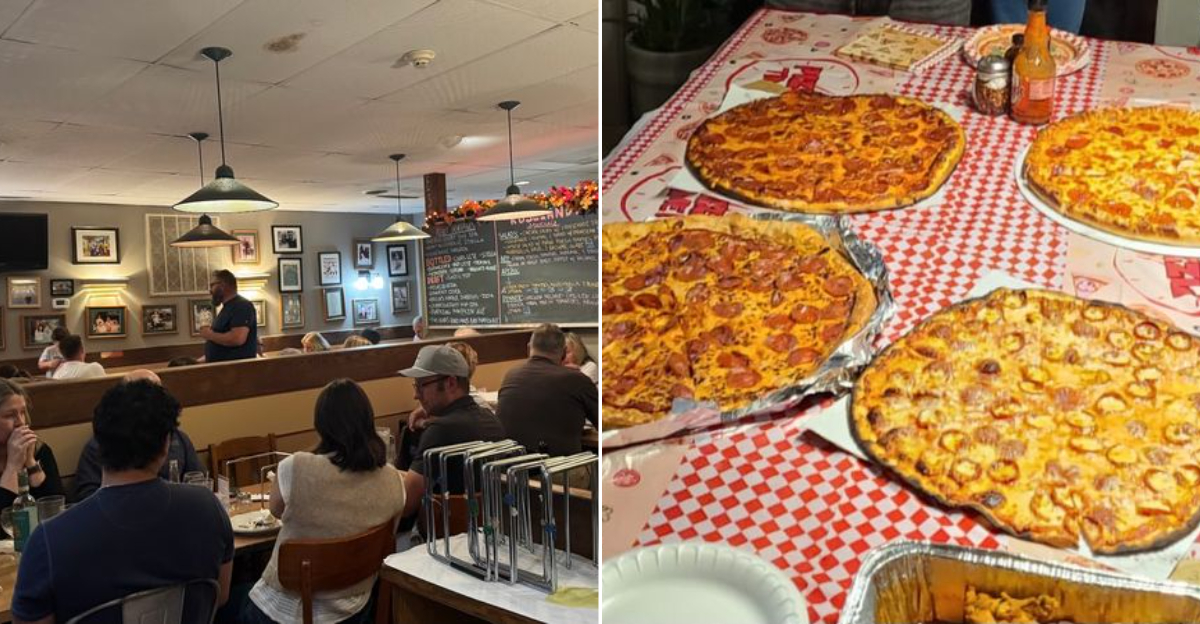
I did not expect much from a small pizza joint in a quiet Connecticut neighborhood. Then I took a bite of the apizza, and the crispy, coal-fired crust made me shut up completely.
This unassuming landmark has been making the same legendary pie since the Great Depression. No fancy ovens, no trendy toppings.
Just a thin, blistered crust, fresh mozzarella, and a tangy sauce that tastes like it has been simmering for decades. The dining room is plain, the booths are worn, and the counterman knows the regulars by their first name.
Families crowd the tables, kids coloring on placemats while parents argue over whether to order sausage or anchovies. I ate my slice standing up because I could not wait.
That is the magic of this place. It does not try to impress you. It just serves perfect pizza, the way pizza should be.
Connecticut has many famous spots, but this one earned its legend one pie at a time.
The First Look Outside
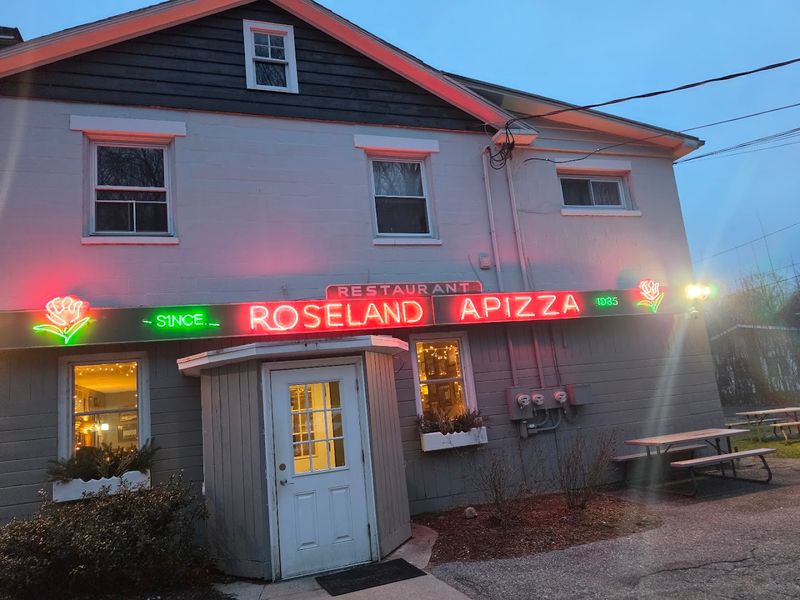
What gets me first is how little Roseland Apizza tries to announce itself, because the building just sits there with the kind of confidence that comes from being part of daily life for a very long time. You are not walking up to some polished attraction with a rehearsed sense of charm.
You are walking toward a place that feels like Connecticut has already chosen and kept.
That unshowy exterior is part of the whole point, at least to me, because it sets up exactly the kind of meal you hope for when you go chasing old regional food traditions. Nothing about it begs for attention, and somehow that makes it easier to trust.
When a spot has lasted this long without needing to reinvent itself every five minutes, I pay attention.
Even before you open the door, there is this nice feeling that you are about to step into somebody’s routine, not a performance built for visitors. That matters more than people admit.
The best old restaurants usually carry themselves like this, where the outside stays calm and the inside does all the talking once the food hits the table.
Honestly, that first impression tells you plenty, and it tells you in a very Derby kind of way.
Where You Actually Find It
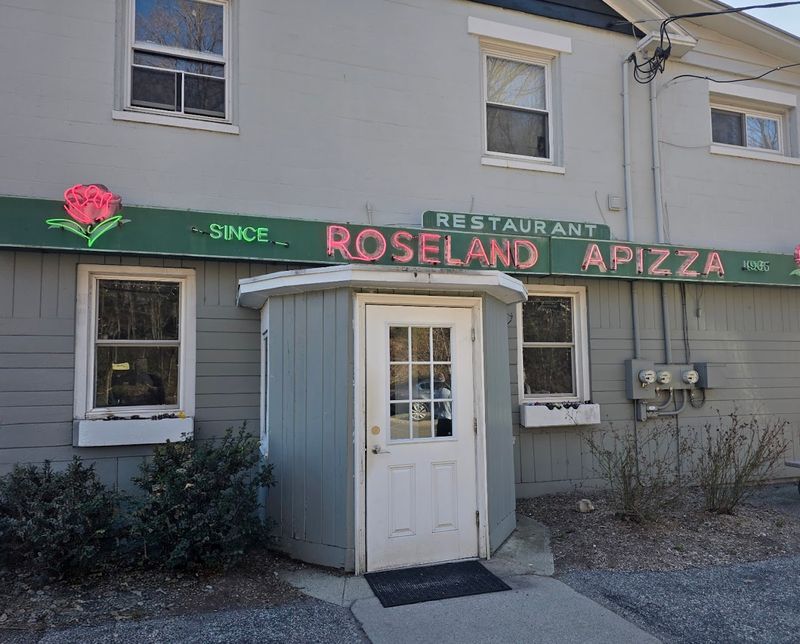
If you are heading there for the first time, Roseland Apizza is at 350 Hawthorne Ave, Derby, CT 06418, and the setting feels more neighborhood-rooted than destination-polished in a way I really like. You pull up knowing this is not some staged food hall moment.
It feels local right away, which is exactly what gives the place its pull.
Derby itself helps frame the experience, because this part of Connecticut still rewards people who are willing to leave the obvious routes and trust a longtime local favorite. The ride there adds a little anticipation without feeling dramatic.
By the time you arrive, you already have the sense that you came for something people around here have known forever.
I always think location changes how food lands, and that is especially true with apizza. In a spot like this, the meal feels tied to the streets around it, the regulars coming and going, and the low-key rhythm of the town.
Nothing is overdesigned, and that is part of why the whole thing feels grounded.
Once you step inside, the address stops mattering, because the pie takes over the rest of the conversation.
That Old School Dining Room Feeling
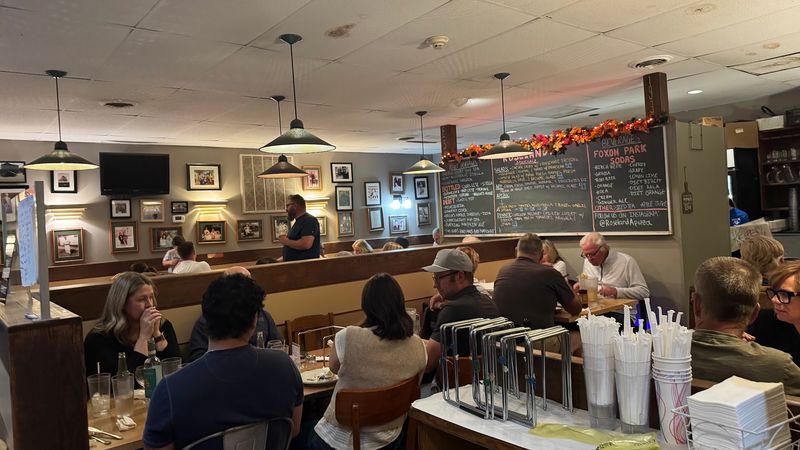
The dining room is where you start to understand why people get attached to a place like this, because it feels settled in without feeling frozen. There is a difference, and you notice it pretty quickly once you sit down.
The room has personality, but it does not lean on nostalgia like a prop.
I like restaurants that look like they have been used properly, where the seating, lighting, and overall setup feel built for actual meals instead of photo ops. Roseland has that easy lived-in mood that lets you relax without thinking about it.
You are not navigating a concept here. You are just sitting down to eat in a room that knows what it is.
That matters more than people think, especially when the food is tied to tradition. The surroundings do not need to distract you, because they quietly support everything happening at the table.
There is a comfort to that, and it makes the whole experience feel more human than curated.
By the time menus are down and conversation starts drifting, you already feel a little less like a passerby and a little more like you belong there. That is a hard thing for any restaurant to fake, and this one does not try.
Why The Crust Is The Whole Story
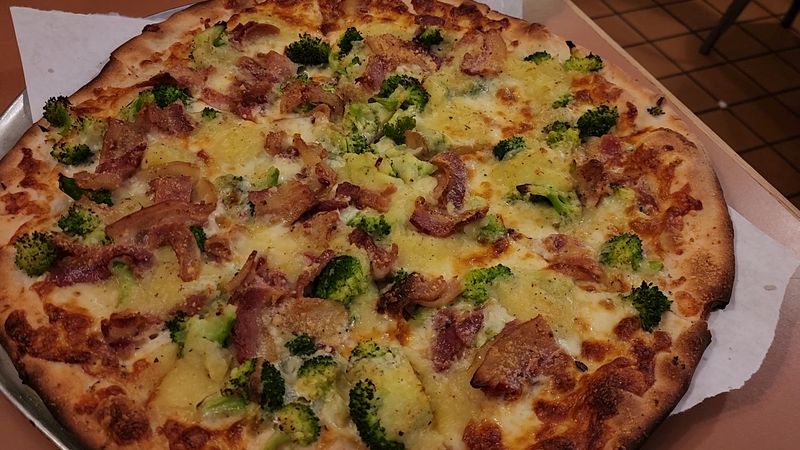
Let me put it this way, if the crust is not right, none of the rest of the conversation really matters, and Roseland understands that on a deep level. This is the kind of apizza where the texture keeps your full attention from the first slice.
You get that thin, well-baked base with enough chew to remind you it was handled by people who know what they are doing.
The edge carries real character too, with that slightly darkened finish that fans of Connecticut apizza keep chasing. It is not about being dainty or overly delicate.
It is about balance, where crispness, chew, and char all show up together without one pushing the others out of the way.
What I appreciate most is how natural it feels, like the crust was never trying to impress you through gimmicks or excess. It just tastes seasoned by repetition and good judgment.
That sounds simple, but it is actually the sort of thing only longtime places consistently pull off.
When a pie starts with a crust like this, you stop analyzing and start eating a little faster than intended. That is usually the giveaway.
Your hand keeps reaching for the next slice before you have finished talking about the last one.
The Sauce Has Something To Say
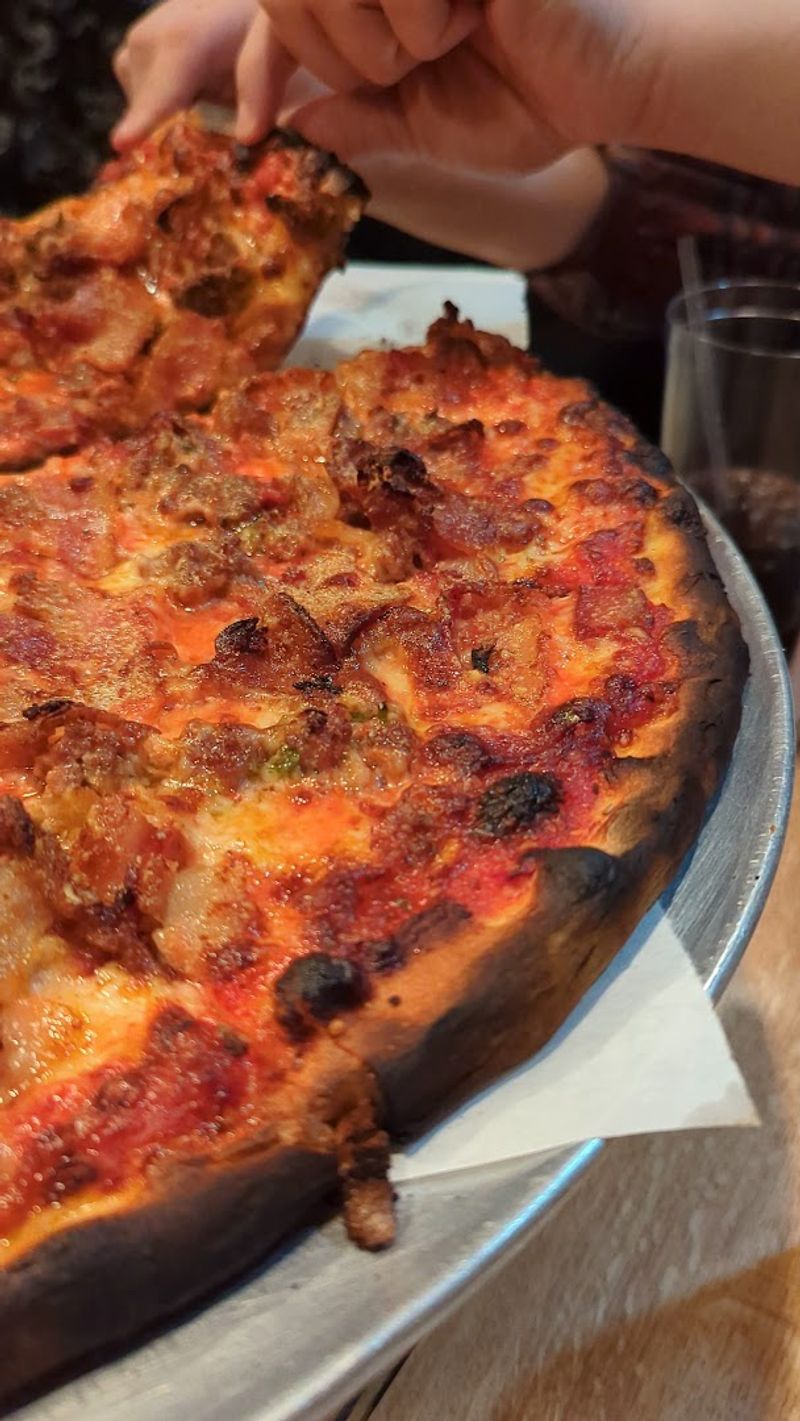
Some places treat sauce like background noise, but here it actually feels like part of the argument for why the pie works so well. It has presence without turning heavy, and that balance is harder to get than people make it sound.
You taste tomato, seasoning, and a little confidence all at once.
What I enjoy is the way the sauce stays in conversation with the crust instead of burying it. Nothing gets lost, and nothing feels overworked.
That is usually my favorite sign at an old pizza place, because restraint almost always means they trust their process.
The overall flavor lands with that familiar traditional apizza directness, where every ingredient seems to know its role. You are not sorting through a pile of extra flourishes to figure out what happened.
The pie comes across clearly, and that clarity is part of the pleasure.
I think that is why even a simple order can stick in your head afterward. The sauce gives the pizza shape and identity without demanding all the attention for itself.
It supports the whole thing beautifully, and by the second slice you are already aware that simple food can still feel surprisingly specific when it is done this well.
You Can Feel The History Without A Speech
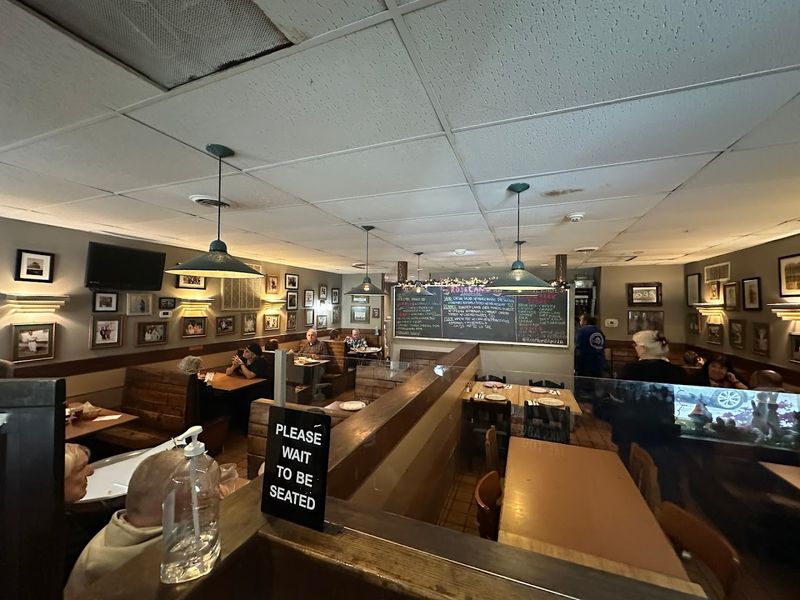
What I love about this place is that the history is obvious without being constantly explained to you, because the room and the food already carry it. Nobody needs to deliver a lecture for you to get the message.
You sit down, look around, take a bite, and the timeline kind of fills itself in.
That is a big reason Roseland feels different from newer places trying to imitate age or tradition. Nothing seems borrowed, and nothing feels costume-like.
The sense of continuity comes through naturally, which makes the experience feel more trustworthy and a lot more personal.
Connecticut has a few food institutions that hold onto their identity by simply continuing to do the work, and this spot belongs in that conversation. You can feel decades of routine in the best way, not as stiffness but as confidence.
The restaurant does not seem trapped by its own past. It just keeps carrying it forward.
I think that is why the meal lingers after you leave. You are not only remembering a pizza.
You are remembering how rare it feels to encounter a place that still seems fully itself, even after all the changes that usually sand the edges off old restaurants and turn them into something easier, safer, and less alive.
Derby Makes The Whole Meal Land Better
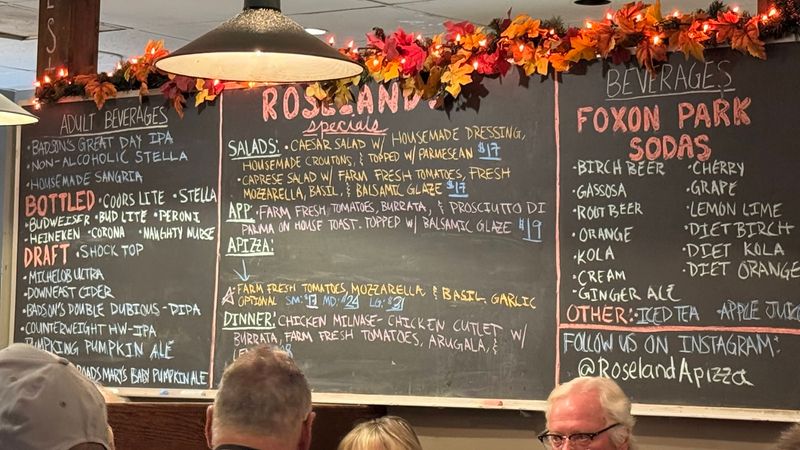
I do not think you can separate Roseland from Derby and still understand why it feels the way it does, because the town gives the meal part of its shape. There is a grounded, everyday quality to the experience that would not hit the same somewhere flashier.
You feel like you are participating in local life instead of stepping into a packaged attraction.
That is part of what makes food trips through Connecticut so rewarding when you let them unfold at a smaller scale. The best moments are often tied to places that seem completely comfortable in their own skin.
Derby brings that out here, and Roseland answers with the kind of meal that feels woven into the town rather than set apart from it.
I like when a restaurant teaches you something about where you are without needing signs or slogans to do it. This one does that very naturally.
The setting, the pace, and the people all help the pie taste even more rooted, which sounds corny until you experience it and realize it is true.
By the end of the meal, Derby stops feeling like just a dot on the map. It starts feeling like part of the flavor.
That is when a stop turns into an actual memory instead of just another place where you happened to eat.
Why Traditional Apizza Still Wins
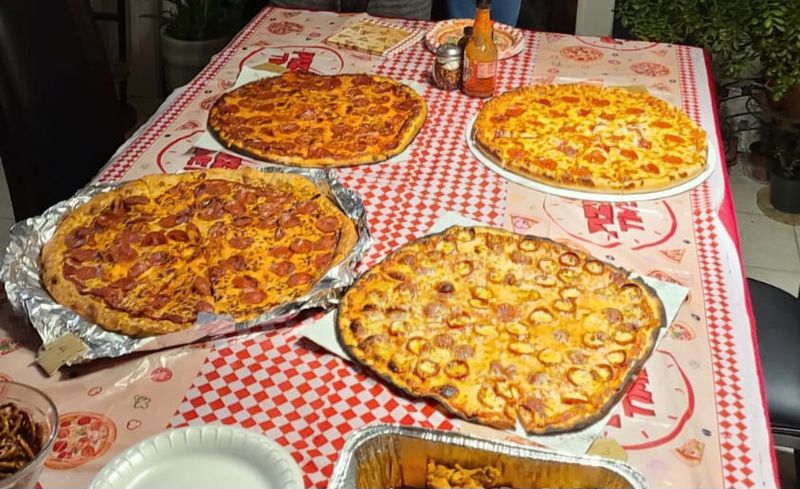
There is a reason traditional apizza keeps such a loyal following, and Roseland is a pretty convincing reminder that simple does not mean plain. When the basics are handled this well, you do not need distractions.
You just need a crust with character, a thoughtful sauce, and toppings that know how to stay in balance.
I think people sometimes forget how satisfying restraint can be, especially now that so much food tries to sell itself through sheer volume or novelty. Here, the pie makes its case in a calmer voice.
That confidence lands harder than hype ever does, because it asks you to taste instead of admire.
Traditional Connecticut apizza also has this nice way of feeling both regional and personal at the same time. You can recognize the style, but every longstanding place still puts its own stamp on it.
Roseland absolutely does, and that is what keeps the meal from feeling generic or interchangeable.
By the last slice, you are reminded that food does not have to be complicated to feel memorable. It just has to be specific, well-made, and connected to a place that believes in it.
That combination is what keeps people loyal for years, and you can feel that loyalty all over the room.
The Kind Of Place You Start Craving Later
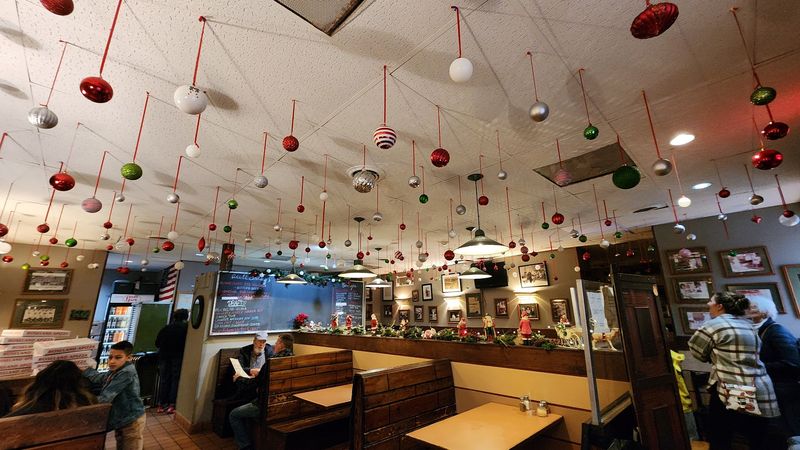
Here is the thing that sticks with me most about Roseland Apizza, and it is not just one topping or one perfect bite. It is the way the whole visit settles into your memory as a complete experience.
You remember the exterior, the room, the rhythm, and then that first unmistakable taste of the pie landing exactly where it should.
Some restaurants are fun in the moment and then disappear from your mind by the next afternoon. This place does the opposite.
It sneaks up on you later, usually when you are talking about pizza with someone and suddenly realize you are describing Roseland with a little more feeling than you expected.
That, to me, is the mark of a real landmark in Connecticut. It becomes part of your own running list of places you trust, places you mention without hesitation, and places you would gladly drive back to just for the comfort of getting the same honest meal again.
Not many restaurants earn that kind of place in your head.
So yes, go for the apizza, obviously. But also go because it still feels good to find a place that has not forgotten itself.
Roseland holds onto that beautifully, and you can taste it from the first slice to the last.
