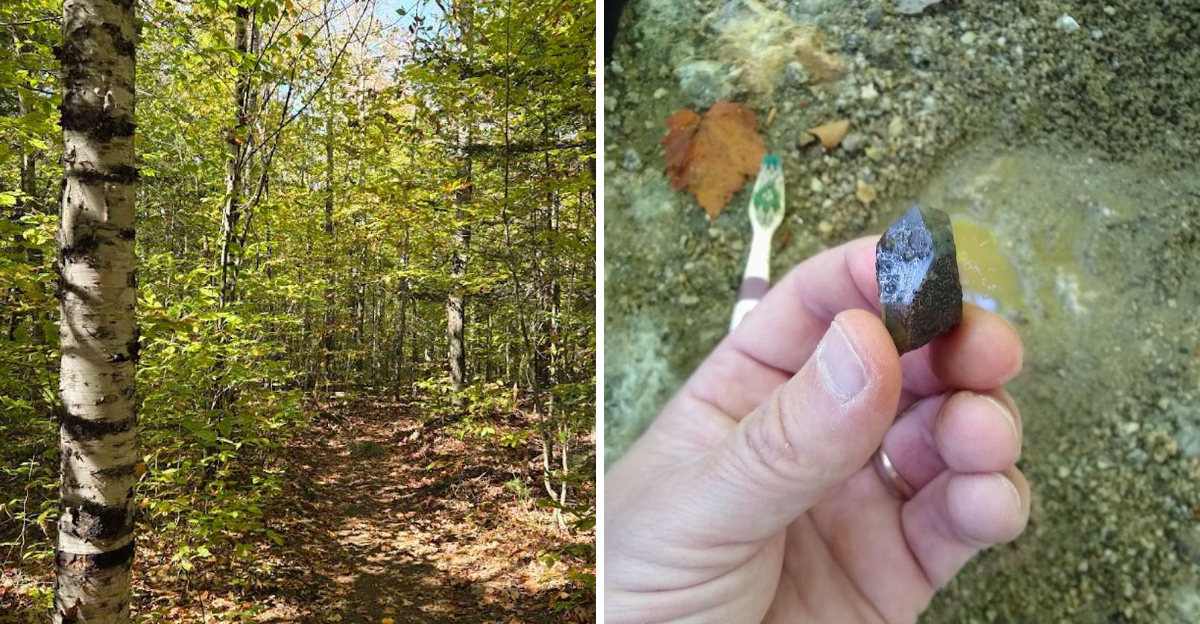
I have been on plenty of hikes that end with a view. A waterfall.
A summit. Something pretty to look at before you turn around and go back down.
But I have never been on a hike that turned me into a treasure hunter. This trail in New Hampshire is different.
The path is simple and unassuming. Nothing too steep or too long.
But the ground beneath your feet is full of sparkling crystals. Small ones at first.
Then bigger ones as you get further in. I bent down to pick up a piece of quartz that was catching the sunlight.
Then another one. Then another one.
By the time I reached the end of the trail, my pockets were full of little glittering rocks. The kids on the trail with me were losing their minds.
Their parents too if I am being honest. It is not a difficult hike.
You do not need special gear or a lot of time. But you will walk out with something better than a photo.
What Makes This Trail Totally Unlike Any Other Hike in New Hampshire
Forget everything you think a hike should be. Most trails in New Hampshire reward you with a sweeping view or a cool waterfall, and those are fantastic.
But this trail? It hands you a treasure hunt.
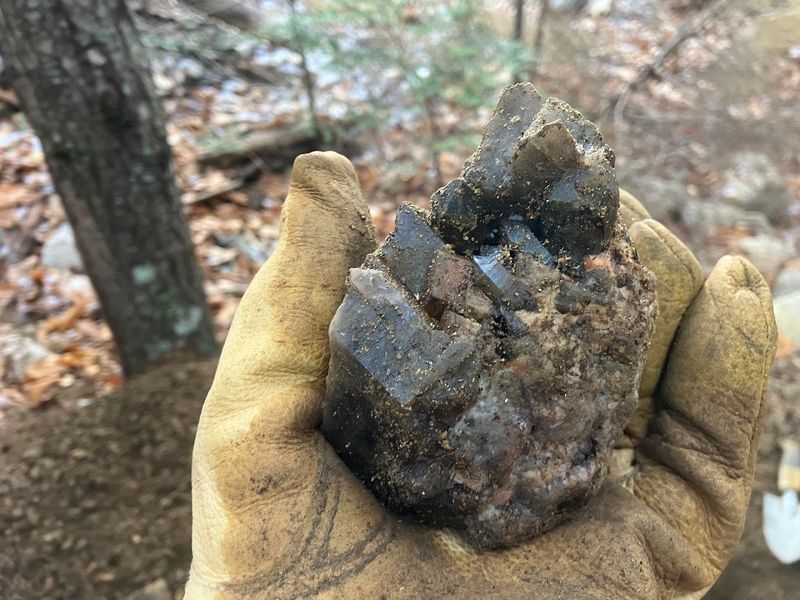
The Moat Mountain Mineral Site Trailhead in Conway sits quietly within the White Mountain National Forest, and it flips the typical hiking script completely upside down. Instead of just walking and snapping photos, you get to dig, chip, and hunt for actual crystals hiding inside ancient granite.
The trail itself winds through beautiful mixed forest. Rooty sections and rocky patches keep things interesting without being brutal, and the whole vibe feels more like an expedition than a Sunday stroll.
New Hampshire is full of gorgeous outdoor spots, but very few let you leave with a genuine geological souvenir in your backpack. The setting alone is worth the trip, surrounded by tall pines and the kind of mountain quiet that makes city noise feel like a distant memory.
First-timers are often surprised by how accessible the whole experience feels. Families with young kids manage it comfortably, and seasoned rockhounds treat it like a serious pilgrimage.
Either way, nobody walks away bored.
The Geology Behind the Glitter and Why These Crystals Even Exist Here
Long before anyone thought to hike through these woods, something spectacular was happening deep underground. Around 200 million years ago, volcanic activity and crystallizing magma created the perfect recipe for mineral magic right beneath what is now Conway, New Hampshire.
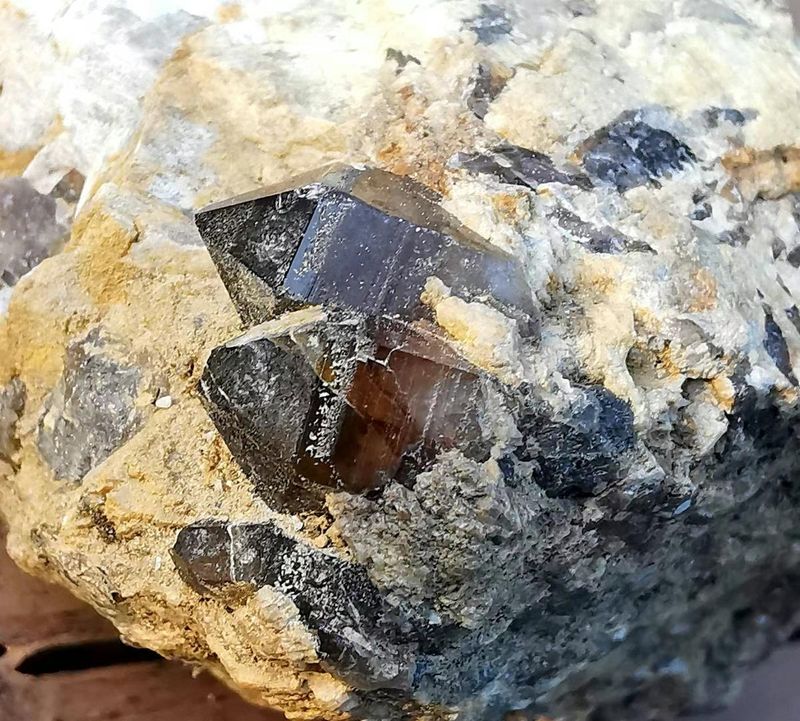
The crystals form in what geologists call miarolitic cavities, which are essentially small crystal-bearing bubbles trapped inside granite. As the magma cooled slowly over millions of years, minerals like quartz and feldspar arranged themselves into gorgeous geometric shapes inside those pockets.
The Moat Mountain Mineral Site sits right at the contact zone between Conway granite and Moat volcanics, which is a geologically significant boundary that produced an unusually rich variety of minerals. Smoky quartz is the star of the show here, appearing in cloudy, brownish-gray clusters that catch the light beautifully.
Beyond quartz, patient hunters have pulled out garnets, beryl, microcline, and even rare finds like topaz and fluorite. Each mineral tells a different chapter of the same ancient story.
Understanding the geology makes the hunt more satisfying. You’re not just digging randomly.
You’re following a 200-million-year-old trail of clues left behind by the earth itself.
Getting to the Trailhead Without Losing Your Mind on the Back Roads
Navigation to the Moat Mountain Mineral Site Trailhead in Conway is part of the adventure, and I say that with genuine affection. The route takes you off the main roads and onto Passaconaway Road from West Side Road, then onto High Street, which is a proper dirt road that feels wonderfully remote.
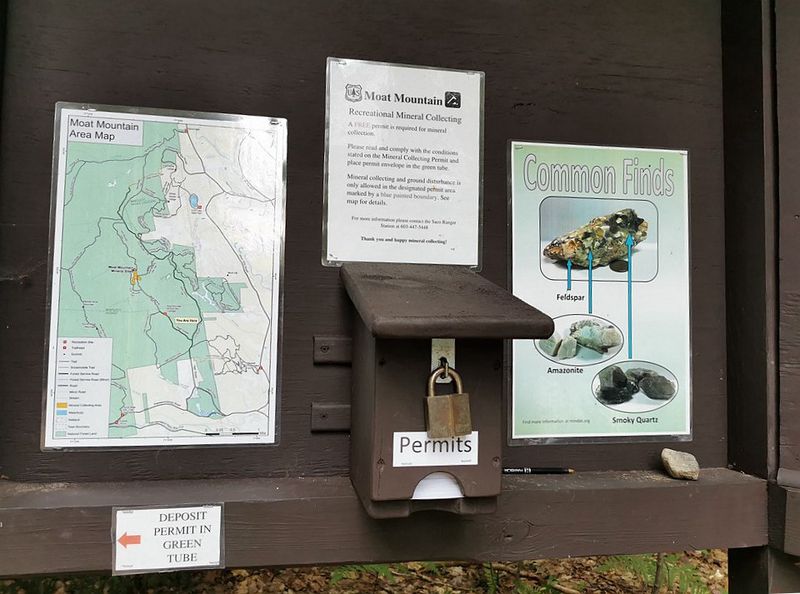
The parking area is modest, nothing fancy, just a small clearing with a kiosk where you pick up your free mineral collecting permit. Fill it out carefully because you need one portion on your dashboard, one on your person, and one left in the box.
It’s a simple self-serve system that takes about two minutes.
Some trail signs have seen better days, so downloading an offline map before you leave home is genuinely smart advice. Cell service is surprisingly decent in the area, but you don’t want to rely on it entirely when you’re navigating a network of mountain biking and hiking trails.
The address is High St, Conway, NH 03818, which you can plug into your GPS for a smooth start. Arrive early on weekends because the parking area fills up faster than you’d expect, especially during peak mineral-hunting season in late spring through early autumn.
The Permit System That Keeps This Free Spot Open for Everyone
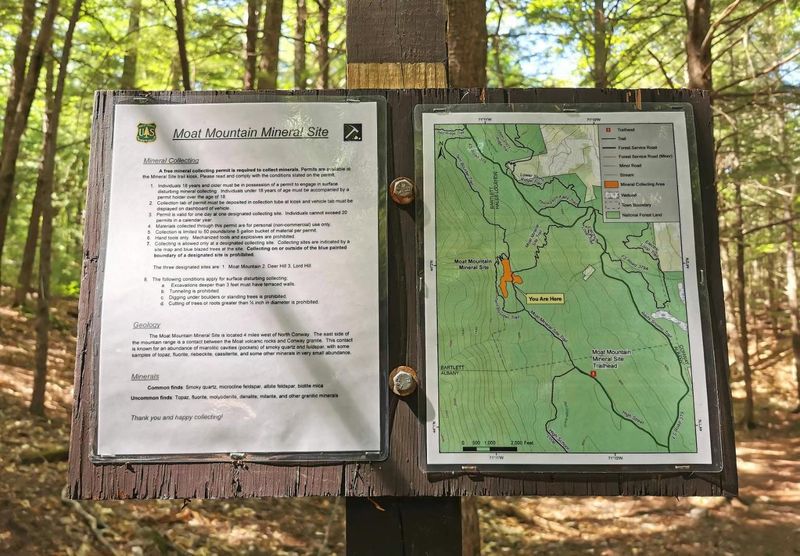
One of the most refreshing things about the Moat Mountain Mineral Site is that it’s completely free to access and collect from. Public land, public crystals, zero entry fee.
However, a permit is required, and that little piece of paper matters more than people realize.
At the trailhead kiosk, you’ll find self-serve permit forms waiting for you. The process is quick and painless.
Completing it properly means the Forest Service can track how many people are using the site, which directly influences decisions about keeping it open and accessible long-term.
For basic surface collecting and picking up loose rocks, the standard permit covers everything you need. If you want to dig deeper or do any excavating, a use permit with additional conditions applies, so reading all the posted rules carefully before grabbing a shovel is genuinely important.
The site operates within White Mountain National Forest regulations, which exist to protect the geological resource for future generations. Rules like staying within the blue-marked boundary trees and avoiding power tools are non-negotiable.
Sites like this get shut down when people ignore them.
Respecting the permit system is the simplest way to show appreciation for one of New Hampshire’s most generous outdoor offerings. Take only what the rules allow, and fill in your holes before leaving.
What to Pack So Your Crystal Hunt Actually Pays Off
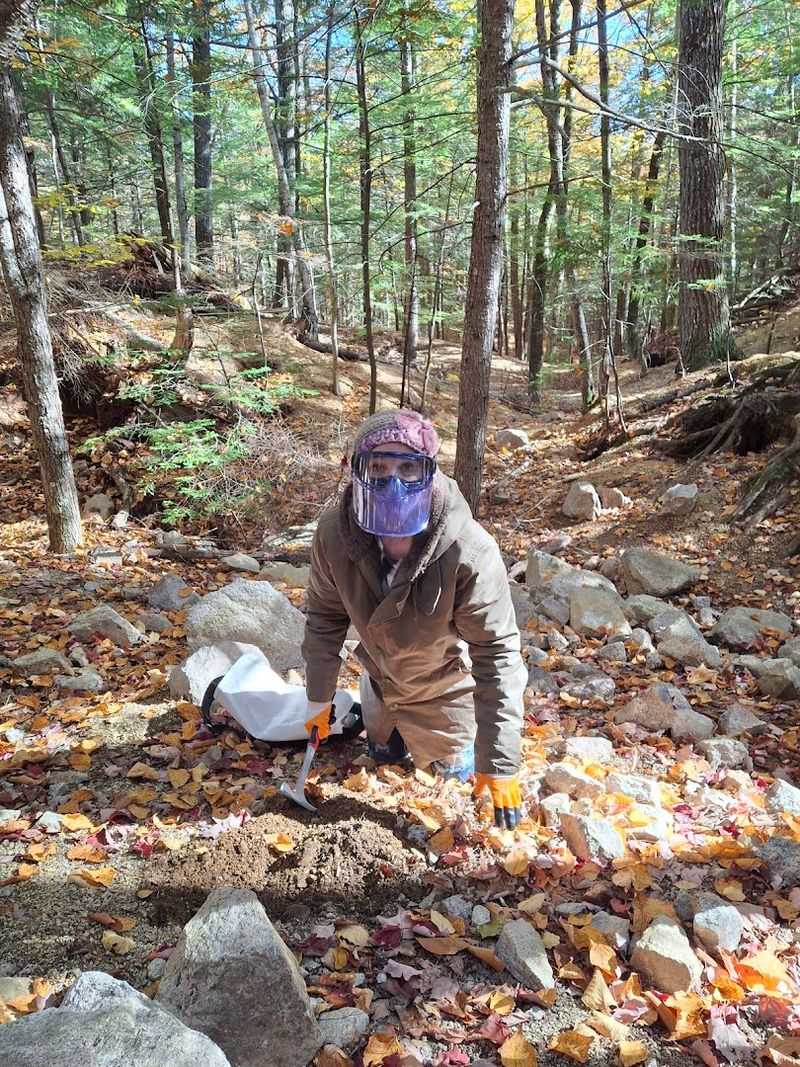
Showing up to the Moat Mountain Mineral Site without the right gear is like fishing without a hook. You might have a pleasant time, but you’re leaving a lot of opportunity on the table.
Smart packing makes the difference between a handful of impressive finds and a very tired, empty-handed afternoon.
A rock hammer is your best friend out here. A long-handled screwdriver is also surprisingly essential for prying open cracks and working loose material out of tight spots.
Safety goggles are non-negotiable because flying rock chips are a real hazard, and gloves protect your hands during extended digging sessions.
Bring a sturdy backpack and a five-gallon bucket for hauling out your finds. Keep the bucket in mind on the walk back, because a mile of trail feels noticeably longer when you’re carrying several pounds of granite.
Seasoned rockhounds recommend keeping your load intentionally light.
Bug spray belongs at the top of your packing list too. Mosquitoes and biting flies are enthusiastic residents of this area, especially in summer.
A small brush or hand broom helps clean off specimens so you can actually see what you’ve found while still on-site.
Water and snacks sealed in airtight containers round out the essentials. Bears are present in the area, so keeping food smells contained is both smart and necessary.
The Hike In and What to Expect Along the Trail
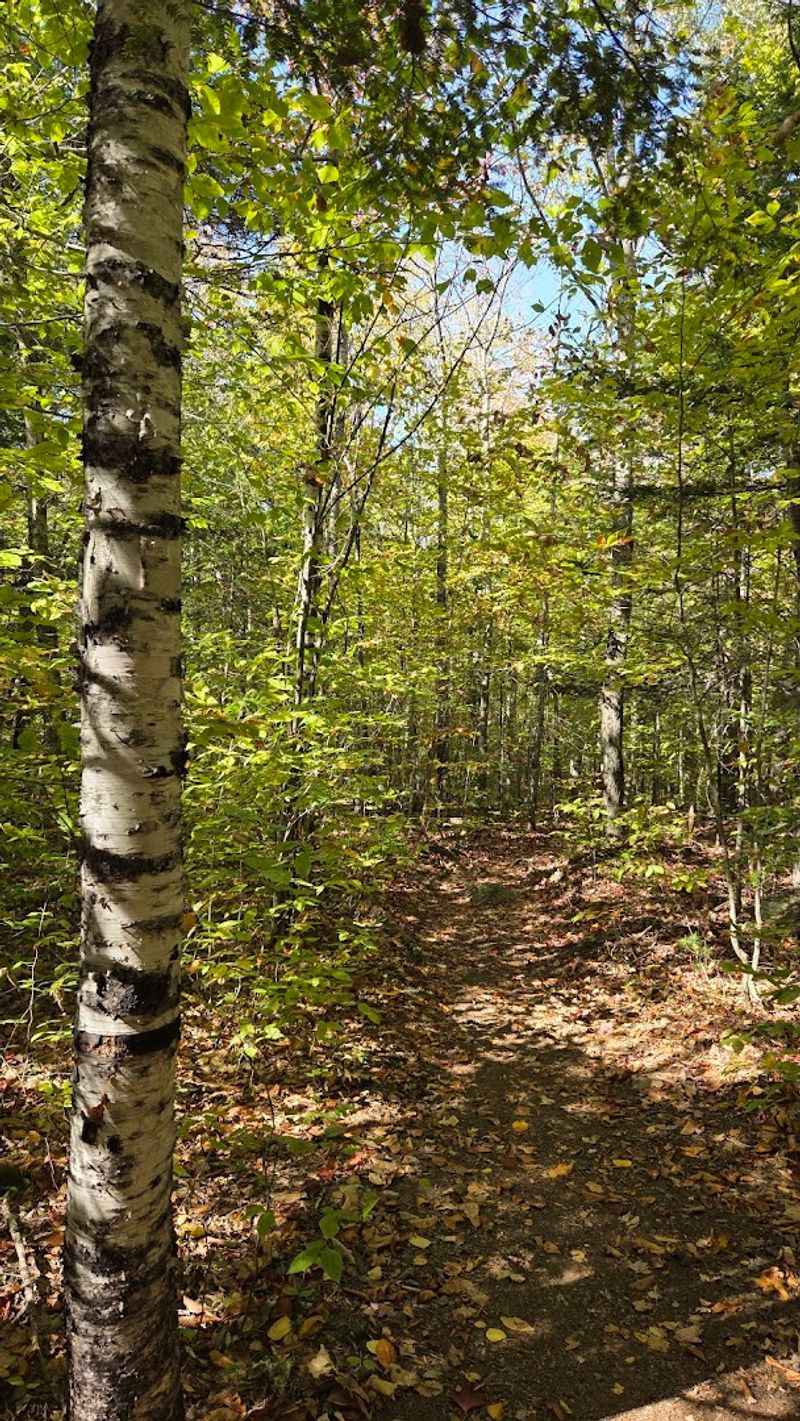
The walk from the parking area to the mineral collecting site clocks in at roughly a mile, and the trail earns its reputation as genuinely family-friendly. Young kids handle it comfortably, and the moderate terrain keeps adults engaged without pushing anyone to their limits.
A couple of sections dip down into dried-up rocky stream beds, which can hold some water during snowmelt or after heavy rain. These crossings are manageable but worth knowing about if mobility is a concern.
The rest of the trail moves through beautiful pine and hardwood forest with the kind of earthy smell that instantly clears your head.
Yellow trail blazes on trees mark the route, and large wooden signs at the two main junctions make navigation straightforward. Early reports of confusing signage seem to have been addressed with improvements, though bringing a downloaded map still adds peace of mind.
Mountain bikers also use this trail network, so staying alert and giving them room is good trail etiquette. The overall vibe is relaxed and communal, with fellow rockhounds often happy to share tips about productive digging spots.
The payoff at the end of that mile walk is a wide, wooded collecting area scattered with boulders, hand-dug holes, and rock outcrops. The moment you arrive, the urge to start hunting kicks in immediately and powerfully.
Finding Smoky Quartz and Other Minerals at the Collecting Site
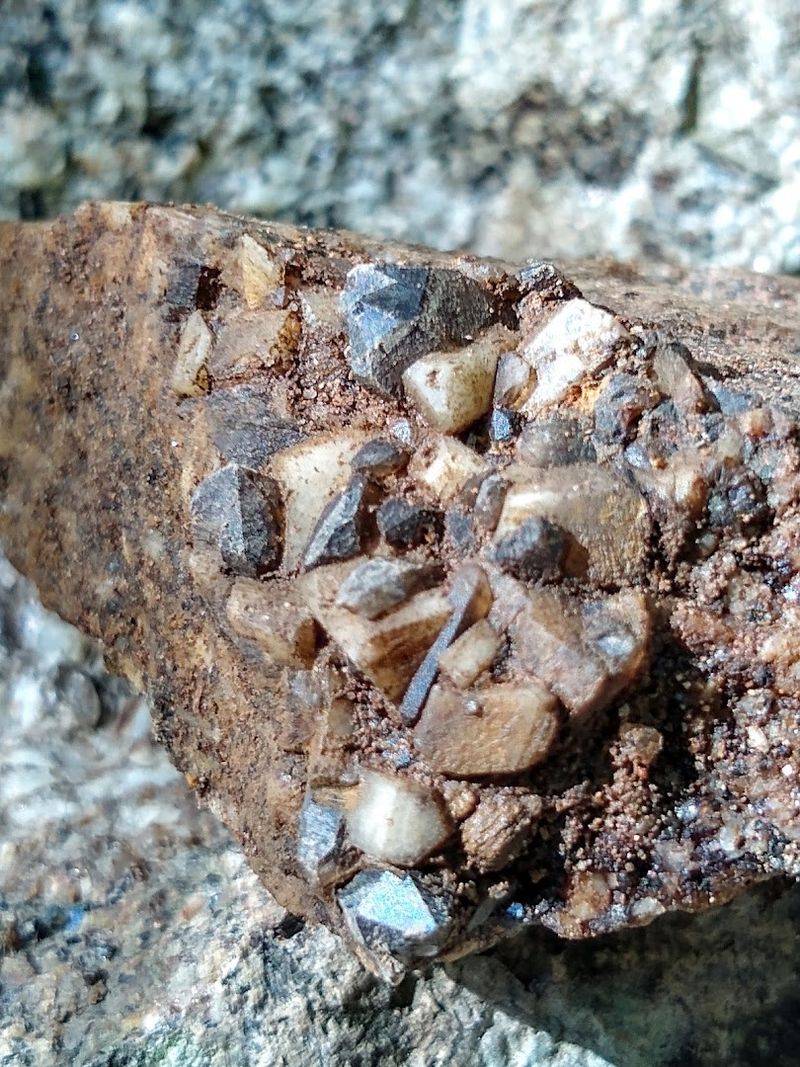
Smoky quartz is the undisputed celebrity of the Moat Mountain Mineral Site, and honestly, it deserves every bit of that reputation. The cloudy, brownish-gray crystals appear in clusters of varying sizes, and spotting a good one poking out of the granite sends a genuine rush of excitement through your whole body.
Surface scanning right after a rainstorm is one of the most productive strategies. Rain washes away loose debris and can expose fresh specimens sitting right on top of the ground, no digging required.
Going right after a big storm has produced some of the most impressive finds at this site.
For more serious hunting, digging past the upper layers of previously disturbed earth is the move. Other collectors have already worked through the top material, so pushing deeper into undisturbed, weathered rock increases your chances of reaching natural crystal pockets significantly.
Beyond smoky quartz, the site yields garnets in reddish clusters, microcline feldspar in blocky chunks, and occasional pieces of beryl. Amazonite, a blue-green variety of feldspar, has also surfaced here.
Topaz and fluorite are rare but not impossible, which is exactly the kind of odds that keep rockhounds coming back.
Spraying water on rocks helps reveal crystal structure that dry surfaces hide completely. A simple spray bottle is one of those tools that seems unnecessary until you use it for the first time.
Why Families and Beginners Absolutely Love This Spot
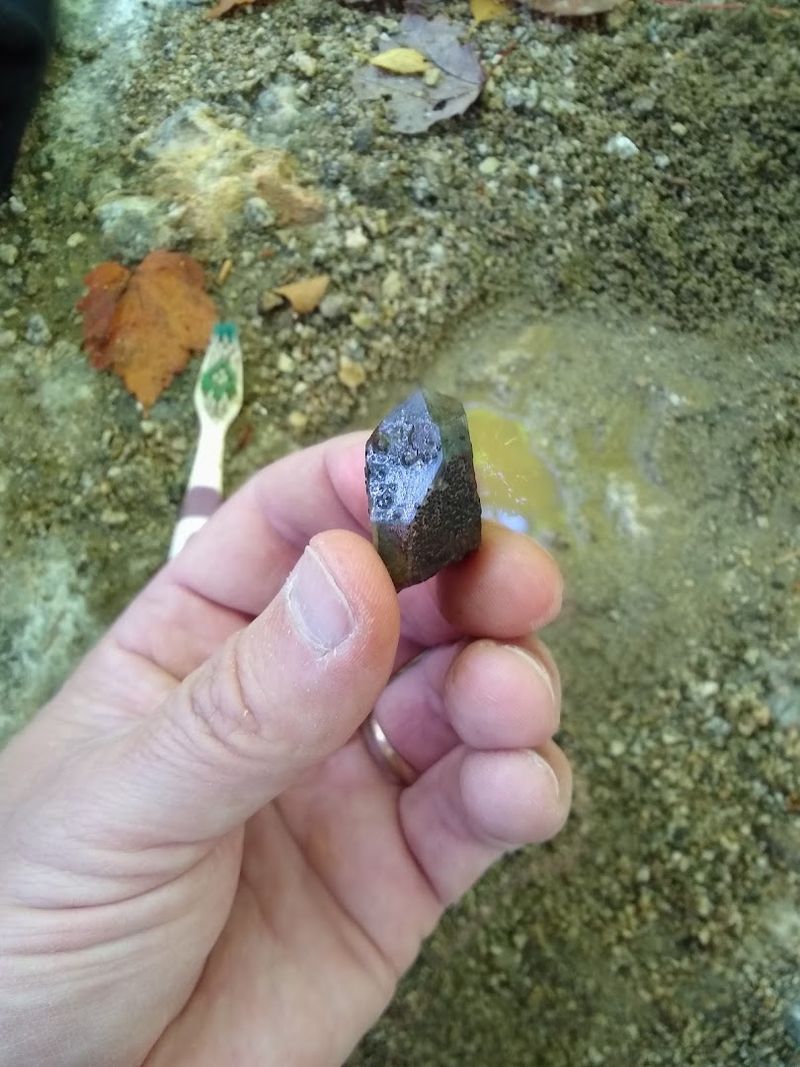
There’s something genuinely magical about watching a kid pull a crystal out of the ground for the first time. Eyes go wide, questions pour out, and suddenly geology becomes the most interesting subject in the world.
The Moat Mountain Mineral Site in Conway delivers that moment reliably and consistently.
Beginners don’t need experience or expensive equipment to have a great time here. Simply poking around in existing holes and scratching at loose material can yield small but real crystal finds within an hour.
One eight-year-old apparently found a display-worthy smoky quartz point by doing exactly that.
The flat, accessible portions of the trail make the hike manageable for very young children. Families with kids as young as three have completed the walk to the site without difficulty, which speaks volumes about how approachable the whole experience really is.
New Hampshire offers plenty of outdoor activities for families, but few combine physical activity with hands-on discovery the way this site does. It’s educational, active, and genuinely exciting all at once, which is a combination that’s harder to find than you’d think.
The communal atmosphere at the collecting area is warm and welcoming. Experienced rockhounds tend to share advice freely, and the shared excitement of a good find creates instant conversation between complete strangers.
Bring good energy and an open mind.
Pro Tips for Serious Rockhounds Ready to Go Deep
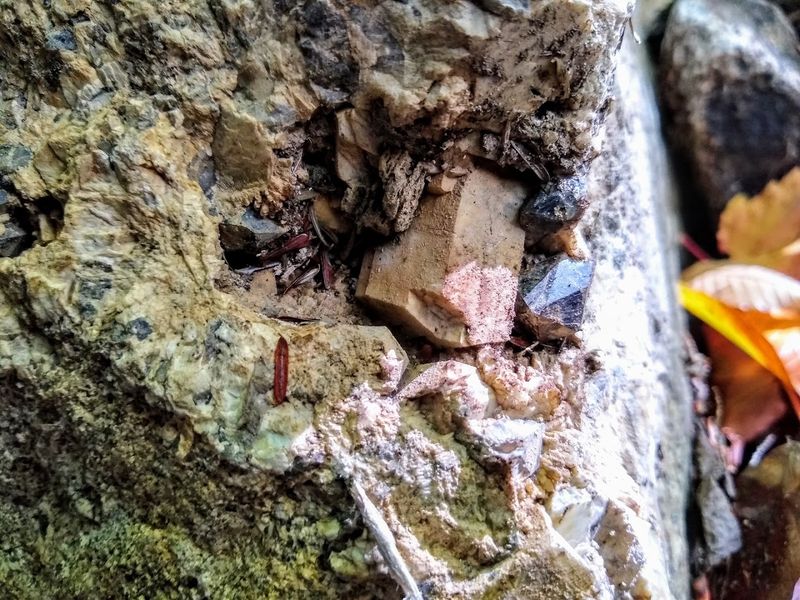
Casual collectors have a blast at the Moat Mountain Mineral Site, but serious rockhounds who come prepared can have an absolutely extraordinary day. The key is strategy, patience, and a willingness to do some real physical work in exchange for genuinely impressive specimens.
Prospecting around the full perimeter of the blue-marked boundary is worth doing before committing to a single dig spot. The site is larger than it first appears, and some of the most productive areas are away from the obvious central digging zones where everyone congregates immediately upon arrival.
Bringing both a rock hammer and a heavier sledgehammer allows you to tackle different types of material. Smaller boulders can be split open to reveal crystal-lined interiors, while softer, weathered ground responds better to a pick and trowel combination.
Switching tools based on what the material demands saves energy and produces better results.
Taking a compass bearing when you first arrive at the site is genuinely useful advice. Hours of walking in circles while staring at the ground creates disorientation that’s surprisingly easy to underestimate.
Several collectors have needed help finding the trail back after losing their bearings completely.
Refilling your excavation holes before leaving is both a rule and a courtesy. The site stays open because collectors respect it, and maintaining that culture benefits every rockhound who comes after you.
Planning Your Visit to Get the Most Out of Every Minute
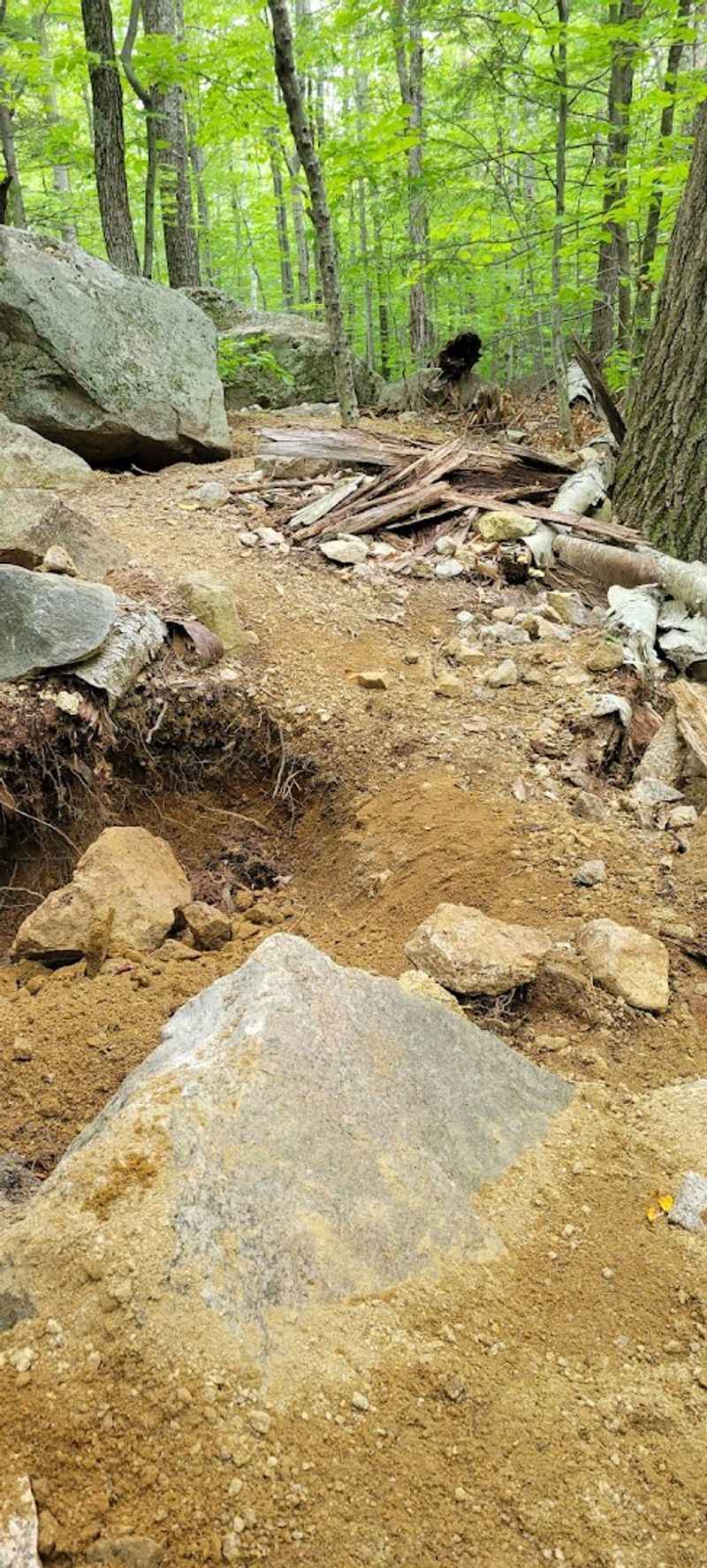
Timing your visit to the Moat Mountain Mineral Site Trailhead in Conway can make a meaningful difference in your overall experience. Mid-spring through early autumn is the sweet spot, when weather is cooperative and the trail is fully accessible.
Winter conditions in New Hampshire’s White Mountains make collecting genuinely impossible, so plan accordingly.
Arriving early on weekend mornings secures parking and gives you first crack at freshly exposed material before the site gets busy. Weekday visits offer even more solitude and space to spread out across the collecting area without feeling crowded.
There are no restroom facilities or potable water at the trailhead or the mineral site, so planning ahead on both fronts is essential. Carry more water than you think you need, especially during summer when digging is physically demanding work.
Checking current White Mountain National Forest regulations before your trip ensures you’re up to date on any rule changes or site conditions. The Forest Service website and the trailhead kiosk both post current information.
The site address is High St, Conway, NH 03818, and it’s open around the clock every day of the week.
Pack out every piece of trash you bring in, leave the site cleaner than you found it, and tell every outdoorsy person you know about this remarkable corner of New Hampshire. Places this good deserve to stay open forever.
