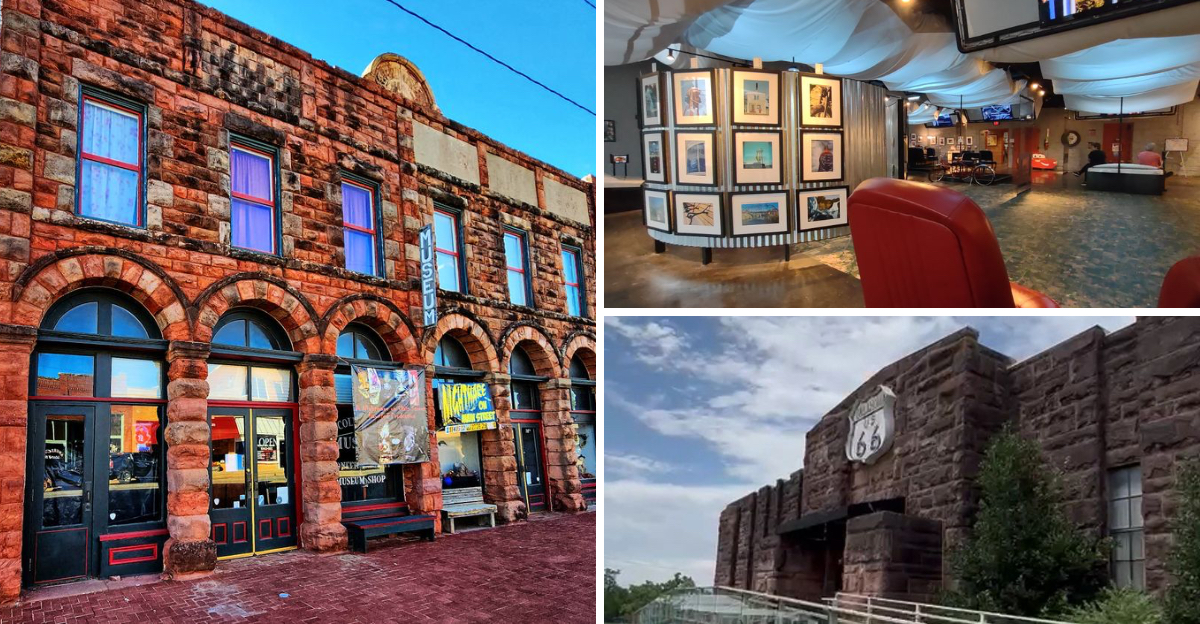
Chandler, Oklahoma might not be the first place that comes to your mind when planning a road trip through the Sooner State, but this small city tucked away in Lincoln County has a way of surprising visitors.
Just northeast of Oklahoma City along the famous Route 66 corridor, Chandler offers a refreshing break from the hustle of urban life while delivering genuine heartland charm and unexpected discoveries.
The town’s tree-lined streets, historic architecture, and welcoming community create an atmosphere that feels like stepping back to a simpler time.
What makes Chandler truly special is how it manages to blend authentic Oklahoma heritage with accessible attractions that appeal to travelers of all ages.
From museums celebrating the region’s pioneer past to parks perfect for afternoon picnics, this unassuming destination punches well above its weight class.
Local businesses maintain that friendly small-town spirit, while carefully preserved landmarks tell stories of the area’s rich history dating back to the Land Run era.
Whether you’re cruising along Interstate 44 or exploring the backroads of central Oklahoma, Chandler deserves more than just a quick fuel stop.
The city rewards those who take time to explore its quiet streets and engage with its proud heritage.
Visitors consistently report that what they expected to be a brief detour becomes one of their favorite memories, proving that sometimes the best travel experiences come from places you almost passed by.
Route 66 Interpretive Museum
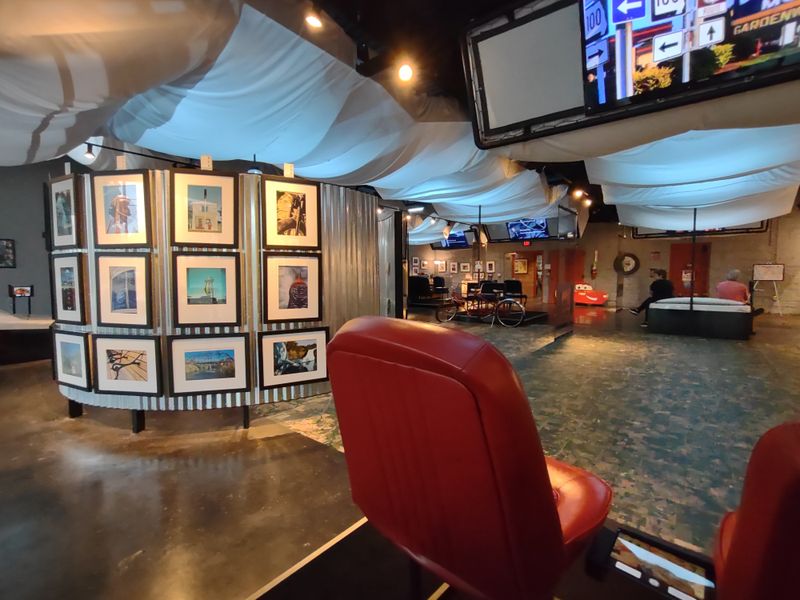
Walking through the doors of this museum feels like opening a time capsule filled with stories from America’s most famous highway.
The collection showcases authentic artifacts, vintage photographs, and detailed exhibits that bring the golden age of road travel to life.
Original highway signs, period gas station memorabilia, and carefully curated displays help visitors understand how Route 66 shaped communities like Chandler during the mid-twentieth century.
The museum occupies a historic building that itself tells part of the story, with architecture reflecting the era when cross-country travelers would stop for rest and refreshment.
Knowledgeable volunteers often share personal anecdotes about the highway’s heyday, adding depth to the visual displays.
Interactive elements allow younger visitors to engage with history in hands-on ways, making this more than just a passive viewing experience.
What sets this museum apart is its focus on the human element of Route 66 culture.
Rather than simply celebrating cars and asphalt, exhibits explore how the highway connected families, enabled commerce, and created lasting cultural impacts across Oklahoma and beyond.
Vintage postcards show how Chandler once marketed itself to weary travelers, while old menus and advertising materials reveal the roadside economy that sustained small towns.
The museum also serves as a resource center for modern Route 66 enthusiasts planning their own journeys.
Maps, guides, and recommendations help visitors discover other nearby attractions along the historic corridor.
Before leaving, many guests spend time in the small gift shop, which offers books and souvenirs that extend the educational experience beyond the museum walls.
Address: 400 E Route 66, Chandler, Oklahoma
Lincoln County Museum of Pioneer History
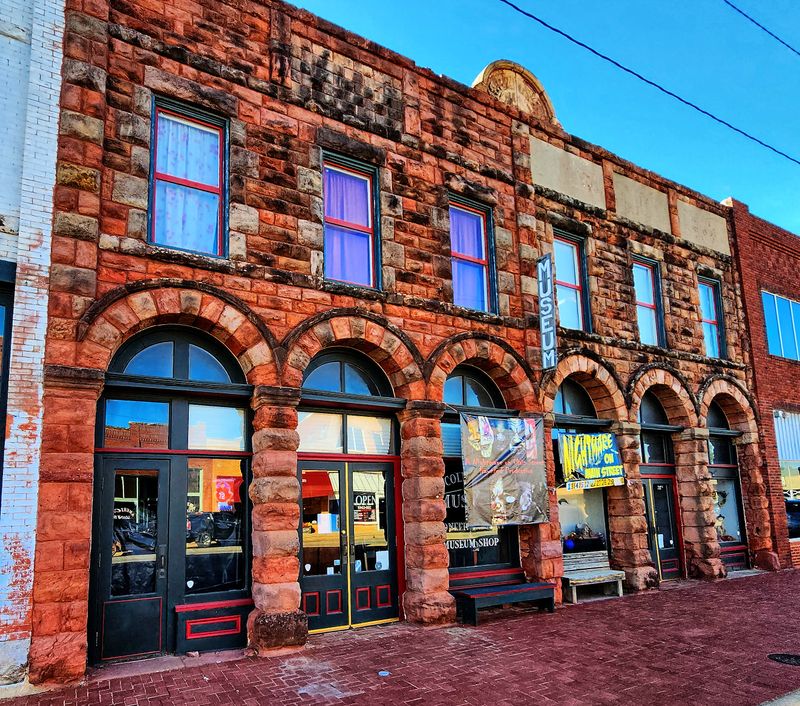
Stepping into this museum transports you straight to the days when Oklahoma was still considered frontier territory.
The building itself stands as a testament to early twentieth-century architecture, housing an impressive collection that documents how settlers transformed prairie land into thriving communities.
Antique farming equipment, household items from the 1800s, and personal belongings of early residents create an immersive experience that textbooks simply cannot match.
Each room focuses on different aspects of pioneer life, from medicine and education to agriculture and domestic routines.
A recreated schoolhouse complete with original desks and chalkboards helps visitors imagine what education looked like for children on the frontier.
Medical instruments and pharmacy items reveal the challenges of healthcare in an era before modern medicine, while clothing and textiles showcase the craftsmanship required for everyday survival.
The museum’s volunteer staff brings exceptional passion to their work, often providing guided tours that illuminate the stories behind individual artifacts.
Many volunteers have deep family roots in Lincoln County and can share personal connections to the exhibits.
Their enthusiasm proves contagious, transforming what could be a simple walk through history into a compelling narrative about real people who built this region.
Special exhibits rotate throughout the year, ensuring that even repeat visitors discover something new.
Recent displays have explored topics ranging from Native American heritage to the impact of the railroad on local development.
The research library upstairs serves genealogists and history buffs seeking detailed information about Lincoln County families and events, making this a valuable resource beyond its role as a tourist attraction.
Address: 719 Manvel Ave, Chandler, Oklahoma
Downtown Historic District
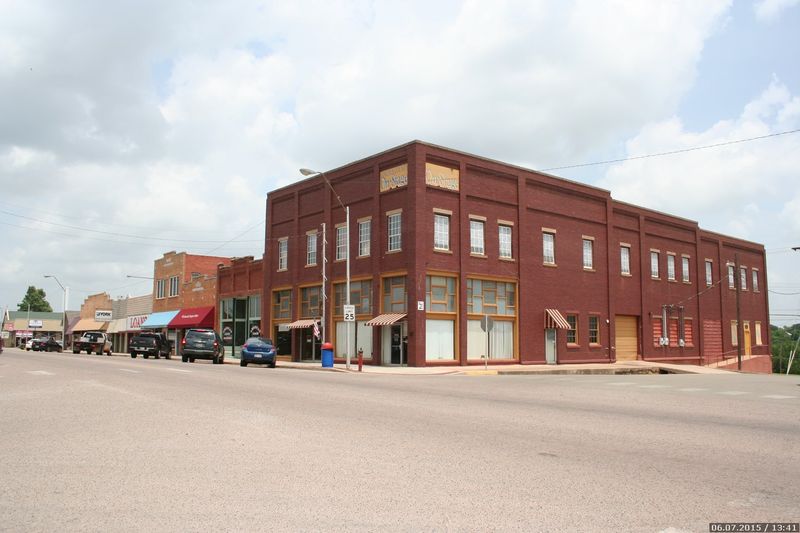
Chandler’s downtown area represents one of the best-preserved examples of early Oklahoma architecture in the entire state.
Red brick buildings line the streets, many dating back to the years immediately following the 1891 Land Run that established the town.
Original storefronts maintain their vintage character, with large display windows and decorative cornices that showcase the craftsmanship of a bygone era.
A leisurely walk through these blocks reveals layers of history embedded in the architecture.
Some buildings still display painted advertisements from decades past, faded but readable reminders of businesses that once served the community.
The mix of architectural styles reflects different periods of prosperity and growth, from Victorian influences to Art Deco touches added during the 1920s and 1930s.
Local businesses occupying these historic structures maintain the district’s authentic character while serving modern needs.
Family-owned shops, cafes, and services create a genuine small-town atmosphere that feels increasingly rare in contemporary America.
The absence of chain stores and corporate franchises allows the district’s historic personality to shine through unfiltered.
Seasonal events bring extra vitality to the downtown area throughout the year.
Community gatherings, farmers markets, and holiday celebrations transform the streets into gathering spaces where residents and visitors mingle freely.
These occasions provide wonderful opportunities to experience Chandler’s welcoming culture while appreciating the historic backdrop.
Photography enthusiasts find endless inspiration in the district’s visual appeal.
Morning light casting shadows across brick facades, vintage signage, and architectural details create compelling compositions.
The district’s compact size makes it easy to explore thoroughly on foot, with new details revealing themselves around every corner.
Bell Cow Lake

This peaceful reservoir provides a natural retreat just minutes from Chandler’s main streets.
The lake’s calm waters attract anglers seeking bass, catfish, and crappie, while the surrounding landscape offers scenic views that change dramatically with the seasons.
Spring brings wildflowers to the shoreline, summer provides lush green backdrops, autumn paints the trees in warm colors, and winter offers stark, beautiful tranquility.
Families appreciate the lake’s accessible fishing spots and picnic areas that don’t require extensive hiking to reach.
Shaded tables near the water provide comfortable spots for outdoor meals, while open spaces invite games and relaxation.
The relatively small size of the lake creates an intimate atmosphere quite different from Oklahoma’s larger, more crowded recreational waters.
Birdwatchers bring binoculars to spot species that frequent the area, particularly during migration seasons.
Herons, egrets, and various waterfowl make regular appearances, while songbirds inhabit the trees surrounding the water.
The diversity of habitats around the lake supports a variety of wildlife that rewards patient observation.
Sunrise and sunset transform the lake into a photographer’s dream, with colors reflecting off the still water’s surface.
Early morning visits often reveal mist rising from the water, creating ethereal scenes that feel almost magical.
These quiet moments provide perfect opportunities for reflection and appreciation of Oklahoma’s natural beauty.
The lake area remains relatively uncrowded compared to more publicized destinations, allowing visitors to enjoy nature without battling for space.
This peaceful quality makes it ideal for those seeking genuine relaxation rather than high-energy recreation.
Simple pleasures like casting a line or watching clouds drift overhead become the main attractions.
Historic Phillips 66 Station
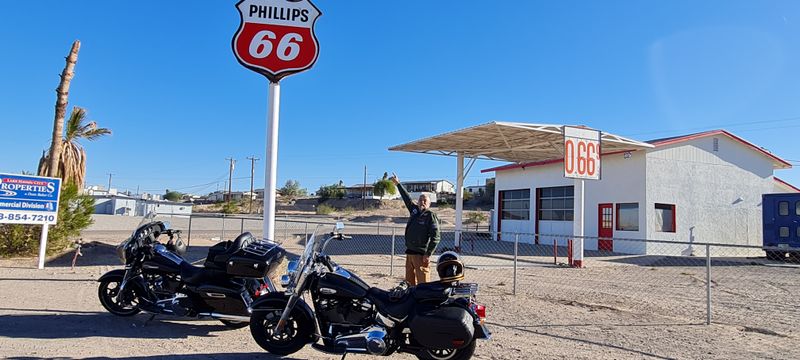
This beautifully restored gas station represents a vanishing piece of American roadside architecture.
Built during the heyday of automobile travel, the station features the distinctive design elements that once marked Phillips 66 locations across the country.
The structure’s clean lines, period-appropriate signage, and authentic details transport visitors back to an era when service stations were architectural statements rather than generic convenience stores.
The restoration effort demonstrates Chandler’s commitment to preserving its Route 66 heritage for future generations.
Every detail received careful attention, from the vintage gas pumps to the color scheme matching original specifications.
Walking around the property, you can almost hear the sounds of cars pulling up for fuel and drivers asking for directions to the next town down the highway.
Photography enthusiasts make special trips to capture this perfectly preserved example of mid-century roadside design.
The station photographs beautifully from multiple angles, especially during golden hour when warm light enhances the vintage atmosphere.
Many Route 66 travelers consider it an essential stop for documenting their journey along the historic highway.
The station also serves an educational purpose, helping younger generations understand how automobile travel shaped American culture and geography.
Information panels explain the role such stations played in enabling cross-country travel and supporting local economies.
The building stands as physical evidence of how infrastructure and architecture evolved to serve America’s growing love affair with cars.
Local preservation efforts extend beyond this single building, but the Phillips 66 station remains an iconic symbol of Chandler’s Route 66 identity.
Its prominent location makes it easy to find and photograph, while its excellent condition ensures it will continue telling stories for years to come.
Address: 301 E Route 66, Chandler, Oklahoma
Chandler Armory
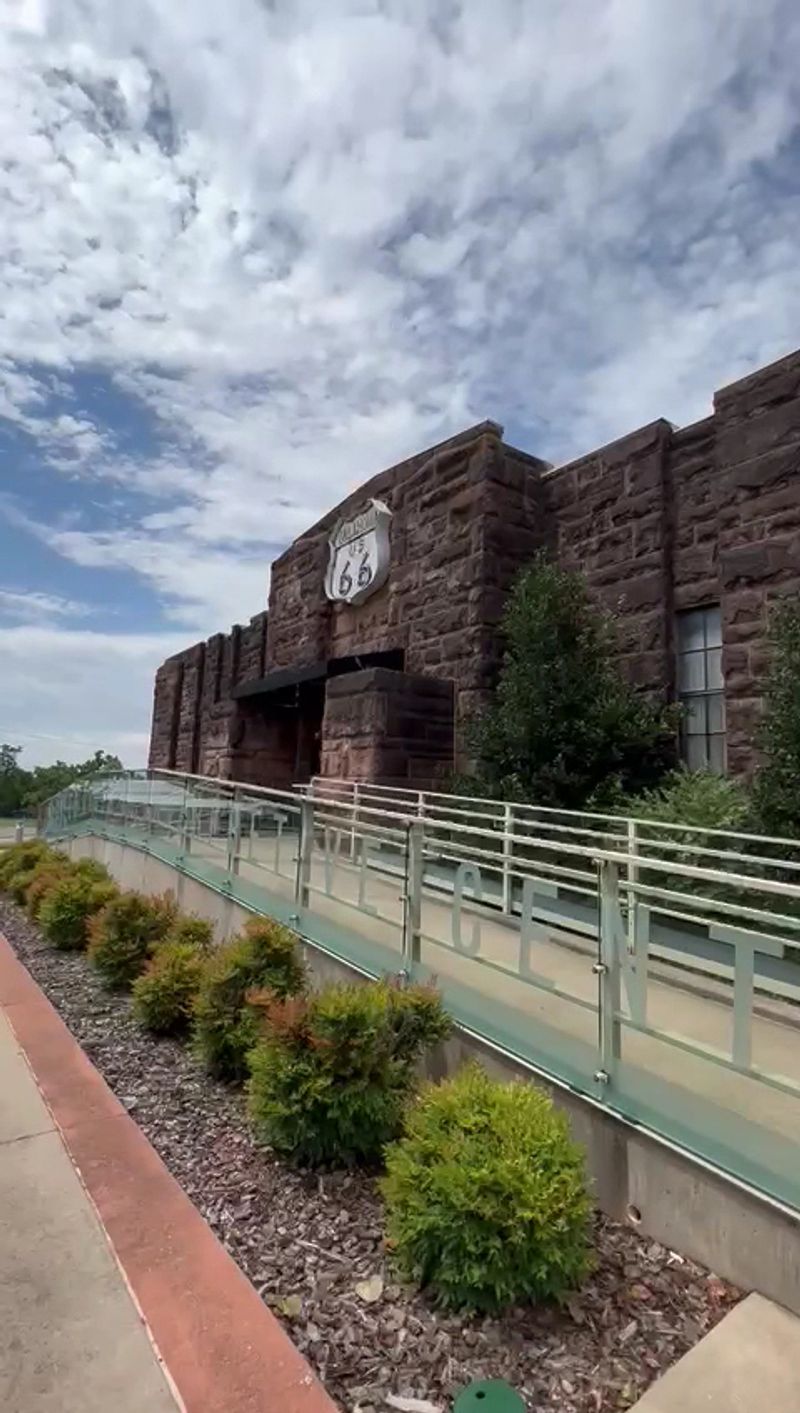
This impressive stone structure commands attention with its solid, fortress-like appearance.
Built during the 1930s as part of New Deal construction programs, the armory showcases the substantial architecture that characterized public buildings from that era.
Massive stone blocks and careful masonry create a sense of permanence and civic pride that modern construction rarely achieves.
The building’s history reflects broader national trends during the Great Depression when federal programs put people to work constructing infrastructure and public facilities.
The craftsmanship evident in every stone and joint represents the skill of workers who took pride in their labor despite difficult economic times.
Studying the building’s details reveals the care and attention invested in its construction.
Throughout its existence, the armory has served various community functions beyond its original military purpose.
The adaptable interior spaces have hosted everything from community meetings to special events, demonstrating how well-built public architecture continues serving changing needs across generations.
The building’s durability and functionality validate the investment made in its construction nearly a century ago.
Architecturally, the armory represents an important period in Oklahoma building design.
The WPA Modern style combines functional requirements with aesthetic considerations, creating structures that serve practical needs while making visual statements.
The armory’s design balances imposing scale with human-friendly proportions, avoiding the intimidating quality that sometimes characterizes military architecture.
For visitors interested in architecture and history, the armory provides excellent examples of Depression-era public construction.
The building stands as a testament to what communities can accomplish even during challenging times.
Its continued use and good condition demonstrate the value of quality construction and thoughtful historic preservation.
Local Antique Shops
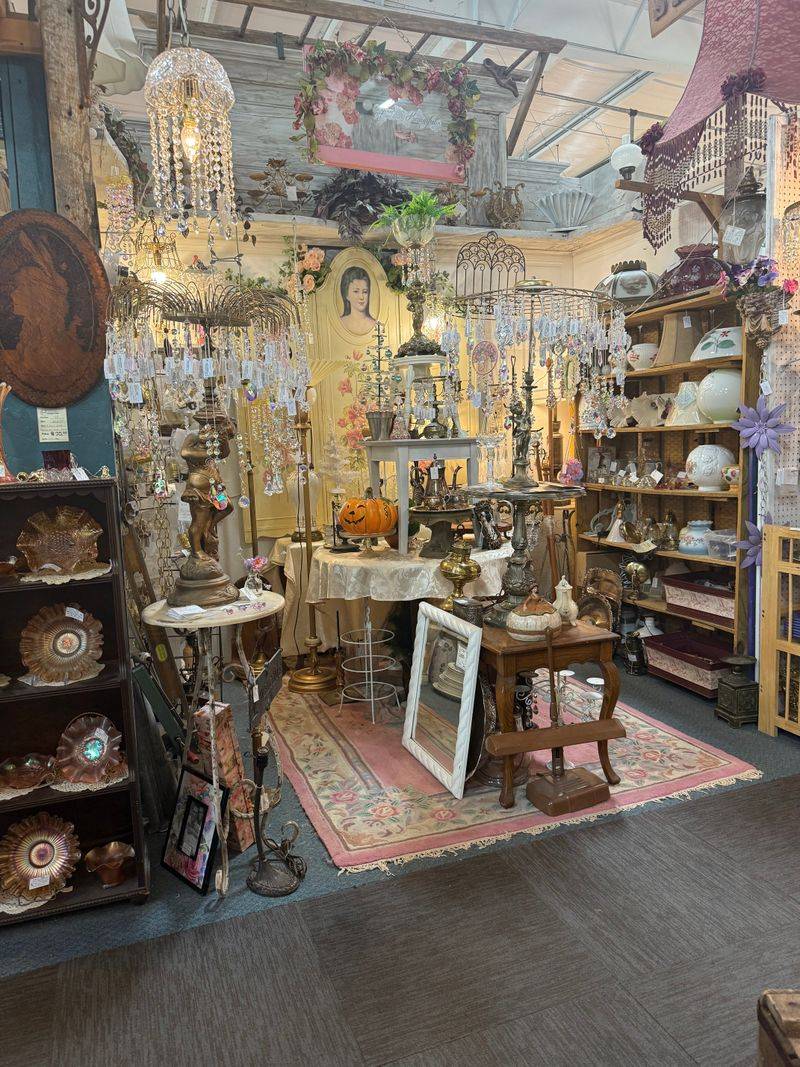
Chandler’s antique stores offer treasure hunting opportunities for collectors and casual browsers alike.
These shops stock diverse inventories ranging from vintage furniture and glassware to agricultural implements and advertising memorabilia.
Each store develops its own character based on the owner’s interests and collecting philosophy, making shop-hopping a varied and engaging experience.
Browsing through these collections provides unexpected education about regional history and material culture.
Items that once filled Oklahoma homes and businesses now serve as tangible connections to earlier ways of life.
Knowledgeable shop owners often share stories about individual pieces, explaining their origins and uses in ways that bring history to life more effectively than any textbook.
Prices generally remain reasonable compared to antique markets in larger cities, making Chandler an attractive destination for serious collectors.
The slower pace and lower overhead of small-town retail translate into better values for buyers.
Negotiation remains part of the experience, with friendly haggling expected and enjoyed by both parties.
Beyond purchasing, simply exploring these shops provides entertainment and inspiration.
Vintage kitchen implements, old photographs, retro clothing, and countless other items spark memories and conversations.
Many visitors discover items identical to things their grandparents owned, creating powerful personal connections to the past.
The shops themselves often occupy historic buildings that add to the overall atmosphere.
Original wood floors, pressed tin ceilings, and vintage fixtures create settings that complement the merchandise perfectly.
Some stores feature multiple rooms or even multiple floors packed with discoveries, rewarding thorough exploration.
Allow plenty of time for browsing, as rushing through diminishes the enjoyment of the hunt.
Historic Churches
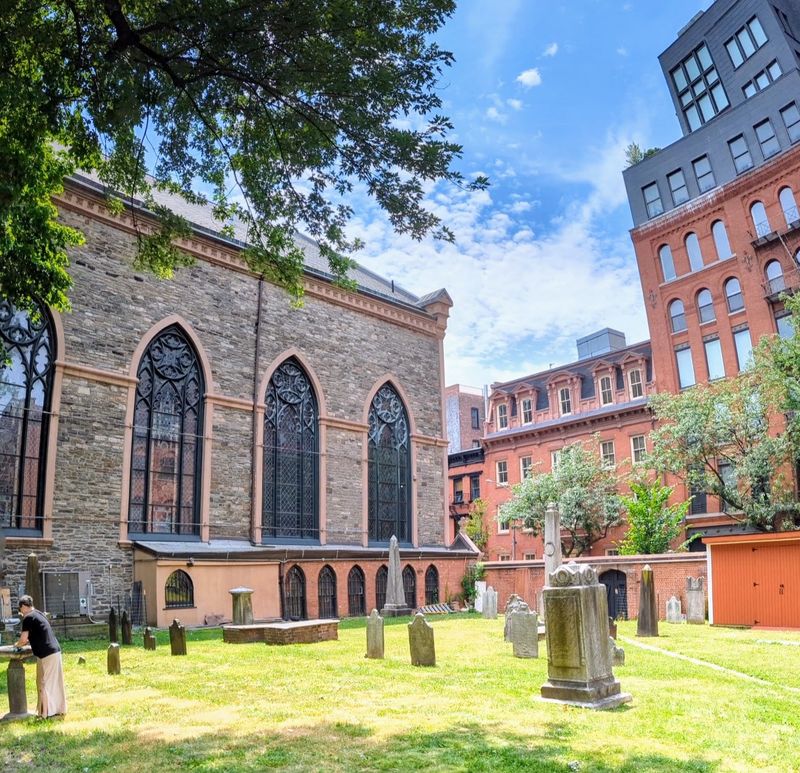
Chandler’s historic churches stand as architectural landmarks that document the community’s spiritual and social development.
Several congregations worship in buildings constructed during the town’s early decades, with architecture reflecting the styles and resources available to pioneer communities.
Steeples punctuate the skyline, serving as visual anchors that help orient visitors exploring the town.
The craftsmanship evident in these structures impresses anyone interested in historic building techniques.
Hand-laid brick, carefully crafted woodwork, and stained glass windows demonstrate the skill and dedication invested in creating these sacred spaces.
Many churches feature original elements maintained through careful stewardship across multiple generations.
Beyond their religious functions, these buildings played central roles in community life throughout Chandler’s history.
Churches served as gathering spaces for social events, provided meeting rooms for civic organizations, and offered shelter during emergencies.
Understanding their broader community roles helps visitors appreciate why such substantial resources were devoted to their construction and maintenance.
Several churches welcome visitors interested in viewing their interiors and learning about their histories.
Original pews, altar furnishings, and architectural details reward careful observation.
Some congregations maintain historical displays or archives that document their role in community development.
The churches’ architectural diversity reflects different denominational traditions and construction periods.
Some feature traditional Gothic Revival elements while others embrace simpler vernacular styles suited to prairie settings.
Comparing different buildings provides insight into how religious architecture adapted to Oklahoma conditions while maintaining connections to broader American building traditions.
Respectful visitors who appreciate historic architecture will find these buildings rewarding to study and photograph.
Dear Reader: This page may contain affiliate links which may earn a commission if you click through and make a purchase. Our independent journalism is not influenced by any advertiser or commercial initiative unless it is clearly marked as sponsored content. As travel products change, please be sure to reconfirm all details and stay up to date with current events to ensure a safe and successful trip.
