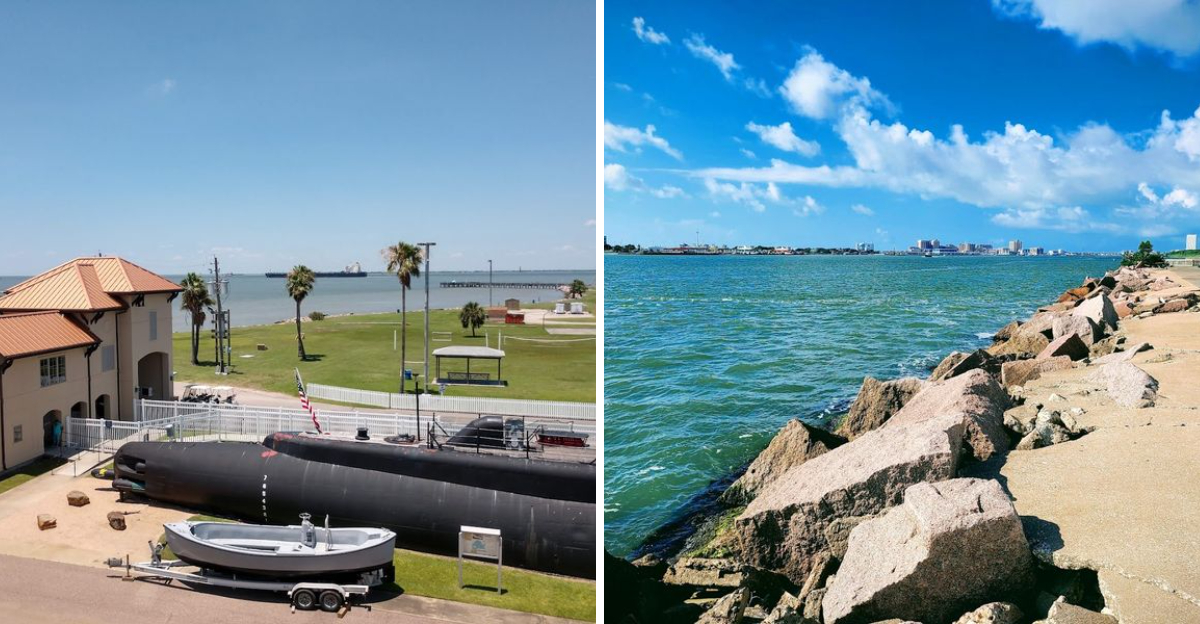
At first glance, Seawolf Park looks like a laid-back waterfront hangout. Fishing piers stretch into the water, picnic tables dot the grass, and the Gulf breeze does most of the heavy lifting.
Then you spot a full-sized World War II submarine parked like it is just another exhibit. The USS Cavalla and the nearby USS Stewart shift the mood instantly.
It is one thing to read about history. It is another to stand next to it.
Few places manage to mix ocean views, family space, and military history without feeling scattered. This one pulls it off.
You come for the breeze and leave talking about a submarine, which is not a sentence you get to say every day.
The USS Cavalla: A Submarine With a Legendary Story
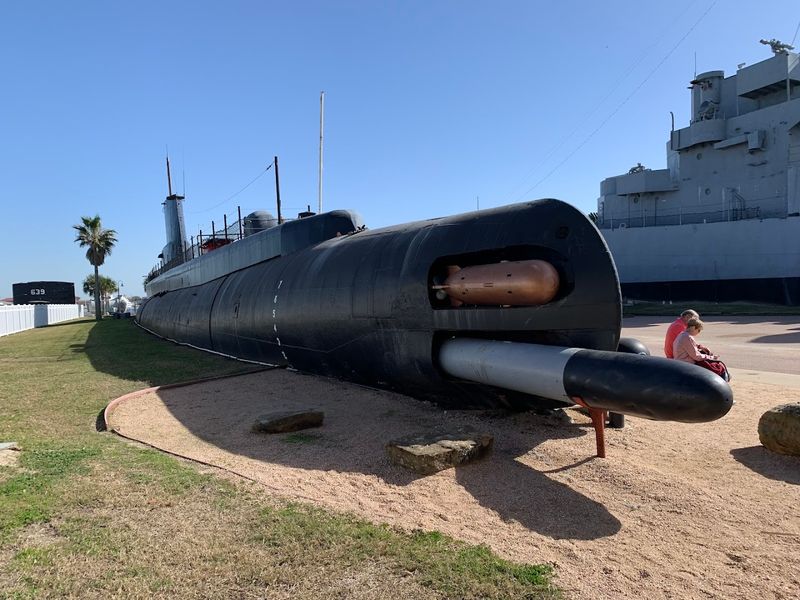
Walking up to the USS Cavalla for the first time, there is a moment where your brain just pauses. This is a real submarine.
Not a replica, not a movie prop, but an actual vessel that prowled the Pacific during World War II and changed the course of naval history.
The USS Cavalla earned the nickname “Avenger of Pearl Harbor” after sinking the Japanese aircraft carrier Shokaku in June 1944. That single mission made her one of the most celebrated submarines of the entire war.
She was awarded the Presidential Unit Citation for that achievement.
Touring the inside is a different experience entirely. The spaces are incredibly tight, and you quickly realize just how small the living quarters were for the crew.
Ladders drop steeply between compartments, and the metal walls feel close on every side.
Going early in the morning means fewer people inside, which makes the whole thing feel more personal and a little eerie in the best possible way. Stepping through those hatches gives you a genuine appreciation for the sailors who called this vessel home during wartime.
It is history you can actually touch.
The USS Stewart: A Destroyer Escort With Grit to Spare
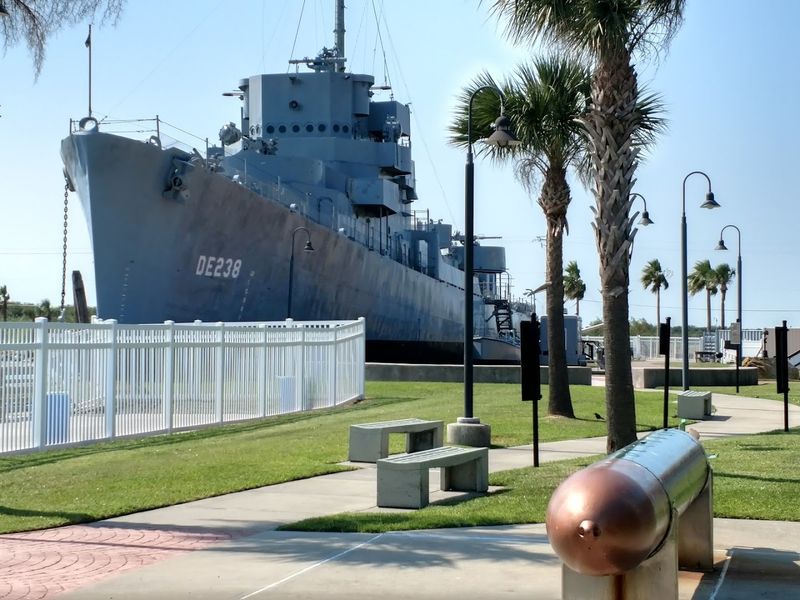
Right beside the submarine sits the USS Stewart, a destroyer escort with a story that reads like something out of a thriller novel. She served in World War II and has been preserved as a museum ship alongside the Cavalla, giving visitors two historic vessels to explore in one visit.
Destroyer escorts were built for speed and combat support. The Stewart was designed to protect larger ships from submarine and air attacks, which made her a critical part of any naval convoy during the war.
Seeing her up close puts that mission into real perspective.
Climbing aboard and walking the deck feels surprisingly open compared to the submarine. You can move around more freely, look out over the water, and imagine what it felt like to be stationed here while crossing the open ocean.
The views from the top are genuinely impressive.
Both ships are self-guided, so you move at your own pace without anyone rushing you along. Families with curious kids tend to spend a good amount of time here, reading plaques and poking around every corner they can find.
The combination of both vessels makes the visit feel full and worth every minute.
Fishing Off the Rocks and Pier: A Local Favorite
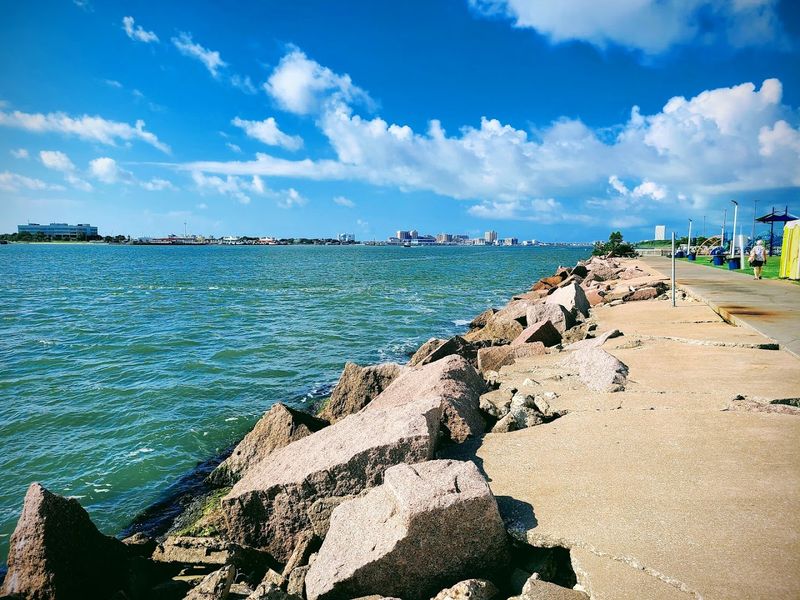
Fishing at Seawolf Park has a casual, unhurried energy that feels different from a lot of other spots along the Texas coast. Locals set up along the rocks with coolers and folding chairs, and the whole scene has a relaxed rhythm that is easy to fall into.
The park is open 24 hours, which means fishing can happen at any time of day or night. Plenty of visitors come out before sunrise to get their lines in the water while the park is still quiet and the light is just starting to change over the bay.
Rock fishing here is free, which makes it one of the more accessible outdoor activities the park offers. You can also fish from the pier, though that does come with a separate fee.
Either way, the variety of fish in these waters keeps things interesting for both beginners and experienced anglers.
The park even provides cutting tables with water for cleaning your catch, which is a thoughtful touch that regulars genuinely appreciate. Watching dolphins surface nearby while you wait for a bite is something that happens here more often than you might expect.
That kind of moment is hard to put a price on.
Dolphin Watching From the Waterfront
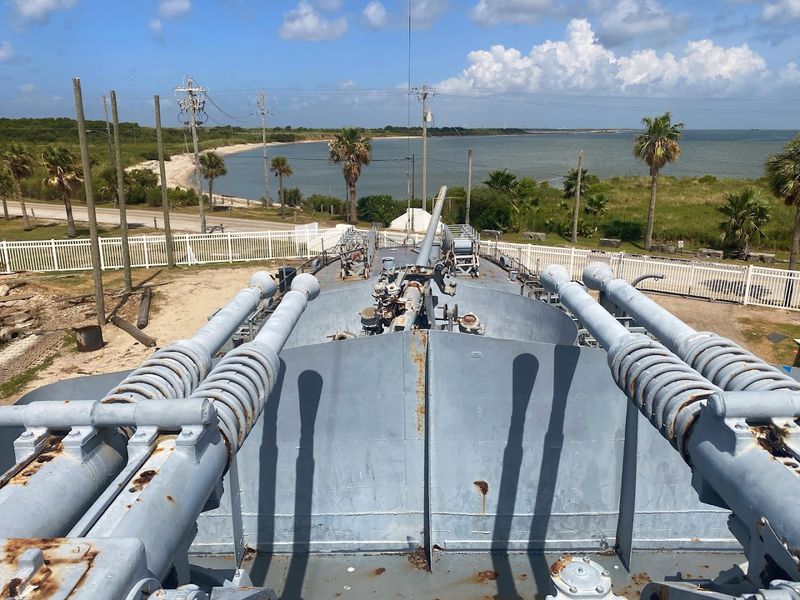
Nobody really tells you about the dolphins before you visit Seawolf Park, so spotting them feels like a bonus you did not see coming. They tend to appear along the eastern side of the park, cutting through the water with that effortless, rolling motion that always stops people mid-conversation.
The park sits along a busy shipping channel, and the movement of boats and ferries seems to draw marine life into the area regularly. Bringing a pair of binoculars is a smart move if you really want to track the dolphins as they move through the channel.
Even on overcast or rainy days, the waterfront at Seawolf Park has its own moody appeal. Waves can get surprisingly large during storms, and watching them crash over the eastern lot is a dramatic show all on its own.
Nature at this park never really stays still, and that keeps every visit feeling a little different from the last.
The Playground and Picnic Areas: A Full Family Day Out
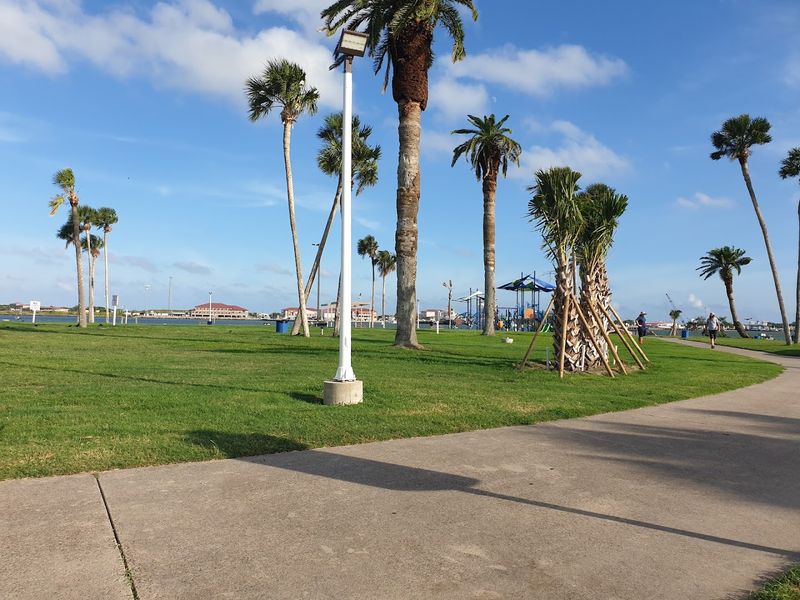
Seawolf Park is not just for history buffs and fishing enthusiasts. Families with young kids find plenty to do here that has nothing to do with submarines or ships, and the playground is a big part of that appeal.
The playground equipment has a nice aesthetic that fits the park’s coastal setting. Kids who burn off energy there are usually more than ready to walk through the naval exhibits afterward, which makes the layout of the park work well for mixed-age groups.
The picnic areas nearby are clean and well-maintained, with grills available for anyone who wants to make a full afternoon of it.
Benches and shaded spots are scattered throughout the grounds, giving adults a comfortable place to sit while keeping an eye on younger visitors. The grass is generally kept tidy, and the overall atmosphere feels relaxed rather than crowded, especially on weekday visits.
Bringing a packed lunch and spending the better part of a day here is genuinely a satisfying way to experience Galveston without fighting the crowds on the main strip. The park has a 270-degree water view from certain spots, so the backdrop for a family picnic is hard to beat anywhere on the island.
Historical Markers and the Story of Pelican Island
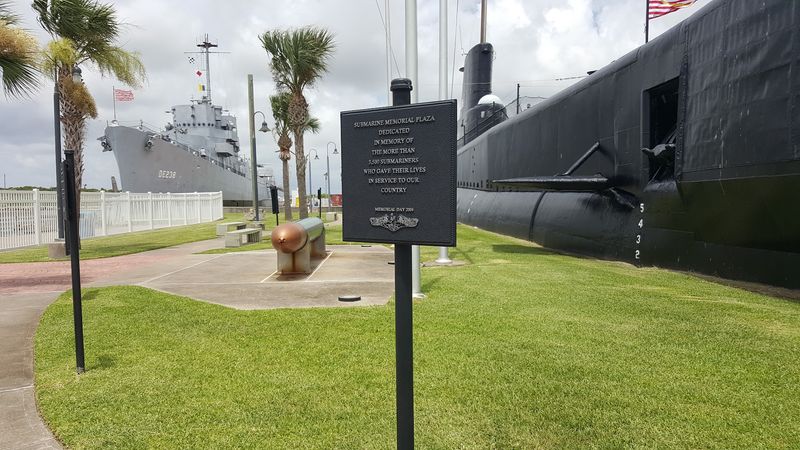
Scattered throughout the park, historical markers tell stories that most visitors walk past without realizing how layered they are. Reading them slowly is a rewarding way to understand the deeper history of this small island and the role Galveston played in shaping the Gulf Coast.
One marker tells the story of an old quarantine station that once stood near this location. Hurricanes repeatedly destroyed it over the years, and the cycle of loss and rebuilding reflects a theme that runs through all of Galveston’s history.
The island has always had to fight to stay standing.
Another marker highlights Galveston’s significance as the gateway to Texas, noting how the city once dominated Gulf trade from Vera Cruz all the way to Pensacola.
Standing in this park while reading that, with cargo ships moving through the channel nearby, makes the history feel immediate rather than distant.
The SS Selma is also visible from the park, a concrete ship built in 1919 due to wartime steel shortages. It was damaged in 1920 and sunk just offshore in 1922, and its remains are still visible from the waterfront today.
A dedicated historical marker explains its unusual construction and short, unfortunate life. These stories pile up fast here, and they make every step around the park feel meaningful.
Watching Ships Pass Through the Channel
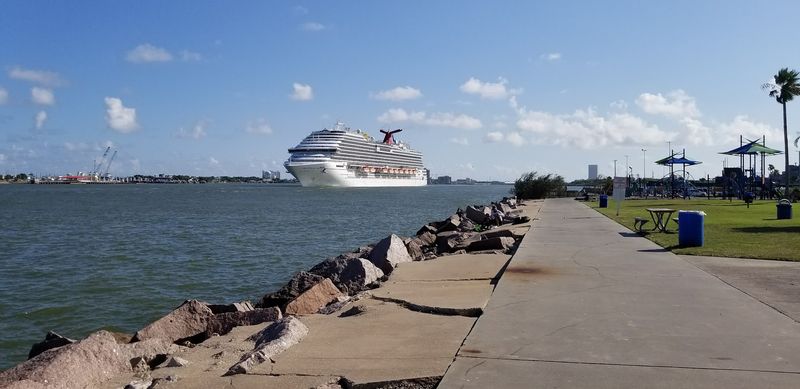
There is something hypnotic about watching big ships move slowly through a narrow channel. At Seawolf Park, the proximity to the Galveston ship channel means you get front-row seats to a constant parade of vessels, from massive cargo ships to cruise liners to small ferries cutting back and forth.
The scale of the container ships is genuinely hard to process until one passes close enough to fill your entire field of view. You hear them before you see them sometimes, a low rumble that builds as they round the bend and come into sight.
It is the kind of thing that makes you stop whatever you were doing and just watch.
Cruise ships departing from the Port of Galveston are also visible from certain spots in the park. Seeing one of those enormous vessels glide past while you are standing next to a World War II submarine creates a strange and memorable contrast between eras of seafaring.
Kids especially love this part of the park, pointing at each new ship and trying to figure out where it might be headed. The park’s open waterfront layout makes it easy to find a good viewing spot at almost any time of day.
Mornings tend to offer the clearest light for watching, and evenings bring a warm glow that makes the whole scene look like a postcard.
The Military Museum Inside the Park
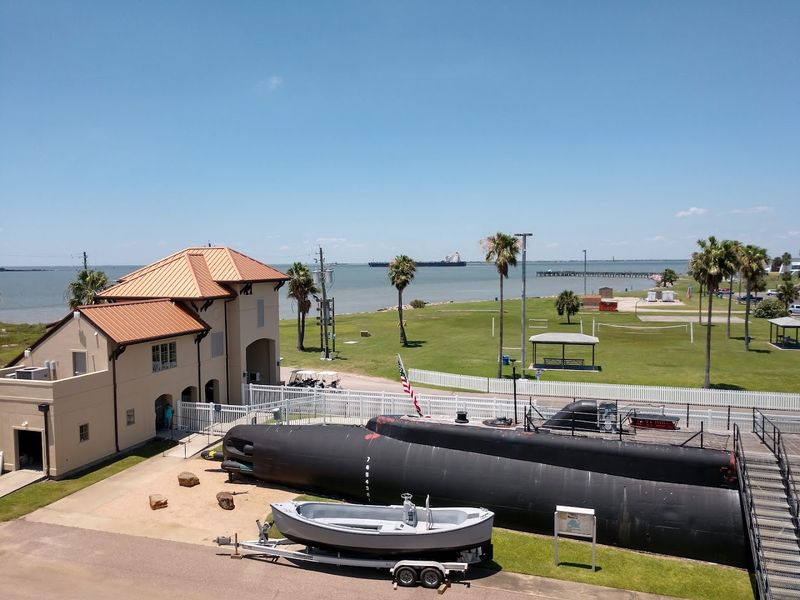
Beyond the two ships themselves, the park is home to a military museum that adds another dimension to the visit. The exhibits inside give context to the vessels on display and help fill in the broader story of naval service during World War II.
Walking through the museum before boarding the ships is a smart move. It primes you with background information that makes the experience on the submarine and destroyer escort feel more meaningful.
Plaques and displays cover everything from submarine warfare tactics to the daily lives of sailors stationed aboard vessels like the Cavalla.
Veterans who visit the park often find this space particularly moving. The museum creates a space for reflection that feels respectful without being overly somber.
Friendly staff members are known for being engaging and genuinely enthusiastic about the history they share with visitors.
For anyone who enjoys military history even casually, the museum is worth the separate admission fee. It is compact but thoughtfully organized, and it does not try to overwhelm you with information all at once.
The combination of the museum with the ship tours makes for a well-rounded experience that covers multiple angles of the same story. Coming here and skipping the museum would mean missing a meaningful piece of the full picture.
Getting There and Navigating the Park
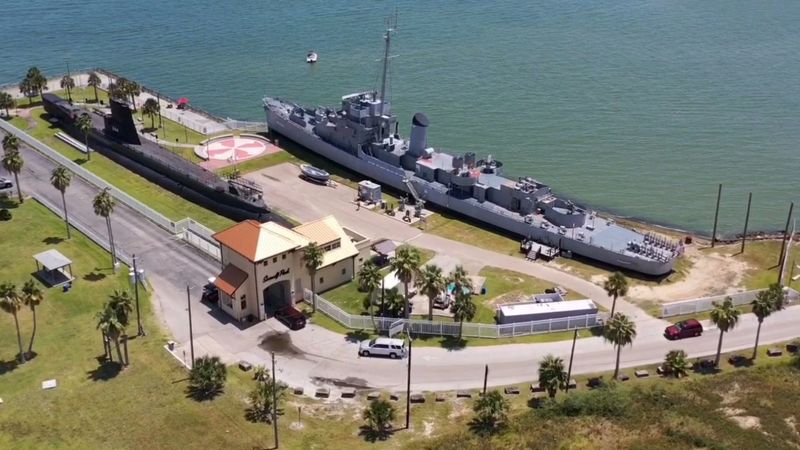
Finding Seawolf Park for the first time is a small adventure in itself. The route takes you off the main Galveston drag and across a bridge onto Pelican Island, following what feels like a back road that eventually opens up into the park.
Google Maps handles it well, so following directions reliably gets you there even if the path looks uncertain at first.
Parking is available in a fairly large lot, and the walk from your car to the main attractions is manageable for all ages. The park is open 24 hours every day of the week, which gives visitors unusual flexibility in planning their arrival time.
Early mornings are especially peaceful here.
A parking fee applies per vehicle, and the naval ship tours require a separate admission payment at the entrance to that section of the park. Fishing off the rocks is free, and the playground and picnic areas are accessible without extra cost.
Planning ahead for these fees makes the visit smoother.
Portable restrooms are available on site, so going before you arrive is still a good idea if that is a concern. More details can also be found at the official page through visitgalveston.com.
Why Seawolf Park Deserves a Spot on Your Galveston Itinerary
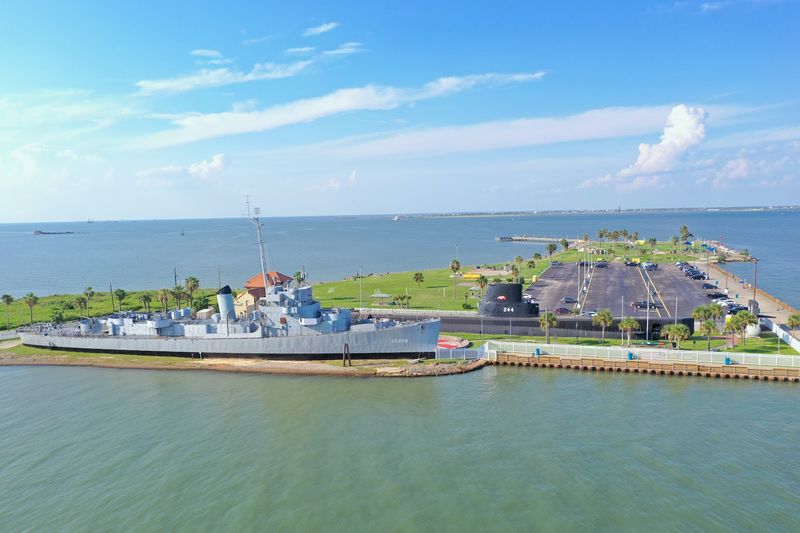
Galveston has no shortage of things to do, but Seawolf Park occupies a category all its own. It is the kind of place that works for a solo morning visit, a family outing, or a spontaneous stop when you want something that feels genuinely different from the usual beach town routine.
The combination of military history, waterfront scenery, wildlife sightings, and recreational options makes it unusually versatile. Most parks offer one or two of those things.
This one layers them all together without feeling crowded or rushed.
People come back here. That is the real tell.
Regulars show up for the fishing, for the dolphin sightings, for the ships, and sometimes just for the view. Each visit tends to offer something slightly different depending on the weather, the tide, and what ships happen to be passing through the channel that day.
Seawolf Park is a reminder that the best travel experiences are not always the loudest or the most advertised ones. Sometimes a quiet park on a small island holds more history, more beauty, and more surprise than anything on the main tourist map.
Address: 100 Seawolf Park Blvd, Galveston, Texas.
Dear Reader: This page may contain affiliate links which may earn a commission if you click through and make a purchase. Our independent journalism is not influenced by any advertiser or commercial initiative unless it is clearly marked as sponsored content. As travel products change, please be sure to reconfirm all details and stay up to date with current events to ensure a safe and successful trip.
