The fields are plowed by mule, the crops are harvested by hand, and the rhythms of the farm have not changed much in centuries. This unassuming Virginia farm is quietly keeping traditional agriculture alive, a working farm that demonstrates how farming was done before tractors and chemicals.
I visited on a sunny morning and watched a farmer guide a mule through the rows, the plow turning the soil with patience and precision. The animals are well-cared for, the gardens are lush, and the whole place feels like a step back in time.
The farm is part of a state park, so you can explore the grounds, visit the barns, and learn about the history of farming in Virginia. Virginia has plenty of historic sites, but this one is alive and working.
A Farm That Has Never Stopped Working Since 1619
Most farms have a story. This one has an entire saga.
The working farm at Chippokes State Park has been in continuous agricultural operation since 1619, placing it among the oldest actively farmed plantations in America. That is not a typo.
We are talking about a farm that was already growing crops before the Pilgrims even landed at Plymouth Rock.
Walking across these fields feels genuinely surreal. The same land that once grew tobacco in colonial Virginia now produces corn, soybeans, cotton, peanuts, and golden grains.
The crops have changed with the times, but the commitment to farming has never wavered, not once in over four centuries.
Virginia has plenty of historical landmarks, but few that are this alive. Chippokes is not a preserved ruin or a reconstructed replica.
It is an actual, functioning, productive farm. Rangers and staff actively plant, tend, and harvest crops each season, keeping traditions rooted in real agricultural practice rather than theatrical performance.
That authenticity is what makes this place magnetic and utterly unforgettable for anyone who visits.
The Generous Gift That Saved a Plantation
Great places often survive because of extraordinary people. Chippokes State Park exists in its current form thanks to Mrs. Victor Stewart, who donated the entire plantation to the Commonwealth of Virginia.
Her one firm condition was that the land continue operating as a working farm, preserving the agricultural traditions that defined it for centuries.
That stipulation was not just sentimental. It was visionary.
Because of her foresight, generations of Virginians and curious visitors from across the country can experience what farm life actually looked and felt like through the decades and centuries. The park honors that legacy with genuine dedication.
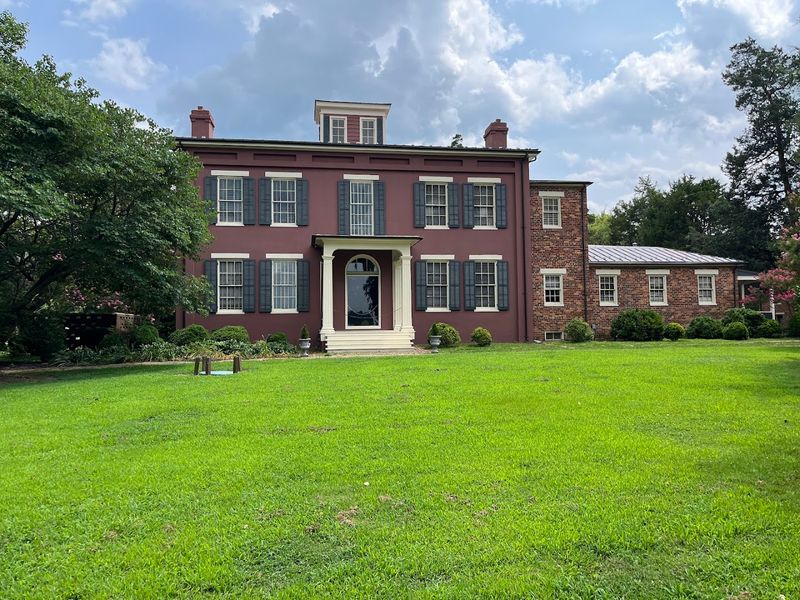
The donation included not just the land but also the historic structures, outbuildings, and the Jones-Stewart Mansion itself. Standing before that mansion today, surrounded by formal gardens that are still lovingly maintained, you feel the weight of that gift.
It is a reminder that preservation sometimes comes down to one person caring deeply enough to act. Virginia is lucky that person existed, and Chippokes is living proof of what that kind of generosity can protect.
Over 600 Antique Tools That Tell the Real Story
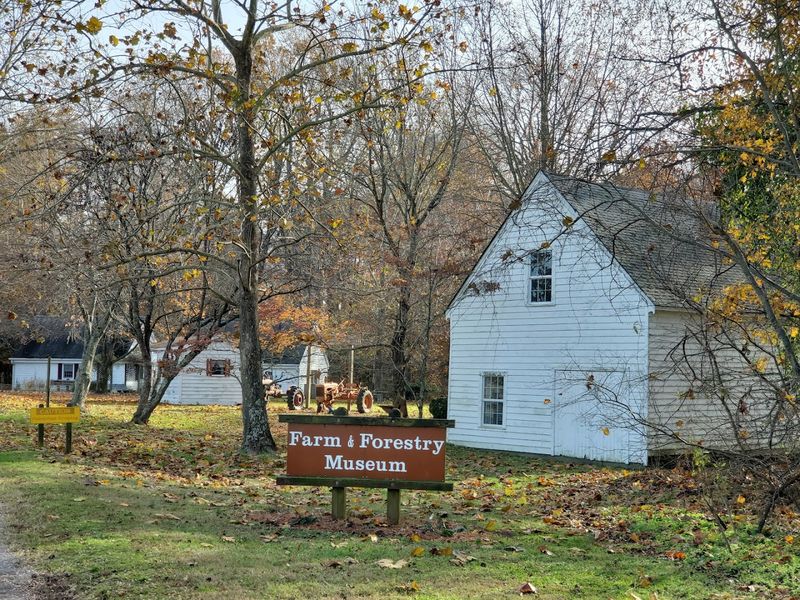
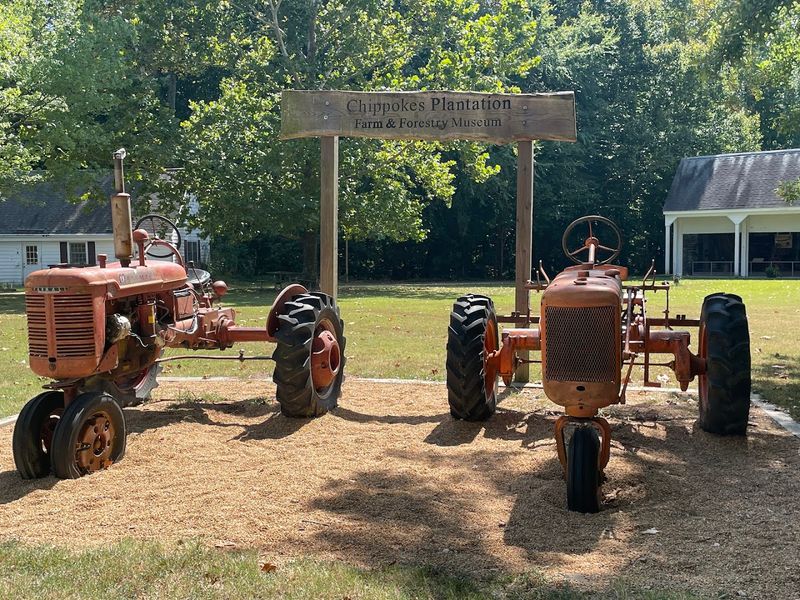
Forget dusty textbooks. The Chippokes Farm and Forestry Museum tells the story of American rural life through more than 600 antique tools, machines, and household items that you can actually see up close.
Old plows, hand-forged implements, sawmill equipment, and domestic housewares fill this open-air museum with a kind of raw, tactile history that no classroom can replicate.
My personal favorite section features reconstructions of historic farmhouse interiors and the workshops of rural craftspeople. Seeing a blacksmith’s workspace or a colonial kitchen laid out in authentic detail makes the past feel immediate and surprisingly relatable.
You start imagining the hands that used these tools every single day.
The museum also interprets the forestry side of early American life, which often gets overlooked in favor of crop farming. Timber was just as essential to survival and economy as any harvest, and the exhibits make that crystal clear.
Kids especially love wandering through the displays, and honestly, so do adults who thought they already knew everything about early American history. Spoiler alert: there is always more to learn at Chippokes State Park.
Heritage Breed Animals That Bring History to Life
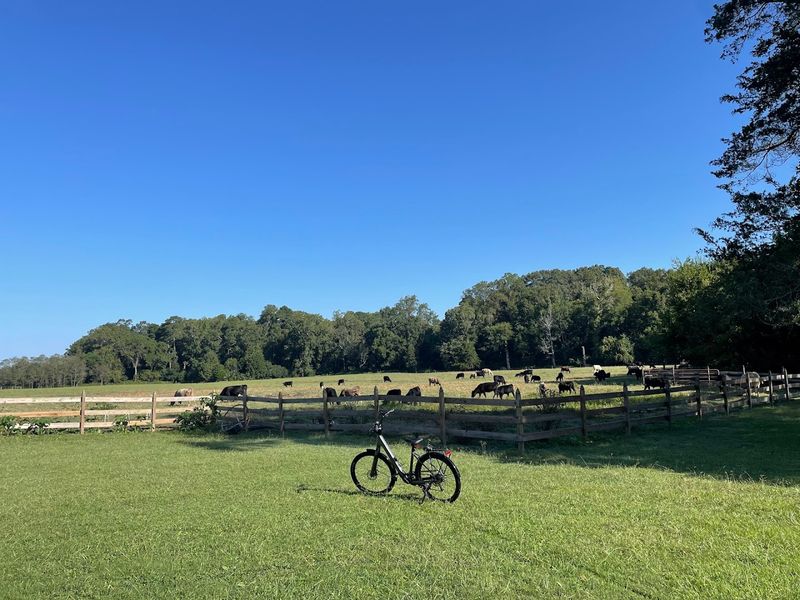
Not every history lesson involves reading. Some of the most powerful ones involve looking a heritage breed cow directly in the eye.
Chippokes State Park keeps American Milking Devon cows and Dominique chickens as living exhibits, breeds that were genuinely common on American farms centuries ago but have since become rare.
American Milking Devons are one of the oldest cattle breeds in North America, prized historically for their milk, meat, and ability to work as oxen. Dominique chickens hold the distinction of being America’s oldest chicken breed.
Seeing these animals in person at Chippokes is not just charming. It is a meaningful connection to the agricultural DNA of early America.
The farm uses these animals to educate visitors about traditional animal husbandry practices, explaining how farmers cared for livestock before modern machinery took over. Staff members share knowledge about feeding habits, breeding practices, and the roles these animals played in sustaining farm families.
For anyone who has ever wondered what a colonial-era barnyard actually looked like and sounded like, Chippokes delivers a genuinely immersive and surprisingly moving answer.
The Cultural Garden Where Indigenous Crops Grow
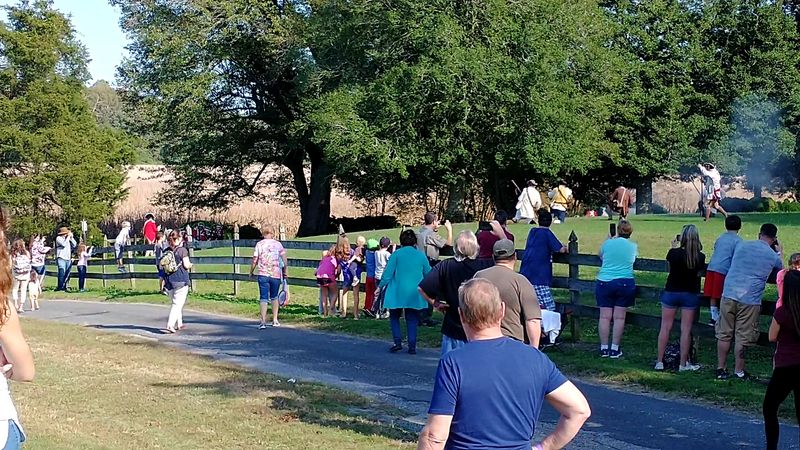
There is a quiet corner of Chippokes State Park that deserves far more attention than it typically gets. The Cultural Garden maintains small plot plantings dedicated specifically to Virginia’s indigenous crops and native plant life.
It is a living archive of what the land grew before European settlement and what Indigenous communities cultivated and relied upon for generations.
Walking through the Cultural Garden feels meditative. Rows of native plants grow alongside traditional crops, each one carrying a story about the people and ecosystems that shaped this region long before 1619 ever entered the picture.
The garden functions as both an educational tool and a quiet act of remembrance.
Virginia has a remarkably deep agricultural heritage rooted in Indigenous knowledge, and this garden honors that history with respect and intention. Plants like native corn varieties and indigenous medicinal herbs connect visitors to a pre-colonial landscape that most state parks never bother to acknowledge.
Chippokes State Park takes a different approach, choosing to tell the full, complicated, and beautiful story of this land from every angle. That commitment to honesty and completeness is genuinely refreshing and worth celebrating loudly.
Historic Structures Standing Tall After Centuries
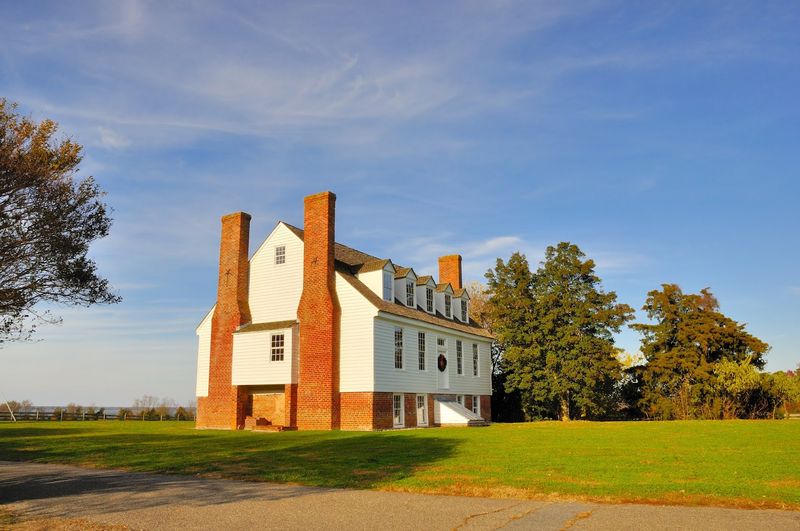
Old buildings have a way of anchoring you to time in ways that nothing else can. Chippokes State Park preserves numerous historically significant structures across its sprawling property.
It includes the Jones-Stewart Mansion, the River House, original plantation outbuildings, and the remarkable Walnut Valley House, which dates to around 1770 and stands as the oldest structure within the park.
Perhaps the most sobering structure on the property is the restored slave quarter at Walnut Valley, dating to 1816 and considered among the oldest remaining examples in Virginia. The park does not shy away from this history.
It confronts it with educational seriousness and a commitment to telling the stories of everyone who lived and labored on this land.
Preservation at this scale is genuinely impressive. Each building represents a different chapter of the plantation’s long life, from colonial-era construction methods to antebellum domestic arrangements.
Wandering among these structures with that knowledge in mind transforms a casual walk into something much more profound. Virginia has many historic sites, but few present such a layered and emotionally complex portrait of American history as Chippokes State Park manages to deliver.
Crops That Have Fed Virginia for Four Centuries
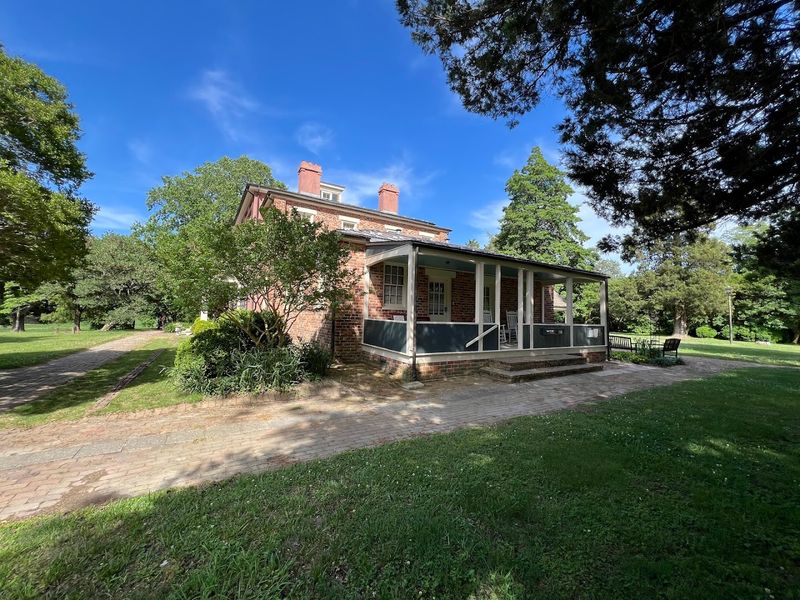
Peanuts. Corn.
Soybeans. Cotton.
Golden grains. The crop rotation at Chippokes reads like a greatest hits list of Virginia agriculture, and every single one of those crops has deep historical roots right here on this property.
Tobacco was the original cash crop starting in 1619, but the land has adapted and evolved with each passing era.
What makes the current farming operation so compelling is how it bridges past and present. Modern sustainable practices are applied to crops that have been grown on this same soil for generations.
The farm is not performing nostalgia. It is actively producing harvests using methods that respect both tradition and contemporary agricultural knowledge.
Standing at the edge of a peanut field here in Surry County, you realize that Virginia’s agricultural identity is not just about what grows in the ground. It is about persistence, adaptation, and the stubborn human commitment to coaxing life from the earth season after season.
Chippokes State Park embodies all of that without ever feeling like a museum piece. It feels alive, purposeful, and deeply connected to the rhythms of land and labor that built this entire region.
Trails, Beach, and a River View That Stops You Cold
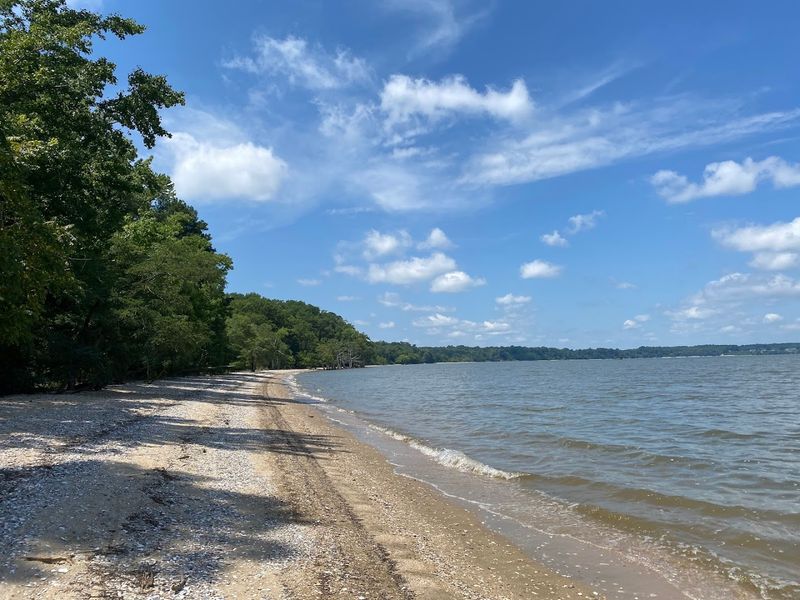
Agriculture is the headline act at Chippokes, but the natural landscape surrounding the farm deserves its own standing ovation.
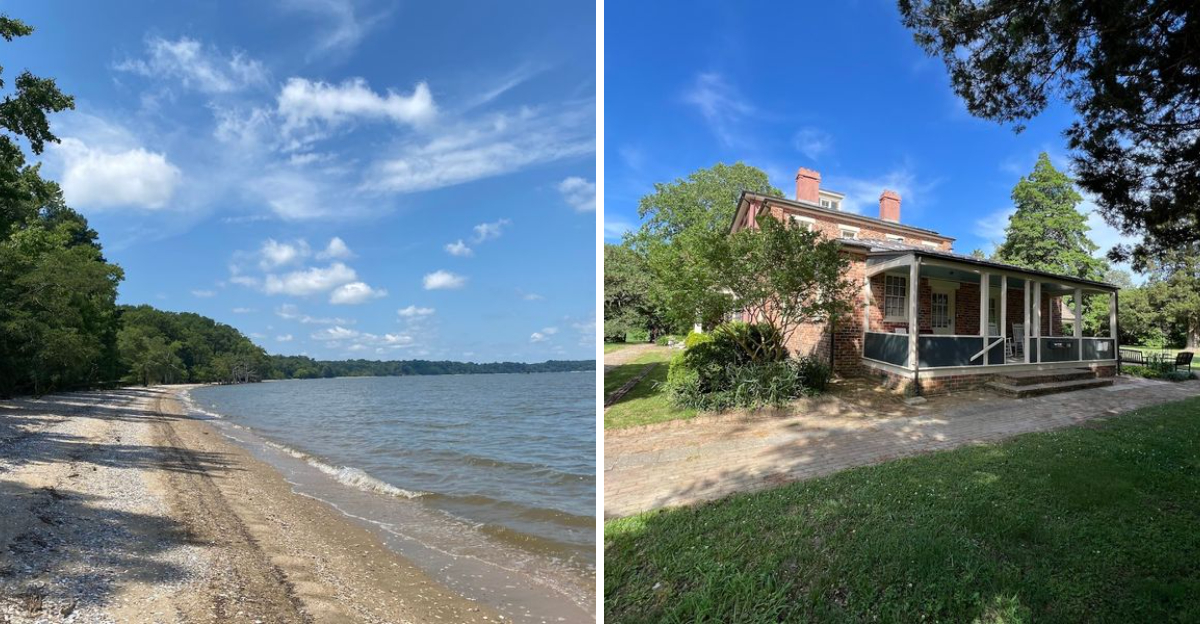
The park sits directly across the James River from historic Jamestown, and the river views from the trails and beach are the kind that make you stop walking mid-stride just to absorb the scene.
The beach along the James River is a genuine delight. Fossil hunters flock here to search for shark teeth and ancient marine specimens hidden among the shells and sediment.
The water is calm enough for swimming during warmer months, and the surrounding pine forest fills the air with a clean, resinous scent that immediately lowers your heart rate.
Trails wind through the property connecting the campground, the museums, the mansion, and the riverfront, making exploration on foot or by bike a genuinely rewarding experience.
The park encompasses nearly two thousand acres, so there is always a new path to follow or a quiet corner to discover.
Virginia’s natural beauty is on full display at Chippokes, and the combination of working farmland, ancient forest, and river scenery creates an atmosphere that is completely unlike any other state park in the region.
Camping and Cabins Where History Tucks You In
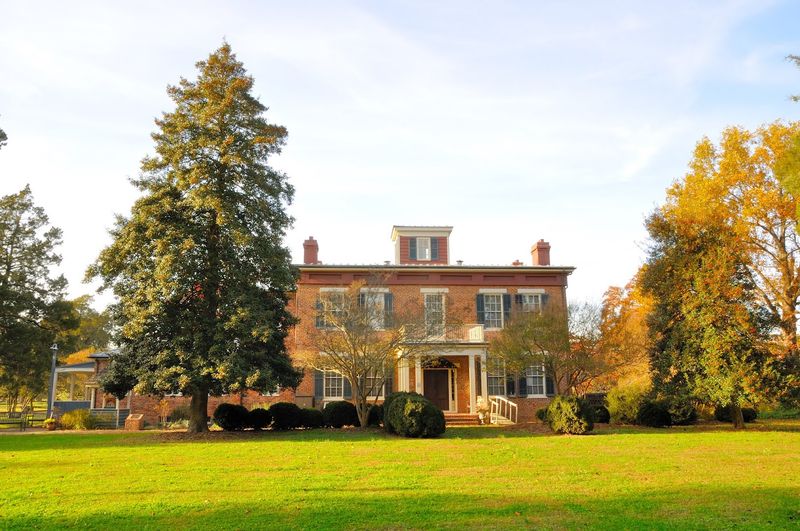
Spending a night at Chippokes State Park is not just convenient. It is transformative.
The park offers both campground sites and fully equipped cabins tucked back among the pines, giving visitors the rare opportunity to wake up surrounded by four centuries of agricultural history rather than a parking lot and a gift shop.
The cabins are genuinely comfortable, stocked with kitchen essentials and cozy enough to handle even a chilly January weekend with ease. Campground sites are spacious and well-maintained, with paved pads, fire rings, and nearby bathhouse facilities.
Loop B is particularly popular with RV users thanks to its generous pull-through sites.
Mornings here have a particular magic to them. The tall pines release their scent into the cool air, deer appear at the edges of the fields, and the sounds of an actual working farm drift across the property as rangers begin their daily routines.
Staying overnight transforms a day trip into a fully immersive experience, giving you time to wander the mansion gardens at dusk, stargaze from the campsite, and genuinely feel what it means to share space with a landscape that has been continuously inhabited and cultivated for over four hundred years.
Plan Your Visit to 695 Chippokes Park Road
Getting to Chippokes State Park takes a little planning, and that planning is absolutely worth every minute of effort. Located at 695 Chippokes Park Rd, Surry, VA 23883, the park sits in Surry County on the south bank of the James River.
Many visitors choose to arrive via the Jamestown-Scotland Ferry, a free and genuinely scenic crossing that adds a memorable layer to the journey.
The park is open year-round, though programming and museum hours vary by season. Spring and fall are particularly spectacular, when the formal gardens bloom and the harvest season brings extra energy to the working farm.
Bug spray is a smart addition to your packing list during summer months, as deer flies patrol the farm areas with surprising enthusiasm.
Bring a bike if you have one. The property is large enough that cycling between the campground, museums, mansion, and beach makes the experience significantly richer.
The visitor center is a great first stop, with knowledgeable staff ready to orient you and a gift shop full of genuinely worthwhile keepsakes. Virginia saved something truly special when it accepted this donation, and Chippokes State Park rewards every visitor who shows up ready to pay attention.
