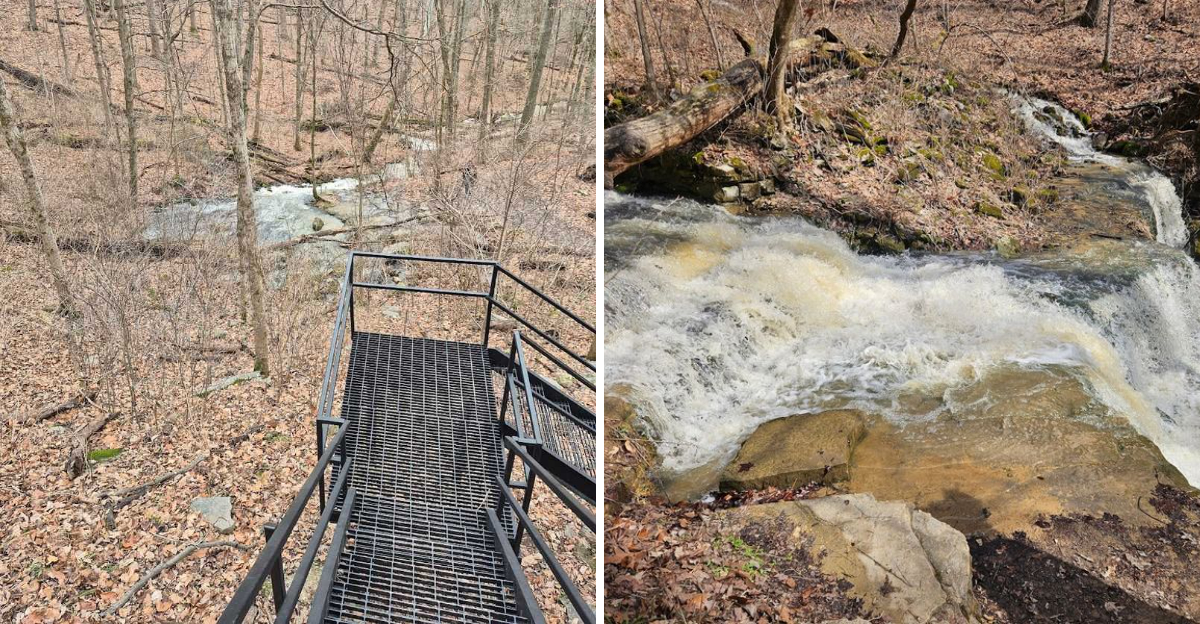
I will be honest, I had driven past the road turnoff more times than I can count without ever stopping. When I finally made the short trip southwest of Bloomington to this nature park, I could not believe what I had been missing all along.
This 1.1-mile trail packs in caves, waterfalls, wetlands, and a dramatic staircase descent into a hidden world that feels completely separate from the busy town just minutes away. Every turn brings a new surprise, and the variety of scenery makes the trail feel much larger than its length.
If you are an Indiana local looking for a genuine outdoor gem that most people overlook, this park is one of those rare spots worth clearing your schedule for.
The 170-Foot Stair Climb That Makes the Whole Adventure Worth It
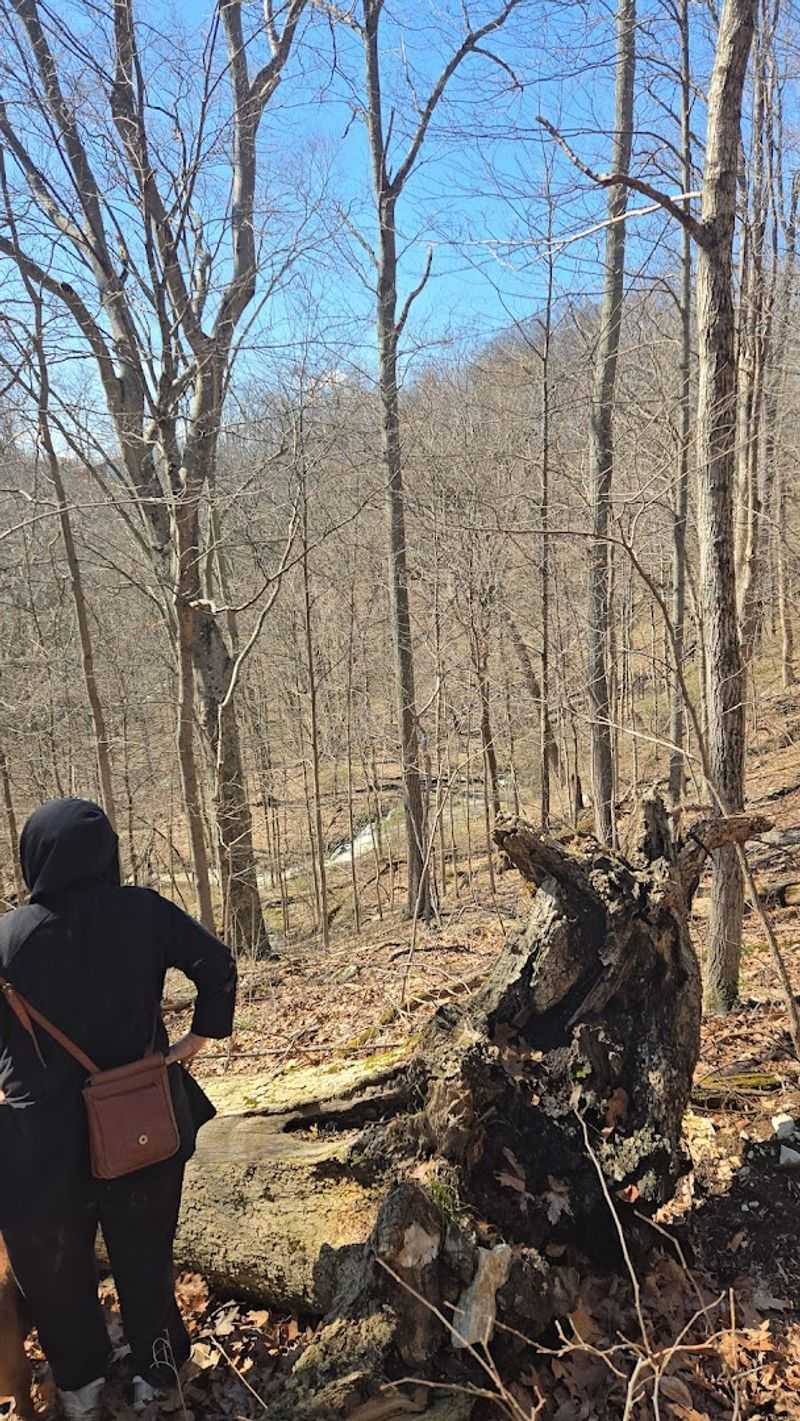
Some trails ease you in gently. Leonard Springs skips that entirely and greets you with one of the most memorable staircase descents in all of Indiana.
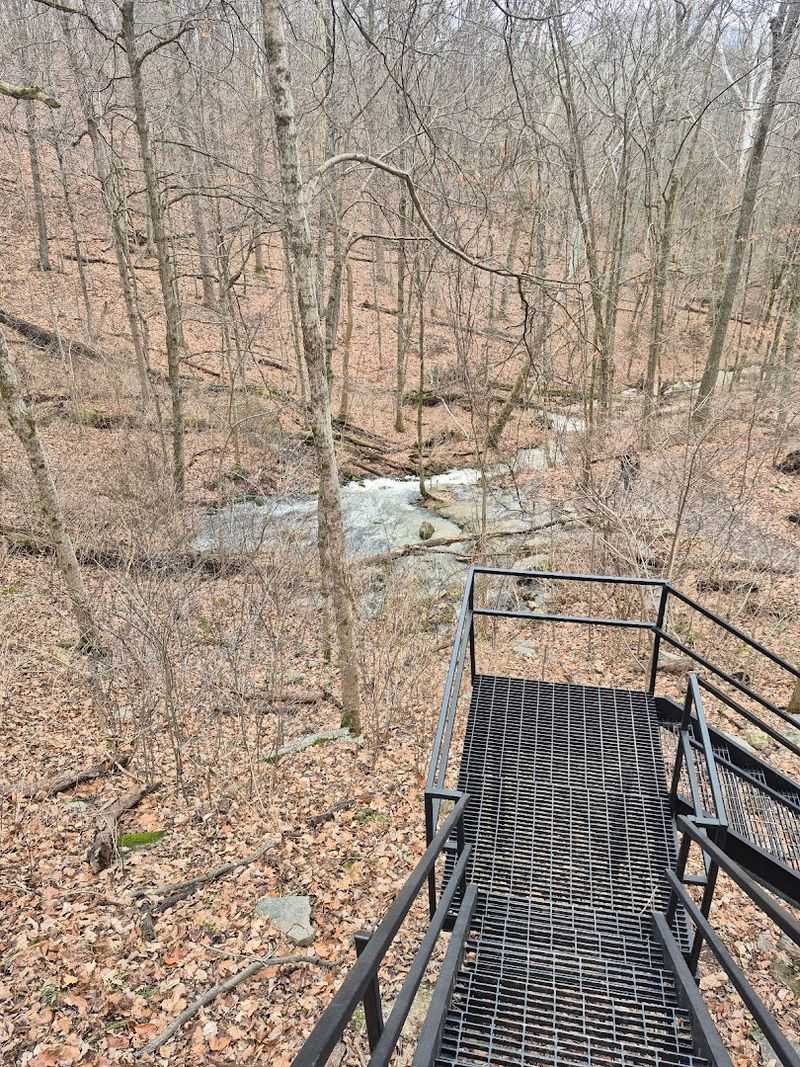
The metal stairway drops roughly 170 feet down into the hollow, and with each step, the air gets cooler and the sounds of the outside world fade away completely.
There are about 98 steps in total, and they are steep enough to make your legs feel it on the way back up. That return climb is part of the experience, though.
Hikers who tackle it on a warm summer afternoon tend to appreciate the shade from the surrounding canopy more than they expected.
The staircase is well-maintained and anchored into the hillside, making it safe for most healthy adults and older kids. Families with young children should hold hands and take their time.
Visitors with knee issues or limited mobility may want to know ahead of time that there is no ramp alternative for this section of the trail.
What makes this climb so rewarding is what waits at the bottom. The sound of rushing water grows louder with every step you descend, building anticipation in a way that flat trails simply cannot replicate.
By the time you reach the base, the forest opens up into something that genuinely surprises first-time visitors. Wear sturdy shoes with grip, because the steps can get slippery after rain.
A Hidden Spring Emerging Right Out of the Limestone Bluffs
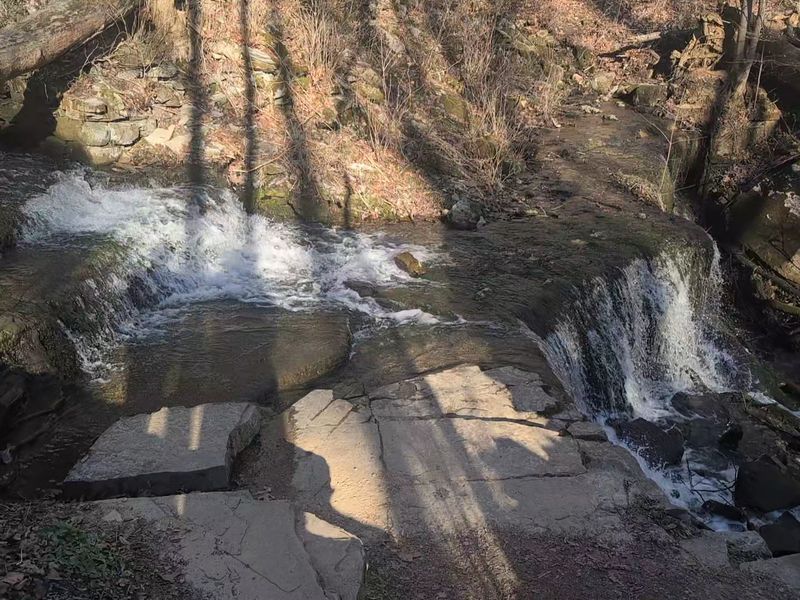
Water appearing straight out of solid rock is one of those things that never gets old, no matter how many times you see it. At Leonard Springs, the spring literally pushes through the limestone bluff face and spills down into a small pool below, creating one of the most photogenic natural scenes in Monroe County.
The water is remarkably clear and reportedly tastes fresh, fed by an underground aquifer that filters through layers of Indiana limestone. One visitor described it as the best water they had ever tasted in the state, and that claim is easy to believe when you see how pristine the source looks up close.
Limestone karst geology is what makes this region of southern Indiana so geologically interesting, and Leonard Springs is a textbook example of how that underground water system works. The bluff face shows visible layers of rock, and the spring emerges where water pressure finally finds its exit point.
It is genuinely fascinating to stand there and think about how long that water has been traveling underground before reaching daylight.
After a good rain, the spring flow increases dramatically, and the water cascades down the boulders in thin ribbons that catch the light beautifully. Even during drier months, there is almost always some flow to observe.
Photographers especially love this spot during golden hour when the light hits the wet rock face at just the right angle.
Waterfalls That Show Up After Every Good Rain
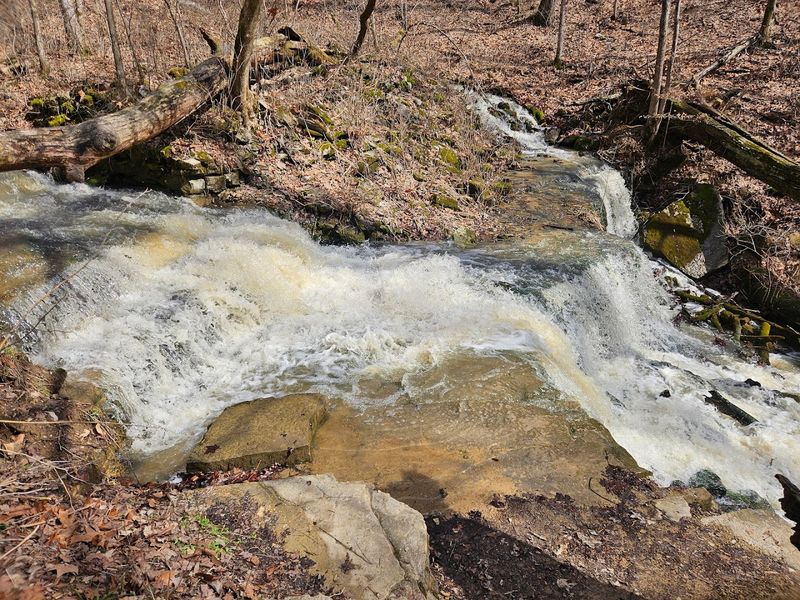
Rain transforms Leonard Springs into something almost magical. Within hours of a good downpour, the hillside comes alive with cascading water that rushes over boulders, fills shallow pools, and creates that deep, satisfying sound of moving water echoing through the hollow.
For waterfall lovers in Indiana, this park consistently ranks as one of the best close-to-home options.
The falls are not towering like something you would find in the Appalachians, but their charm lies in how naturally they form within the landscape. Water sheets over flat limestone slabs and gathers in rocky basins before continuing downstream through the trail corridor.
Kids absolutely love exploring around the edges of these pools, and it is easy to spend thirty minutes just watching the water move.
Timing your visit right is everything here. Checking the weather forecast and planning your trip one or two days after significant rainfall gives you the best waterfall experience.
During dry stretches in late summer, the flow can slow considerably, though the spring itself usually keeps things interesting even then.
The contrast between the wet rock, green moss, and the surrounding forest canopy creates an atmosphere that feels far removed from central Indiana. Locals who have visited during winter report that the falls look stunning even then, with ice formations sometimes building up along the rock edges during cold snaps.
Every season brings a slightly different version of this beautiful spot.
Two Caves You Can Actually Explore Along the Trail
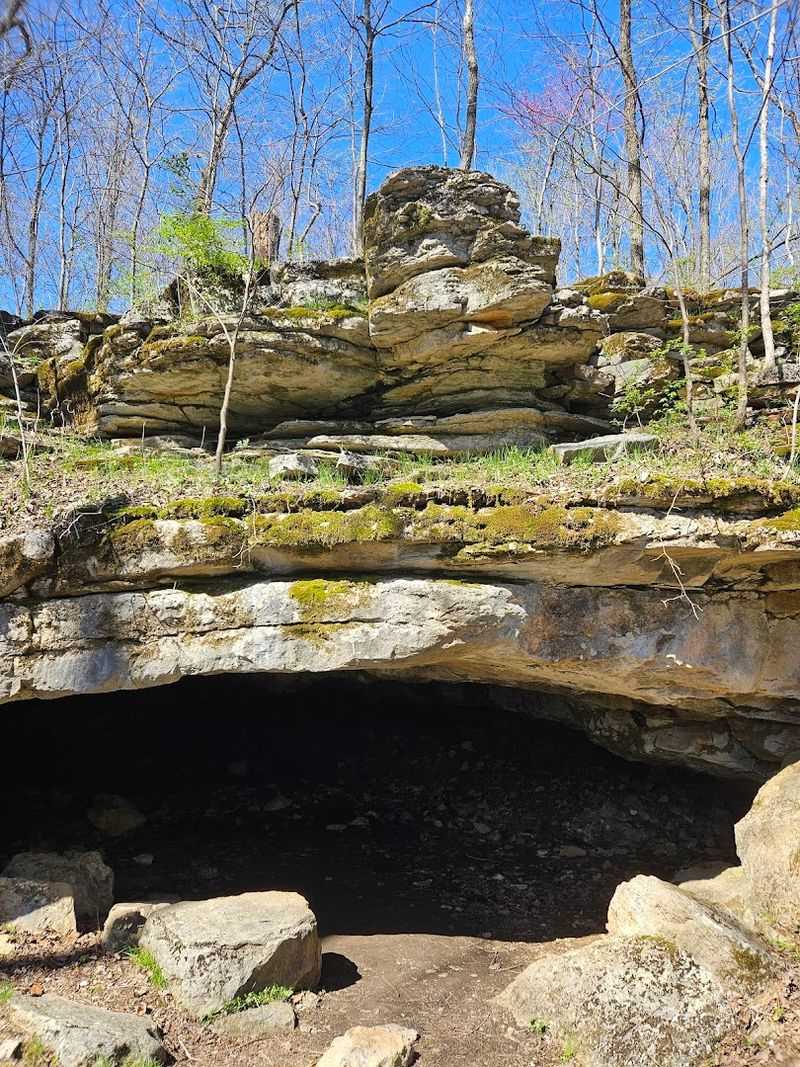
Most hiking trails in Indiana do not come with caves. Leonard Springs delivers two of them, tucked into the limestone hillside and accessible right from the main trail.
One sits near the base of the staircase and is easy to spot, while the other requires a bit more attention to find as you wind through the lower section of the trail.
The caves are not enormous caverns, but they are genuinely cool in both temperature and character. Stepping inside even briefly gives you a sense of the karst geology that defines this part of southern Indiana.
The limestone walls show the kind of layering and texture that geology enthusiasts find endlessly interesting, and the damp, earthy smell inside is pure wilderness.
Whether you are actually supposed to enter the caves is a bit of an open question among visitors, so proceeding carefully and respectfully is the right approach. Some hikers explore just the entrance while others venture a little deeper.
Either way, having caves as part of a one-mile community trail is genuinely unusual and adds a sense of discovery to the whole outing.
Families with curious kids will find these caves to be an absolute highlight. Children light up when they realize a real cave is right there on the trail.
Bringing a small flashlight or using your phone light makes the experience much more fun and helps you appreciate the natural formations inside without stumbling around in the dark.
A Historic Reservoir That Became a Thriving Wetland
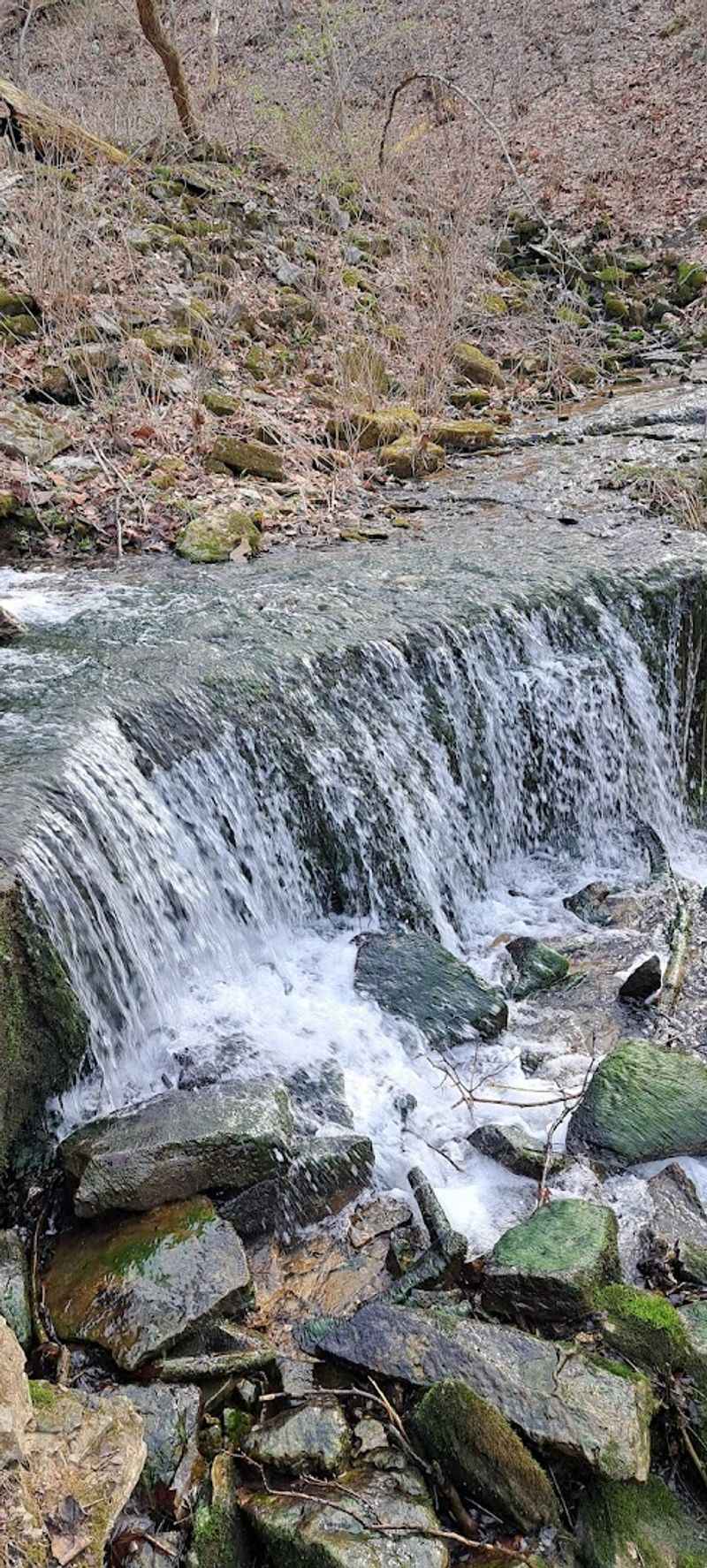
History and nature collide at one of the most quietly fascinating stops on the Leonard Springs trail. The park contains the remnants of an old water supply reservoir that once served the city of Bloomington, and what used to be a functioning water infrastructure has since transformed into a rich, biodiverse wetland area that wildlife absolutely thrives in.
The old dam structure is still visible along the trail, and standing near it gives you a real sense of how the landscape has changed over time. Bloomington outgrew this water source long ago, and nature has been quietly reclaiming the space ever since.
The wetland that formed in the former reservoir basin is now home to a surprising variety of birds, amphibians, and aquatic plants.
Observation platforms along the trail give hikers elevated views of the wetland and the old intake structure, making this section ideal for wildlife watching and photography. Early morning visits in spring and fall tend to offer the best bird sightings, with migratory species passing through and resident waterfowl making themselves comfortable in the still water.
There is something genuinely moving about watching nature take back what was once engineered. The juxtaposition of crumbling stonework and thriving marsh plants creates a visual story that no interpretive sign could tell better than the landscape itself.
This section of the trail rewards hikers who slow down and pay attention to the details rather than rushing through to the next feature.
Diverse Ecosystems Packed Into Just Over a Mile of Trail
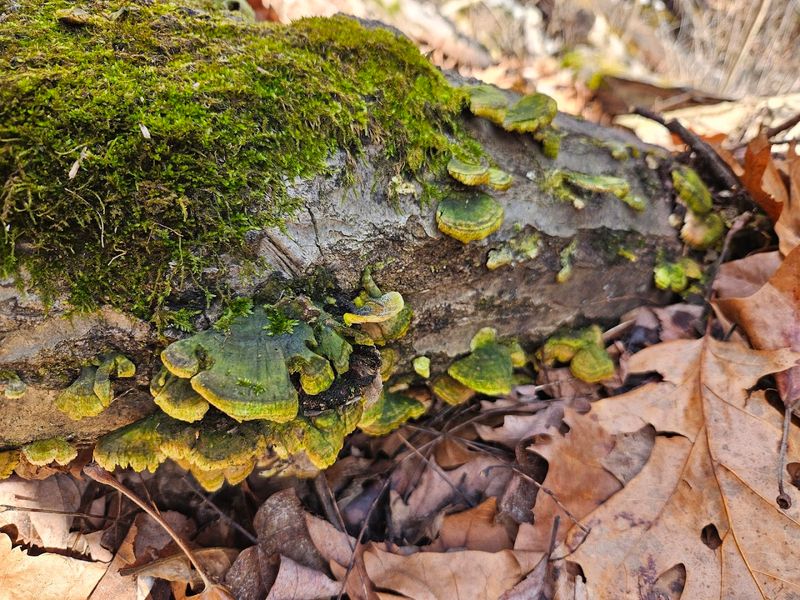
One mile of trail rarely delivers this much variety. Walking Leonard Springs from start to finish takes you through mature upland forest, a pine grove, open wetland, rocky stream corridors, and limestone bluff faces all within a single loop.
For a park that sits on the edge of a mid-sized college town, the ecological richness here is genuinely impressive.
The biodiversity at Leonard Springs reflects the broader character of Monroe County, which sits at the edge of the Norman Uplands and benefits from a mix of soil types and moisture levels that support a wide range of plant communities. Spring ephemerals like trillium and wild ginger appear on the forest floor in April and May before the canopy leafs out and blocks the light.
Wildflower enthusiasts make specific pilgrimages here during that brief window.
The park even offers seasonal guided programs, including a Spring Ephemeral Hike focused on identifying woodland wildflowers during their short blooming period. These programs are a great way to learn the landscape from people who know it deeply.
Checking the Bloomington Parks and Recreation calendar before your visit is worth the extra minute.
Wildlife sightings along the trail include deer, herons, various songbirds, and the occasional box turtle crossing the path. The variety of habitats compressed into such a small area means that almost every visit turns up something new.
Locals who return to Leonard Springs across different seasons consistently report that the trail feels fresh each time.
The Perfect Local Escape Close to Bloomington with Great Nearby Stops
Leonard Springs sits at 4685 S Leonard Springs Rd, Bloomington, IN 47403, and getting there from downtown takes less than fifteen minutes. That proximity to the city is part of what makes this park so valuable.
You can squeeze in a full trail loop during a lunch break, after work, or on a slow weekend morning without any real planning effort.
After your hike, the Bloomington area offers plenty of places to refuel and explore. The B-Line Trail, which runs through the heart of downtown Bloomington, is a great option for an easy post-hike stroll if your legs still have something left.
For food, Lennie’s Restaurant at 1795 E 10th St, Bloomington, IN 47408 is a local institution worth visiting. Uptown Cafe at 102 E Kirkwood Ave, Bloomington, IN 47408 offers another solid option with a warm, welcoming atmosphere.
Nature lovers who want to extend their outdoor day can head to Griffy Lake Nature Preserve at 4300 N Headley Rd, Bloomington, IN 47404, which offers longer trails and excellent birdwatching around its reservoir. The Indiana University campus nearby also has beautiful green spaces worth wandering through, especially when the trees are in full color during October.
Leonard Springs proves that you do not need to drive hours from home to find something genuinely special in Indiana. Sometimes the most rewarding trail is the one sitting quietly at the edge of town, waiting for you to finally show up.
Dear Reader: This page may contain affiliate links which may earn a commission if you click through and make a purchase. Our independent journalism is not influenced by any advertiser or commercial initiative unless it is clearly marked as sponsored content. As travel products change, please be sure to reconfirm all details and stay up to date with current events to ensure a safe and successful trip.
