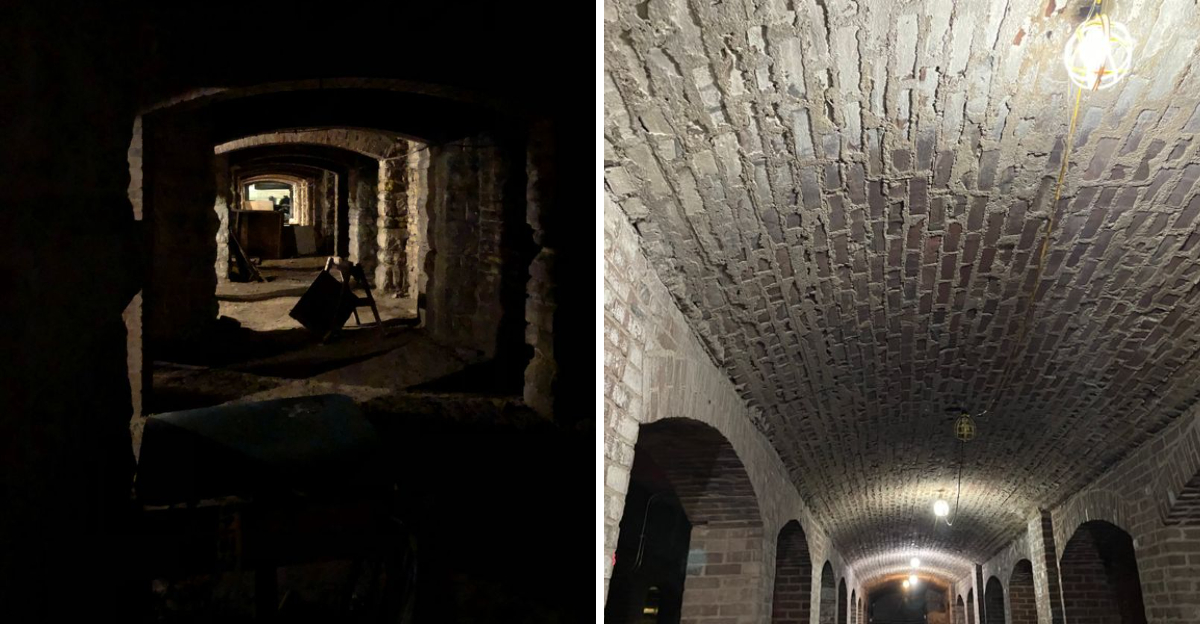
Beneath the bustling streets of downtown Indianapolis lies a hidden world that most people walk over without ever knowing it exists.
The Indianapolis Catacombs aren’t filled with ancient burial chambers or mysterious bones like European catacombs, but they tell an equally fascinating story about American history and architectural ingenuity.
Located at 222 E Market St in Indianapolis, this underground expanse features stunning 19th-century brick arches that have witnessed over a century of city transformation.
What began as the basement of the historic Tomlinson building has become one of Indiana’s most intriguing tourist attractions, offering visitors a glimpse into the past through guided tours available from May through October.
The space earned its catacomb nickname from the maze-like arrangement of brick archways that create an almost otherworldly atmosphere when explored by flashlight.
Tour guides share captivating stories about the building’s original purpose, the families who funded its construction, and how this underground structure played a role in Indianapolis’s development.
While some visitors expect elaborate tunnel networks or spooky ghost tales, the real magic lies in understanding how this architectural marvel has survived and what it reveals about 1800s building techniques.
Whether you’re a history buff, architecture enthusiast, or just looking for something unique to do in Indianapolis, the Catacombs offer an unforgettable journey into the city’s hidden heritage.
Architectural Marvel From the 1800s
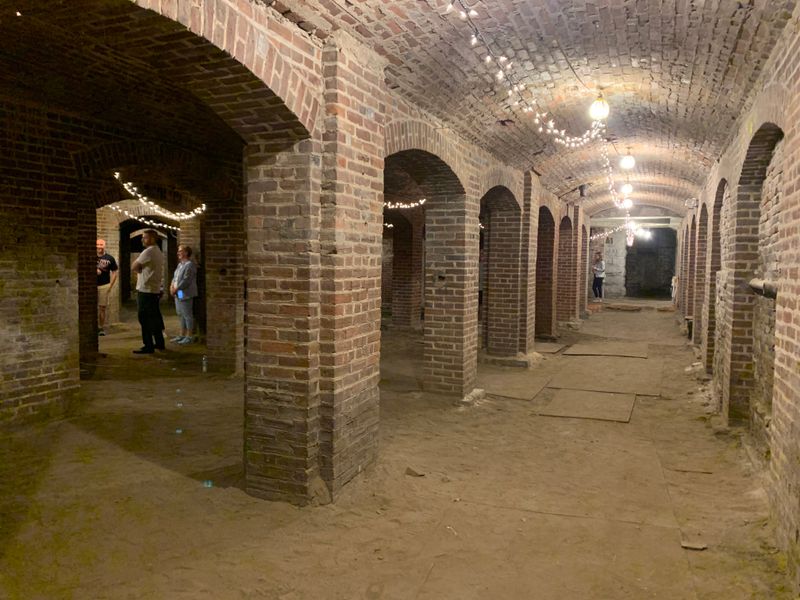
Walking into the Indianapolis Catacombs feels like stepping back in time to witness construction methods that modern builders rarely use anymore.
The basement features remarkable brick archways that demonstrate the incredible craftsmanship of 19th-century workers who built structures meant to last generations.
Each arch was carefully constructed without the modern machinery we rely on today, making the precision and symmetry even more impressive.
The Tomlinson Hall building above these underground chambers originally served as a massive civic arena and commercial hub in downtown Indianapolis during a time when the city was rapidly expanding.
Builders created this extensive basement space using techniques passed down through generations of stonemasons and architects.
The dirt floor and exposed brick walls preserve the authentic feel of the original construction, allowing visitors to see exactly how the space looked over a century ago.
Tour guides often point out specific architectural features that reveal the building’s age and purpose.
The height of the arches allowed for proper ventilation and storage of goods in an era before modern climate control.
You can spot where original support beams connect to the brick structures, showing how engineers distributed weight from the floors above.
Photography enthusiasts appreciate the dramatic lighting that filters through the archways, creating shadows and textures that tell visual stories.
The brick patterns vary slightly throughout different sections, indicating repairs or expansions made over the decades.
Understanding these architectural details helps visitors appreciate why preserving this space matters for future generations who want to connect with Indianapolis’s building heritage and the skilled workers who shaped the city’s foundation.
Not Your Typical Burial Catacombs
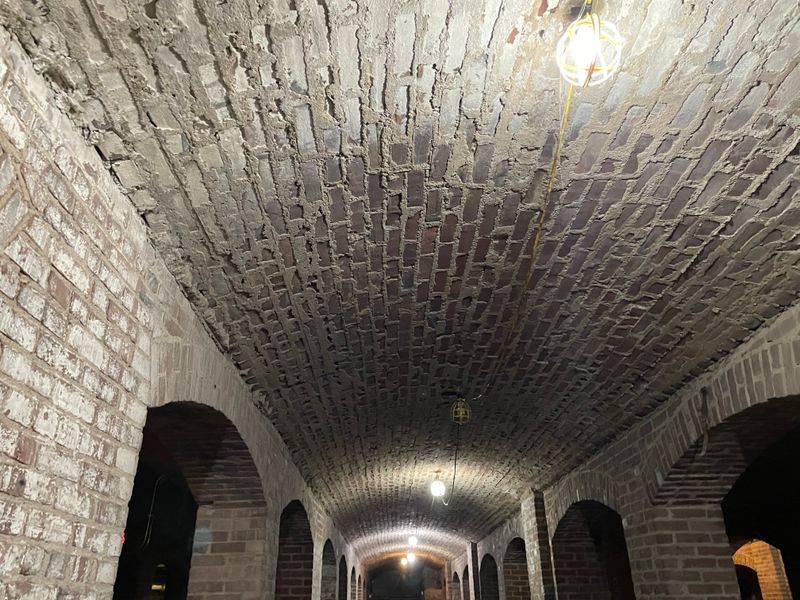
Many first-time visitors arrive expecting to find skeletal remains or burial chambers like the famous catacombs beneath Paris or Rome.
The Indianapolis Catacombs earned their nickname from the repeating brick arches rather than any connection to the deceased, though the name was also popularized by a 1970s restaurant concept that never came to fruition.
Tour guides frequently address this misconception right at the beginning, explaining that no bodies were ever stored in this space.
The catacomb designation comes from how the repeating brick arches create tunnel-like passages that resemble European burial sites.
When you walk through the dimly lit basement with only flashlights to guide your way, the atmospheric quality definitely evokes that mysterious catacomb feeling.
However, this space served entirely practical purposes related to commerce and storage for the building above, and even famously served as a temporary shelter for the homeless during the winter of 1912.
Some visitors feel disappointed when they learn there are no ghost stories or paranormal elements to explore.
Others appreciate the authentic history lesson about how Indianapolis grew as a commercial center during the 1800s.
The building’s history as a premiere event space; hosting everything from political rallies to John Philip Sousa; provides fascinating insights into the cultural life of early Indianapolis.
Understanding what the Catacombs actually are helps set appropriate expectations before your visit.
You won’t encounter elaborate tunnel networks stretching beneath the entire city or ancient artifacts hidden in secret chambers.
Instead, you’ll discover a beautifully preserved example of Victorian-era basement construction that tells an important story about American urban development and the practical needs of growing cities during the Industrial Revolution era.
Construction and Revitalization Limit Current Access
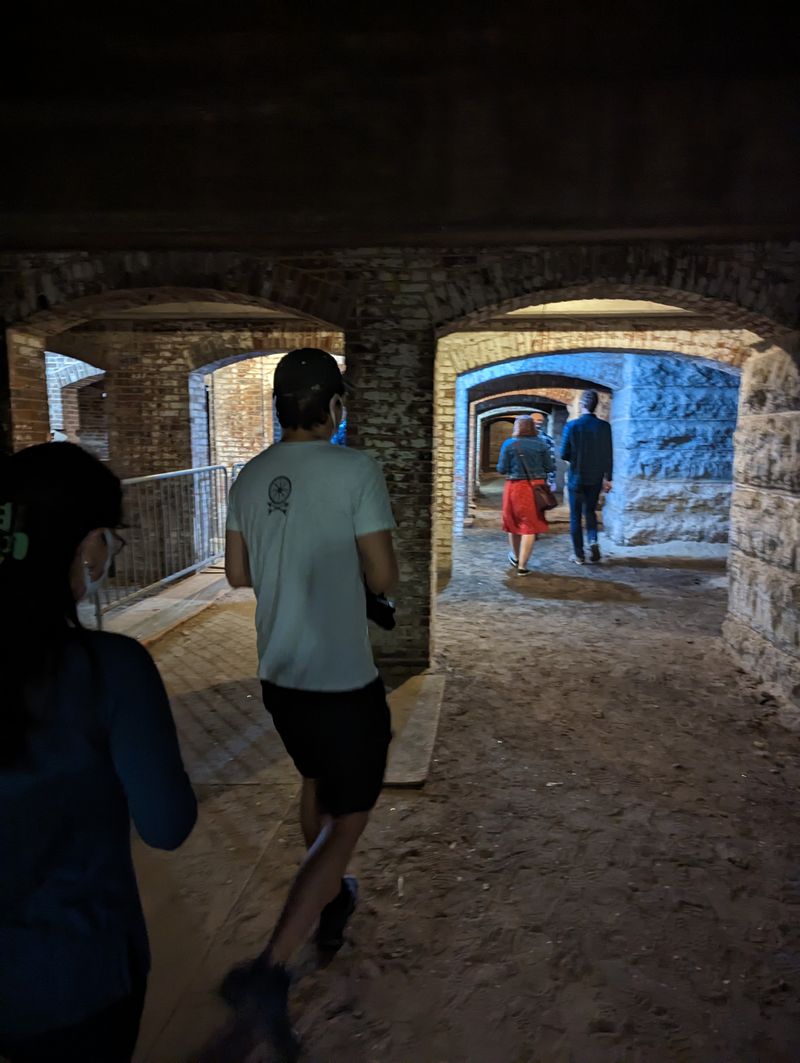
Getting a chance to explore the Indianapolis Catacombs in 2026 requires careful monitoring of the schedule since the site is currently undergoing a massive transformation.
The redevelopment of the Indianapolis City Market and the creation of a new West Plaza has temporarily limited or paused the standard tour schedule.
This major city project aims to make the historic arches visible from the surface for the first time, ensuring the site remains a centerpiece of the city for years to come.
The restricted access stems from the space’s delicate nature and the ongoing construction safety protocols in the surrounding market area.
Too much foot traffic or nearby heavy machinery could impact the historic brick structures that have kept the basement intact since Tomlinson Hall burned down in 1958.
Indiana Landmarks, the organization managing the tours, carefully balances public interest with the responsibility of preserving these ruins during the city’s modernization.
Checking for updates through the official Indiana Landmarks website is essential if you want to see the status of the “first and third Saturday” tour tradition.
Many locals are eagerly awaiting the completion of the 2026 plaza project, which will integrate the Catacombs more deeply into the downtown landscape.
During the winter or active construction phases, tours are often paused to ensure visitor safety and structural integrity.
This scarcity factor actually enhances the appeal for many history enthusiasts who enjoy discovering hidden gems that are currently in a state of transition.
When available, you’ll find yourself among a small group of fellow explorers led by guides who can explain both the 19th-century history and the 21st-century preservation efforts.
The intimate tour size and the unique “hard-hat” atmosphere of a site under revitalization make for a memorable experience that casual tourists might miss.
Knowledgeable Volunteers Bring History to Life
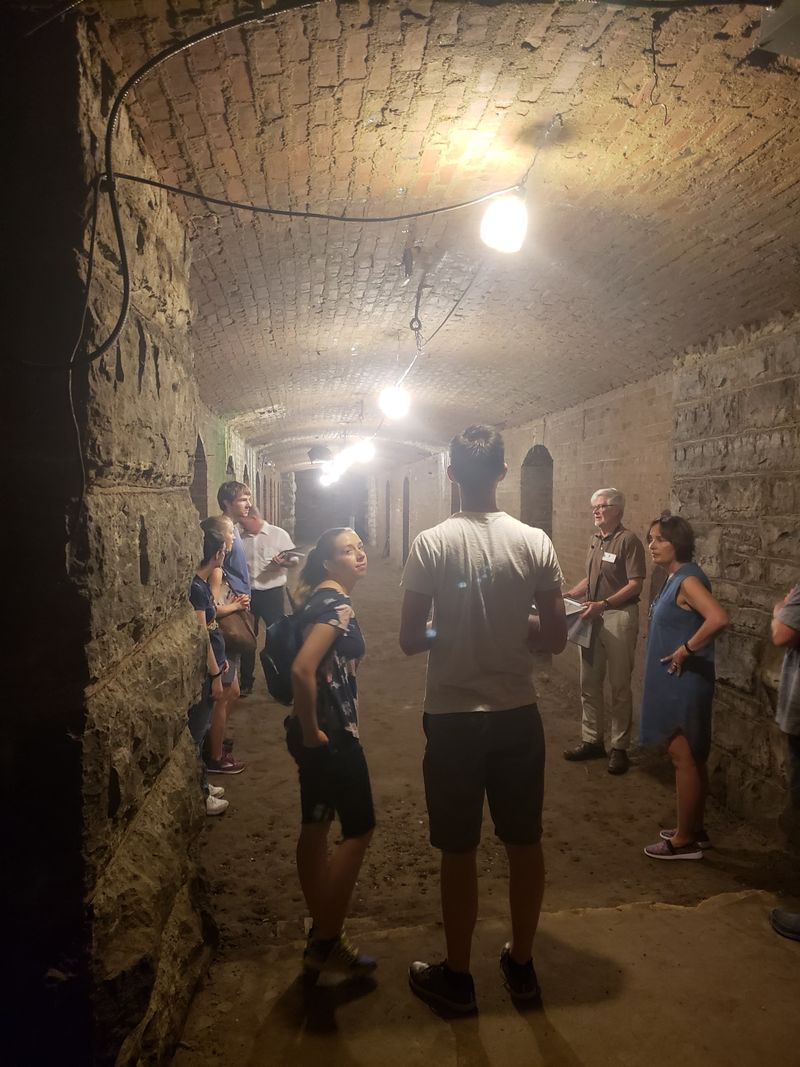
The tour guides who lead visitors through the Indianapolis Catacombs are passionate volunteers dedicated to sharing local history with enthusiasm and expertise.
Names like Allie frequently appear in visitor reviews, with guests praising how these volunteers transform what could be a simple basement walk into an engaging educational experience.
Their willingness to answer questions and share additional stories beyond the standard tour script makes each visit unique.
Before descending into the underground space, guides present historical photographs and detailed information about Tomlinson Hall, which once stood as the city’s most grand public building.
They explain how the City Market area developed and why this particular location became so important to Indianapolis’s commercial growth.
The context they provide helps visitors visualize the bustling market and the massive 3,500-seat auditorium that once sat directly above their heads.
Because the space is not wheelchair accessible and involves navigating two flights of stairs and uneven dirt floors, the guides take extra care to ensure everyone moves safely through the darkness.
Their expert knowledge extends to the technical side of the arches as well, explaining the “groined vault” brickwork that has allowed the floor to support the weight above for over 130 years without the building itself.
The volunteers’ passion is contagious, often sparking a newfound interest in urban preservation among the visitors.
They don’t just recount dates; they tell human stories of the people who worked, traded, and found refuge in these tunnels.
This personal touch is what makes the Indianapolis Catacombs stand out as a premier historical destination, leaving visitors with a deep appreciation for the hidden layers of Indiana’s capital city.
Quick Tour With Limited Photo Opportunities
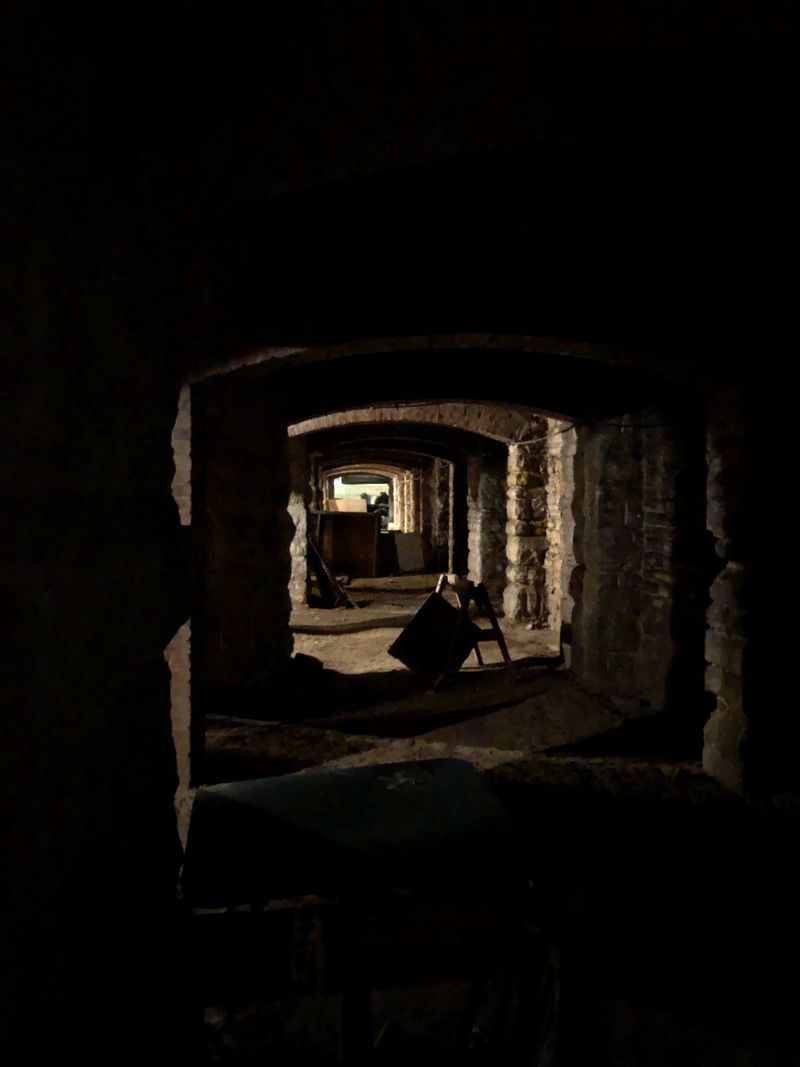
Visitors should know upfront that the Indianapolis Catacombs tour moves at a brisk pace, typically lasting under 30 minutes from start to finish.
The underground portion happens particularly quickly, with limited time for taking photographs or lingering to examine architectural details.
Tour guides keep groups moving partly because of scheduling constraints and partly to accommodate the next group waiting to enter.
Photography enthusiasts sometimes feel frustrated by the rushed nature of the catacomb section.
The dramatic brick arches and atmospheric lighting create perfect photo opportunities, but there isn’t designated time for setting up shots or experimenting with different angles.
Smart visitors take photos while guides are speaking rather than waiting for a dedicated photography break that won’t come.
The quick pace also means you need to pay close attention to the information being shared since there’s no time to circle back for second looks.
Some guests wish they could explore independently at their own speed, examining specific bricks or architectural features that catch their interest.
However, the guided format ensures everyone stays safe in the dimly lit underground environment.
Despite the brevity, most visitors still find value in the experience, especially considering the affordable ticket price.
The tour provides enough information to understand the site’s significance without overwhelming you with excessive details.
Families with young children actually appreciate the shorter duration since kids can stay focused and engaged throughout.
If you’re hoping for an all-day adventure, this won’t meet your expectations, but for a unique glimpse into Indianapolis history that fits easily into a busy sightseeing schedule, the quick tour format works perfectly fine.
Connection to City Market Makes It a Perfect Stop
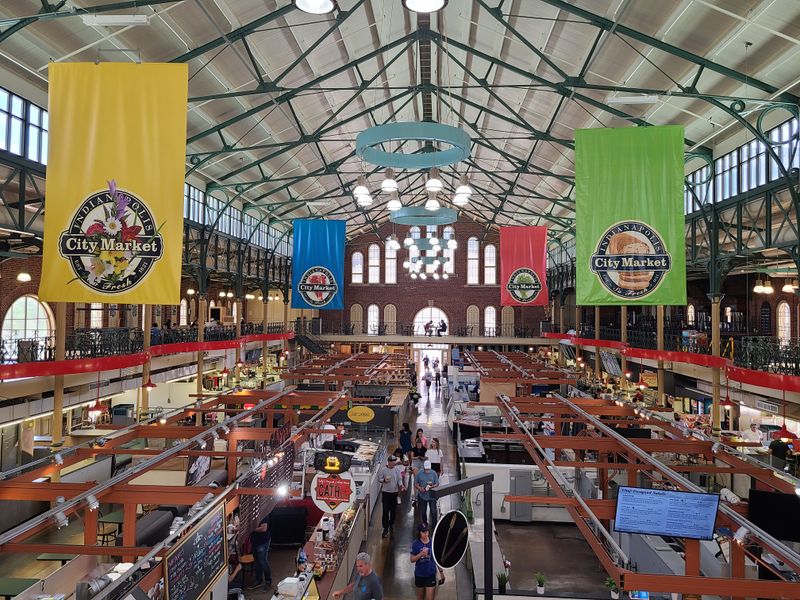
The Indianapolis Catacombs sit directly beneath the historic City Market building at 222 E Market St, making it incredibly convenient to combine your underground tour with lunch or shopping above.
City Market itself deserves exploration, featuring diverse food vendors, local artisans, and specialty shops that showcase Indianapolis culture.
You can grab snickerdoodle cookies that reviewers rave about or browse handmade jewelry before or after your catacomb adventure.
This location in the heart of downtown Indianapolis puts you within walking distance of other major attractions.
After emerging from the underground chambers, you might explore Monument Circle, visit nearby museums, or check out the canal walk.
The central position makes the Catacombs an ideal addition to any downtown Indianapolis itinerary without requiring extra travel time.
City Market’s vendors offer everything from international cuisine to local Indiana specialties, giving you plenty of lunch options.
The building’s architecture mirrors the historic character of the catacombs below, with both spaces telling parts of Indianapolis’s commercial history.
Some visitors report that the market feels quieter than expected, with several closed vendor stalls, so checking current operating hours and tenant lists helps avoid disappointment.
The surrounding neighborhood has experienced typical urban challenges, with some reviews mentioning homeless populations near the building.
However, during business hours when the market operates and tours run, the area maintains a safe and welcoming atmosphere.
Parking garages and street parking are available nearby, though public transportation also serves this downtown location well.
Planning your catacomb tour as part of a larger City Market visit maximizes your downtown experience and helps you appreciate how the underground and street-level spaces connect historically.
Dear Reader: This page may contain affiliate links which may earn a commission if you click through and make a purchase. Our independent journalism is not influenced by any advertiser or commercial initiative unless it is clearly marked as sponsored content. As travel products change, please be sure to reconfirm all details and stay up to date with current events to ensure a safe and successful trip.
