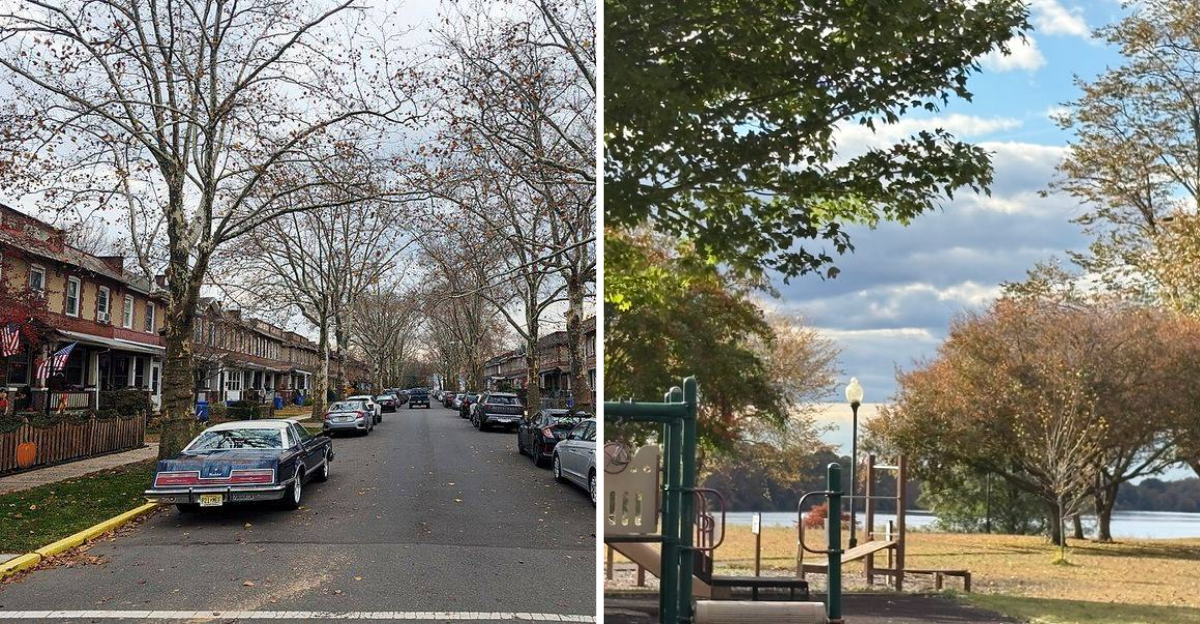
New Jersey has plenty of towns you’ve heard of, but this one feels like it slipped through the cracks on purpose.
It’s the kind of place where you drive in expecting nothing and end up wondering why no one talks about it.
I once stumbled across it on a road trip detour and felt like I’d uncovered a cheat code for peace and quiet. The streets have that small-town charm that makes you slow down without realizing it.
Isn’t it funny how the best spots are often the ones locals themselves overlook?
This hidden corner of Jersey proves that sometimes the secret is better than the spotlight.
A Town Built From Scratch for Working Families
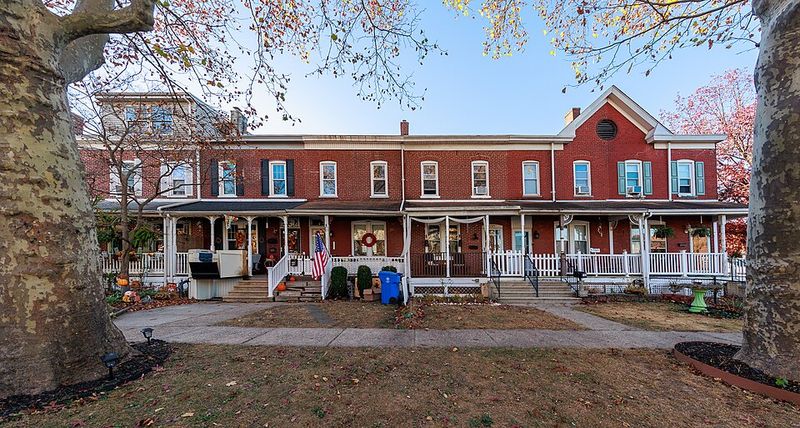
Not many places can say they were literally built from the ground up by one family with a very specific vision. Roebling is one of those rare exceptions.
In 1905, Charles G. Roebling decided that his steel mill workers deserved more than just a paycheck, so he built them an entire community to live in.
The town included 750 brick homes, a bank, a recreation hall, and everything a family could need without leaving the neighborhood. It was a self-contained world, and walking through it today still carries that feeling of careful intention.
Every street, every building was placed with purpose.
What makes this even more impressive is how well it has held together over a century later. The bones of the original design are still visible in the layout of the streets and the uniform charm of the architecture.
Roebling was never just a town. It was a statement about what workers deserved, and that message still echoes through every corner of it today.
The Roebling Family Legacy That Changed Engineering Forever
Few family names carry the kind of weight that Roebling does in American engineering history. John A.
Roebling designed the Brooklyn Bridge, one of the most recognized structures on the planet. His son Washington Roebling oversaw its construction, and then Charles G.
Roebling went on to build this entire town in New Jersey as part of the family’s industrial empire.
That is three generations of people who fundamentally shaped the way America was built. The wire rope produced at the Kinkora Works steel mill in Roebling was used in structures that millions of people cross every single day.
There is something quietly thrilling about standing in a small New Jersey town and realizing its connection to something that massive.
The family did not just build bridges and buildings. They built communities, careers, and a legacy that has outlasted most of what was popular in their era.
Visiting Roebling feels less like a local day trip and more like a hands-on history lesson that nobody thought to put in the textbooks. That kind of discovery hits differently than anything you can find in a museum gift shop.
Roebling Museum and the Stories Hidden Inside
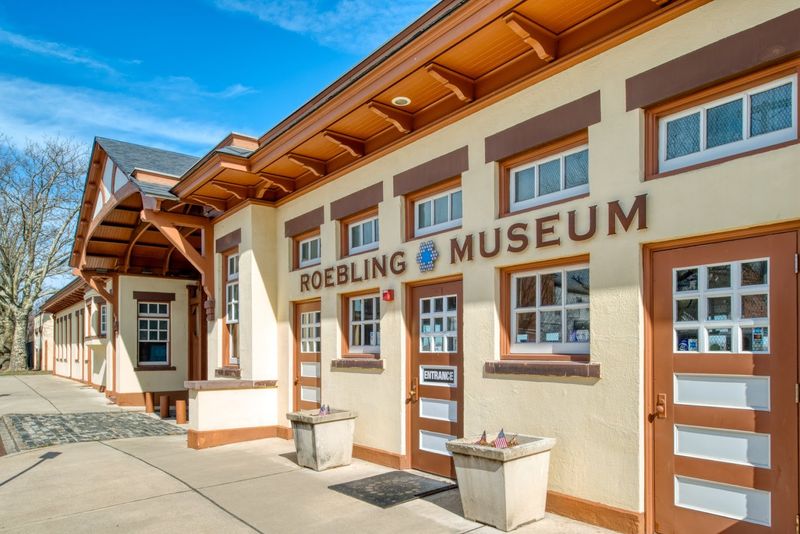
Tucked inside the former main gatehouse of the old steel mill, the Roebling Museum is the kind of place that sneaks up on you. You walk in expecting a few dusty displays and leave two hours later with your whole understanding of American industrial history rearranged.
The exhibits are genuinely engaging, not just informative.
The museum covers the Roebling family’s engineering achievements in detail, from the wire rope that held up the Brooklyn Bridge to the Golden Gate. Seeing the actual materials and tools up close gives a completely different perspective than reading about it in a book.
It feels tactile and real in a way that most history museums struggle to achieve.
Audio tours and walking tours of the surrounding town are also available, which means the experience extends well beyond the museum walls. The whole neighborhood becomes part of the story.
Wandering past the original brick homes with a little context in your ears transforms a regular walk into something genuinely memorable. This is the kind of museum that earns its place on a must-visit list, not just a nice-to-have.
Walking Tours That Turn History Into an Adventure
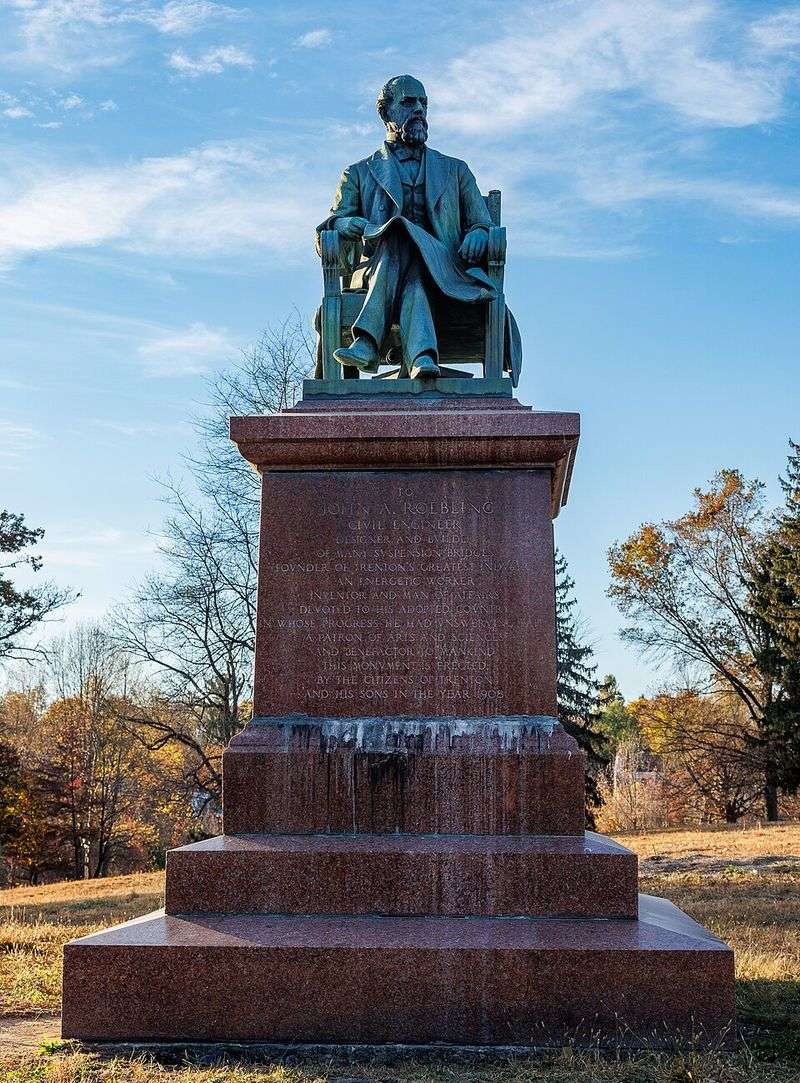
There is a real difference between reading about a place and actually walking through it. Roebling offers both audio tours and guided walking tours that bring the town’s story to life in a way that feels almost cinematic.
The streets themselves become the exhibit.
Each stop on the tour connects to something that actually happened here, a family that lived in that house, a decision that shaped the whole community. The scale of it is manageable and human-sized, which makes the history feel personal rather than overwhelming.
You are not trying to absorb a century of events all at once.
What stands out most is how the tour encourages you to look more carefully at ordinary things. A doorway, a roofline, the spacing between buildings, all of it was deliberate.
Once you start seeing the design logic behind the town’s layout, you cannot unsee it. The walking tour experience here is genuinely one of the better ones available in New Jersey, and it requires no prior knowledge of history to enjoy.
Just comfortable shoes and a genuine curiosity about the world around you.
The Kinkora Works Steel Mill and Its Industrial Footprint
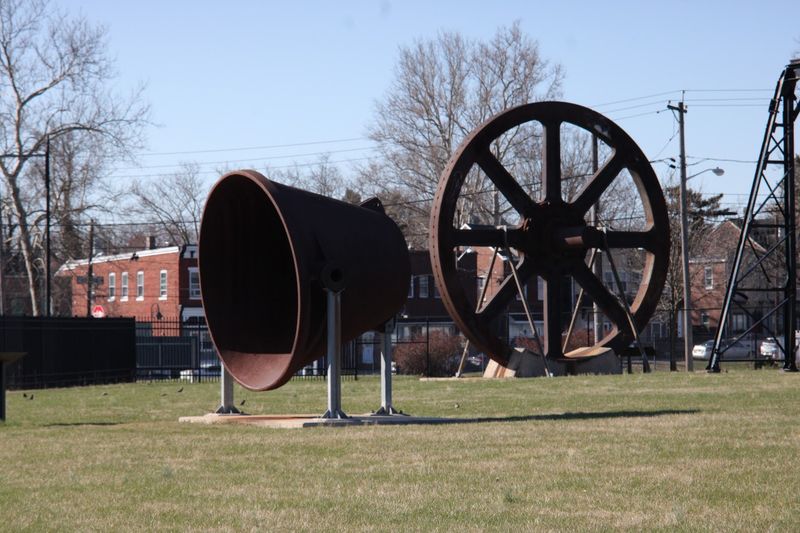
The steel mill at the heart of Roebling was not just a workplace. It was the reason the entire town existed.
The Kinkora Works produced wire rope that went into some of the most iconic structures in American history, and at its peak, it was a powerhouse of industrial output that few facilities could match.
Walking near the mill site today carries a particular kind of weight. The scale of what once operated here is still visible in the remaining structures, and the silence feels earned rather than empty.
This was a place of serious work, and the architecture reflects that seriousness in every brick and beam.
Understanding the mill helps you understand the town. Every decision Charles Roebling made about housing, streets, and community facilities was tied directly to keeping this operation running smoothly.
The workers and the mill were inseparable, and the town was designed around that relationship. Seeing those two things together, the industrial site and the residential streets, gives Roebling a coherence that most historic towns cannot quite replicate.
It all fits together because it was always meant to.
Architecture That Tells a Story Without Saying a Word
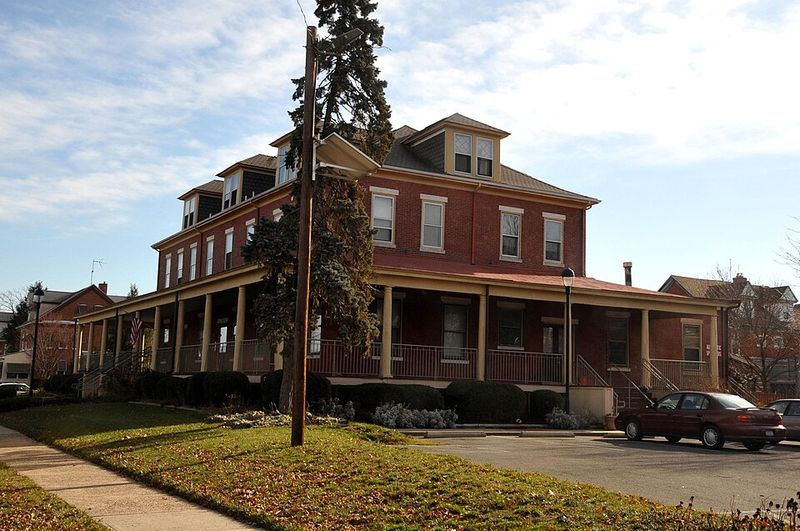
The brick homes in Roebling are not flashy, and that is exactly what makes them so interesting. They were designed to be functional, durable, and dignified, which is a combination that has aged remarkably well.
Looking at them now, there is a quiet elegance that was clearly never accidental.
Charles Roebling believed that workers deserved quality housing, and that belief shows in the construction. These were not hastily built structures thrown up to meet a deadline.
They were built to last, and more than a century later, they are still doing exactly that. The consistency of the design creates a visual rhythm as you walk through the streets that feels almost musical.
What is particularly striking is how the architecture reflects the social values of its time while also transcending them. The homes are modest but not meager.
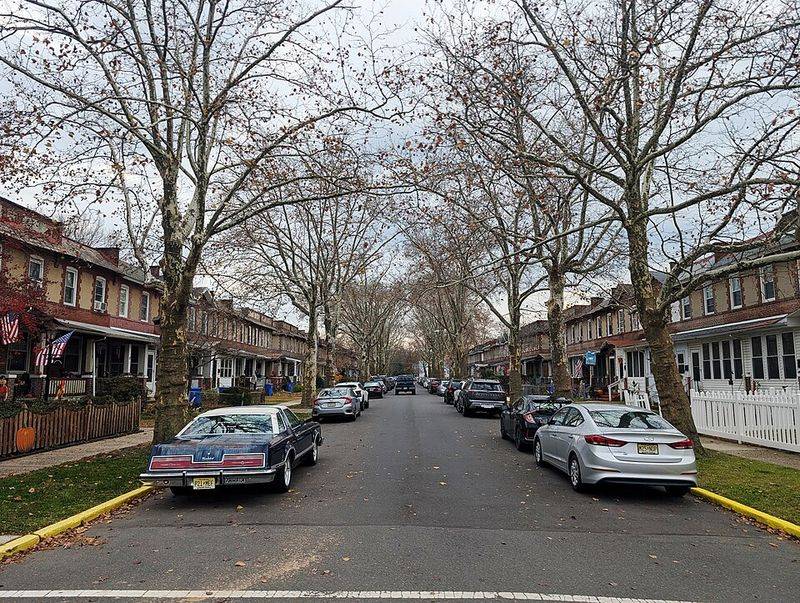
They communicate respect for the people who lived in them, and that message reads clearly even today. Roebling’s streetscapes are among the most photographable in New Jersey, not because they are dramatic, but because they are so completely themselves.
There is no pretense here, just honest, enduring design that has stood the test of time with remarkable grace.
Wire Rope, Bridges, and the Invisible Thread Connecting It All
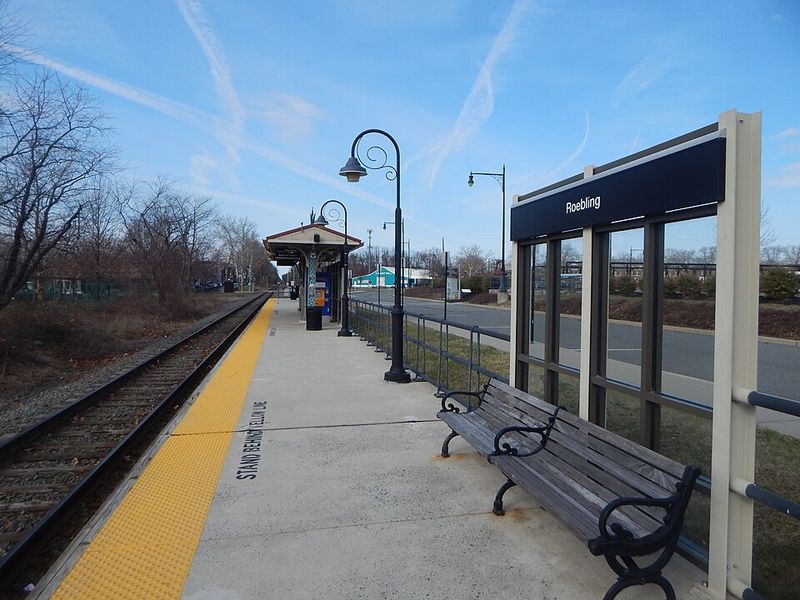
Most people have crossed a suspension bridge without thinking about what holds it up. The answer, in many iconic cases, is wire rope made right here in Roebling.
The Brooklyn Bridge and the Golden Gate Bridge both relied on wire rope produced at the Kinkora Works, which is a connection that genuinely stops you in your tracks when you realize it.
Wire rope sounds like a technical detail, but it is actually one of the most consequential inventions in American infrastructure history. Without it, the suspension bridges that transformed how cities were connected simply would not have been possible.
Roebling sits at the center of that story, even if most people driving across those bridges have no idea.
There is something quietly satisfying about tracing that invisible thread from a small New Jersey town to some of the most photographed structures in the world. It reframes what a small community can mean in the larger story of a country.
Roebling did not just house workers. It produced the materials that literally connected America across its most dramatic geographic divides.
That is a legacy worth understanding and a story worth traveling to hear firsthand.
Why Roebling Deserves a Spot on Every New Jersey Itinerary
New Jersey has a reputation problem. People think of highways and exits and forget that the state contains some of the most genuinely surprising places in the entire Northeast.
Roebling is one of the strongest arguments against that lazy stereotype.
This is a place where history is not behind glass or roped off. It is right there on the street, in the walls, in the layout of the neighborhood itself.
You do not need a tour guide to feel the weight of what happened here, though the museum and walking tours do make the experience significantly richer.
The town is accessible, free to explore, and completely unpretentious. There are no lines, no crowds, and no overpriced entry fees.
Just a well-preserved piece of American history sitting quietly in Burlington County, waiting for people to show up and appreciate it. For anyone who loves history, architecture, or just the pleasure of discovering something genuinely unexpected, Roebling delivers on every level.
It is the kind of place you tell your friends about and then feel slightly smug when they have never heard of it.
Dear Reader: This page may contain affiliate links which may earn a commission if you click through and make a purchase. Our independent journalism is not influenced by any advertiser or commercial initiative unless it is clearly marked as sponsored content. As travel products change, please be sure to reconfirm all details and stay up to date with current events to ensure a safe and successful trip.
