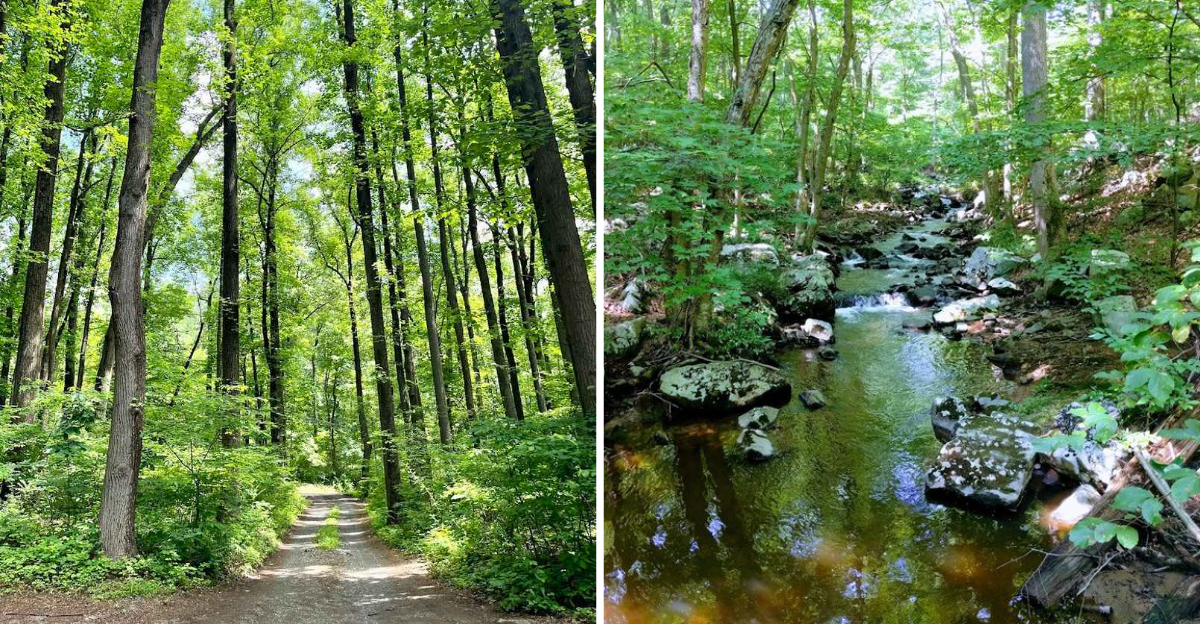
New Jersey has plenty of trails, but this one feels like nature decided to throw in a surprise party.
You’re walking along, enjoying the trees, when suddenly the sound of rushing water makes you feel like you’ve stumbled into a hidden concert.
I remember the first time I found it… I thought I was lost, then realized I’d discovered something way cooler than my GPS could ever plan.
The ravine is lush, dramatic, and has that “secret spot” vibe that makes you want to brag about it but also keep it to yourself.
Don’t you love when a hike turns into an unexpected adventure?
This trail proves New Jersey hides more magic than most people give it credit for.
The Roaring Creek Phenomenon That Started It All
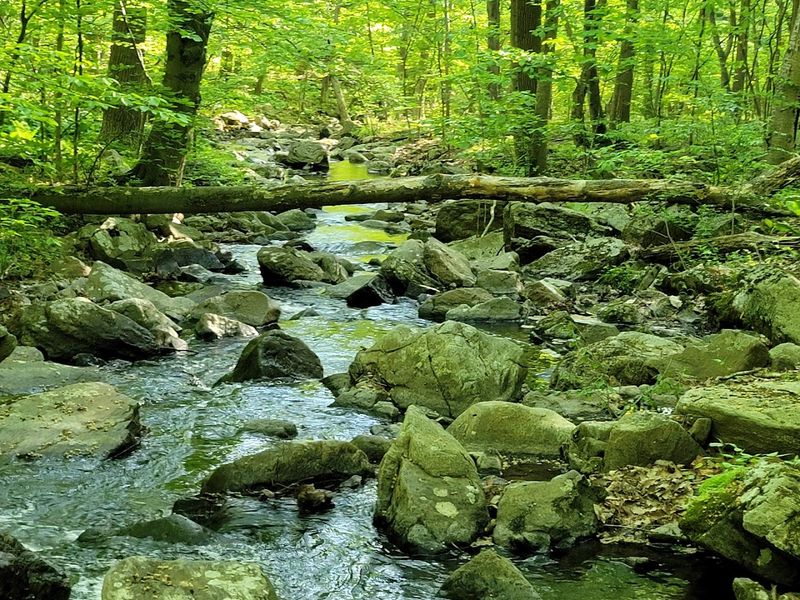
Some natural sounds stop you mid-step. That is exactly what happens when Brass Castle Creek comes into earshot along the trails of Roaring Rock Park.
The water rushes past massive boulders with such force that it creates a deep, resonant roar, especially after rainfall or during spring snowmelt when the creek runs high and fast.
The sound carries through the ravine before you even see the water. It builds slowly, growing more intense as the trail descends toward the creek bed.
Standing beside it feels almost theatrical, like the forest itself is putting on a performance just for you.
The roaring happens because of the creek’s narrow channel and the irregular placement of large rocks that disrupt the water flow. It is not a waterfall in the traditional sense.
It is something more dynamic, more unpredictable, and honestly more impressive because of it.
Visiting after a rainstorm gives you the full experience. The sound peaks, the water turns frothy white, and the whole ravine feels alive with energy.
It is the kind of moment that makes you want to come back every single season just to hear how different it sounds.
White Trail: The Loop That Rewards Your Legs
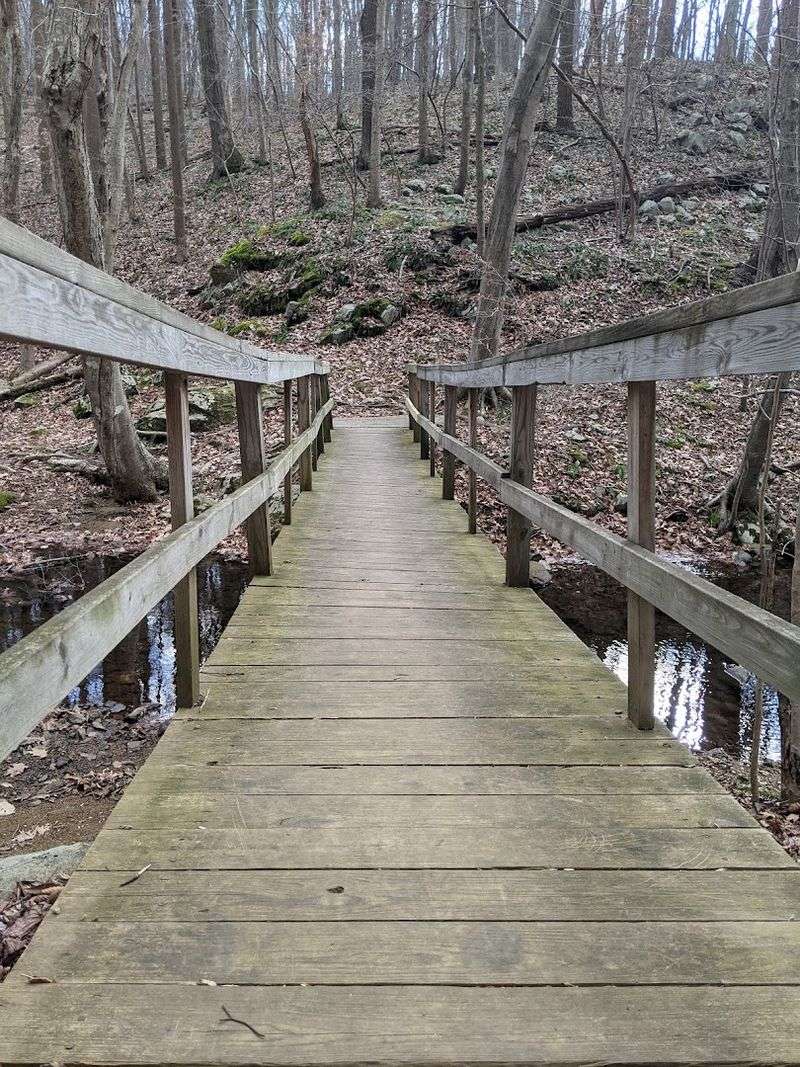
Lacing up your boots for the White Trail feels like committing to something genuinely worthwhile. At roughly 1.9 miles long, this loop follows the top of a hillside and offers some of the park’s best elevated perspectives, including views into an old reservoir that feels like a forgotten chapter of the landscape.
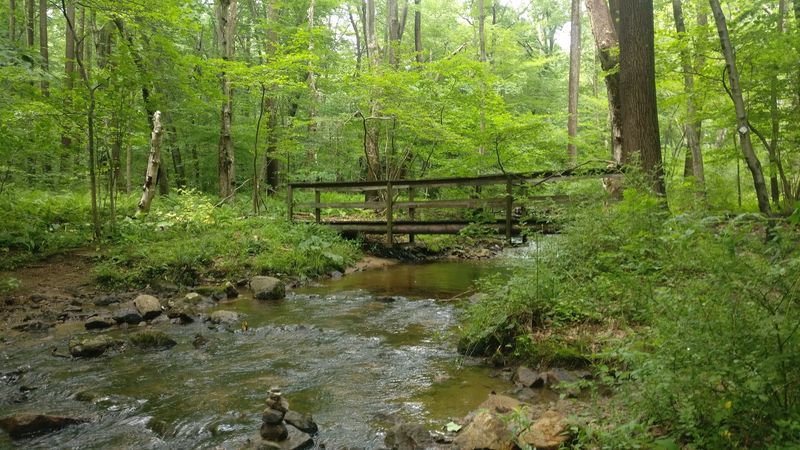
A wooden footbridge crosses Roaring Rock Brook partway through, and pausing there for a few minutes is practically mandatory. The water below moves with quiet purpose, and the surrounding trees frame the scene in a way that feels almost too picturesque to be real.
The trail gains about 200 feet in elevation, which gives your legs a solid workout without pushing into exhausting territory. Winter visits are surprisingly rewarding here because bare branches open up views that disappear completely once summer foliage fills in.
Trail blazes are painted clearly and spaced well, so navigation stays simple even for first-timers. Wearing sturdy footwear matters because the path includes loose fieldstone and exposed roots in several spots.
The whole loop takes most people just over an hour, making it an ideal morning outing that leaves the rest of your day wide open.
Blue Trail: Descending Into the Heart of the Ravine
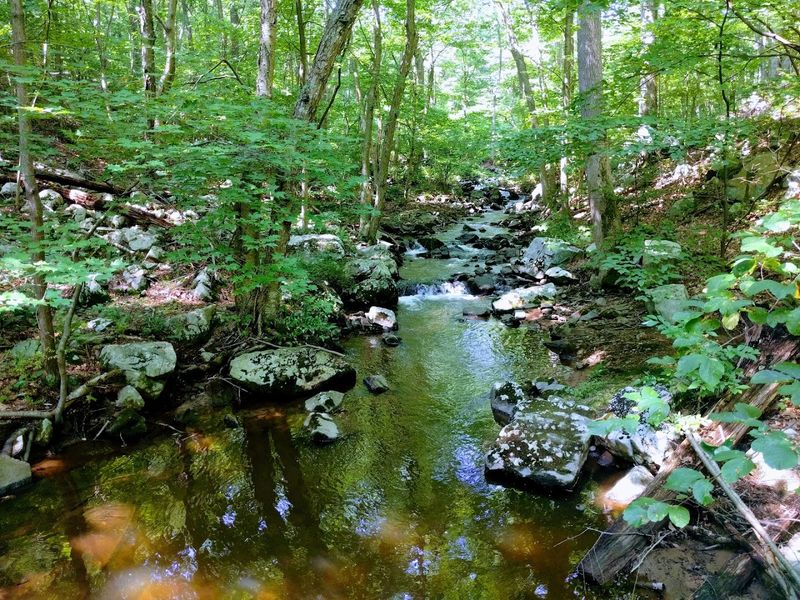
The Blue Trail has a different personality entirely. Where the White Trail stays elevated and breezy, the Blue Trail pulls you downward, deeper into the ravine where the air gets cooler and the sounds of the creek grow louder with every step.
At approximately 1.4 miles, this trail reaches the East Overlook before continuing along Roaring Rock Brook. The overlook itself is worth the effort, offering a seasonal view that transforms dramatically depending on when you visit.
Fall brings fiery color. Spring brings fresh green.
Winter strips everything bare and reveals the bones of the landscape.
Rock outcroppings along this trail are genuinely interesting to explore. Some formations jut out at unexpected angles, and the moss covering many of them gives the whole scene a prehistoric, almost otherworldly quality.
The descent can feel steep in places, particularly after wet weather when leaves cover the path and make footing unpredictable. Long pants and solid trail shoes are smart choices here.
Combining the Blue Trail with the White Trail creates a satisfying two-mile hike that covers most of what the park has to offer, and the variety between the two keeps the experience feeling fresh from start to finish.
Fishing in Brass Castle Creek: Trout and Tranquility
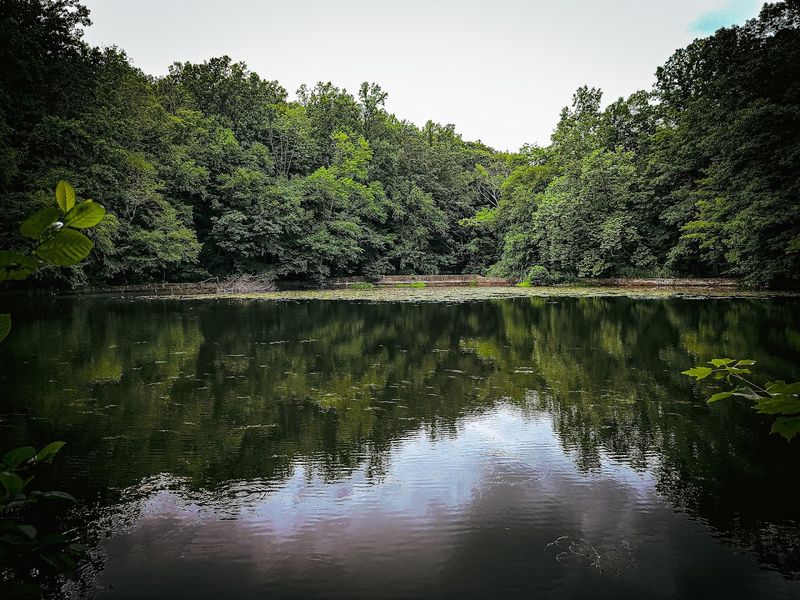
Brass Castle Creek carries a quiet reputation among fishing enthusiasts in Warren County. The creek is stocked with trout, which makes it a legitimate destination for anglers who want something more than just a pretty backdrop while they cast their line.
Standing at the creek’s edge with a rod in hand feels removed from the usual noise of daily life. The water is clear in calmer sections, and the forest presses in close on both sides, creating a natural corridor that feels almost private even on busier days.
Trout fishing here rewards patience. The stocked fish move with the current, and finding productive spots often means walking the bank and reading the water carefully.
Shallow riffles, deeper pools near boulders, and slower eddies all hold fish at different times.
If you catch a wild trout, the respectful move is to release it gently back into the current. Keeping the ecosystem healthy ensures future visitors get the same experience.
Bring appropriate gear, check New Jersey fishing regulations before heading out, and give yourself enough time to actually settle in and enjoy the surroundings. The fishing here is good, but the setting is what makes it genuinely special.
401 Acres of Passive Recreation and Pure Quiet
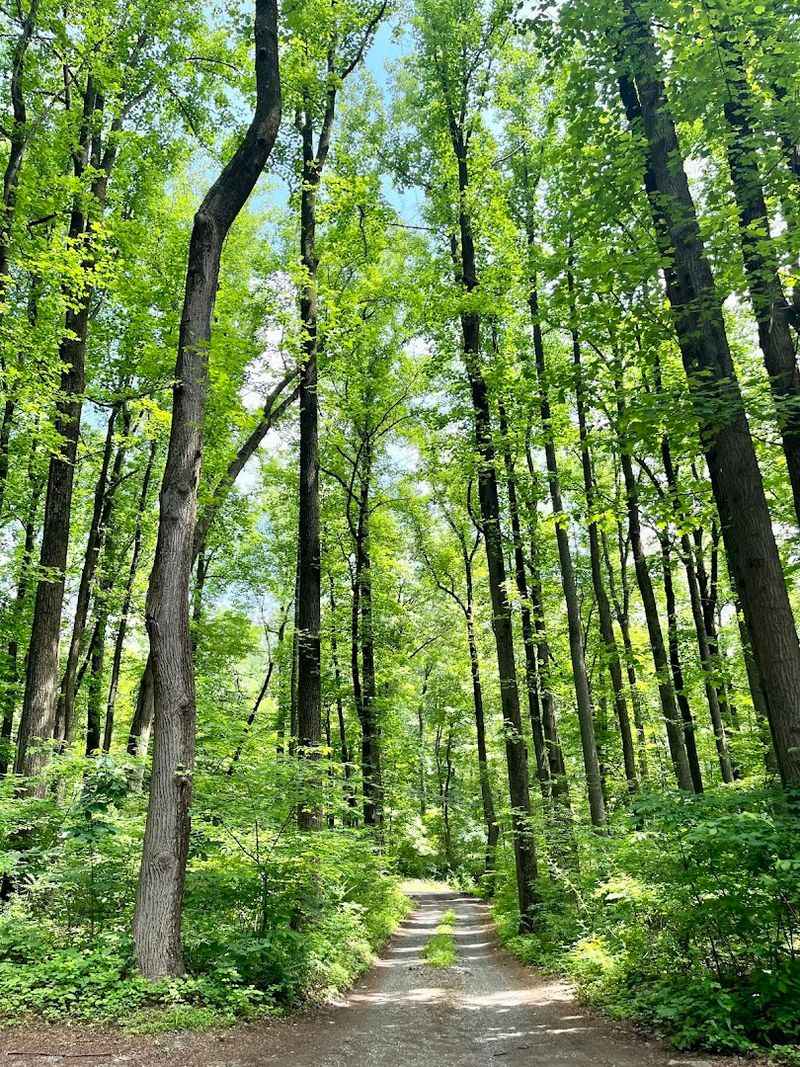
Four hundred and one acres sounds like an abstract number until you are standing inside all of it. Roaring Rock Park was set aside specifically for passive recreation, which means no motorized vehicles, no commercial development, and no noise beyond what the forest itself generates.
That intentional quietness shapes the entire experience. Hikers here tend to speak softly.
Footsteps on the trail become the loudest human sound. The park absorbs everything else and replaces it with birdsong, creek noise, and the occasional rustle of something small moving through the underbrush.
Washington Township made a deliberate choice in preserving this land for exactly this kind of use. The result is a space that feels genuinely protected, not just technically designated.
The difference is noticeable the moment you step past the trailhead and the parking lot disappears behind you.
Spending time in a space this large and this quiet has a particular effect on the mind. The trails are not long by distance standards, but the park feels expansive because the forest is dense and the terrain varied.
Every visit uncovers something slightly different, a new angle on a familiar rock, a different quality of light through the canopy, a sound the creek makes that you did not catch last time.
Conservation Win: How the Forest Was Saved
In early 2021, Roaring Rock Park came close to looking very different. A proposed forest management plan that included commercial logging threatened to fundamentally alter the character of the land.
Local residents pushed back hard, forming a dedicated group to advocate for the park’s preservation.
Their efforts worked. Washington Township terminated the logging plan, and the forest remained intact.
That outcome matters more than it might seem on the surface, because what visitors experience today, the dense canopy, the undisturbed ravine, the thriving creek, exists because people fought to keep it that way.
Walking through the park now carries a small extra layer of appreciation when you know that story. The tall trees overhead are not just scenery.
They are the result of a community deciding that some places are worth protecting even when economic arguments push in the other direction.
The group that formed during that effort continues to be active through their organization at srrpnj.org. Their work represents the kind of grassroots conservation that does not make national headlines but makes an enormous difference at the local level.
Parks like this one stay beautiful because someone chose to fight for them, and that is worth knowing before your next visit.
What to Pack Before You Hit the Trailhead
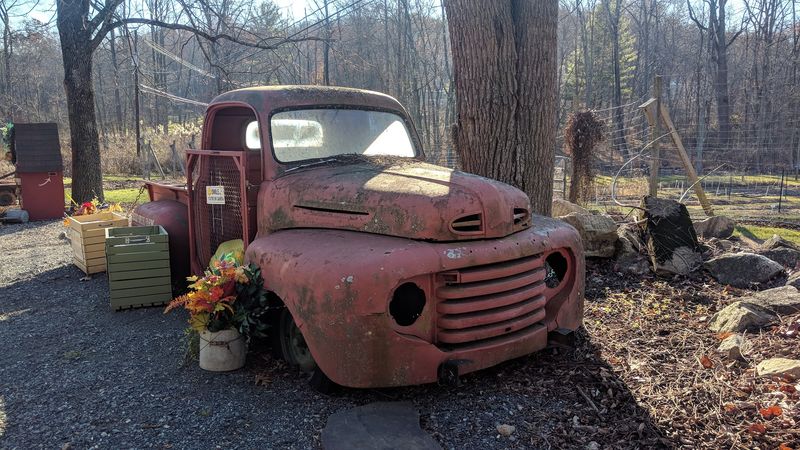
Showing up underprepared at Roaring Rock Park is the one thing that can take the edge off an otherwise great visit. The trails here are not technical, but they are rocky, rooted, and occasionally steep, so what you bring genuinely matters.
Sturdy hiking shoes are non-negotiable. Trail runners or low-cut hiking boots with good grip handle the terrain well.
Sandals and casual sneakers will work against you, especially on the Blue Trail descent or after rain when leaves make the path slippery.
Trekking poles are worth considering for anyone with knee concerns or anyone tackling the steeper sections. The trail blazes are well-placed, but a small trail map or a downloaded offline map on your phone adds peace of mind.
Long pants are a smart call because poison ivy grows along the trail edges in several spots, particularly on the narrower sections. Bug spray during warmer months helps too.
Water and snacks are easy to forget on a short hike, but even a two-mile loop feels better with something to drink midway through. The parking area is the last convenience stop before you head out, so do a quick gear check before leaving the car behind.
Getting There and Making the Most of Your Day
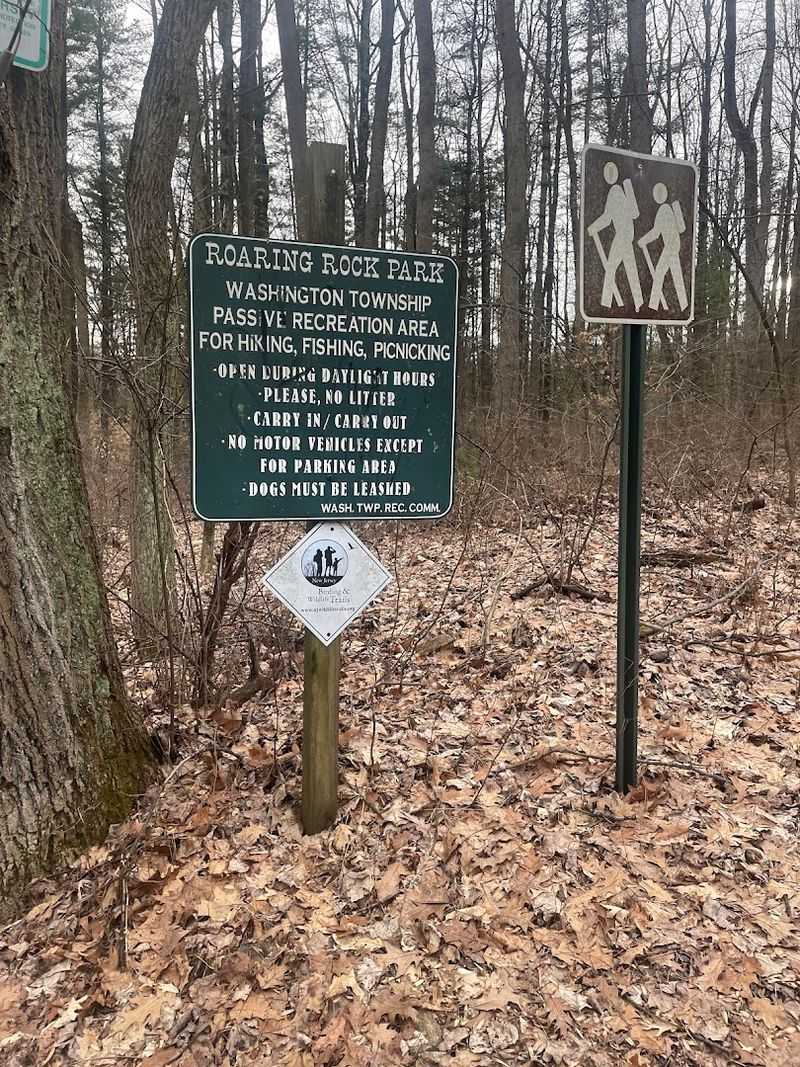
Finding Roaring Rock Park for the first time requires a little attention to detail. Access runs via Brass Castle-Harmony Road, specifically County Route 647, about 0.6 miles from its intersection with Brass Castle Road.
A short drive down a gravel road from the main road leads directly to the parking area.
The lot is small and fills up on popular weekend mornings, so timing your arrival for early in the day gives you the best experience. Weekday visits are almost always quiet, which suits the park’s passive recreation character perfectly.
Once you park, the trailhead is immediately accessible and well-marked. Starting with the family trail for a warm-up before connecting to either the White or Blue Trail is a solid strategy for first-time visitors who want to get a feel for the terrain before committing to elevation.
Nearby, the Tibetan Buddhist Monastery offers an interesting cultural stop if you want to extend your day in the area. The park itself has no food vendors or facilities beyond the picnic area, so bringing your own lunch turns the outing into a full half-day adventure.
Pack something good, find a spot by the creek, and let the sound of the water do the rest.
Address: Harmony Brass Castle Rd, Washington, NJ
Dear Reader: This page may contain affiliate links which may earn a commission if you click through and make a purchase. Our independent journalism is not influenced by any advertiser or commercial initiative unless it is clearly marked as sponsored content. As travel products change, please be sure to reconfirm all details and stay up to date with current events to ensure a safe and successful trip.
