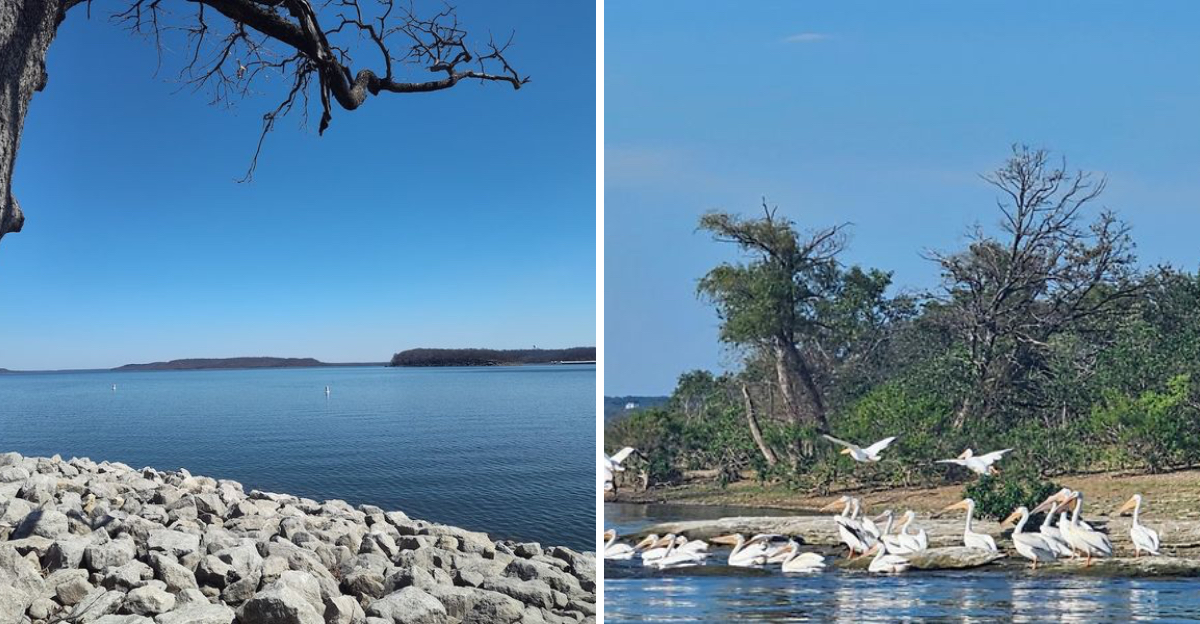
Most people driving through northeastern Oklahoma have never stopped at Oologah Lake, and that is exactly what makes it so worth your time.
Located in Rogers County, this reservoir stretches across a landscape of rolling green hills, quiet coves, and marshy shorelines that feel like they belong in a nature documentary.
The lake sits near the small town of Oologah, about 15 miles north of Claremore, and covers roughly 29,000 acres of water.
Anglers, paddlers, birdwatchers, and campers have been quietly enjoying this place for decades without the crowds that follow more famous Oklahoma lakes.
If you are looking for a slower, more rewarding outdoor experience where the wildlife outnumbers the jet skis, this is the spot.
The Story Behind Oologah Lake
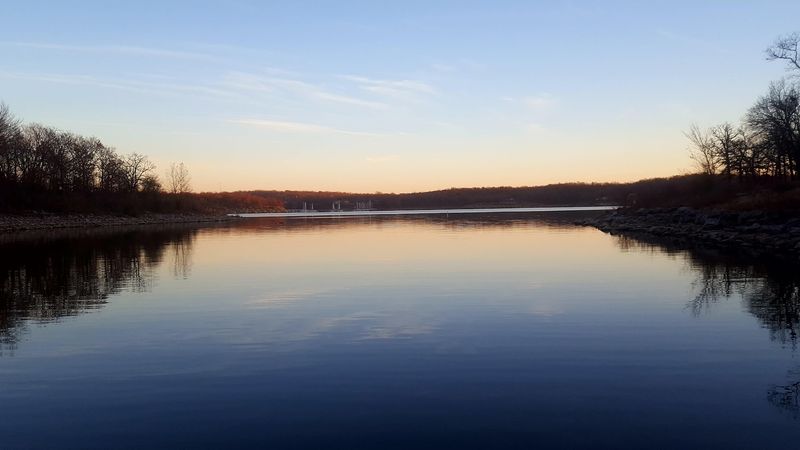
Long before the lake existed, the land along the Verdigris River in northeastern Oklahoma was Cherokee territory, and the town of Oologah grew up on those same banks. The U.S.
Army Corps of Engineers built Oologah Dam in 1963, creating the reservoir that now covers about 29,000 acres and stretches across Rogers and Nowata counties.
The name “Oologah” comes from a Cherokee word, and locals say it is a reliable test of whether someone is actually from the area. Pronouncing it correctly, “oh-LAH-guh,” is a small badge of regional pride that visitors quickly pick up.
The lake was designed primarily for flood control and water supply, but it did not take long for outdoor enthusiasts to realize what a recreational resource it had become.
The surrounding landscape of eastern Oklahoma grasslands and wooded ridges gave the reservoir a setting that felt almost accidental in its beauty.
Will Rogers, one of Oklahoma’s most beloved figures, was born near Oologah, and the area carries that heritage with quiet pride. The lake’s history is layered, local, and genuinely interesting to explore before you ever put a paddle in the water.
The Remote Coves That Set This Lake Apart
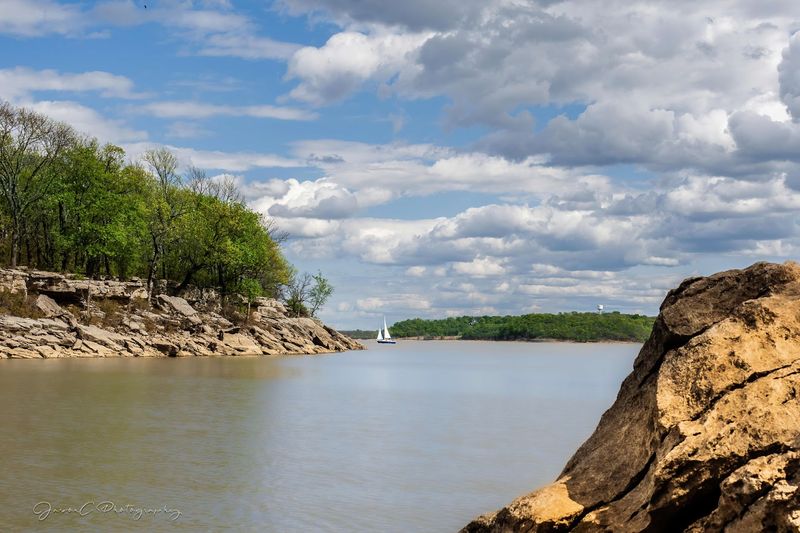
One of the first things you pick up on when exploring Oologah Lake is just how many hidden coves cut into the shoreline. The lake has an irregular, sprawling shape with fingers of water reaching into the surrounding hills, creating pockets of calm that feel entirely removed from the main channel.
Paddling a kayak or stand-up paddleboard into one of these coves feels like finding a private room inside a much larger house. The water goes still, the sounds of any distant boat traffic fade, and you are left with birdsong, wind, and the occasional splash of a jumping fish.
These coves are also prime fishing territory. Bass, catfish, crappie, and saugeye all use the sheltered areas as feeding grounds, which is why you will often find bank anglers tucked into the edges early in the morning.
The varied structure of the coves gives both fish and fishermen plenty to work with.
For anyone who has ever felt crowded out at a more popular reservoir, these remote inlets are a genuine change of pace, and they reward the visitors who take the time to explore beyond the obvious launch ramps.
Wildlife and the Marshy Shoreline Habitat
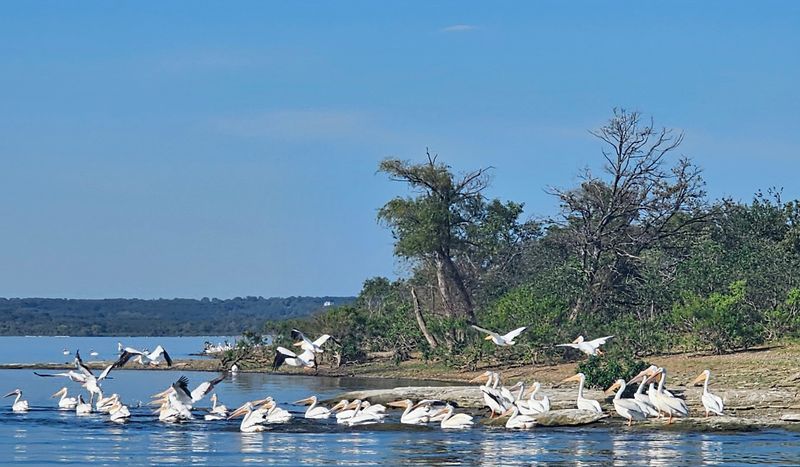
The marshy edges of Oologah Lake are genuinely alive in a way that catches you off guard. Great blue herons stand motionless in the shallows like they are posing for a painting, while egrets pick their way through the reeds with unhurried confidence.
White-tailed deer are a common sight along the wooded banks, especially in the early morning and late evening hours. The lake sits along migratory bird corridors, which means that during spring and fall, the variety of species passing through can be remarkable for birdwatchers who show up with binoculars and patience.
The wetland zones along the northern and eastern arms of the lake provide nesting habitat for waterfowl, and it is not unusual to come across families of wood ducks moving through the cattails. Turtles sun themselves on logs, and the occasional river otter has been spotted working the shallower sections.
What makes this wildlife experience feel authentic is the lack of heavy foot traffic in many of these areas. The marshy shores have not been manicured into park-perfect tidiness, and that wildness is exactly what makes them worth seeking out during any visit to this corner of Oklahoma.
Fishing at Oologah Lake Is Seriously Good
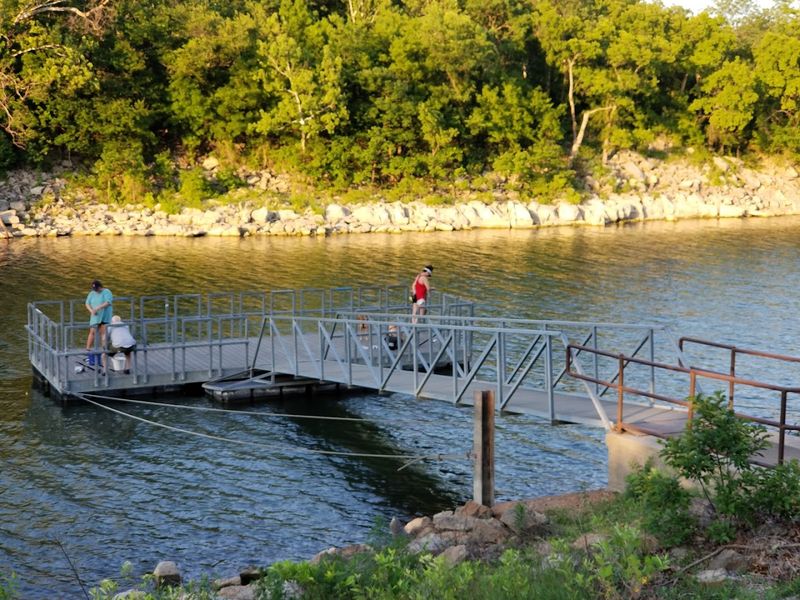
Fishing is probably the most popular reason people make the trip to Oologah Lake, and the lake absolutely delivers on that reputation. The reservoir is managed by the Oklahoma Department of Wildlife Conservation, and the fish populations here are consistently healthy.
Largemouth bass are the headline catch, but saugeye, white bass, channel catfish, and crappie keep the action varied throughout the year. Bank fishing is accessible at multiple points around the lake, which means you do not need a boat to have a productive day on the water.
Below the dam, the tailwater section is particularly productive for saugeye and catfish, and anglers who fish that stretch regularly describe it as one of the more reliable spots in northeastern Oklahoma. The current creates feeding opportunities that bring fish in close to shore.
Early spring and late fall are generally considered the best seasons for bass fishing, while catfish tend to be most active during the warmer summer months. Crappie fishing peaks in spring when the fish move into the shallower coves to spawn.
Fishing licenses are required for anyone 16 and older, and they can be purchased easily online through the Oklahoma Department of Wildlife Conservation before your visit.
Camping Options Around the Lake
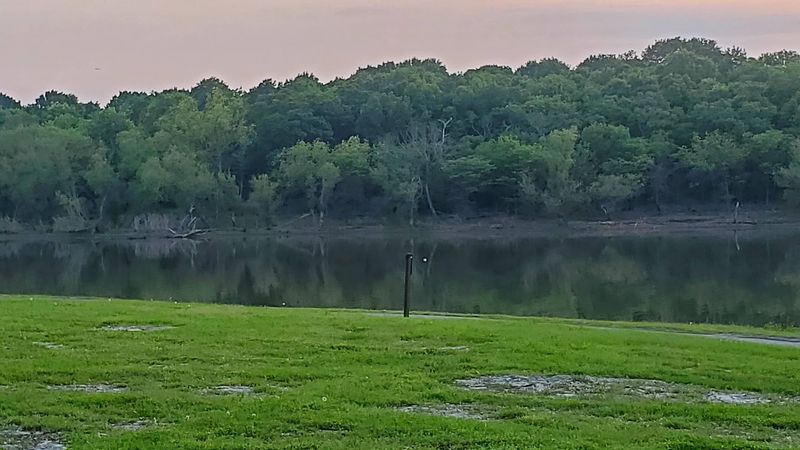
Blue Creek Campground is the most talked-about camping spot at Oologah Lake, and it earns that reputation with a combination of solid facilities and genuinely pretty lake views.
The campground sits on the western side of the lake and offers sites with electrical hookups, clean restrooms, and shower facilities.
The campground also has a playground, a volleyball net, a basketball court, and horseshoe pits, which makes it a strong choice for families who want activities beyond the water. There are even campsites with horse pens and access to a horse trail for riders who want to explore the surrounding terrain.
One practical note for anyone bringing a travel trailer or RV: water hookups are limited, so filling your fresh water tank before arriving is a smart move. The town of Claremore is about 15 minutes away and can cover any supply needs.
The campground hosts and volunteers are known for being friendly and helpful, which adds to the relaxed atmosphere of the place.
Some campsites are free, and the covered pavilions can also be reserved at no cost, making this one of the more budget-friendly camping destinations in Oklahoma for outdoor families.
Boating and Water Activities on Open Water
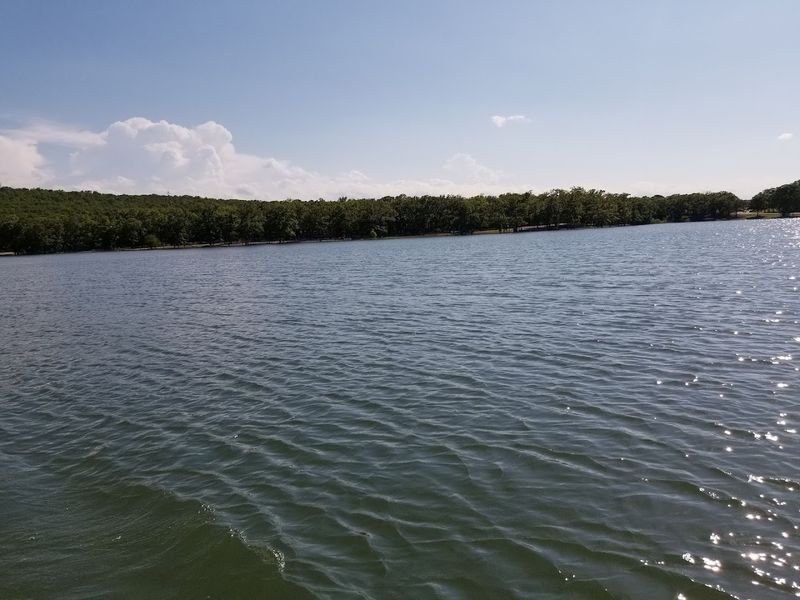
With nearly 29,000 acres of water and multiple boat ramps spread around the shoreline, Oologah Lake has plenty of space for boaters who want to open up the throttle on a clear summer day. The lake is large enough that even on busy weekends, you can find stretches of open water without feeling crowded.
Sailing is a real option here, and the size of the lake makes it one of the more viable sailing destinations in northeastern Oklahoma. Stand-up paddleboarding has also grown in popularity, particularly in the calmer cove areas where the water stays flat and the scenery makes every stroke feel worthwhile.
Swimming is available at designated areas, including a sand beach where families spread out towels and kids dig through the sandy bottom looking for interesting rocks. The swim area is well-maintained and accessible, with nearby restrooms making it a practical spot for a family afternoon.
If you are planning to bring a boat, checking current lake conditions and ramp availability through the U.S. Army Corps of Engineers website before your trip is always a good idea.
Water levels can shift seasonally, and knowing what to expect saves time once you arrive at this expansive Oklahoma reservoir.
Birdwatching Along the Shoreline Trails
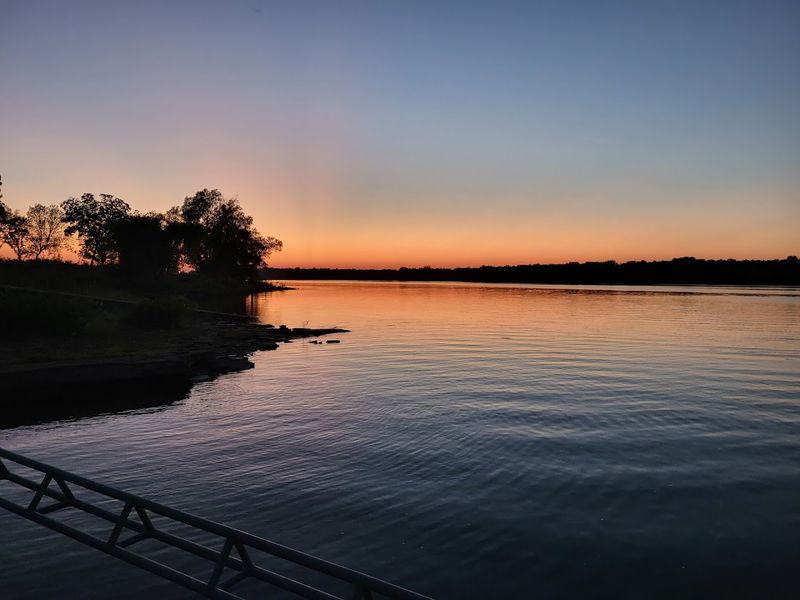
Birdwatching at Oologah Lake is one of those activities that rewards patience in a very satisfying way. The combination of open water, wooded hillsides, and marshy wetland edges creates a layered habitat that attracts an impressive variety of species across all four seasons.
During spring migration, warblers move through the lakeside trees in waves, and shorebirds work the muddy edges when water levels drop enough to expose flats. Osprey and bald eagles are regular visitors, particularly during cooler months when they patrol the open water for fish near the surface.
The nature trails around the lake provide access to habitat zones that are harder to reach by boat, and walking them slowly in the early morning hours is the most productive approach. Deer are frequently spotted along these same trails, often close enough to make for a memorable encounter.
Red-tailed hawks are a constant presence overhead, and great horned owls can be heard calling after dark from the wooded ridges above the campgrounds.
The biodiversity at this lake surprises a lot of first-time visitors who come expecting a standard Oklahoma reservoir and leave with a life list entry or two they did not anticipate finding.
The Oar House Restaurant and Local Flavor
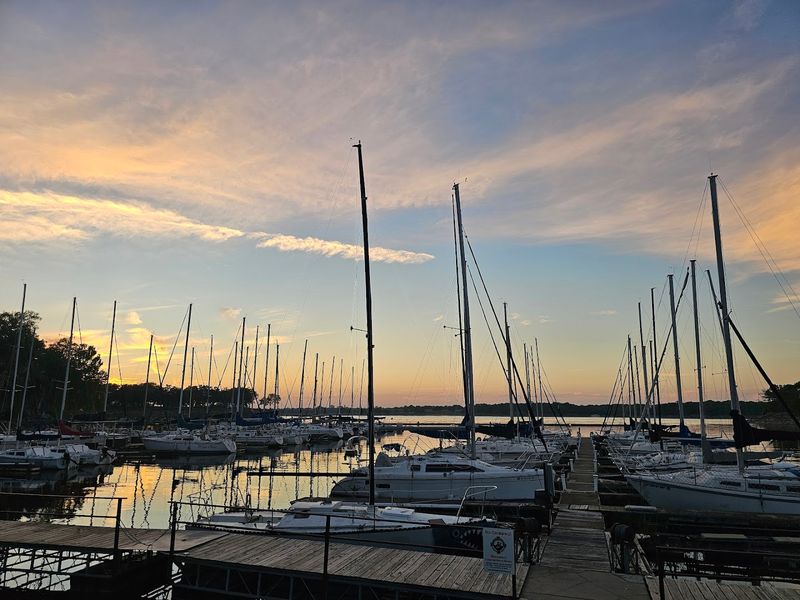
Not every reservoir in Oklahoma has a lakeside restaurant worth mentioning, but Oologah Lake has The Oar House, a seasonal spot that has built a loyal following among both locals and returning visitors.
The restaurant operates during the warmer months and sits close enough to the water that the setting alone makes the meal feel like an occasion.
The food is the real draw, with Chef Jenny running the kitchen and turning out meals that go well beyond typical lake-country fare.
Visitors who make a point of timing their trip to coincide with the restaurant’s open season consistently come away impressed by both the quality and the warmth of the experience.
Finding a genuinely good meal near a rural Oklahoma lake is not always a given, which makes The Oar House feel like a bonus feature on top of an already strong destination. The seasonal nature of the restaurant adds a small sense of urgency to planning your visit around it.
Claremore, about 15 minutes south of the lake, also offers a broader range of dining and shopping options for visitors who need to stock up on supplies or are looking for a meal on days when The Oar House is closed for the season.
Best Times to Visit Oologah Lake
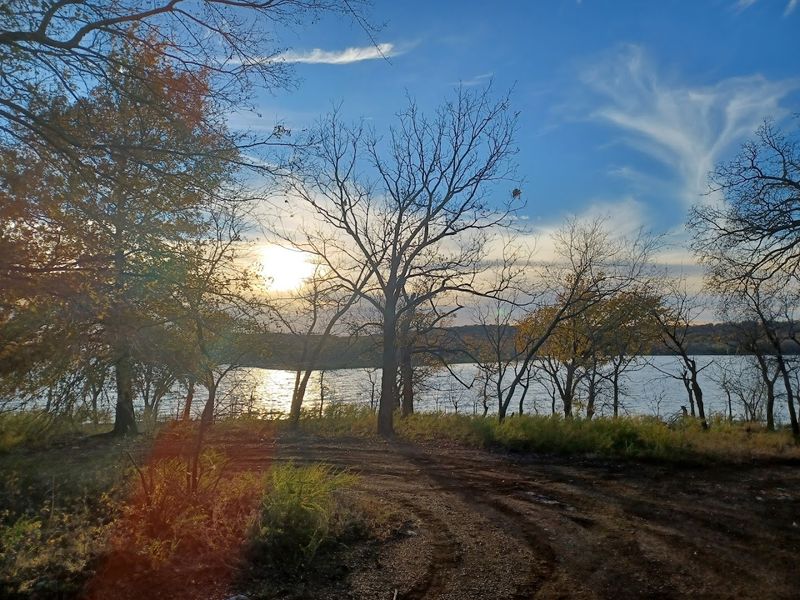
Spring is arguably the most rewarding season to visit Oologah Lake. The wildflowers bloom across the surrounding hills, migratory birds fill the trees, and the bass fishing reaches its peak as water temperatures rise and fish move into the shallows.
Summer brings families out in force, and the campgrounds fill up on weekends, particularly around holidays. The water is warm enough for swimming, and long daylight hours mean you can squeeze a lot into a single day.
Early morning and late evening are the best times to be on the water during summer, both for fishing and for avoiding the heat that settles over northeastern Oklahoma in July and August.
Fall is a quieter and in many ways more beautiful time to visit. The hardwood trees along the shoreline shift into orange and gold, the crowds thin out considerably, and the cooler air makes hiking the nature trails genuinely pleasant.
Winter visits are possible and can be rewarding for birdwatchers, as bald eagles and other raptors are more visible when the trees are bare.
Campground availability is higher in the off-season, and the solitude of the lake during a cold, clear December morning is the kind of experience that is hard to replicate at a busier destination.
Planning Your Trip to Oologah Lake
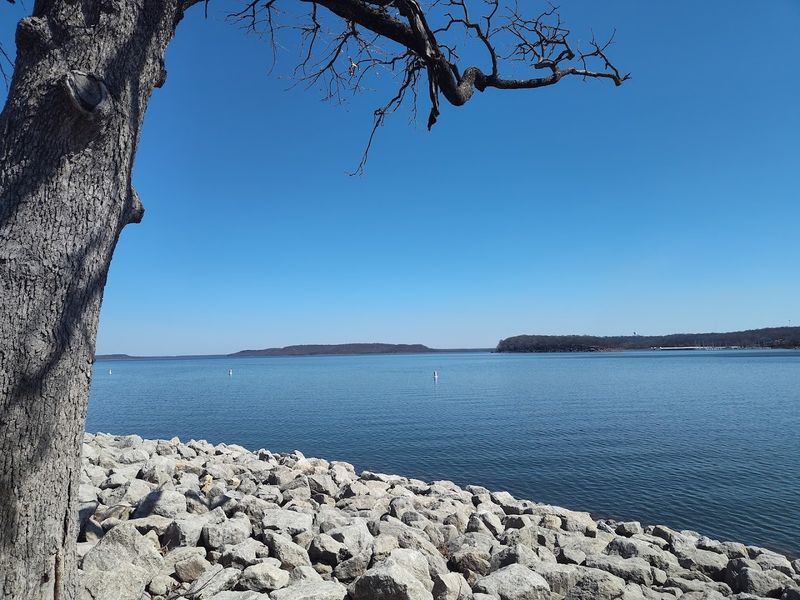
Oologah Lake is managed by the U.S. Army Corps of Engineers, and most of the recreation areas around the lake are free to access.
Some campgrounds charge a small fee for sites with electrical hookups, but the covered pavilions and many of the day-use areas come at no cost, which makes this one of the more accessible outdoor destinations in Oklahoma.
The lake is located in Rogers County, with the town of Oologah nearby and Claremore about 15 miles to the south. Claremore is the most practical base for supplies, fuel, and any last-minute gear needs before heading out to the water.
Multiple boat ramps are distributed around the lake, and the U.S. Army Corps of Engineers website provides current information on ramp conditions, lake levels, and campground availability.
Checking that resource before your trip prevents surprises, especially during periods of high or low water.
Cell service can be spotty in some of the more remote areas around the lake, so downloading offline maps before you arrive is a practical step.
Packing layers is also smart, as northeastern Oklahoma weather can shift quickly in spring and fall, and a morning that starts warm can turn cool by the time the sun drops behind the ridgeline.
Dear Reader: This page may contain affiliate links which may earn a commission if you click through and make a purchase. Our independent journalism is not influenced by any advertiser or commercial initiative unless it is clearly marked as sponsored content. As travel products change, please be sure to reconfirm all details and stay up to date with current events to ensure a safe and successful trip.
