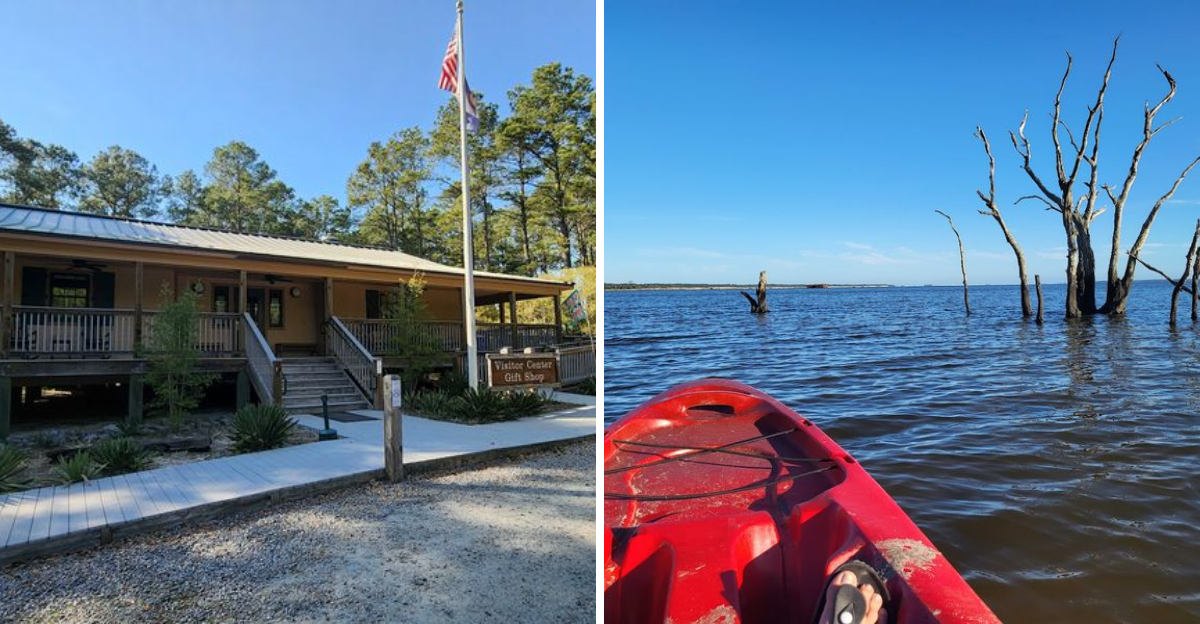
You cannot drive to this park. That is the first thing you need to know.
The only ways in are by foot, bike, or boat, which means the crowds never find it. This underrated Virginia state park is so little-known that you will practically have it all to yourself.
I hiked in on a sunny morning and spent the day with nothing but sand, dunes, and the sound of waves. No hotels, no gift shops, no boardwalk chaos.
Just raw, untouched coastal landscape that makes you feel like you have discovered something the rest of the world forgot about. The park is part of a larger natural area, with miles of trails and pristine beaches.
Virginia has plenty of state parks, but this one is a secret. Go before the word gets out.
Why No Roads Lead Here (And That’s the Whole Point)
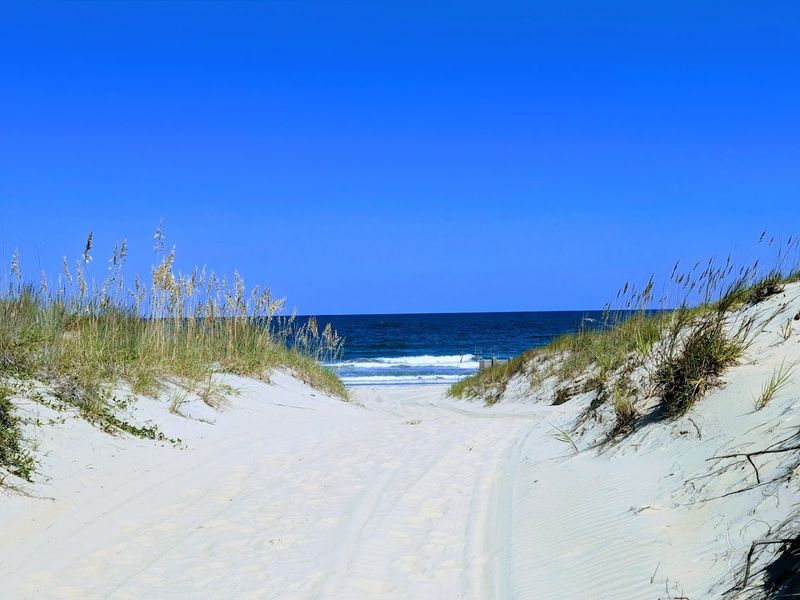
Public vehicles are banned entirely at False Cape State Park, and that single rule changes everything. No parking lots spilling over with minivans, no traffic noise cutting through the pine canopy, no crowds fighting for a patch of sand.
Just you, your bike or your boots, and miles of unspoiled Virginia coastline stretching ahead.
Getting here is part of the adventure. Most people pedal or hike through the Back Bay National Wildlife Refuge, a journey that can stretch between four and nine miles depending on your route.
Others paddle in by kayak, gliding across the bay with ospreys circling overhead. A seasonal tram called the Blue Goose Express also runs from the refuge entrance for those who prefer a guided approach.
The inaccessibility is precisely what preserves the magic. False Cape State Park sits on one of the last undeveloped stretches of Atlantic coastline anywhere on the East Coast, and the no-vehicle policy is the reason it stays that way.
Virginia has plenty of beautiful parks, but very few that genuinely feel like the rest of the world has been switched off. Pack your patience alongside your sunscreen, because this journey rewards every step.
Six Miles of Beach With Practically Nobody On It
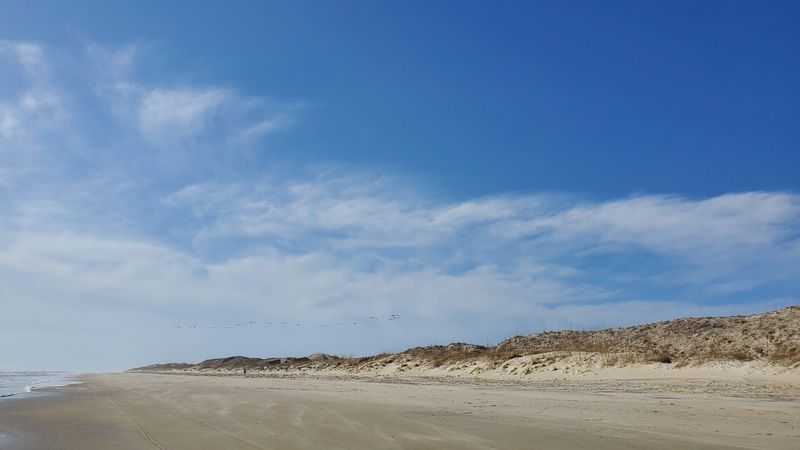
Imagine standing on a six-mile stretch of Atlantic beach and being able to count the other people on one hand. That’s a Tuesday at False Cape State Park, and honestly, it’s a Saturday too.
The beach here is genuinely, almost absurdly, uncrowded, because earning your way in filters out the casual day-trippers who’d rather park and plop.
The sand is clean, the dunes are tall and windswept, and the waves roll in with that satisfying rhythm that makes you forget you had a to-do list. Beachcombing is spectacular here.
Huge conch shells, sand dollars, and sea glass appear regularly along the tide line, left undisturbed because foot traffic stays so low. Loggerhead sea turtles nest along this shore during warmer months, quietly going about their ancient business.
Sunrise over the Atlantic from this beach is something I genuinely struggle to describe without sounding dramatic. The sky turns shades of orange and pink that feel almost excessive, reflecting off water that hasn’t been churned up by jet skis.
Virginia has beautiful beaches all along its coast, but nothing matches the raw, uninterrupted quiet of this particular stretch. Come prepared to feel very small and very lucky simultaneously.
The Wash Woods Ghost Town That History Nearly Forgot
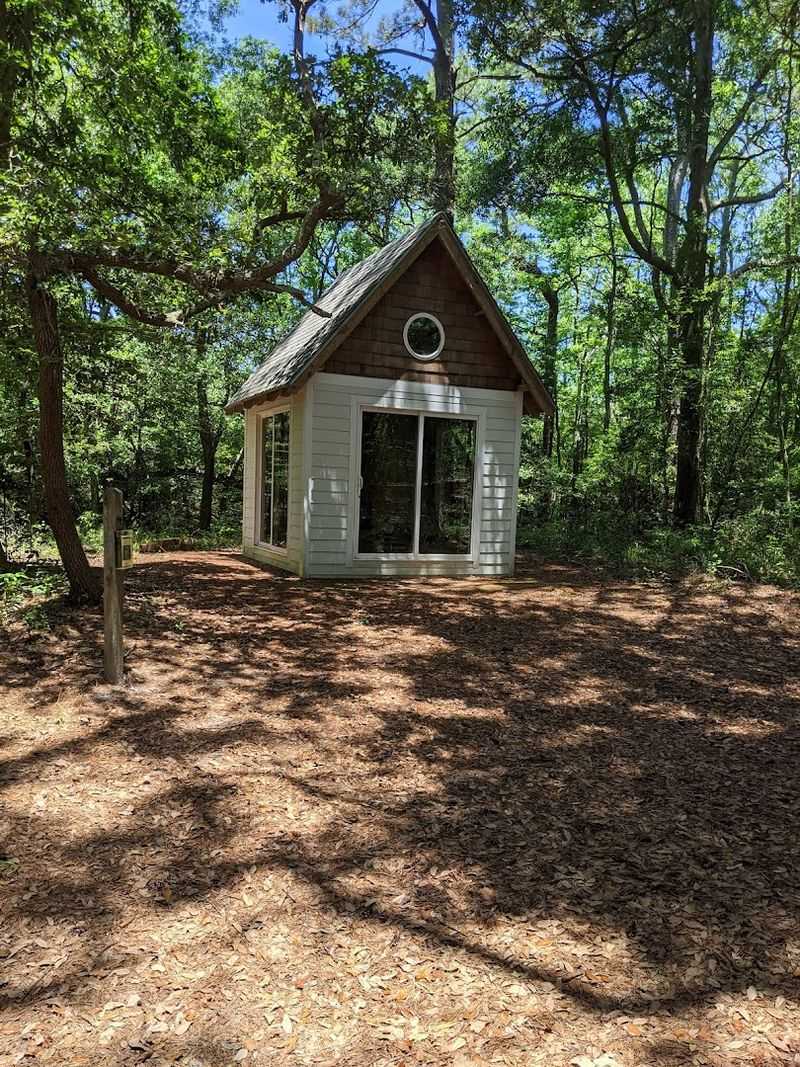
Few places in Virginia carry a backstory quite as dramatic as Wash Woods. This former community, buried within the boundaries of False Cape State Park, was founded by survivors of 19th-century shipwrecks who had nowhere else to go.
They built their homes using cypress timber salvaged from the wrecks themselves, essentially constructing an entire village out of disaster.
At its peak, Wash Woods was a functioning community with a church, a school, and families who lived here for generations. The Atlantic eventually reclaimed much of the land, and the community dissolved over time, leaving behind a haunting and beautiful historic site that feels completely frozen.
The Wash Woods cemetery remains, with weathered markers that tell quiet stories about people who lived at the very edge of the known world.
Reaching Wash Woods requires real effort, which is exactly why it still feels so intimate and undisturbed. The Blue Goose Express tram stops at Barbour Hill and the Wash Woods area, making it more accessible for those who book in advance.
Standing among those old markers, surrounded by maritime forest and the distant sound of the ocean, connects you to Virginia’s layered coastal history in a way that no museum exhibit ever quite manages.
Wildlife Encounters That Make You Question Reality
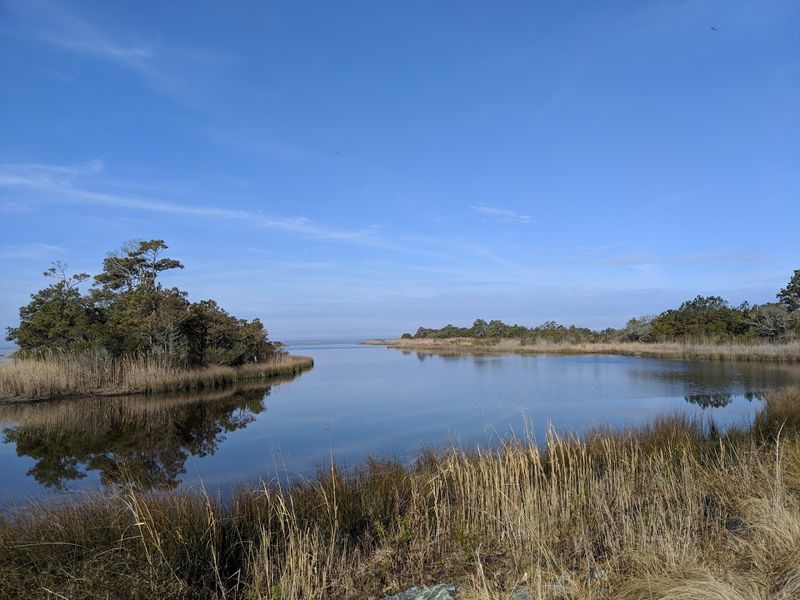
Over 300 bird species have been recorded at False Cape State Park. On a single morning hike I spotted bald eagles, ospreys, great blue herons, and a small parade of snow geese moving across the sky like living punctuation.
The park sits along the Atlantic Flyway, making it one of Virginia’s premier spots for migratory bird watching, especially during spring and fall.
Beyond the birds, the wildlife roster here reads like something from a nature documentary. White-tailed deer graze at the forest edges without much concern for human observers.
River otters slip through the waterways with effortless grace. Red foxes occasionally dart across trails, and if you’re paddling in by kayak, dolphins sometimes appear alongside you in the bay, completely unbothered and magnificently casual about the whole thing.
Feral pigs also roam the park, which adds a slightly unpredictable element to trail walks. Loggerhead sea turtles nest on the Atlantic side during summer months.
Patient photographers with long lenses will find this place genuinely extraordinary, with natural light that cooperates beautifully in the golden hours. False Cape State Park doesn’t just have wildlife.
It has wildlife that behaves as though humans are the visitors, not the other way around.
Primitive Camping That Actually Earns the Word Primitive
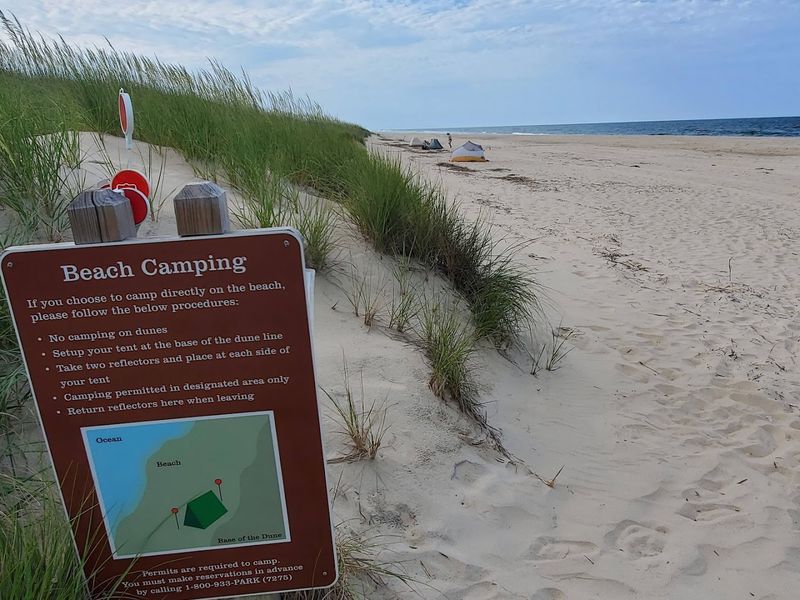
Camping at False Cape State Park is not glamping. It’s not even close.
Four primitive, tent-only campgrounds are scattered across the park, requiring advance reservations by phone and a willingness to carry everything you need across miles of trail. Open fires are prohibited.
Emergency services are not easily accessible. The experience is wonderfully, gloriously raw.
That said, the campgrounds are surprisingly well-maintained. Pit toilets are kept clean by dedicated park rangers and volunteers.
Potable water spigots are available, though bringing your own filtration is smart. Some sites near Barbour Hill even have a basic shower for rinsing off after a sandy beach day, which feels like an unexpected luxury given the surroundings.
Camping on the Atlantic beach side is an option that elevates the whole experience into something unforgettable. Falling asleep to the sound of waves with no generator hum nearby, no artificial light pollution, and no neighboring RV is rarer than it should be in the modern world.
Waking up to watch the sunrise directly over the ocean from your sleeping bag is the kind of moment that makes you seriously reconsider your daily commute. Bug spray is absolutely non-negotiable, especially during summer months.
Pack it in bulk.
Kayaking Into the Park Through Back Bay
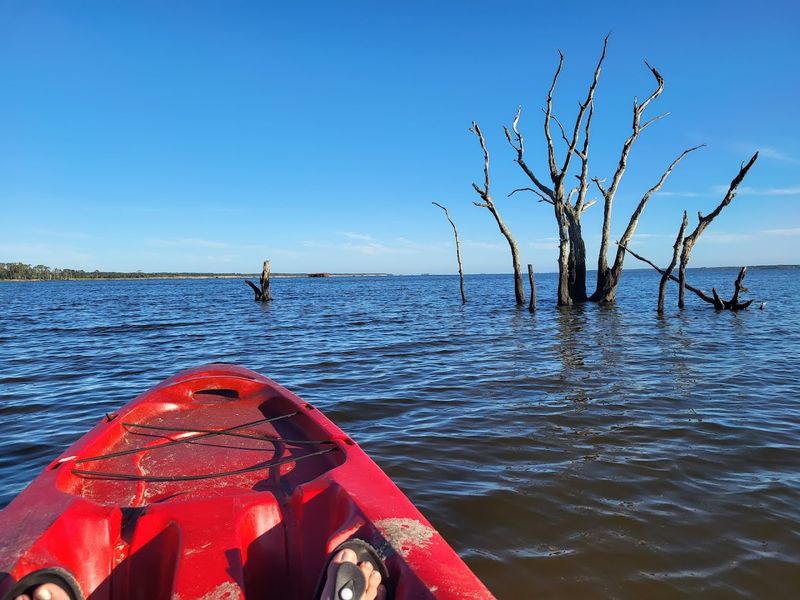
Arriving at False Cape State Park by kayak might be the single most cinematic way to enter any state park in Virginia. Launching from Little Island City Park, paddlers glide through the calm waters of Back Bay National Wildlife Refuge.
They’re surrounded by marsh grasses, migratory birds, and the kind of quiet that feels almost sacred.
Eagles and ospreys are regular overhead companions on this route.
The paddle is genuinely challenging in spots, particularly if wind picks up across the open bay sections. Planning around tides and weather is essential.
The reward, though, is arriving at the park’s bay side feeling like an explorer rather than a tourist, with the added bonus that you can load camping gear into a kayak trailer and haul it in without the punishing weight of a backpack.
Kayaking also solves one of the park’s quirky logistical puzzles: pets are not permitted through the Back Bay National Wildlife Refuge on foot or bike. However, arriving by boat or through the southern entrance from North Carolina allows pet owners to bring their dogs along.
For paddlers visiting False Cape State Park for the first time, guided kayak tours are available and worth every penny for orientation and wildlife spotting tips.
The Blue Goose Express Tram and What to Expect
Not everyone can bike nine miles with a loaded pack, and that’s perfectly fine. The Blue Goose Express wildlife tram tour exists precisely for those who want to experience False Cape State Park without the physical commitment of a long haul on foot or wheels.
Operating seasonally from April through October, the tram departs from the Back Bay National Wildlife Refuge and winds through the refuge interior toward Barbour Hill and the Wash Woods historic site.
Reservations are required and spots fill up, so planning ahead matters. The tram is guided, meaning you’ll get narration about the wildlife, ecology, and history along the route rather than piecing it together yourself.
For families with younger children, older adults, or anyone recovering from an injury, this option opens up a park that might otherwise feel inaccessible.
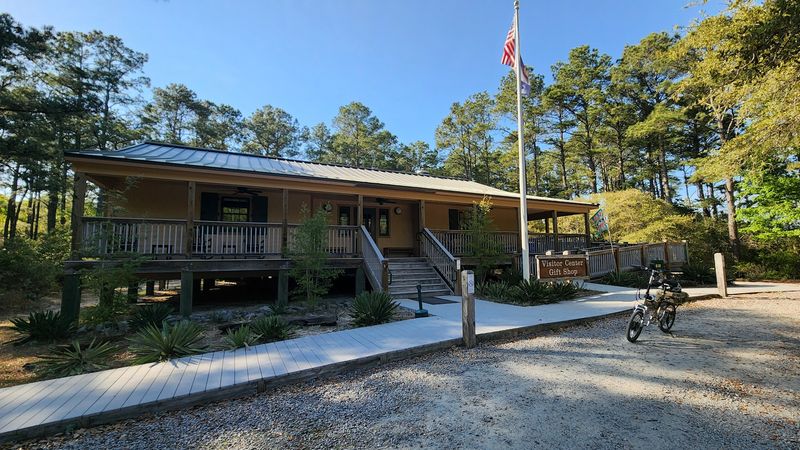
The tram departs from the refuge visitor center at 4005 S. Sandpiper Road in Virginia Beach, which also serves as the main parking and orientation hub for most park visitors.
Restrooms, a store with snacks and essentials, and a beach-accessible wheelchair are available at the False Cape visitor center inside the park. A row of rocking chairs on the front porch of the visitor center is the perfect spot to decompress after a long trail day before heading back out.
Maritime Forests, Salt Marshes, and Sand Dunes All at Once
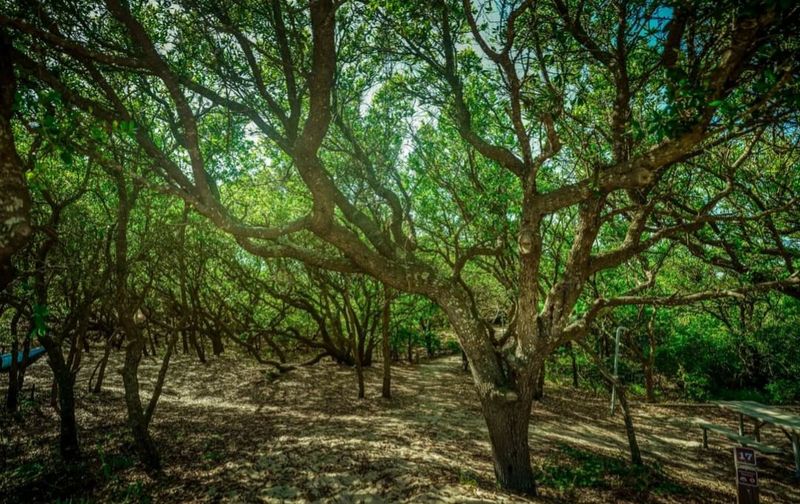
False Cape State Park doesn’t settle for one type of landscape. Within its 4,321 acres, the terrain shifts dramatically from towering sand dunes along the Atlantic edge to dense maritime forests thick with live oaks and loblolly pines, then opens into expansive salt marshes and freshwater wetlands facing Back Bay.
Walking through all of them in a single day feels almost geographically greedy.
The maritime forest sections provide welcome shade on hot days, with dappled light filtering through a canopy of gnarled oaks draped in Spanish moss. The trails here feel genuinely ancient, with tree roots weaving across the path and the occasional snake sunning itself on a warm patch of ground.
Turtles are a common trail crossing companion, and they are in absolutely no rush.
The biological diversity recognized within this park is exceptional by any standard. Virginia’s coastal ecosystems are under constant development pressure, which makes intact, functioning habitats like these increasingly rare.
The salt marshes filter water, buffer storms, and support food chains that ripple all the way up to the eagles hunting overhead. Spending time in these different ecosystems back to back gives you a crash course in coastal ecology that no classroom could replicate.
It’s genuinely one of the most layered natural environments on the entire East Coast.
How the Name False Cape Came to Be
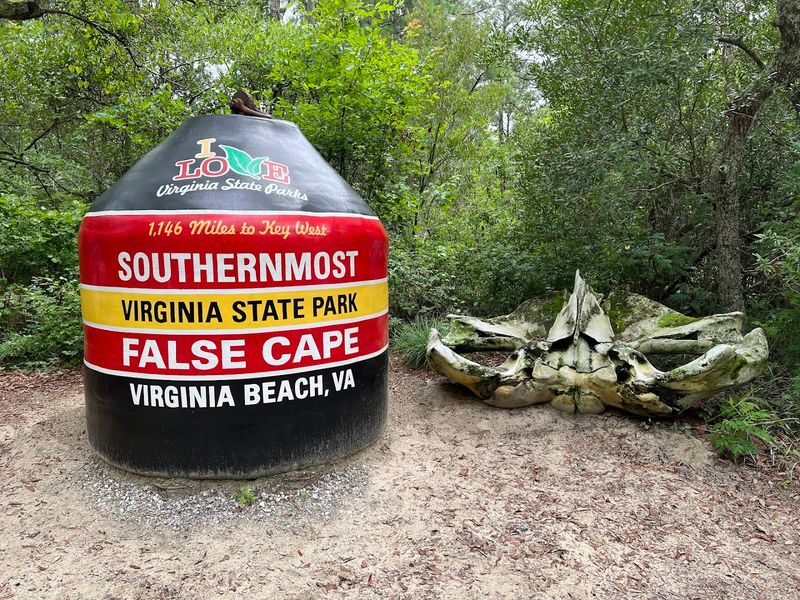
The name False Cape has a genuinely dramatic origin story rooted in maritime disaster. Sailors navigating the Atlantic coast would mistake this particular sandy point for Cape Henry, a major navigational landmark further north.
Acting on that mistaken assumption, they’d adjust their course too early, steering directly into shallow waters and submerged sandbars. Ships wrecked here with grim regularity, and the name stuck as a grim little warning label from history.
Those shipwrecks weren’t entirely tragic in their aftermath. The cypress timber from wrecked vessels became the building material for the Wash Woods community, turning catastrophe into shelter and community.
The peninsula itself, that narrow mile-wide strip of land between Back Bay and the Atlantic, has been accumulating history and wreckage and resilience for centuries.
A Civil War Trails marker now stands within False Cape State Park, commemorating the escape of Confederate prisoners who used this remote coastline as a corridor. The layers of history here, Native American habitation, colonial-era shipwrecks, a self-built survivor community, and Civil War escape routes, make the park feel like a place that has always existed slightly outside the normal flow of events.
Virginia has plenty of historically significant land, but few places where the history feels this visceral and unmediated by interpretation centers.
Planning Your Visit to False Cape State Park the Smart Way
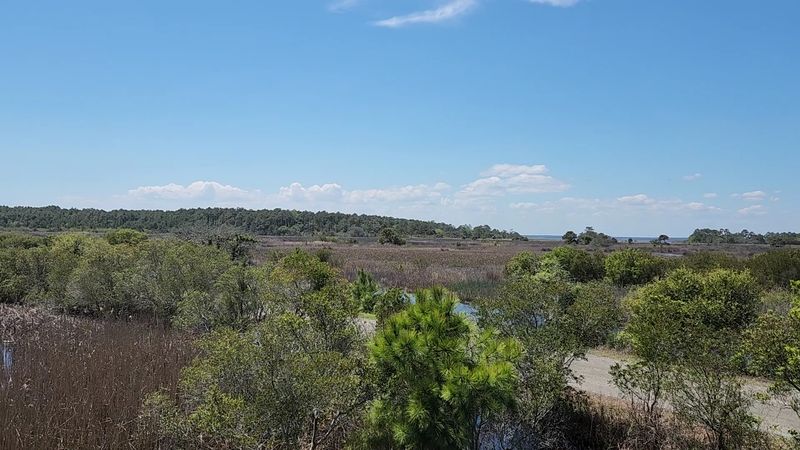
Spring and fall are the sweet spots for visiting False Cape State Park. Summer brings biting flies that locals describe with genuine fear in their eyes, and the lack of shade on the dike roads turns a bike ride into a very sweaty experience very quickly.
October in particular offers cooler temperatures, fewer insects, spectacular migratory bird activity, and that golden coastal light that photographers dream about.
Day visitors should park at the Back Bay National Wildlife Refuge visitor center, located at 4005 S. Sandpiper Road, Virginia Beach, VA.
Overnight campers park at Little Island City Park instead, then hike or bike into the park. The park’s address is 4001 Sandpiper Rd, Virginia Beach, VA 23456, and the phone number for campsite reservations is 757-426-7128.
Interior refuge trails are closed from November 1 through March 31, so winter access means beach hiking or arriving by boat.
Bring more water than you think you need. Pack insect repellent as though your life depends on it, because in summer it might feel that way.
Sunscreen is non-negotiable on the exposed dike roads. A fat-tire bike handles the sandy sections near the beach far better than a standard road bike.
False Cape State Park rewards preparation generously, and punishes the under-prepared with equal enthusiasm. Go ready, and you’ll leave completely hooked.
