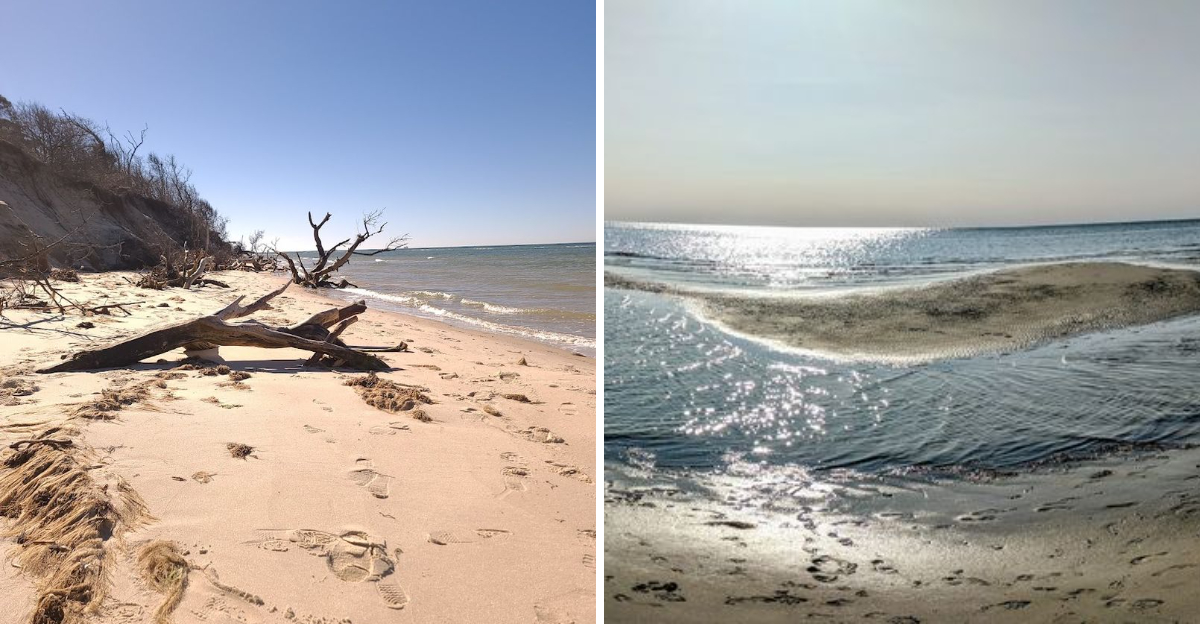
Some state parks have visitor centers, gift shops, and paved paths full of families pushing strollers. And then there is this one.
Savage Neck is different. It takes effort to find, even more effort to reach, and the reward is a stretch of sand and dune that feels like you are the first person to ever stand there.
I visited on a weekend and saw maybe three other people. Three.
In a state park. The dunes are dramatic, the water is blue, and the silence is almost complete.
Virginia has louder parks, more famous ones, places with better signs and easier parking. But none of them feel like this.
A secret worth the drive.
Ancient Sand Dunes That Defy Expectations
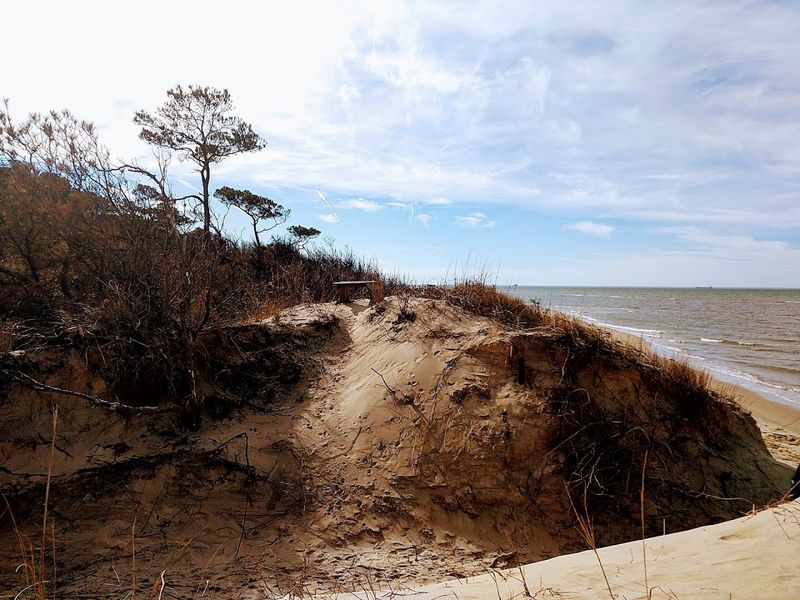
Picture standing at the base of a wall of sand that has been quietly building for roughly ten thousand years. That is exactly the kind of awe that hits you when you first lay eyes on the dunes at Savage Neck Dunes Natural Area Preserve.
These formations rise as high as fifty feet above the bay, making them among the tallest points on Virginia’s entire Eastern Shore.
What makes them even more fascinating is how alive they feel. Coastal grasses and shrubby maritime plants cling to the slopes, holding everything together against the wind and tide.
The dunes are not just scenery; they are a living, breathing record of geological time.
Soft sand underfoot makes the climb a genuine workout, so wear comfortable shoes and take your time. The reward at the top, a sweeping view over the Chesapeake Bay, is absolutely worth every step.
Virginia has no shortage of beautiful landscapes, but this one carries an ancient, almost prehistoric energy that is genuinely hard to find anywhere else along the coast.
A Shoreline Facing West for Jaw-Dropping Sunsets
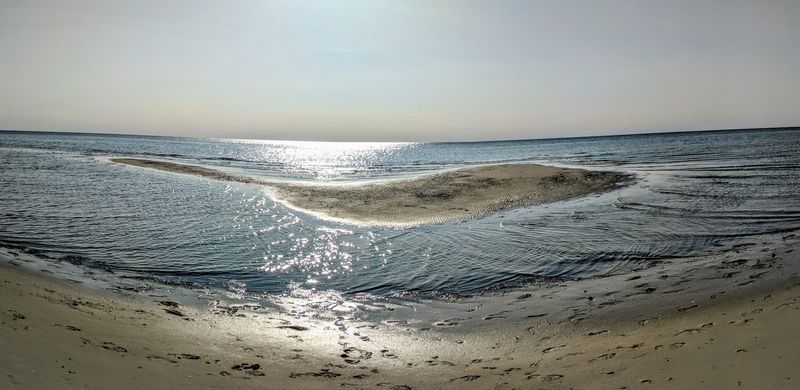
Not every beach gets to face west, but this one does, and the sky puts on a full theatrical performance every single evening because of it. The Chesapeake Bay catches the last light of the day in a way that turns the water into something resembling molten copper.
I sat on a piece of driftwood one evening and genuinely forgot what time it was.
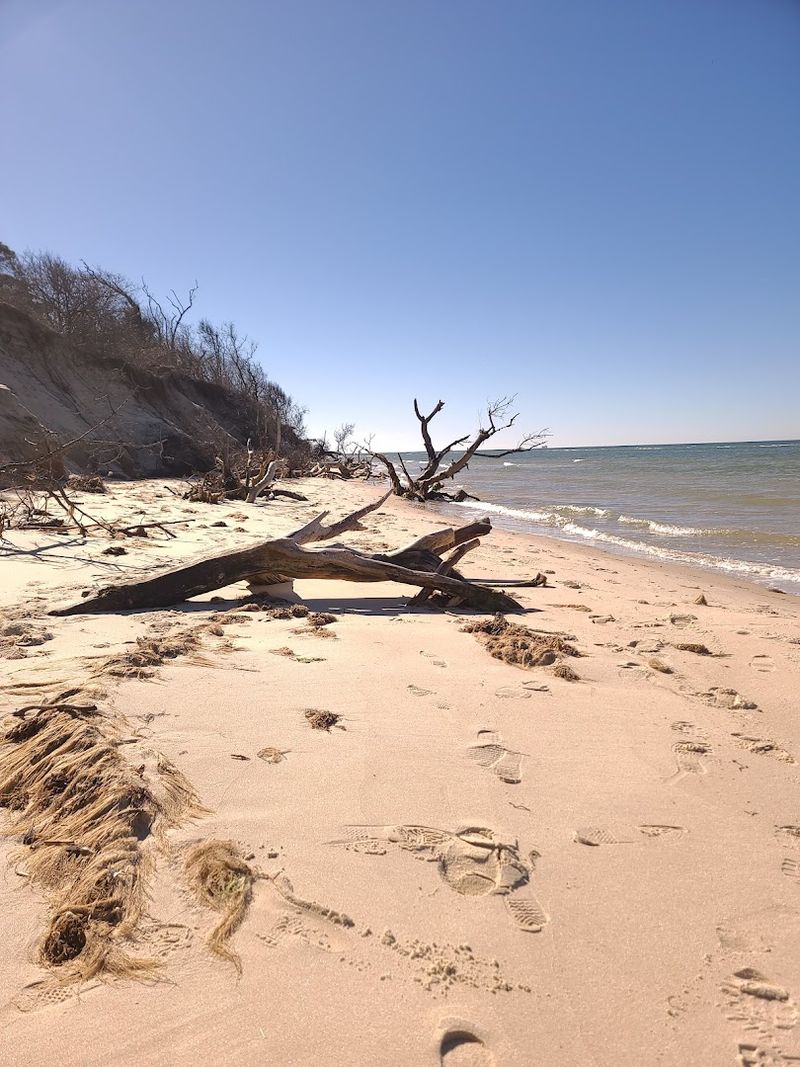
The shoreline itself is narrow and peppered with sea grass, driftwood, and the kind of natural debris that makes a beach feel honestly wild rather than manicured. At low tide, the shallow water extends far out, creating a mirror-like surface that doubles the color of the sky above.
Timing matters here. Check the tidal schedule before you go because high tide can swallow the beach almost entirely.
Arrive an hour or two before sunset during low tide and you will have one of the most cinematic evenings Virginia can offer, completely free of charge, with barely another soul in sight. Pack a light blanket and stay until the stars appear.
Maritime Forest Trails That Feel Like Another World
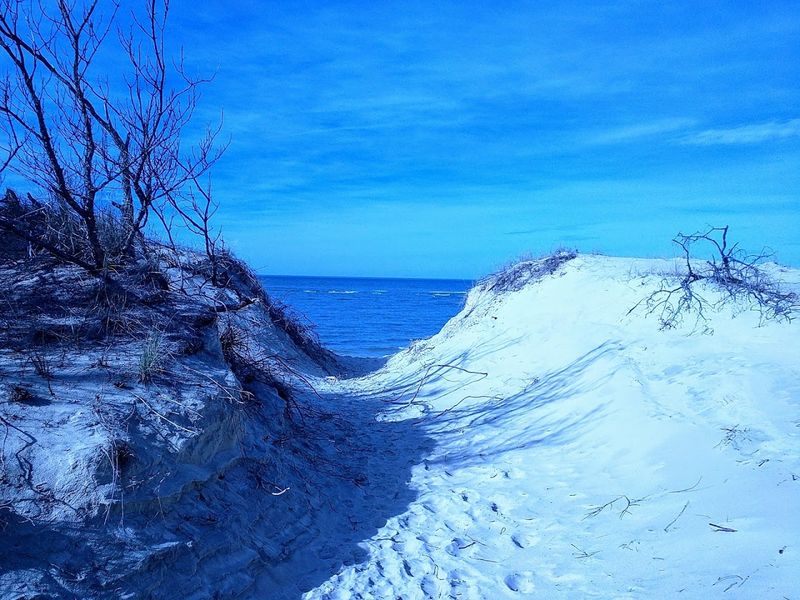
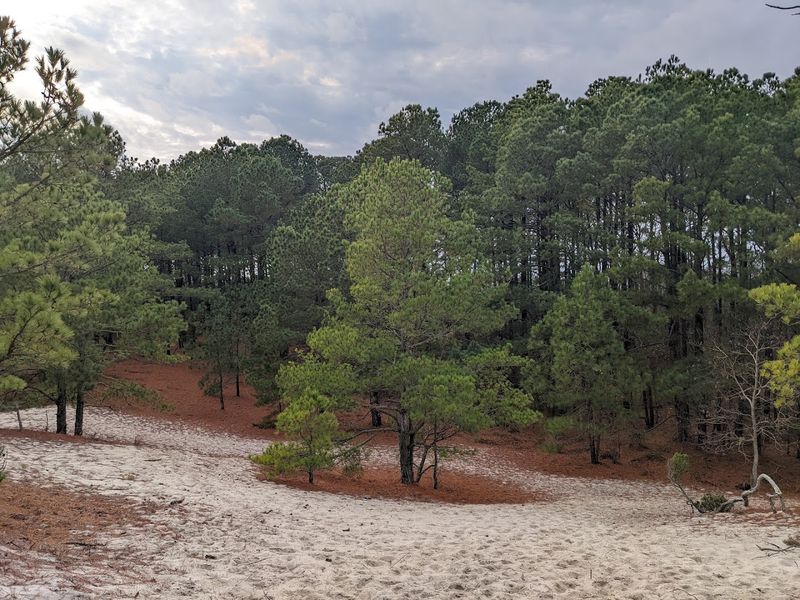
Stepping into the forest at Savage Neck Dunes Natural Area Preserve feels like crossing a threshold into a completely different ecosystem. Century-old loblolly pines tower overhead, their thick trunks draped in shadow, while the trail beneath your feet shifts from packed dirt to soft sand as you move deeper in.
The air carries a distinct mix of pine resin and salt breeze that is genuinely intoxicating.
Three marked hiking trails wind through the preserve, each with interpretive signage that explains the ecology around you. These are not long, grueling routes; they are thoughtful, unhurried paths designed for curious explorers rather than hardcore trekkers.
The woodland sections offer plenty of shade, which makes a summer visit far more comfortable than you might expect.
Virginia’s Eastern Shore is not exactly famous for its forest hikes, so this maritime pine-hardwood landscape genuinely surprises people. The trail network is compact enough to explore in a single afternoon, but rich enough that you will notice something new on every visit.
Soft sand sections do slow you down a little, so factor extra time into your plans and enjoy the slower pace.
A Birdwatcher’s Paradise with Over 222 Species
If birds are your thing, prepare to have your mind completely blown. Savage Neck Dunes Natural Area Preserve has recorded more than two hundred and twenty-two bird species, a number that puts it firmly on the radar of serious birders across the mid-Atlantic region.
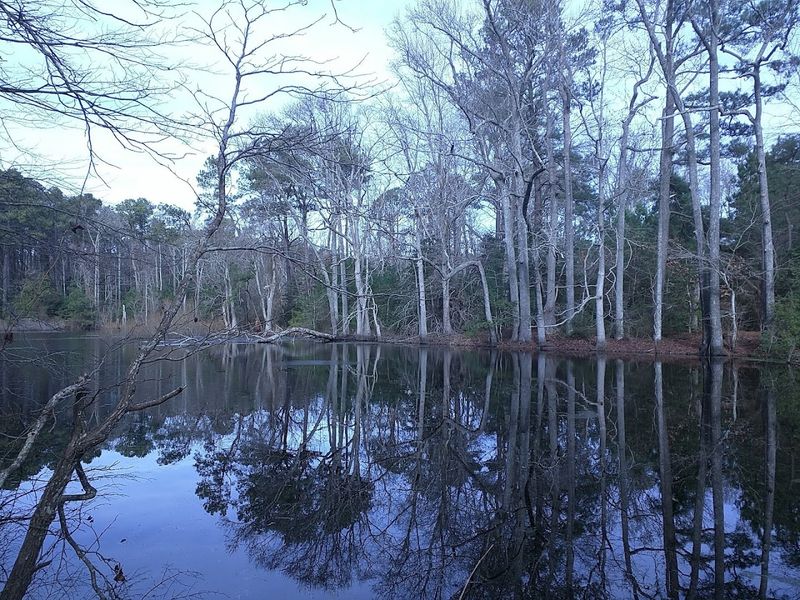
The diverse mix of habitats, dunes, maritime forest, freshwater pond, and open bay, creates a buffet of environments that different species simply cannot resist.
Fall is arguably the most electric season here. Peregrine Falcons and Cooper’s Hawks ride the thermals overhead during migration, putting on aerial displays that are nothing short of breathtaking.
Summer brings a completely different cast: Yellow-billed Cuckoos, Summer Tanagers, Great Blue Herons, and Ospreys all make appearances among the pines and along the shoreline.
Winter is quieter but equally rewarding, with waterfowl gathering on the bay and in the freshwater pond. Bring a good pair of binoculars and a field guide, because you will want to identify everything you spot.
Virginia birders consider this preserve one of the Eastern Shore’s most productive sites, and once you spend a morning here with your binoculars trained on the tree line, you will understand exactly why.
The Federally Threatened Tiger Beetle and Why It Matters
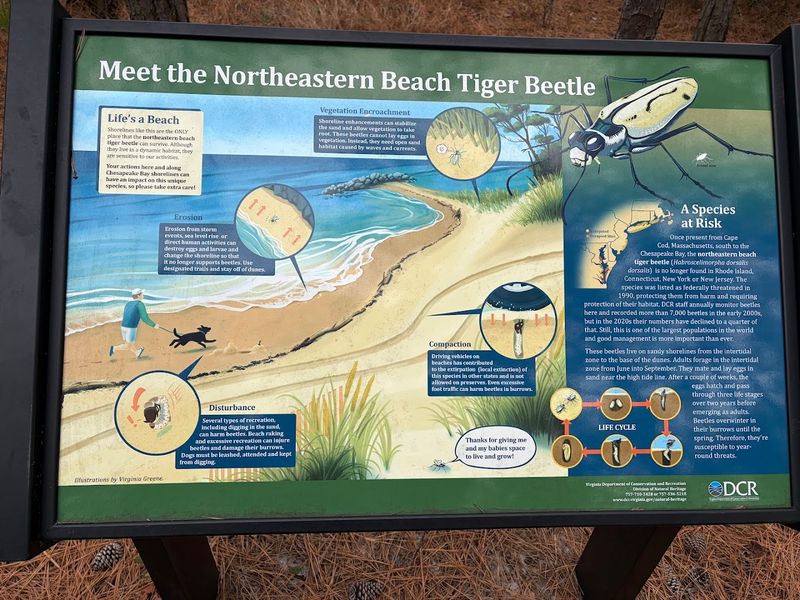
Most people visit a beach and never once think about what is living in the sand beneath their feet. At Savage Neck Dunes Natural Area Preserve, that sand is home to the northeastern beach tiger beetle, a federally threatened species that finds some of its most critical habitat right here on Virginia’s Eastern Shore.
This little insect is one of the main reasons the preserve exists at all.
The beetle is a fast-moving, iridescent creature that hunts along the upper beach zone. Its survival depends entirely on undisturbed sandy habitat, which is why digging in the sand is strictly prohibited throughout the preserve.
Seems like a small ask in exchange for protecting a species that has so few strongholds left globally.
Conservation areas like this one remind me why protecting obscure, unglamorous species matters just as much as saving charismatic megafauna. The northeastern beach tiger beetle may not be on anyone’s wildlife bucket list, but its presence here is a genuine indicator of ecological health.
Knowing you are walking through one of the most important conservation sites for this species on the planet adds a layer of meaning to every sandy step you take.
Rare Plants You Will Not Find Just Anywhere
Botanical nerds, this section is for you. Savage Neck Dunes Natural Area Preserve shelters a collection of regionally rare plant species that simply do not show up in many other places along the Virginia coast.
Engelmann’s umbrella-sedge, dwarf burhead, and southern bladderwort are among the botanical highlights tucked into the wetter, shadier corners of the preserve.
These plants thrive in the freshwater pond and surrounding wetland areas, creating microhabitats that support an entire web of smaller creatures including frogs, turtles, dragonflies, and butterflies. The freshwater pond is one of those details that surprises first-time visitors, since most people come expecting only dunes and beach.
Walking the trails with an eye for plants rather than just scenery transforms the experience entirely. The interpretive signage along the marked trails helps identify what you are looking at, which is genuinely useful if botany is not your strong suit.
Virginia’s coastal plant communities are underappreciated compared to its mountains and rivers, but places like this make a compelling case for paying closer attention to what grows quietly at the water’s edge.
The Tiny Parking Lot That Keeps the Crowds Away
Eight parking spaces. That is it.
That small lot is arguably the preserve’s most effective crowd control measure, and honestly, it works beautifully. Savage Neck Dunes Natural Area Preserve never feels overrun because the infrastructure simply does not allow for it.
Arriving to find the lot full means coming back later, which actually encourages a more mindful, unhurried approach to visiting.
The advice is simple: get there early, especially on weekends or during peak summer months. Weekday mornings are a particularly sweet spot, when the lot is often empty and the trails feel entirely yours.
The preserve has no on-site staff, no entry fee, and no ticket booth, so the whole experience operates on a kind of honor system that feels refreshingly old-school.
There are no trash cans, no restrooms, and no drinking water available on-site, so preparation is key. Pack out everything you bring in, carry your own water, and plan bathroom stops before you arrive.
These minor inconveniences are a fair trade for the extraordinary solitude the preserve offers. Virginia has plenty of busy state parks, but few that manage to stay this genuinely quiet this consistently.
Wildlife Beyond Birds: Frogs, Turtles, and Butterflies
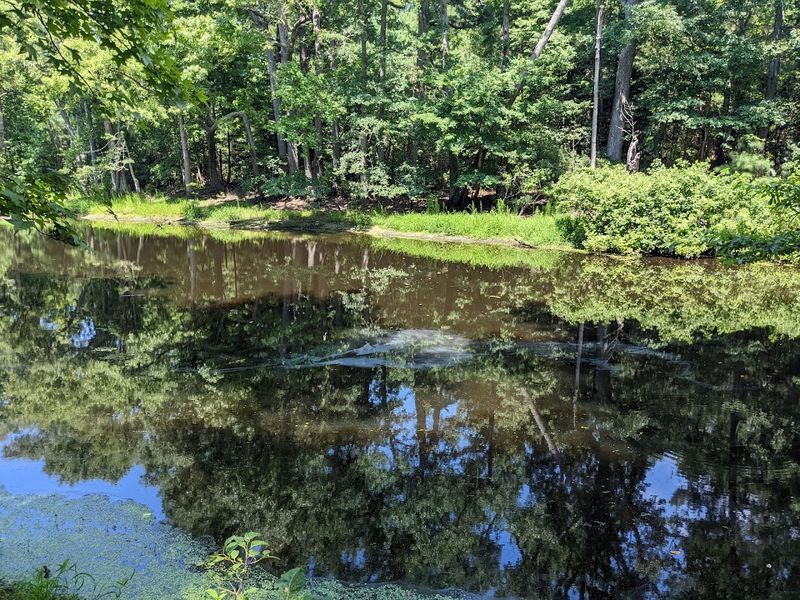
The wildlife story at Savage Neck Dunes Natural Area Preserve extends well beyond the impressive bird list. Spend some time near the freshwater pond and you will quickly discover a whole secondary cast of characters going about their day with zero interest in being observed.
Turtles bask on logs in the morning light, frogs call from the reedy edges, and butterflies drift between the flowering coastal plants with lazy elegance.
Dragonflies patrol the pond surface with the focused intensity of tiny aerial hunters, flashing iridescent wings in the summer sun. The combination of freshwater, maritime forest, and open dune habitat creates a patchwork of microenvironments that supports remarkable biodiversity for a preserve of this size.
It genuinely punches above its weight class ecologically speaking.
Children find this aspect of the preserve particularly captivating. The accessible trails and relatively short distances make it an easy outing for families, and the variety of creatures on display keeps younger explorers genuinely engaged.
Bring a small field guide or download a nature identification app before you visit. The freshwater pond section, in particular, rewards slow, quiet observation far more than a quick walk-through ever could.
Shallow Chesapeake Bay Waters Perfect for Wading
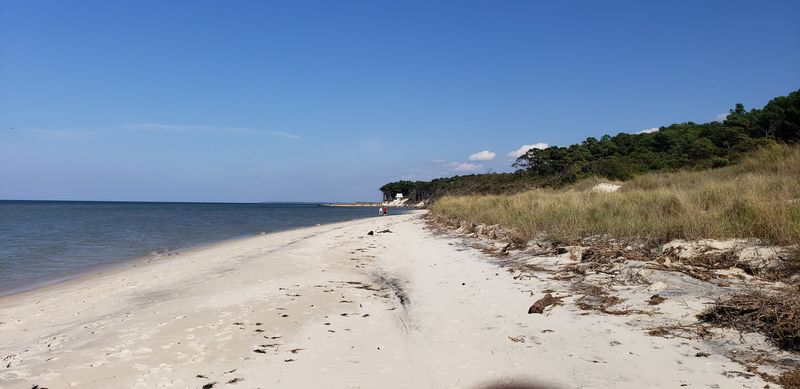
The Chesapeake Bay at this particular stretch of shore is famously shallow, and at low tide it becomes something close to a natural wading pool. You can walk out a surprisingly long way before the water reaches your knees, which makes it an ideal spot for anyone who wants to feel the bay without committing to a full swim.
The sandy bottom is clean and firm underfoot, and the water stays calm compared to ocean beaches.
Families with young children consistently find this one of the most relaxed beach experiences on Virginia’s Eastern Shore. There are no crashing waves, no rip currents to worry about, and the gradual depth makes the whole experience feel safe and unhurried.
Pack a bucket and let the little ones explore the shallows while you stand in ankle-deep water staring out at the bay.
Checking tidal conditions before you visit is genuinely important here. High tide can reduce the beach to almost nothing, while low tide opens up a wide, sandy expanse perfect for wading and exploring.
The Virginia Department of Conservation and Recreation maintains the preserve, so tide information is accessible through their resources and standard coastal weather apps.
How to Find It and What to Bring Before You Go
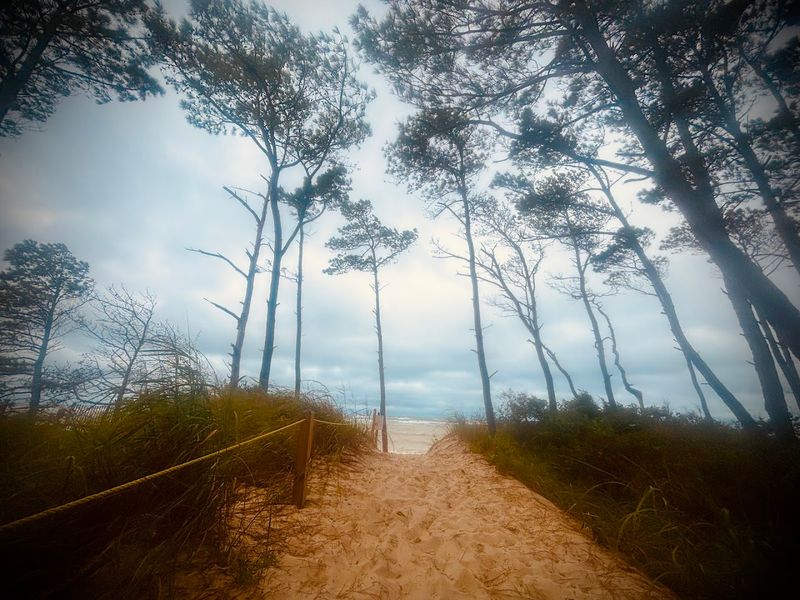
Savage Neck Dunes Natural Area Preserve sits near Cape Charles in Northampton County, Virginia, and the address to plug into your navigation is Cape Charles, VA 23310. Getting there involves navigating some narrow rural roads through the flat, agricultural landscape of the Eastern Shore, and the entrance itself is easy to miss if you are not paying attention.
Slow down, watch the signage, and enjoy the drive through one of Virginia’s most quietly beautiful rural corridors.
Preparation makes or breaks a visit here. Bring more water than you think you need, sunscreen, insect repellent (especially in summer when biting bugs can be persistent near the beach), and a bag for your trash since there are zero waste facilities on-site.
Sturdy footwear is strongly recommended because soft sand trails challenge even casual hikers more than expected.
Leave the coolers, tents, canopies, and bikes at home since all of those are prohibited within the preserve. Leashed pets are not permitted either, so plan accordingly.
The preserve phone number is 757-710-3428 if you need to confirm conditions before making the trip. Arriving prepared and informed transforms what could be a frustrating outing into an absolutely magical afternoon along one of Virginia’s most extraordinary and underappreciated stretches of coastline.
