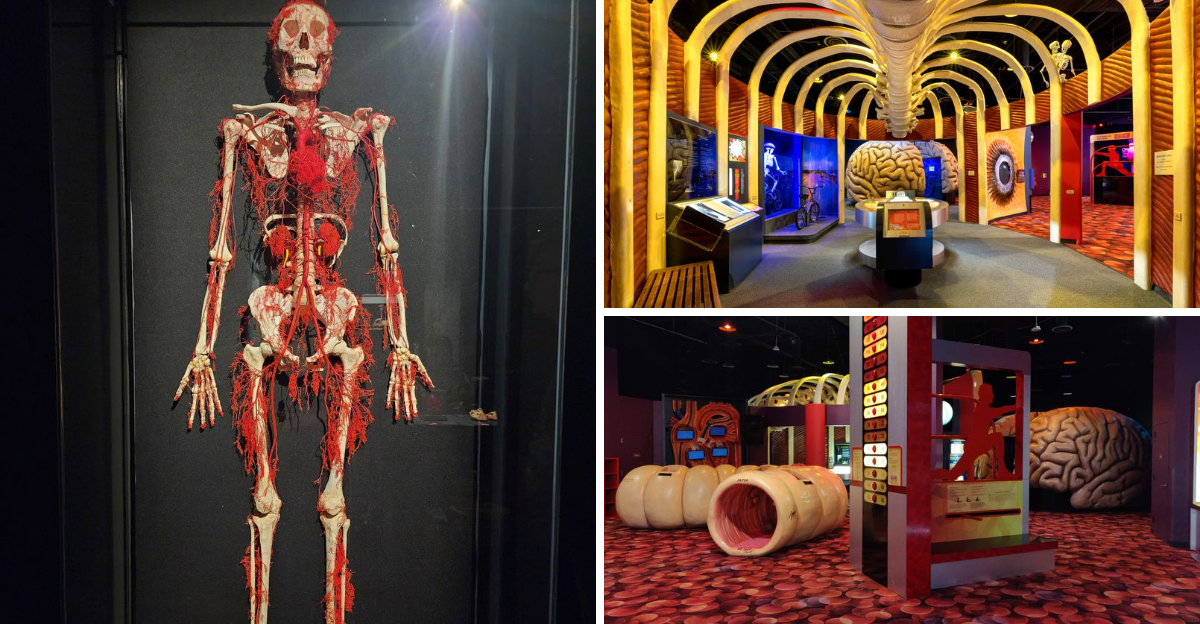
I did not expect to have this much fun learning about the human body, but that is exactly what happened at The Health Museum in Houston. This is not a place where you read plaques and move on.
You walk through giant organs, test your reflexes, and come face to face with real human specimens in a way that is oddly fascinating instead of uncomfortable. It feels more like a science playground than a museum.
What surprised me most was how interactive everything is. One minute you are inside a massive intestine, the next you are measuring how loud you can scream or staring at an actual human heart up close.
The Health Museum somehow makes learning feel playful, weird, and memorable all at once. Keep reading, because the exhibits you can actually experience inside are nothing like what you are probably imagining.
Body Worlds Exhibition Brings Anatomy to Life
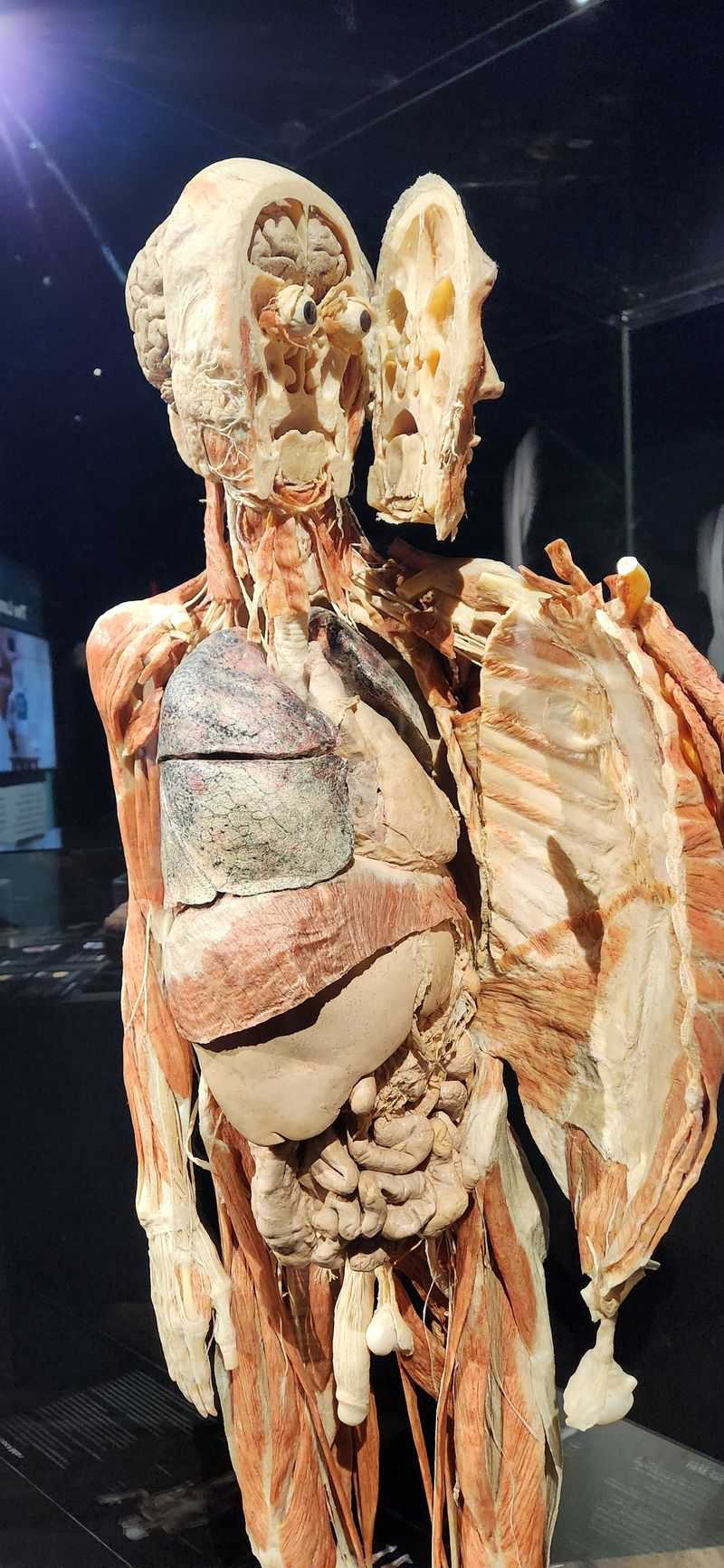
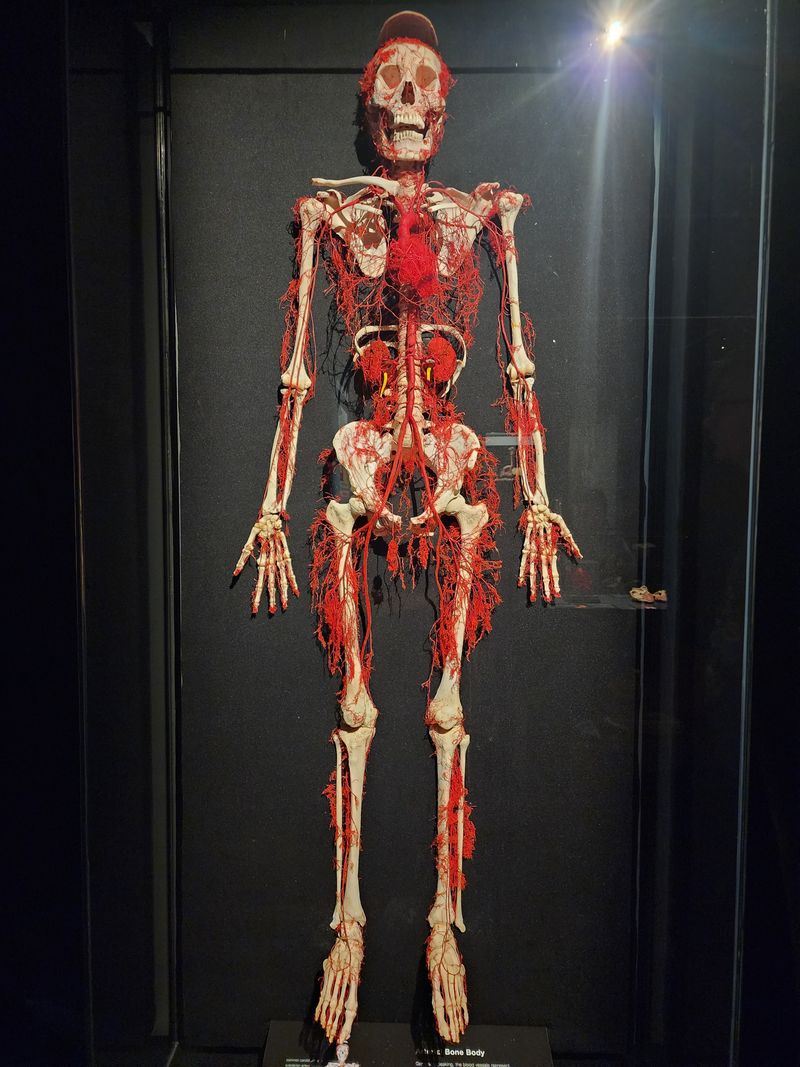
Walking into the Body Worlds exhibit feels like stepping into a science fiction movie, except everything you see is absolutely real. Real human bodies preserved through a process called plastination stand before you in various poses, revealing muscles, nerves, and organs in stunning detail.
Some specimens show healthy tissue while others display the devastating effects of disease, creating a powerful visual lesson about lifestyle choices.
Athletes frozen mid-motion showcase the incredible complexity of our muscular system, while cross-sections reveal layers most people never imagine exist beneath their skin.
The exhibit might seem small compared to traveling versions from years past, but what’s here packs a serious punch. You’ll spot artificial joints, intricate blood vessel networks, and organs affected by various conditions that make you want to eat more vegetables immediately.
Kids press their noses against display cases while adults stand speechless, processing the reality that we’re all walking around with this incredible machinery inside us. Photography isn’t allowed in this section, which actually helps visitors focus on the experience rather than their phone screens.
Visiting Body Worlds requires an additional ticket beyond general admission, but most visitors agree the investment delivers value. The educational impact hits differently when you’re face-to-face with actual human anatomy rather than pictures in a textbook.
This exhibit transforms abstract health concepts into concrete reality, making it unforgettable for science enthusiasts and curious minds alike.
Interactive Exhibits Turn Learning Into Play
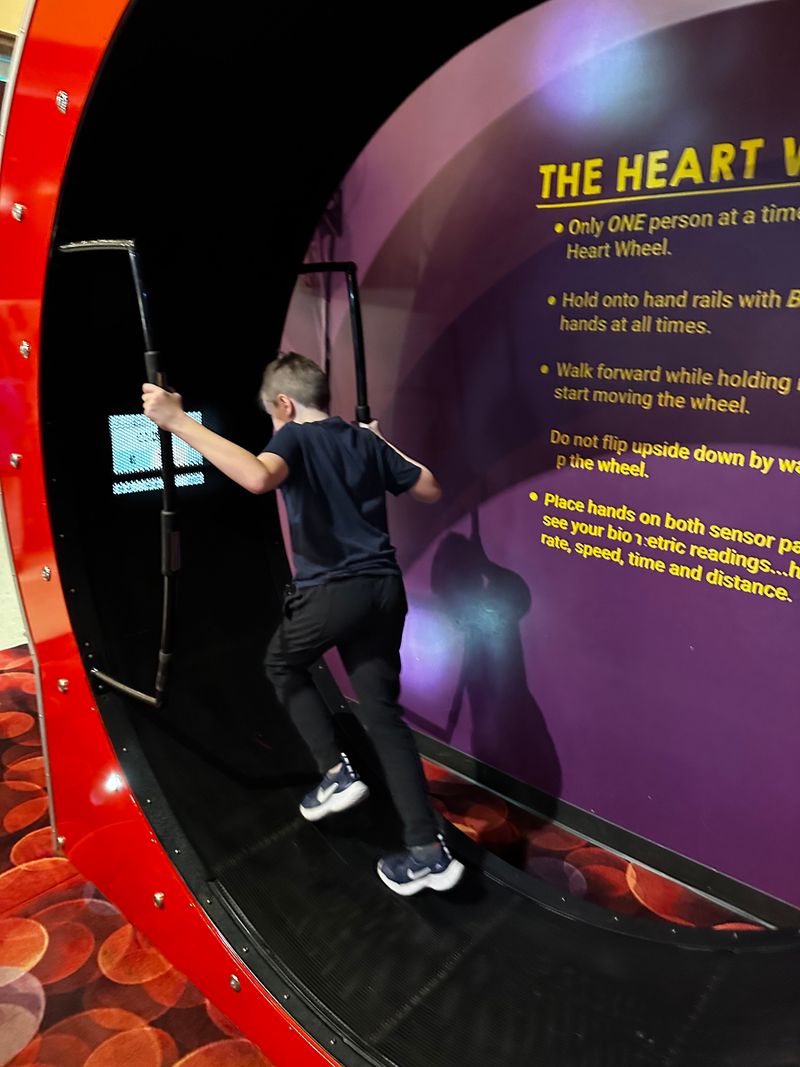
Forget quietly observing from a distance because The Health Museum demands participation. A giant hamster wheel challenges visitors to see how long they can keep running, turning cardiovascular health into a competition that has kids and adults huffing and laughing in equal measure.
Jump stations measure your vertical leap against athletes, while grip strength testers reveal whether all those gym sessions are actually paying off. Every corner holds another challenge, another button to push, another way to discover something new about how bodies work.
Brain teaser stations scattered throughout the space exercise your mental muscles with puzzles that range from simple to seriously tricky. Sound booths let you scream at the top of your lungs and then measure the decibels, creating hilarious family competitions about who’s the loudest.
Touch screens guide you through digestive processes, respiratory functions, and circulatory systems with animations that make complex biology suddenly make sense. Hands-on doesn’t begin to describe the level of engagement here.
Parents love these exhibits because kids don’t realize they’re learning while having a blast. Teenagers who normally roll their eyes at museums find themselves genuinely engaged, testing their abilities against displayed standards.
The interactive approach works brilliantly for visual, kinesthetic, and auditory learners, ensuring everyone walks away with new knowledge. These aren’t just gimmicks but thoughtfully designed educational tools that happen to be incredibly fun.
Crawl Through a Giant Intestine
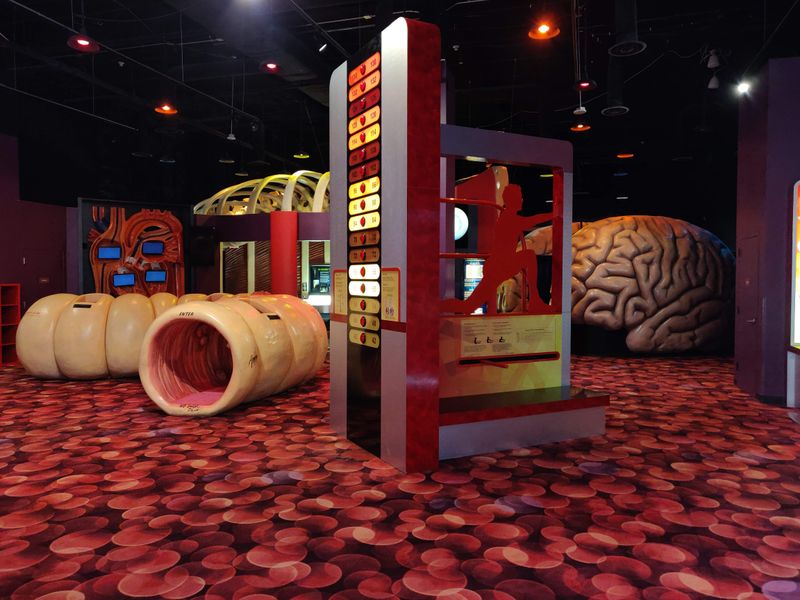
Nothing quite prepares you for the surreal experience of crawling through a supersized model of human intestines. This walk-through exhibit scales up your digestive tract to room size, letting visitors experience the journey food takes through your body from a completely new perspective.
Pink and purple walls curve around you as you navigate the twisting tunnel, with informational plaques explaining what happens at each stage of digestion. Kids absolutely lose their minds over this exhibit, giggling their way through the entire digestive system.
The intestine tunnel brilliantly combines education with physical activity, making it perfect for younger visitors who need to move while learning. Parents can follow along or wait at the exit, watching their children emerge with newfound appreciation for what happens after swallowing that sandwich.
The exhibit doesn’t gross kids out but instead sparks curiosity about bodily functions they’ve never really considered before. Teachers frequently mention this as a field trip highlight because it makes abstract biology lessons tangible and memorable.
Photographers love capturing kids peeking out from various points along the intestinal journey, creating hilarious family photos. The exhibit stays remarkably clean despite heavy traffic, and staff members keep everything sanitized throughout the day.
Whether you’re five or fifty, crawling through this oversized organ delivers a unique experience you won’t find at most museums. It’s weird, wonderful, and weirdly wonderful all at once.
Live Dissection Classes Offer Hands-On Science
Brave souls can sign up for dissection classes that range from frogs to actual organs, providing hands-on anatomy lessons that beat any textbook.
These classes happen weekly or bi-weekly depending on the type, with expert instructors guiding participants through proper dissection techniques while explaining biological structures.
Frog dissections prove especially popular with kids, who approach the experience with surprising maturity and genuine scientific curiosity. Parents report that children who participate talk about the experience for weeks afterward, having gained real laboratory skills and deeper biological understanding.
The classes take place in a dedicated lab space where participants receive proper tools, safety equipment, and step-by-step guidance. Instructors balance education with sensitivity, ensuring everyone feels comfortable while learning about anatomy through direct observation.
Some classes focus on specific organs like hearts, allowing participants to examine chambers, valves, and vessels up close. The theater sometimes hosts hourly organ dissection demonstrations for general visitors, though scheduling can vary.
These programs require separate tickets beyond general admission, typically running around six dollars for lab experiments. Participants examine their own cheek cells under microscopes, extract DNA, and complete other experiments that bring biology off the page and into reality.
The hands-on approach creates lasting memories and often sparks serious interest in medical or scientific careers. Many families return multiple times to try different dissection options, building a collection of unique educational experiences.
The Amazing Beating Heart Display
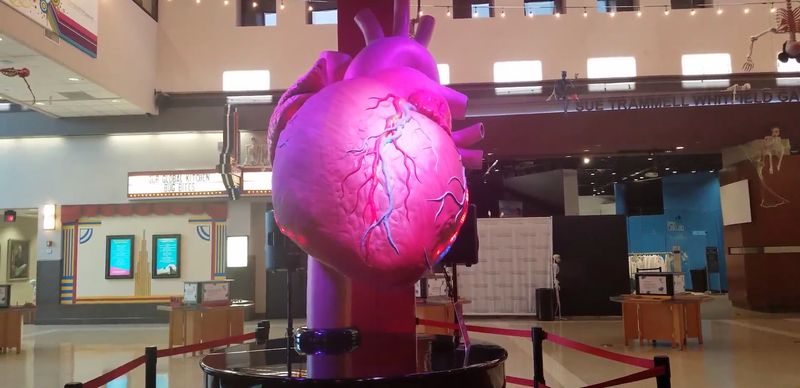
One exhibit stops visitors in their tracks every single time, a massive model of a human heart that actually beats. This centerpiece display towers over viewers, its rhythmic pumping mesmerizing adults and children alike as they watch chambers fill and empty in real-time.
The model’s transparent sections reveal internal structures while animations show blood flow through arteries and veins, making cardiovascular function suddenly crystal clear.
Standing before this giant heart creates an almost spiritual moment as you contemplate the tireless organ keeping you alive right this second.
The exhibit doesn’t just show a healthy heart but also explains what goes wrong when disease strikes. Plaques describe heart attacks, valve problems, and other conditions with clear language and helpful diagrams.
Visitors leave understanding why exercise matters, how diet affects heart health, and what warning signs to watch for in themselves and loved ones. The educational impact extends beyond the museum as people make real lifestyle changes after confronting cardiac realities.
Kids find the beating heart both fascinating and slightly creepy in the best possible way. They press close to the display, counting beats and asking questions about how their own hearts compare.
Parents appreciate the exhibit’s ability to teach without terrifying, presenting serious health information in an accessible format.
The heart display represents everything The Health Museum does well, combining visual impact with solid science and practical health education that sticks with visitors long after they leave.
Educational Programs for All Ages
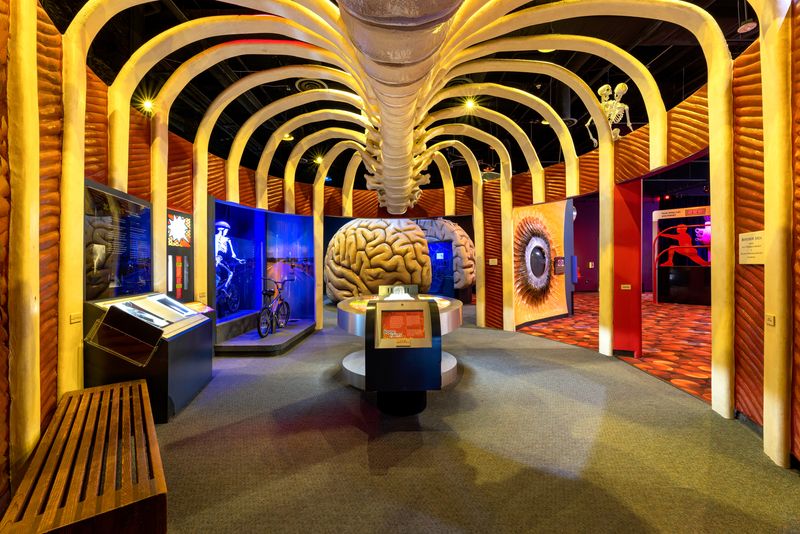
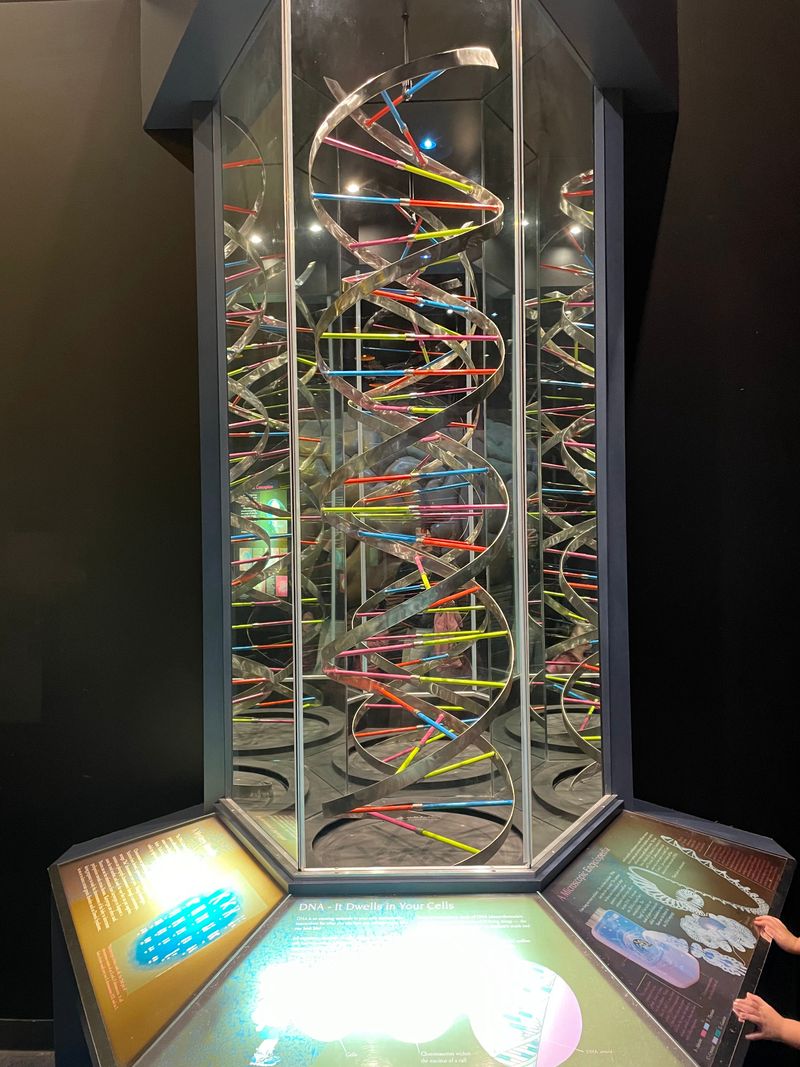
The museum’s programming extends far beyond static displays, offering classes and workshops that cater to curious minds from preschool through adulthood. DNA extraction workshops let participants take home their own genetic material in a vial, creating a tangible connection to abstract biological concepts.
Cheek cell experiments put your own cells under microscopes with results displayed on large screens so entire groups can observe together. These programs transform visitors from passive observers into active scientists conducting real research.
Field trip groups flood the museum on weekdays, with educators praising the curriculum-aligned content that reinforces classroom lessons. The staff tailors presentations to different age groups, ensuring kindergarteners get age-appropriate content while high schoolers dive into more complex topics.
Birthday party packages let kids celebrate while learning, combining fun activities with educational components that make parents feel good about the celebration choice. Summer camps fill quickly as families seek enriching activities that keep kids engaged during school breaks.
Adult programs tackle health topics relevant to grown-up concerns, from nutrition workshops to disease prevention seminars. The museum partners with Houston health organizations to provide community resources and information about local support services.
Free admission days bring crowds but also democratize access, ensuring everyone can benefit from health education regardless of economic circumstances. Advance online ticket reservations for free days help manage crowds and reduce wait times, making the experience smoother for everyone involved.
Healthy vs. Diseased Organ Comparisons
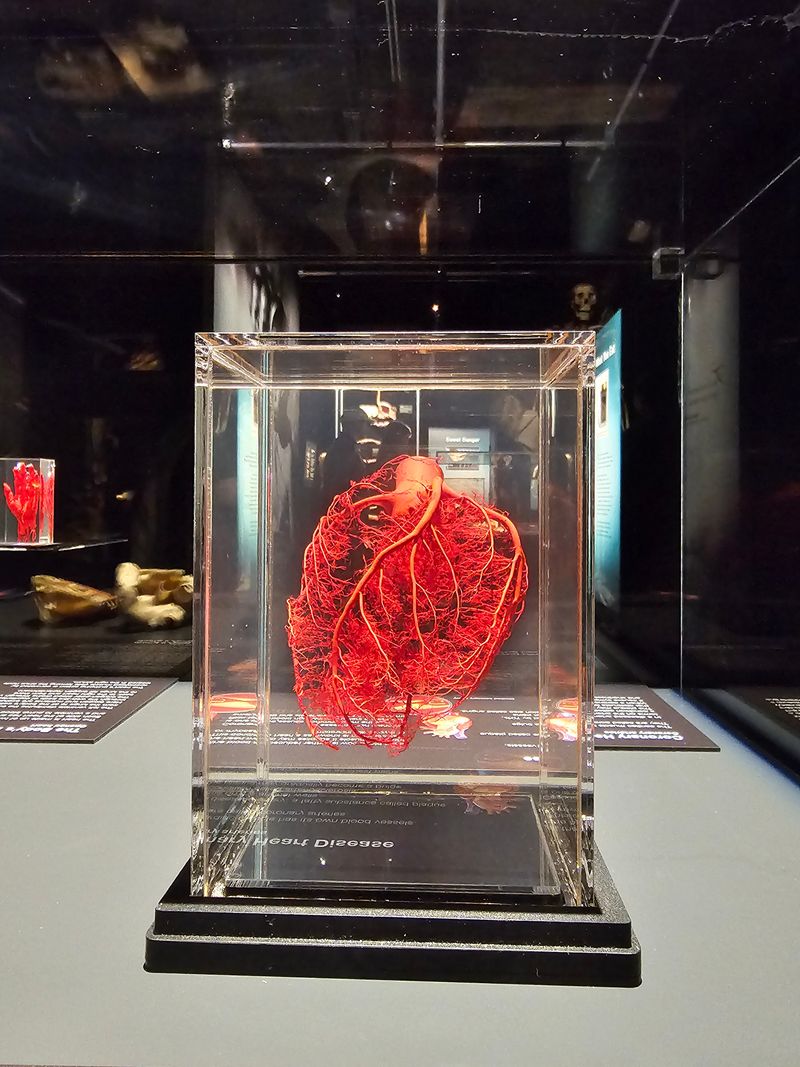
Few exhibits deliver more powerful health messages than side-by-side comparisons of healthy and diseased organs.
Real specimens preserved for educational purposes show exactly what happens when lifestyle choices go wrong, displaying lungs damaged by smoking, livers affected by disease, and arteries clogged with plaque.
The visual impact hits harder than any lecture or pamphlet, creating visceral understanding of how daily decisions affect long-term health. Visitors stand silently before these displays, processing the stark differences between organs that were cared for and those that weren’t.
The museum presents this information without judgment or scare tactics, letting the visual evidence speak for itself. Informational plaques explain what caused each condition and, more importantly, how similar damage might be prevented or reversed.
Young people especially benefit from seeing these comparisons before bad habits take root, while older visitors often experience wake-up calls that inspire healthier choices.
The exhibit proves particularly effective for families, sparking conversations about nutrition, exercise, and wellness that continue long after leaving the museum.
Medical students and healthcare professionals visit specifically for these specimens, appreciating the educational value of seeing pathology in three dimensions rather than textbook photos. The museum’s collection includes various stages of disease progression, illustrating how conditions develop over time.
This graduated approach helps visitors understand that health exists on a spectrum and that it’s never too late to make improvements. The organ comparison exhibit embodies the museum’s mission of promoting wellness through education and awareness.
Perfect Size for Focused Exploration
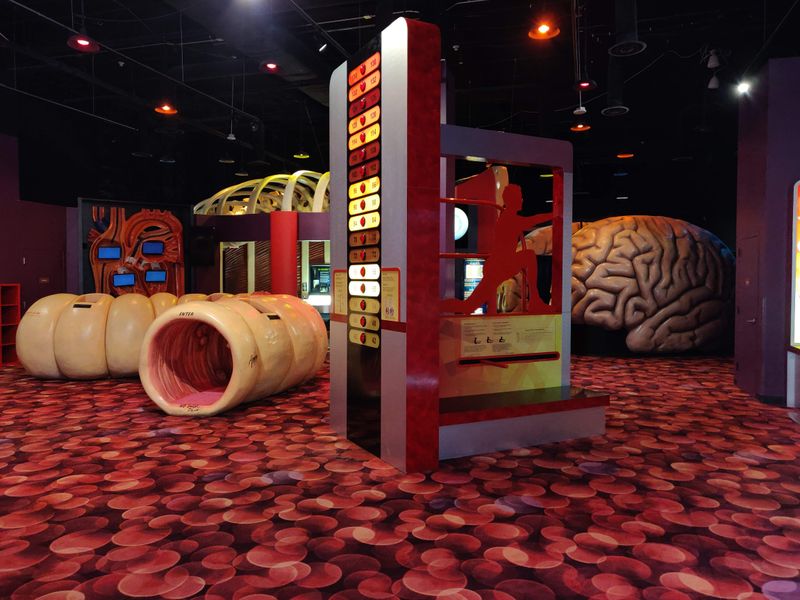
Unlike sprawling museums that exhaust visitors before they’ve seen half the exhibits, The Health Museum offers a perfectly manageable size. Most people complete a thorough visit in one to two hours, making it ideal for families with young children or anyone who finds marathon museum sessions overwhelming.
The compact layout means you won’t miss important exhibits because you ran out of time or energy, and kids can explore without parents worrying about losing track of them in endless galleries.
The single-story design eliminates stairs and makes navigation simple for visitors with mobility challenges or strollers. Everything flows logically from one section to the next, creating a natural path that doesn’t require constant map consultation.
First-time visitors can easily orient themselves and plan their route based on interests and energy levels. The size also means staff members are readily available to answer questions or provide assistance, creating a more personalized experience than you’d get at larger institutions.
Some visitors initially worry the small size means limited content, but the museum packs surprising depth into its footprint. Quality trumps quantity here, with each exhibit thoughtfully designed to maximize educational impact and engagement.
Families appreciate being able to see everything without rushing, allowing time for kids to really interact with exhibits rather than hurrying past. The manageable scope also makes return visits appealing since you can thoroughly explore without dedicating an entire day.
For out-of-town visitors hitting multiple Houston attractions, this museum fits perfectly into busy itineraries without overwhelming schedules.
Gift Shop Full of Anatomical Treasures
Museum gift shops usually peddle generic souvenirs, but The Health Museum’s retail space caters specifically to anatomy enthusiasts and science lovers. Plush organs line the shelves, letting you take home a cuddly brain, heart, or kidney that’s both adorable and educational.
Anatomical models ranging from simple to highly detailed appeal to students, teachers, and anyone fascinated by how bodies work. Science kits provide take-home experiments that extend the museum experience, keeping kids engaged with biology long after the visit ends.
Books covering every aspect of health and human biology fill multiple shelves, from children’s picture books to detailed medical references. Jewelry featuring DNA helixes, anatomical hearts, and other scientific designs lets science nerds wear their passion proudly.
T-shirts emblazoned with clever anatomy puns and medical humor make perfect gifts for healthcare workers or biology teachers. The shop even stocks educational posters that turn any room into a mini anatomy lab.
Prices run higher than typical tourist trap merchandise, reflecting the specialized nature and quality of the products. Visitors on tight budgets might window shop rather than purchase, but those who do buy rave about the unique items they can’t find elsewhere.
The shop handles ticket sales and general admission, so you’ll pass through on your way in regardless. Staff members provide helpful recommendations if you’re shopping for specific interests or age groups.
Many visitors end up spending more time and money in the gift shop than they anticipated, discovering perfect presents for the science lovers in their lives.
Convenient Hermann Park Location
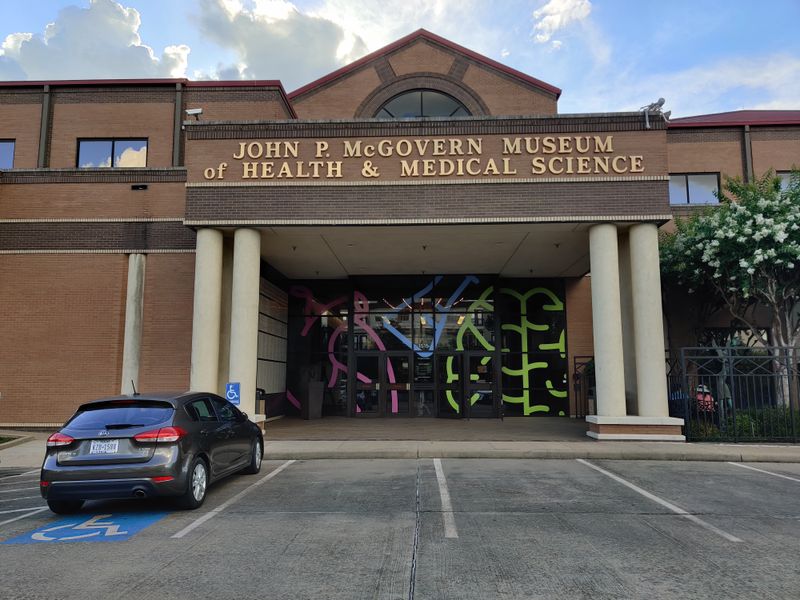
The Health Museum’s position in Houston’s Museum District puts it within easy reach of multiple cultural attractions and beautiful Hermann Park. Visitors can park in the museum’s paid lot right at the entrance for maximum convenience, or walk two minutes from Hermann Park’s free parking to save a few dollars.
The location makes combining museum visits simple, letting culture vultures hit several destinations in one day without driving across the city. After exploring human anatomy, you can stroll through the park’s gardens, visit the zoo, or check out neighboring museums.
The area buzzes with activity on weekends as families take advantage of the concentrated cultural offerings. Food trucks sometimes park nearby, though the museum itself only offers vending machines rather than a full cafeteria.
Smart visitors pack snacks or plan meal breaks at nearby restaurants before or after their museum time. The surrounding neighborhood provides plenty of dining options within short walking or driving distance.
Public transportation serves the area well, making the museum accessible to visitors without cars. The clean, safe neighborhood encourages walking between attractions, and the flat terrain accommodates strollers and wheelchairs easily.
Museum hours run Tuesday through Saturday from 10 AM to 5 PM, with Sunday hours starting at noon and Mondays designated as closed. Arriving early on weekends and free admission days helps avoid crowds and ensures you get the most relaxed experience possible.
The central location and flexible visiting options make The Health Museum an easy addition to any Houston itinerary.
Address: 1515 Hermann Dr, Houston, TX 77004
Dear Reader: This page may contain affiliate links which may earn a commission if you click through and make a purchase. Our independent journalism is not influenced by any advertiser or commercial initiative unless it is clearly marked as sponsored content. As travel products change, please be sure to reconfirm all details and stay up to date with current events to ensure a safe and successful trip.
