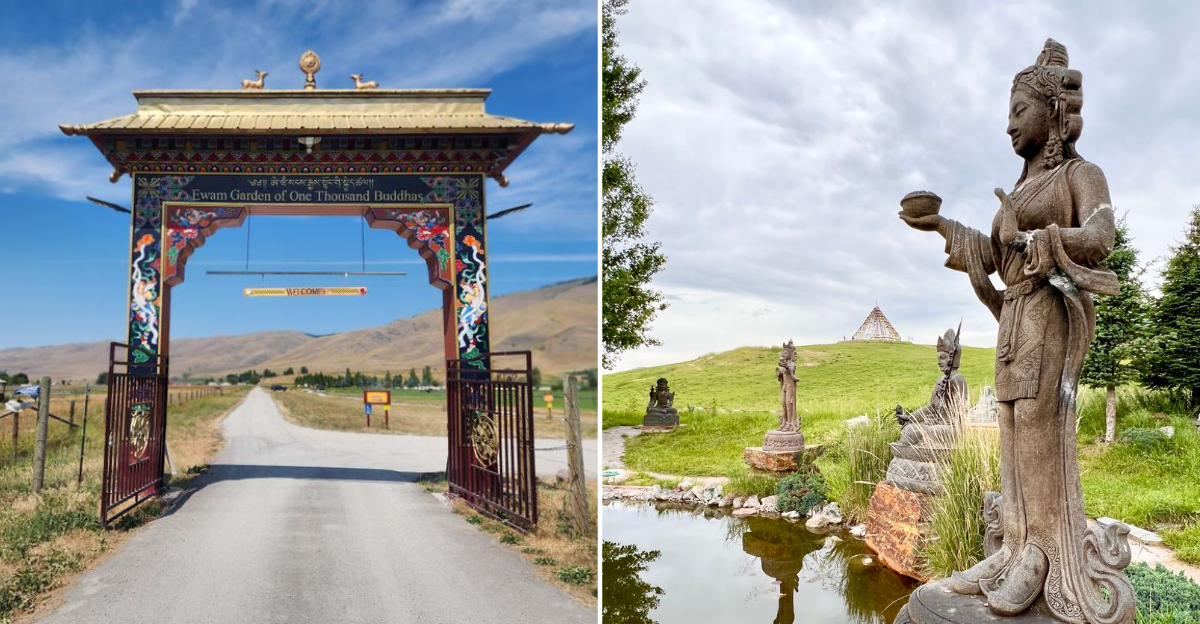
Have you ever been driving down a highway and stumbled on something you didn’t expect at all? That’s the feeling travelers get when they come across The Garden of One Thousand Buddhas in Montana. It’s not the kind of stop most people plan for, but once you see it, you’ll remember it.
Set in the Jocko Valley near Arlee, this peaceful spot feels worlds away from the usual roadside attractions. Rows of stone Buddhas circle a central stupa, creating a space that’s calm, quiet, and surprisingly moving.
Whether you’re into spirituality or just curious, the garden has a way of slowing you down and making you take it all in.
Visitors often talk about how unexpected it feels. One minute you’re on a Montana highway, the next you’re standing in a place that looks like it belongs halfway across the globe.
It’s not flashy, and that’s the point. The Garden of One Thousand Buddhas is memorable because it’s different.
So next time you’re driving through Montana, don’t just pass by. This stop might surprise you in the best way!
A Peace Garden In Big Sky Country
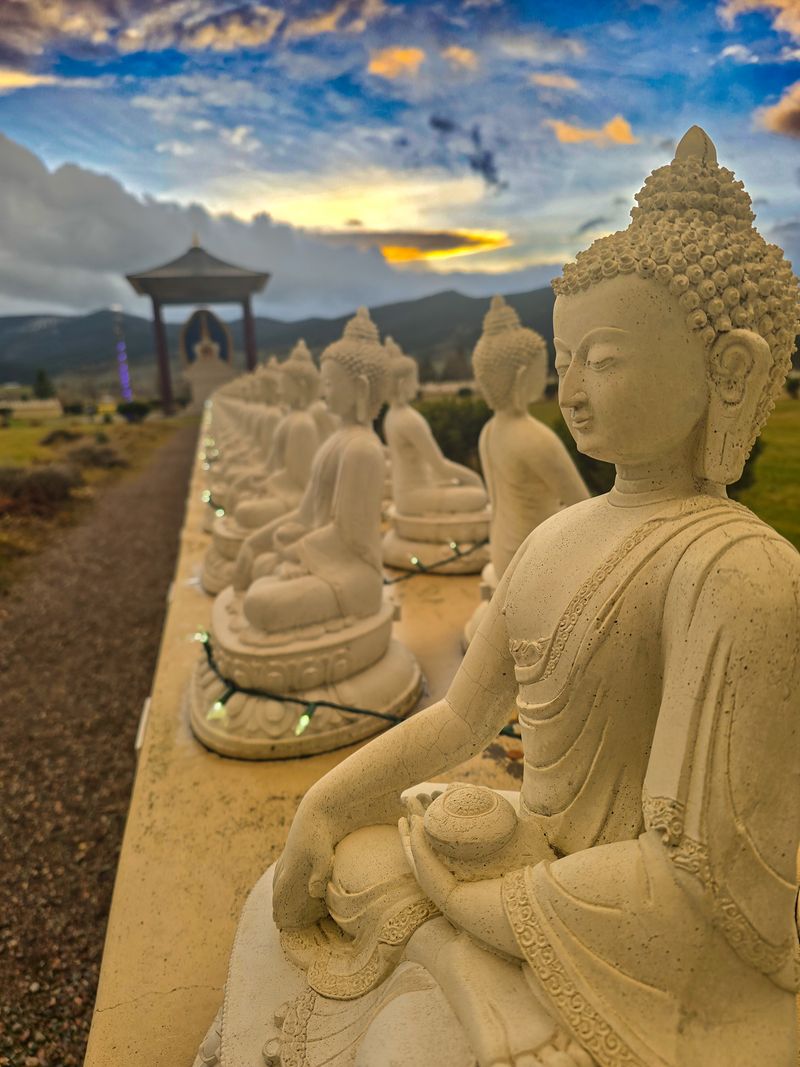
You know when a place sneaks up on you and everything goes quiet? That’s how it feels rolling into The Garden of One Thousand Buddhas at 34574 White Coyote Rd, Arlee, MT 59821.
Montana’s big skies do their usual show, but here the calm sits closer, like it’s waiting for you.
This site isn’t a quick pullout with a view sign. It’s a working peace garden where the rows of white statues echo down long paths.
The layout feels deliberate, so even before you read anything, your feet slow down and your shoulders drop a little.
What surprised me most was how friendly it feels, not flashy, not loud. Just a steady, open welcome from the land and the art together.
Walk a few steps and you hear gravel crunch, and that tiny sound becomes part of the mood. The mountains hang back like quiet companions.
I like that there’s no need to perform here. No rushing to a lookout with a line, just space to wander, glance, breathe, and notice details you didn’t know you needed.
The state can be intense with its size, but this garden settles that energy in a kind way.
If you’re heading up Highway 93, this stop isn’t a detour, it’s a reset. When the turn arrives, take it, you’ll feel the difference right away.
A Sacred Path Laid Out Like A Dharma Wheel
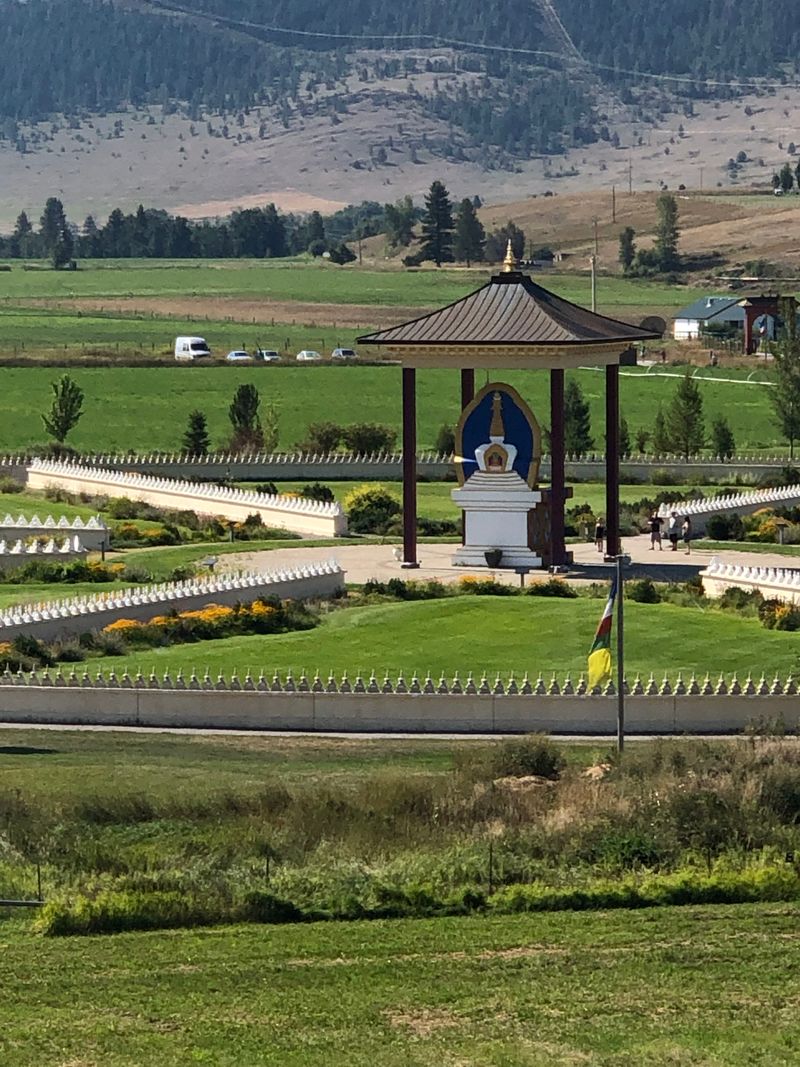
First step on the path and you notice the pattern under your feet. The garden isn’t random at all, it’s shaped like a dharma wheel, a full circle with clear spokes guiding how you move.
You start at one point and the lines pull you inward, then outward again. Eight spokes meet at the center, and each direction feels intentional.
It’s a shape that makes walking feel like a conversation, not a chore.
There’s a sturdy rhythm to it. You follow a spoke, pause, turn, and the mountains line up with the statues like they’re part of the plan.
The design invites you to keep going without rushing.
I like how it makes choices simple: go left, go right, or rest at the center. No wrong way to do it, just steady movement that eases the mind.
Even folks who don’t know Buddhist symbolism feel it. The circle holds you while the spokes give direction, and together they create this quiet sense of focus.
The wheel maps out a different kind of time.
Stand still and you’ll notice the wind in the grass and the crunch of your steps echoing across the spokes. Those little sounds make the shape feel alive.
It’s a gentle guide that never pushes.
A Thousand Statues With Deep Meaning
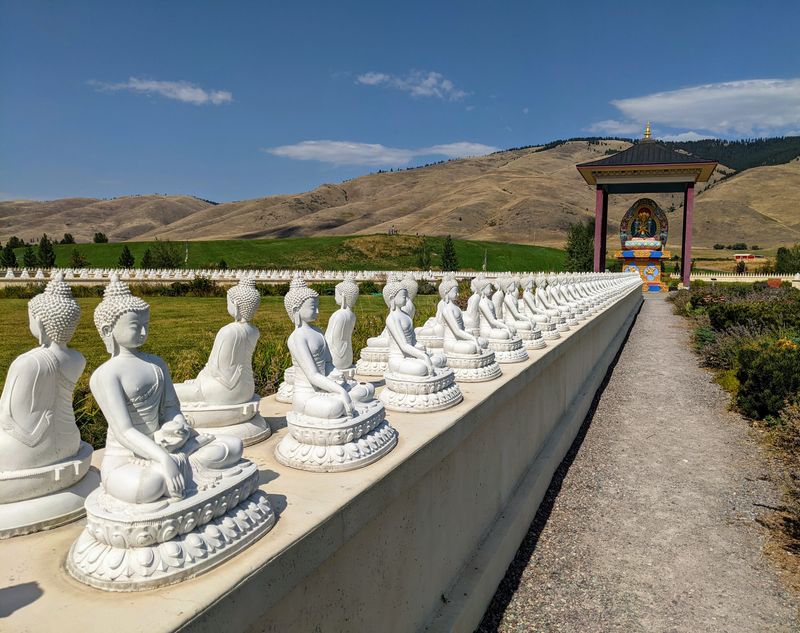
At first glance, it’s the number that gets you. Row after row of white figures, each with a calm face, all lined in careful symmetry.
Then you realize they’re not copies in spirit, even if they echo the same form.
Each statue stands for qualities people keep reaching for: peace, clarity, compassion, that quiet wisdom you feel when everything finally slows down.
The repetition turns into a steady hum you can almost hear.
Walk alongside them and your steps start matching their calm. The spacing is measured, the lines are clean, and the effect is almost musical.
You find yourself breathing easier without trying.
I like to stop at the end of a row and look back. The glimmer of white against the valley brings the whole picture together.
You don’t need background to feel the meaning here. The arrangement carries it just fine.
It’s art that works quietly in the background while you get your bearings.
Keep a soft pace and you’ll notice more than you expected. By the time you circle back, the rows feel like old friends.
Centered On The Great Mother Of Wisdom
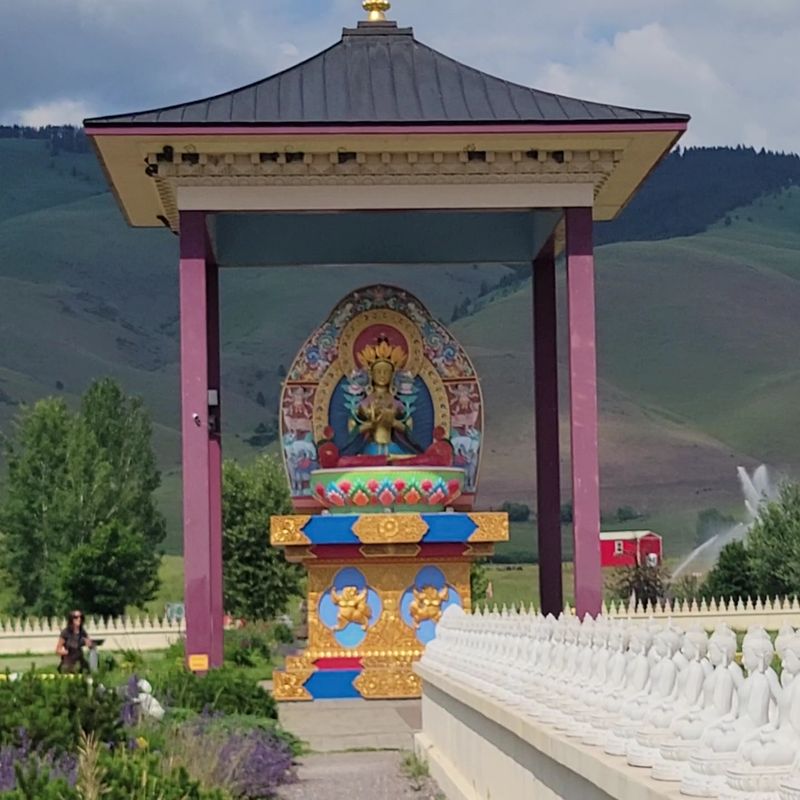
Right at the center there’s a presence you feel before you fully see it. The Great Mother, known as Yum Chenmo, rises with a calm that carries across the whole wheel.
That figure is the heartbeat of this place.
Stand there for a moment and the spokes make more sense. Everything points toward the statue, then flows out again.
I think it’s a natural wayfinder that never needs a sign.
The posture is strong but soft. You can read compassion in the lines and stillness in the space around it.
I like to face the statue and let my eyes travel down the spokes. The rows of Buddhas turn into a quiet chorus backing the soloist at the center.
The valley beyond becomes part of the stage.
You don’t have to know the name to get the feeling. Wisdom is the tone here, and the statue sets it like a tuning fork and the garden hums along.
This is where you reset your pace, take one slow lap and you’ll feel the shift. The center holds steady while you circle.
When friends ask what stood out, this is the image I share. The Great Mother, the spokes, the mountains breathing in the background; it’s simple and it lands.
A Roadside Stop With A Story
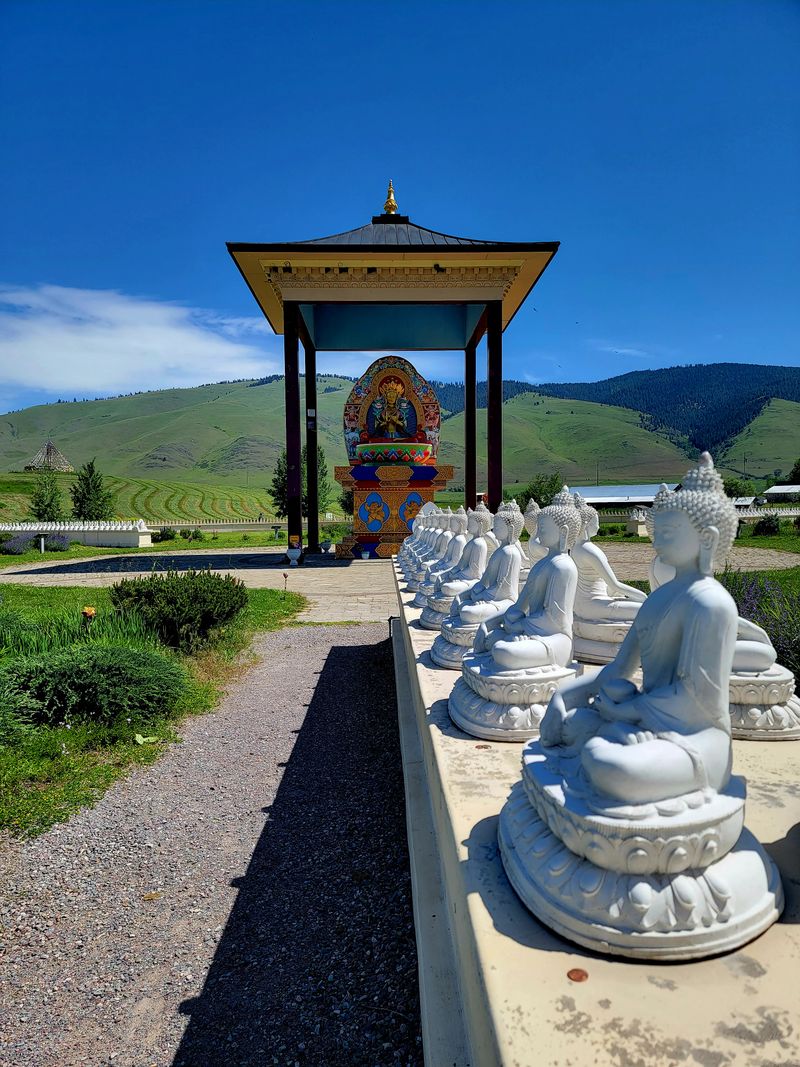
I feel like the story behind this place gives the walk extra weight. A Tibetan Buddhist teacher envisioned the garden long before the rows stood in place.
Then the idea took root here in the Jocko Valley and grew step by careful step.
Local leaders helped bless the land and set the tone for how it would be held. That support shows up in the way visitors move through the space.
I like knowing there’s a history of partnership. It gives the garden a local heartbeat even while it speaks a global language.
The whole project becomes more than objects on land.
That background might not be obvious when you first park, but if you read the signs or chat with someone tending the grounds, you feel the layers. There’s purpose here.
Stories like this change how you remember a place. You carry the context with you, and the rows of statues feel even more grounded.
The landscape becomes a chapter, not just a backdrop.
This state holds all kinds of projects, but this one tucks into the valley with humility. It doesn’t shout about itself from the road, it lets the story reveal itself in pieces.
When you go, make sure to leave a little extra time to look around slowly. Notice the details of how the site is cared for, that speaks too.
By the time you drive off, the memory isn’t only visual, it’s also connection and care. That’s the kind of roadside stop that sticks.
Open To All, Every Day Of The Year
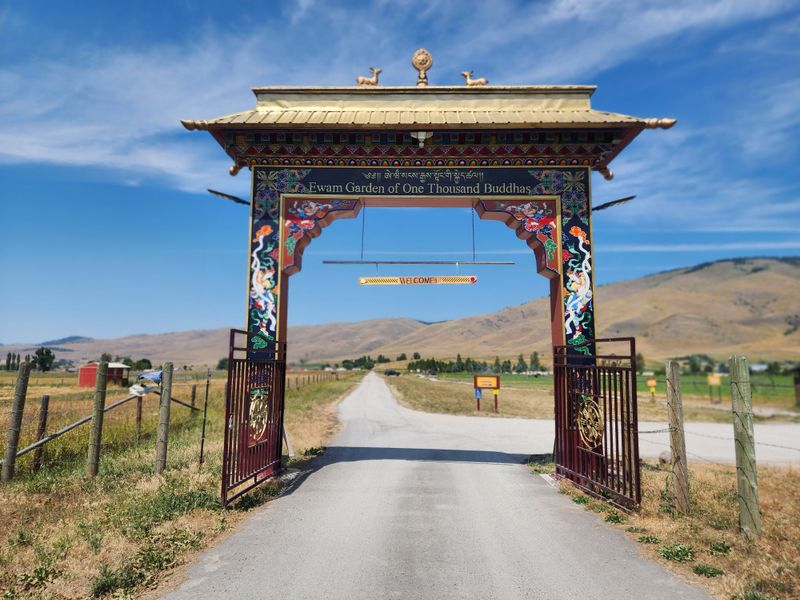
One thing I love about this stop is how easy it is to visit. No ticket ritual, no complicated schedule to juggle, you just show up and let the place set the pace.
There are suggested tours during warmer months, and those can be helpful if you want context, but wandering on your own works just as well. The layout guides you without saying much.
I always think about road trip timing. When the highway rhythm gets weird, flexibility matters.
This garden gives you room to pull over when your energy says it’s time.
There’s a calm kind of welcome baked in. Families, solo travelers, old friends catching up, it all fits.
The space holds conversation and silence without any fuss.
Even a short visit leaves a mark, ten minutes of slow walking can reset a long day behind the wheel. That’s worth a stop on its own.
Signs help with basic etiquette and direction. Nothing heavy handed, just cues that keep things respectful, it keeps the mood steady and kind.
Montana trips can be unpredictable, and that’s part of the fun. Having a reliable place like this tucked off Highway 93 feels like a small gift, because you’re never locked out by timing.
If the day gets long, pull in for a lap. Your head and shoulders will thank you.
A Unique Blend Of Culture And Nature
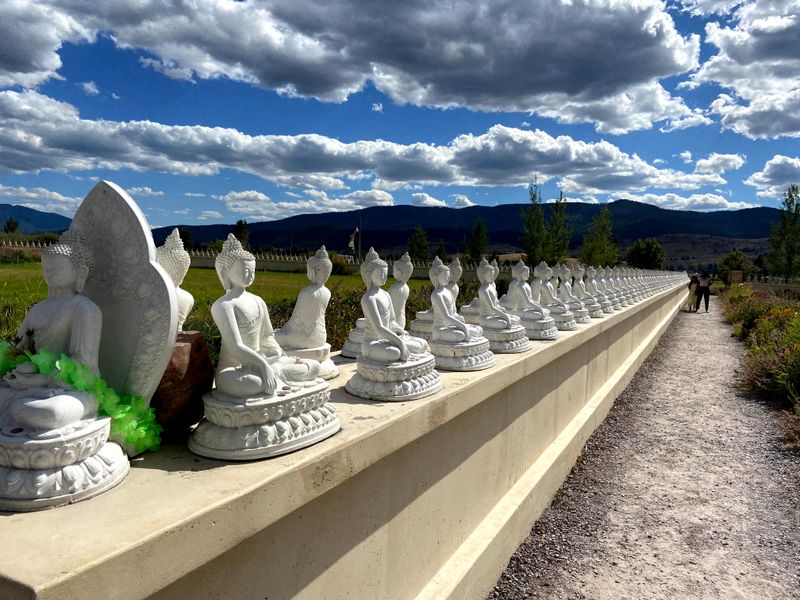
Here’s the part that makes you do a double take. A Tibetan Buddhist cultural space set among ranchland and mountains, calmly minding its business.
That unlikely pairing is what sticks.
Walk the paths and you’ll feel both worlds at once: the symbolism in the statues, the plainspoken honesty of Montana all around.
I like how the design doesn’t try to outrun the landscape. It respects the horizon and uses open space like an extra material, and the result feels balanced and generous.
Take a slow lap and notice the transitions: gravel to grass, art to field, quiet to quieter. Your eye learns the rhythm in a few minutes.
This blend pulls in different kinds of visitors. Some come for the spiritual piece, some for the scenery, some for the architecture.
Everyone seems to find a lane without getting in the way.
The address might fade from your memory, but the feeling won’t. It’s that simple.
Places like this change what you picture when someone says Montana. Big sky, yes, but also thoughtful spaces tucked into the map.
I think the variety is part of the charm.
On the drive out, watch how the statues recede into the valley. That last view ties the whole idea together, and that is culture and nature, sharing the same breath.
A Photography Playground For The Curious
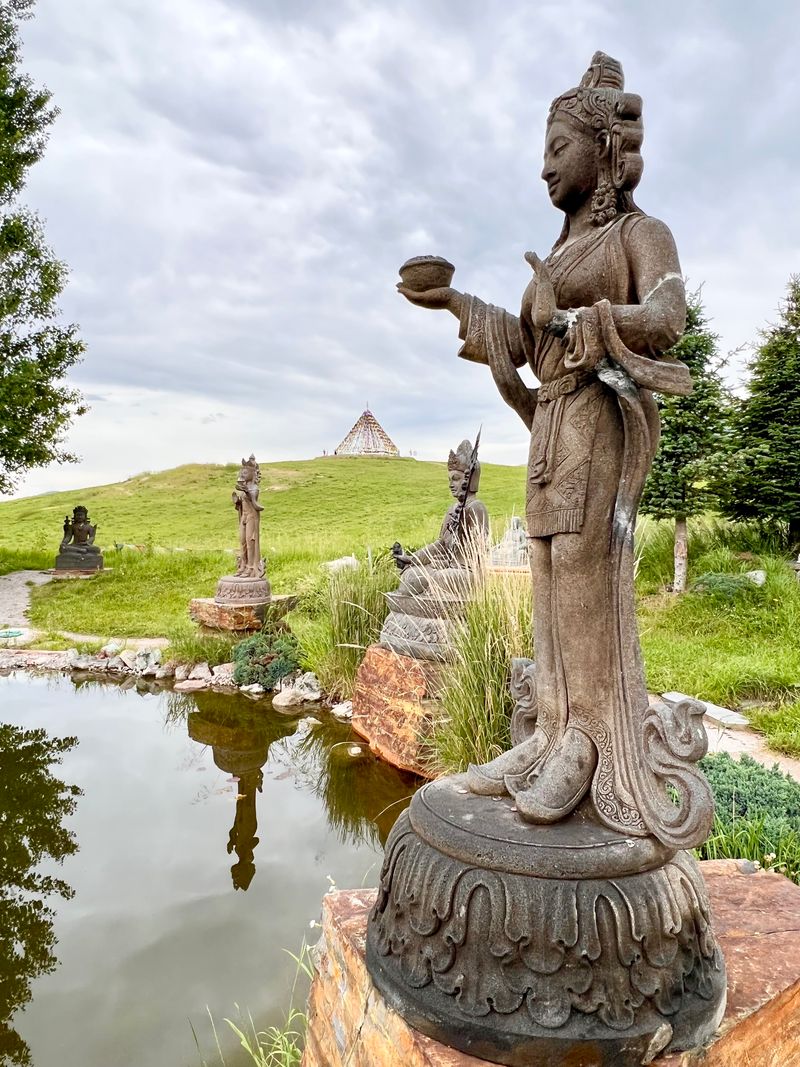
If you like playing with angles, bring your camera or just your eyes, the lines here do half the work. Rows of statues give you leading lines for days and the sky fills in the rest.
Golden hour warms the white figures in a way that looks almost painterly. Midday brings bright clarity that loves clean compositions, and even overcast light feels soft and forgiving.
Try a low angle down a row and let the mountains cap the frame or step back for symmetry that stretches across the wheel. Every small shift gives a new read.
I feel like shadows help too, they travel with the sun and carve gentle patterns along the paths. The mood changes without any big moves from you.
I like to put the center statue just off center and let the spokes carry the viewer’s eye, it feels natural and balanced. You don’t need fancy gear to make it sing.
Montana’s sky is your best collaborator. Clouds add texture that keeps the light interesting, and clear days turn the white statues electric.
Give yourself a little time to try a few spots, move slowly, breathe, look, and shift two steps to the side. Simple adjustments do wonders, trust me.
When you’re done, tuck the camera away and take one last look without a lens. The scene holds up even better that way, and you’ll carry it longer.
A Place To Pause And Reflect
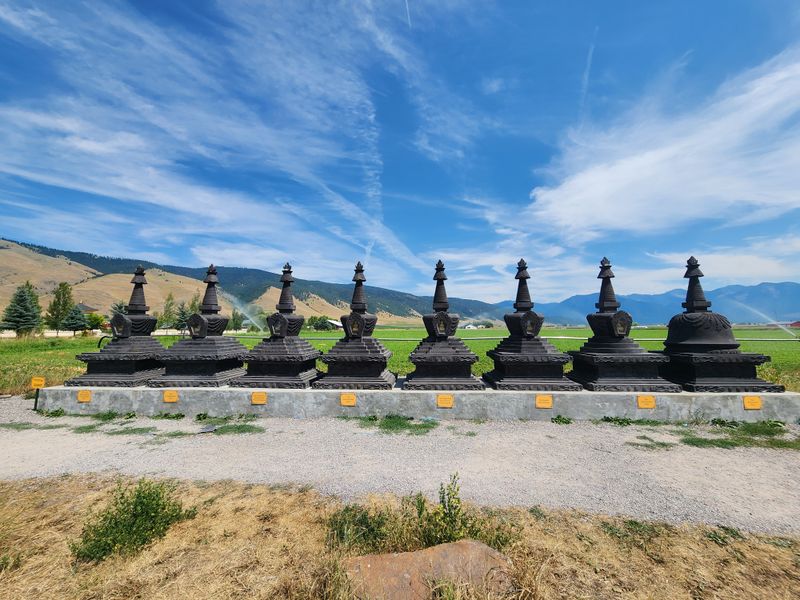
Road trips can turn your brain into a traffic report, but this place breaks that loop. You walk a spoke, breathe a little deeper, and things start to sort themselves out.
Even short visits help. Sit for a minute, watch light move across the statues, and hear gravel settle under the next step.
I like picking a simple marker to return to. Maybe a curve in the path or a view where the mountains line up clean, it becomes a small anchor.
The design gives you gentle cues without pressure. Walk the circle, pause at the center, or stand at the edge and take it all in; there’s no wrong move.
Montana’s air has a way of clearing static, combine that with the garden’s rhythm and you get a reset that sticks past the parking lot. It can turn a long day around.
You can bring a friend and keep the talk light, or go quiet and let your thoughts ease up. Either way, the space holds it well.
By the time you reach the car again, your pace has changed, and that shift is the real souvenir. You feel a little more present.
Take the next miles slower and see how it lasts. If it fades, you’ll know a place to recharge.
The turnoff will be waiting.
Finding Your Own Pace On The Paths
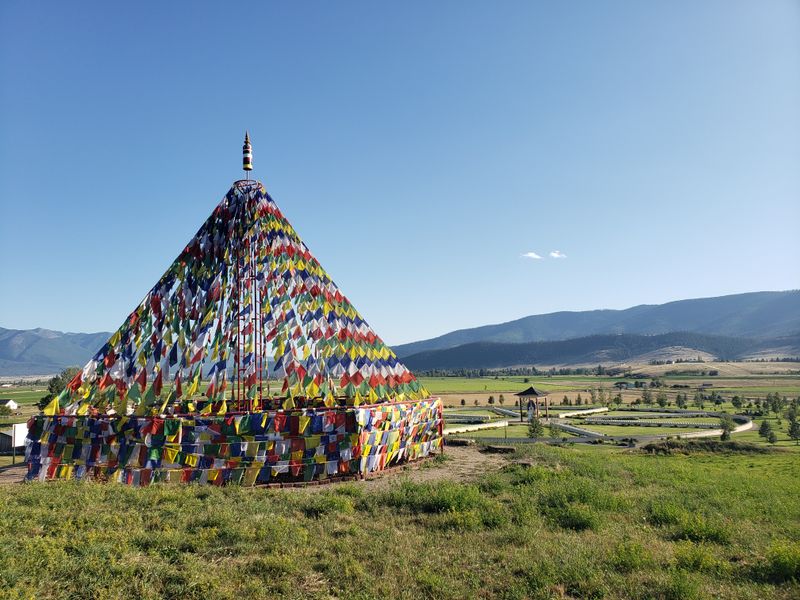
Some places push you to hurry, but this one nudges you to pick a pace that feels natural. The paths are level and clear, so your steps find a rhythm fast.
You can loop a spoke, circle the center, or trace the outer edge. Each route gives a different view, and none of them demand anything from you.
I like to match my breathing to the crunch of gravel, it’s silly, maybe, but it works. The sound turns into a metronome that keeps things steady.
There’s room to walk side by side and chat, or drift apart and go quiet for a bit. Both feel right, and the garden holds space for either mood.
The statues act like gentle markers. You pass one, then another, and it feels like chapters turning.
I love how there is no rush to reach the end.
Montana’s light plays a role too, it stretches or softens the scene depending on the hour. Either way, the paths respond well.
By the time you finish a loop, you might notice you’re moving easier. Shoulders down, mind quieter, and that’s the whole idea working.
When you get back in the car, keep that pace a little longer. Let the highway borrow it, the miles behave better when you do.
Dear Reader: This page may contain affiliate links which may earn a commission if you click through and make a purchase. Our independent journalism is not influenced by any advertiser or commercial initiative unless it is clearly marked as sponsored content. As travel products change, please be sure to reconfirm all details and stay up to date with current events to ensure a safe and successful trip.
