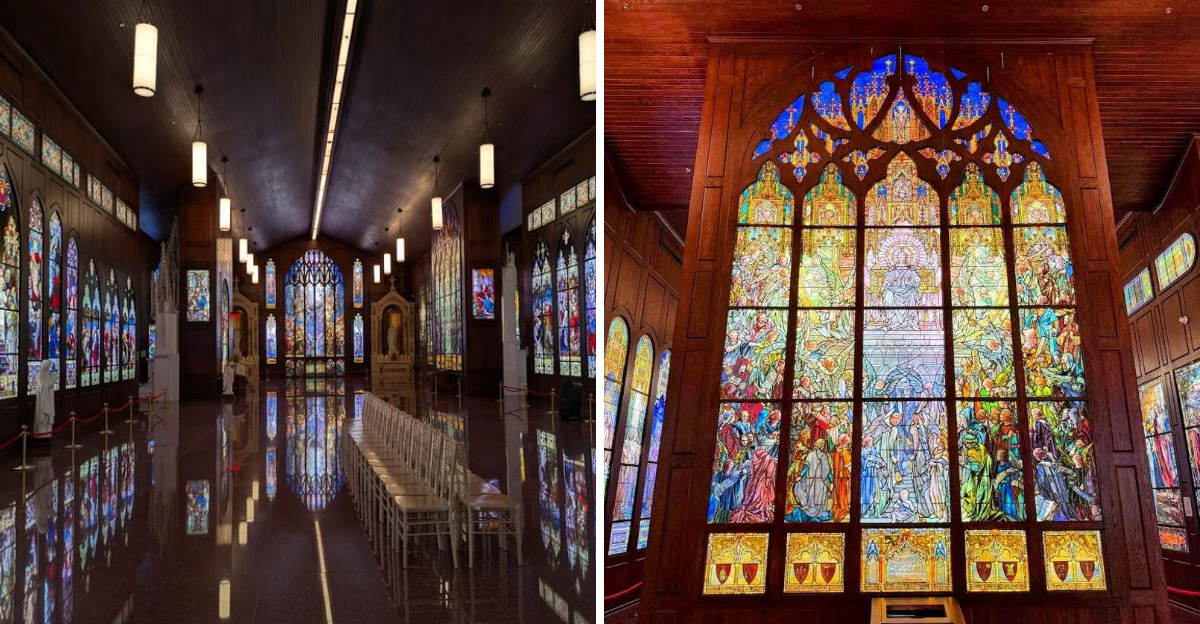
Light hits differently in a place like this, and you notice it right away.
Every direction you turn, color shifts, patterns catch your eye, and the whole space feels alive without anything moving. You slow down without meaning to, just to take in the details.
It is one of those experiences that feels quiet but still leaves an impression. Texas has plenty of museums, but walking through something like this feels a little more unexpected.
A Building That Feels Like It Belongs in Medieval Europe
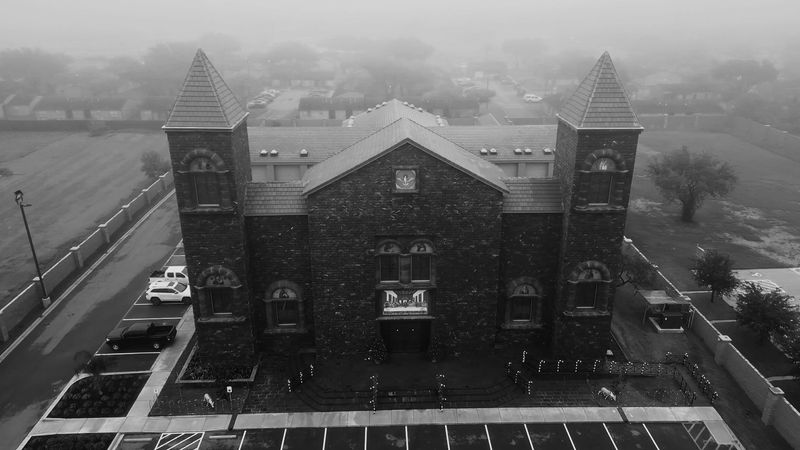
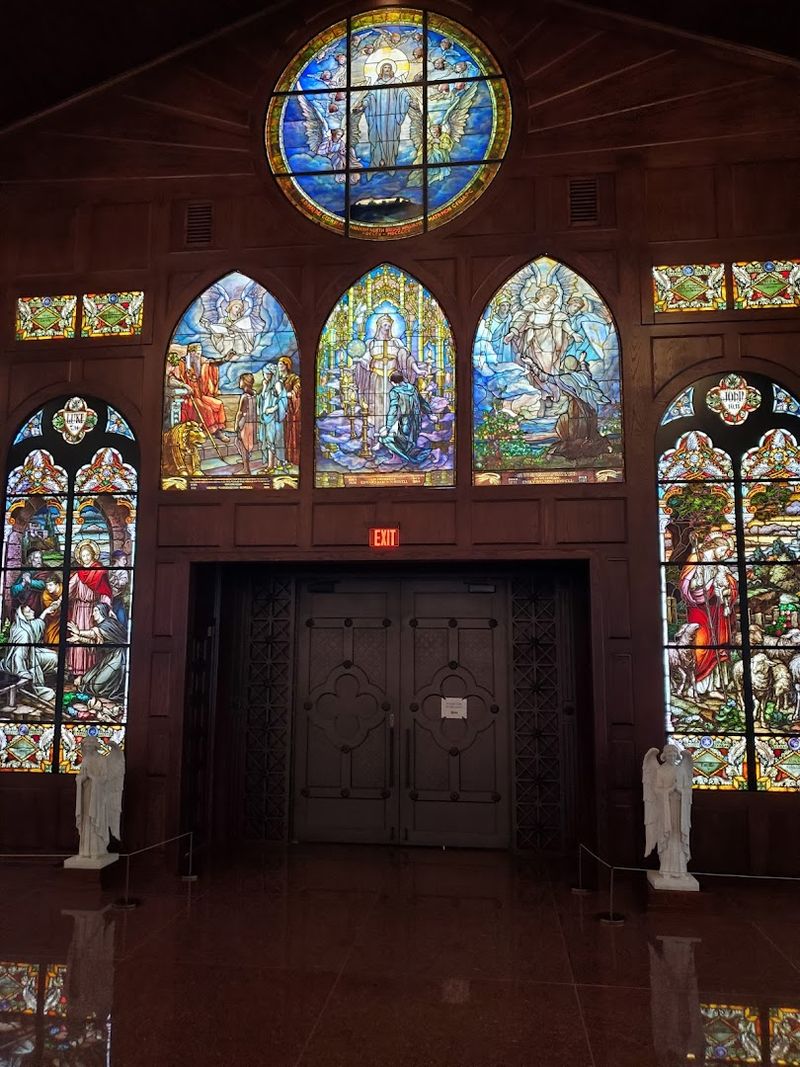
The architecture alone is reason enough to pull over. The Gelman Stained Glass Museum was designed in a Latin-cross cruciform layout, a shape traditionally used in European medieval cathedrals, and that choice was not accidental.
Every angle of the building sets the mood before you even walk through the door.
The 16,000-square-foot facility opened in December 2021, which means it is still relatively new, but the design feels timeless. Tall walls, soaring ceilings, and a floor plan that encourages slow, reverent movement through each gallery space all contribute to a sense of grandeur that is rare in South Texas.
What I found genuinely surprising was how well the building complements the collection inside. Most museums feel like generic white-walled boxes.
This one actually mirrors the spiritual and artistic weight of what it holds. The structure itself becomes part of the experience, framing each window the way a cathedral would, with intention and care.
It is a bold architectural statement for a region that deserves more of them.
174 Antique Windows and the Stories Behind Them
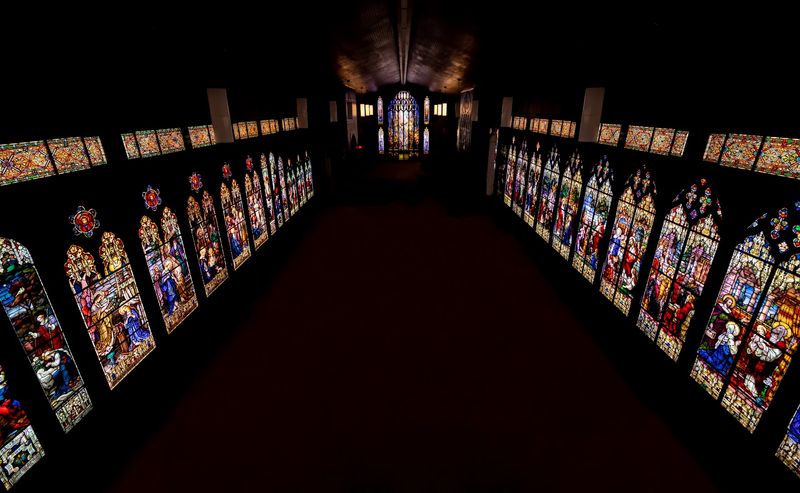
One hundred and seventy-four windows. That number sounds abstract until you are actually standing in the middle of them, turning slowly, trying to take it all in at once.
Each window in the Gelman collection dates from the 19th or 20th century, and each one carries a history that stretches far beyond South Texas.
These windows were not purchased new or commissioned for the museum. They were rescued, pulled from deteriorating churches across the United States before those buildings were demolished or left to crumble.
That backstory gives the collection an emotional weight that a typical art museum rarely achieves.
Some windows still carry the visual language of the congregations they once served, scenes of saints, scripture, and sacred symbols rendered in glass so detailed it is hard to believe human hands made them.
Spending time with each one feels less like browsing an exhibit and more like reading a series of letters from the past.
You start to wonder about the people who sat beneath these windows every Sunday, and somehow that makes the colors feel even more vivid.
Tiffany Studios and the Legendary Makers of the Collection
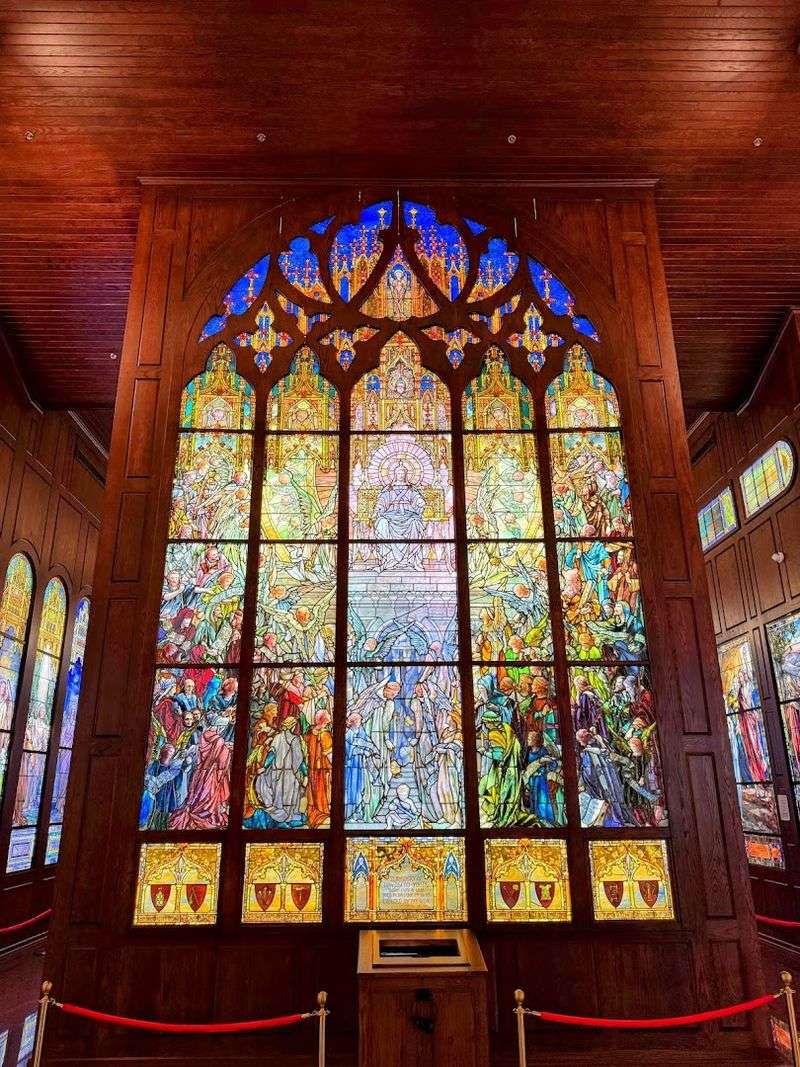
Not all stained glass is created equal, and the Gelman collection makes that point beautifully. Among its 174 windows are pieces crafted by some of the most celebrated names in American and European art glass history, including Tiffany Studios, John La Farge, Mary Tillinghast, F.X.
Zettler, and Franz Mayer Studios.
Tiffany Studios, founded by Louis Comfort Tiffany in New York, is probably the most recognized name on that list. Their windows are known for layered, jewel-toned glass and an almost painterly approach to light.
Seeing one in person, especially when it is backlit and glowing, is a genuinely different experience from seeing a photograph of one.
John La Farge was actually a rival of Tiffany and is credited with pioneering opalescent glass techniques in America. Having works from both artists in the same room creates an unspoken conversation between two giants of the craft.
For anyone even mildly interested in art history, this aspect of the museum is quietly thrilling. You are not just looking at pretty glass.
You are looking at the results of real artistic competition and innovation.
The LED Lighting System That Changes Everything
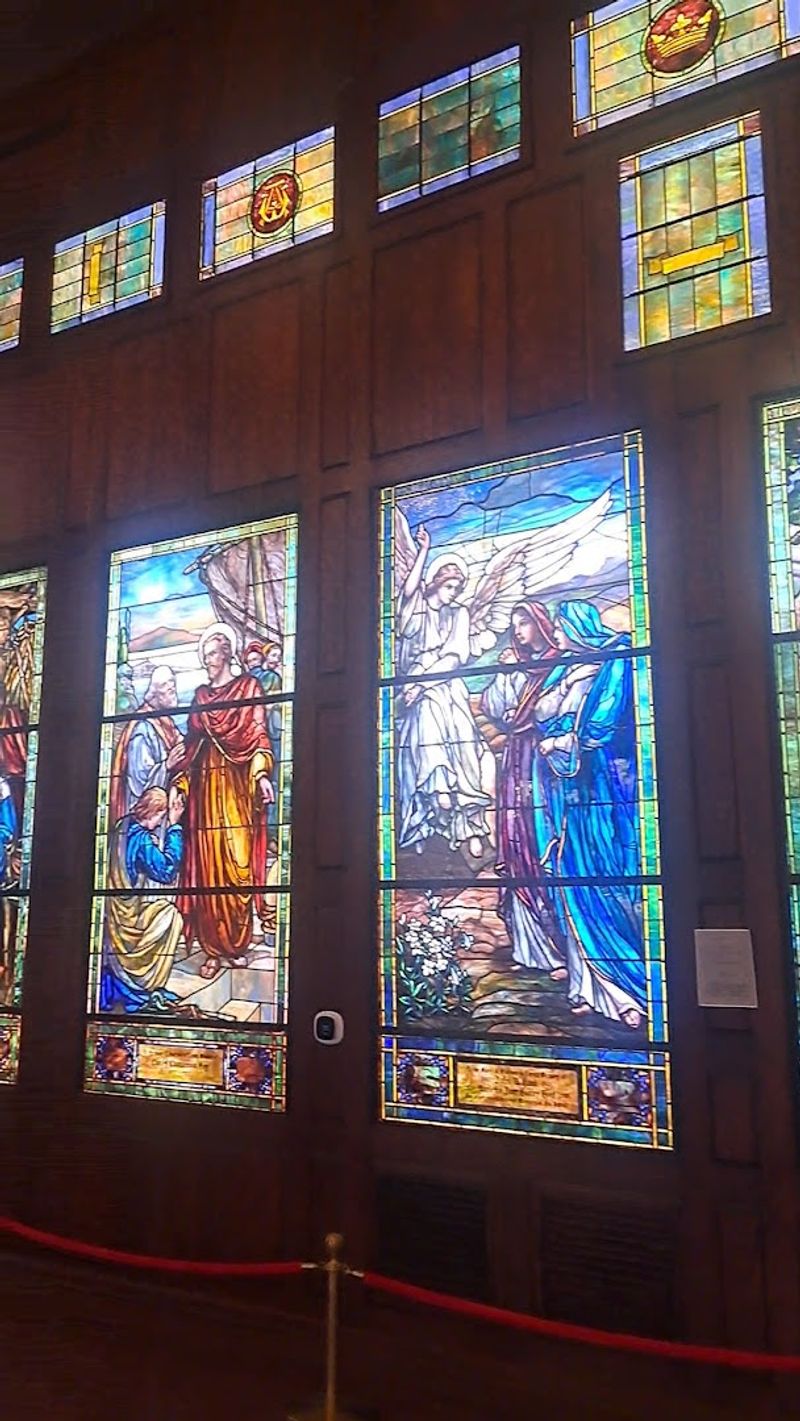
Natural light is the traditional partner of stained glass, but it is also unpredictable. Clouds roll in, the sun shifts, and suddenly a window that was blazing with color looks flat and dull.
The Gelman Museum solved this problem with a custom back-lit LED lighting system installed behind every window in the collection.
The system is designed to replicate the effect of natural sunlight at any time of day, which means a visit at four in the afternoon looks just as spectacular as one at noon. Every piece of glass is fully illuminated, every detail visible, every color saturated to the level the original artists intended.
I noticed almost immediately how different this felt from looking at stained glass in an actual church, where you are always at the mercy of the weather. Here, the light is consistent and generous.
The colors do not compete with shadows or fade into the walls. The LED approach also means the museum can operate in the evening, which gives the whole space a completely different atmosphere after dark.
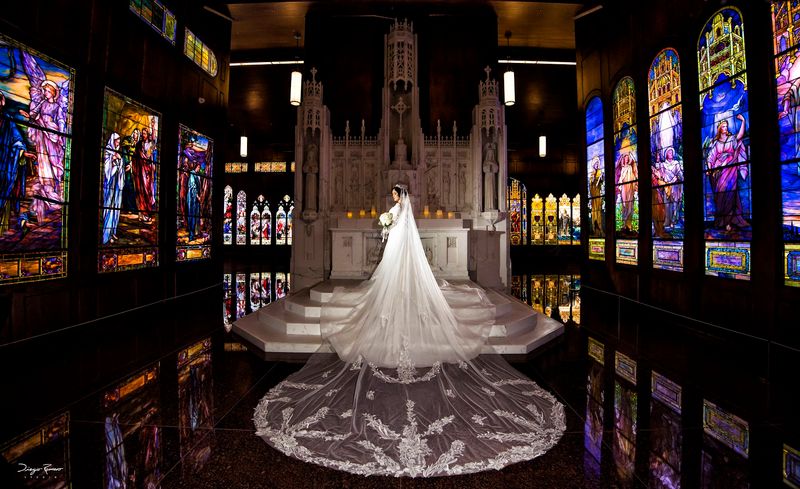
The windows glow like lanterns, and the effect is genuinely beautiful in a way that is hard to describe without sounding dramatic.
Religious Artifacts That Deepen the Sacred Atmosphere
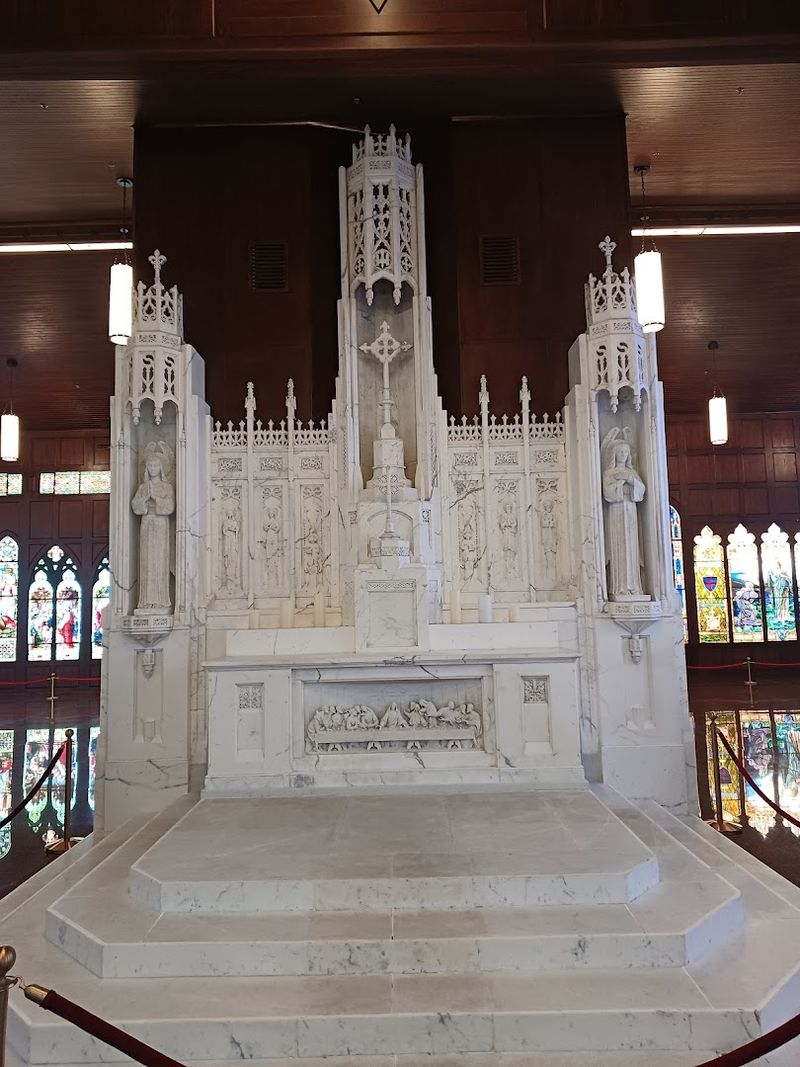
The windows are the headliners, but the Gelman Museum fills its space with other treasures that deserve attention on their own terms. Antique altars, baptismal fonts, and religious statues are placed throughout the galleries, and they do something important: they restore context.
Seeing a stained glass window in a museum setting can sometimes feel disconnected from its original purpose. But when you are surrounded by altars and fonts that come from the same era and tradition, the windows start to make more sense.
You begin to understand them as part of a complete sacred environment rather than isolated art objects.
Some of the statues and altars are strikingly detailed, showing the same level of craftsmanship that went into the windows themselves. It is clear that whoever assembled this collection cared about the full picture, not just the glass.
For visitors who are not particularly religious, these objects still function as fascinating historical artifacts. For those who do have a personal connection to Catholic or Christian tradition, the experience takes on an added layer of meaning that can feel surprisingly moving.
The whole space works together in a way that feels intentional and considered.
Why San Juan, Texas Is the Perfect Home for This Museum
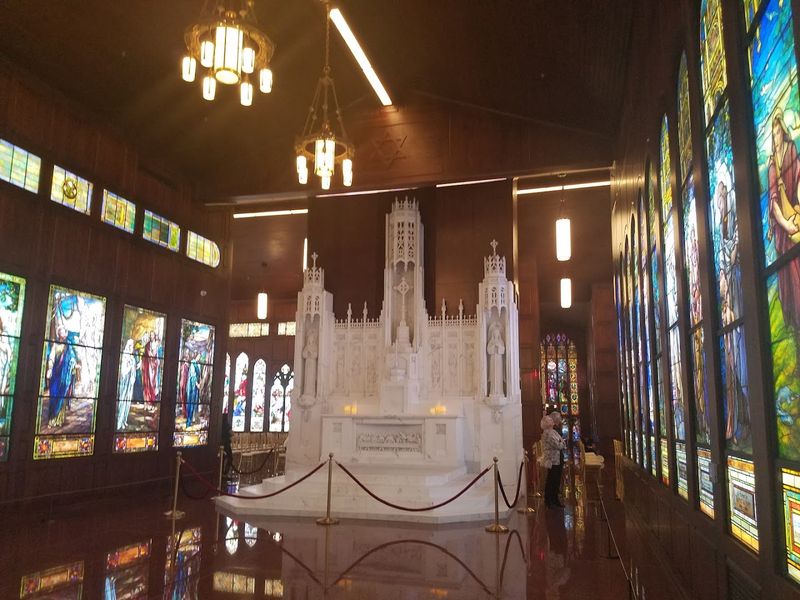
San Juan, Texas might not be the first place that comes to mind when you think of world-class art museums, but there is a reason this collection landed here. The city sits in the Rio Grande Valley, a region with deep Catholic roots and a strong tradition of religious community life.
The museum fits into that cultural fabric in a way that feels organic rather than out of place.
The location also puts the Gelman Museum in close proximity to the Basilica of Our Lady of San Juan del Valle, one of the most visited religious sites in all of Texas. That combination creates a kind of cultural corridor in the area that rewards visitors who are willing to spend a full day exploring.
There is something satisfying about discovering that a place this significant exists outside the usual cultural centers. Houston and Dallas get most of the attention when people talk about Texas arts and culture.
San Juan quietly holds something that neither of those cities can match. The museum feels like a point of pride for the whole region, and the community around it seems to know it.
Locals move through the space with a kind of easy ownership that is genuinely welcoming to outsiders.
Planning Your Visit: What to Know Before You Go
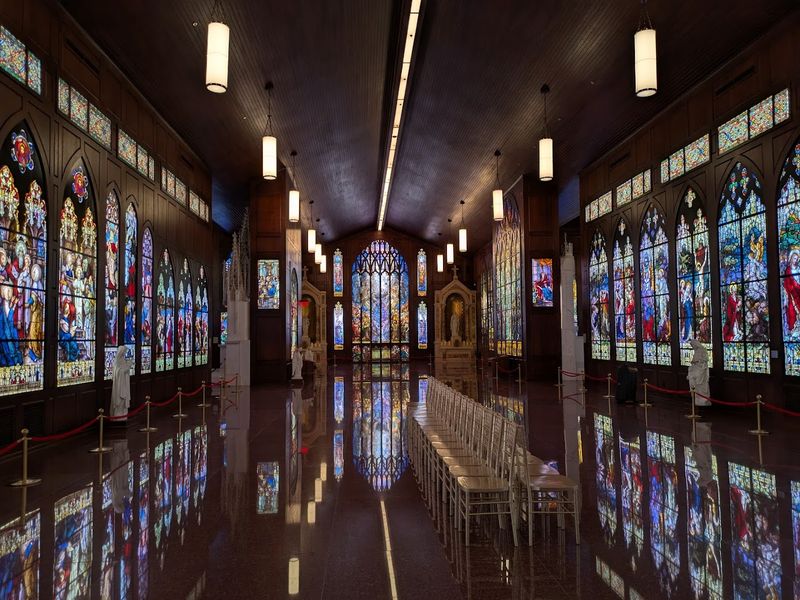
A little planning goes a long way when visiting the Gelman Museum, mostly because the hours are more limited than a typical attraction. The museum is open Wednesday through Friday from 4:00 PM to 7:00 PM, and on Saturday and Sunday from 10:00 AM to 4:00 PM.
It is closed on Mondays and Tuesdays, so check the calendar before making the drive.
Wear comfortable shoes, because you will want to take your time moving through the space rather than rushing. Photography is a natural impulse here, and the lighting makes for genuinely stunning shots even on a phone camera.
Arriving closer to opening time on a weekend gives you the best chance of a quieter experience before crowds build. The museum is small enough to feel personal, and that intimacy is part of what makes it special.
Give yourself at least ninety minutes to do it justice.
The Mission Behind the Museum: More Than Just Pretty Glass
Every museum has a reason it exists, and the Gelman Museum is unusually clear about its own. The stated mission is to inspire, uplift, educate, and illuminate the community by fostering a deep appreciation for the artistic, technical, and spiritual dimensions of stained glass.
That is a lot to ask of a building, but this one actually delivers on it.
The educational angle is real. The collection spans multiple studios, techniques, and historical periods, giving visitors a genuine crash course in the evolution of art glass without feeling like a lecture.
Kids who might glaze over in a traditional art museum tend to respond differently here, probably because the scale and the color are so immediately sensory.
The spiritual dimension is harder to quantify but easy to feel. There is a quality of stillness in the space that encourages reflection, and it does not matter whether you are religious or not.
Something about being surrounded by that much beauty, that much human effort directed toward something larger than daily life, has a settling effect. I left feeling calmer than when I arrived, which is not something I say about many places.
The museum earns its mission statement in the most honest way possible: by just being what it says it is.
A Day Trip Worth Making From Anywhere in South Texas
The Rio Grande Valley is not always top of the list for Texas road trips, but the Gelman Museum gives you a genuinely compelling reason to change that.
Whether you are coming from McAllen, Harlingen, Brownsville, or even driving down from Corpus Christi, the museum makes the journey feel worthwhile in a way that a lot of destinations simply do not.
Pairing the museum visit with a stop at the nearby Basilica of Our Lady of San Juan del Valle creates a natural itinerary that covers both art and history in a single afternoon.
The two sites are close enough to walk between if you are up for it, and the surrounding area has local restaurants worth exploring for a meal before or after.
What makes this day trip feel different from a typical tourist outing is the sense of discovery involved. Most people outside the Valley have never heard of the Gelman Museum, which means showing up feels like being in on something.
That feeling of finding a hidden gem, even if it is not technically hidden, is one of the best things travel can offer. South Texas has more going on than people give it credit for, and this museum is one of the strongest arguments for that claim.
Address: 411 Virgen de San Juan Blvd, San Juan, Texas
Dear Reader: This page may contain affiliate links which may earn a commission if you click through and make a purchase. Our independent journalism is not influenced by any advertiser or commercial initiative unless it is clearly marked as sponsored content. As travel products change, please be sure to reconfirm all details and stay up to date with current events to ensure a safe and successful trip.
