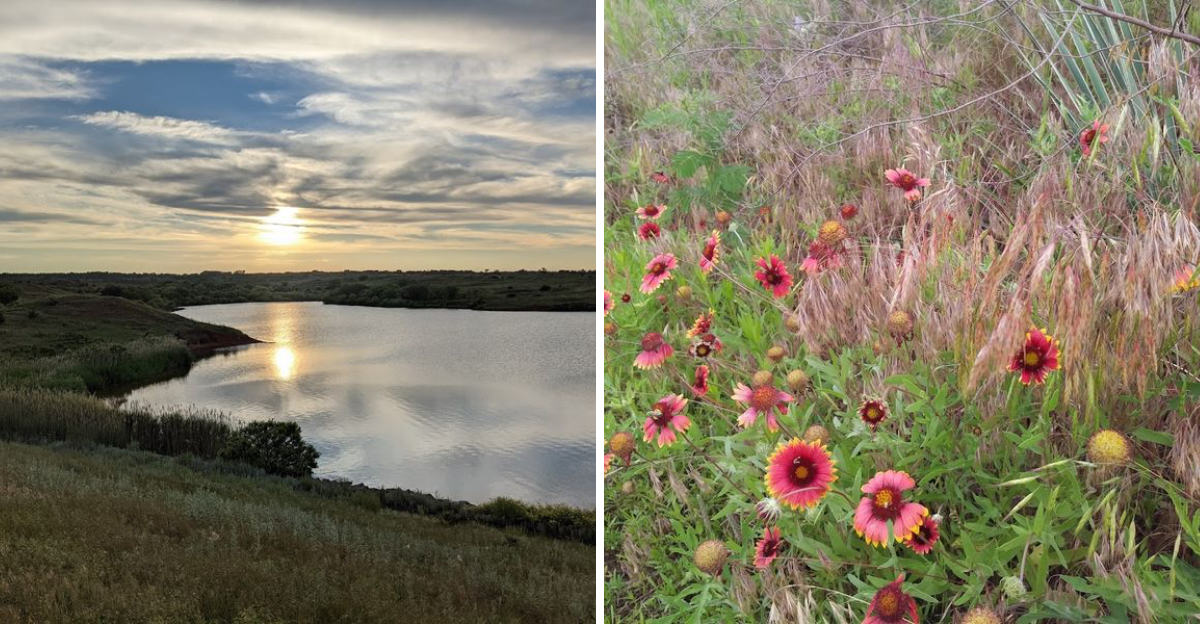
The first time I drove through western Oklahoma, I remember thinking the horizon looked endless. The plains just kept going, sky melting into grass, and I almost missed Black Kettle National Grassland completely.
It doesn’t announce itself with big signs or flashy overlooks. If you blink, you drive right past it.
But when I finally pulled over and stepped out of the car, everything changed. The wind moved through the tall grass like a slow wave, and the silence felt bigger than I expected.
No crowds, no noise, just open land that stretches so far it feels untouched by time. It’s the kind of place that makes you slow your breathing without realizing it.
And once you give it a chance, it’s hard to understand how you ever kept driving.
The Sheer Size Hits You Like A Wall Of Wind
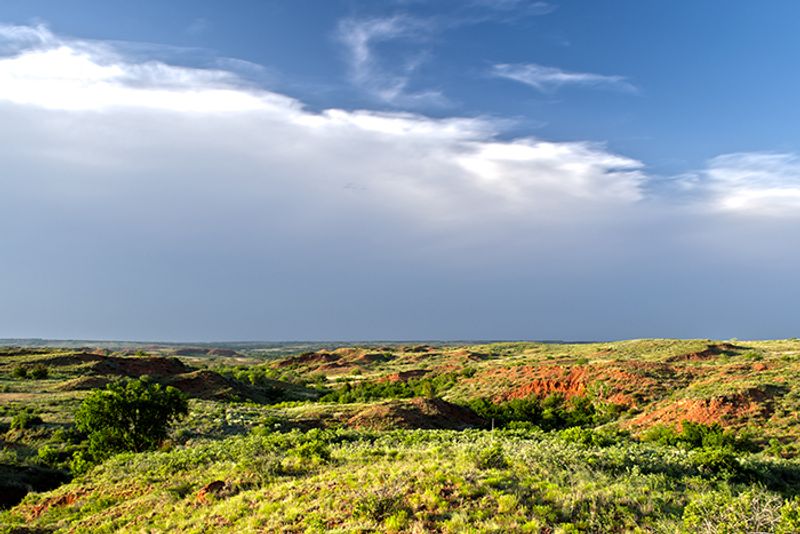
You don’t really understand how big 31,000 acres is until you’re standing in the middle of it. Black Kettle sprawls across the landscape like nature forgot to stop drawing borders.
The grassland covers parts of Roger Mills County, and honestly, your GPS might have a minor existential crisis trying to pin down exact coordinates.
When I first rolled up, I expected maybe a nice park with marked trails and a visitor center handing out maps. Nope.
This place is raw, unpolished, and unapologetically wild. You park, you step out, and suddenly you’re surrounded by nothing but grass, sky, and the kind of quiet that makes your ears ring.
The grassland is divided into different sections, and not all of them are easy to find. Some roads are dirt, some are barely roads at all.
One reviewer mentioned Google Maps tried sending them straight into an active oilfield, which sounds about right for this part of Oklahoma. Come prepared with a real map, a full tank, and a sense of adventure.
Camping Here Feels Like Time Travel
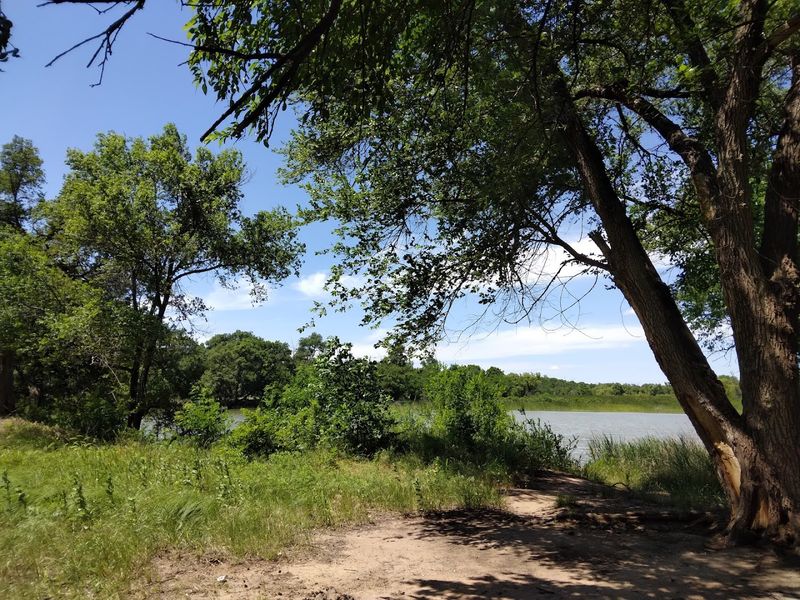
Skipout Campground is where most people end up, and it’s about as no-frills as camping gets. There are picnic tables, fire pits, a couple of spots for RVs, and absolutely zero electricity or sewage hookups.
The bathrooms are surprisingly clean, stocked with two-ply toilet paper, which honestly felt like a luxury.
What makes this place magical is the solitude. On a Friday night, you might share the campground with three other groups max.
No generators humming, no kids screaming, just crickets and the occasional rustle of something moving through the grass. It’s the kind of quiet that makes you remember why people used to sit around fires and just talk.
Oh, and camping is free. Completely free.
You just show up, pick a spot, and set up camp. There are a couple of water spigots for filling containers, dumpsters for trash, and a fishing dock that’s seen better days but still works.
Some folks warn about goathead stickers in the grass, so maybe skip the barefoot wandering.
The Lake Is Small But Mighty
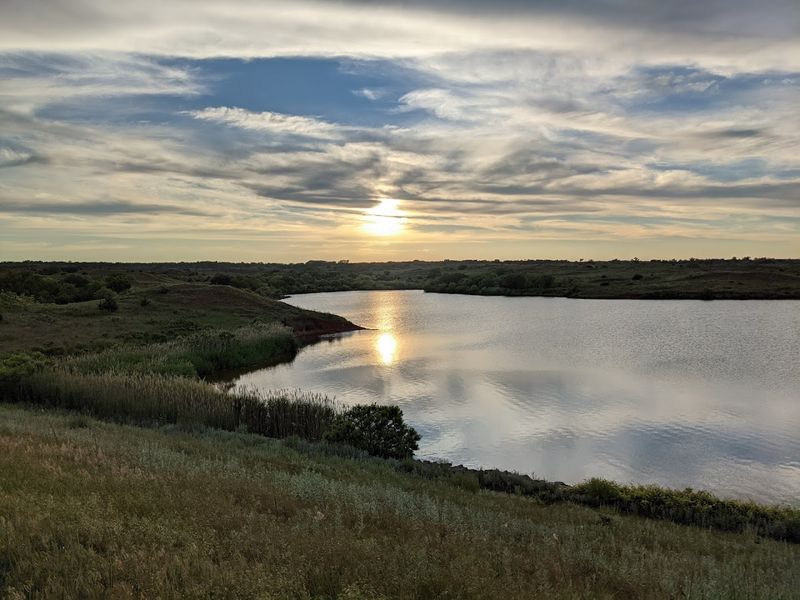
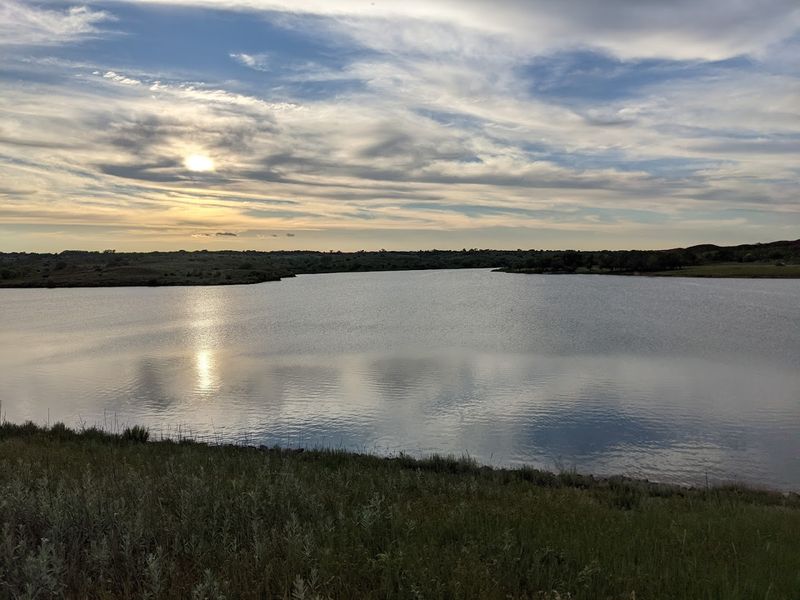
There’s a little lake tucked into the grassland, complete with a boat ramp and a fishing pier that looks like it’s held together by hope and old nails. It’s not going to win any beauty contests, but it has this scrappy charm that grows on you.
The water is calm, the fishing is decent, and you can actually hear yourself think.
Behind the main lake, there are smaller ponds connected by trails that wind through the grass. These back ponds feel even more secluded, like you’ve stumbled onto someone’s secret fishing spot.
I saw deer tracks along the muddy edges and heard frogs croaking from the reeds.
If you’re into kayaking or canoeing, the lake is perfect for a lazy paddle. No motorboats roaring past, no jet skis carving up the water.
Just you, a paddle, and miles of open sky. Bring your fishing gear if you’re into that.
The locals say the fishing is hit or miss, but on a good day, you can pull out some decent catches.
The Trails Are Short But Sweet
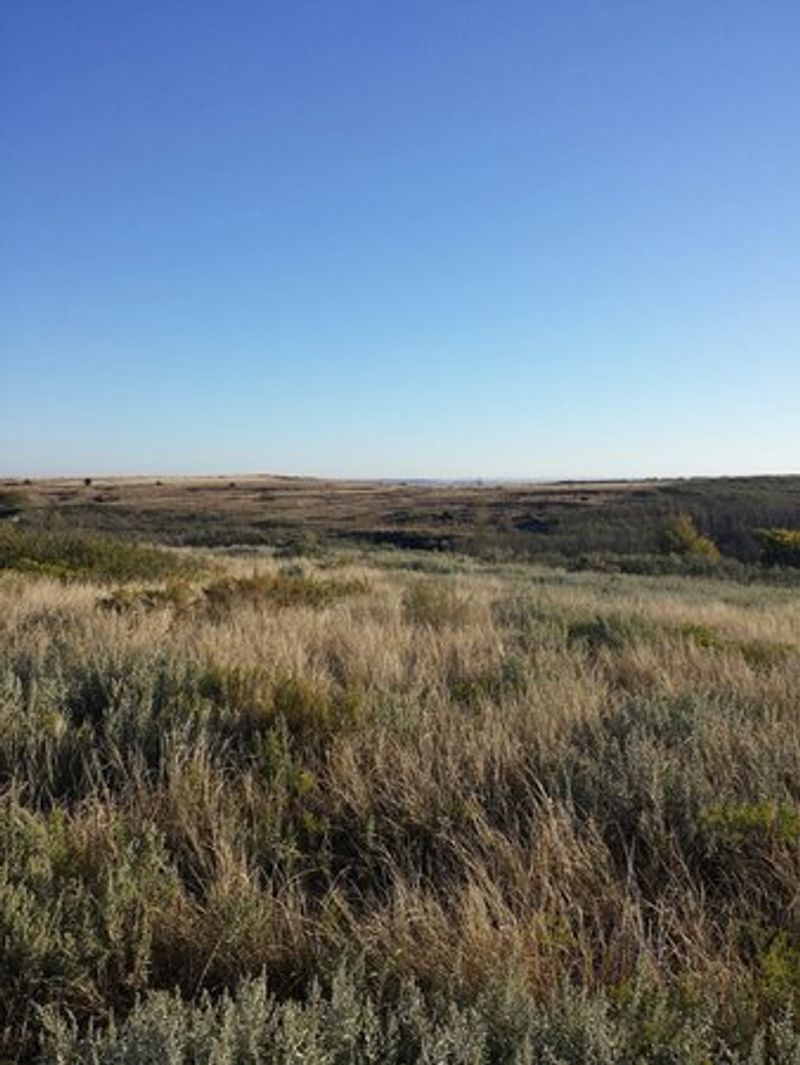
Let’s be honest, this isn’t a hiker’s paradise. The trails are short, mostly unmarked, and some reviewers grumbled about having to hop fences to make the trip worthwhile.
But if you adjust your expectations and just enjoy walking through untouched grassland, it’s actually pretty great.
The trails behind the campground loop around those smaller ponds I mentioned earlier. They’re not strenuous, not particularly long, but they give you a chance to stretch your legs and spot wildlife.
I saw rabbits darting through the grass, hawks circling overhead, and deer tracks everywhere.
Fair warning: dogs aren’t allowed on the main walking trail near the museum, which disappointed some visitors. If you’re traveling with a pup, you’ll need to stick to the campground areas or just wander off-trail where it’s allowed.
Also, bring sturdy shoes. The grass hides uneven ground, and nobody wants a twisted ankle in the middle of nowhere.
The Museum Tells A Story You Need To Hear
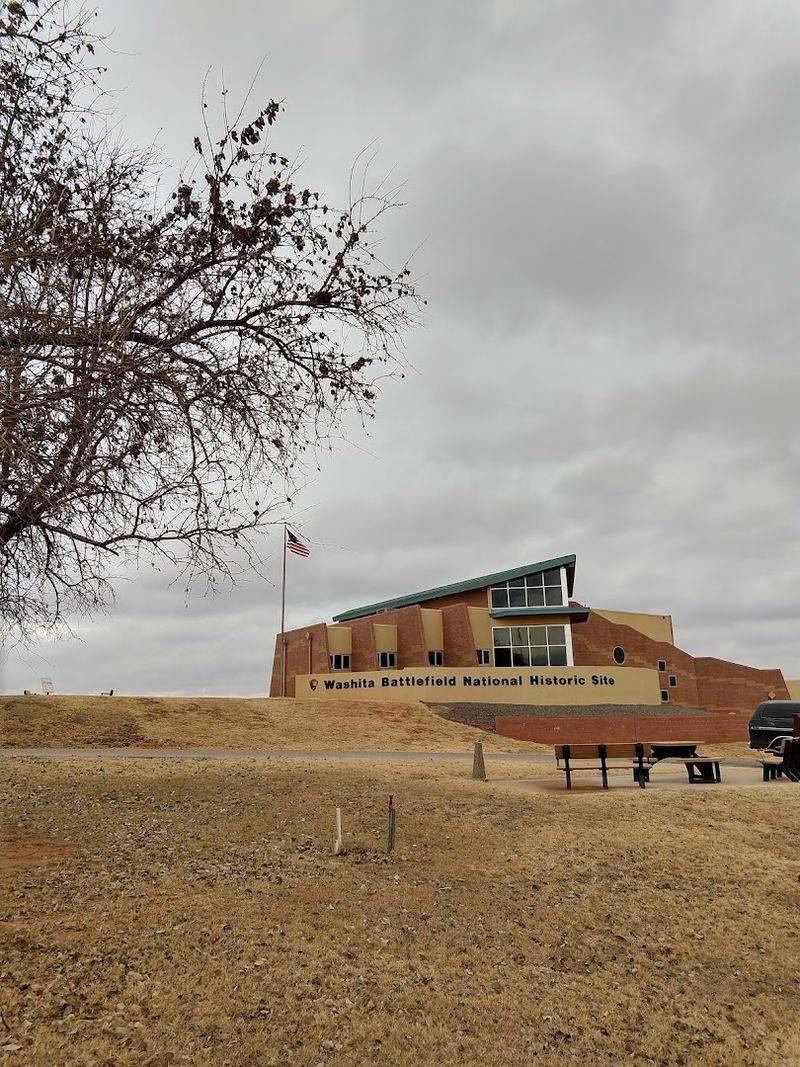
There’s a museum on-site that digs into the history of the area, and it’s better than you’d expect. It’s small, but the exhibits are thoughtful and tell the story of Black Kettle, a Cheyenne peace chief who tried desperately to protect his people during some of the darkest chapters of American history.
The grassland is named after him, and learning about his life adds weight to the landscape. You start to see the land differently, understanding that this isn’t just pretty scenery.
It’s a place with deep, complicated roots.
The museum isn’t flashy. No interactive screens or gift shops selling keychains.
Just displays, old photographs, and enough information to make you stop and think. One reviewer called it great, and I’d agree.
It’s the kind of place that reminds you history happened everywhere, even in spots that feel forgotten. Take an hour, walk through, and let the stories sink in before you head back out into the grass.
Wildlife Roams Like It Owns The Place
If you’re into wildlife watching, Black Kettle delivers. Deer are everywhere.
I mean everywhere. Morning, evening, sometimes just casually crossing the road in broad daylight like they’re commuting to work.
Bring binoculars and a little patience, and you’ll spot them grazing near the tree lines or drinking from the ponds.
Hawks and other birds of prey circle overhead constantly, riding thermals and scanning for dinner. I also saw rabbits, lizards, and one very grumpy-looking armadillo waddling through the grass.
Hunting is allowed during certain seasons, so if you’re into that, this is prime deer country.
The grassland feels alive in a way that’s hard to describe. It’s not just the animals you see, but the sounds, the rustling, the sense that something is always moving just out of sight.
It’s peaceful but also a little wild, which is exactly what makes it special. Just remember: you’re in their home, not the other way around.
The Silence Is Almost Unsettling
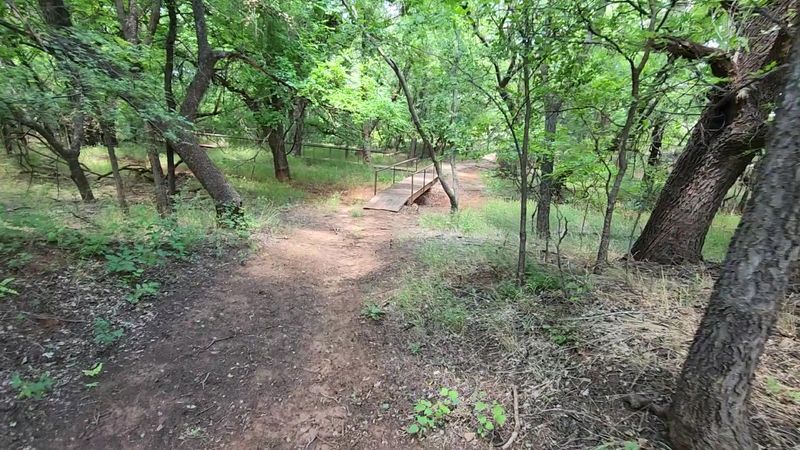
City folks talk about peace and quiet, but they don’t really know what quiet means until they’ve stood in the middle of Black Kettle. There’s no hum of traffic, no distant sirens, no neighbors mowing lawns.
Just wind moving through grass and maybe a bird calling from somewhere far off.
At first, the silence feels almost uncomfortable. Your brain keeps waiting for some kind of background noise to fill the void.
But after a while, you settle into it. You start noticing smaller sounds: insects buzzing, grass rustling, your own breathing.
It’s meditative in a way that’s hard to find anywhere else.
One reviewer described the place as tranquil, and that’s the perfect word. It’s the kind of tranquil that soaks into your bones and makes you realize how loud your normal life is.
If you’re looking to unplug, reset, or just remember what it feels like to be alone with your thoughts, this grassland will deliver. Just don’t expect it to be easy at first.
Getting There Is Half The Adventure
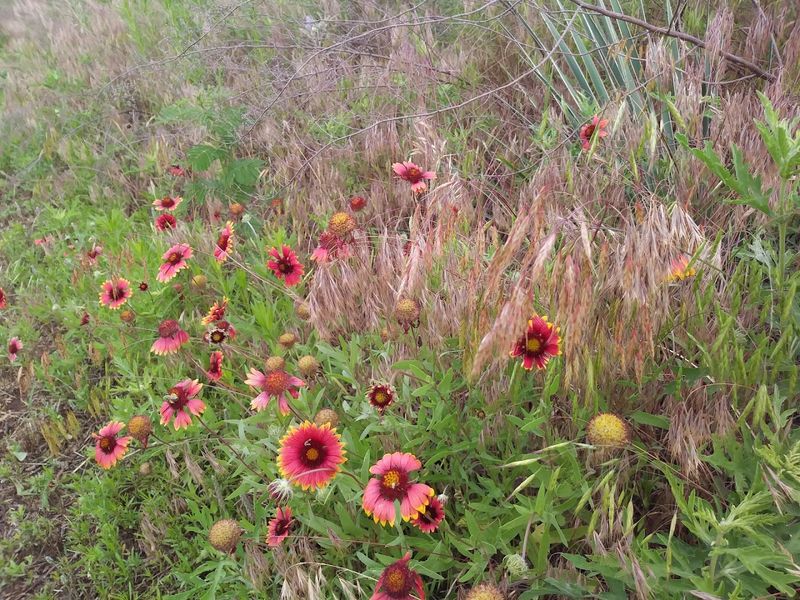
Here’s the thing nobody tells you: finding Black Kettle can be an adventure in itself. Google Maps has a complicated relationship with reality out here.
Multiple reviewers mentioned getting sent down dirt roads that dead-end in empty fields or, even better, active oilfields. My GPS confidently directed me to a spot that was literally just grass and confusion.
The grassland is spread out, with different access points and campgrounds scattered across the area. Some roads are paved, some are gravel, and some are just tire tracks through dirt.
Cell service is spotty at best, so download offline maps before you leave civilization.
Bring a full tank of gas, some paper maps if you can find them, and a sense of humor. Getting slightly lost is part of the experience.
You’ll eventually find what you’re looking for, and the detours often lead to unexpected views or wildlife sightings. Just maybe avoid following your GPS blindly when it tells you to turn onto a road that doesn’t look like a road.
It’s Not For Everyone, And That’s Perfect
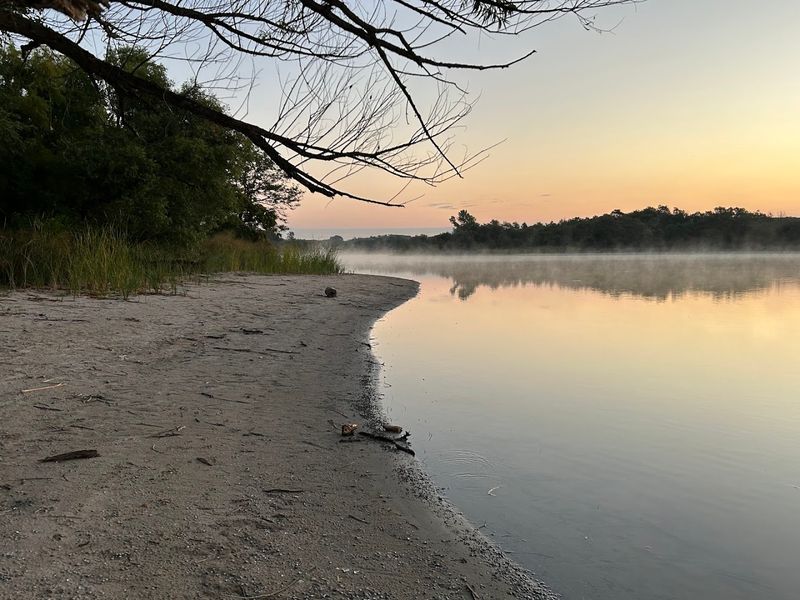
Let me be real: if you need amenities, activities, or constant entertainment, Black Kettle will disappoint you. There’s no Wi-Fi, no convenience store, no ranger giving guided tours.
One reviewer bluntly said you might as well pitch a tent in your backyard, and honestly, they’re not wrong if you’re expecting a polished park experience.
But if you’re the kind of person who finds peace in simplicity, who wants to sit by a fire and watch stars appear one by one, who craves space to breathe without someone else’s music bleeding through the campsite, then this place is gold. It’s raw, unfiltered, and completely unpretentious.
The grassland doesn’t try to be anything other than what it is: a big, quiet, wild stretch of Oklahoma prairie. Some people will drive through, shrug, and leave.
Others will sit down, take a deep breath, and realize they’ve been looking for this exact feeling without knowing it. I’m definitely in the second group.
Dear Reader: This page may contain affiliate links which may earn a commission if you click through and make a purchase. Our independent journalism is not influenced by any advertiser or commercial initiative unless it is clearly marked as sponsored content. As travel products change, please be sure to reconfirm all details and stay up to date with current events to ensure a safe and successful trip.
