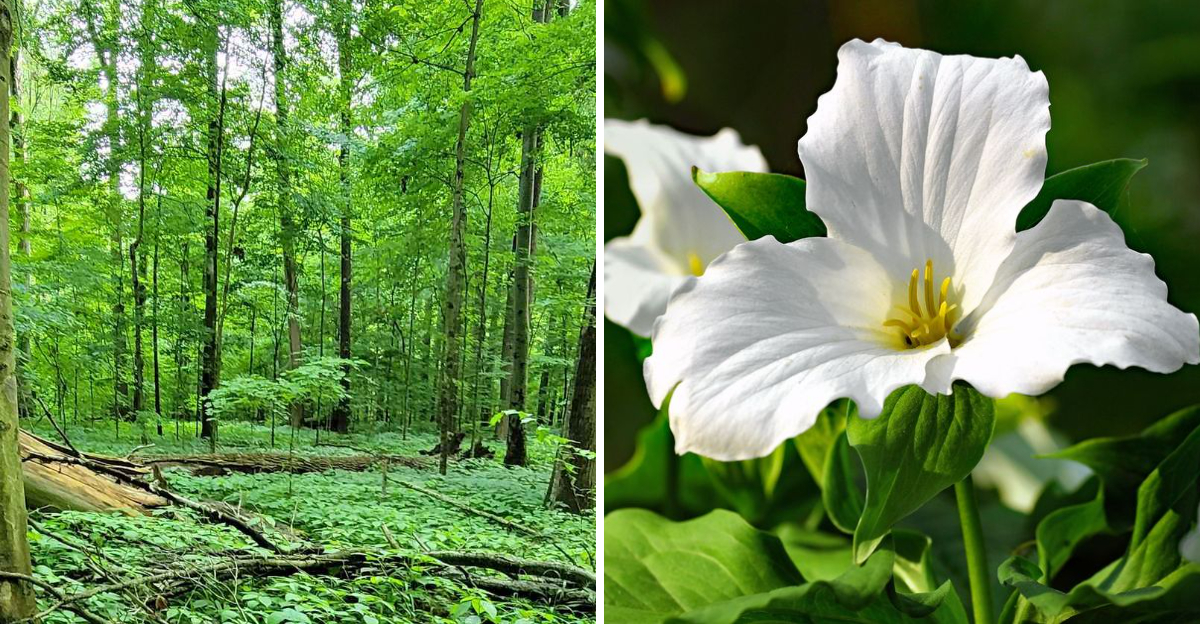
You can walk the entire trail in about the time it takes to watch one sitcom episode. The trees, however, have been here for several seasons longer than that.
Some are roughly 200 years old, and they survived because this little patch escaped the clearing that transformed most of Indiana. The 36 acres now hold towering white oaks, beeches, spring wildflowers, and enough dead wood to keep pileated woodpeckers busy.
Nothing about the trail is especially demanding. The strange part comes from realizing how little you have walked compared with how much history is standing overhead.
Trees That Were Already Old When Indiana Was Young
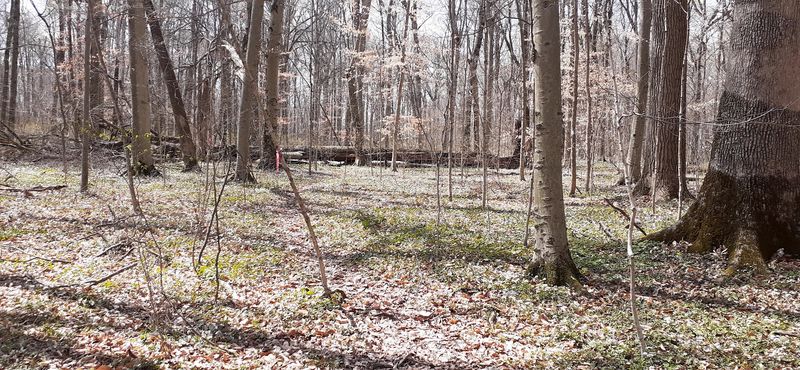
One white oak here has been estimated at around 211 years old. Do the math and that tree was a sapling when Indiana was still fighting over whether it wanted to be a state at all.
Most of the biggest trees in the woodland fall in the 200-year range, which puts them in rare company for east-central Indiana. Nearly everything else in Henry County was logged, grazed, or turned into cornfield generations ago.
The canopy is carried by white oak and northern red oak, joined by hefty hickories, sugar maples, American beeches, and tulip poplars that shoot straight up like columns. Look at the beech trunks and notice how smooth and gray they stay even at enormous size.
Trunk width is the giveaway. Several trees require more than one set of outstretched arms to circle, and the bark plates on the veteran oaks are deep enough to slide a finger into.
Something worth knowing before arriving: old-growth does not mean every tree is huge. Ancient forests are messy, with gaps, fallen giants, and young saplings racing upward in the sunlight those gaps create.
That patchwork is exactly what makes the place feel unmanaged and honest. Bring a camera with a wide lens, because photographing tall trees in dim forest light is genuinely tricky and worth the practice.
Never Logged, Never Grazed, and That Changes Everything
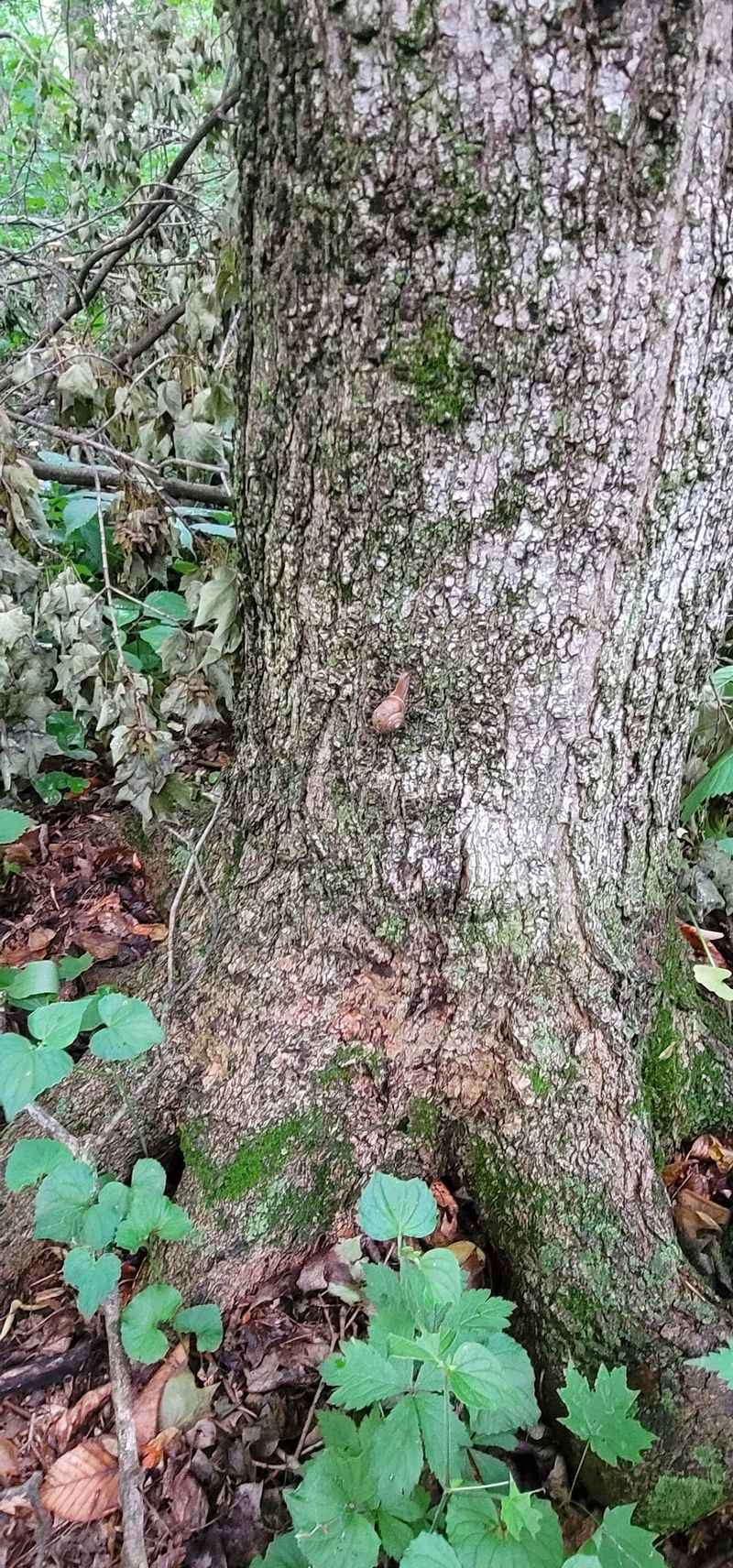
Plenty of Indiana woods look wild. Very few actually are.
What separates Stout Memorial Woodland from a pretty second-growth patch is a history of being left alone. The Stout family owned the land from the mid-1800s and called it Woodland Farm, and they made a deliberate choice never to log it or let livestock in.
Grazing sounds harmless compared to logging, but hooves compact soil, strip the understory, and wipe out the delicate plants that take centuries to establish. Skipping both means the ground layer here still holds species that vanished elsewhere.
Botanists measure this with something called a C-value, a score for how picky a plant is about undisturbed habitat. High scorers found here include large white trillium, glade fern, Canada waterleaf, and a sedge named Carex bromoides.
Walk slowly and the difference shows up underfoot. The soil feels springy rather than packed, and decaying logs sit where they fell, slowly turning back into dirt.
Forest inventory data has been gathered on this site since the 1920s, which makes it one of the better-documented woodlands in the region. Researchers keep coming back because the baseline is so clean.
Stay on the trail to help keep it that way. Fragile ground layers do not recover quickly, and a single shortcut can flatten plants that took decades to arrive.
Spring Wildflowers Put On a Short, Spectacular Show
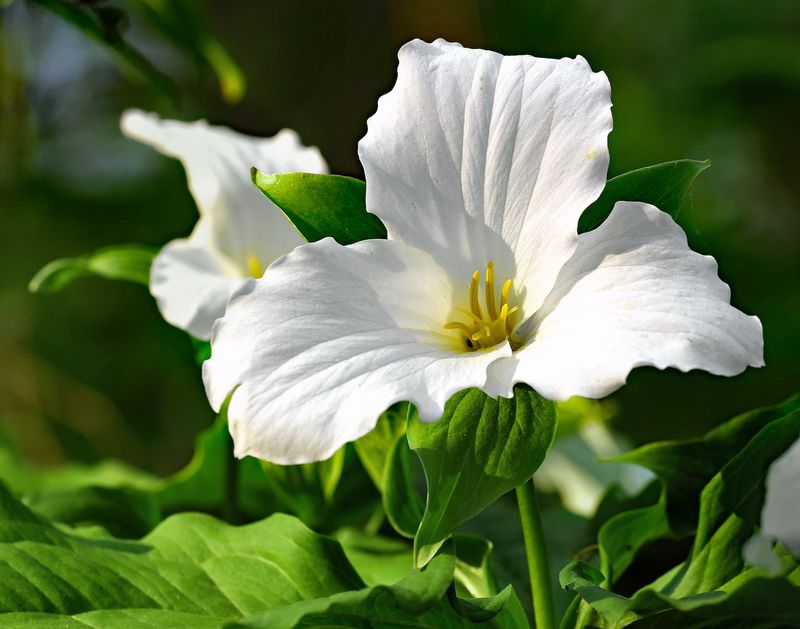
April is the month to circle on the calendar. For a few short weeks, the forest floor turns into a carpet of native wildflowers, and then the canopy leafs out and the whole display politely disappears.
These plants are called spring ephemerals, and their timing is a clever survival trick. They bloom, get pollinated, and store energy while sunlight still reaches the ground.
Large white trillium is the headliner, with three broad leaves and a single bright bloom that looks almost too tidy for a wild plant. Density is what surprises most visitors, since the flowers appear in sheets rather than scattered clumps.
Trilliums are famously slow growers, sometimes needing several years before producing a first flower. Picking one can set the plant back permanently, so admire and move on.
Photographers should come early in the morning when light filters low through bare branches and the air is still. A small tripod helps, because forest floors are darker than they look.
By late May the show winds down and the understory takes over, with pawpaw, spicebush, and gooseberry filling the mid-level. Crush a spicebush leaf between two fingers and the citrusy smell is unmistakable.
Different seasons, different rewards. Just know that spring here is fleeting and worth planning around.
A Half-Mile Trail With Boardwalks Over the Wet Bits
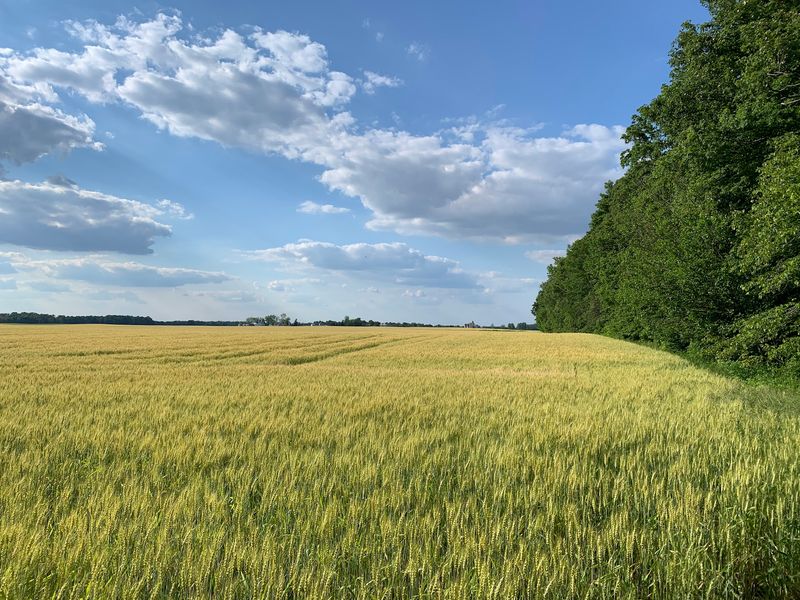
Short trail, big payoff. Roughly half a mile of path loops through the woodland, and the terrain shifts enough to keep the walk interesting rather than repetitive.
Boardwalks have been installed across the soggier stretches, and recent updates have improved the crossings considerably. Without them, spring visits would involve a lot of mud and regret.
The entry route starts as a mowed or worn track through open grass before slipping into the trees, so expect a brief sunny stretch first. Once inside the canopy the temperature drops noticeably.
Most visitors finish the walk in about 45 minutes at an unhurried pace, longer if stopping to look at fungi, snails, or the sheer size of individual trunks. Trails are lightly established rather than manicured, which suits the character of the preserve.
Footwear matters more than fitness here. Waterproof boots handle the low, damp sections far better than sneakers, and long trousers help in tall grass.
Gates open daily from dawn until dusk, with no need to book anything in advance. A small gravel parking area sits off North County Road 300 West, and it fits only a handful of vehicles, so arriving early on weekends is the smart play.
Pack water and a sense of patience. Rushing this particular walk misses the whole point.
Owls, Woodpeckers, and Squirrels That Glide
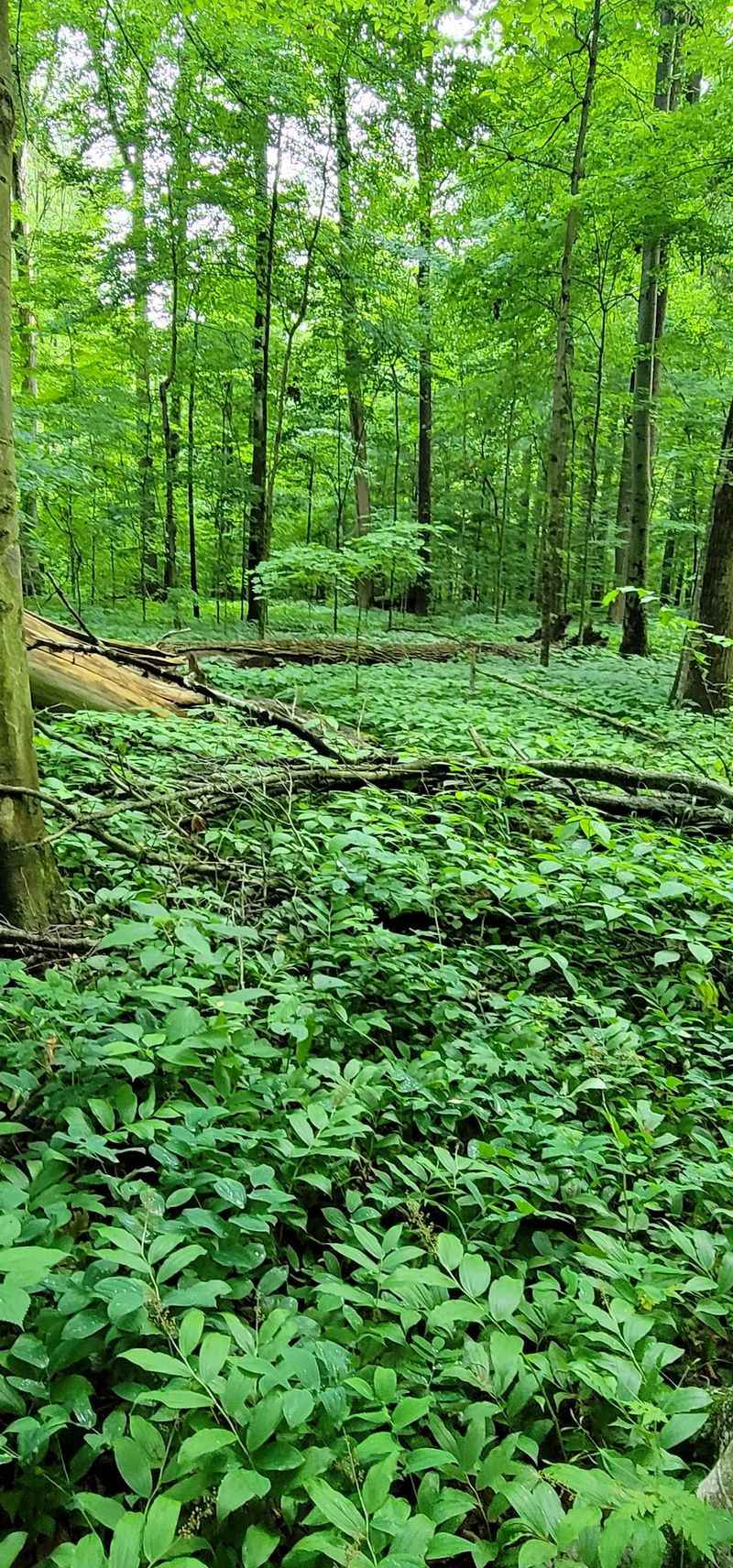
Listen before looking. The soundtrack here often gives away more wildlife than the eyes ever will.
Barred owls call through these woods, and their hooting pattern is one of the easiest bird sounds to recognize once heard. Old forests suit them because large hollow trees provide the cavities they need for nesting.
Pileated woodpeckers work the trunks too, and they are hard to miss. Crow-sized, crested in red, and capable of hammering rectangular holes into dead wood, they leave evidence even when they have flown off.
Southern flying squirrels live here as well, though catching sight of one takes luck and a very late visit. They do not truly fly, instead gliding between trunks on flaps of skin stretched between their limbs.
Salamanders hide under logs and leaf litter, which is another reason to leave fallen wood exactly where it sits. Lifting a log destroys a microhabitat that took years to form.
Big old trees are the common thread. Cavities, loose bark, and standing dead wood all create housing that young plantations simply cannot offer.
Binoculars are worth carrying even on a short walk. Move quietly, pause often, and the woodland tends to reveal more than it does to anyone talking loudly along the boardwalk.
Frog Song From Hidden Vernal Pools
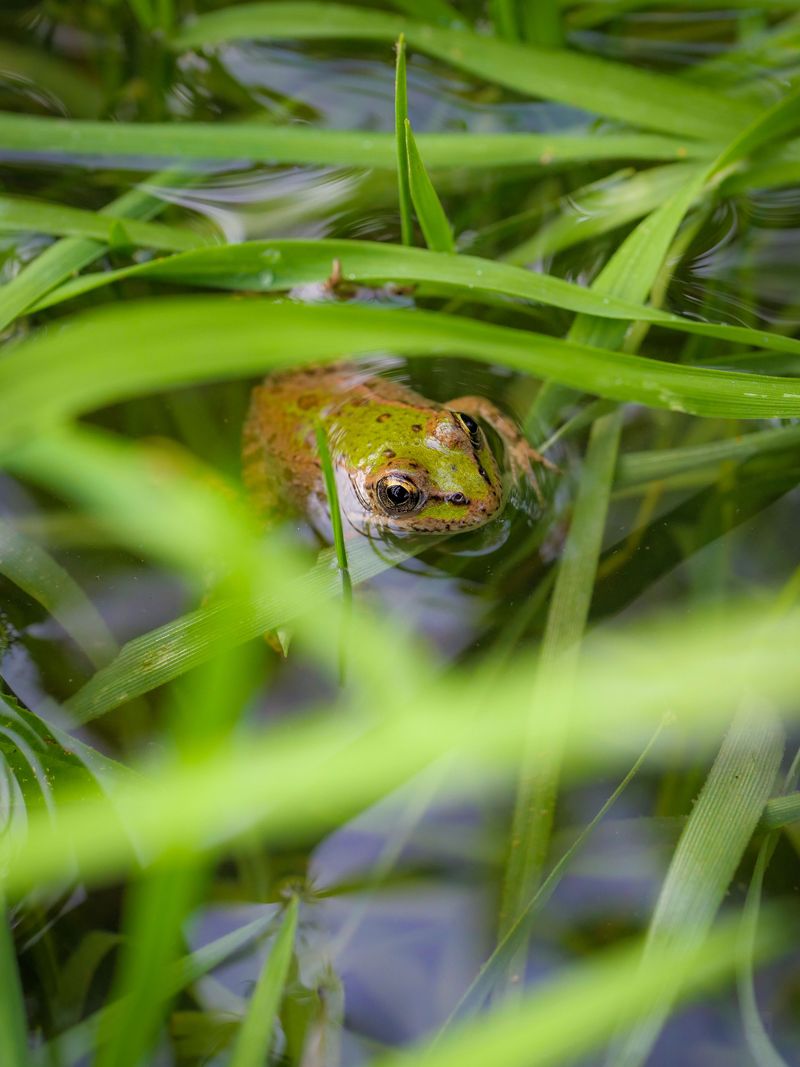
Come here on a mild March evening and the noise is almost comical. Spring peepers, tiny frogs no bigger than a thumbnail, produce a chorus loud enough to make conversation difficult.
Several acres of forested wetland sit within the preserve, including a small wetland of about a third of an acre. Ephemeral streams feed into vernal pools, which fill with snowmelt and rain before drying up later in the year.
Temporary water sounds like a flaw, yet it is the whole advantage. Because these pools dry out, fish cannot live in them, and that means frog and salamander eggs stand a far better chance of surviving.
Western chorus frogs add a sound like a thumb running along a comb, while gray tree frogs bring a slower trill later in spring. Learning three frog calls turns a quiet walk into something closer to a concert.
Finding the wetland is not always straightforward, and some visitors miss it entirely. Wet season visits make it far more obvious, since the pools are shallow and easy to overlook once drained.
Keep boots out of the water. Amphibian eggs sit in the shallows where they are easily crushed, and disease can travel between wetlands on muddy footwear.
The Stout Family Legacy and a Forest Saved Twice
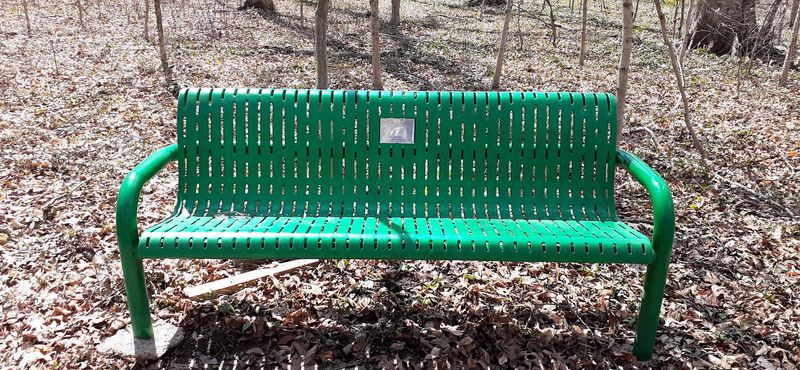
Behind every surviving old-growth forest there is usually a stubborn family, and this one is no exception. The Stouts held the land from the mid-1800s and resisted every practical reason to cut it.
In 1964, Sam and Stella Stout donated the forest to Purdue University with clear instructions. It was to serve as a memorial forest for research and teaching, described as a quality laboratory for studying timber and natural resources.
That decision turned a private woodlot into a long-term scientific resource. Forest inventory records stretching back to the 1920s gained real value once the site was formally protected.
The second rescue came in 2013, when the Red-tail Land Conservancy acquired the 36-acre property and secured permanent protection. It also holds status as an Indiana Dedicated State Nature Preserve, and in April 2025 it was inducted into the Old-Growth Forest Network.
Protection is not passive work. Conservancy stewardship includes pulling invasive plants, monitoring understory plant communities, and planting native trees to widen habitat and boost biodiversity.
Visiting respectfully is the easiest way to support all of that. Stay on the path, take rubbish home, and leave the wildflowers, logs, and fungi exactly as found.
Address: 3500 N County Rd 300 W, New Castle, IN
