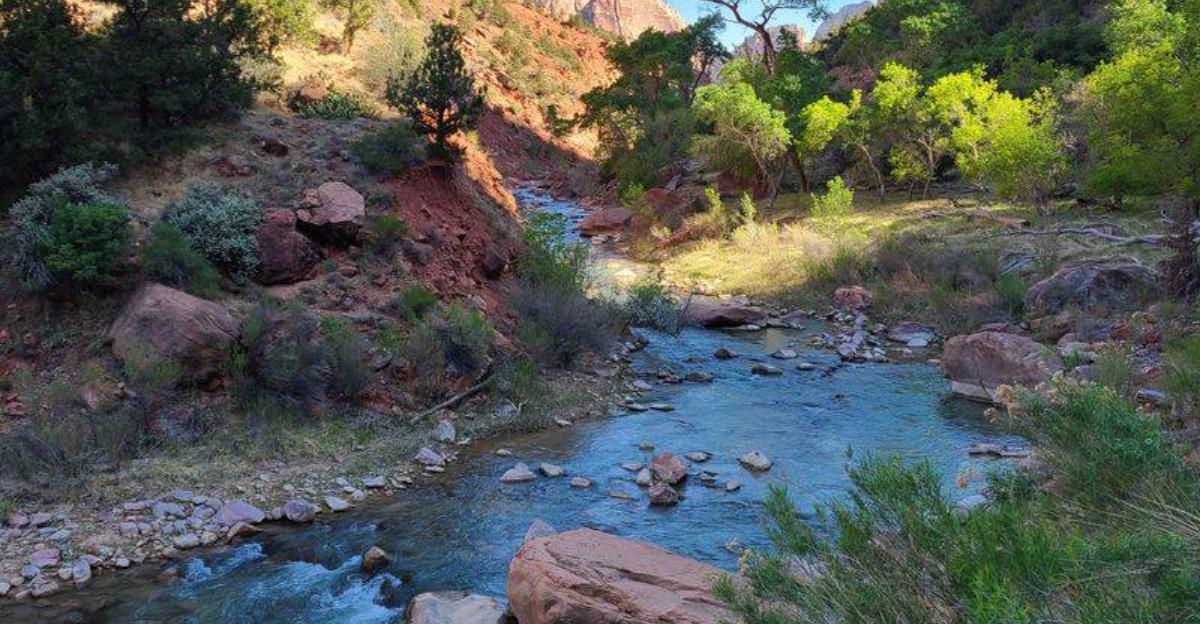
Nestled at the southwestern gateway to Zion National Park, Springdale, Utah is a tiny town that feels like a breath of fresh air in our fast-paced world.
With a population of just over 500 people, this former Mormon farming community has transformed into a peaceful haven where the towering red cliffs seem to whisper a gentle reminder to pause and appreciate the moment.
Visitors arrive here expecting adventure, but what they discover is something deeper: a place where time moves differently, where the rhythm of the Virgin River sets the pace, and where every sunset over the canyon walls feels like a personal invitation to simply be present.
Morning Light on Canyon Walls Creates Natural Meditation
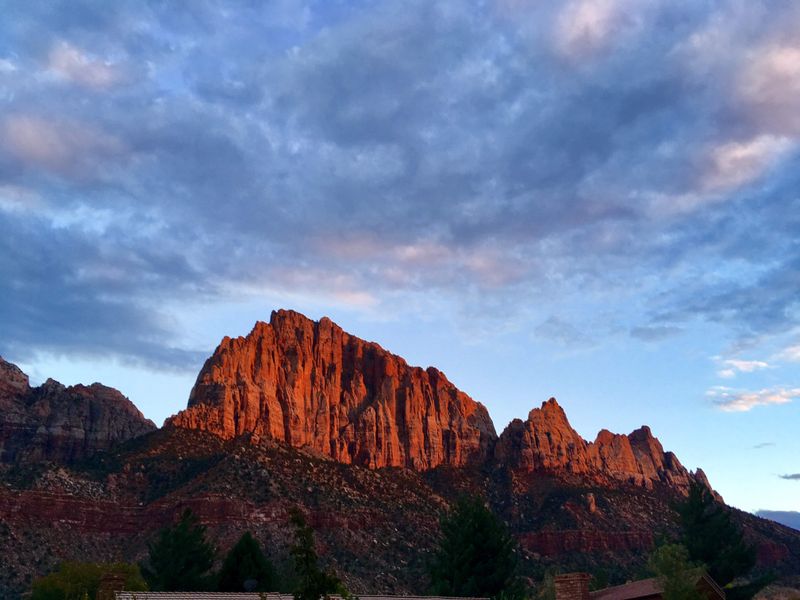
Before the day truly begins in Springdale, something magical happens along the canyon walls that frame this small town.
The first rays of sunlight creep over the eastern ridges, painting the Navajo sandstone in shades of rose gold and amber that seem almost unreal.
This daily spectacle happens whether anyone is watching or not, but those who rise early enough to witness it often find themselves rooted in place, coffee cups cooling in their hands as they stand transfixed.
There is no need to hike miles into the wilderness to experience this wonder.
The town itself sits in a natural amphitheater where the cliffs serve as both backdrop and calendar, marking the passage of seasons through shifting shadow patterns.
Local residents often speak of how the morning light changes their perspective, slowing their thoughts and reminding them why they chose to live in such a remote corner of the world.
For visitors rushing to beat crowds on popular trails, these quiet morning moments offer a different kind of adventure altogether.
The experience requires nothing more than stepping outside and looking up, allowing the landscape to work its subtle magic.
Many travelers report that these unhurried mornings become the memories they treasure most, long after their vacation photos have faded.
The canyon walls do not demand attention through noise or movement, but through their ancient, patient presence that has outlasted countless human lifetimes and will outlast countless more.
Walking Main Street Without a Schedule
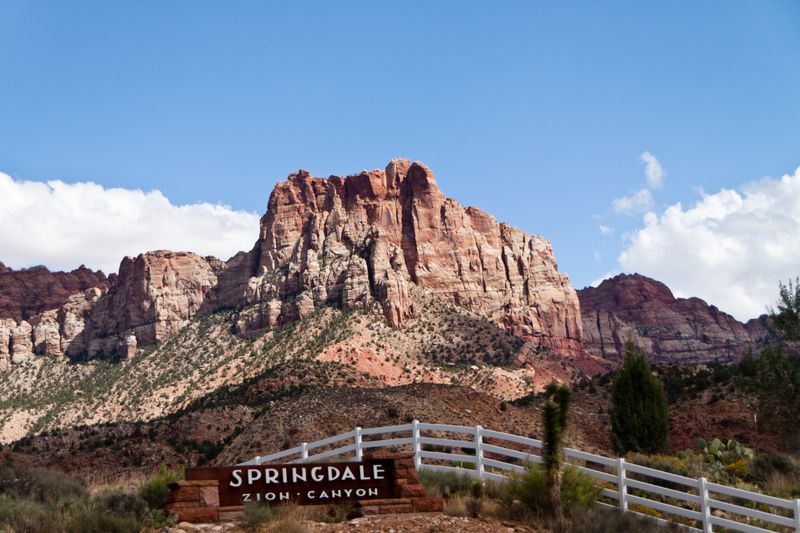
Springdale’s main thoroughfare, State Route 9, doubles as the town’s heartbeat and its primary commercial district rolled into one.
Unlike bustling tourist towns where visitors rush from attraction to attraction, this street practically begs you to wander without purpose or destination.
Small galleries showcase local artists who draw inspiration from the surrounding landscape, their paintings and photographs capturing light and stone in ways that cameras alone cannot.
Cafes with outdoor seating allow you to watch the world go by at a pace that feels borrowed from a different era entirely.
The shops here do not blast music or employ aggressive sales tactics.
Instead, they maintain a quiet confidence that if you need something, you will find it, and if you do not, that is perfectly fine too.
Between the storefronts, narrow pathways lead to hidden courtyards where benches sit beneath shade trees, offering rest to anyone who needs it.
The town’s compact size means you can walk from one end to the other in less than fifteen minutes, yet many visitors find themselves taking an hour or more, pausing frequently to admire architectural details or chat with shopkeepers who actually have time for conversation.
There is something profoundly relaxing about a place where window shopping feels less like a consumer activity and more like a gentle exploration of community character and local creativity.
River Sounds Replace Urban Noise
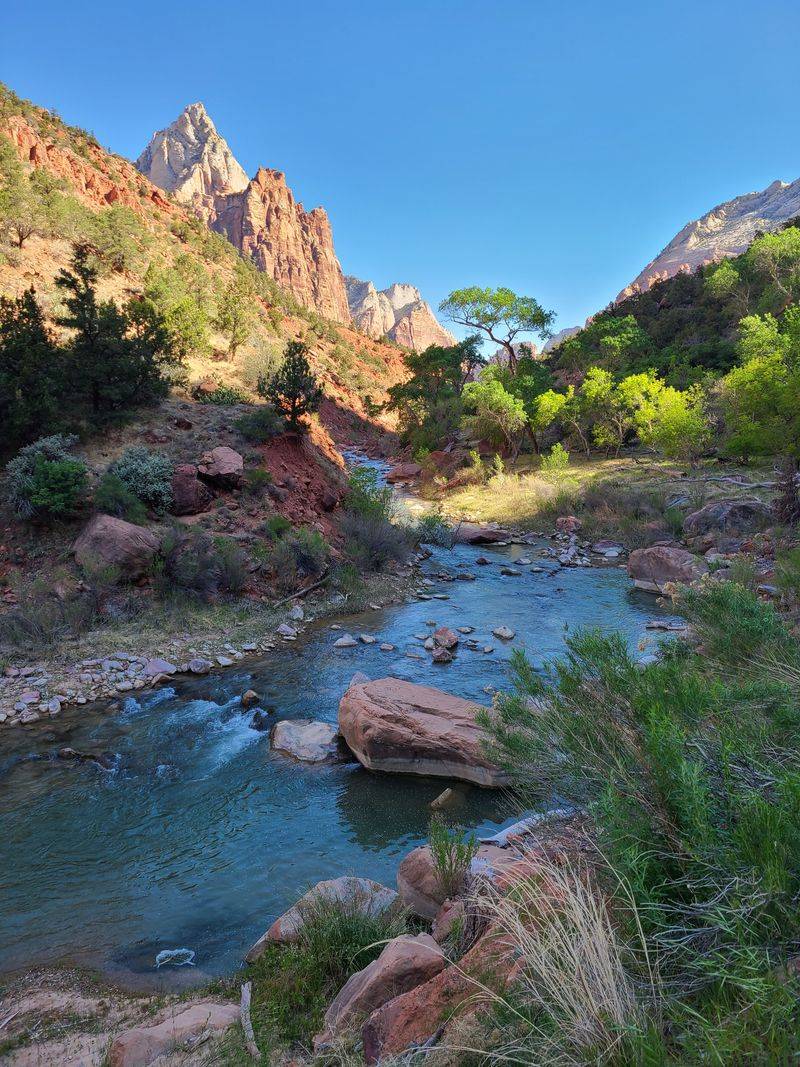
The Virgin River runs right through the heart of Springdale, providing a constant soundtrack that drowns out the usual noise of modern life.
This is not the aggressive roar of whitewater rapids, but rather a gentler, more complex symphony of water moving over and around countless stones.
Scientists have long studied how natural water sounds affect human stress levels, and spending time in Springdale offers an immersive lesson in this phenomenon.
Unlike white noise machines or meditation apps, the river creates an ever-changing acoustic environment that your brain never quite tunes out completely.
Each shift in water level, each new arrangement of rocks after spring runoff, each season’s unique flow pattern produces subtle variations in the sound.
Visitors often report sleeping better here than they have in months, their hotel windows left open to invite the river’s lullaby inside.
During the day, the sound provides a calming backdrop to every activity, whether you are eating breakfast on a patio or browsing in a bookshop.
The river also serves as a gathering place where locals and tourists alike dip their feet in cool water after hot afternoon hikes.
Children build small dams with river rocks while their parents sit on the banks, finally putting down their phones because the present moment has become more interesting than any screen.
The water reminds everyone that it has been flowing here long before tourists arrived and will continue long after they leave.
Shuttle System Eliminates Rushing
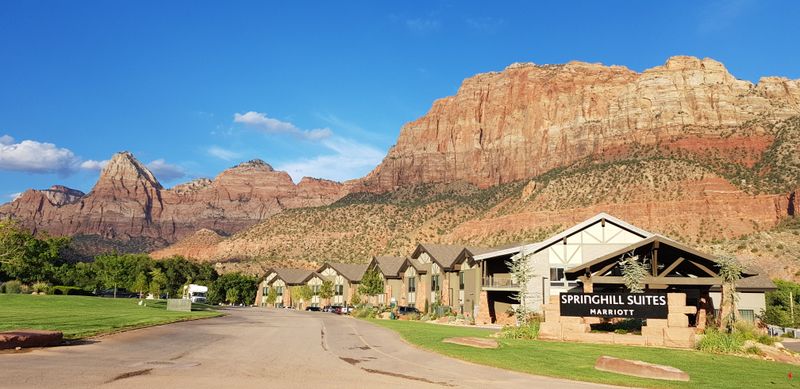
Most national parks create stress around parking, with visitors circling lots at dawn hoping to snag a spot before the crowds arrive.
Springdale and Zion National Park solved this problem years ago by implementing a free shuttle system that fundamentally changes how people experience the area.
Once you park your car at your hotel or in one of the town lots, you essentially forget about it for the duration of your stay.
The shuttles run frequently enough that you never feel rushed to catch a particular bus, yet infrequently enough that you learn to relax into the rhythm rather than checking your watch every few minutes.
This system creates unexpected moments of connection, as strangers chat while waiting at stops or share trail recommendations during the ride into the canyon.
The open-air design of the shuttles also keeps you connected to the landscape rather than sealed inside a climate-controlled bubble.
You feel the temperature drop as the bus enters narrow canyon sections, smell the desert sage after afternoon thunderstorms, and hear the echoes of canyon wrens even before you begin hiking.
Without the need to drive, navigate, or worry about parking, your mind is free to wander and observe.
Many visitors discover that the shuttle rides themselves become a cherished part of their daily routine, bookending morning hikes and afternoon explorations with periods of enforced stillness.
The system gently reminds everyone that sometimes the best way to see more is to slow down first.
Local Restaurants Serve Patience with Every Meal
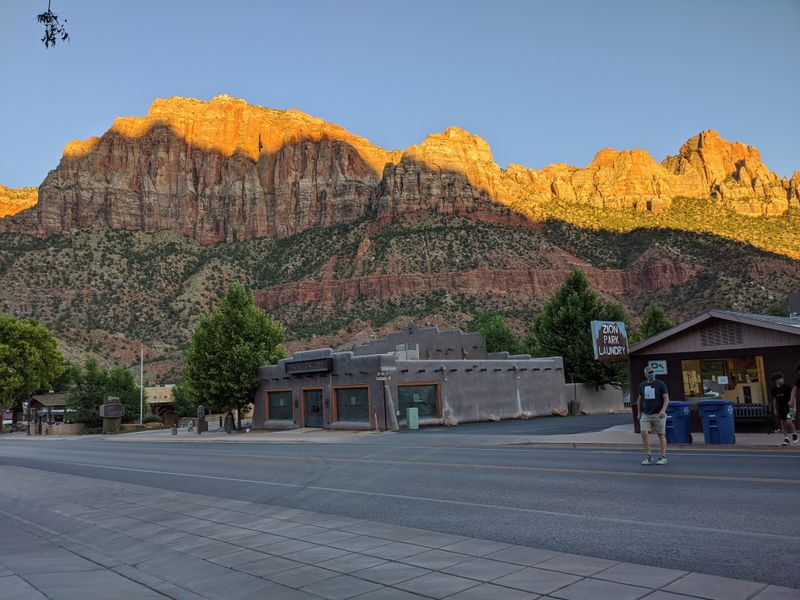
Fast food chains have not infiltrated Springdale, and this absence proves to be one of the town’s greatest gifts to hurried travelers.
The local restaurants here operate on a different timeline, one that prioritizes quality and atmosphere over speed and efficiency.
Meals take time because they are prepared from scratch, using ingredients that often come from regional sources rather than industrial supply chains.
Wait times that might frustrate diners in other settings somehow feel appropriate here, where the surrounding landscape has been teaching lessons about geological patience for millions of years.
Outdoor patios allow you to sip your drink while watching the light change on the cliffs, turning waiting for food into an opportunity rather than an inconvenience.
Servers move with unhurried confidence, often taking a moment to offer genuine recommendations or share insider knowledge about the area.
At places like Bit & Spur Restaurant and Saloon at 1212 Zion Park Boulevard, the eclectic decor and creative menu reflect a community that values character over conformity.
Meanwhile, Cafe Soleil at 205 Zion Park Boulevard serves breakfast and lunch with a European sensibility that encourages lingering over coffee.
These establishments understand that meals can be more than fuel stops between activities.
In Springdale, dining becomes a deliberate pause, a chance to reflect on the day’s experiences and prepare mentally for whatever comes next, whether that is another adventure or simply a peaceful evening watching stars emerge over the canyon rim.
Wildlife Encounters Happen on Nature’s Schedule
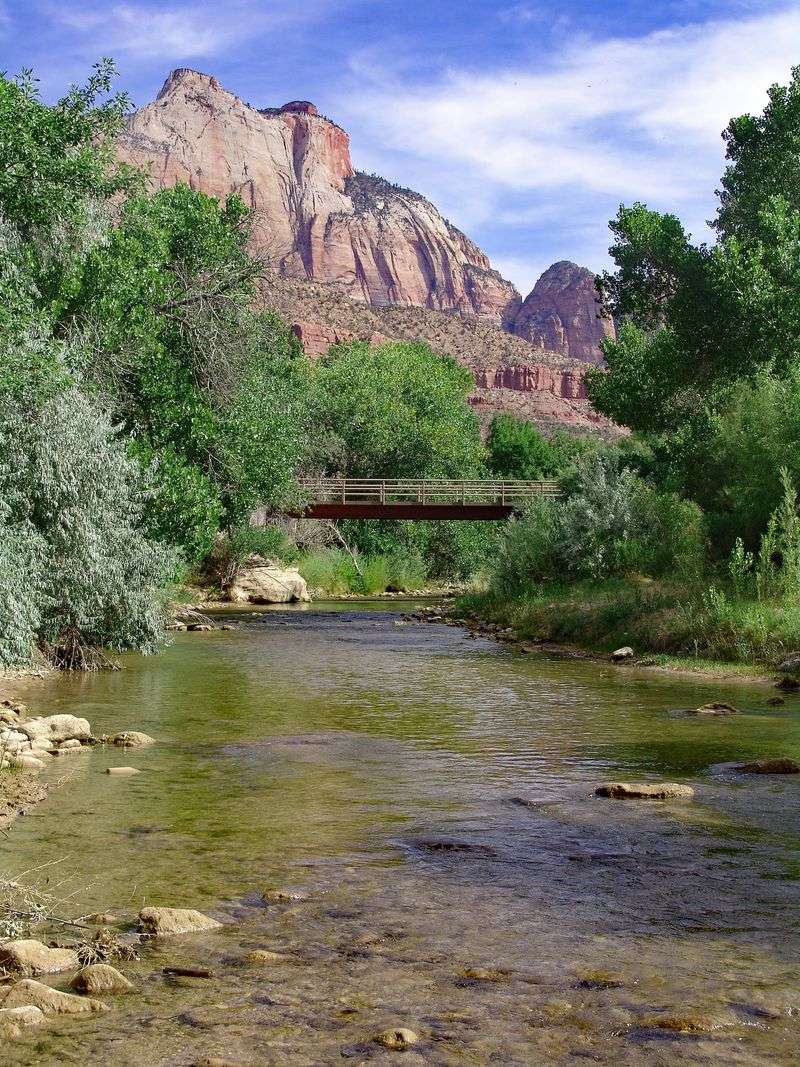
Springdale sits at an ecological crossroads where desert and mountain ecosystems overlap, creating habitat for an impressive variety of wildlife.
Mule deer wander through town in the early morning and evening hours, completely unfazed by human presence as they browse on landscape plants.
Unlike zoo animals that perform on schedule or wildlife parks where sightings are guaranteed, the creatures here appear when they choose, not when it is convenient for your camera.
This unpredictability teaches a valuable lesson about relinquishing control and accepting what each moment offers.
You might spot a roadrunner dashing across the street while you are walking to breakfast, or notice a red-tailed hawk circling overhead while you are sitting on a bench reading.
These encounters cannot be forced or rushed, which makes them all the more precious when they occur.
The town’s residents have learned to coexist with their wild neighbors, understanding that this shared space requires respect and patience from the human side.
Visitors quickly adopt the same attitude, finding themselves pausing mid-conversation to watch a lizard sunning on a warm rock or following the progress of a butterfly moving from flower to flower.
Even the absence of wildlife becomes meaningful, reminding us that nature owes us nothing and operates according to rhythms far older than human schedules.
The longer you stay in Springdale, the more attuned you become to these subtle presences, developing an awareness that extends beyond the spectacular and into the quietly miraculous.
Stargazing Requires Only Darkness and Time
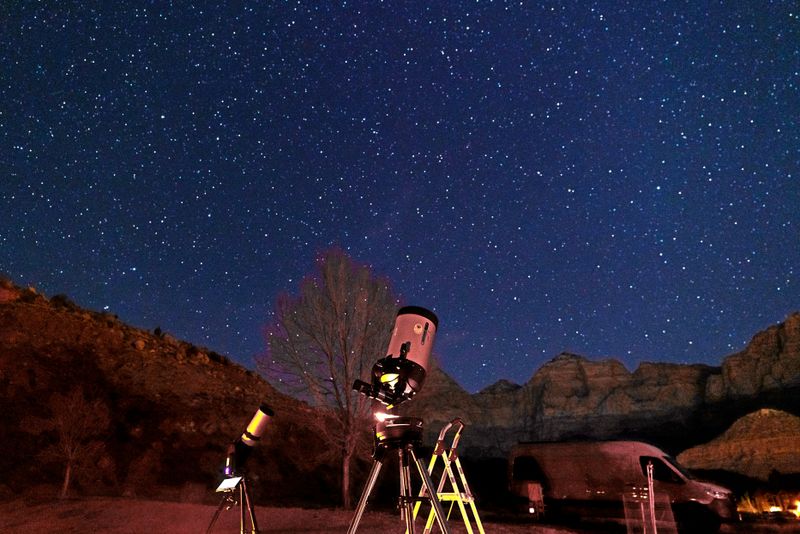
When the sun sets behind the western cliffs, Springdale transforms into one of the best stargazing locations in the American Southwest.
The town has minimal light pollution thanks to its small size and the surrounding public lands that remain undeveloped.
On clear nights, the Milky Way stretches overhead like a celestial river, its countless stars creating a sight that most people have only seen in photographs.
Stargazing here requires no special equipment or expertise, just a willingness to stand outside in the darkness and let your eyes adjust.
After about twenty minutes, stars that were invisible at first begin to emerge, then more, then more still, until the sky seems impossibly crowded with light.
This gradual revelation mirrors the broader experience of slowing down in Springdale, where patience unveils layers of beauty that rushed observation would miss entirely.
The town occasionally hosts informal star parties where amateur astronomers set up telescopes and share views of planets, nebulae, and distant galaxies with curious passersby.
But even without telescopes, the naked-eye view inspires awe and perspective, reminding us how small our daily concerns appear when measured against the cosmos.
Many visitors find themselves staying outside longer than they planned, reluctant to return to artificial light and indoor spaces when the universe is putting on such an extravagant display.
The experience costs nothing, demands nothing, and offers everything to those willing to simply stand still and look up into the infinite darkness above.
Art Galleries Celebrate Contemplation Over Commerce
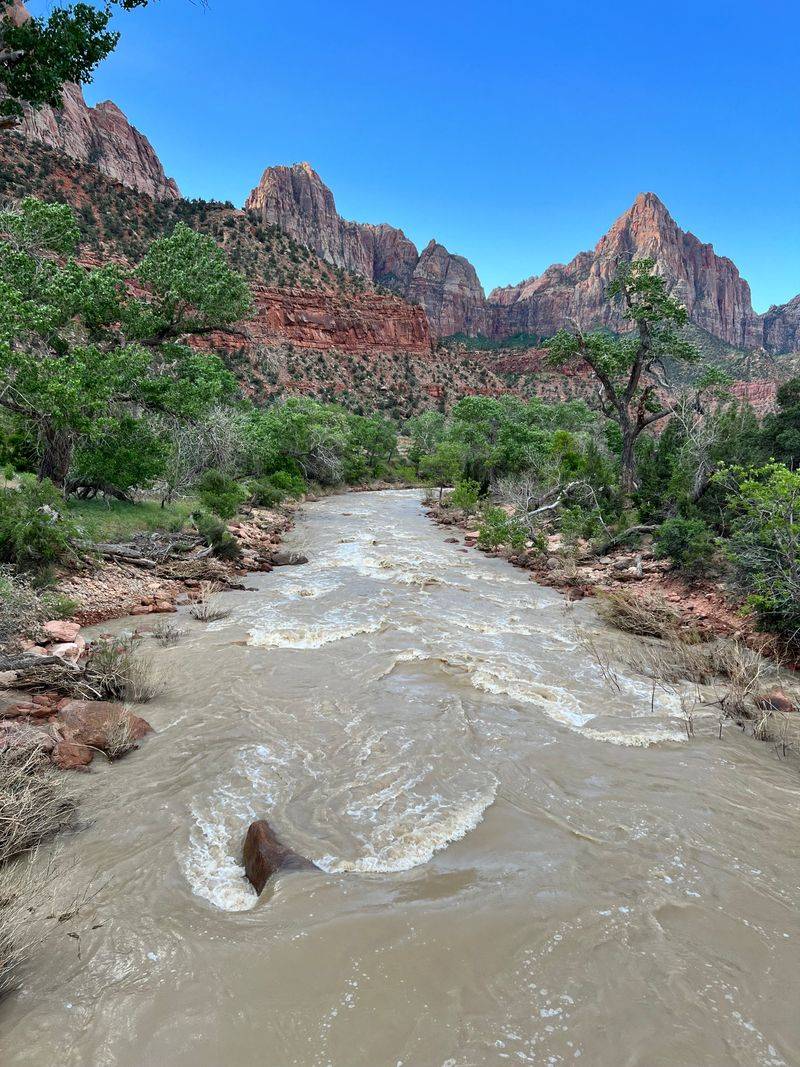
Scattered throughout Springdale are small art galleries that function less as retail spaces and more as meditation chambers dedicated to the surrounding landscape.
The artists represented here are often local residents who spend countless hours observing how light interacts with stone, how seasons alter the palette of the high desert, and how weather patterns create drama in the narrow canyons.
Their work reflects this deep attention, capturing not just the appearance of the landscape but its emotional resonance and spiritual weight.
Walking through these galleries, you are encouraged to take your time, to sit with individual pieces, and to notice details that only reveal themselves through sustained looking.
Gallery owners rarely hover or pressure visitors to make purchases, understanding that art appreciation cannot be rushed and that the right piece will speak to someone when the time is right.
Photography exhibits showcase images taken during specific moments of light that required the photographer to wait hours or even return multiple times to capture.
Paintings often include notes about where the artist sat to create the work and how long the process took, adding layers of story and intention to the visual experience.
These spaces provide welcome refuge during the heat of midday, offering air conditioning and quiet contemplation as alternatives to constant outdoor activity.
Many visitors discover that spending an hour in a gallery shifts their perception when they return outside, having learned to see the landscape through eyes trained by artistic interpretation.
The galleries remind us that creativity itself is an act of slowing down and paying attention.
Seasonal Changes Unfold at Geological Speed
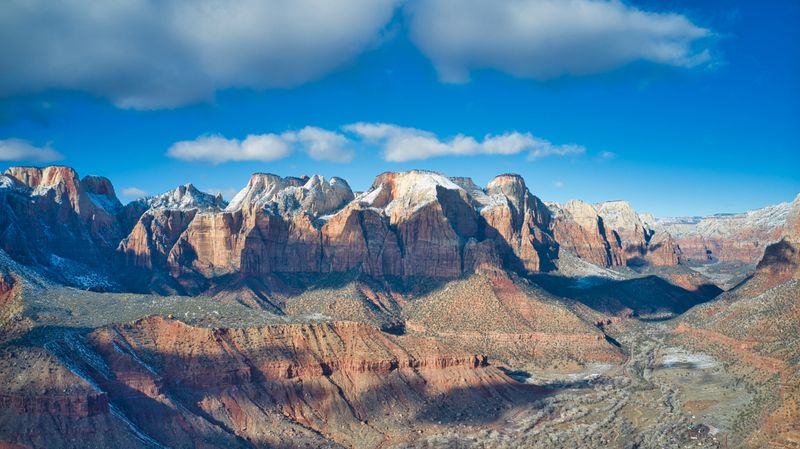
Springdale’s location at 3,900 feet elevation creates a climate where seasons assert themselves clearly but transition gradually, giving residents and long-term visitors a masterclass in natural rhythms.
Spring arrives tentatively, with wildflowers appearing first in sheltered microclimates before spreading to more exposed areas over the course of weeks.
Summer heat builds slowly, each day adding a few degrees until the canyon walls radiate warmth long after sunset.
Autumn transforms the cottonwoods and maples along the river into ribbons of gold that seem to glow against the red rock backdrop, but this change happens leaf by leaf rather than all at once.
Winter brings occasional snow that dusts the high cliffs while leaving the town itself relatively clear, creating a striking visual contrast that photographers travel hundreds of miles to capture.
These seasonal shifts cannot be experienced during a typical three-day weekend visit, which is precisely the point.
The landscape rewards those who return multiple times throughout the year, revealing new facets and moods with each changing season.
Even during a single visit, observant travelers notice daily changes as plants respond to available water, as birds migrate through following ancient routes, and as the quality of light shifts with the sun’s changing angle.
The surrounding geology provides context for these biological rhythms, reminding us that the cliffs themselves are constantly changing, just on a timescale that makes human seasons seem instantaneous.
Springdale teaches patience by example, showing that meaningful transformation cannot be rushed, whether it takes days, months, or millions of years.
Front Porches and Benches Invite Stillness

Throughout Springdale, you will find benches positioned at seemingly random locations: beside the river, in front of galleries, along quiet side streets, and in small parks.
These are not elaborate structures, just simple wooden seats that offer an invitation to anyone willing to accept it.
What makes them special is their placement, carefully chosen to frame particular views or provide shade during the hottest parts of the day.
Sitting on one of these benches for even ten minutes can fundamentally alter your experience of the town and your own mental state.
Without the distraction of walking or the goal of reaching a destination, your attention naturally expands to include details you would otherwise miss entirely.
You notice how the temperature drops when clouds pass overhead, how the quality of silence differs between morning and afternoon, and how many shades of red actually exist in what appears from a distance to be uniformly colored stone.
Many hotels and inns in Springdale feature front porches with rocking chairs, continuing this tradition of providing spaces specifically designed for doing nothing in particular.
These porches become social spaces where strangers strike up conversations about their travels, sharing recommendations and stories without the formal structure of organized activities.
The simple act of sitting and watching the world go by feels almost revolutionary in a culture that constantly demands productivity and motion.
Springdale’s benches and porches stand as quiet monuments to a different way of being, one that values presence over productivity and stillness over constant stimulation.
Dear Reader: This page may contain affiliate links which may earn a commission if you click through and make a purchase. Our independent journalism is not influenced by any advertiser or commercial initiative unless it is clearly marked as sponsored content. As travel products change, please be sure to reconfirm all details and stay up to date with current events to ensure a safe and successful trip.
