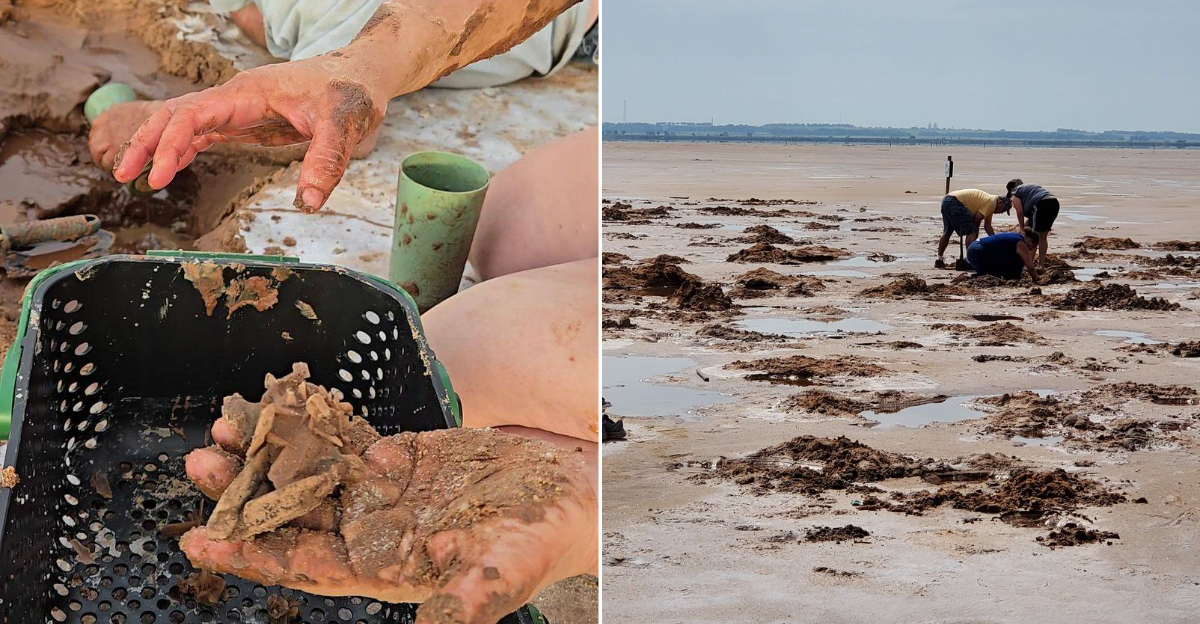
You step onto a landscape so white and flat it feels like another planet, and the real treasure is hiding just beneath your feet.
This vast nature park in Oklahoma is the only place on Earth where you can dig for a very special type of crystal, one formed in a unique, hourglass shape that you simply cannot find anywhere else.
The ground you walk on is the remnant of an ancient ocean, a salt plain that stretches for miles under the open sky. Families and rockhounds alike come here with shovels and screens, eager to sift through the salty soil and uncover their own geological prize.
The best part is that this extraordinary experience is completely free.
It is a hands-on adventure that connects you directly with the land, a place where you can quite literally dig up a piece of Oklahoma’s natural history to take home with you.
The Only Place Hourglass Selenite Forms
Here is the part that really gets people talking. The crystals found at the Great Salt Plains are called hourglass selenite, and they naturally form only in this one area of Oklahoma because of the mix of salt, gypsum, sand, clay, and iron locked in the ground.
When you hold one, the shape can look plain at first, but then you notice the darker hourglass mark inside and realize you are looking at something you cannot dig up anywhere else on Earth. That makes the whole outing feel less like random rock hunting and more like taking part in a very specific natural story.
I think that is why even people who are not big geology fans end up getting excited out there. You are not just passing time in the mud, you are searching for a crystal with a fingerprint tied to this landscape alone, and that gives the trip a sense of purpose.
If you go, bring a little curiosity with you, because knowing what makes these crystals rare will make every small find feel bigger, stranger, and honestly a lot more satisfying when you rinse the mud away and see the shape clearly in your hand.
Getting To The Digging Area Without Guessing
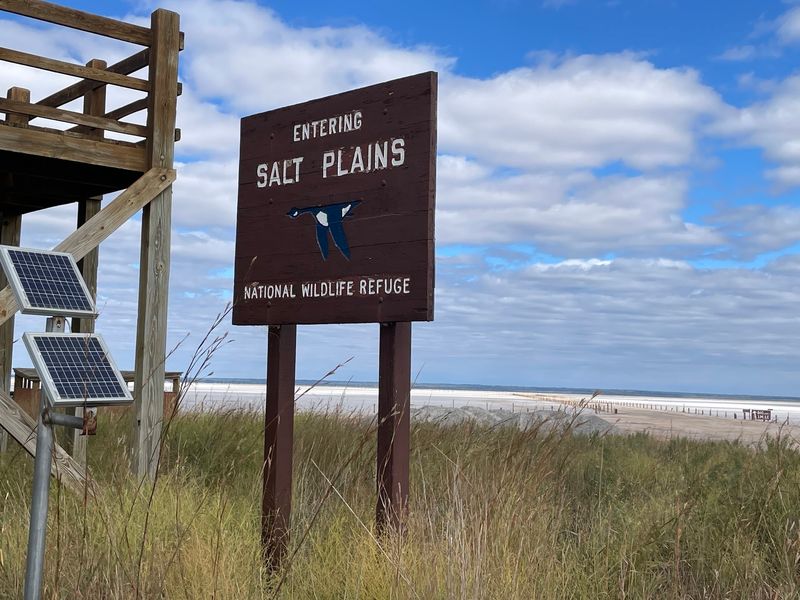
Finding the right spot is easier than you might think, which is good because the landscape gets big fast and you do not want to wonder if you missed the turn. The place you want is the Selenite Crystal Digging Area, 66003 Garvin Road, Cherokee, OK 73728, inside the Salt Plains National Wildlife Refuge.
Once you are in the refuge, the drive keeps going a bit before the actual digging area comes into view, so pay attention to the bright signs pointing you the right way. I would still save the location before you leave home, because cell service can feel a little spotty when you are out in rural Oklahoma and nobody enjoys circling dusty roads while the sun keeps climbing.
What helps most is treating it like a small outing, not a casual roadside stop. Leave yourself enough time to get there without rushing, use the official route instead of shortcuts, and watch for posted guidance when you arrive.
By the time the white flats open up ahead of you, the drive starts feeling like part of the experience, and you will be glad you handled the logistics before the crystal hunt begins.
Timing Your Visit For The Open Season
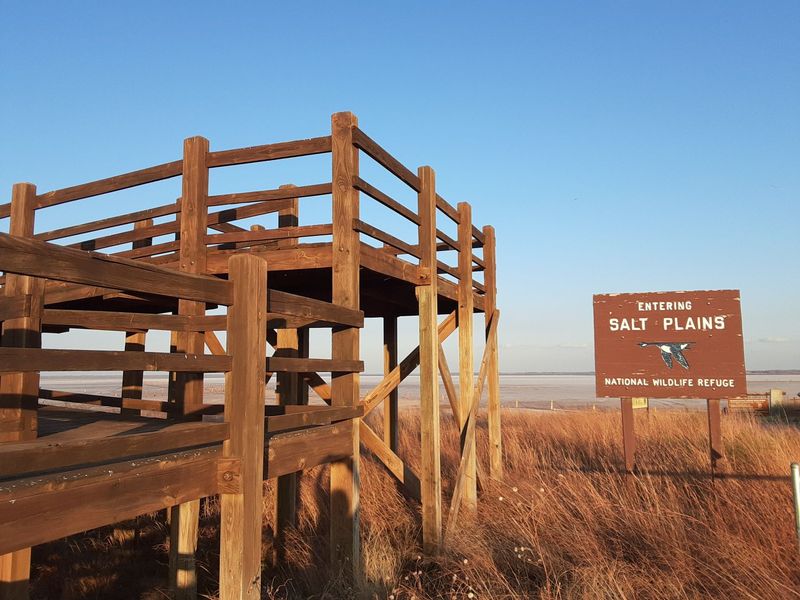
You cannot just roll up whenever the mood hits, and honestly that little bit of planning makes the visit smoother. The digging area is seasonal, with access generally allowed from spring into early fall, and visitors can dig from sunrise to sunset during the open period.
That schedule matters for more than convenience, because this part of the refuge also supports wildlife and changing ground conditions. Checking official refuge updates before you go is the smartest move, especially after heavy weather, since closures or access notes can change and nobody wants to drive all the way out there only to learn the site is unavailable that day.
If you ask me, the best approach is to start early and give yourself a long, unhurried stretch of daylight. Morning light is easier on your eyes, the heat tends to feel less pushy, and you will have better energy for digging, rinsing, packing, and just looking around at the strange beauty of the plains.
A trip like this works best when you leave room for wandering and a little trial and error, because crystal hunting is not rushed work. The more patient you are with the timing, the more fun Oklahoma seems to hand back.
What To Pack Before You Step Out
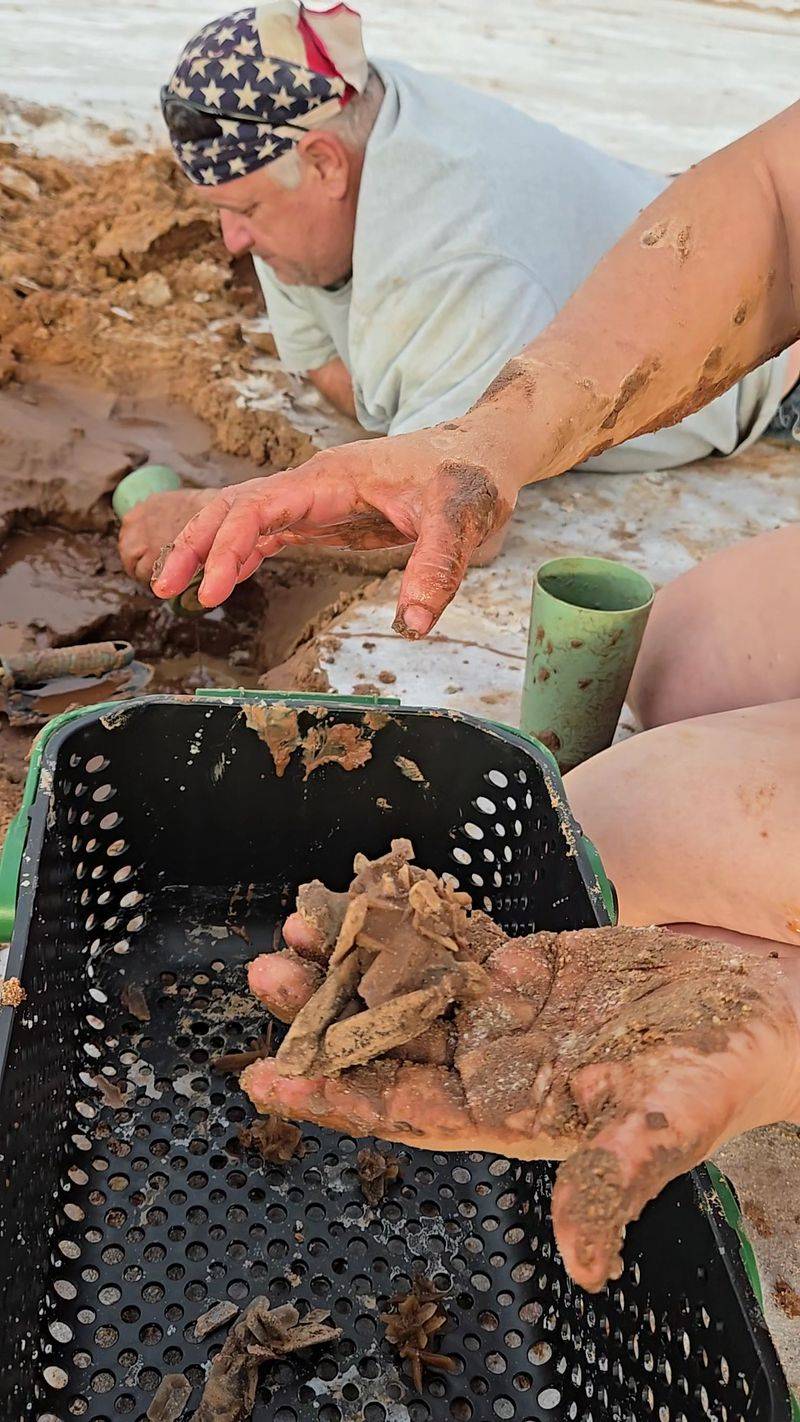
Let me save you from the classic mistake of showing up dressed for a normal park walk. The digging area is bright, salty, muddy, and wide open, so the gear that feels unnecessary at home suddenly becomes the stuff you are most grateful you packed.
A small hand shovel or sturdy trowel makes the work manageable, and a bucket gives you somewhere to drop your finds without crushing them under other supplies. You will also want lots of water for drinking and rinsing, plus sunscreen, sunglasses, a hat, and shoes you do not mind covering in wet salt and clay that can cling in every crease.
Clothing matters more than people expect, because there is very little shade and the reflected glare from the ground can wear you out faster than a regular afternoon outside. I would wear light layers, bring a towel for the ride home, and keep a box or soft wrap ready for crystals so they do not knock against each other.
Selenite is softer than many people realize, which means a beautiful find can chip before you even leave if you toss it carelessly into a hard container. A little prep goes a long way out here.
How The Digging Actually Works
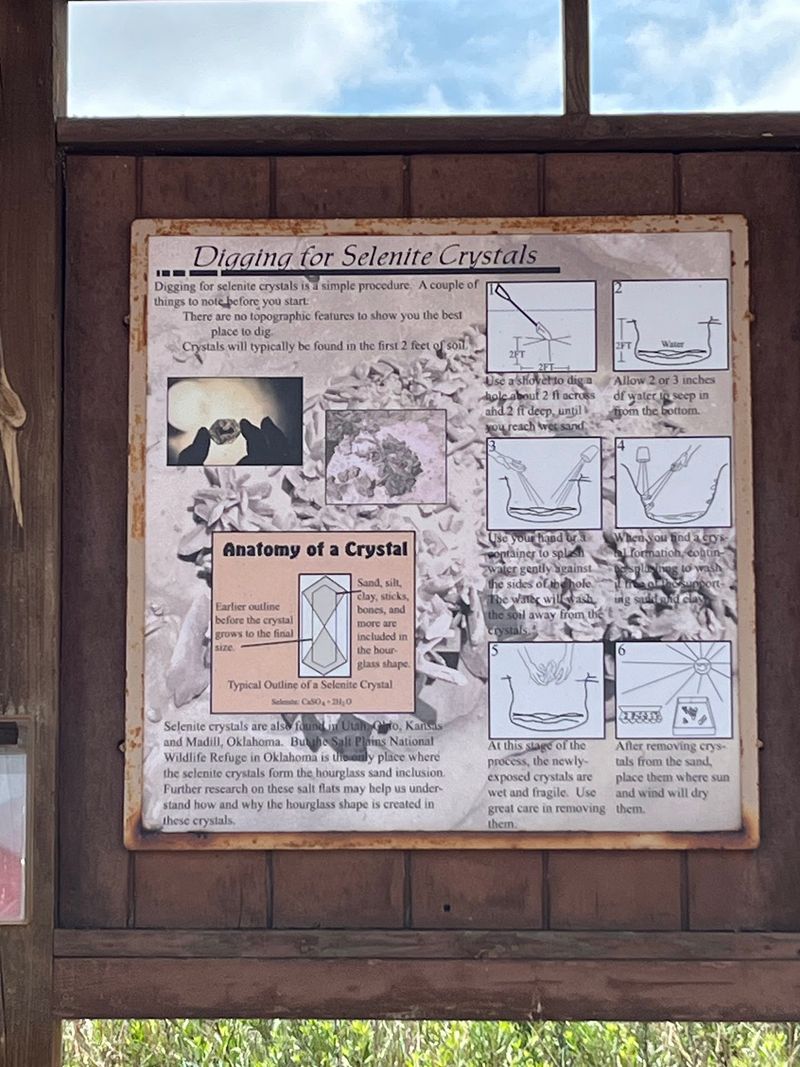
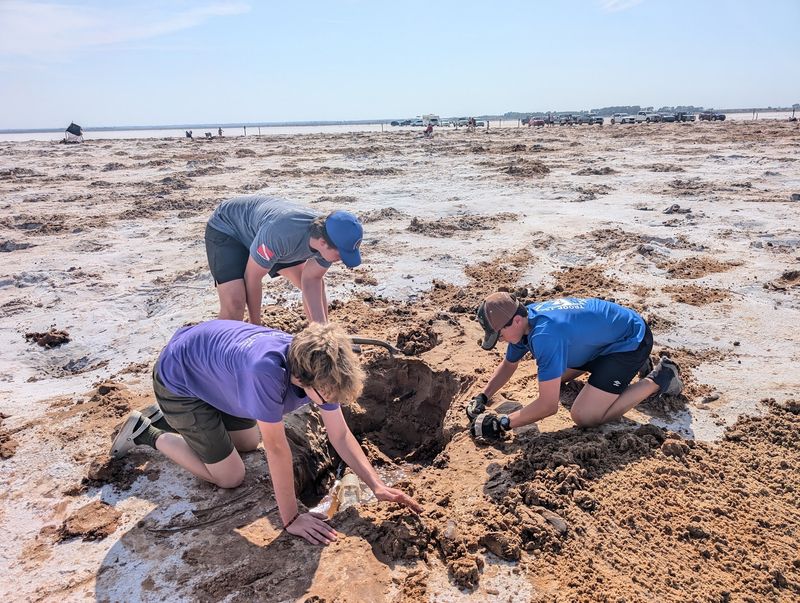
The first time you see people digging, it looks almost too simple, and that is part of the charm. You are not hauling giant tools or breaking rock walls apart, because the usual method is to dig a shallow hole, loosen the muddy ground, and then use water to help reveal what is hiding below.
As the water moves through the sand and clay, the crystals become easier to spot against the wet earth, and suddenly the search starts making sense. A gentle approach works better than wild stabbing with a shovel, since the crystals can break if you get rough, and it is much easier to lift them carefully once you see their edges clearly.
I would compare it to panning for treasure, only slower and muddier and somehow more satisfying when you finally notice that pale shine in the hole. Keep your movements steady, check the loosened soil with your hands, and do not give up on one spot too quickly if the ground looks promising.
Some visitors find crystals fast, while others need patience before the first good discovery shows up. That unpredictability is half the fun, because every careful scoop leaves room for a small surprise waiting just under the surface.
Why The Landscape Feels So Unreal
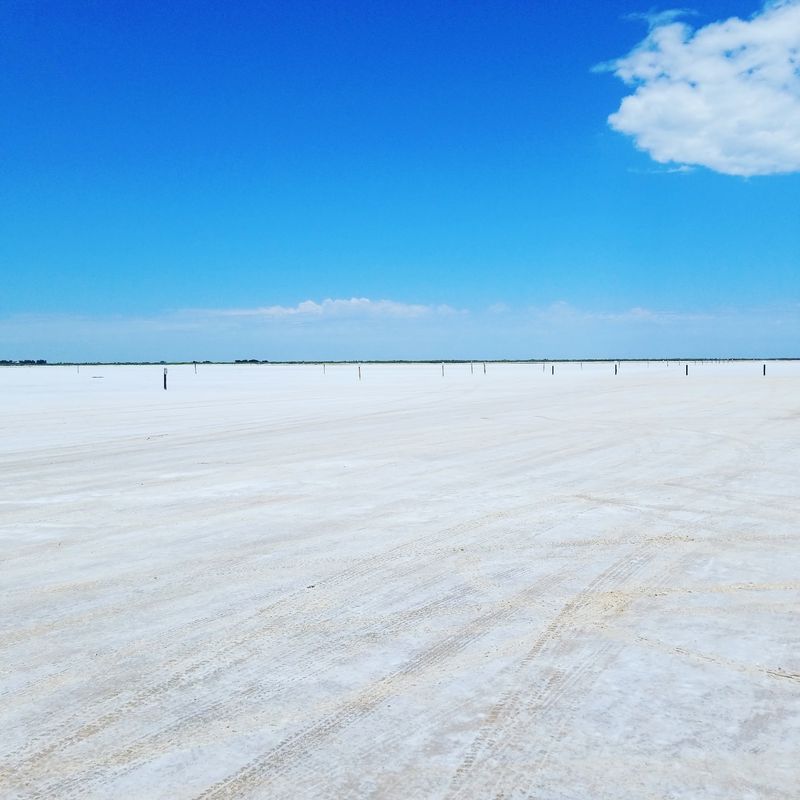
You know those places that make you stop talking for a second because your brain needs a minute to catch up? The Great Salt Plains has that effect, mostly because the ground stretches out in a broad white sheet that feels more like a movie set than the middle of Oklahoma.
There is very little shade, very little visual clutter, and almost nothing to block the sky, so the whole area feels huge in a way that is hard to explain until you stand there yourself. Sunlight bounces off the pale surface with real force, and that glare changes how you move, how you look around, and how quickly you remember to reach for your hat and water.
What I like most is that the strange scenery is not just background for the digging, it is part of why the trip sticks in your mind afterward. Kids usually notice the moonlike look right away, and adults end up taking longer looks than they expected because the openness feels so unusual.
If you visit, give yourself a little time to pause between digging sessions and really take in the view. The crystals are the draw, sure, but the landscape gives the whole experience its slightly otherworldly personality and makes the day feel bigger.
How Digging Connects To Refuge Wildlife
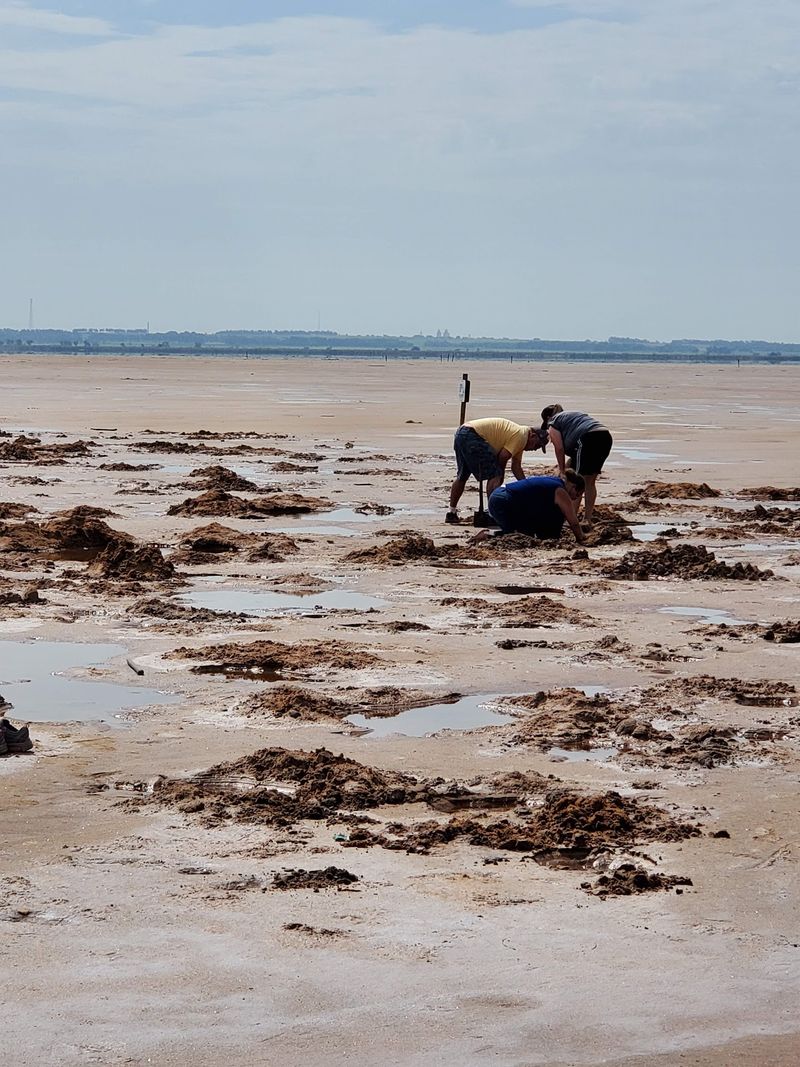
Here is the part people rarely expect, and it makes the place even more interesting once you hear it. Crystal digging at the refuge is not just tolerated as a quirky activity, because the disturbed ground can also create useful little features for wildlife living on the Salt Plains.
Shallow holes and spoil areas may help provide habitat conditions for small creatures and support feeding or nesting patterns for certain birds in the broader landscape. Snowy plovers are often part of that conversation, and learning that your muddy hobby overlaps with refuge ecology gives the whole outing a more thoughtful feel than a simple treasure hunt.
Of course, that is exactly why following the posted rules matters so much when you visit. Staying in the designated digging area, respecting closures, and leaving the rest of the refuge alone helps protect the balance that makes this place work for both people and animals.
I like when an outdoor stop has a second layer to it, and this one definitely does. You get the fun of searching for crystals, but you also leave knowing the site is part of a living system, not just a patch of ground to use up.
That little shift in perspective makes the visit feel smarter, kinder, and more connected to the real purpose of the refuge.
What Else To See After The Crystal Hunt
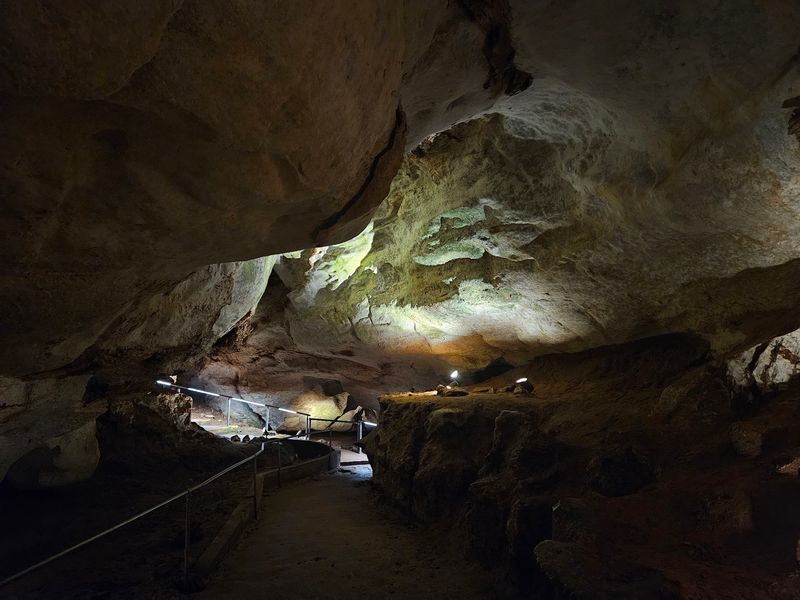
If you are already making the drive out here, it makes sense to stretch the day into something bigger. The digging area feels remote enough that many visitors pair it with other stops in this part of Oklahoma instead of heading straight home once the buckets are packed.
Alabaster Caverns State Park is a smart add-on if you want another unusual geology stop, since the cave system gives you a very different view of the region than the open salt flats. Gloss Mountain State Park also fits nicely for dramatic scenery, and together these places can turn one crystal outing into a memorable loop through some of the state’s strangest landscapes.
I like that none of these places feel interchangeable, which keeps the trip from blurring together. One gives you bright emptiness and muddy hands, another takes you underground, and another throws sharp, rugged hills into the mix.
If you plan it well, you can come home feeling like you saw several versions of Oklahoma in a single run rather than just checking off one stop. That is probably the best reason to go, honestly.
The crystals are amazing, but they also pull you into a corner of the state that has a lot more personality than most people expect before they arrive.
